Türkçe
Syncope, commonly known as fainting, is a sudden and temporary loss of consciousness due to reduced cerebral blood flow. Although often benign, it may signal serious cardiovascular or neurological disorders requiring medical assessment.
Common causes of syncope include vasovagal episodes, dehydration, arrhythmias, and structural heart disease. Identifying triggers such as stress, pain, or prolonged standing helps guide diagnosis and prevention strategies.
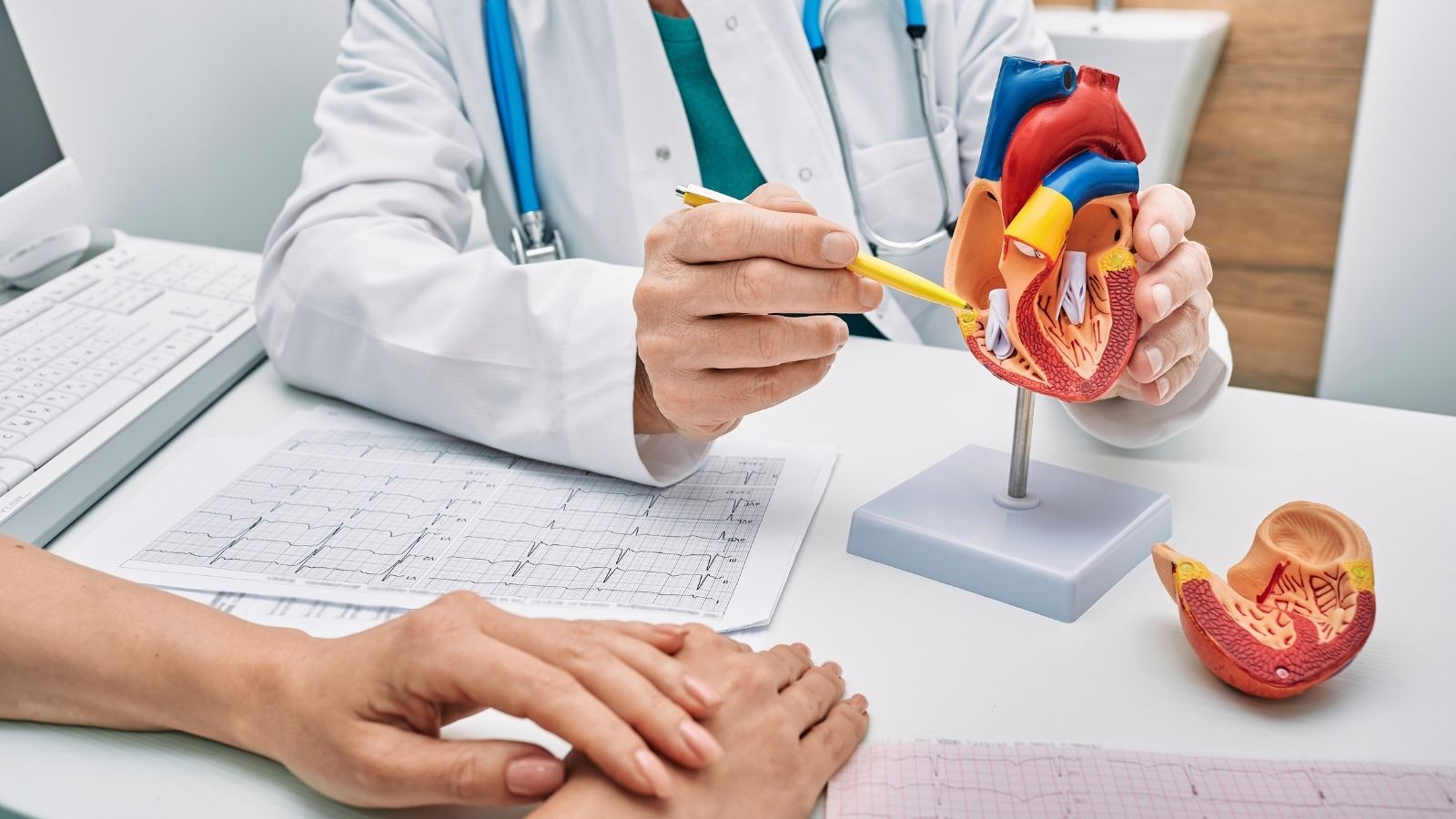
Diagnostic evaluation involves electrocardiography, echocardiography, and tilt-table testing. These tools help determine whether the fainting episode is related to arrhythmias, structural abnormalities, or autonomic dysfunction.
Management of syncope focuses on treating underlying causes, avoiding known triggers, and in some cases, implanting pacemakers. Patient education plays a vital role in reducing recurrence and ensuring safety.
| Medical Name | Syncope (Fainting) |
| Common Symptoms | – Sudden loss of consciousness- Falling- Pallor- Sweating- Dizziness, nausea- Short recovery |
| Causes | – Low blood pressure (hypotension)- Heart rhythm disorders (arrhythmia)- Low blood sugar (hypoglycemia)- Fear, pain, stress- Sudden decrease in blood flow in the brain vessels |
| Risk Factors | – Heart diseases- Old age- Diabetes- Standing for a long time- Rapid change of position |
| Complications | – Trauma or injury due to a fall- Head trauma- Rarely serious cardiac or neurological problems |
| Diagnostic Methods | – Clinical examination- ECG- Blood tests- Brain and heart imaging methods- Holter and tilt table test if necessary |
| Treatment Methods | – Treatment of the underlying cause- Increasing fluid intake- Increasing salt consumption when appropriate- Drug treatment if necessary |
| Prevention Methods | – Avoiding rapid position changes- Adequate fluid intake- Treatment of chronic diseases- Regular medical check-ups |
What is Syncope (Fainting) from a Medical Perspective?
Syncope is when the brain momentarily “switches off”. Although our brain is the command center of our body, it is a highly sensitive organ. It constantly needs oxygen and nutrients, namely fresh blood, to function without interruption. Even just a 3-5 second interruption in blood flow is enough for the brain to temporarily suspend its functions. It is at this moment of suspension that consciousness and muscle control are lost, i.e. syncope fainting occurs.
At this time, the person usually collapses. In fact, this fall is a clever defense mechanism of the body. By assuming a horizontal position, it prevents gravity from trapping the blood in the legs and allows it to rush back to the brain. As soon as the blood flow returns to normal, consciousness is usually restored within seconds. However, the sudden feeling of weakness, fainting, dizziness or fatigue after waking up is quite normal. The main feature that distinguishes syncope from other losses of consciousness is that this recovery occurs spontaneously and completely without the need for intervention. It is important to remember that while conditions such as epileptic seizures, which are considered among the causes of neurological fainting, are caused by the brain’s own electrical storm, syncope is a circulatory system problem. Therefore, the evaluation of a cardiovascular specialist plays a critical role in the correct diagnosis.
Sometimes you don’t faint completely, but you experience that uncanny feeling. Your eyes glaze over, your head spins, you feel nauseous, you sweat, but you are not fully conscious. This is what we call “presyncope”, the feeling of fainting. This should be taken as seriously as fainting itself, because the underlying mechanism is the same: the brain is sending a signal for help.
How Common is Fainting and Who is at Risk?
Fainting is a common condition that you are likely to experience at least once in your lifetime. In fact, it accounts for a significant proportion of all emergency room visits. The incidence shows an interesting distribution by age, peaking in two periods.
The first of these is between the ages of 10 and 30. The vast majority of these fainting spells in young people are what we call vasovagal syncope, which is usually harmless and develops due to certain triggers. Although it may seem alarming, it is usually not life-threatening.
The second peak occurs after the age of 70. The underlying causes of fainting in the elderly may be more serious. A new-onset fainting in an elderly person may be the first and only harbinger of a hidden heart disease. For this reason, fainting in a young person should not be equated with fainting in an elderly person and fainting in the elderly should be investigated much more thoroughly. It should not be forgotten that falls during sudden fainting can lead to serious injuries, head trauma and fractures. This is as important a problem as the fainting itself.
What are the Main Causes of Fainting?
Since the causes of fainting vary, we physicians classify syncope into three main categories according to the underlying cause. This classification is vital to determine the direction of treatment and predict the patient’s future risks.
Reflex (Neural Mediated) Syncope: This is the most common group. It occurs as a result of an exaggerated reaction of the body’s autonomic nervous system to certain situations. It is usually benign.
Syncope due to Orthostatic Hypotension: It occurs when blood pressure drops when standing up suddenly from a lying or sitting position.
Cardiac Syncope: The most dangerous group. It is caused by an underlying heart disease and may carry a risk of sudden death. Its diagnosis and treatment are therefore urgent.
Most Common Fainting: What is Vasovagal Syncope?
What is vasovagal syncope, which accounts for almost half of all fainting? This condition is also known as “classic fainting” and does not usually indicate serious heart disease. It occurs when the heart rate and blood pressure drop suddenly as a result of an excessive nervous reflex of the body to certain triggers.
So, what triggers this situation? Usually the following situations can start this chain:
- Severe fear or anxiety
- Extreme pain
- Blood sighting or blood collection
- Standing for long periods of time
- Hot and crowded environments
- Inadequate fluid intake
- Hunger
Just before you faint, your body may send you some signals. These ‘prodrome’ warning signs of vasovagal syncope give you a chance to take precautions. These symptoms include:
- Nausea
- Cold sweating
- Skin pallor
- Sudden hot flashes
- Dizziness
- Darkening of the eyes
- Hearing sounds as if coming from a distance (fainting sound)
Sitting or lying down as soon as you feel these symptoms can prevent fainting.
What Causes Fainting in the Toilet with Coughing or Straining?
This is a special type of reflex fainting called situational syncope. Just like vasovagal syncope, it is a reflex triggered by a specific situation. The most common causes of fainting in the toilet include violent straining. Other triggers are:
- Severe bouts of coughing
- Sneezing
- Swallowing
- Urination (especially in men who wake up from sleep at night)
These actions suddenly increase chest and intra-abdominal pressure. This temporarily reduces the amount of blood returning to the heart and triggers a chain of reflexes that stimulate the vagus nerve, leading to fainting. Because the person usually faints only in these specific situations, it is easier to diagnose and is often benign.
Blackouts and fainting when standing up: What is Orthostatic Hypotension?
Have you ever felt dizzy or blacked out when you stand up quickly from a lying position or a chair? This is called orthostatic hypotension and can sometimes lead to fainting. Normally, when we stand up, gravity pulls some of our blood to our legs. Our body responds within seconds by squeezing the blood vessels and slightly speeding up the heart, keeping the blood pressure stable. In orthostatic hypotension, this compensation mechanism does not work properly or is delayed. When you stand up, blood pressure drops suddenly and the brain is deprived of blood.
The main reasons that lead to this situation are the following:
- Inadequate fluid intake (dehydration)
- Blood loss
- Prolonged bed rest
- Alcohol use
- Some high blood pressure medicines
- Antidepressants
- Neurological disorders such as Parkinson’s disease
- Advancing age
The Most Dangerous Fainting: Why Does Sudden Fainting Occur and What Is Cardiac Syncope?
Of all fainting, the type that should be taken most seriously is cardiac syncope, which is caused by the heart. While other types are usually manageable, cardiac syncope can be the first and only symptom of a potentially fatal heart problem. The answer to the question of why sudden fainting occurs often lies in this group. The risk of death within a year in patients with cardiac syncope is alarmingly higher than in other groups. Therefore, determining whether a fainting episode is of cardiac origin is the most vital step in the diagnostic process.
Cardiac syncope usually occurs with very few warning signs or completely suddenly, like “lights out”. Occurring during exercise or while lying down are very strong signs to suspect a cardiac cause. The reasons are basically categorized under two main headings.
Structural Heart Diseases: Problems that mechanically interfere with the heart’s pumping function:
- Aortic stenosis (narrowing of the valve of the main artery leaving the heart)
- Hypertrophic cardiomyopathy (abnormal thickening of the heart muscle)
- Decreased heart power after a heart attack (heart failure)
- Other valvular heart diseases
- A clot in the lung (pulmonary embolism)
Heart Rhythm Disorders (Arrhythmias): The most common cause of cardiac syncope. A malfunction in the heart’s electrical system can stop the pumping function in an instant.
Bradycardias (very slow heart rate): Extreme decrease in heart rate or heart pauses for a few seconds (AV block).
Tachycardias (Very Fast Heart Rate): Deadly rhythms such as ventricular tachycardia (VT) or ventricular fibrillation (VF). The heart beats so fast that it does not have time to fill with blood and the blood pressure drops to zero.
Channelopathies (Genetic Rhythm Disorders): Inherited diseases such as Brugada or Long QT syndrome can suddenly lead to dangerous rhythms in a structurally normal heart.
When to see a doctor after fainting? Which Symptoms Signal Danger?
Although not all fainting requires a trip to the emergency room, some conditions may indicate a serious underlying heart problem. If these so-called “red flags” are present, it is vital to consult a cardiologist immediately.
These signs and conditions that signal danger are:
- Fainting during or immediately after exercise
- Fainting while lying down
- Chest pain, shortness of breath or palpitations before fainting
- Sudden loss of consciousness without any warning signs
- Family history of sudden death or heart disease before the age of 50
- The person has a known heart disease (heart failure, history of heart attack, etc.)
- Experiencing prolonged confusion or neurological symptoms
- Serious injury (head injury, fracture) during fainting
Fainting or Seizure? How to recognize the causes of fainting with trembling?
Fainting and seizures are often confused because both can lead to loss of consciousness. However, knowing the difference between them is critical for accurate diagnosis. This distinction is particularly important when questioning the causes of shaking fainting.
Onset: Fainting (syncope) usually starts with slowly developing symptoms such as dizziness, blackouts and sweating. Seizures often occur suddenly.
Appearance: The person who faints is usually pale, sweaty and has relaxed muscles. In a seizure, the body typically convulses first, followed by rhythmic convulsions (convulsions). Biting the sides of the tongue is closer to a seizure, biting the tip is closer to fainting.
Recovery: This is the most important difference. A person who faints comes to within seconds and is fully conscious. After the seizure, there is a period of confusion, drowsiness and lightheadedness that can last for minutes or even hours.
Sometimes, when blood flow to the brain is too low, fainting may be accompanied by short (less than 15 seconds) and irregular muscle twitches. This is called “convulsive syncope” and can be confused with a seizure. Here, however, there are no organized contractions like in a seizure and no prolonged confusion afterwards.
What methods does your doctor use to find the cause of fainting?
The first and most important step in the treatment of syncope and fainting is the correct diagnosis. During this process, your physician tries to put the pieces of the puzzle together. This assessment usually includes the following steps:
Taking a Detailed History: Your doctor will ask you and a relative who witnessed the event many questions. Questions such as what were you doing, what did you feel, how long did it last, how did you wake up, do you have a similar condition in your family, etc. can form the puzzle of the diagnosis.
Physical Examination: It listens to your heart to check for an abnormal sound (murmur), assesses your pulses and looks for neurological signs.
Orthostatic Blood Pressure Measurement: Blood pressure and pulse are measured in lying, sitting and standing positions to see if your blood pressure drops when you stand up.
Electrocardiogram (ECG): An essential test that should be performed on every patient presenting with fainting. By taking a snapshot of the heart’s electrical activity, it can provide invaluable clues about an arrhythmia, a previous heart attack or a hereditary problem.
If the initial evaluation does not lead to a diagnosis or if a cardiac origin is still suspected, further tests are performed.
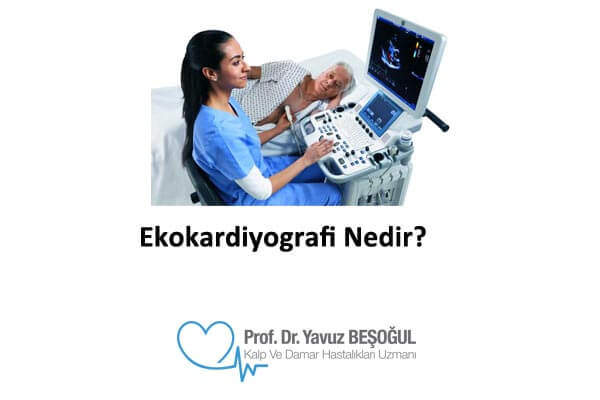
Echocardiography (ECHO): This is an ultrasound of the heart. It shows in detail its structure, valves and pumping power.
Tilt Table Test: It is used to diagnose suspected vasovagal syncope by inducing fainting in a controlled environment.
Rhythm Holter: it is a portable ECG device that records your heart rhythm for 24-72 hours.
Event Recorder: It is a device that is carried for a longer period of time (weeks) and automatically records when you or the device feel symptoms.
Implantable Loop Recorder (ILR): A small device implanted under the skin that monitors the heart rhythm for up to 3 years in infrequent but severe fainting cases where the cause cannot be found. It is the most effective method to capture the moment of fainting.
Exertion (Stress) Test: In exercise-related fainting, it is done to see if exertion triggers a rhythm disturbance.
Electrophysiologic Study (EPS): It is an advanced test with wires inserted through the groin into the heart, used to diagnose the presence of life-threatening arrhythmias in high-risk patients and to plan treatment.
What are the goals of fainting treatment?
The approach to the treatment of syncope and fainting is not “one size fits all”. Treatment is completely individualized according to the underlying cause. Our main objectives are as follows:
- Prevent recurrent fainting
- Preventing injuries due to falls
- Improving quality of life
- And most importantly, to prevent sudden death if the cause is cardiac.
What Lifestyle Changes Are Recommended for Reflex and Orthostatic Fainting?
In these types of fainting, which are considered benign, non-drug methods are usually the mainstay of treatment and are highly effective.
Here is what needs to be done:
- Drink plenty of fluids (at least 2-2.5 liters of water per day)
- Increasing salt intake under doctor’s supervision
- Avoiding situations that trigger fainting (seeing blood, hot environments, etc.)
- Not standing up suddenly from a lying or sitting position
- Moving the leg muscles if standing for a long time
- Sitting or lying down immediately after experiencing stimulating symptoms
- Performing counter pressure maneuvers such as crossing legs and squeezing muscles
- Wearing compression (compression) stockings
How to Treat Fainting Caused by the Heart?
Once cardiac syncope is diagnosed, the treatment plan becomes urgent and focused directly on solving the underlying problem. This is a life-saving treatment, not just fainting.
Medication Therapy: Some medications that cause fainting (such as blood pressure medications) can be readjusted. Antiarrhythmic drugs may be started to control rhythm disturbances.
Elimination of Structural Problems: If the cause is a valve disease such as aortic stenosis, the treatment is valve replacement surgery. If there is a blood vessel blockage, stent or bypass surgery may be required.
Pacemaker: It is a standard and very effective treatment for fainting due to a very slow heart rate (bradycardia). It constantly monitors the heart rate and activates when necessary to keep the heart beating at a normal rate, thus preventing fainting.
Implantable Cardioverter Defibrillator (ICD): A life-saving device used in fainting due to rapid, life-threatening arrhythmias (such as ventricular tachycardia). It is more than a pacemaker; it corrects the rhythm by shocking the heart when it detects a dangerous rhythm. It is like a “lifesaver” placed inside the body:
Catheter Ablation: A treatment that destroys a small area of abnormal tissue in the heart, the source of some rhythm disturbances that cause fainting, by heating or freezing it with special wires inserted through the groin. It can offer a permanent solution in many rhythm disorders. Especially with a new technique called “cardioneuroablation” developed in recent years, successful results can be obtained in cases of persistent vasovagal syncope that do not respond to medications.
How should first aid be given to someone who faints?
When you see someone fainting, taking the right steps without panicking will both help the person recover quickly and prevent possible injuries.
Here is what needs to be done:
- Clear the person and make sure he/she is safe.
- Check if the person is breathing (if not, call 112 immediately and start CPR)
- Lay the person on their back.
- Lift their legs up about 30 cm with a chair or pillow.
- Loosen the collar, tie or belt if it is tight.
What should not be done are the following:
- Do not splash water in the person’s face, do not slap them, do not make them smell onions.
- Do not try to give anything through his/her mouth before he/she regains full consciousness.
- Do not put him/her on his/her feet as soon as he/she regains consciousness. (Allow him/her to rest for at least 10-15 minutes)
If the person does not come to within a few minutes, has been injured while fainting, is pregnant or has a known heart disease or diabetes, call 112 for professional help.

Prof. Dr. Yavuz Beşoğul graduated from Erciyes University Faculty of Medicine in 1989 and completed his specialization in Cardiovascular Surgery in 1996. Between 1997 and 2012, he served at Eskişehir Osmangazi University Faculty of Medicine as Assistant Professor, Associate Professor, and Professor, respectively. Prof. Dr. Beşoğul, one of the pioneers of minimally invasive cardiovascular surgery in Türkiye, has specialized in closed-heart surgeries, underarm heart valve surgery, beating-heart bypass, and peripheral vascular surgery. He worked at Florence Nightingale Kızıltoprak Hospital between 2012–2014, Medicana Çamlıca Hospital between 2014–2017, and İstinye University (Medical Park) Hospital between 2017–2023. With over 100 publications and one book chapter, Prof. Dr. Beşoğul has contributed significantly to the medical literature and is known for his minimally invasive approaches that prioritize patient safety and rapid recovery.