Türkçe
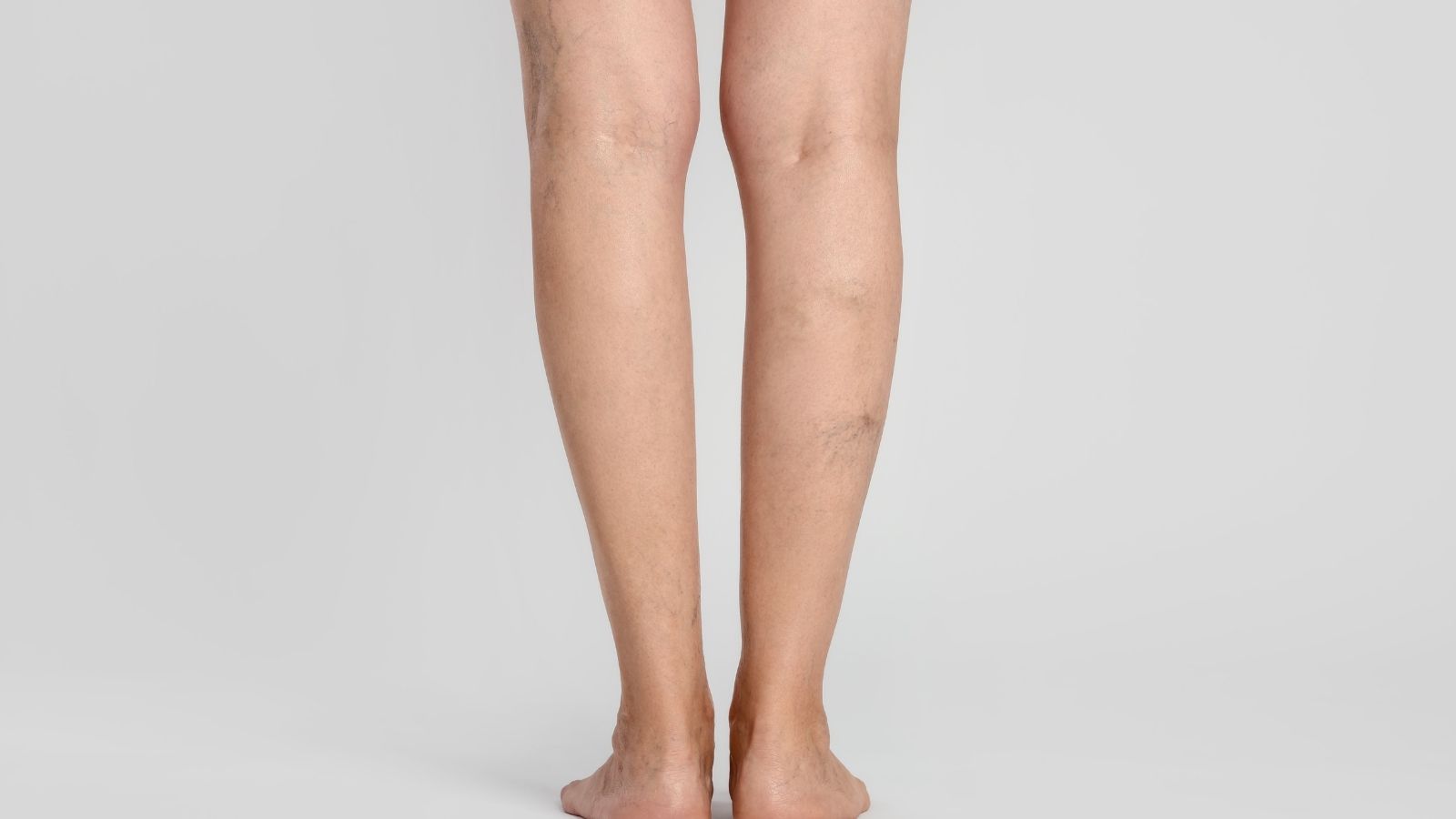
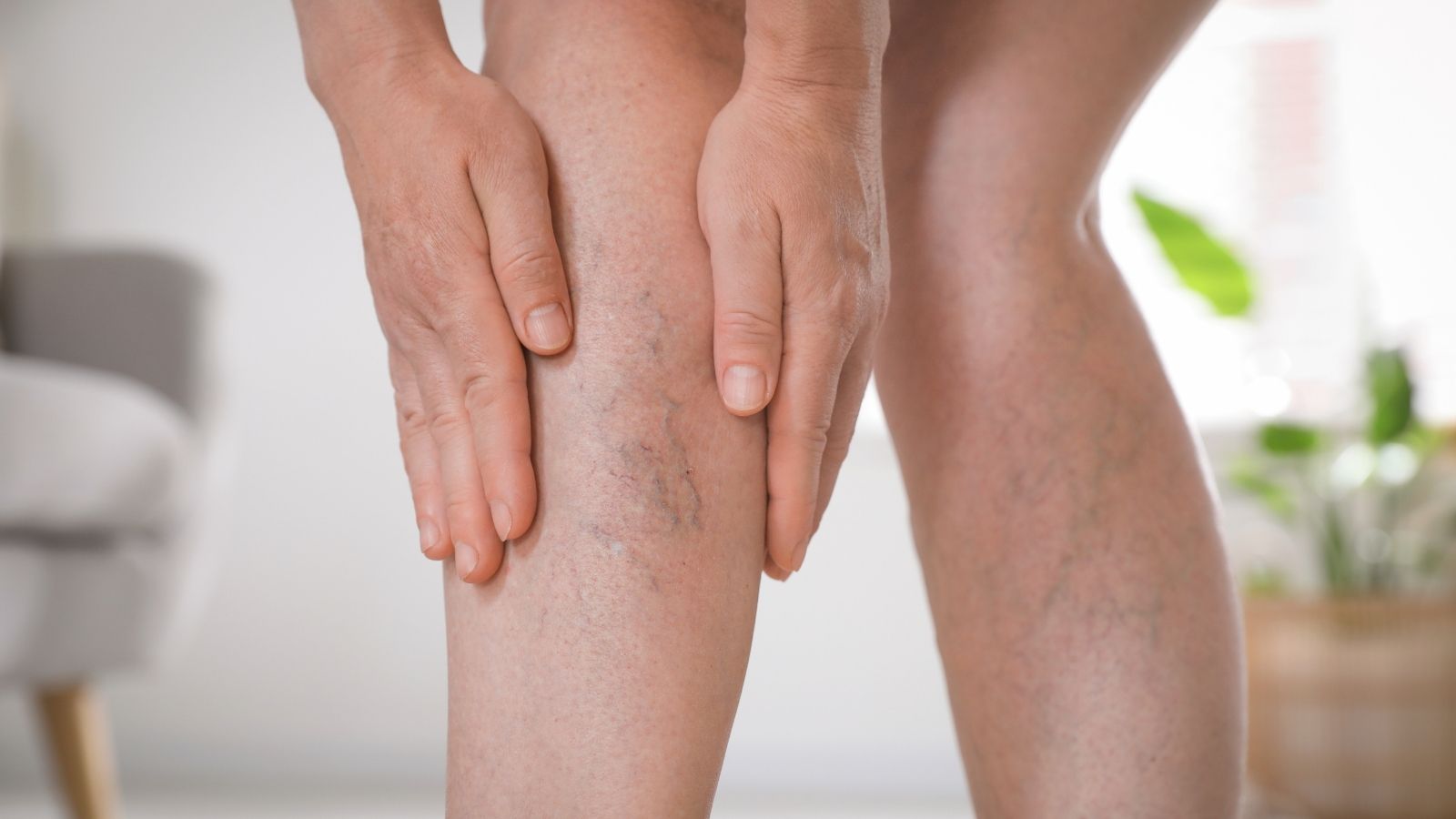
Internal varices symptoms include swelling, heaviness, and pain in the affected area, often in the pelvic or abdominal veins. This condition can lead to chronic discomfort and circulation problems if left untreated.
Diagnosis relies on advanced imaging such as Doppler ultrasonography, CT, or MRI. These tools reveal venous dilation, valve insufficiency, and impaired blood flow patterns.
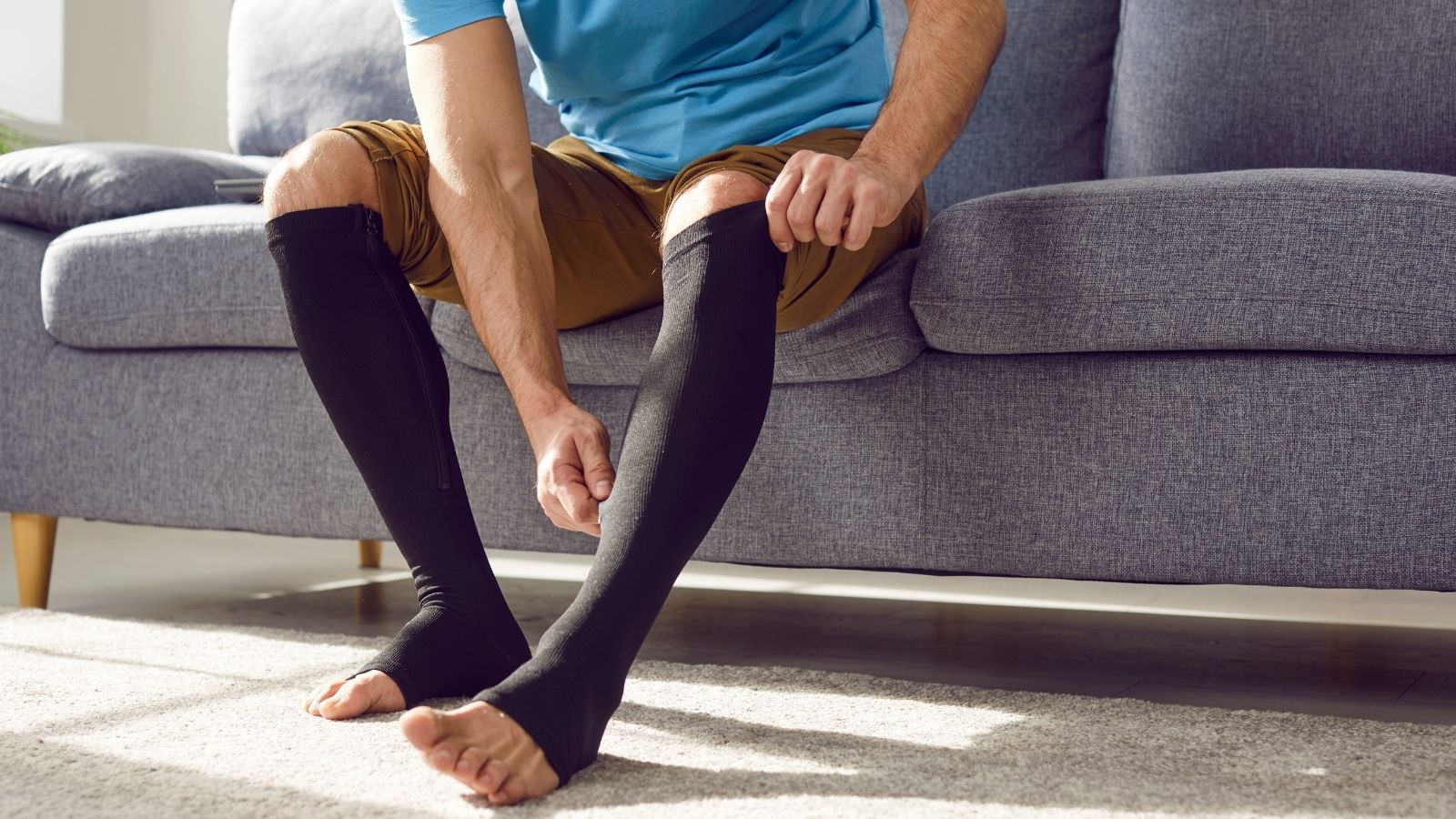
Treatment methods vary from lifestyle modifications and compression therapy to endovascular procedures. Minimally invasive options, such as embolization, provide effective and safe results.
Preventing recurrence requires addressing underlying risk factors, including obesity, prolonged standing, and hormonal influences. Long-term follow-up ensures effective management and symptom relief.
| Medical Name | Deep Vein Insufficiency (Deep Venous Insufficiency), Internal Varicose Veins |
| Common Symptoms | – Swelling in the legs – Pain or feeling of heaviness – Skin discoloration i- Leg cramps and itching – Increased complaints after prolonged standing |
| Causes | – Disruption of valves in deep veins – Weakness in the vessel wall – Clot formation (after Deep Vein Thrombosis) – Genetic predisposition |
| Risk Factors | – Standing for long periods of time – Sedentary lifestyle i- Obesity- Pregnancy – Advanced age – Previous leg vein thrombosis |
| Complications | – Wounds on the skin (ulcers) – Chronic pain and swelling in the legs – Intravascular clot formation – Pigment change |
| Diagnostic Methods | – Doppler ultrasound – Venography (rarely) – Physical examination |
| Treatment Methods | – Compression stockings – Drug therapy (venotonics, anticoagulants, etc.) – Exercise and lifting the legs up – Laser, surgical intervention (in advanced cases) |
| Prevention Methods | – Regular exercise – Keeping the legs up – Healthy weight control – Avoid standing for long periods of time |
What are the Symptoms of Internal Varicose Veins and How Does it Feel?
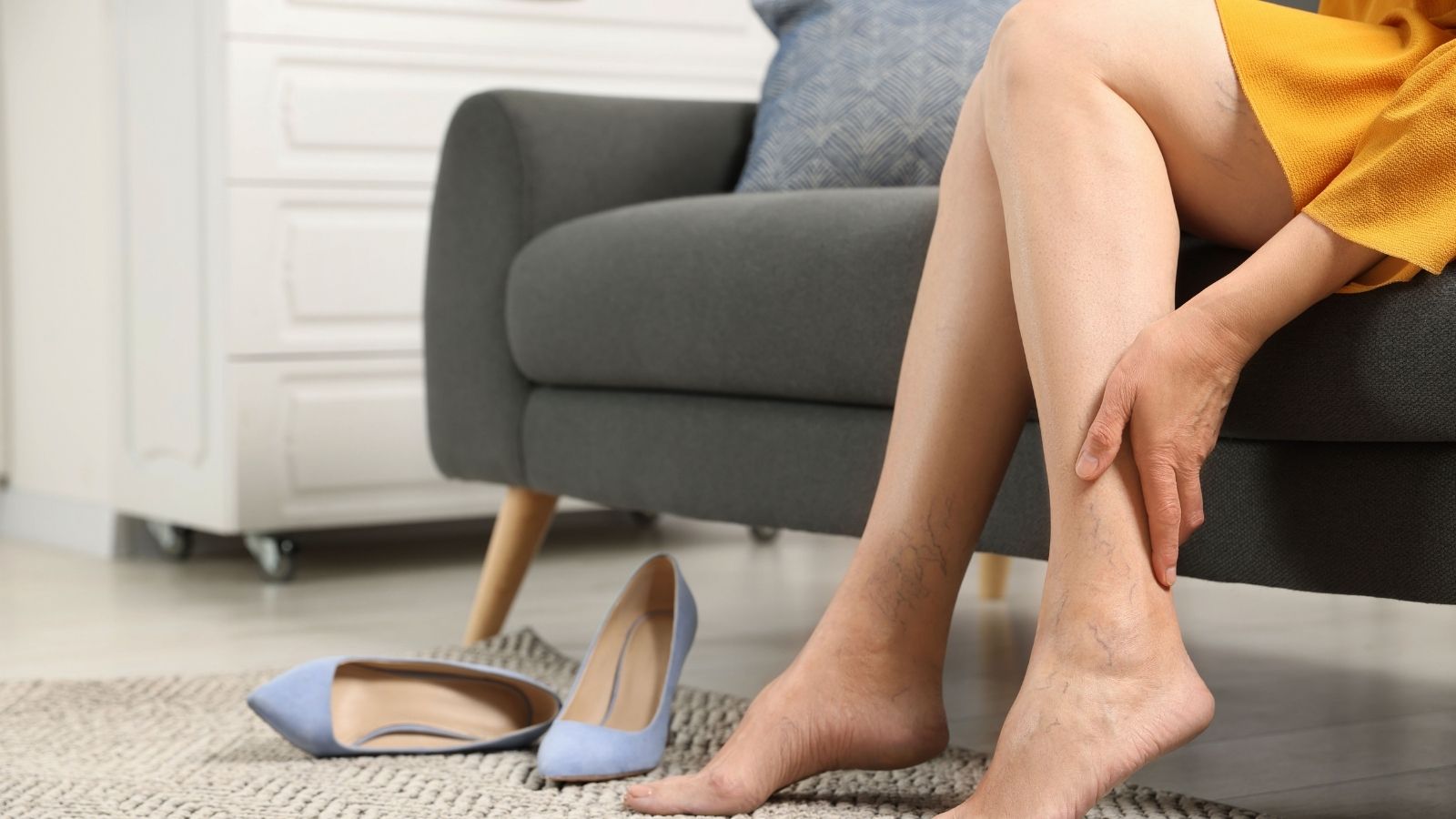
Internal varicose veins do not manifest themselves in a single way. Depending on whether the underlying problem is in your legs or higher up in your abdomen, it can cause different symptoms. Usually these symptoms increase with fatigue and decrease with rest.
The main symptoms of internal varicose veins felt in the legs are as follows:
- Deep and throbbing pain
- Feeling of heaviness and fullness
- Increased cramps, especially at night
- Swelling in the ankles (edema)
- Restlessness and tension in the legs
- Itching or burning sensation
The symptoms on this list are a sign that your veins are not carrying blood efficiently to the heart. It is very typical for it to relax when you lift your legs up, because this movement reduces the effect of gravity and helps the blood to drain out of your legs.
Sometimes the source of the problem is deeper, in the pelvic region. This condition is known as Pelvic Congestion Syndrome or “uterine varicose veins”, especially in women. Symptoms specific to this condition are as follows:
- Chronic groin pain lasting more than six months
- Painful sexual intercourse
- Increased pelvic pain during menstrual periods
- Atypical varicose veins in the genital area, buttocks or back of the legs
- Frequent urge to urinate
If your leg complaints are accompanied by these pelvic symptoms, there is a good chance that your intra-abdominal veins are the source of the problem. Making this distinction is vital for planning the right treatment.
What Causes Varicose Veins in the Legs and Pelvis?
The main culprit behind all these complaints is venous hypertension, i.e. increased pressure in the veins. The veins in our body are a wonderful system that fights against gravity to carry dirty blood back to the heart. Two main problems can arise in this system and predispose to internal varicose veins.
The first is a condition known as venous valve insufficiency (venous reflux). Inside our veins are tiny, one-way valves that allow blood to flow only upwards and prevent it from escaping backwards. When these valves fail, blood escapes downwards under the influence of gravity and pools in the veins in the legs or pelvic area. Like a gasket that leaks water, these valves become unable to do their job. This leads to blood pooling, dilation of the vessels and increased pressure.
The second main problem is venous obstruction or external pressure (venous obstruction). Sometimes there is a physical barrier in front of the blood that prevents it from moving forward. This can be a clot residue left in the vein after a previous deep vein thrombosis (DVT) or compression of a vein by another structure. The most common compression conditions we encounter are as follows:
May-Thurner Syndrome: This is when the main vein of the left leg is squeezed against the spine by the artery of the right leg, which runs just above it. This makes it difficult for blood to return from the left leg to the heart and causes swelling, pain and varicose veins, especially in the left leg.
Nutcracker Syndrome: Compression of the left renal vein between two large arteries. This can cause blood to leak backwards into the pelvic veins and cause Pelvic Congestion Syndrome in women.
What happens if internal varicose veins are not treated?
Internal varicose veins, which initially manifest themselves with only a slight tingling or a feeling of heaviness, can progress over time and lead to more serious problems if left untreated. We can understand this process of progress more clearly by dividing it into phases.
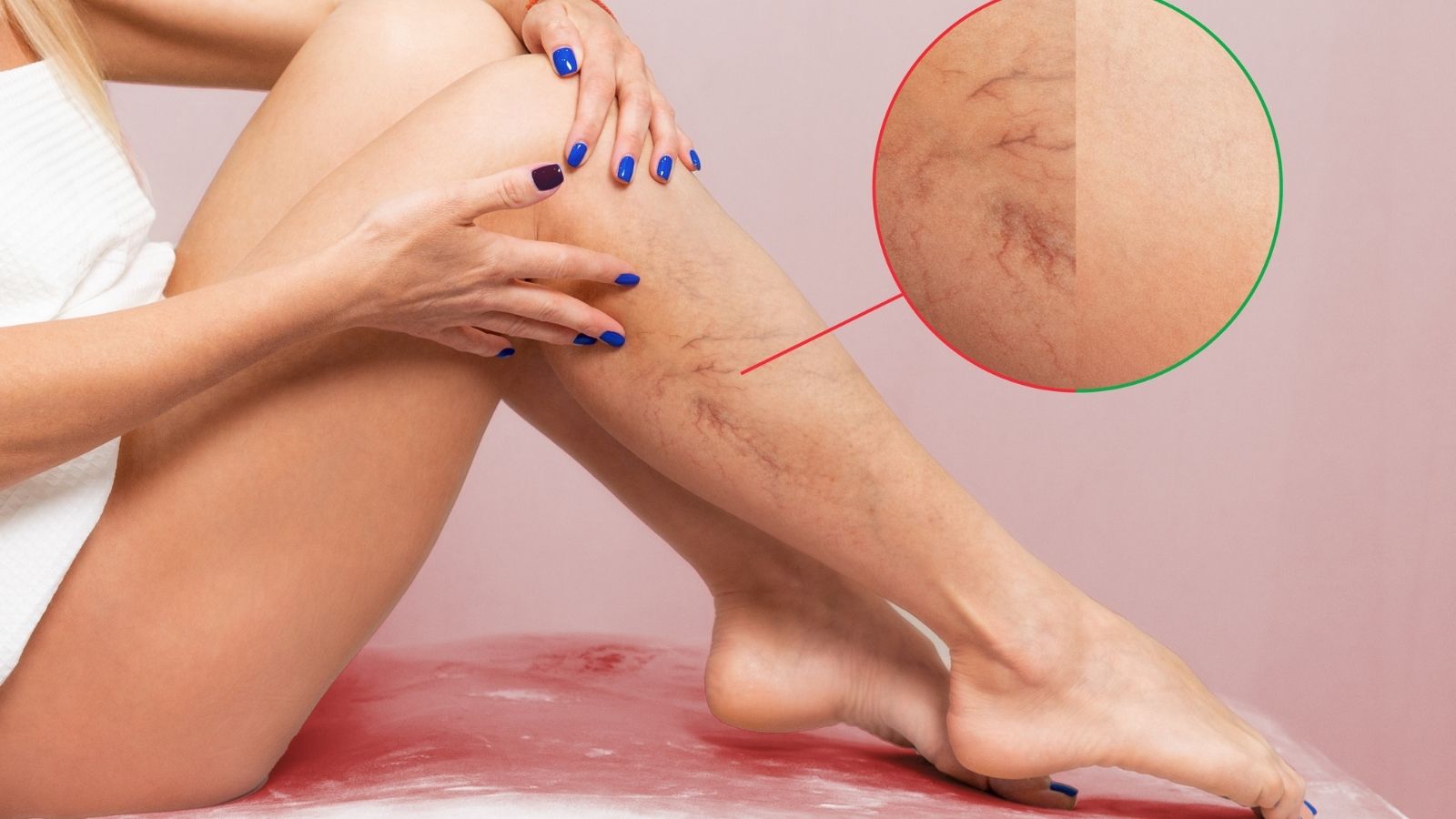
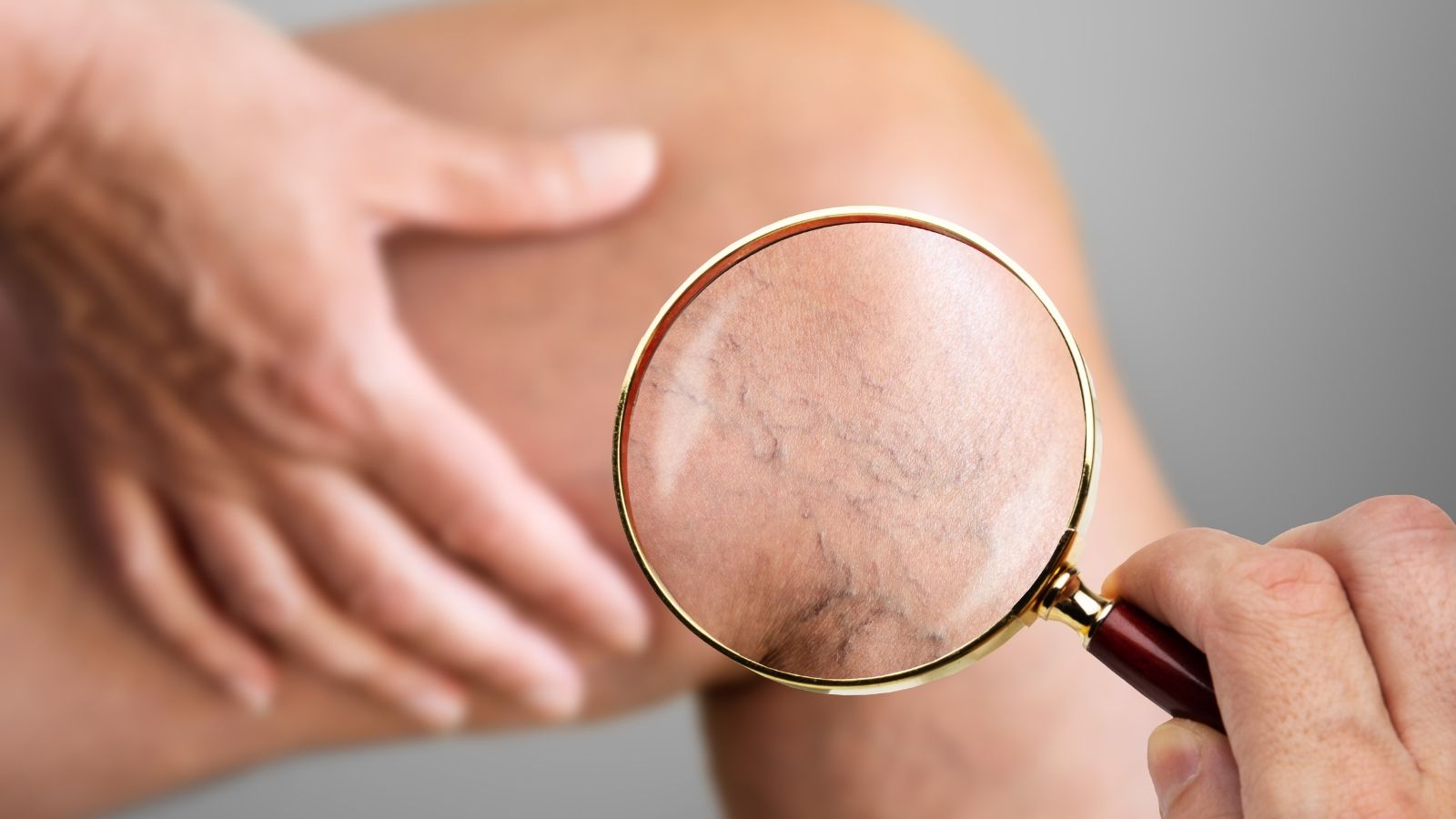
- Stage 1: The appearance of cobweb-shaped capillaries on the legs.
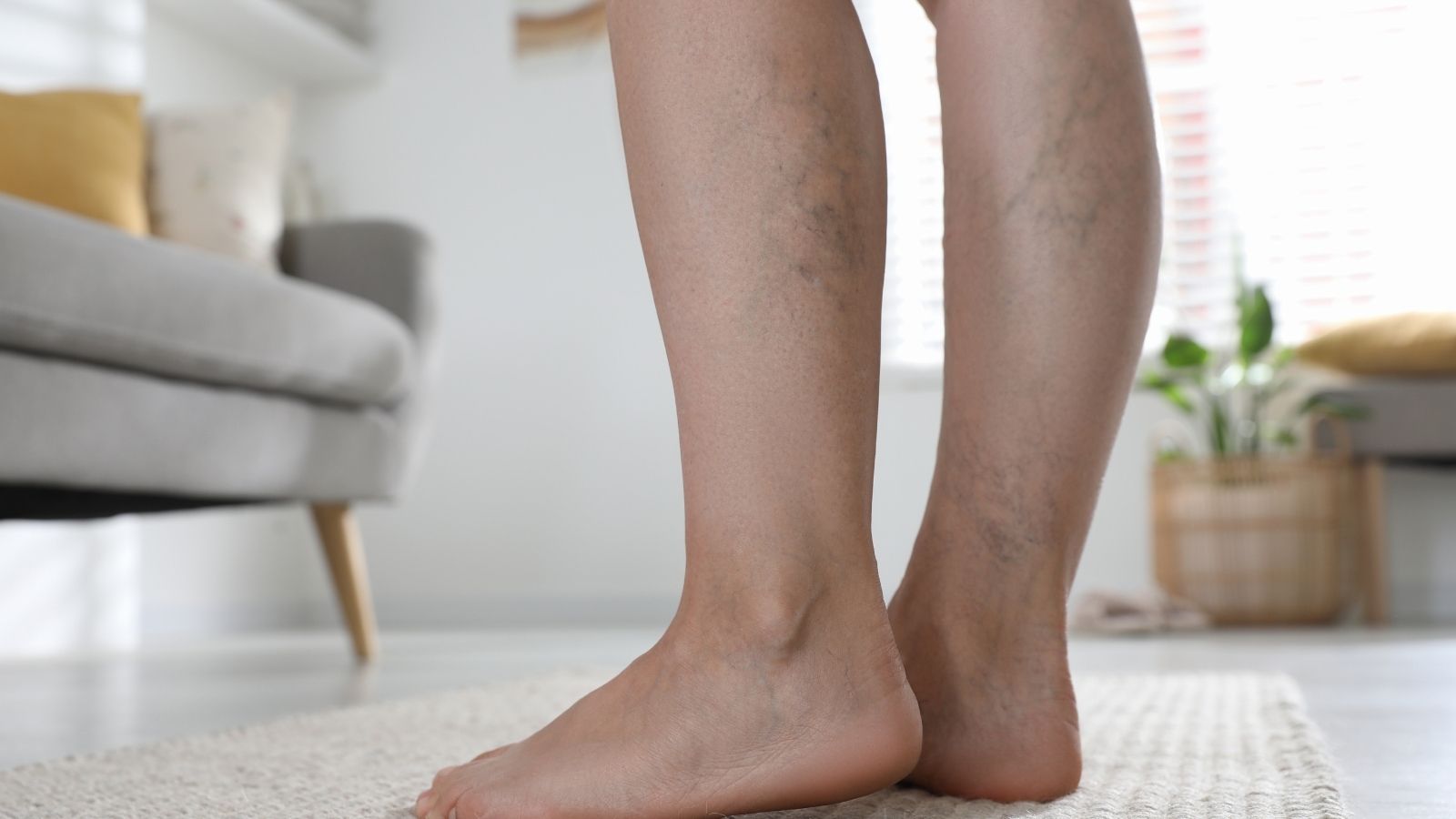
- Stage 2: The formation of visible varicose veins that are raised above the skin surface.
- Stage 3: Persistent swelling (edema) in the ankle and leg.
- Stage 4: Skin discoloration (brown-purple spots), hardening and eczema-like rashes.
- Stage 5: Healing of a varicose vein wound that was previously opened.
- Stage 6: Active varicose veins (venous ulcers) around the ankle that are difficult to heal.
This picture clearly shows how a small problem can grow over time. The most serious answer to the question of what happens if internal varicose veins are left untreated is venous ulcers, which significantly reduce the quality of life and are difficult to treat. It is therefore very important to take the symptoms seriously and consult a specialist at an early stage.
What Methods Are Used to Diagnose Internal Varicose Veins?
The right treatment is only possible with the right diagnosis. A step-by-step roadmap is followed to find the cause behind your complaints of internal varicose veins.
The first step is always to listen to your story and perform a detailed physical examination. Information such as when and how your complaints started, your lifestyle and family history give us important clues.
The second and most important step is Color Doppler Ultrasonography. This is the gold standard for diagnosing varicose veins. This painless and radiation-free examination using sound waves allows us to see inside your veins and assess blood flow. With Doppler, we can clearly determine whether there is a leak (reflux) or blockage in your veins, and if so, where and how severe it is. This is like mapping your veins and forms the basis of the treatment.
Sometimes, especially if there is a suspicion of compression of intra-abdominal vessels (such as May-Thurner or Nutcracker syndrome), further imaging may be necessary:
- MR Venography (Magnetic Resonance)
- CT Venography (Computed Tomography)
These methods provide detailed, three-dimensional images of the vessels in the abdomen and pelvis, which can pinpoint a possible stenosis or compression. If a treatment such as stenting is planned, these images guide us.
Rarely, especially during treatment, more advanced technologies such as Catheter Angiography and IVUS (Intravenous Ultrasound) are used. IVUS allows us to see 360 degrees inside the vessel with a mini-ultrasound at the tip of a thin catheter. This is an invaluable tool, especially when placing a stent, to measure the correct diameter of the vessel and ensure that the stent is perfectly positioned.
Is it Possible to Treat Internal Varicose Veins Without Surgery?
Definitely yes. Today, many of the underlying causes of internal varicose veins can be solved with comfortable and effective non-surgical internal varicose vein treatment methods that do not require large surgical incisions. Treatment is planned according to the underlying problem.
Modern Methods for Superficial Vascular Leakage
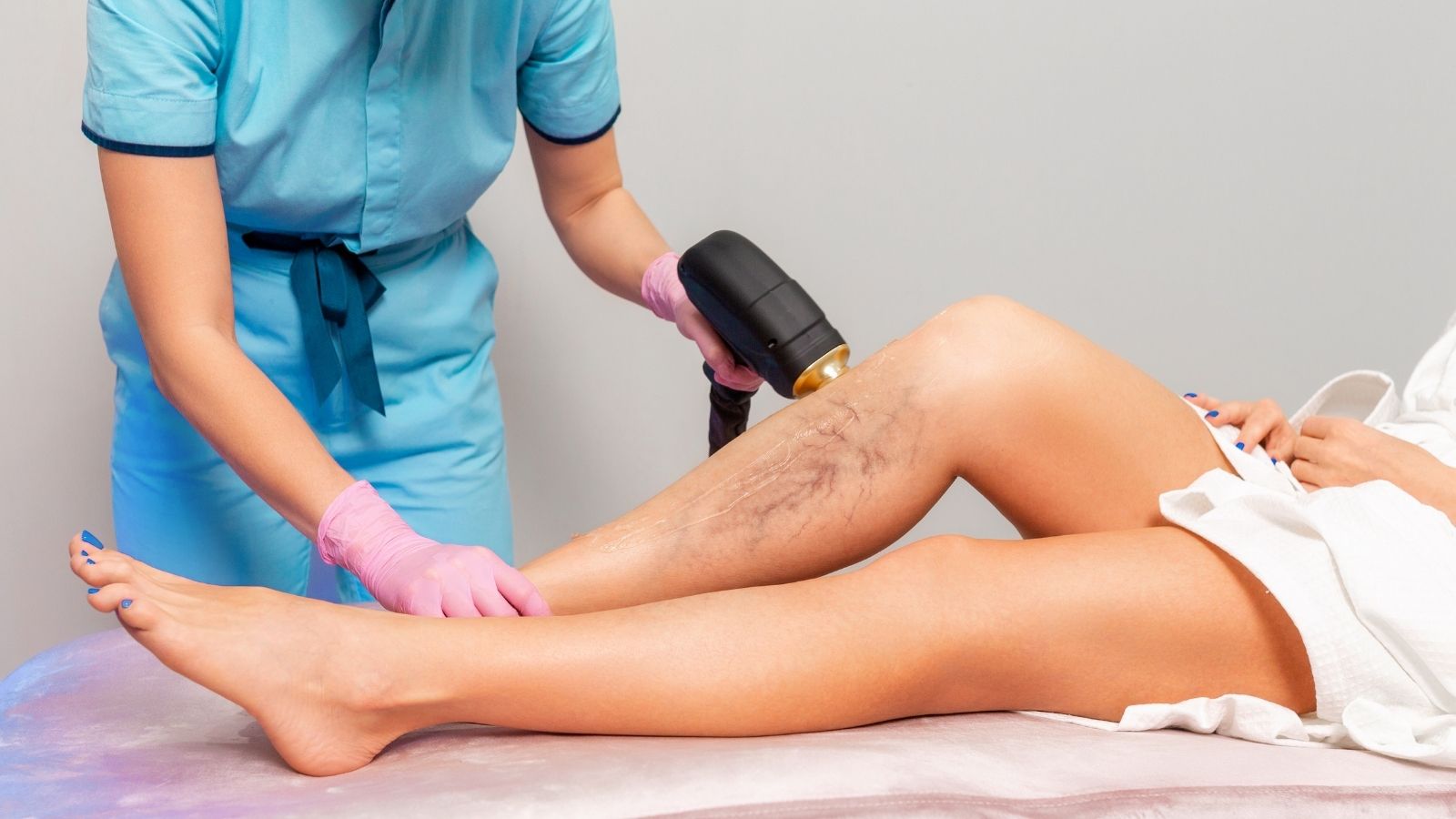
If the problem is valve insufficiency in the main superficial veins of the legs (saphenous vein), the aim is to close this “defective” vein from the inside and disable it. The main varicose vein treatment methods used for this are as follows:
- Endovenous Laser Ablation (EVLA)
- Radiofrequency Ablation (RFA)
- Medical Adhesive (Biocompatible Glue / VenaSeal™)
- Mechanochemical Ablation (MOCA / ClariVein®)
Laser and radiofrequency are based on the principle of closing the vessel by heating it from the inside. Medical glue, on the other hand, instantly glues the vein together and stops the blood flow. All of these methods are applied under local anesthesia in a short period of about 30-45 minutes. Patients can walk immediately after the procedure and return to their normal lives the next day. Compared to conventional varicose vein surgeries, pain, bruising and recovery time are much less.
Stenting for Deep and Intra-abdominal Vascular Occlusions
If the problem is a blockage caused by vascular compression such as May-Thurner syndrome or deep vein thrombosis, the treatment is aimed at eliminating this obstacle. With angioplasty and stenting, the narrow or blocked vessel is widened from the inside with a balloon under angiographic guidance. A specially designed, flexible and pressure-resistant stent is then placed in the area to prevent the vessel from narrowing again. The stent acts as an internal scaffold for the vessel, ensuring that blood flow continues smoothly. This procedure provides incredible relief, especially in patients with severe swelling and pain in the leg.
Embolization for Pelvic Congestion Syndrome (Uterine Varices)
The gold standard in the treatment of chronic pain and other complaints due to vascular leakage in the pelvic region is embolization. This procedure is also performed by angiography, usually through the groin or arm vein. The aim is to find the problematic ovarian or pelvic veins from which blood is leaking backwards and to close them by filling them with metal coils called “coils” or special occlusive fluids. When the problematic vein is closed, the blood is diverted to healthy veins and the pressure in the pelvic area decreases and the pain disappears. Embolization is a very safe, comfortable and successful method that is performed on a daily basis.

Prof. Dr. Yavuz Beşoğul graduated from Erciyes University Faculty of Medicine in 1989 and completed his specialization in Cardiovascular Surgery in 1996. Between 1997 and 2012, he served at Eskişehir Osmangazi University Faculty of Medicine as Assistant Professor, Associate Professor, and Professor, respectively. Prof. Dr. Beşoğul, one of the pioneers of minimally invasive cardiovascular surgery in Türkiye, has specialized in closed-heart surgeries, underarm heart valve surgery, beating-heart bypass, and peripheral vascular surgery. He worked at Florence Nightingale Kızıltoprak Hospital between 2012–2014, Medicana Çamlıca Hospital between 2014–2017, and İstinye University (Medical Park) Hospital between 2017–2023. With over 100 publications and one book chapter, Prof. Dr. Beşoğul has contributed significantly to the medical literature and is known for his minimally invasive approaches that prioritize patient safety and rapid recovery.