Türkçe
Varicose veins do not completely disappear with weight loss, but symptoms can significantly improve. Excess body weight increases venous pressure, so reducing it helps decrease leg swelling, heaviness, and discomfort. Weight loss is an important supportive measure in managing varicose disease.
Patients who lose weight often experience improved circulation and reduced progression of varicose veins. Although existing veins remain, the reduced strain on vein valves prevents new varicosities from forming. This contributes to long-term venous health.
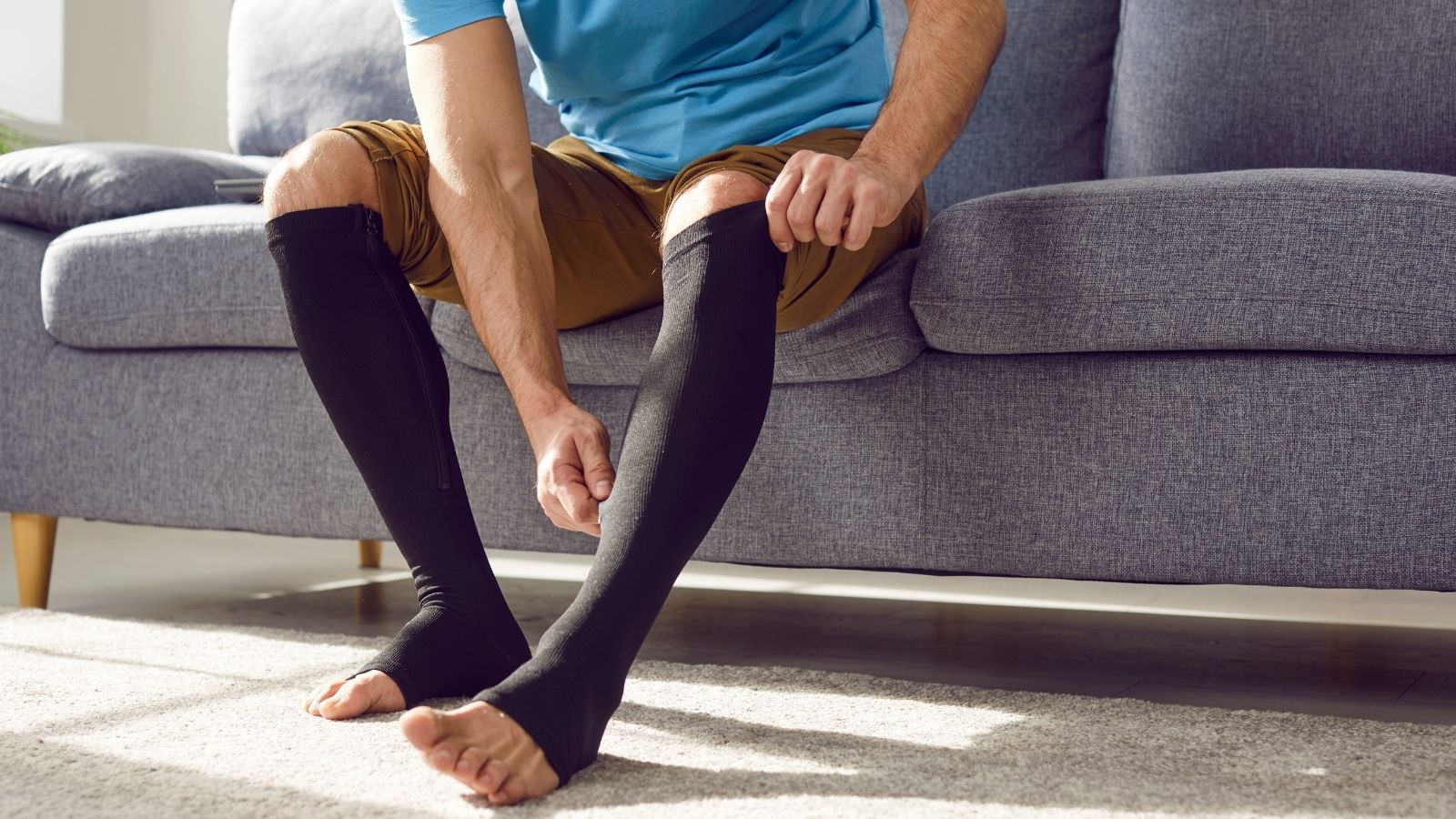
Weight loss also enhances the effectiveness of other treatments such as compression therapy, exercise, and minimally invasive vein procedures. Combining these strategies provides better symptom control and improved quality of life.
Even with significant weight reduction, varicose veins may still require medical intervention. Sclerotherapy, endovenous ablation, or surgery may be necessary to fully resolve venous insufficiency and achieve cosmetic improvement.
How Does Excess Weight Trigger Varicose Veins?
You can think of varicose veins as a kind of “breakdown” of the veins in your legs that carry blood back to the heart. Inside these veins are tiny valves that prevent blood from escaping back downwards. When excess weight accumulates, especially in the abdomen, it activates a pressure mechanism that damages this system.
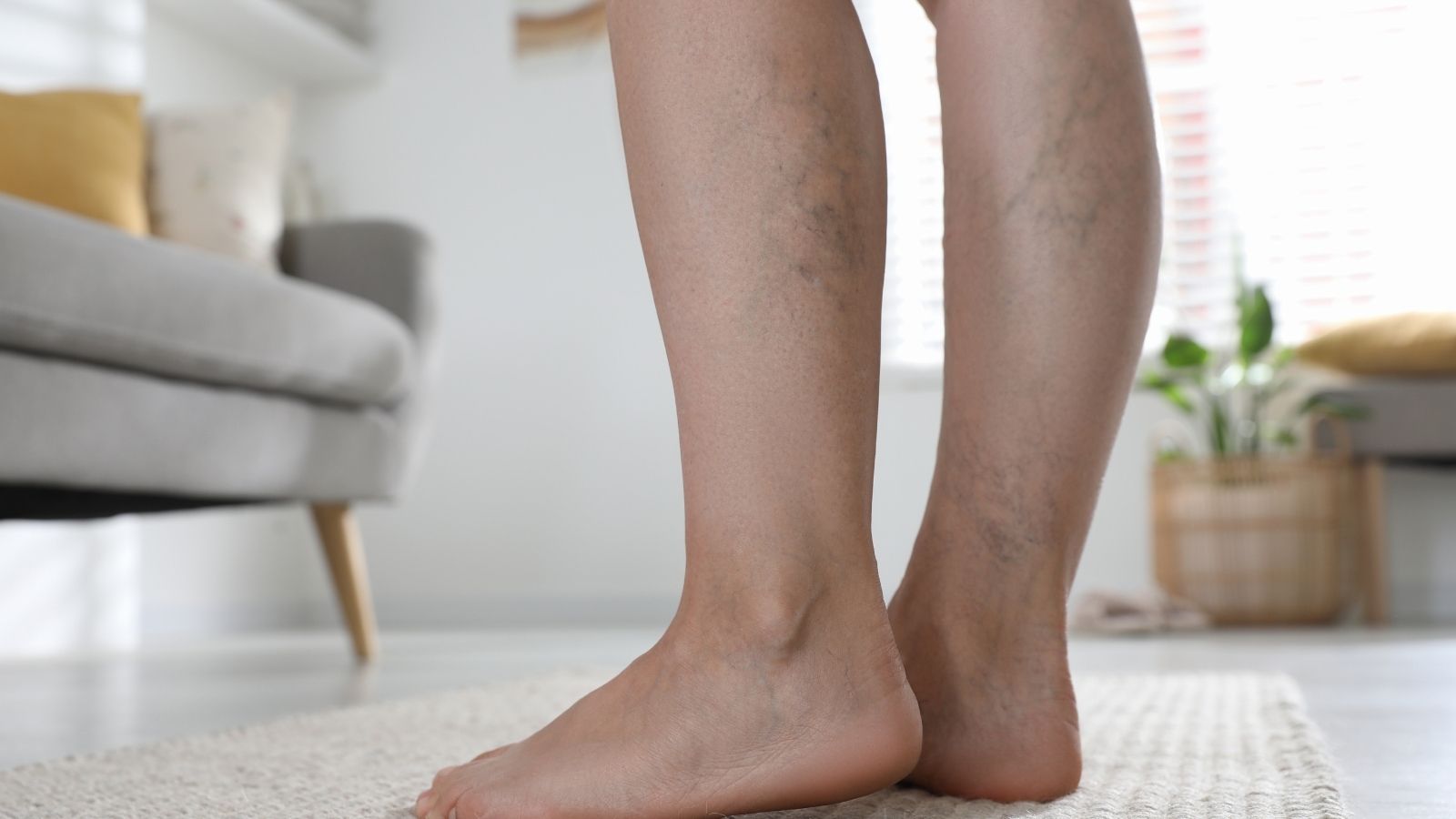
Let’s compare your body to a garden hose system. Excess fat in the abdominal area is like stepping on the main hose coming from the legs. This pressure prevents blood from flowing freely to the heart and causes increased pressure inside the leg veins. Under this high pressure, the veins stretch, dilate and their walls weaken over time. The valves inside the dilated vein are no longer in full contact with each other and are no longer able to hold the blood in place. As a result, blood begins to pool in the legs under the influence of gravity. This accumulation causes the veins to become swollen, curved and raised from the skin, i.e. varicose veins. In short, excess weight is one of the most important factors that initiate and accelerate this deterioration process.
Which Varicose Veins Complaints Does Weight Loss Reduce?
When you lose weight, even if your varicose veins do not disappear instantly, you will feel a significant relief in many of your complaints that reduce your quality of life. This is the most tangible and immediate benefit of weight loss. Some of these symptoms caused by varicose veins are as follows:
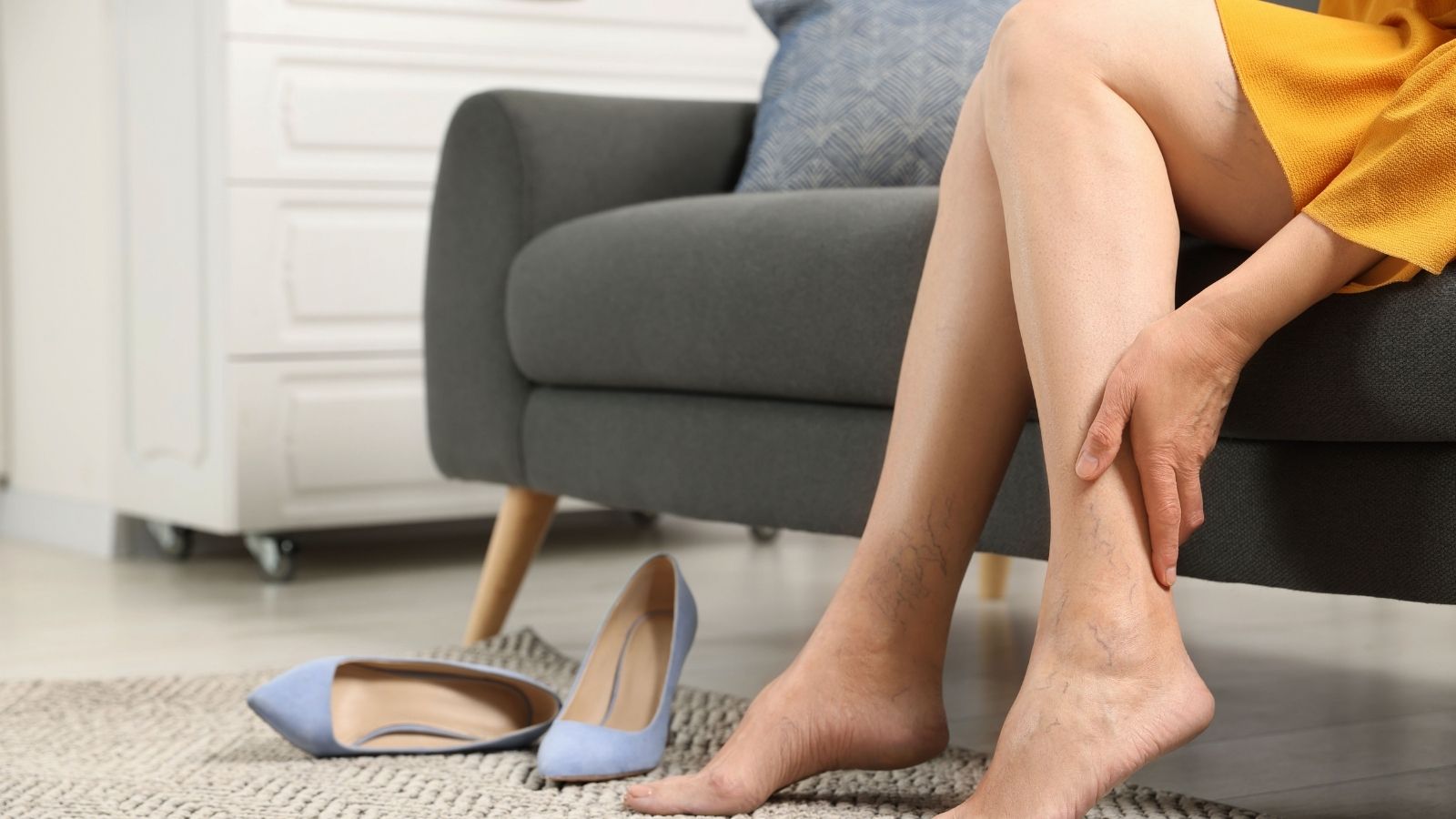
- Pain and aching in the legs
- Increased fatigue in the evening
- Significant heaviness in the legs
- Cramps, especially during sleep
- Swelling in the ankles and legs (edema)
- Itching over varicose veins
The reason for this improvement is the reduction of intra-abdominal pressure with weight loss. When the constant pressure on the veins is removed, blood circulation improves. This reduces pain and heaviness and prevents edema caused by fluid leaking out of the vein.
Why did my varicose veins become more prominent when I lost weight?
This is a frustration that many people experience during the weight loss process and naturally demoralizes them. After months of working hard and losing weight, you may notice that the veins in your legs are becoming more visible. Please do not worry, this does not mean that your illness is getting worse or that you are doing something wrong.
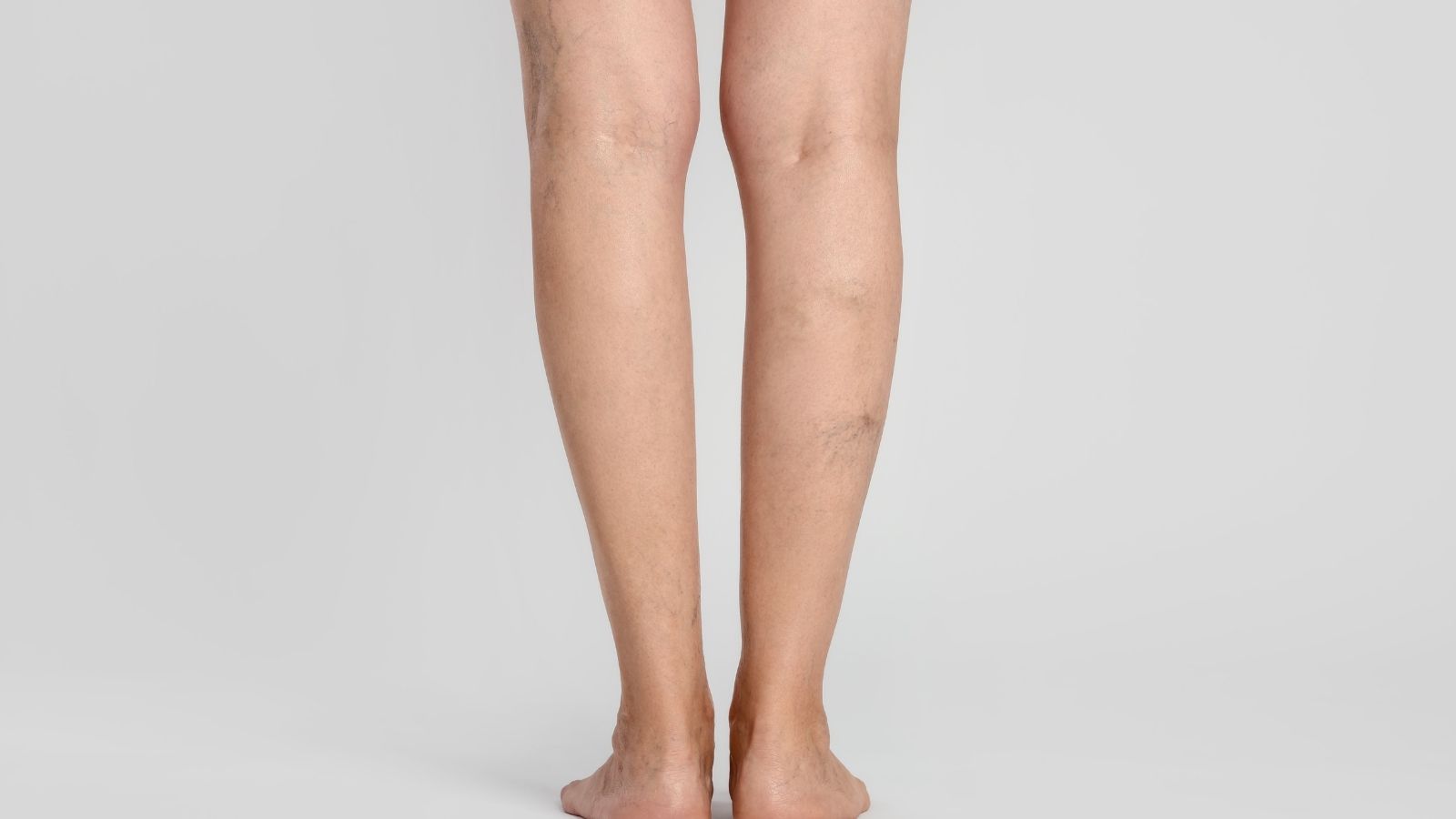
This is a completely expected result and the reason is quite simple. The subcutaneous fat tissue that previously covered and concealed your varicose veins like a quilt becomes thinner as you lose weight. When this fat layer is removed, the veins that were already there but camouflaged are exposed. We can liken this situation to wiping a dusty glass and the view behind it becomes clear. In fact, this allows you to see more clearly the true extent of the existing vascular problem and can even be considered an advantage for proper treatment planning.
What is good for varicose vein pain and how can I stop the progression?
Varicose veins is a chronic disease, which means that it is ongoing and tends to progress if measures are not taken. If you are wondering what is good for varicose vein pain, there are some very effective methods you can implement in your lifestyle to relieve the pain and prevent the disease from worsening:
- Maintaining an ideal and healthy weight
- Regular walking every day
- Swimming whenever you can
- Cycling
- Raising the legs above heart level several times during the day
- Avoid standing or sitting still for long periods of time
- Drink plenty of water (the answer to the question of whether drinking water is good for varicose veins is yes, it keeps the blood fluid)
- Preventing edema formation in the body by reducing salt consumption
- Avoiding tight clothes that squeeze the waist and legs
- Saving high-heeled shoes for special occasions
Among these recommendations, regular exercise, especially walking, actively pumps the blood upwards by exercising the calf muscles, which we call the “second heart”. This is one of the cornerstones of varicose vein management. Varicose veins movements at home that you can do even when you are sitting, that is, moving your ankles up and down, make a great contribution to your blood circulation.
What are Varicose Veins Treatment Methods to Get Rid of Varicose Veins?
Lifestyle changes and weight control are great for managing varicose veins and slowing their progression. But if you want to know how to get rid of varicose veins in the legs and get rid of this appearance for good, the answer lies in modern medical treatments. It is not possible to repair a structurally compromised vein; it must be safely closed or eliminated. Fortunately, today’s varicose vein treatment methods are much more comfortable and effective than the difficult surgeries of the past.
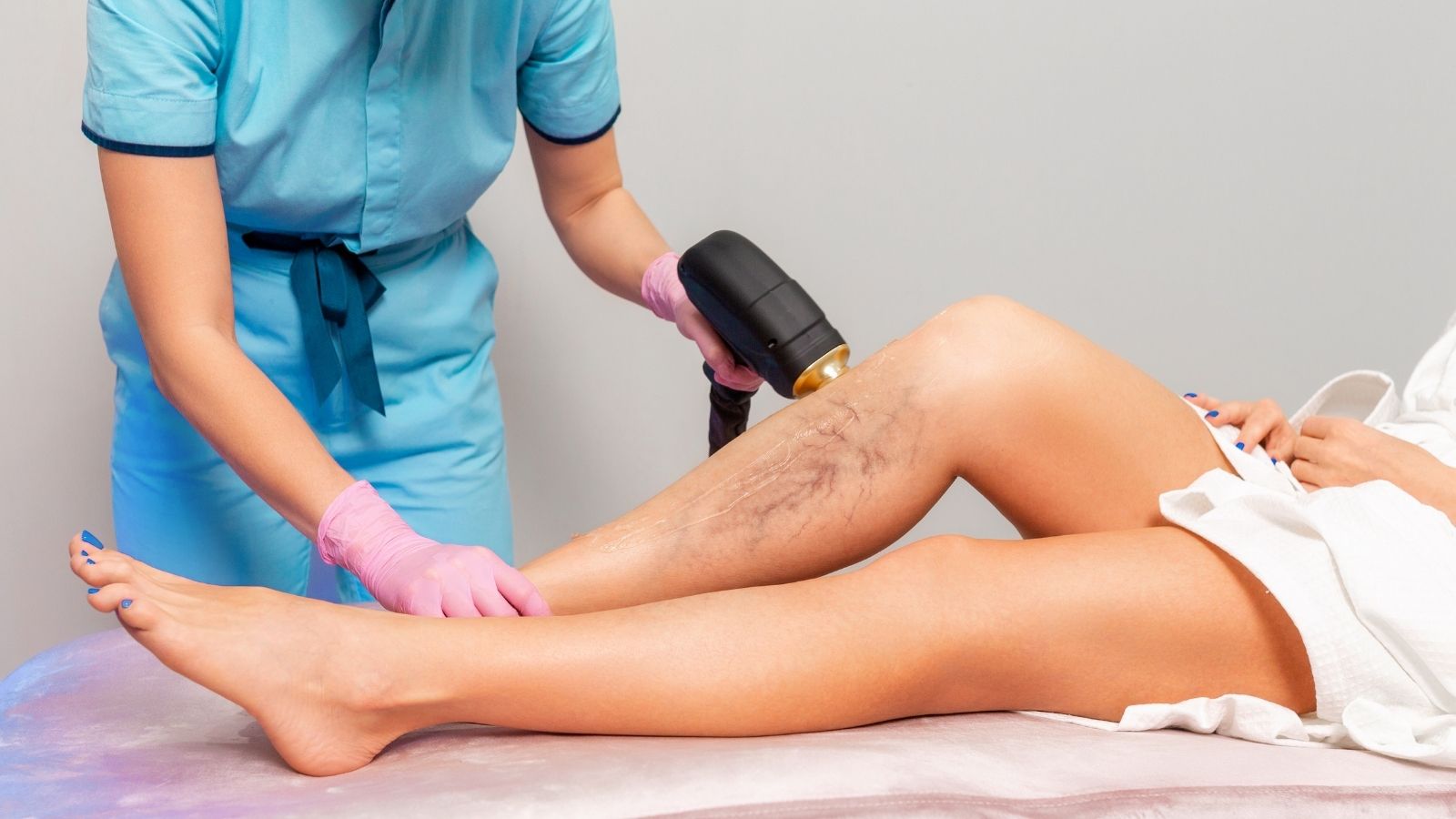
Endovenous Thermal Ablation (Laser or Radiofrequency): This method is considered the gold standard for the treatment of valve insufficiency in the large and main veins (saphenous vein). With the help of ultrasound, a thin catheter is inserted into the vein and heat energy is applied to the vein wall. This heat causes the vein to contract and close. Over time, this closed vein is naturally eliminated by the body and the blood flow is directed to healthy deep veins. The procedure is performed under local anesthesia and the patient can return to normal life on the same day.
Foam Sclerotherapy (Needle Treatment): Ideal for smaller, tortuous or superficially located varicose veins. It is based on foaming a special drug and injecting it directly into the varicose vein. This foam initiates a reaction in the vein wall, causing the vein to adhere and close. It is frequently used especially for the removal of small veins remaining after laser and for the treatment of capillary varicose veins.
Ambulatory Phlebectomy: It is used in the treatment of varicose veins that are prominent, large and raised on the skin surface. It is the process of removing these veins by entering with a special tool through tiny 1-2 millimeter holes made on the skin. It does not require stitches and aesthetically gives instant results.
Which Varicose Veins Are Dangerous and Why Treatment Should Not Be Postponed?
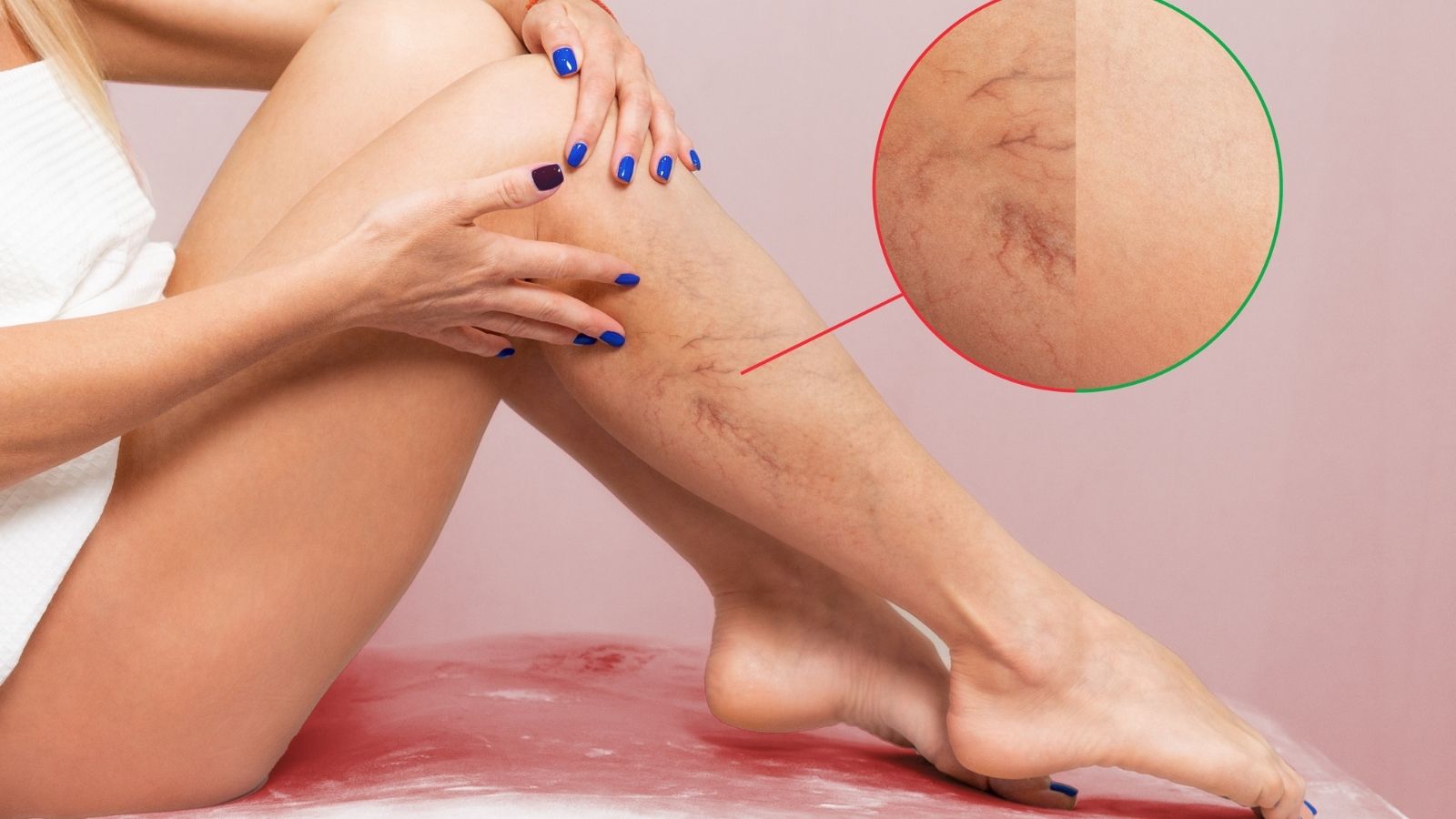
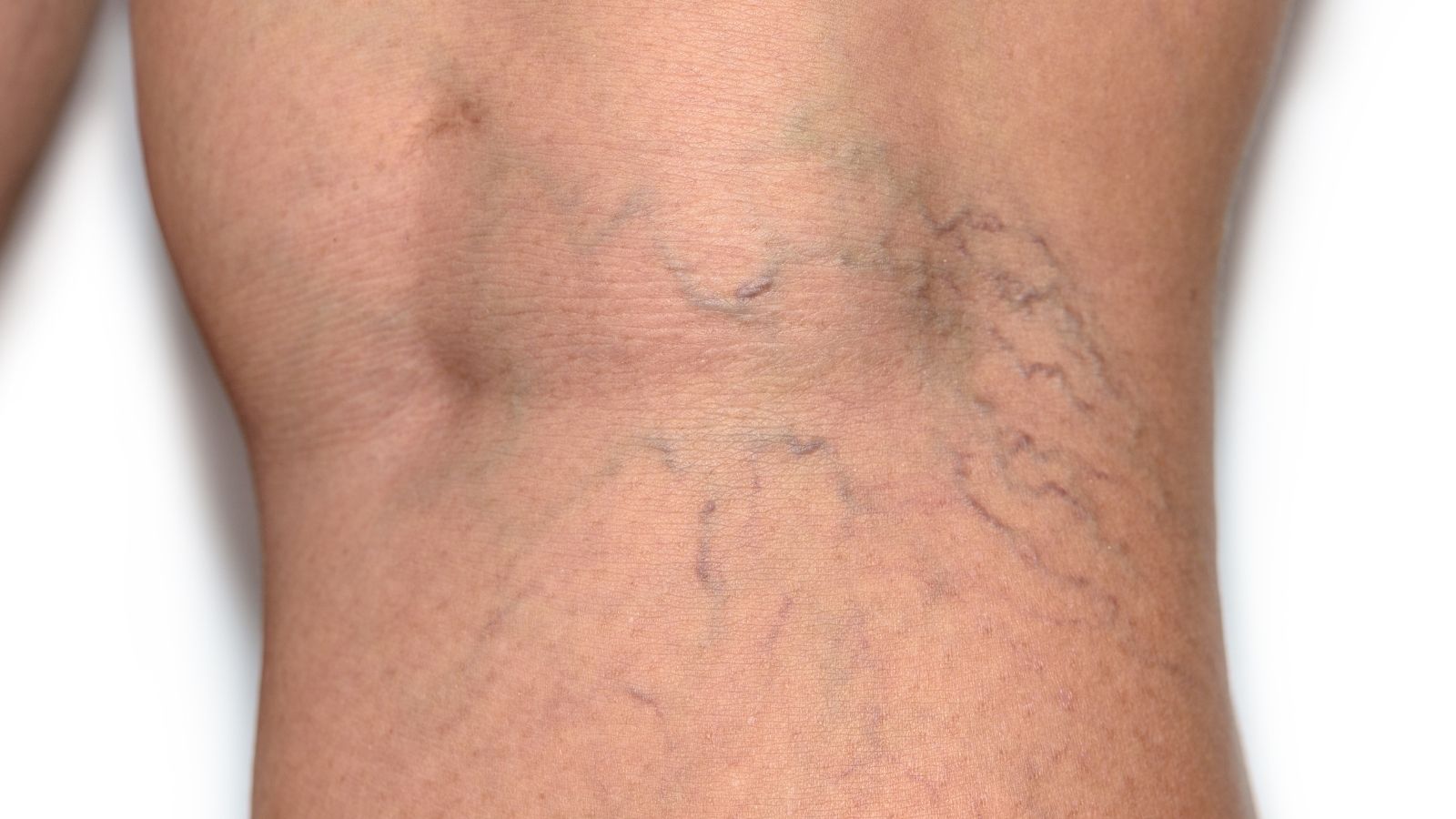
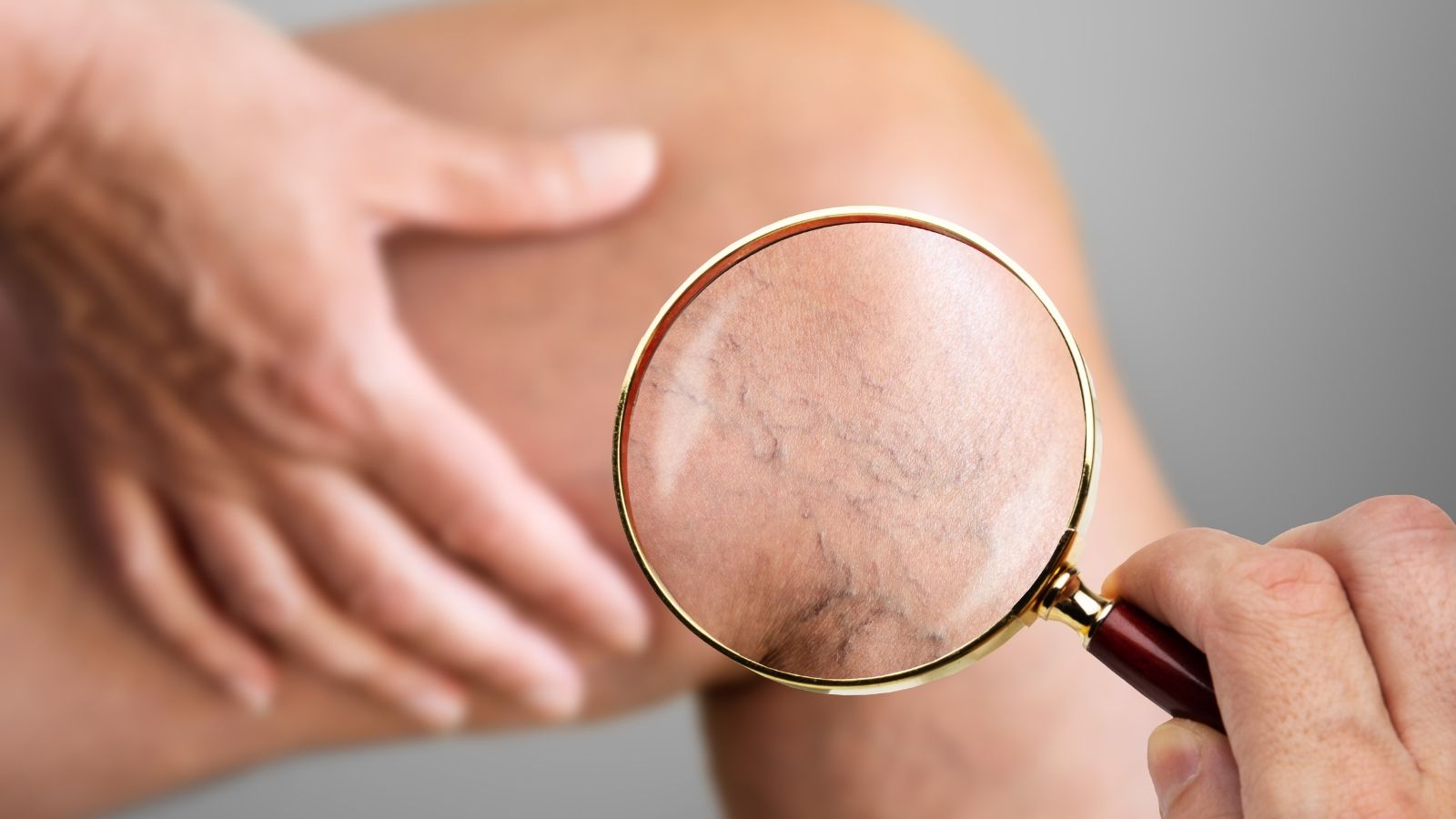
Not all varicose veins are the same. While thin capillaries that look like a spider web are usually an aesthetic problem, large veins that bulge through the skin are a sign of venous insufficiency that needs to be treated. The answer to the question of which varicose veins are dangerous is hidden in the problems they can cause when left untreated:
- Chronic leg pain and cramps that become unbearable
- Brown-purple discoloration of the ankle that becomes permanent
- Hardening, thickening and eczema-like rashes on the skin (Lipodermatosclerosis)
- Veins that can easily bleed even with the slightest trauma
- Clot formation in the vein and related painful, red swelling (superficial thrombophlebitis)
- The most advanced and dangerous stage, which is very difficult to heal varicose wounds (Venous Ulcer)
Due to these risks, varicose veins is a medical condition that should not be postponed. In addition, instead of relying on hearsay information such as “Is Coraspin good for varicose veins?” or “varicose veins treatment with lemon”, a physician should be consulted. Unconsciously using blood thinners or trying methods that have no scientific basis can have dangerous consequences.

Prof. Dr. Yavuz Beşoğul graduated from Erciyes University Faculty of Medicine in 1989 and completed his specialization in Cardiovascular Surgery in 1996. Between 1997 and 2012, he served at Eskişehir Osmangazi University Faculty of Medicine as Assistant Professor, Associate Professor, and Professor, respectively. Prof. Dr. Beşoğul, one of the pioneers of minimally invasive cardiovascular surgery in Türkiye, has specialized in closed-heart surgeries, underarm heart valve surgery, beating-heart bypass, and peripheral vascular surgery. He worked at Florence Nightingale Kızıltoprak Hospital between 2012–2014, Medicana Çamlıca Hospital between 2014–2017, and İstinye University (Medical Park) Hospital between 2017–2023. With over 100 publications and one book chapter, Prof. Dr. Beşoğul has contributed significantly to the medical literature and is known for his minimally invasive approaches that prioritize patient safety and rapid recovery.