Türkçe
Treating varicose veins at home with lemon is not scientifically proven. While lemon has antioxidant and anti-inflammatory properties, it cannot reverse venous insufficiency or damaged vein valves. Effective varicose treatment requires medical evaluation and evidence-based therapies.
Some people use lemon oil for massage, claiming temporary relief from heaviness or swelling. However, such approaches should only be considered supportive, as they do not address the root cause of varicose veins.
Home remedies like lemon, vinegar, or herbal compresses may improve local circulation slightly but cannot prevent disease progression. Relying solely on these methods delays effective treatment and increases complication risks.
Clinically approved treatments such as compression stockings, endovenous procedures, or surgery remain the gold standard. Patients should consult a vascular specialist rather than relying on unproven home remedies.
What Causes Varicose Veins and Who is at Risk?
Varicose veins are a disease of the veins in the legs that carry dirty blood back to the heart. Inside these veins are valves that prevent the blood from escaping back downwards by gravity. These valves work like a one-way door; they open as the blood passes upwards and then close immediately afterwards, preventing the blood from going back down. The main cause of varicose veins is the failure of these valves to function, i.e. their deterioration.
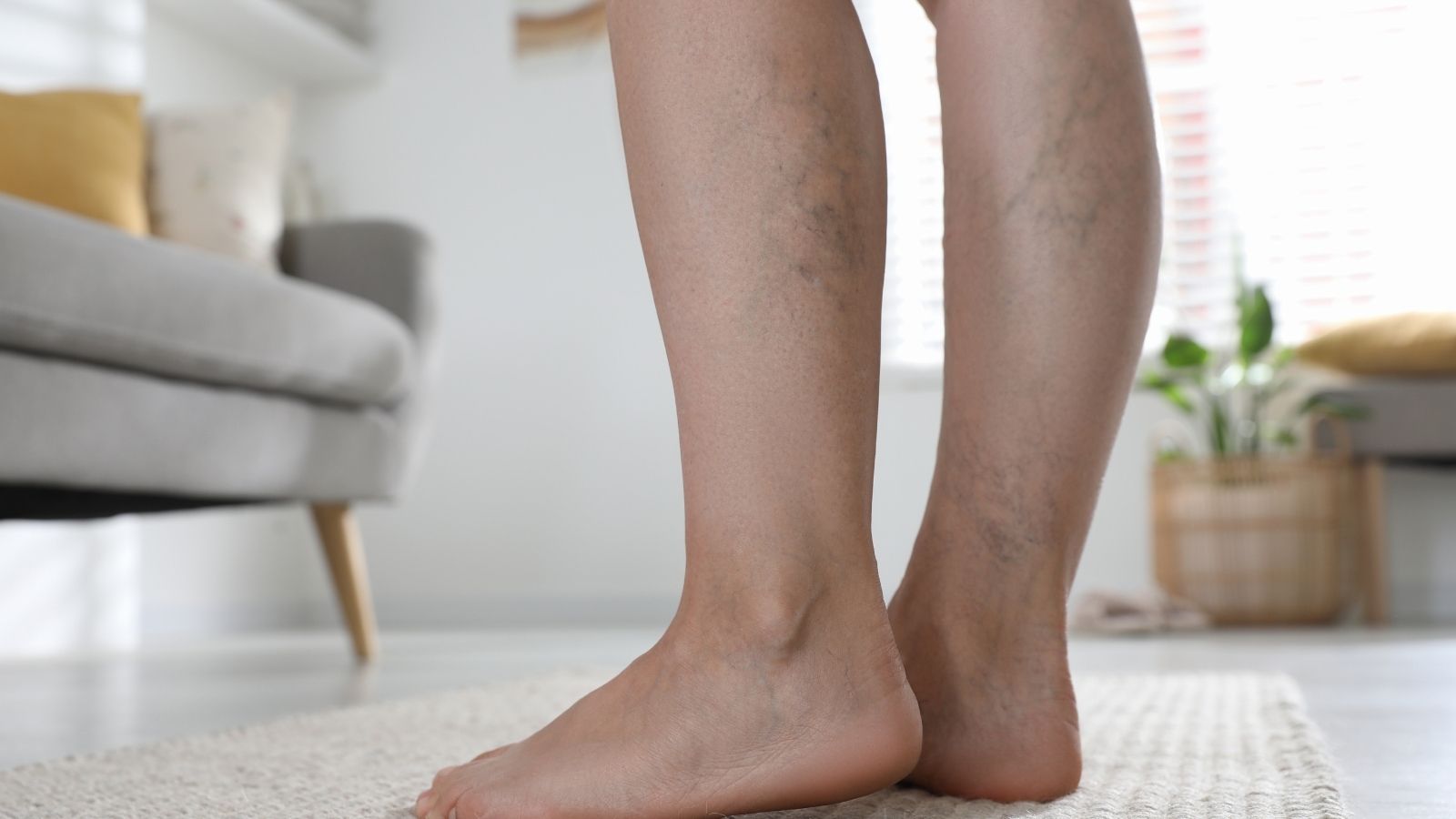
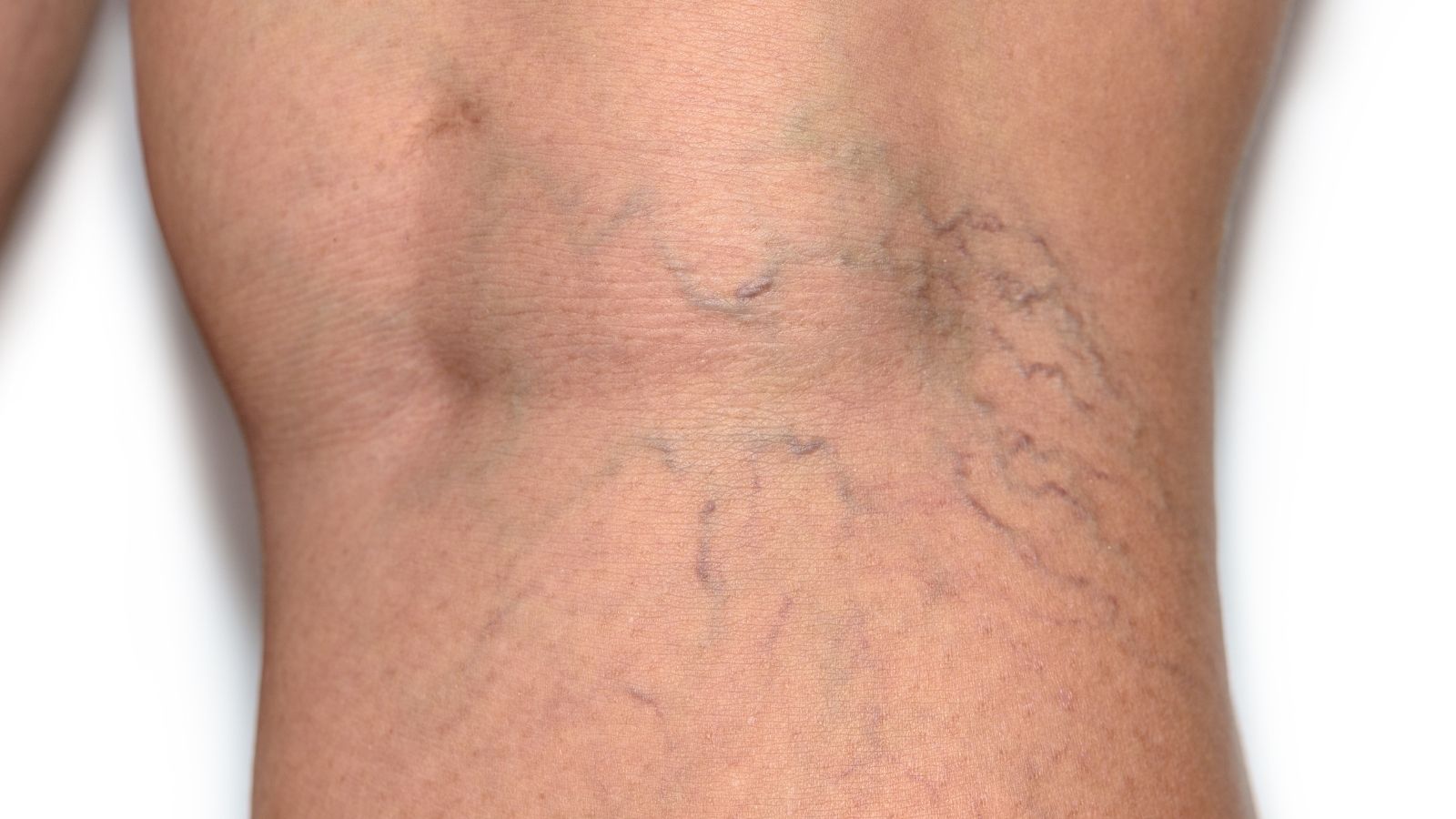
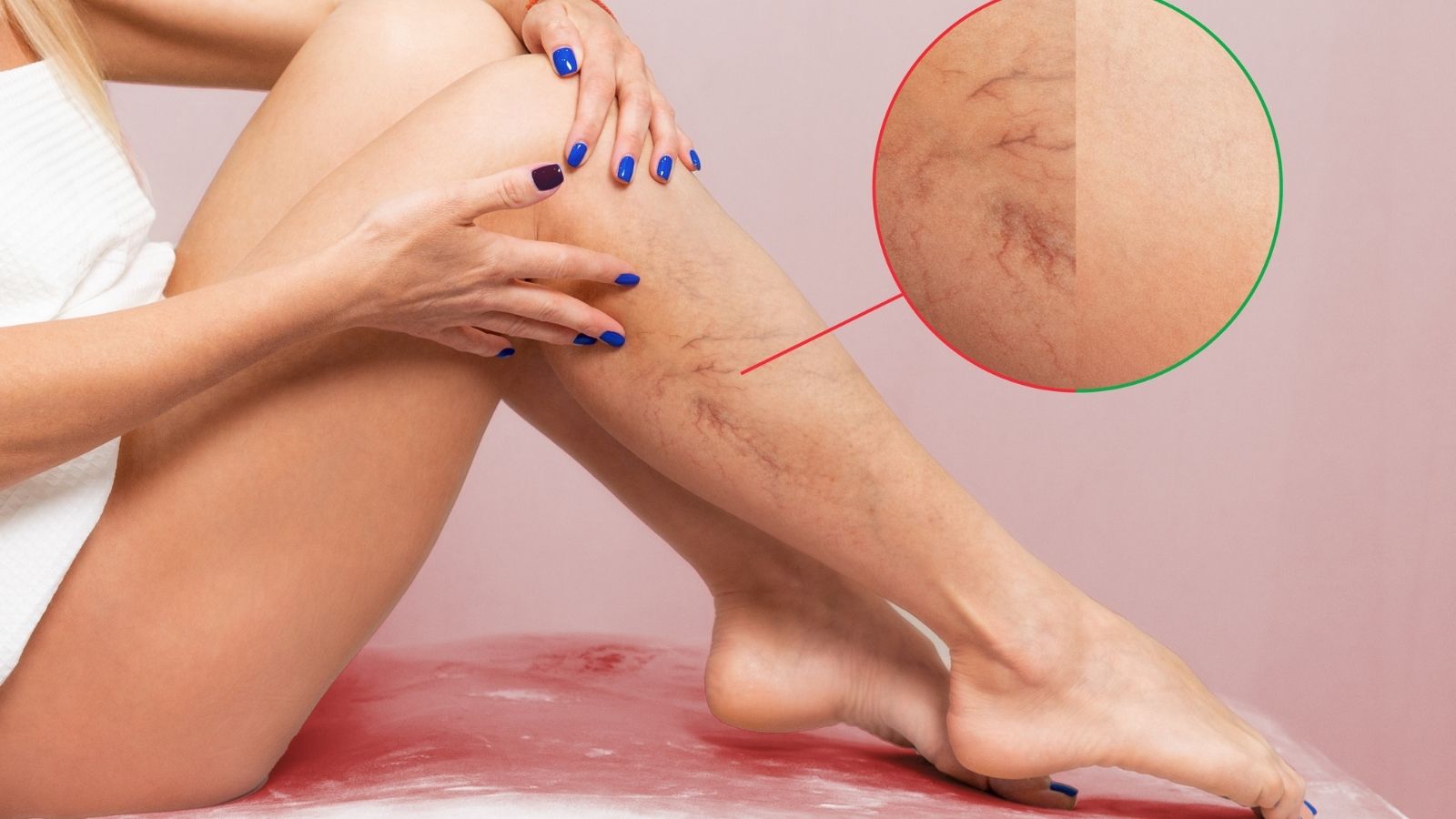
When the valves fail, blood escapes backwards and begins to pool in the leg veins. This increases the pressure inside the vein. The vein wall, which is constantly exposed to high pressure, loses its elasticity over time, expands and takes the appearance of varicose veins, which are curved and raised from the skin. Some conditions accelerate this process and increase the risk. The most common risk factors for varicose veins are as follows:
- Family history of varicose veins (genetic predisposition)
- Advancing age
- Becoming a woman
- Pregnancy
- Being overweight or obese
- Professions that require standing for a long time (such as teacher, surgeon, barber)
- Continuous sitting work (such as office workers)
- A sedentary lifestyle
Why Methods Such As Ibrahim Saraçoğlu Varicose Veins Treatment Do Not Work?
There is an underlying truth behind the popularity of methods such as varicose veins treatment with lemon or various herbal cures. Plants such as lemons contain compounds called “flavonoids”, which are known to be good for the vascular wall. The raw material of some drugs used in the treatment of varicose veins is these flavonoids.
The critical difference, however, is the “dose” and the “way it is processed”. The active ingredients presented as medicines are purified in the laboratory to very high doses and then subjected to a special process called “micronization” so that the body can absorb them. It is impossible to get the same amount of active ingredient in a pill as you can by eating a lemon or applying its juice. The answer to questions such as whether lemon or petroleum jelly applied to the skin is good for varicose veins is clear: These substances cannot reach under the skin, into the vein wall and repair the broken valve there. Such methods lack scientific basis and will only delay the treatment process. Unfortunately, efforts such as making varicose vein cream at home will also be fruitless for this reason. In short, these are the methods that have not been scientifically proven to be effective:
- Applying lemon or vinegar
- Leech treatment
- Massaging with Vaseline or similar oils
- Boil various herbs and drink the juice or apply it
- Hacamat
Which complaints in my legs could be a sign of varicose veins?
Varicose veins do not only mean veins that are visible from the outside. Most of the time, it is the complaints that reduce the quality of daily life that bring patients to the physician. If you are experiencing one or more of the following symptoms, you should consult a cardiovascular surgeon. The most common symptoms of varicose veins:
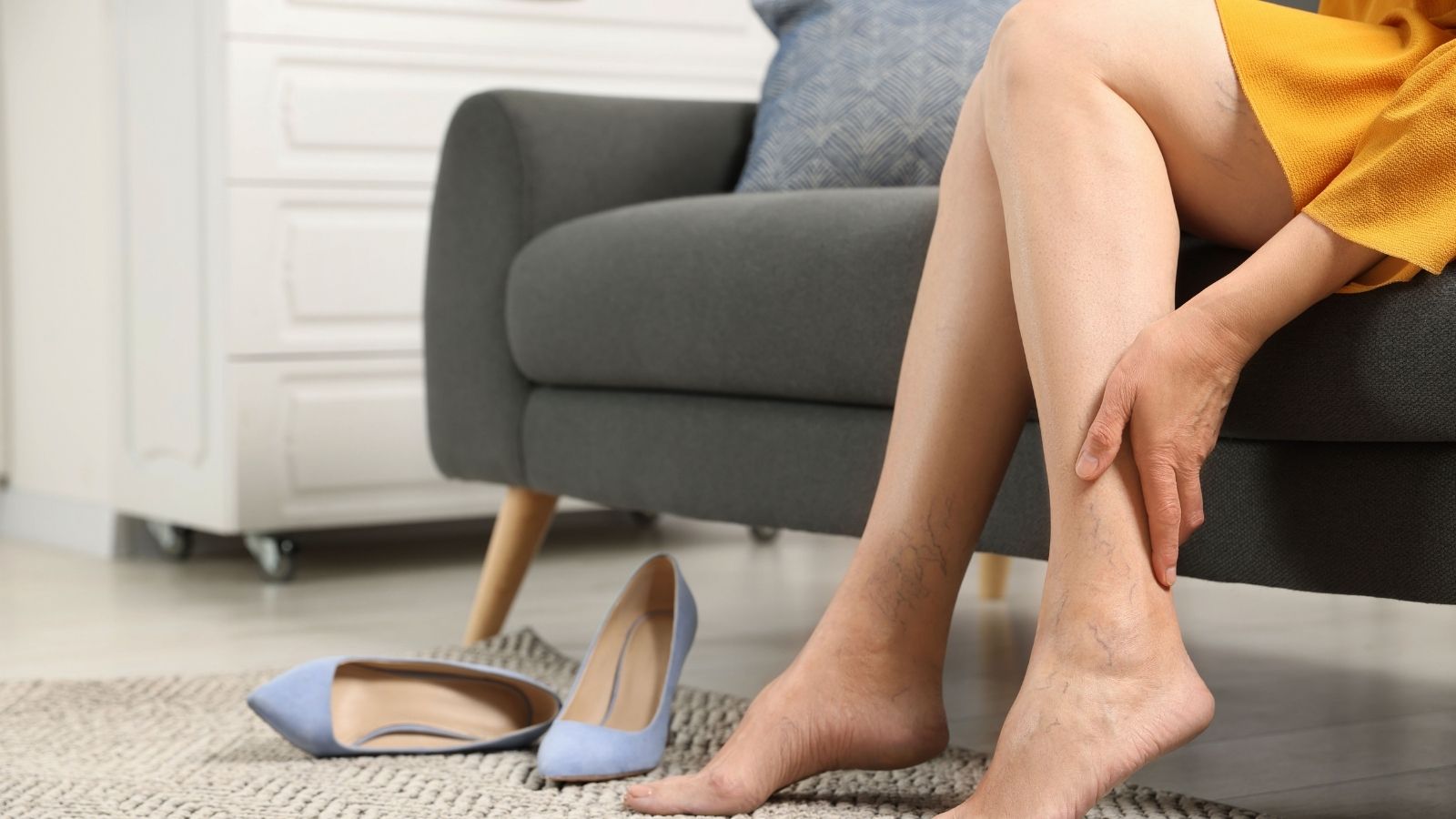
- Increased leg pain, especially in the evening
- Feeling of heaviness and fullness in the legs
- Swelling in the ankles (edema)
- Cramps in the legs at night
- Burning and itching in the legs
- Restless leg syndrome-like sensations
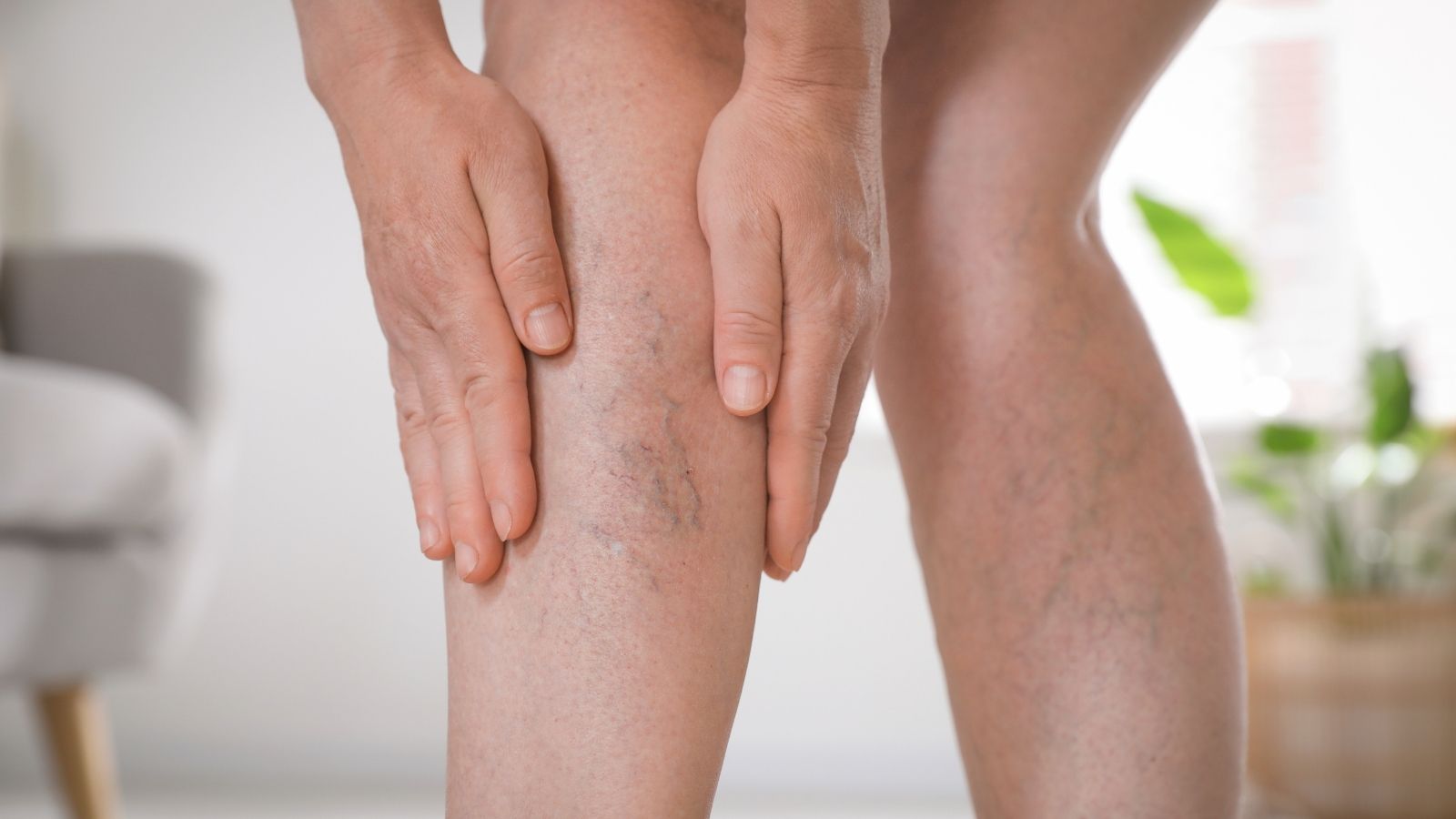
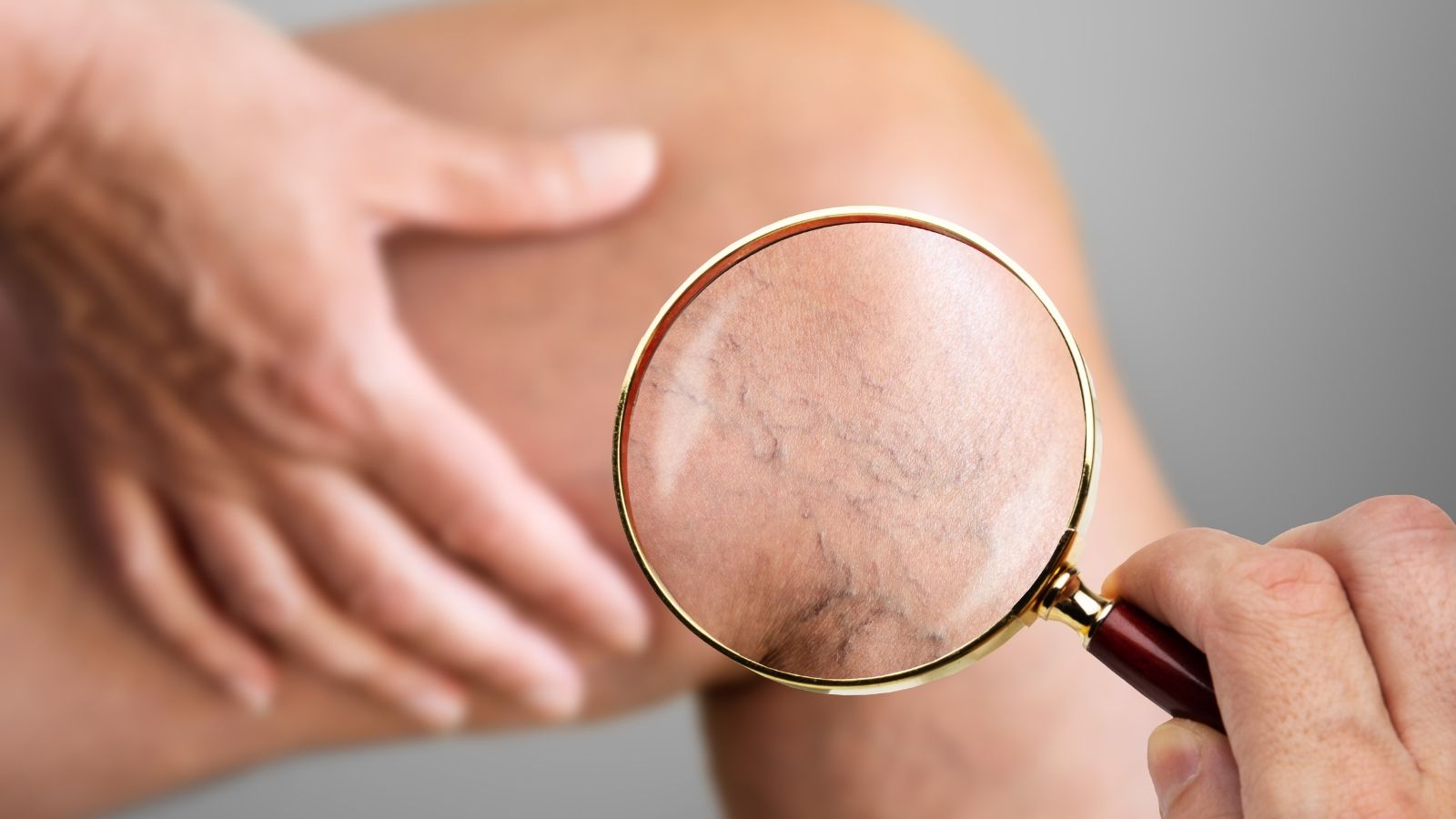
- Blue and purple colored veins raised from the skin
Which Methods are Used for Definitive Varicose Veins Diagnosis?
Listening to the patient’s complaints and examining the legs is the first step. However, the “gold standard” method for diagnosing varicose veins and planning treatment is Color Doppler Ultrasonography. This examination is completely harmless and painless as it works with sound waves. Doppler ultrasound creates a road map of the vessels and gives us the following critical information:
- Which vessel has valve leakage (reflux)
- Degree of leakage and where it originates from
- Diameter of the vein to be treated and its course in the leg
- Whether there is a clot in the vein
- Whether the deep vascular system is healthy
A modern varicose vein treatment cannot be planned without an accurate and detailed Doppler ultrasound. This map plays a key role in determining which treatment method is appropriate for which patient.
What are the Current Varicose Veins Treatment Methods?
Open surgeries (cutting out the vein), which came to mind when varicose veins were mentioned in the past and were the fearful dream of patients, is a method that is rarely used today. Varicose vein treatment methods are now minimally invasive techniques that do not require hospitalization, are performed under local anesthesia, are comfortable and have very successful results. These modern methods include:
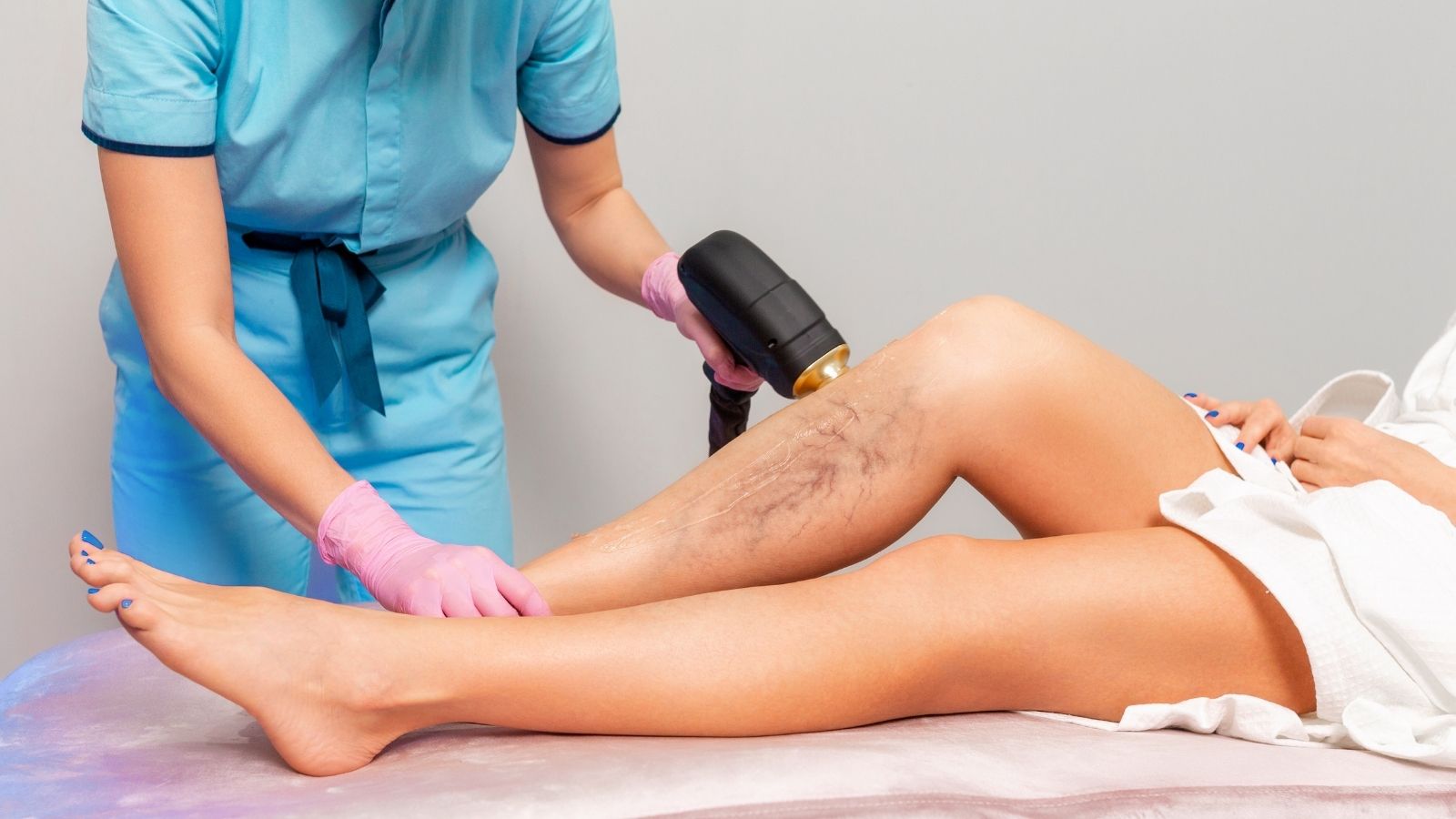
Endovenous Laser Ablation (EVLA): It is known as laser varicose vein treatment.
Endovenous Radiofrequency Ablation (RFA): It is a method of closing the vein from the inside with radio waves.
Medical Adhesive (VenaSeal / Biological Glue): It is a technique of closing the vein with a special adhesive.
Mechanochemical Ablation (MOCA): It is a method that closes the vein both mechanically and chemically.
Foam Sclerotherapy: It is a closure procedure by injecting medication into the vein.
Ambulatory Phlebectomy: It is the removal of varicose veins visible through the skin through very small incisions.
How Is Non-Surgical Varicose Veins Treatment and Is It a Painful Procedure?
The answer to the question of how modern varicose veins are treated is quite simple. The process usually works as follows: The patient comes to the outpatient clinic, a detailed Doppler ultrasound is performed to map the veins. The most appropriate treatment method is determined according to this map. The procedure is performed under operating room conditions but under local anesthesia.
With thermal methods such as laser or radiofrequency, for example, a small needle is inserted into the vein below the knee and a cold anesthetic fluid is injected around the vein. This ensures that the patient does not feel any pain during the procedure. The vein is then closed from the inside with a laser fiber or radiofrequency catheter. The procedure takes about 30-45 minutes.
With the adhesive (VenaSeal) method, this anesthesia is not even necessary. Only the puncture site is numbed and the vein is glued closed from the inside.
After the treatment, the patient can stand up immediately, walk home and return to normal life and work the next day. Unlike conventional surgery, these methods are not painful and the healing process is very fast.
What is good for severe varicose vein pain and what happens if left untreated?
The question of what is good for severe varicose vein pain is one of the most curious topics of patients. There are some things that can be done for instant relief. These are:
- Resting the legs above the level of the heart
- Regular short walks during the day
- Avoid standing or sitting still for long periods of time
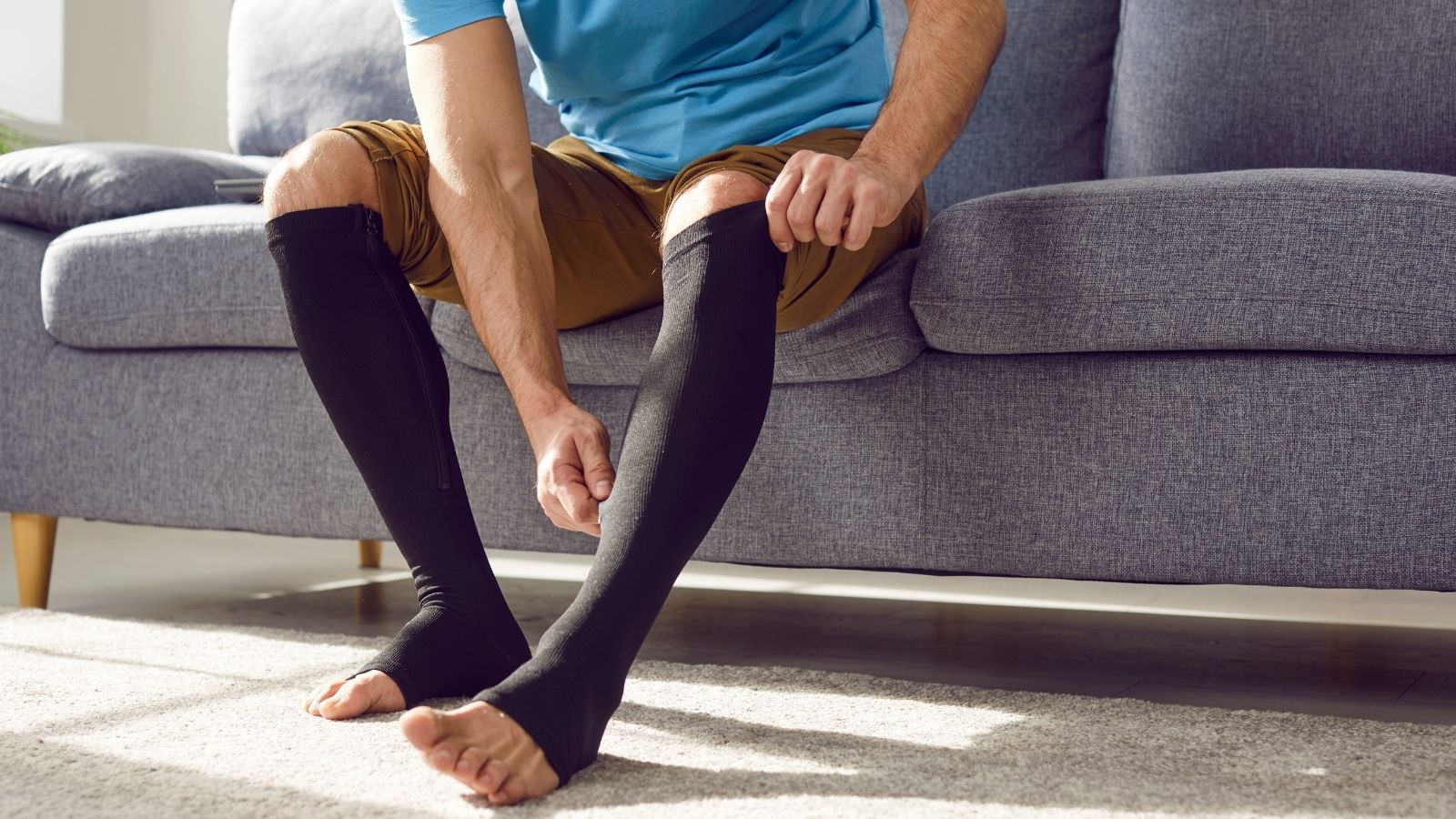
- Wearing compression stockings recommended by the doctor
- Showering the legs with cold water
However, these are only supportive methods that temporarily relieve the symptoms. As long as the underlying valve problem persists, the pain will return. If varicose veins are left untreated, more serious problems may develop over time. Possible risks include:
Varicose Vein Bleeding: Severe bleeding, especially of the veins in the ankle with the slightest trauma.
Thrombophlebitis: The formation of a clot in the varicose vein and the formation of a painful, red, hard swelling in this area.
Venous Ulcer Deterioration of the skin around the ankle and the opening of non-healing, oozing sores.
For these reasons, it is best to turn to permanent solutions offered by modern medicine instead of wasting time with ineffective methods such as home varicose vein treatment when varicose vein symptoms begin. Effective and reliable treatment options are available for vein problems of all sizes, including capillary varicose veins treatment.
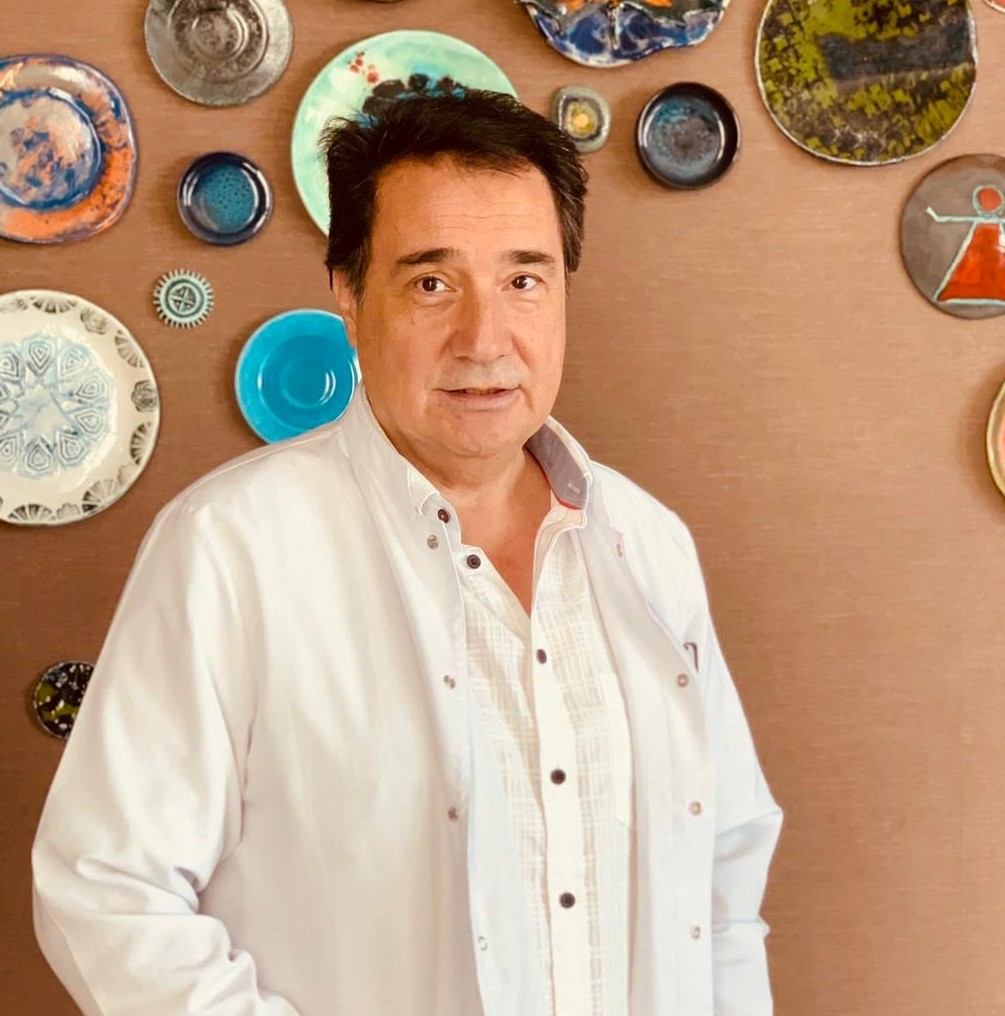
Prof. Dr. Yavuz Beşoğul graduated from Erciyes University Faculty of Medicine in 1989 and completed his specialization in Cardiovascular Surgery in 1996. Between 1997 and 2012, he served at Eskişehir Osmangazi University Faculty of Medicine as Assistant Professor, Associate Professor, and Professor, respectively. Prof. Dr. Beşoğul, one of the pioneers of minimally invasive cardiovascular surgery in Türkiye, has specialized in closed-heart surgeries, underarm heart valve surgery, beating-heart bypass, and peripheral vascular surgery. He worked at Florence Nightingale Kızıltoprak Hospital between 2012–2014, Medicana Çamlıca Hospital between 2014–2017, and İstinye University (Medical Park) Hospital between 2017–2023. With over 100 publications and one book chapter, Prof. Dr. Beşoğul has contributed significantly to the medical literature and is known for his minimally invasive approaches that prioritize patient safety and rapid recovery.