Türkçe
The difference between venous insufficiency and varicose veins lies in their scope. Venous insufficiency is a broader condition where vein valves fail, leading to poor circulation. Varicose veins are a visible manifestation of this disorder, presenting as enlarged, twisted superficial veins.
Venous insufficiency can cause symptoms such as swelling, skin changes, ulcers, and leg heaviness. It involves both deep and superficial veins, whereas varicose veins are limited to superficial dilation. Not all venous insufficiency patients have visible varicose veins.
Varicose veins are often the earliest and most noticeable sign of venous insufficiency. However, untreated venous insufficiency may progress to chronic venous disease with pigmentation, eczema, or skin breakdown.
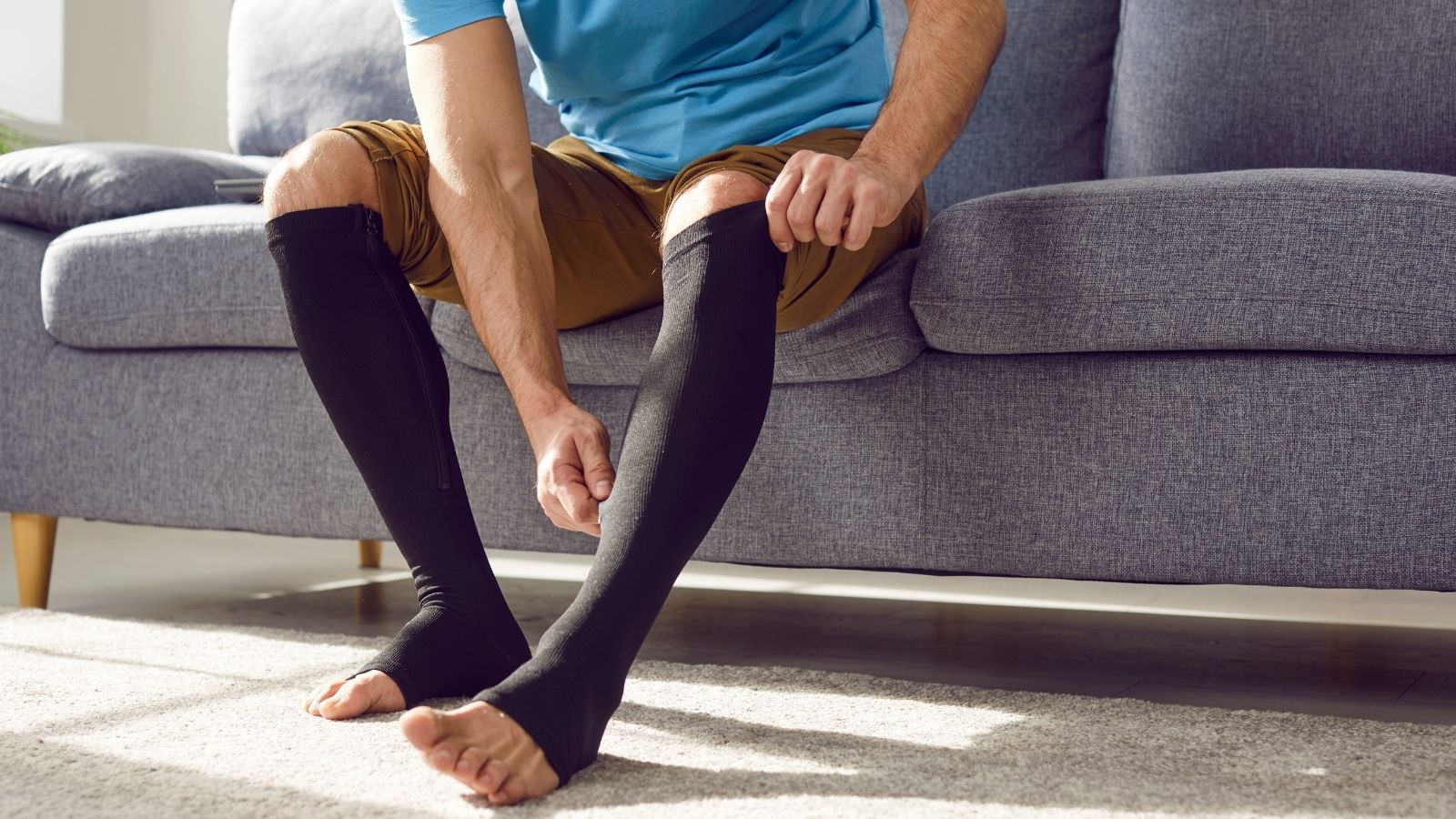
Treatment differs depending on severity. Mild varicose veins may be managed with lifestyle changes and compression, while advanced venous insufficiency may require interventional procedures to restore proper circulation and prevent complications.
| Venous Insufficiency | Varicose veins | |
| Definition | Backflow and pooling of blood due to loss of function of vein valves | Dilatation and prominence of superficial veins |
| Which Vessels Are Affected | Deep and superficial veins | Usually superficial veins |
| Root Cause | Valve insufficiency, vessel wall weakness, blood pooling | Valve insufficiency, dilatation of the vessel wall |
| Symptoms Seen | Leg swelling, pain, feeling of heaviness, skin discoloration, ulcers, night cramps | Purple-blue prominent veins on the skin surface, pain, heaviness, itching |
| Severity of Complaints | In advanced stages, it can lead to serious problems and chronic ulcers | Usually cosmetic, sometimes limited to pain and discomfort |
| Complications | Skin wounds (ulcers), chronic edema, infection, pigment change | Bleeding, blood clots, rarely ulcers |
| Diagnostic Methods | Doppler ultrasound, clinical examination, venography (rarely) | Doppler ultrasound, clinical examination |
| Treatment Methods | Compression stockings, medication, leg elevation, surgical or interventional treatment if necessary | Compression stockings, sclerotherapy, laser, surgery, lifestyle modification |
| Importance | Chronic and can lead to serious health problems if left untreated | More of a cosmetic concern, sometimes affecting quality of life |
What is the Main Problem and Why Are Vein Diseases Important?
Think of the veins in our legs as a complex system of pipelines that fight against gravity to carry dirty blood back to the heart. There are two heroes that make this system work flawlessly: tiny valves inside the veins that open in one direction, and our calf muscles that contract when we walk, pumping blood upwards. In a healthy individual, this mechanism quietly does its job by preventing blood from pooling in the legs.
But when there is a glitch in this system, everything starts to go wrong. If the valves fail to close properly or the muscle pump is insufficient, blood cannot return to the heart efficiently and begins to pool in the legs. This leads to increased pressure inside the veins. This condition, medically called “venous hypertension”, is the main problem underlying all venous diseases. Over time, this increased pressure stretches the vein walls, further deteriorates the valves and starts a vicious cycle that aggravates the symptoms. It is therefore important to take vein diseases seriously and understand the underlying problem.
What is varicose veins and is it a disease?
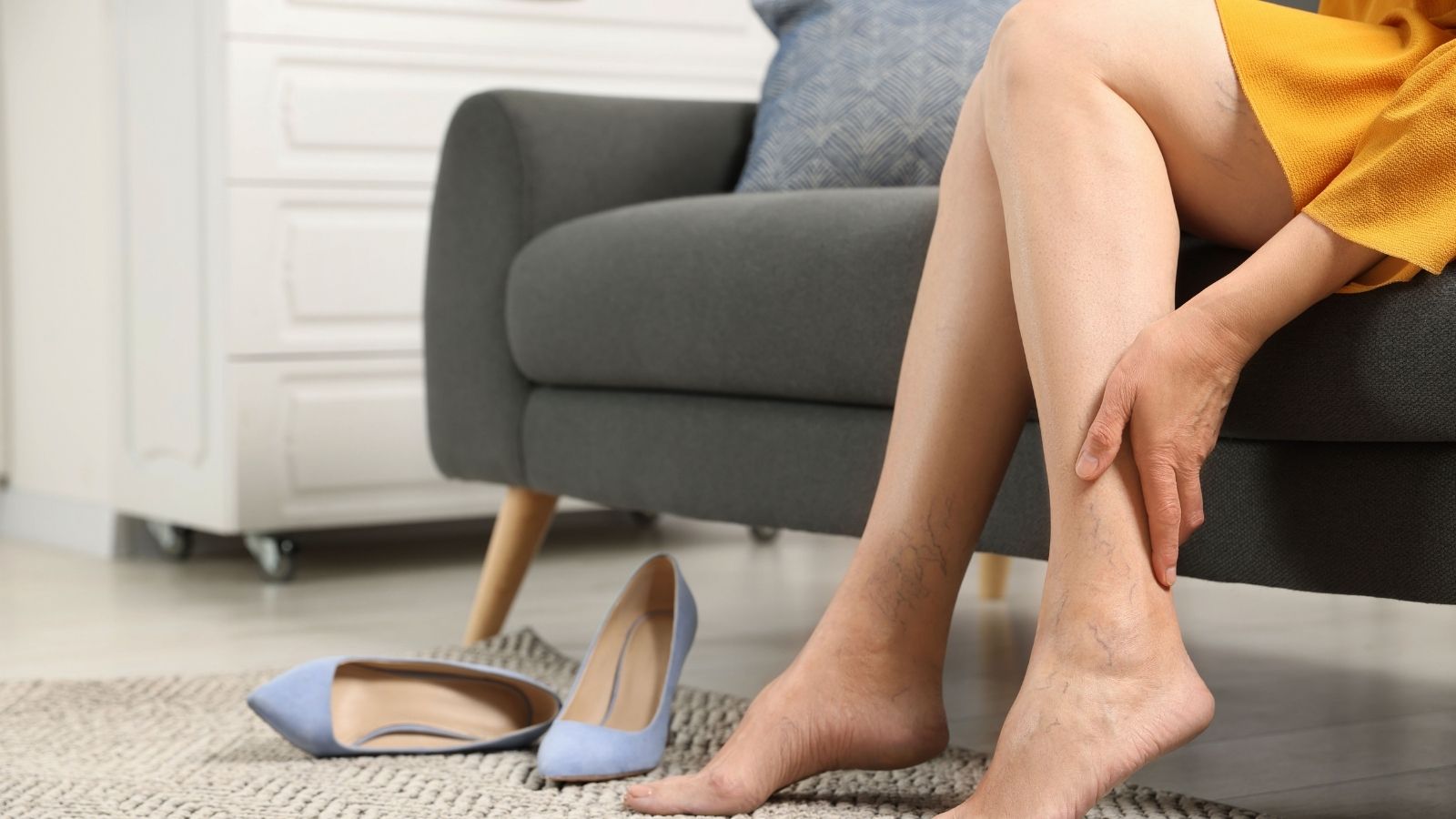
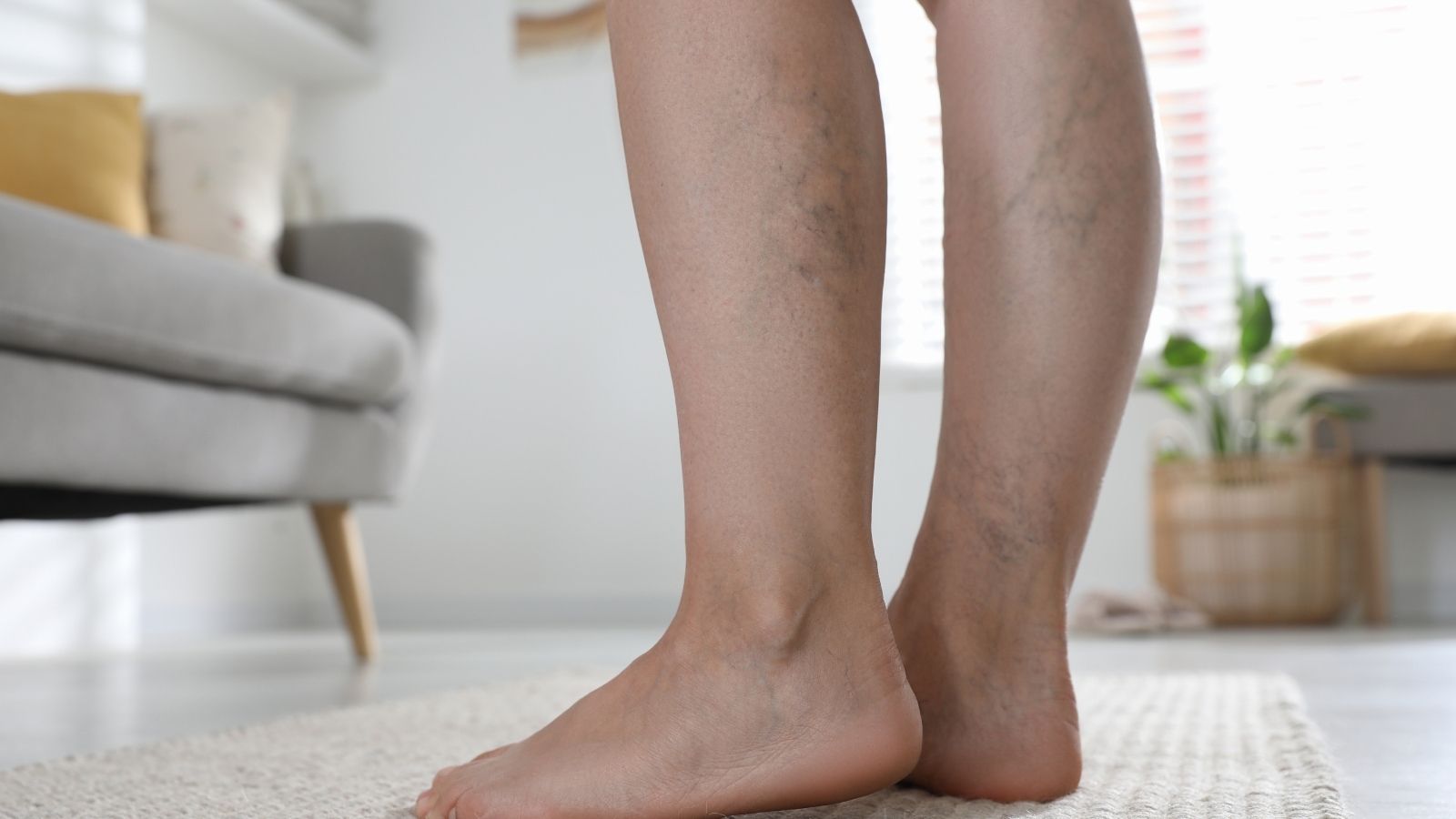
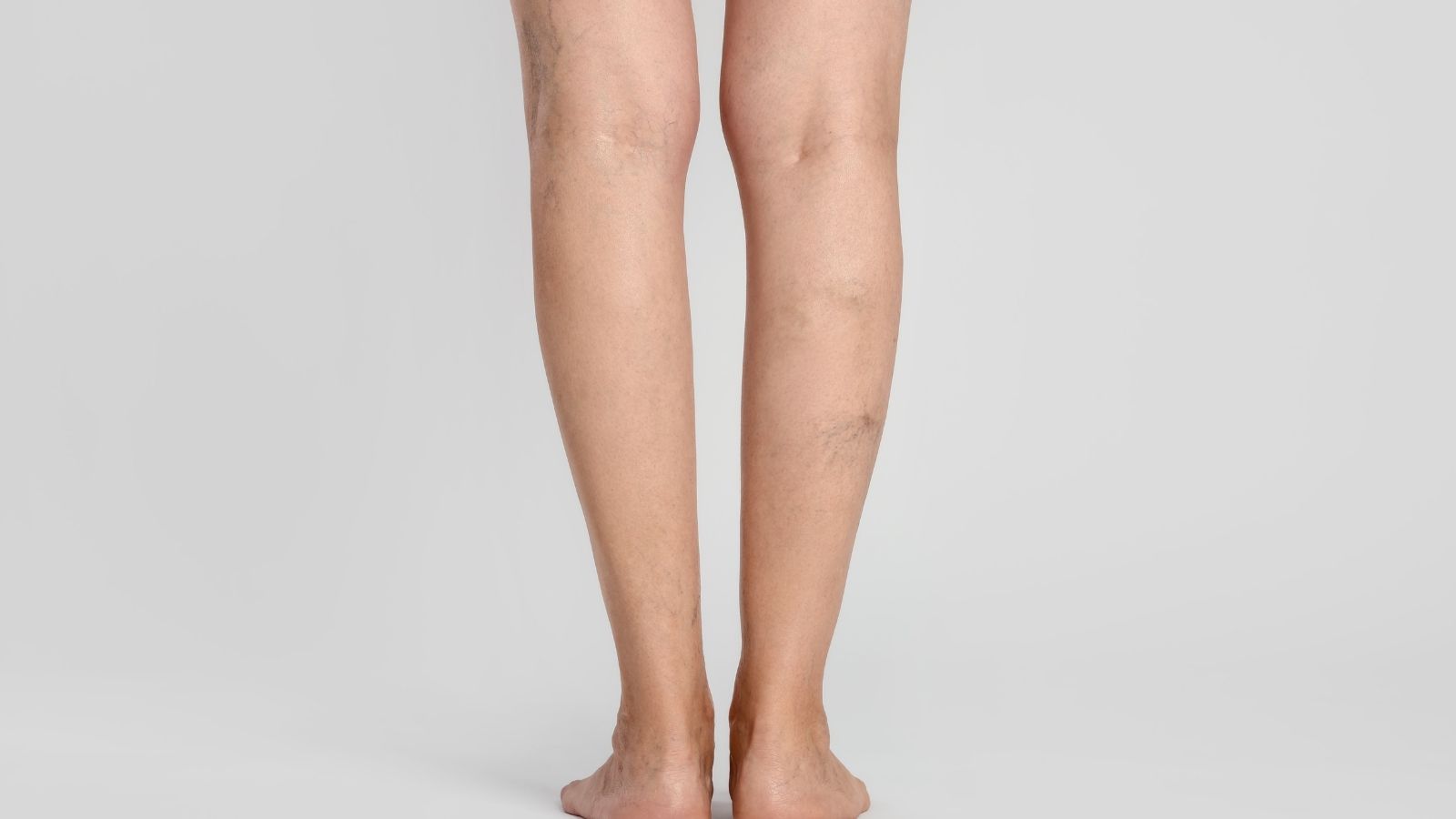
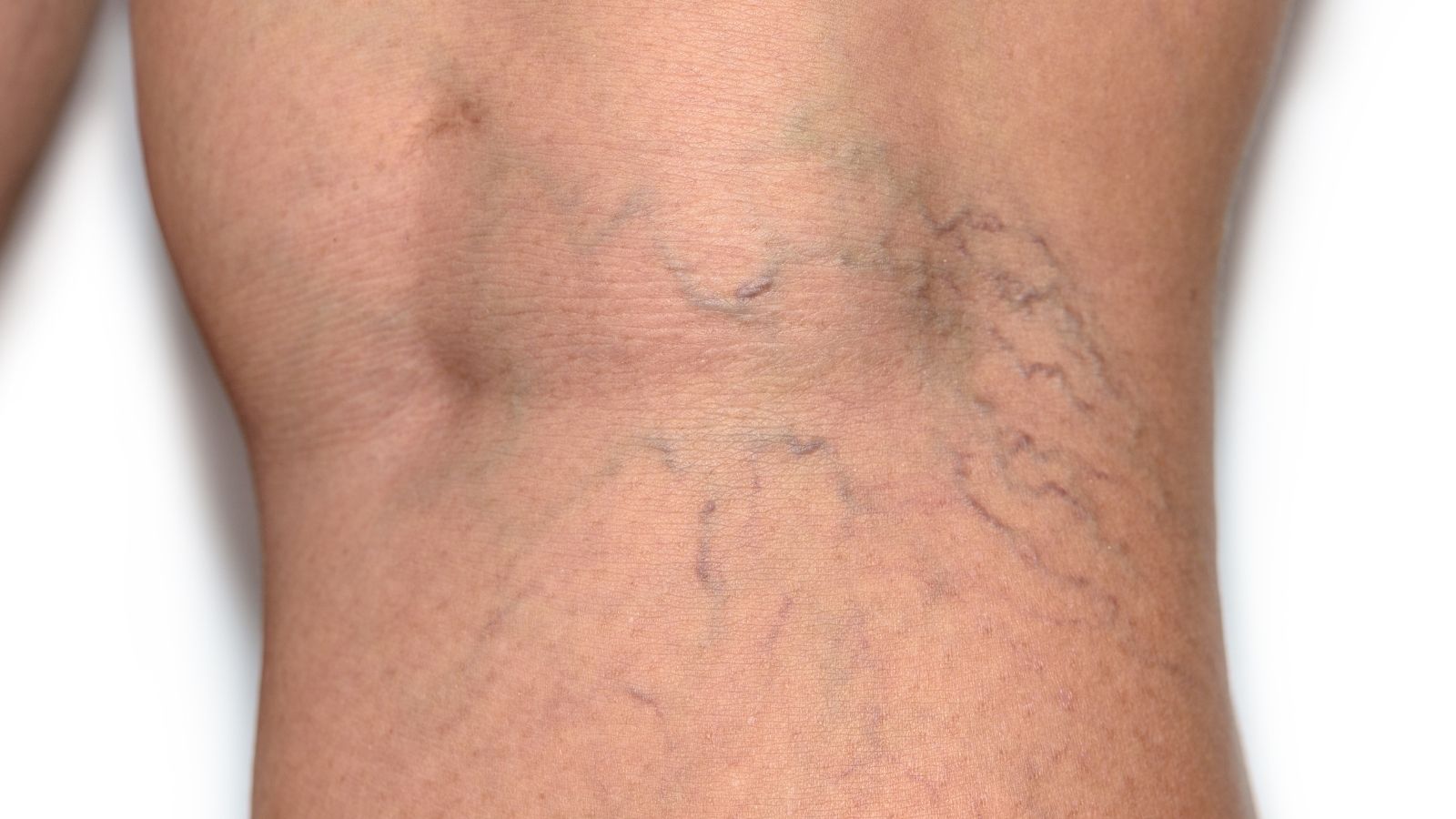
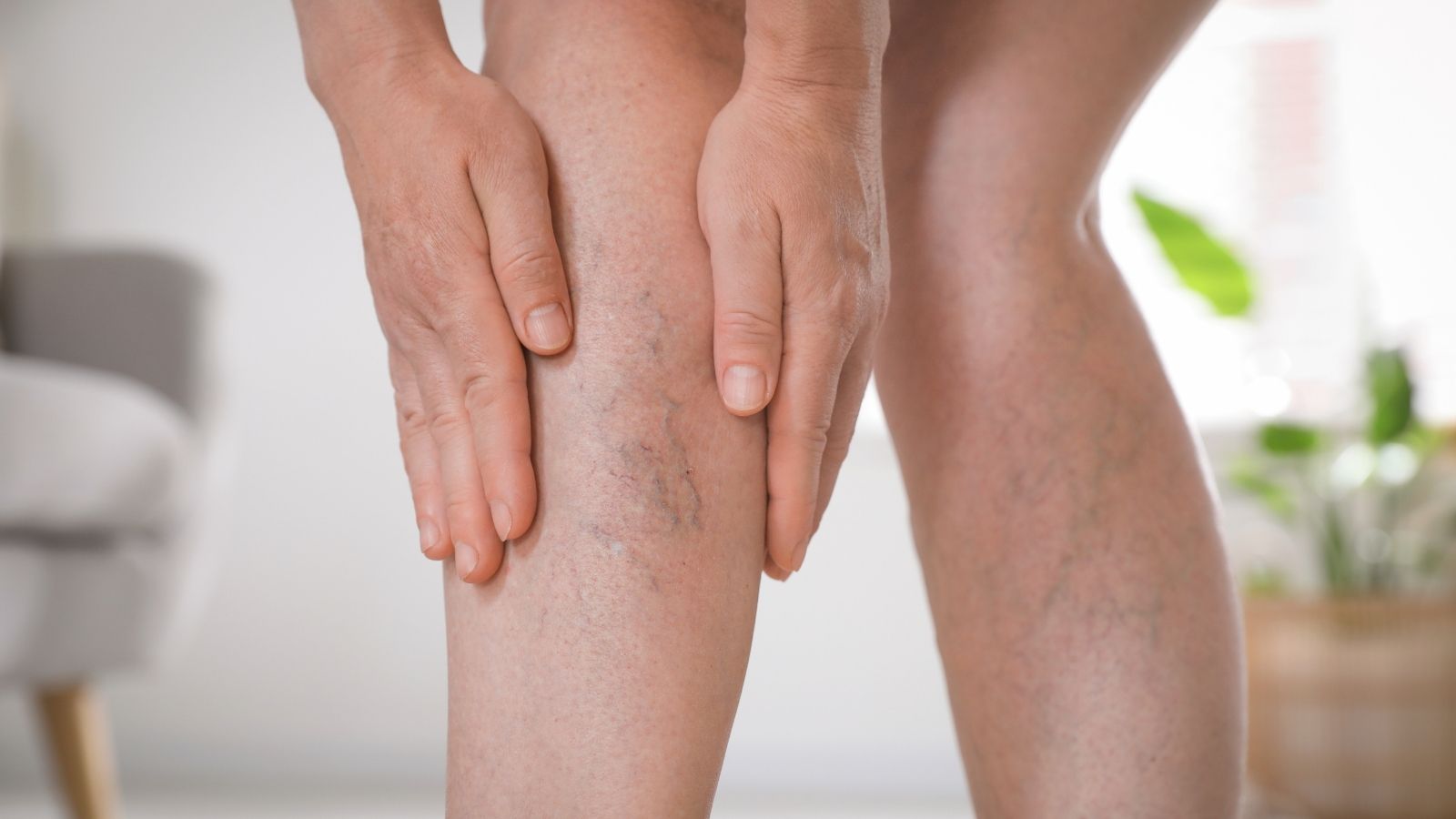
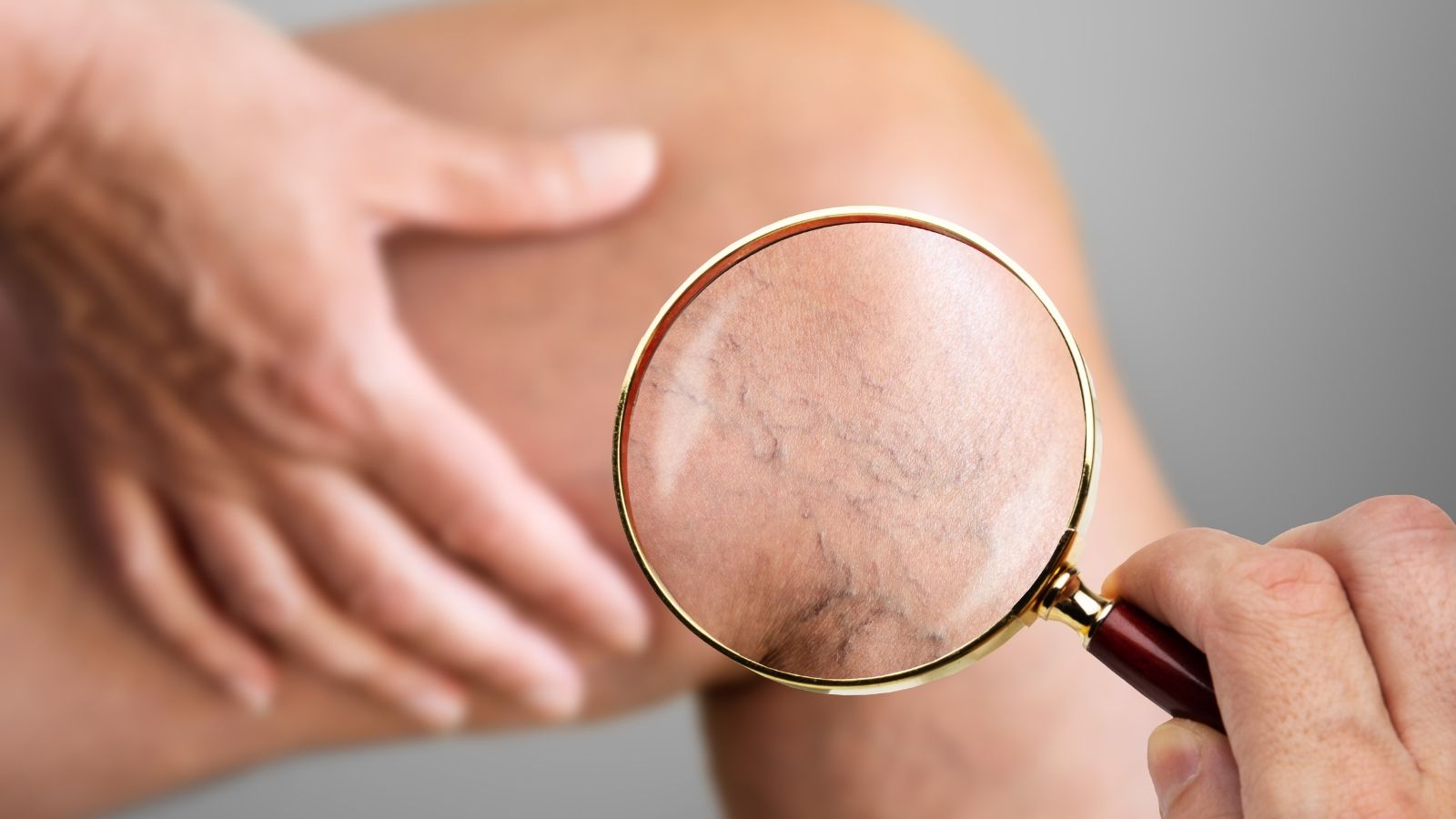
Varicose veins are actually the most well-known and visible symptom of the underlying venous insufficiency disease. It should be considered as a manifestation of a problem rather than a disease in itself. Technically, “varicose veins” are defined as veins under the skin that are 3 millimeters or more in diameter, curved and bulging. Over time, these vessels have become dilated, elongated and deformed due to the high pressure to which they are constantly exposed.
Although many people see varicose veins only as an aesthetic concern, it is actually much more than that. The presence of varicose veins is the most tangible evidence that the valves in your vascular system can no longer function properly and that the blood is escaping backwards (reflux). In other words, a leg with varicose veins is actually a leg with chronic venous disease. This is usually classified as “stage C2” of the disease. Some common complaints that can be seen with varicose veins are as follows:
- Increased pain in the legs at the end of the day
- Feeling of heaviness and fullness
- Combustion
- Itching
- Night cramps
Getting treatment at this stage is the smartest step to prevent the disease from progressing to more serious and irreversible stages.
What Does Chronic Venous Insufficiency Mean?
Chronic venous insufficiency (CVI) is a clinical term used to describe the next and more serious stages of varicose veins. At this stage, the venous system in the legs is no longer up to the task of carrying blood back to the heart. Over the years, persistent venous hypertension begins to affect not only the veins but also the surrounding skin and subcutaneous tissues. This tissue damage produces the typical symptoms of venous insufficiency.
In order to talk about chronic venous insufficiency in a person, one or more of the following symptoms must usually be present
Edema: Significant, persistent swelling of the ankle and leg.
Discoloration A brownish, rusty color of the skin, especially around the ankle.
Eczema Eczema of venous origin, characterized by dryness, scaling and intense itching of the skin.
Hardening Progressive hardening, thickening and loss of elasticity of the skin and subcutaneous tissue.
Venous Ulcer Wounds around the ankle, usually on the inner side, that heal very difficult.
In short, when a patient has only varicose veins, venous insufficiency may not have developed yet. However, a patient with persistent swelling, discoloration or scarring on the leg is now defined as having venous insufficiency and the underlying valve leak must be treated.
Why and how does this disease progress?
The progression of venous disease is similar to a domino effect that works slowly. It all starts with a single underlying problem, venous hypertension, and each problem triggers the next. The main mechanisms behind this progress are:
Disruption of the valves (Reflux): It is the most common cause. Due to genetic predisposition or a previous clot, the valves lose their function and blood backs up.
Vein Occlusion: Although less common, especially after deep vein thrombosis (DVT), debris left in the vein can block blood flow and increase the pressure significantly.
Weakness of the Calf Muscle Pump: When the muscle pump does not work efficiently due to sedentary lifestyle, old age or joint disorders, blood pools in the legs.
These mechanisms trigger a continuous inflammatory reaction in the vessel wall. This reaction leads to a weakening of the fibers that make up the structure of the vessel and give it flexibility. As a result, the vessel widens further, which causes the valves to separate further from each other and increases leakage. It is a self-perpetuating cycle of destruction that gets worse and worse without treatment.
Is Walking Really Good for Venous Insufficiency?
The answer to this question is a definite “Yes”. Regular walking is the best and simplest exercise you can do to alleviate the symptoms of venous insufficiency and control the progression of the disease. When you walk, your calf muscles work like a second heart, contracting and relaxing rhythmically. This “muscle pump” activity actively pumps the blood accumulated in the legs upwards towards the heart.
The benefits of regular walking are as follows:
- It lowers the pressure in the veins.
- Stimulates blood circulation.
- Reduces pain and heaviness in the legs.
- Helps to regress edema and swelling.
- It slows the rate of disease progression.
How to Make the Right Diagnosis and Evaluation?
In order to create an effective treatment plan, it is first necessary to clearly identify the source and extent of the problem. Today, this is done with highly developed and standardized methods. The first step is to listen to the patient’s history and perform a detailed physical examination. The legs are examined standing up to assess the presence of varicose veins, edema or skin changes.
However, the gold standard for definitive diagnosis and treatment planning is the “Color Doppler Ultrasonography” examination. This painless and harmless test creates a map of your veins. While the ultrasound device visualizes the structure of the vessels, the Doppler feature measures the direction and speed of blood flow. During this examination, it is possible to determine within seconds whether there is backward blood leakage (reflux) in the valves, and if so, in which vein and how severe it is. This examination is an absolute necessity before any planned venous insufficiency surgery or interventional procedure. Because it provides a road map showing which vessel to treat and how much to treat.
What are the Definitive Solution and Modern Treatment Methods for Venous Insufficiency?
Classical surgical methods that came to mind in the past when it came to varicose vein treatment, requiring hospitalization and a painful recovery process, are now largely a thing of the past. Today, venous insufficiency is treated with minimally invasive, extremely comfortable and effective methods to close the affected vein from the inside. The common goal of these modern treatments is to return the patient to normal life on the same day.
There are major modern treatment options.
- Endovenous Laser Ablation (EVLA)
- Radiofrequency Ablation (RFA)
- Medical Adhesive (Biological Glue / VenaSeal™)
- Mechanochemical Ablation (MOCA / ClariVein®)
- Foam Sclerotherapy
- Miniflebectomy (Ambulatory Phlebectomy)
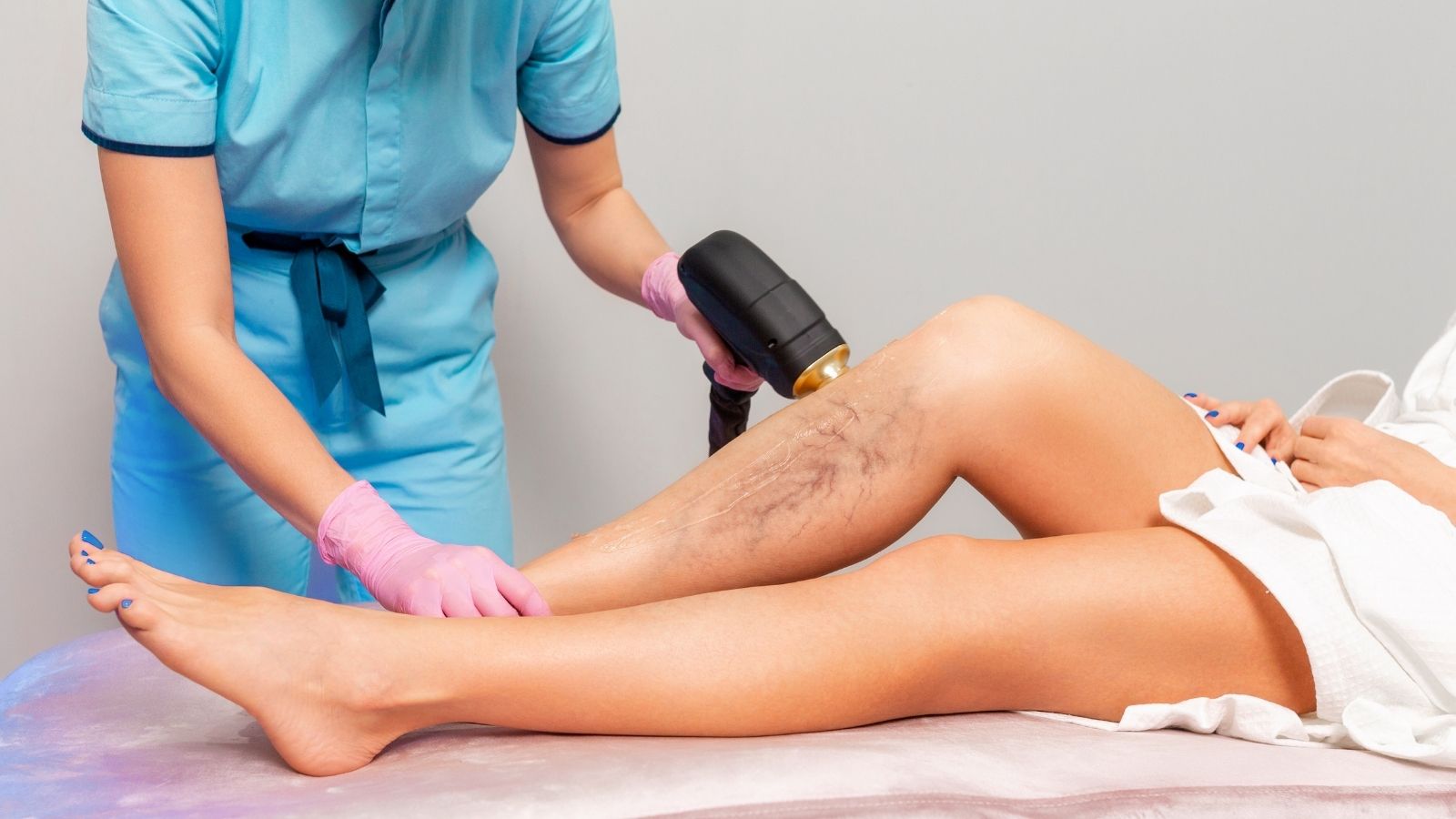
Thermal (heat-based) methods such as laser and radiofrequency are the most widely used treatments worldwide and have the best long-term results. In these procedures, a thin catheter is inserted into the problematic vein under ultrasound guidance. After local anesthesia is applied around the vein, the vein is closed in a controlled manner from the inside by applying heat energy. Over time, the body naturally destroys this closed vessel.
Non-thermal methods such as medical adhesive and MOCA are newer technologies. Especially with the adhesive method, a biological glue is injected into the vein and the vein is instantly closed. One of the biggest advantages of this method is that it is usually not necessary to wear compression stockings after the procedure. All of these modern methods prioritize patient comfort and have high success rates. Which method is most suitable for you is decided after a detailed Doppler ultrasound examination.

Prof. Dr. Yavuz Beşoğul graduated from Erciyes University Faculty of Medicine in 1989 and completed his specialization in Cardiovascular Surgery in 1996. Between 1997 and 2012, he served at Eskişehir Osmangazi University Faculty of Medicine as Assistant Professor, Associate Professor, and Professor, respectively. Prof. Dr. Beşoğul, one of the pioneers of minimally invasive cardiovascular surgery in Türkiye, has specialized in closed-heart surgeries, underarm heart valve surgery, beating-heart bypass, and peripheral vascular surgery. He worked at Florence Nightingale Kızıltoprak Hospital between 2012–2014, Medicana Çamlıca Hospital between 2014–2017, and İstinye University (Medical Park) Hospital between 2017–2023. With over 100 publications and one book chapter, Prof. Dr. Beşoğul has contributed significantly to the medical literature and is known for his minimally invasive approaches that prioritize patient safety and rapid recovery.