Türkçe
Cold sweating refers to unexpected perspiration occurring without heat or physical exertion. It is usually associated with stress responses, sudden drop in blood pressure, or serious medical conditions affecting circulation.
Common causes of cold sweating include heart attack, severe infections, shock, hypoglycemia, and intense pain. Identifying the underlying disorder is critical for timely treatment and prevention of complications.
Diagnosis is based on physical examination and additional tests such as electrocardiography, blood sugar analysis, or imaging studies depending on suspected cause. Clinical context plays a key role in evaluation.
Treatment targets the underlying condition, such as stabilizing heart function, correcting glucose imbalance, or managing infection. Emergency intervention is often required if cold sweating accompanies chest pain or dizziness.
| Medical Name | Diaphoresis (Cold Sweating) |
| Common Symptoms | – Sudden onset of sweating- Coldness and dampness of the skin- Pale appearance- Palpitations or dizziness (may be accompanied) |
| Causes | – Severe stress, anxiety or fear – Heart attack (myocardial infarction) – Low blood sugar (hypoglycemia) – Shock – Pain – Infection (febrile diseases) |
| Risk Factors | – Heart disease- Diabetes- Hormonal disorders- Nervous system diseases |
| Complications | – Loss of consciousness, shock or organ failure due to serious underlying disease |
| Diagnostic Methods | – Clinical examination- Blood tests- ECG and other cardiovascular tests- Imaging methods if necessary |
| Treatment Methods | – Treatment of the underlying cause – Rapid medical support in cases requiring urgent intervention |
| Prevention Methods | – Good management of chronic diseases – Stress and anxiety control – Regular medical follow-up |
What is Cold Sweating and What Does Diaphoresis Mean?
Cold sweating, medically known as diaphoresis, is excessive sweating caused by an underlying medical condition or a side effect of a medication, regardless of the temperature of the environment or the exercise you do. The term implies that the condition is much more than simply “having a sweaty body”. It is actually your body trying to tell you, “Attention, something is wrong inside!”. It is very important to understand this distinction, because it leads you to ask the question “What is the root cause of this sweating?” and consult a specialist instead of using an antiperspirant.
Cold sweating has some distinctive features that distinguish it from normal sweating. These are usually as follows:
- Skin feels cold and clammy to the touch
- Usually affecting the whole body rather than just a specific area such as the armpit
- A marked pallor of the person’s face or skin
- Onset without an obvious trigger, such as physical activity or hot weather
Although it occurs mainly at night, it is different from the classic “night sweats” that can soak pajamas and bed sheets and are often associated with menopause or certain infections. Cold sweats are more often the outward manifestation of a sudden moment of inner crisis.
Why Does Our Body Sweat Cold Sweat as a “Fight or Flight” Response?
The answer lies in the Autonomic Nervous System, our body’s autopilot. Without us even realizing it, this system controls our heartbeat, blood pressure, breathing and, of course, sweating. This system has two main components: One is the Sympathetic Nervous System, which we can think of as the “gas pedal” that activates us in times of danger; the other is the Parasympathetic Nervous System, which is the “brake pedal” that calms us down and puts us into rest mode when all is well.
When the body perceives a threat – whether it is an oncoming car, an infection that can cause severe pain, sudden sweating and fatigue, a heart attack or a dangerously low blood sugar level – the Sympathetic Nervous System immediately presses the “gas pedal”. This leads to the release of stress hormones such as adrenaline into the bloodstream. One of adrenaline’s jobs is to prepare the body for a possible physical struggle (fight or flight) by stimulating the sweat glands, and to keep it cool in the process.
So why do you get cold and sweat at the same time? This is where things get interesting. While adrenaline makes the sweat glands work, it also constricts blood vessels, diverting blood away from the skin and limbs to more vital organs such as the heart, brain and muscles. With less blood going to your skin, your skin cools down. As a result, your skin becomes cold and clammy while you sweat. This is a testament to how wisely the body manages its resources in a crisis. This is the basic mechanism that explains why conditions as different as a heart attack, panic attack or hypoglycemia all lead to cold sweats. The body has a general “crisis alarm” and one of the reactions when this alarm goes off is cold sweating.
Can Sudden Onset of Cold Sweat Be a Symptom of a Heart Attack?
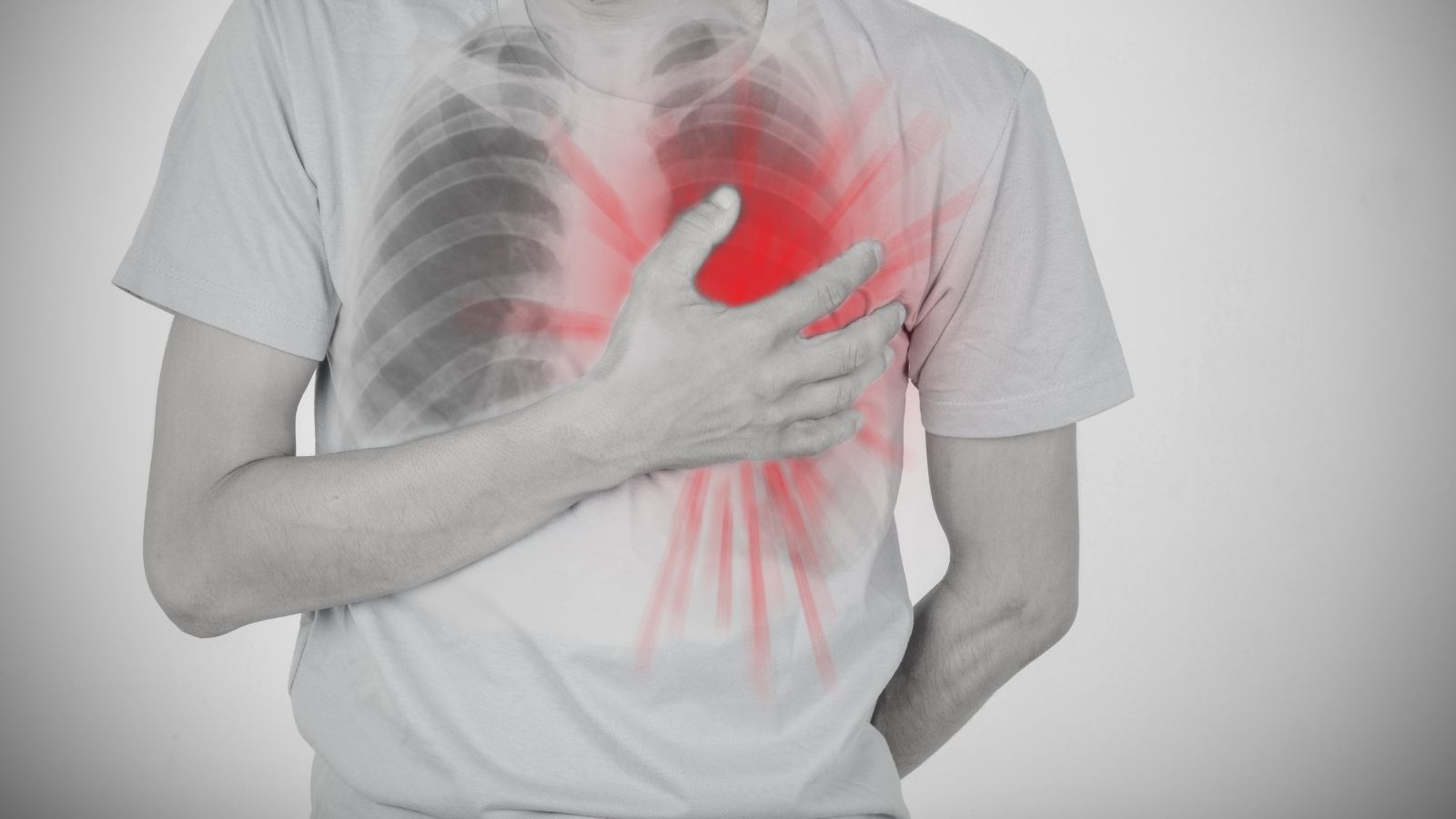
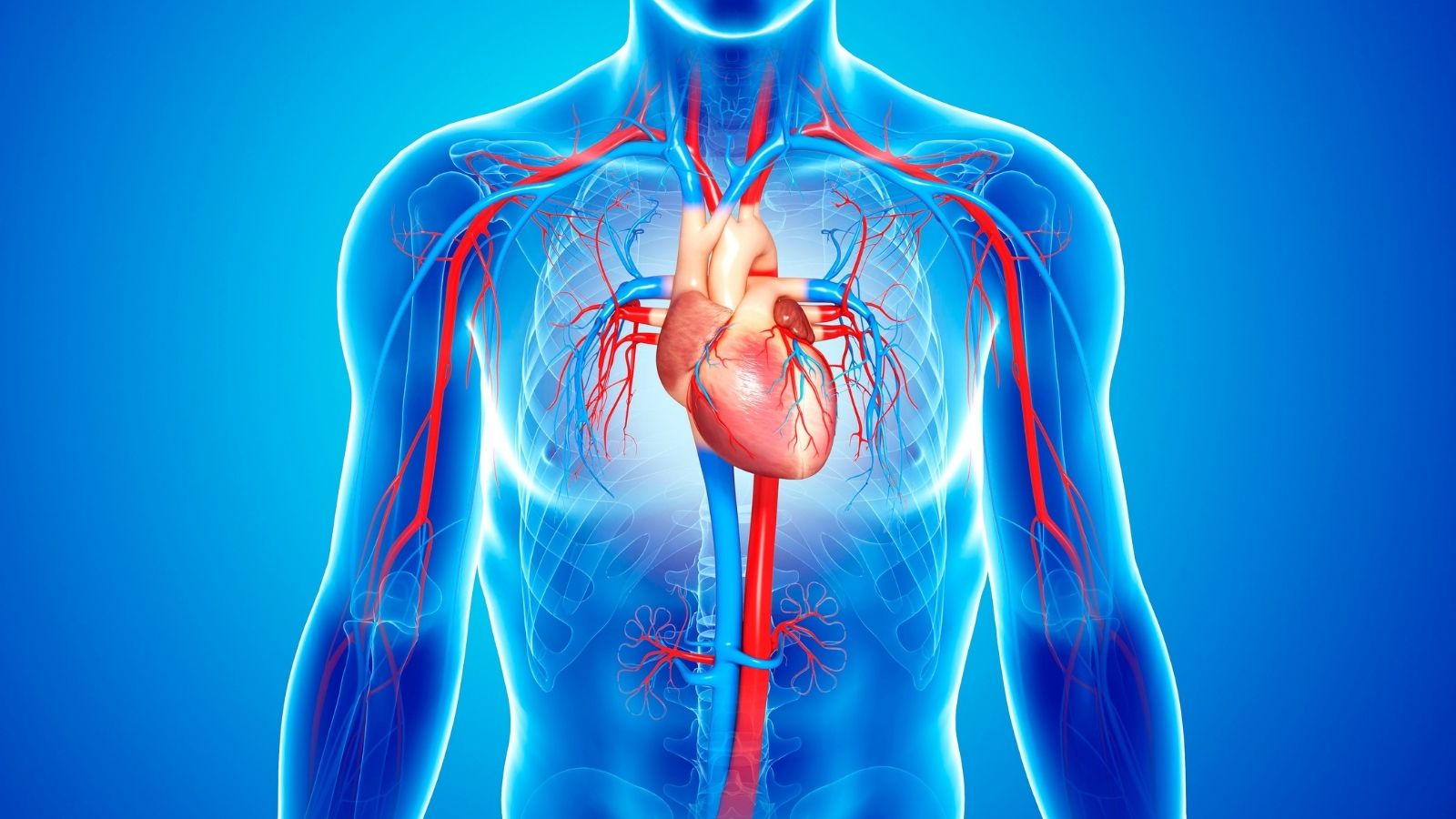
Yes, it can definitely happen. Cold sweating, especially if it starts suddenly, for no apparent reason and does not go away despite rest, is one of the most important and most common precursor symptoms of a heart attack (myocardial infarction). A heart attack occurs when one of the coronary arteries supplying the heart is suddenly blocked, usually by a blood clot. This blockage causes part of the heart muscle to be deprived of oxygen and begin to be irreversibly damaged.
This moment of “suffocation” of the heart muscle is a tremendous stress for the body and directly triggers the “fight or flight” response. In order to survive this major crisis, the body goes on high alert and releases copious amounts of adrenaline. This influx of adrenaline causes the heart to beat faster, and at the same time, the person breaks out in a cold sweat. This sweating is part of the body’s struggle for survival.
Cold sweats do not usually come on their own. In a heart attack, cold sweats are often accompanied by the following symptoms. It is vital to pay attention to this cluster of symptoms:
- Pressure, tightness, heaviness or pain in the center of the chest
- Pain radiating to the back, shoulder, neck, jaw or especially the left arm
- Shortness of breath that starts suddenly and does not go away with rest
- Sudden cold sweats and nausea or vomiting
- Severe dizziness, blackouts or fainting
- Intense anxiety, panic or a feeling that “something bad is going to happen”
If cold sweating is accompanied by one or more of these symptoms, it is a medical emergency. You should immediately call 112 without wasting time. Trying to get to the hospital on your own can cause a life-threatening delay on the way. Ambulance crews can start the first intervention until they reach the hospital.
What Is the Dangerous Link Between Cardiogenic Shock and Cold Sweating?
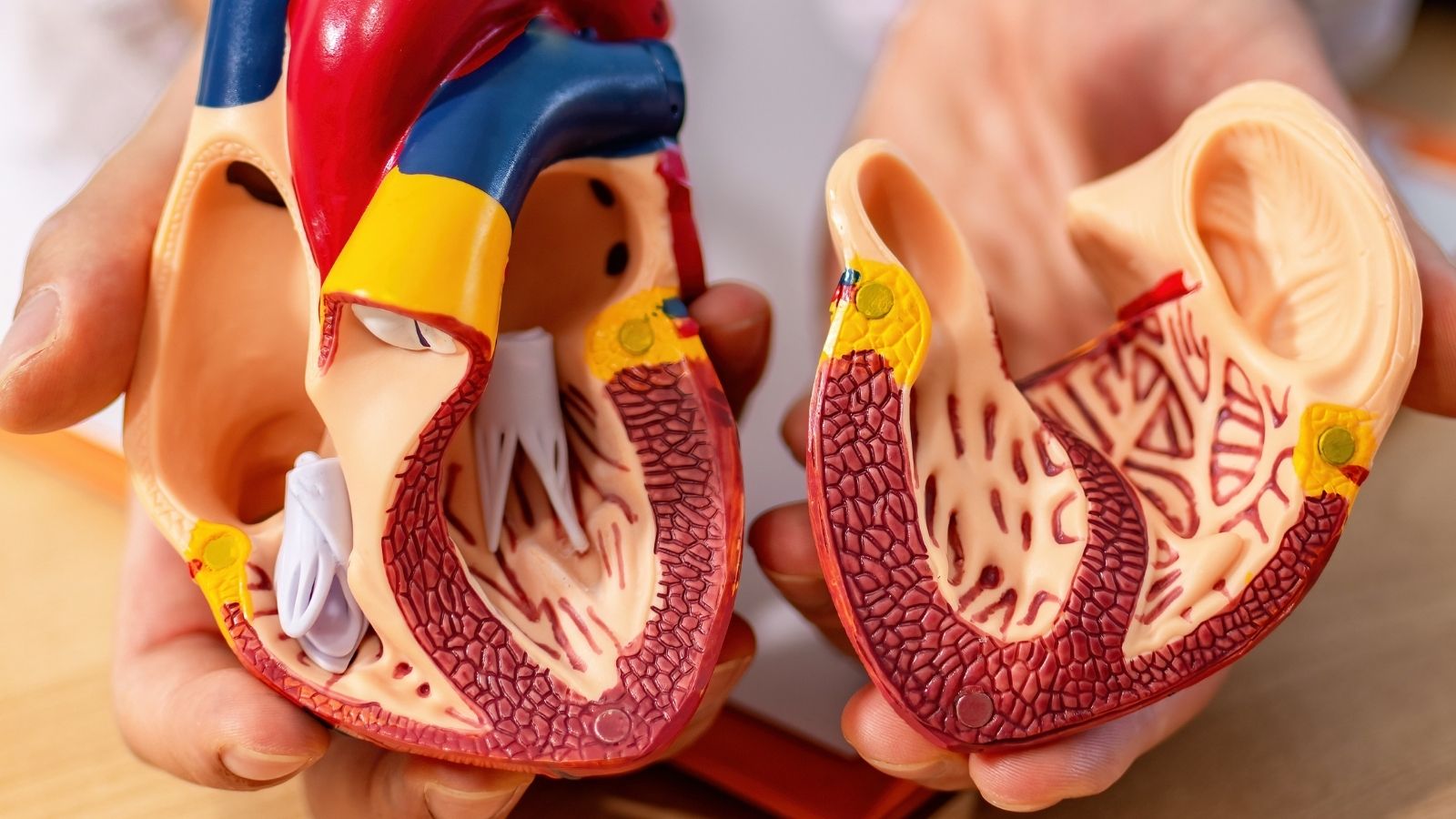
Cardiogenic shock is when, usually following a major heart attack, the heart’s pumping function is so impaired that it can no longer pump enough blood and oxygen to the rest of the body. This is one of the most critical life-threatening conditions in which the heart fails and the body as a whole is at risk of collapse.
In this situation, the body resorts to a last-ditch effort to survive. To protect vital organs such as the brain and heart, it draws blood away from lower priority areas such as the arms, legs and skin. This explains why the skin looks icy and pale. At the same time, sweating continues as the body’s massive stress response continues. The result is skin that is icy, clammy and moist to the touch. This is an indication that the body is “prioritizing”, sacrificing the skin to save vital organs.
Other critical symptoms accompanying cold sweats in cardiogenic shock are the following:
- Fast but very weakly felt pulse
- Rapid and superficial breathing
- Difficulty staying awake or clouding of consciousness
- Significant reduction or cessation of urine output
- Bruising of the lips and nails
- Extremely pale or ashen skin color
This is an absolute emergency and requires immediate treatment in the intensive care unit by a team including a cardiovascular surgeon.
Why Do Patients with Chronic Heart Failure Sweat Cold Sweat?
Chronic heart failure is a condition in which the heart’s pumping power weakens over time. This does not mean that the heart suddenly stops beating; rather, it means that it cannot work efficiently enough to meet the body’s needs. The body is constantly working “overtime” to compensate for this reduced pumping power. This compensatory effort keeps the sympathetic nervous system and certain hormone systems constantly active. So the body of a person with heart failure lives in a chronically low-level “alert” state.
This constant state of arousal can cause bouts of cold sweating, especially during exertion or during periods of worsening disease (decompensation). Sometimes this sweating may be part of an effort to remove excess fluid that has accumulated in the body and thus ease the workload of the weakened heart. Sweating in heart failure can therefore be a sign not only of an acute crisis but also of a worsening course of a chronic disease. This sweating is often accompanied by increased shortness of breath, fatigue, swelling of the legs and weakness.
Do Other Heart Problems Like Angina and Endocarditis Lead to Cold Sweats?
Yes, some other heart-related conditions can also cause a stress response in the body, leading to cold sweats:
Angina (Angina Pectoris): Angina, commonly known as “chest pain”, is a temporary reduction in blood flow to the heart muscle. This does not cause permanent damage, but can cause pain similar to a heart attack. In this moment of pain, the heart is stressed by the lack of oxygen, so the body may have a “fight or flight” response similar to that of a heart attack, but milder, which can cause cold sweats.
Endocarditis: An infection of the inner lining of the heart or heart valves. As the body fights this serious and persistent infection, it may experience bouts of fever, chills and sweating, which are especially pronounced at night.
Why Does Low Blood Sugar (Hypoglycemia) Suddenly Cause Cold Sweats and Nausea?
Our brain gets its energy almost entirely from sugar (glucose). When our blood sugar drops dangerously low (hypoglycemia), the brain sounds the alarm, like a car without fuel. For the body, this is as urgent a crisis as a heart attack. In this moment of “fuel scarcity”, the body immediately activates its “fight or flight” mechanism and releases copious amounts of adrenaline.
While this adrenaline rush tries to stimulate the liver to produce sugar urgently, it also causes the typical symptoms of hypoglycemia. These symptoms are actually the body’s way of telling you, “Eat something sugary now!”:
- Sudden and intense cold sweating
- Palpitations and feeling the heartbeat
- Trembling in the hands
- Sudden onset of anxiety and irritability
- Severe hunger
- Nausea
- Blurred vision or dizziness
Why Does the Body Break Out in a Cold Sweat During Stress and Panic Attacks?
In a moment of intense fear, anxiety or panic attack, our brain may not be able to distinguish between a real physical danger and an abstract threat. The idea of a tough conversation with your boss or a public presentation can send the same signals to your brain as running away from a wild animal. As a result, the limbic system (the emotional center of the brain) initiates the “fight or flight” response.
This causes adrenaline to be released, the heartbeat to quicken and the sweat glands to produce a sudden cold sweat, especially concentrated on the palms, soles and armpits. This shows that anxiety is not just something that happens “in your head” but is a real and measurable physiological response. Stress-induced sweating can be more pungent than normal heat sweating, as it is usually secreted by apocrine glands.
What Are Other Medical Conditions That May Cause Cold Cold Sweating?
Apart from heart problems, hypoglycemia and anxiety, there are many other conditions that can cause cold sweats:
Menopause: Fluctuations in hormone levels can affect the hypothalamus, the brain’s thermostat, causing sudden “hot flashes” followed by sweating with a feeling of chills.
Infections: When the body is fighting a serious infection such as flu or pneumonia, it can experience cycles of fever, chills and sweating. The common cold can be characterized by sweating. Especially in bloodstream infections such as sepsis, blood pressure drops and the body goes into shock, resulting in cold and clammy skin.
Hyperthyroidism (Overactive Thyroid): When the thyroid gland produces too many hormones, the body metabolism speeds up like an oven. This can lead to a constant feeling of heat and excessive sweating.
Severe Pain or Injury: Situations such as a broken bone or a major internal injury are a great physical stress for the body and can trigger the “fight or flight” response, causing cold sweats.
Which medicines can cause cold sweat as a side effect?
Sometimes cold sweats are not caused by a disease but by a side effect of a medication you are taking. Many common medicines can cause excessive sweating (diaphoresis) by affecting the body’s thermoregulation center or the nervous system. If you have this complaint after starting a new medication, you should discuss it with your doctor:
- Some antidepressants (especially those in the SSRI and SNRI group)
- Opioid group painkillers (such as morphine, tramadol)
- Insulin and some oral diabetes medications (causing hypoglycemia)
- Hormone therapies (thyroid medications, corticosteroids)
- Some heart and blood pressure medicines
- Some antibiotics and antiviral drugs
- Stimulant medications used for ADHD (Attention Deficit Hyperactivity Disorder)
Which Cold Sweat Symptoms Signal an Emergency and When to See a Doctor?
It is very important to know when to panic about cold sweats and when to calmly make an appointment. The lists below will guide you in this regard.
Call 112 IMMEDIATELY in the following situations:
Chest pain, pressure or tightness
If you have difficulty breathing
If you experience fainting or severe dizziness
Pain radiates to the arm, back, neck or jaw
Signs of shock such as extreme pallor, weakness and confusion
In the following cases, you should make an appointment with a doctor:
If you have recurrent cold night sweats that wake you up from sleep
If sweating is accompanied by unexplained weight loss
Sweating is accompanied by other symptoms such as fever, persistent cough or diarrhea
If your sweating complaint affects your daily quality of life
If this problem occurred after starting a new medicine
What tests are needed to find the underlying cause of cold sweat?
Finding the cause of cold sweats is like detective work. The process always starts with a detailed interview with you. Your doctor will want to know when your symptoms started, what triggered them, any other accompanying complaints and any medications you are taking. After this initial assessment, various tests may be ordered to determine the suspected cause.
If Cardiac Causes are Suspected:
Electrocardiogram (ECG)
Blood tests (especially heart enzymes such as Troponin)
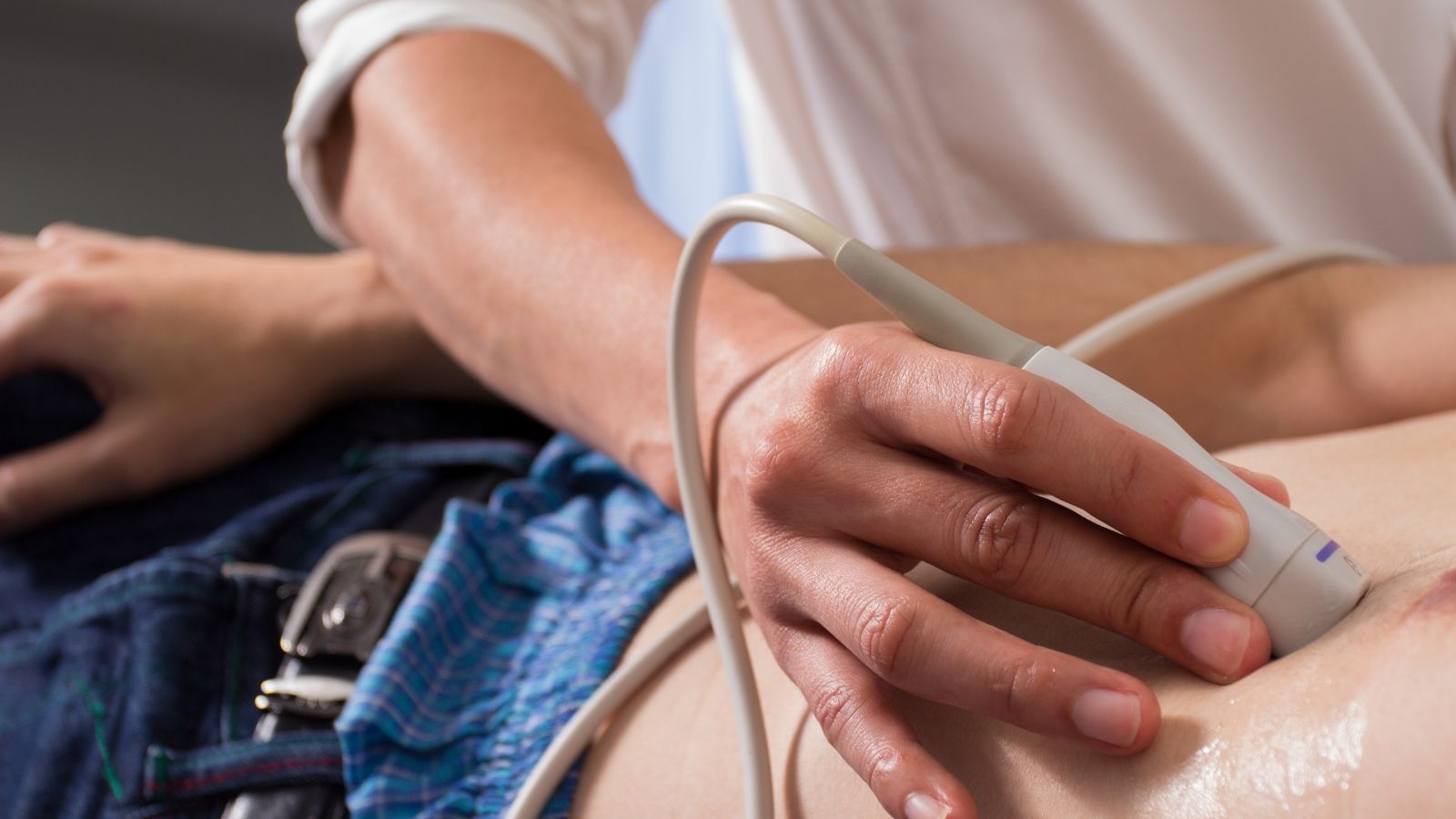
Echocardiogram (ECHO – Heart ultrasound)
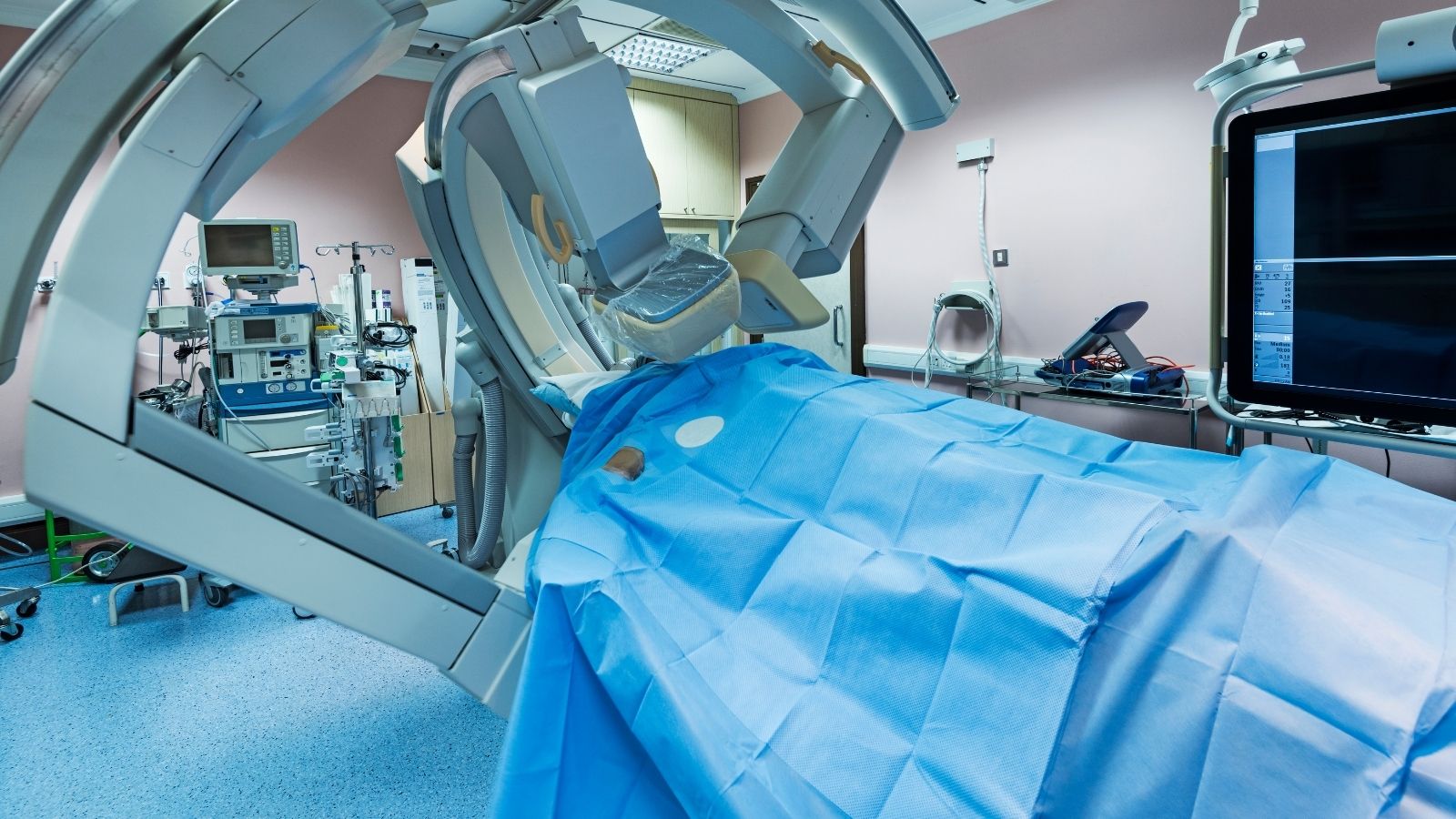
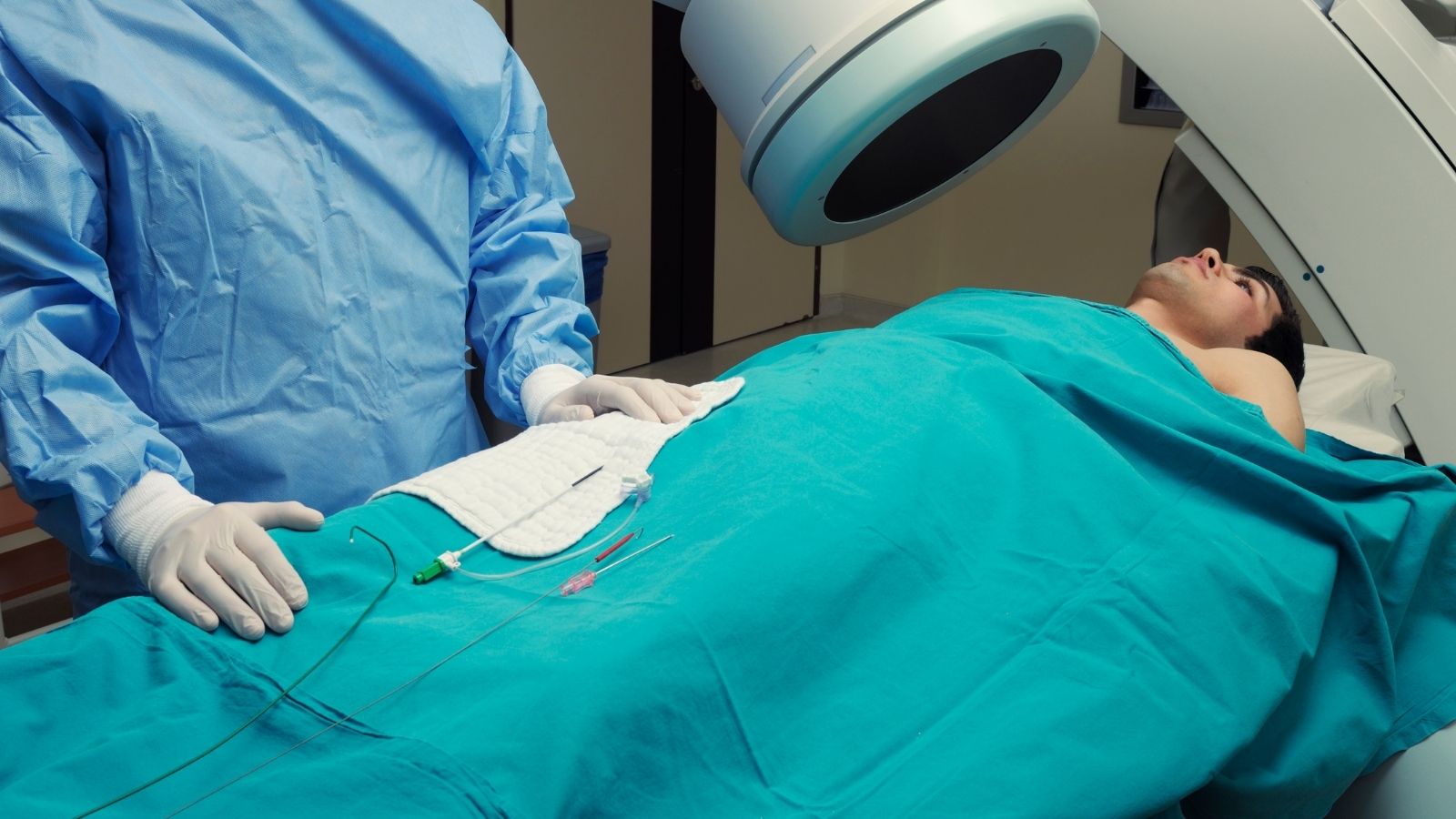
Cardiac Catheterization (Angiography)
If Other Possible Causes are Investigated:
Blood glucose measurement
Thyroid function tests (TSH, T3, T4)
Complete blood count and infection markers (CRP)
Hormone levels (for suspected menopause)
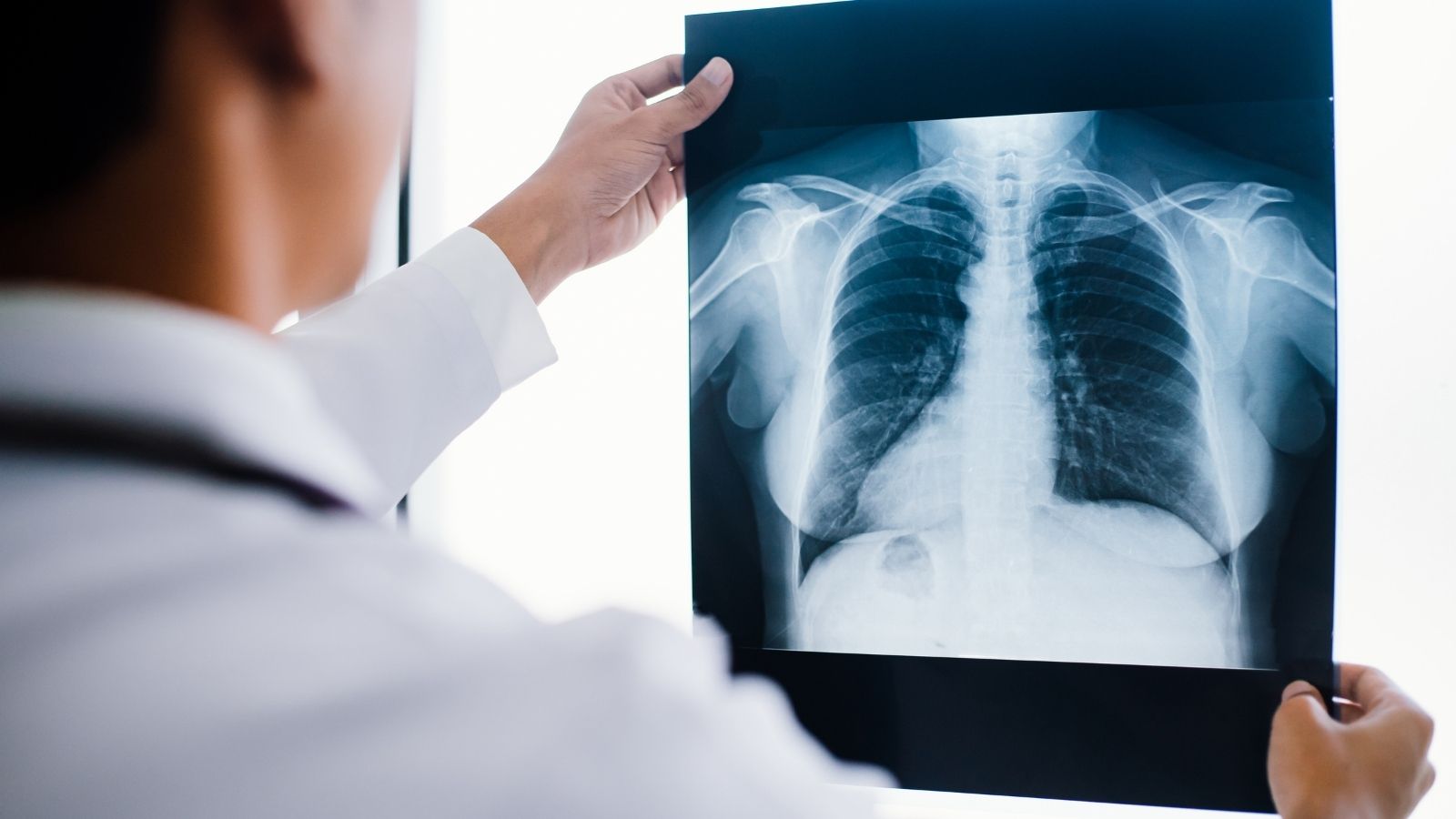
Chest X-ray or other imaging methods
How Does Cold Cold Sweating Pass and Is Treatment Possible?
There is no single, magical answer to the question of how to get rid of cold, cold sweating. This is because the treatment is directed not at the symptom itself, but at the underlying problem that is causing it. The aim is not just to stop sweating, but to extinguish the actual fire that caused the body to raise the alarm.
If the cause is a heart attack, the treatment is to open the blocked blood vessel immediately.
If the cause is hypoglycemia, the treatment is to raise blood sugar rapidly.
If the cause is an infection, the treatment is the use of appropriate antibiotics.
If the cause is a medication side effect, your doctor may change your medication or adjust the dose.
While the underlying cause is being treated, some symptomatic treatments may also be used to alleviate sweating.
Prescription strength antiperspirants
Oral medicines that block nerve signals to the sweat glands
Botox injections for specific areas (such as underarms)
Iontophoresis (mild electric current therapy) for hand and foot sweating
What Can Be Done at Home to Manage Cold Sweats?
While the underlying cause is being treated, some changes in daily life can help you manage symptoms and feel more comfortable.
Drink plenty of water and fluids throughout the day.
Avoid things that can trigger sweating, such as spicy foods, caffeine and alcohol.
Wear loose-fitting clothes made of natural and breathable fabrics such as cotton and linen.
Try to keep your living and sleeping environment cool.
Try techniques such as deep breathing exercises, meditation or yoga to manage your stress.
Maintaining a healthy weight and keeping your blood sugar levels in balance is important for your overall health.
What Role Does a Cardiovascular Surgeon Play in the Problem of Cold Sweats?
The role of a cardiovascular health professional becomes vital when you suffer from cold sweats, especially when they are accompanied by what we call “red flags”. It is more than just seeing a doctor, it is meeting the right specialist at the right time.
Accurate and Fast Diagnosis: A cardiovascular specialist has special experience in interpreting whether a vague symptom such as cold sweats is a sign of stress on the heart. Advanced diagnostic procedures such as ECG, echocardiography and angiography can quickly and accurately determine whether your heart is the cause of the problem.
Emergency intervention If the cause of cold sweats is a heart attack, the race against time begins. A specialized team intervenes immediately to restore blood flow by opening the blocked vessel with methods such as angioplasty, restoring blood flow and saving the heart muscle from permanent damage.
Critical Condition Management: In the most critical situations, such as cardiogenic shock, complex drug therapies and high-tech life support systems are managed to keep the patient alive, support heart function and allow time for the heart to recover.
Chronic Disease Monitoring: If your sweating is a sign of worsening heart failure, a long-term treatment and follow-up plan will be created. This includes optimizing medications, adjusting lifestyle changes and considering further treatment options to improve quality of life:
Remember, cold sweat can be caused by many things, but its potential as a harbinger of a serious heart problem makes it a symptom that can never be ignored. Take this important signal your body is sending you seriously. Especially if you have risk factors or are experiencing other suspicious symptoms, consulting a specialist can be a life-saving decision that you should not delay.

Prof. Dr. Yavuz Beşoğul graduated from Erciyes University Faculty of Medicine in 1989 and completed his specialization in Cardiovascular Surgery in 1996. Between 1997 and 2012, he served at Eskişehir Osmangazi University Faculty of Medicine as Assistant Professor, Associate Professor, and Professor, respectively. Prof. Dr. Beşoğul, one of the pioneers of minimally invasive cardiovascular surgery in Türkiye, has specialized in closed-heart surgeries, underarm heart valve surgery, beating-heart bypass, and peripheral vascular surgery. He worked at Florence Nightingale Kızıltoprak Hospital between 2012–2014, Medicana Çamlıca Hospital between 2014–2017, and İstinye University (Medical Park) Hospital between 2017–2023. With over 100 publications and one book chapter, Prof. Dr. Beşoğul has contributed significantly to the medical literature and is known for his minimally invasive approaches that prioritize patient safety and rapid recovery.