Türkçe
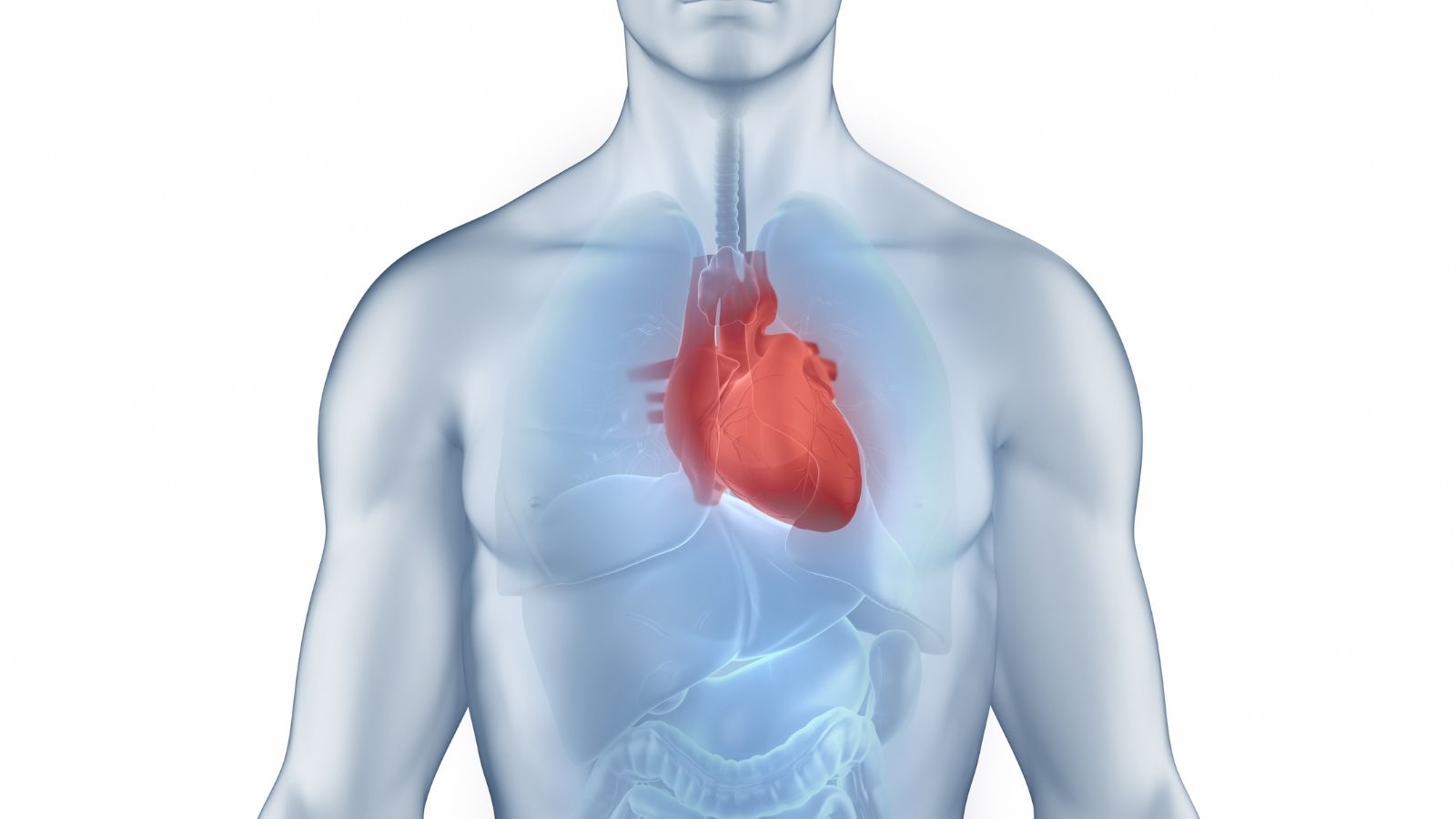
Troponin is a cardiac protein released into the bloodstream when heart muscle damage occurs. Elevated troponin levels are a key biomarker for diagnosing myocardial infarction, making it a cornerstone of emergency cardiology practice.
Normal troponin levels vary by laboratory but are typically close to zero. Any rise above the upper reference limit suggests cardiac injury, with higher values strongly indicating acute coronary syndrome or heart attack.
Non-cardiac causes of elevated troponin include pulmonary embolism, myocarditis, kidney failure, and severe sepsis. Therefore, interpretation must always be combined with clinical findings, ECG, and imaging studies for accuracy.
Treatment after elevated troponin detection focuses on stabilizing heart function, restoring blood flow with medications or interventions, and preventing recurrent cardiac events. Early medical response greatly improves patient survival and long-term outcomes.
| Medical Term | Troponin I and Troponin T |
| Definition | A heart muscle-specific protein complex; used as an indicator of myocardial damage |
| Normal Value Range | Variable by assay; usually < 0.04 ng/mL (may vary in high-sensitivity assays) |
| Causes of Height | Acute myocardial infarction, myocarditis, heart failure, sepsis, renal failure, pulmonary embolism, cardiac trauma |
| Clinical Significance of Miscarriage | Normal levels usually indicate no myocardial damage |
| Relation to Symptoms | High troponin combined with symptoms such as chest pain, shortness of breath, sweating, nausea suggest a heart attack |
| Diagnostic Methods | Serial troponin measurements by blood test (at 0, 3 and 6 hours) |
| Areas of Use | Diagnosis of acute coronary syndrome, monitoring of heart damage, prognosis |
| Impact on Treatment | Elevated troponin may indicate the need for urgent medical intervention and invasive intervention (angiography) |
| Follow-up Process | Monitored until troponin levels decrease; cardiologic evaluation is performed |
What is Troponin, the Hidden Hero of Our Heart Health and How Does It Work?
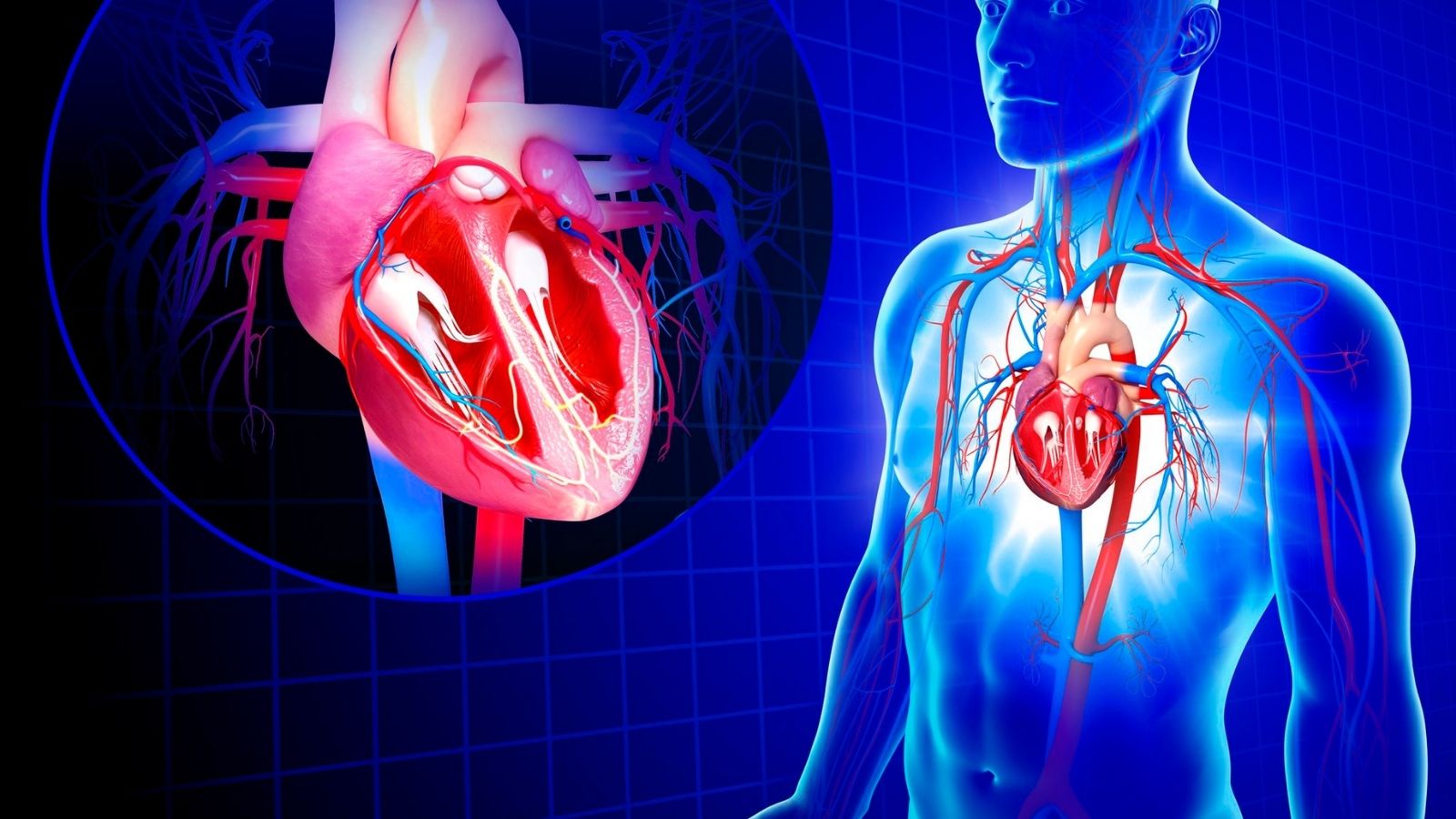
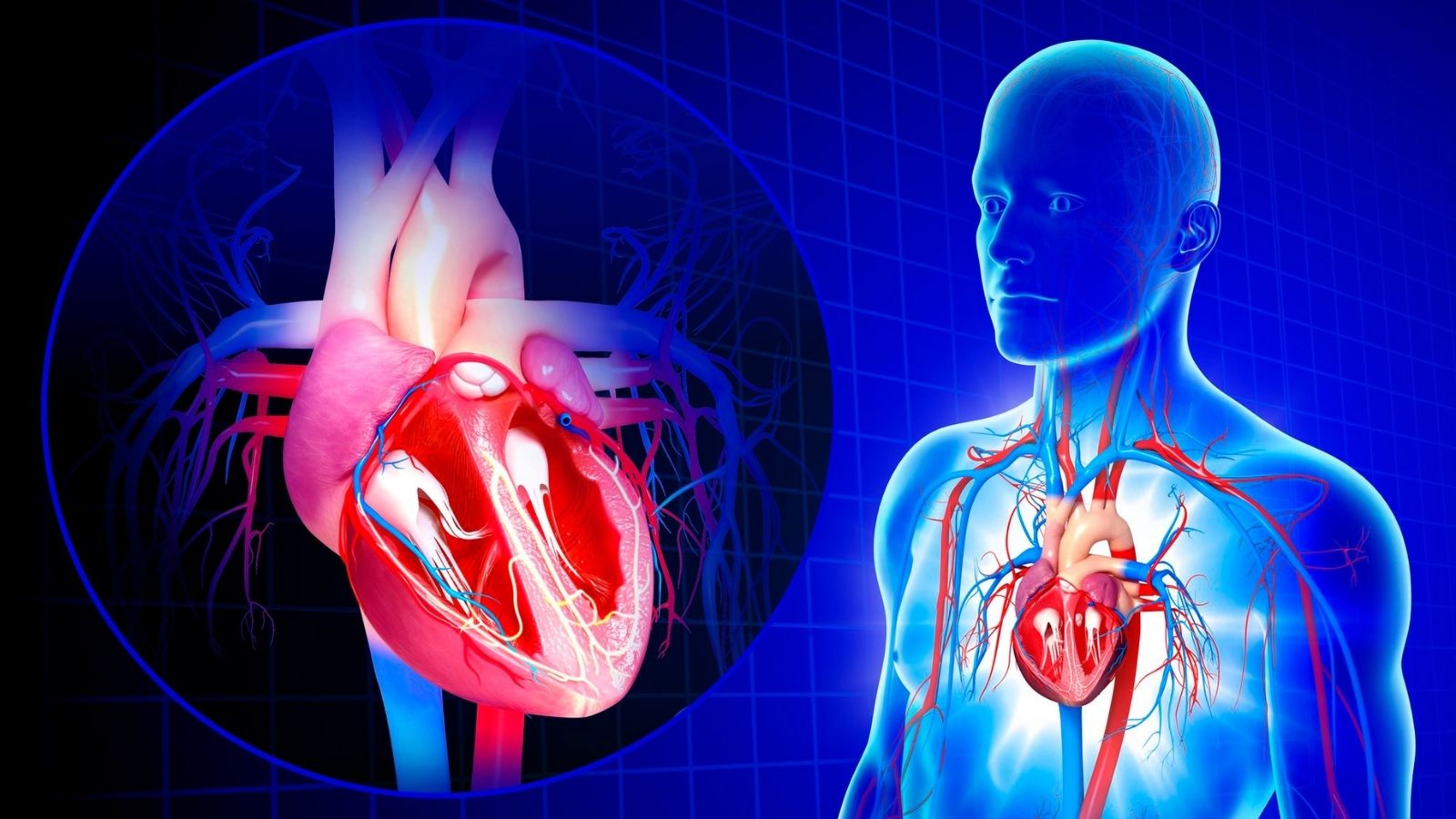
To understand what troponin does, let’s take a brief look at how our heart works. The heart is a miraculous muscle that contracts and relaxes about 100,000 times every day. For this contraction to take place, a complex mechanism works in our muscle cells. And troponin is one of the key players in this mechanism.
You can think of it as a kind of “traffic cop” or “gatekeeper” that regulates contraction. Inside our heart muscle cells, there are strands that make them contract. Troponin sits on these strands and controls when the contraction starts and stops according to the level of calcium ions. When calcium arrives, it opens the door and allows contraction; when calcium is withdrawn, it closes the door and allows the muscle to relax. This delicate balance ensures that each of our heartbeats is regular and efficient.
Are There Three Different Troponin Types That Make Up the Troponin Complex?
Yes, troponin is not a single protein. It is actually a complex of three different subunits that work together. Each has its own specific task:
- Troponin T (TnT)
- Troponin I (TnI)
- Troponin C (TnC)
The division of tasks of this trio is as follows: Troponin T acts as an anchor, securely attaching the entire troponin complex to the muscle strand. Troponin I acts as an “inhibitor”, preventing the muscle from contracting unnecessarily at rest. Troponin C is a calcium sensor; it detects when calcium enters the cell and gives the first signal to start the contraction process.
So why is this important for us? Because some of these subunits are unique to heart muscle. In particular, the Troponin I (cTnI) and Troponin T (cTnT) versions in the heart are structurally different from those in our skeletal muscles. Modern blood tests are sensitive enough to detect this small but vital difference. This way, when these heart-specific troponin types are elevated in your blood, we can clearly understand that the problem is most likely coming from your heart.
Why Troponin Testing Is So Important in Assessing Heart Health
Troponin testing is one of the cornerstones of modern cardiology. Especially in emergency services, it is one of the most reliable methods we use to understand the seriousness of the condition of a patient presenting with chest pain.
Which Symptoms Should I Have a Troponin Test?
Here are some important symptoms that should prompt a doctor to order a troponin test and raise suspicion of a heart attack:
- Pressure, squeezing, burning or pain in the center of the chest
- Shortness of breath
- Pain radiating to the left arm, shoulders, neck, jaw or back
- Unexplained cold sweating
- Nausea or vomiting
- Sudden dizziness or lightheadedness
If you experience one or more of these symptoms, it is vital that you contact your nearest healthcare provider immediately. The test is also used to diagnose and monitor other heart conditions such as heart failure and myocarditis.
What Does High Sensitivity Troponin Test (hs-cTn) Mean?
With the advancement of technology, we now have “high-sensitivity” troponin tests. These tests can detect even very small amounts of troponin in your blood, which the older generation of tests could not detect. What does this mean? We can catch damage to the heart muscle at a much earlier stage, even within the first hour after symptoms start. This early detection allows treatment to start more quickly and minimize the risk of permanent damage to the heart. In addition, thanks to these sensitive tests, we can discharge patients who do not have a heart attack more quickly and safely, preventing unnecessary hospitalizations.
How to Interpret Troponin Values and Which Level is Dangerous?
The most common question patients ask is: “What should my troponin be?” or “What level of troponin is dangerous?”. The answer to this question is more complex than a single magic number. When interpreting the result, we consider three important factors in combination: absolute value, change over time and general clinical condition of the patient.
What is a Normal Troponin Value?
In a healthy person, troponin levels in the blood are either absent or so low that they cannot be measured with standard tests. High sensitivity tests (hs-cTn) can detect very low levels of troponin even in healthy individuals. Reference ranges for these tests vary from laboratory to laboratory and even by gender. For example, the upper limit of normal for a test may be 15 ng/L in women and 20 ng/L in men. Therefore, your doctor must interpret your result.
What does the phrase “99th What does the term “Persentile” mean for Troponin?
This is an international standard that we use to interpret troponin tests. The meaning is quite simple: Imagine we take 100 healthy people. 99. the percentile is the line below which 99 out of these 100 healthy people have troponin levels. If a patient’s result is above this line, this is considered strong scientific evidence that there is some kind of damage to the heart (“myocardial damage”). However, this damage is not necessarily caused by a heart attack. This is just an alarm and tells us to investigate the cause.
What Troponin Value is Dangerous for a Heart Attack?
A single high troponin value is not enough to say “you are having a heart attack”. The most critical clue for the diagnosis of a heart attack is the dynamic change in the troponin level. This means that the troponin value should rise significantly and/or decline after a period of time when tests are repeated at certain intervals (e.g. at 0, 1 and 3 hours).
During a heart attack, troponin continuously leaks into the blood from damaged heart muscle cells. This causes the level to climb rapidly within hours. If a person’s troponin level is high but remains stable on repeated measurements, this may indicate a chronic problem, such as kidney failure, rather than an acute event like a heart attack. So we don’t just look at a single number, but at the course of the values over time. The higher the value and the faster the increase, the greater the likelihood of heart damage.
What are Possible Causes of High Troponin Levels?
Although the first thing that comes to mind when you think of high troponin is a heart attack, this is not the only cause of this condition. Elevated troponin is a sign that heart muscle cells have been damaged or stressed for some reason.
Why Troponin Rises During a Heart Attack
In a classic heart attack (type 1 myocardial infarction), one of the coronary arteries supplying the heart is suddenly blocked by a blood clot. This blockage deprives the area of the heart muscle supplied by the blood vessel of oxygen. The heart muscle cells, which cannot get enough oxygen, begin to die after a while. When the cells die, their membranes break down and all the proteins inside them, including troponin, enter the bloodstream. This causes a sudden and marked increase in the level of troponin in the bloodstream.
Are There Heart Diseases Other Than Heart Attacks That Cause Troponin Elevation?
Yes, besides a heart attack, there are other heart-related conditions that can raise troponin levels. Some of these are:
- Heart failure (due to strain and strain of the heart muscle)
- Myocarditis (inflammation of the heart muscle caused by viruses or other causes)
- Pericarditis (inflammation of the lining of the heart)
- Severe rhythm disturbances (the heart beats too fast, increasing demand)
- Cardiomyopathies (structural diseases of the heart muscle)
- Aortic dissection (rupture of the main artery)
- Heart surgeries or procedures such as angioplasty/stenting (expected minor damage during the procedure)
- Direct blows to the heart (traumas such as traffic accidents)
- Pulmonary hypertension (high pulmonary artery pressure)
Can Non-Cardiac Diseases Also Raise Troponin Levels?
Absolutely. Sometimes the cause of elevated troponin is not the heart directly, but another serious condition in the body affecting the heart indirectly. This can make the diagnosis more complex and requires evaluation by an experienced physician:
- Chronic kidney disease (slowed excretion of troponin)
- Sepsis (germs in the blood and widespread inflammatory response of the body)
- Pulmonary embolism (clot in the lung, straining the right side of the heart)
- Severe stroke or brain hemorrhage (stress hormones released by the brain affect the heart)
- Intensive chemotherapy treatments (some drugs can be toxic to the heart)
- Excessive exertion such as running a marathon
- Serious burns
- Carbon monoxide poisoning
How Doctors Manage the Diagnostic Process When High Troponin is Detected
When we get a high troponin result, this is the starting point of an investigation. It is an alarm and now we need to find out why this alarm is sounding. The process proceeds in structured and evidence-based steps.
A high troponin result alone is only one piece of the puzzle. To get the full picture, we need to combine it with other critical pieces, such as the patient’s complaints, ECG (electrocardiogram) findings and medical history. For example, if a patient describes a typical crushing chest pain and the ECG shows changes that support a heart attack and the troponin value is elevated in serial measurements, the diagnosis is almost certain. However, in a patient with stabbing chest pain, a normal ECG but a slightly elevated troponin, we consider other possibilities such as pulmonary embolism or myocarditis. If necessary, we also use imaging methods such as echocardiography (ultrasound of the heart) to examine the condition and movement of the heart muscle in detail.
What Treatment Methods Are There for High Troponin Values?
This is one of the most important questions: “How to lower elevated troponin?”. The answer is to find out why troponin is elevated and eliminate that cause. We do not treat the troponin value but the underlying disease that causes it. The treatment plan depends entirely on the diagnosis.
If the cause is sepsis, antibiotic treatment is started. If the cause is severe anemia, a blood transfusion is given. If the cause is pulmonary embolism, blood thinners are used to dissolve the clot in the lung. So the treatment is directed at the cause, not the troponin.
What is the treatment if a heart attack is the cause of high troponin levels?
If the cause of the elevated troponin is a heart attack due to a blocked blood vessel (type 1 MI), treatment is urgent and the aim is to open the blocked blood vessel as quickly as possible to restore blood supply to the heart muscle. we operate on the principle that “time is muscle”. In this case, we have two main treatment options.
Percutaneous Coronary Intervention (Angioplasty and Stenting): Commonly known as “angioplasty” or “stenting”, this procedure involves accessing the blocked artery of the heart with a thin catheter through the groin or arm vein. The blockage is opened with a balloon and a stent, usually a metal cage, is inserted to prevent the vessel from narrowing again. This is the most common method of heart attack treatment today.
Coronary Artery Bypass Grafting (CABG) Surgery: in this surgical procedure, known as “bypass surgery”, healthy blood vessels from another part of the body (usually the chest, arm or leg) are sewn ahead of the blocked coronary artery, creating a new pathway for blood to travel around the blockage and reach the heart muscle.
In Which Cases Is Bypass Surgery Preferred for the Treatment of Troponin Elevation?
Coronary bypass surgery offers a more permanent and effective solution than stenting, especially in some complex cases. As a cardiovascular surgeon, we evaluate the patient’s general condition and vascular structure in detail when making this decision. These are the situations in which we consider bypass surgery as a priority:
- Severe stenosis in the three main vessels supplying the heart or in multiple vessels
- A significant blockage in a critical vessel known as the left main coronary artery
- Failure of a previous stenting procedure or re-clogging of the stent
- The patient is also diabetic (diabetes) and has problems in multiple vessels (bypass in this patient group gives better results in the long term)
- Presence of additional problems in the heart valves that require intervention
Remember, the troponin test is an alarm. It is our job to understand why this alarm is sounding, make the correct diagnosis and plan the most appropriate and effective treatment for you. In some cases, medications or a stent may be sufficient, while in other complex cases, more comprehensive and permanent solutions such as bypass surgery are needed to solve the problem at its root. The important thing is to act together with an experienced team that will provide you with the right guidance on this journey.
Frequently Asked Questions
What is Troponin?
Troponin is a protein specific to the heart muscle. It is released into the blood when the heart muscle is damaged and is therefore used to diagnose heart attacks.
What does the troponin test show?
The troponin test determines whether heart muscle cells have been damaged. High troponin levels are usually a sign of a heart attack.
What level of troponin is dangerous?
Depends on the laboratory; usually above 0.04 ng/mL means elevation. 0.4 ng/mL and above may indicate severe heart damage.
Is troponin only elevated in heart attacks?
Conclusion. It may also be elevated in heart failure, myocarditis, pulmonary embolism, renal failure and after intense exercise.
How many hours does troponin rise?
It rises within 3-6 hours after a heart attack and peaks within 12-24 hours.
When does the troponin value return to normal?
It usually falls within 7-10 days. However, depending on the extent of the heart damage, it may take longer.
Does high troponin mean permanent damage?
Not always. It can also be elevated temporarily, but usually indicates a heart muscle injury.
How is the troponin test done?
It is analyzed in the laboratory with a blood sample taken from an arm vein.
What should someone with elevated troponin do?
Urgent medical evaluation is required. If a heart attack is suspected, go to hospital immediately.
Why doesn’t troponin drop?
Persistently high levels may indicate ongoing heart damage, chronic diseases or recurrent events.
Is troponin elevation normal after exercise?
During heavy and prolonged exercise, troponin may be transiently elevated. This is usually not clinically significant.
Is the troponin test done on an empty stomach?
No, you don’t need to starve. It can be done at any time.
Is troponin value alone sufficient for diagnosis?
Answer. ECG should be evaluated together with patient history and other tests.
What diseases is troponin used to diagnose?
It is most commonly used in acute myocardial infarction (heart attack), myocarditis and heart failure.
Which doctor orders the troponin test?
Emergency physicians, cardiologists and internists may order the troponin test.

Prof. Dr. Yavuz Beşoğul graduated from Erciyes University Faculty of Medicine in 1989 and completed his specialization in Cardiovascular Surgery in 1996. Between 1997 and 2012, he served at Eskişehir Osmangazi University Faculty of Medicine as Assistant Professor, Associate Professor, and Professor, respectively. Prof. Dr. Beşoğul, one of the pioneers of minimally invasive cardiovascular surgery in Türkiye, has specialized in closed-heart surgeries, underarm heart valve surgery, beating-heart bypass, and peripheral vascular surgery. He worked at Florence Nightingale Kızıltoprak Hospital between 2012–2014, Medicana Çamlıca Hospital between 2014–2017, and İstinye University (Medical Park) Hospital between 2017–2023. With over 100 publications and one book chapter, Prof. Dr. Beşoğul has contributed significantly to the medical literature and is known for his minimally invasive approaches that prioritize patient safety and rapid recovery.