Türkçe
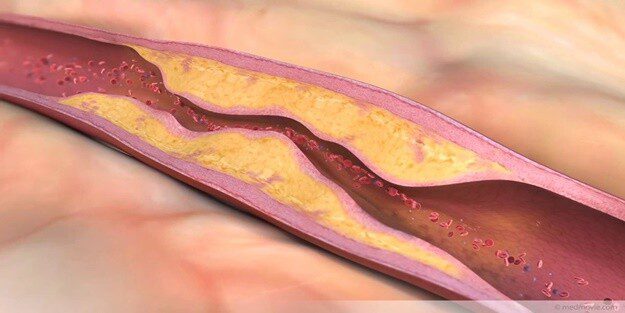
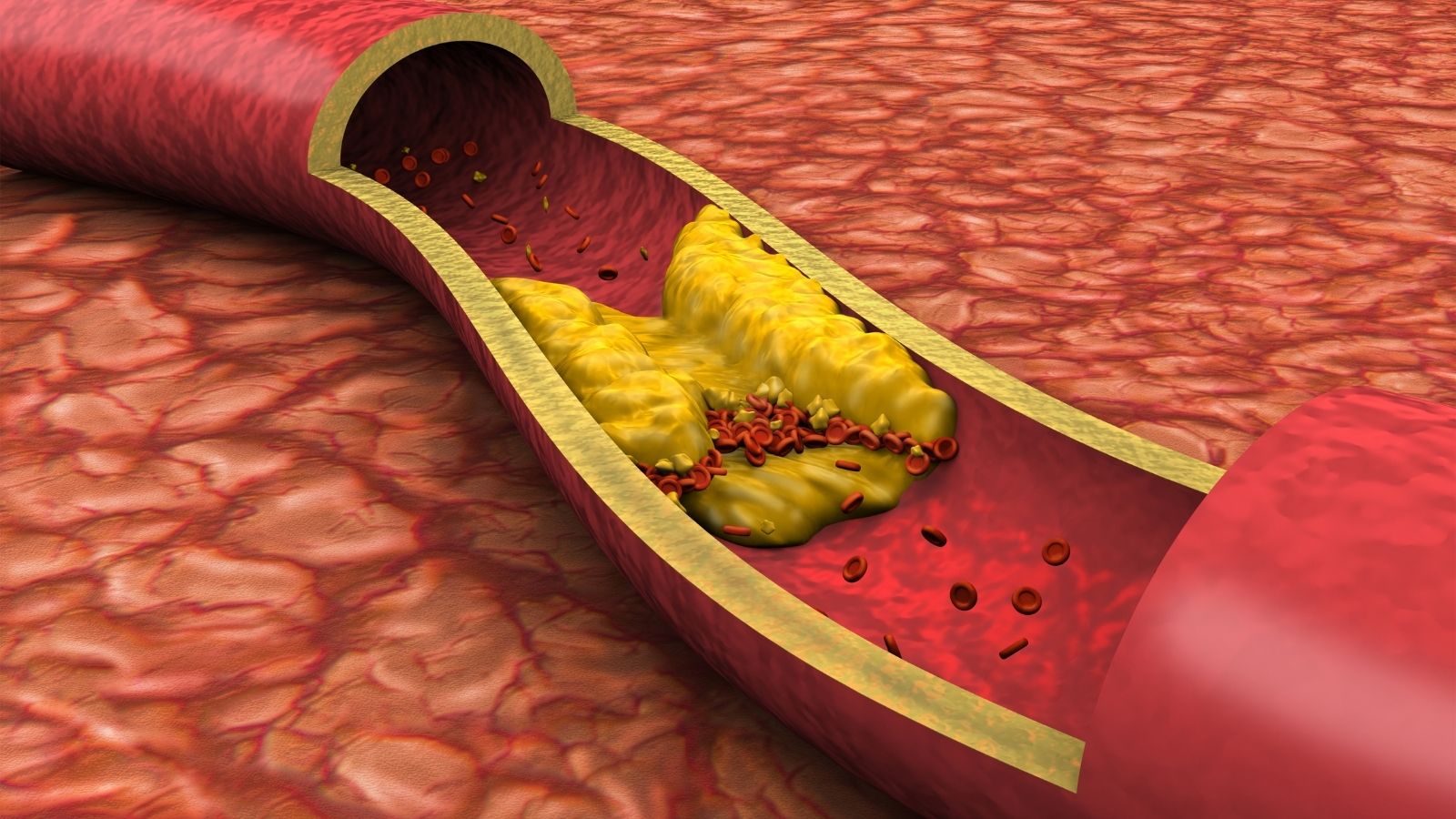
Leg artery blockage surgery is performed to restore circulation in narrowed or obstructed vessels. This intervention reduces pain, prevents tissue damage, and decreases the risk of amputation in severe cases.
Bypass surgery for leg arteries involves creating an alternative blood flow pathway. The procedure’s success and cost depend on the severity of blockage, patient health condition, and type of graft used.
Endovascular interventions such as angioplasty and stenting are less invasive alternatives. These methods may reduce hospital stay and recovery time, though multiple procedures may be needed in advanced disease cases.
Surgical planning also includes long-term care, such as medication, physiotherapy, and lifestyle modifications. These factors influence the overall cost and effectiveness of leg artery blockage treatment.
| Definition | Surgical interventions to relieve blockage of the arteries in the legs; the aim is to restore blood flow and prevent tissue loss. |
| Indications | Severe gait limitation (claudication), rest pain, non-healing wounds, risk of gangrene or no response to endovascular treatment. |
| Surgical Techniques | Open surgery (bypass surgery), endarterectomy (intravascular plaque removal), thrombectomy (clot removal). |
| Application Areas | Aortoiliac, femoropopliteal, infrapopliteal segments; the appropriate surgical method is selected according to the location of the obstruction. |
| Types of Anesthesia | General, spinal or epidural anesthesia is determined by the patient’s general health and the scope of the surgery. |
| Complications | Bleeding, infection, thrombosis, graft occlusion, wound healing problems, rarely need for amputation. |
| Postoperative Follow-up | Regular wound care, anticoagulant therapy, exercise programs, control of risk factors (diabetes, hypertension, hyperlipidemia). |
| Rehabilitation | Physical therapy and rehabilitation programs aim to increase walking capacity and improve quality of life. |
| Long Term Follow-up | Regular doppler ultrasonography controls, maintenance of lifestyle changes, continuation of medical treatment. |
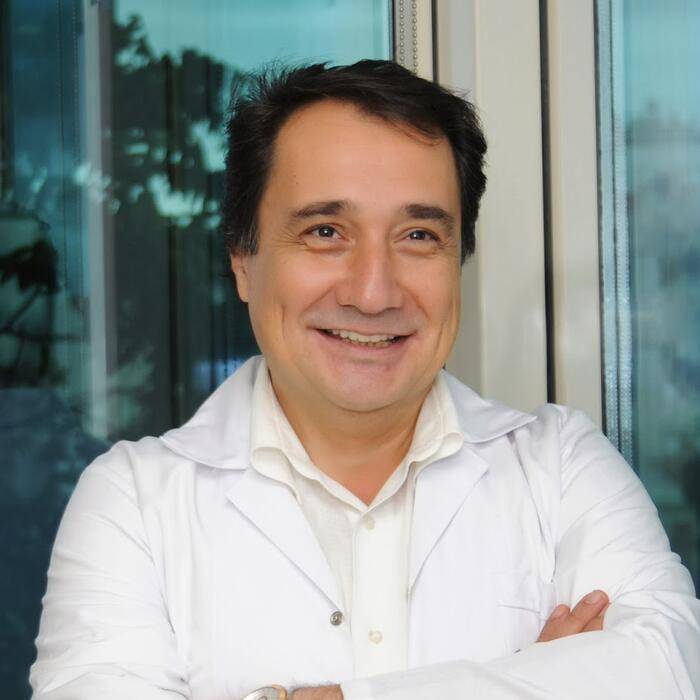
Prof. Dr. Yavuz Beşoğul
>Turkey’s Cardiovascular Surgery Doctor
In Which Situations Is Leg Vascular Occlusion Surgery Performed?
It is performed if there are symptoms such as severe pain in the legs, difficulty walking or pain at rest. It may be considered if the symptoms seriously affect quality of life. If tissue death occurs in the area, this may require emergency surgery. Gangrene is a serious condition that can lead to the loss of legs or feet.
Drug treatments, exercise programs, endovascular interventions are applied if they do not improve the problem. In cases where these methods do not alleviate the symptoms, surgical intervention may be considered. It is needed if there is a blockage in the aortoiliac arteries, one of the large arteries that carry blood to the legs. Areas of organs or tissue due to blockage may be vital.
In such cases, surgery may be necessary. The type of leg vein occlusion surgery and the appropriate treatment options may vary depending on the patient’s condition and the location of the blockage. It is important to consult a specialist about the problem and determine the most appropriate treatment option.
What are the Risks of Leg Vascular Occlusion Surgery?
Although leg vein occlusion surgery is generally considered safe, as with any surgical intervention, it carries some risks. These risks include infection, bleeding, clot formation in the vein (thrombosis), complications related to anesthesia, delayed wound healing and rarely re-occlusion of the vein. There is also a risk of embolism or nerve damage in some patients. Risks may vary depending on the patient’s age, general health and comorbidities.
How Many Hours Does Leg Vascular Occlusion Surgery Take?
The duration of leg vein occlusion surgery depends on the location and extent of the occlusion and the surgical technique used. It usually lasts between 1.5 and 4 hours.
Stages of Leg Vascular Occlusion Surgery
The first step is to determine and diagnose the severity of the disease. This is done through methods such as physical examination, medical imaging methods and blood tests. In the preoperative period, the patient’s medical history and current medications are reviewed.
The patient’s condition before surgery is assessed and discussed with the anesthesiologist. It is decided how the operation will be performed. General anesthesia or local anesthesia is usually used during surgery.
The anesthesiologist determines the most appropriate type of anesthesia. During the surgical intervention, the blocked vein is accessed. This can differ depending on where the vein is, above or below the leg.
Different techniques can be used to open the vessel. These include balloon angioplasty, stent placement or sometimes surgical removal of the blocked section. Once the blockage is resolved, corrections are made to restore normal blood flow to the vessel.
When the procedure is complete, the surgical field is cleaned and bleeding is controlled. Surgical openings are closed with sutures or other closure methods are used. The patient may need to be monitored for a while in the postoperative period. The healing process may differ from person to person.
Appropriate measures are taken to manage the patient’s pain and reduce the risk of infection. Physical therapy programs help the patient to strengthen the leg muscles. It can also help restore walking skills. Since each patient’s condition is different, the process of leg vein occlusion surgery is planned and performed individually.
Things to Consider After Leg Vascular Occlusion Surgery
| Recovery Time | Average 10-15 days; depends on the type of surgery (bypass, endarterectomy, stent) and the patient’s condition. |
| Types of Surgery | Interventions such as femoral-popliteal bypass, iliac artery stenting, endarterectomy, aorto-bifemoral bypass. |
| Walking and Activity | Early mobilization is recommended; walking is effective in maintaining graft patency. |
| Medication Use | Blood thinners (aspirin, clopidogrel), statins and, if necessary, antihypertensives are used. |
| Wound Care | The surgical incision sites and the leg should be checked regularly; care should be taken for signs of infection. |
| Complications | Graft occlusion, wound infection, lymphedema, hematoma, leg pain or discoloration may occur. |
| Leg Position | Elevation may reduce edema; prolonged sitting or standing should be avoided. |
| Nutrition | A cardiovascular-friendly diet that keeps cholesterol and glucose levels under control is recommended. |
| Smoking and Alcohol | Smoking is one of the most important causes of vascular occlusion; it should definitely be quit. Alcohol should be limited. |
| Sexual Activity | It is usually possible within 4-6 weeks after physical recovery is achieved. |
| Psychological Status | Quality of life may be affected in individuals with chronic vascular disease; psychological support may be beneficial. |
| Vehicle Use | In patients who are physically ready, driving is usually possible after 2-4 weeks. |
| Controls | Vascular patency should be checked with Doppler ultrasound frequently in the first 3 months and then at 6-12 month intervals. |
Strictly follow your doctor’s instructions for post-operative care. Take your medication regularly and attend your appointments regularly. Wound care is very important. Use wound care as prescribed by your doctor to keep the wound clean and dry.
A healthy diet can speed up your recovery. Create an appropriate diet plan and seek help from a nutritionist if necessary. It is important to move after surgery. However, you should do these movements in the way and at the level recommended by your doctor.
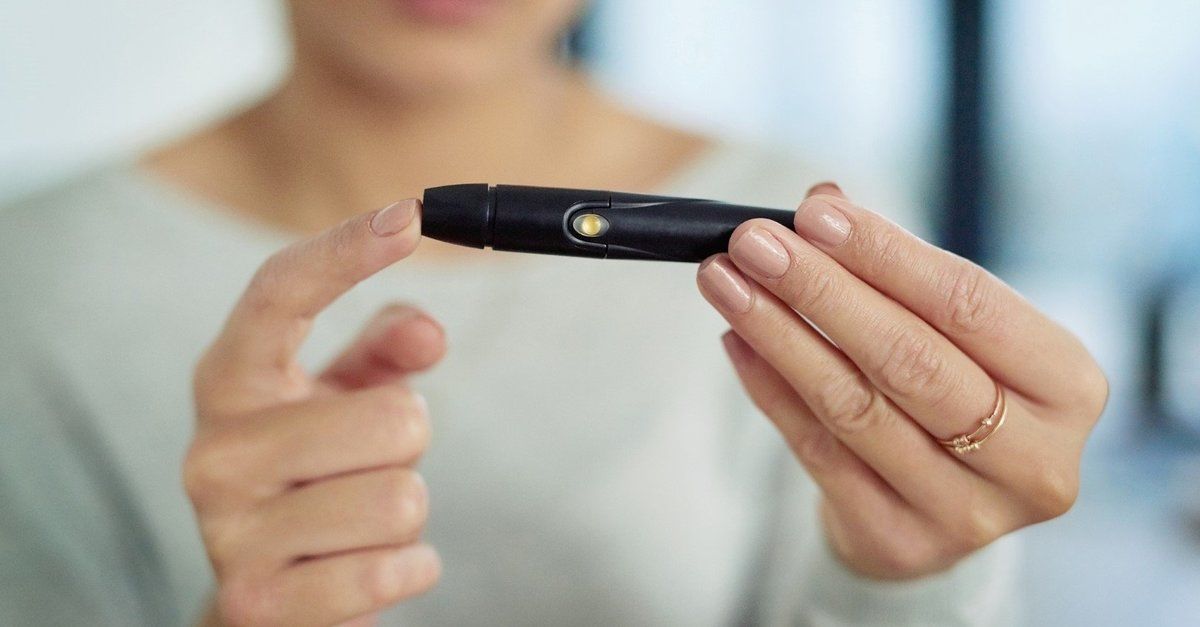
Walking slowly or exercising can improve circulation. Smoking and alcohol use can negatively affect the healing process. If possible, do not smoke and limit or avoid alcohol consumption altogether. If you have diabetes, it is important to keep your blood sugar at the level recommended by your doctor.
Take your insulin or medication regularly and watch your diet. In the post-operative period, you should go to regular follow-up appointments. Check-ups are important to monitor your recovery. They are also important for early detection of possible complications. If you are overweight, it is important to lose weight.
By aiming for an ideal body weight, you can improve your circulatory health. If you have certain conditions (e.g. blood clotting disorders), pay attention. Take the necessary precautions to minimize the risks. There are some things to be aware of after leg vein occlusion surgery. These may vary depending on the person’s state of health and the type of surgery. It is therefore very important to follow your doctor’s recommendations. If you have any questions or concerns, you should consult your doctor.
What is the Recovery Process After Leg Vascular Occlusion Surgery?
The recovery process after leg vein occlusion surgery may vary depending on the surgical method applied and the general health status of the patient. Generally, the patient is followed up in the hospital for the first few days. In the weeks following the surgery, circulation is supported with walking exercises and blood thinners. Care should be taken with wound care and signs of infection should be monitored. Full recovery may take several weeks to several months. Smoking cessation and a healthy diet reduce the risk of re-occlusion.
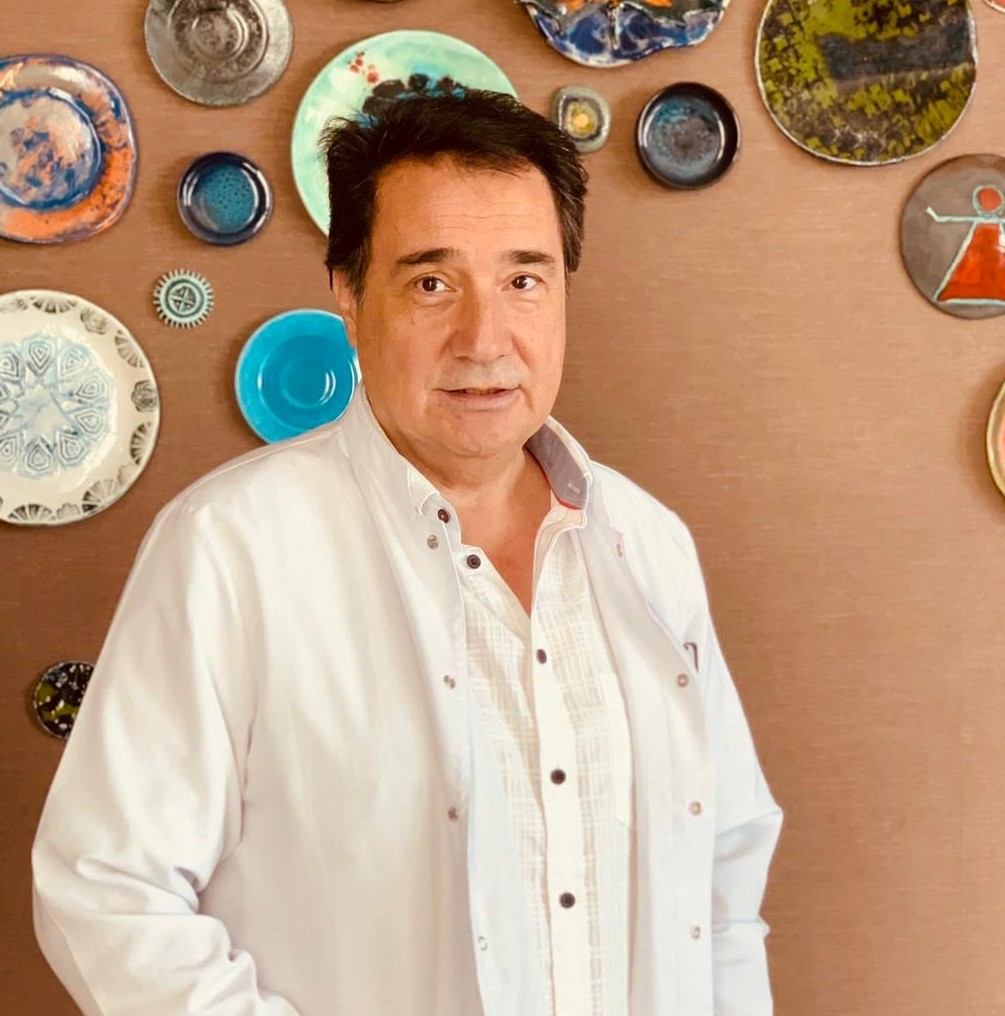
Prof. Dr. Yavuz Beşoğul graduated from Erciyes University Faculty of Medicine in 1989 and completed his specialization in Cardiovascular Surgery in 1996. Between 1997 and 2012, he served at Eskişehir Osmangazi University Faculty of Medicine as Assistant Professor, Associate Professor, and Professor, respectively. Prof. Dr. Beşoğul, one of the pioneers of minimally invasive cardiovascular surgery in Türkiye, has specialized in closed-heart surgeries, underarm heart valve surgery, beating-heart bypass, and peripheral vascular surgery. He worked at Florence Nightingale Kızıltoprak Hospital between 2012–2014, Medicana Çamlıca Hospital between 2014–2017, and İstinye University (Medical Park) Hospital between 2017–2023. With over 100 publications and one book chapter, Prof. Dr. Beşoğul has contributed significantly to the medical literature and is known for his minimally invasive approaches that prioritize patient safety and rapid recovery.