
 Türkçe
 Deutsch
Open heart surgery is an operation that involves surgically opening the sternum to treat serious disorders of the heart’s blood vessels, valves or muscle tissue. This gives the surgeon the widest and clearest view of the heart, allowing him or her to perform even the most complex repairs with high precision. The main answer to the question of how heart surgery is performed lies in this direct access. The operation is usually performed by temporarily stopping the heart with the support of a heart-lung machine or, in some suitable cases, while the heart is working, and aims to normalize blood flow by correcting the anatomical structure of the heart.

Prof. Dr. Yavuz Beşoğul
>Turkey’s Cardiovascular Surgery Doctor
What is Open Heart Surgery?
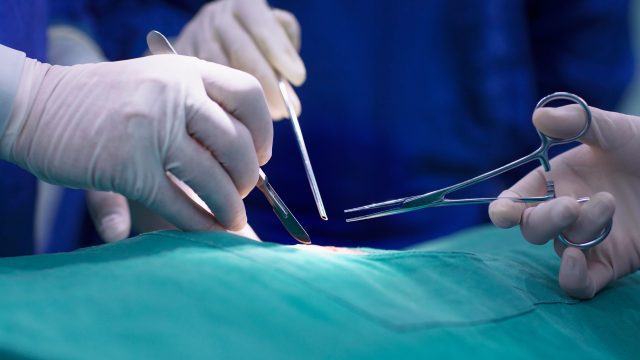
When you think of open-heart surgery, many people think of worrying pictures. But the term does not mean that the heart is literally cut open. This nomenclature refers to the method we use as surgeons to access the heart. In other words, to repair the problem in the heart, we open the sternum to create a safe and wide working space. This gives us a clear view of the heart, valves and major vessels as if they were in the palm of our hand. Thanks to this wide view, we can carry out even the most delicate repairs with the utmost care.
This approach has been considered the “gold standard” for many years, especially in the solution of complex heart problems. We measure the success of even the minimally invasive methods developed today by comparing them with this traditional method.
To access this large area, we make an incision called a “median sternotomy”. This is an incision of about 15-20 cm that extends from the center of the chest, along the bone of the faith board. After carefully separating this bone with special instruments, we open the rib cage with an instrument called a retractor. This maneuver makes the heart visible and ready for surgery. Although with new technologies, we can now perform surgery without cutting this bone at all in some suitable patients, the most reliable and correct option for many cases is still this classical approach.
In Which Situations Does Open Heart Surgery Become a Necessity?
The basis for recommending open heart surgery to a patient is that the heart is no longer able to pump blood efficiently and the condition cannot be resolved with medication or simpler methods such as angioplasty. The decision for surgery is usually made at a point when the heart condition has severely impaired the patient’s quality of life or is now life-threatening. The body’s inability to get enough blood and oxygen is manifested by various symptoms. These symptoms are a sign of the seriousness of the underlying problem.
Here are some common conditions that require surgery:
- Shortness of breath when climbing stairs or walking
- Feeling of pressure, tightness or pain in the chest
- Frequent dizziness
- Abnormally high levels of fatigue and exhaustion
For example, coronary bypass, one of the most common surgeries we perform, is inevitable when there is a critical blockage in one of the main vessels feeding the heart or when more than one vessel is narrowed. Sometimes stenting with angiography may fail or the vessel structure may not be suitable for stenting; in these cases, bypass surgery is the solution. The situation in heart valve diseases is as follows: Either the valve is severely narrowed (stenosis) or it is not fully closed and leaks back blood (regurgitation). Both conditions put extra strain on the heart and, over time, tire it out, leading to heart failure. To relieve the heart of this burden, it is essential to repair or replace the valve.
Sometimes we may recommend open heart surgery even if the patient does not yet have any obvious complaints. For example, in a patient who is already undergoing surgery for another heart problem, we may repair a valve with a high potential for future problems in the same session. The final decision is made individually for each patient by a “cardiac council” of cardiologists and cardiac surgeons, weighing the patient’s age, general health and the severity of the disease.
Which Major Heart Diseases Are Treated with Open Heart Surgery?
Although the first thing that comes to mind when we think of open heart surgery is bypass and valve surgery, the range of diseases we treat with this method is quite wide. These are the main health problems we address with this surgical approach:
- Coronary Artery Disease
- Heart Valve Diseases
- Aortic Aneurysms and Dissections
- Congenital Heart Holes
- Advanced Heart Failure
- Intracardiac Tumors
- Some Rhythm Disorders
- Thickening of the Heart Muscle
Each of these diseases requires different surgical techniques. For example, in coronary artery disease, we perform a bypass (bridging) operation to bring blood to the blocked artery, while in valvular disease we either repair the valve itself or replace it with a prosthesis. Conditions such as ballooning (aneurysm) or rupture (dissection) of the aorta are life-saving operations that require urgent intervention.
What Does the Preparation Period Before Open Heart Surgery Include?
The success of surgery is closely linked not only to what happens in the operating room but also to the correct preparation before surgery. This critical preparation period aims to make the patient’s body as ready as possible for the operation and to minimize the risks. Both the healthcare team and the patient have some important roles to play in this process. Basic steps of the preparation process:
- Regulation of medicines
- Quitting harmful habits
- Preoperative fasting
- Hygiene and infection control
- Final evaluation tests
It is especially important to stop blood thinners (aspirin, warfarin, etc.) one week before surgery to reduce the risk of bleeding. It is vital that the patient fully informs us of all medications, vitamins and herbal products they are taking. Since smoking and alcohol are known to slow recovery and increase the risk of pulmonary complications, we strongly recommend quitting at least a few weeks before surgery. Since the stomach must be empty during anesthesia, nothing should be eaten or drunk after midnight the night before surgery. To reduce the risk of infection, it is desirable to shower with a special antiseptic soap the night before and in the morning.
How to Ensure Anesthesia and Safety Monitoring During Open Heart Surgery?
Our anesthesia team’s meticulous work ensures that the patient feels nothing, is safe and comfortable throughout the operation. While the patient is in a deep sleep under general anesthesia, their vital functions are monitored second by second. The process usually goes like this:
When the patient is taken to the operating room, an intravenous line is first inserted in the arm. This is where we give all the drugs and fluids that start the anesthesia and are needed throughout the operation. Seconds after the anesthesia starts, the patient falls into a deep sleep. Once the patient is asleep, we insert a tube into the trachea and connect it to the breathing apparatus (ventilator) to help them breathe. This device breathes for the patient throughout the operation and for the first few hours after waking up.
Meanwhile, the anesthesiologist continuously monitors all vital data of the patient on the screens:
- Heart rate and rhythm (ECG)
- Blood pressure (blood pressure)
- Oxygen level in the blood
- Body temperature
- Respiratory rate
This constant monitoring allows us to respond immediately to even the slightest change and ensures that the surgery is performed to the highest safety standards.
How to Open the Sternum for Open Heart Surgery?
Sternotomy, the opening of the sternum, is a standard procedure to provide safe and wide access to the heart. After making a vertical incision in the center of the chest, the surgeon uses a special saw to slice the bone of the scapula in half lengthwise, right down the middle. Although this procedure sounds scary, it is carried out with great precision and control to avoid damaging the vital organs underneath.
Once the bone has been cut, we use a surgical instrument called a “retractor” to gently pull the two halves of the breastbone apart. This opens up the rib cage and creates a working space where we can see the heart and major vessels clearly. This allows us to safely perform the most complex and delicate stages of the operation. Finally, we open the pericardial sac, which surrounds the heart like a membrane, and prepare the heart for repair.
What Does a Heart-Lung Machine Do During Open Heart Surgery?
The heart-lung machine is one of the cornerstones of modern cardiac surgery, temporarily taking over the role of the heart and lungs during the most delicate stages of surgery. Thanks to this machine, the surgeon can make sutures much more safely and precisely on a heart that has no blood and is not moving. Surgery using this machine is called “on-pump surgery”.
This is how it works: Through tubes (cannulas) connected to the main vessels of the heart, we direct blood from the body to this machine. The machine, taking this blood;
- Oxygenates (does the job of the lungs).
- Cleans it (filters it).
- It pumps it back into the body (it does the work of the heart).
When this system works, we temporarily stop the heart itself by giving it a special solution. Even if the heart is stopped, the brain and all other vital organs continue to receive blood and oxygen through the machine. Working on an immobilized heart gives us great convenience and safety, especially for millimetric procedures such as bypassing thin vessels or repairing delicate valves. When the repair in the surgery is finished, we restart the heart and decommission the machine.
How is Coronary Artery Bypass (CABG) Surgery Performed with the Open Heart Method?
The logic of bypass surgery is like bypassing a blocked road in traffic and using an alternative route to reach your destination. When the blood vessel that supplies the heart (coronary artery) becomes blocked, we create a new vascular pathway, a “bridge”, to allow blood to bypass this obstacle and reach the heart muscle. For this bridging procedure, we usually use healthy veins from the patient’s own body.
The most commonly used vessels (grafts) for bypass:
- Chest wall artery (IMA)
- Artery in the arm (Radial Artery)
- Vein in the leg (Saphenous vein)
During the operation, we sew one end of this replacement vessel to the aorta, the main artery, and the other end to the healthy part of the blocked coronary artery after the blockage with very fine stitches. The blood then continues to supply the heart muscle through this new vessel, “bypassing” the blocked area. The more blood vessels blocked, the more bypass procedures are performed. For example, the procedure for three vessels is called “triple bypass”. The answer to the question of how many hours open heart surgery takes usually varies according to the number of bypasses and is completed between 3 and 6 hours on average.
How is Heart Valve Repair or Replacement Performed with Open Heart Surgery?
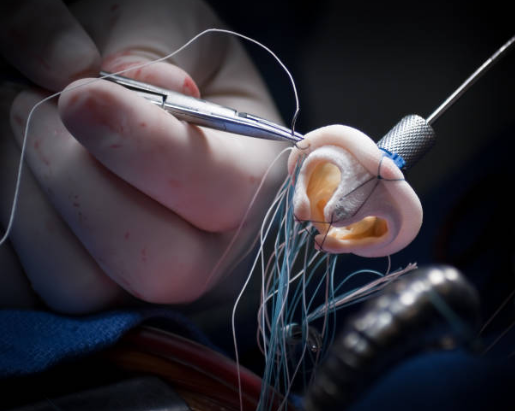
When faced with a defective heart valve, we have two options: repair or replace it. Our priority is always to preserve, i.e. repair, the patient’s own valve, if its structure is suitable.
Valve Repair (Valvuloplasty): We use many different techniques for repair. We can narrow the enlarged ring around the valve with a special ring, remove and reshape sagging or excess parts of the leaflets that make up the valve, or repair torn strands (chordae) that hold the valve.
Valve Replacement: If the damage to the valve is so severe that it cannot be repaired, then we remove the valve completely and replace it with a prosthetic valve. There are two main types of prosthetic valve.
Mechanical Covers: They are made of very durable materials such as carbon and last a lifetime. However, due to the risk of forming blood clots, patients with these valves need to take blood thinners (such as Coumadin) for life.
Biological Valves: They are usually produced from bovine heart membrane. Their biggest advantage is that they do not require blood thinners. However, they can wear out over time and may need to be replaced again after an average of 10-20 years.
Which method or valve type to choose depends on many factors such as the patient’s age, lifestyle and general health. We make this decision together with the patient by discussing the advantages and disadvantages.
How to Close the Sternum and Incision after Open Heart Surgery?
Once all the repair work on the heart has been completed and we are sure that the heart is working properly again, we move on to the final stage of the operation, the closure. First, we put the halves of the sternum back together again. We connect the bone tightly together with sturdy wires made of stainless steel. These wires hold the bone in place until it is fully fused (about 2-3 months) and usually remain in the body for life.
We insert one or more drainage tubes into the chest cavity to remove excess blood and fluid that may accumulate at the surgical site. These tubes are removed within a few days after surgery. Finally, we close the layers of muscle and tissue over the breastbone and finally the skin, layer by layer, with sutures that dissolve or are removed later. We finish the operation by applying a sterile dressing over the incision.
Is Open Heart Surgery Risky? Is There a Risk of Death?
As with any major surgery, open heart surgery has certain risks. When asked if open heart surgery is risky, we answer that yes, every surgery has a risk. However, with today’s technology and our experience, these risks are quite low. Your surgical team takes every precaution to minimize these risks. Knowing these risks allows you to participate in the process in a more informed way.
The most common potential risks are the following:
- Bleeding
- Infection (at the wound site or in the lung)
- Blood clots (thrombosis)
- Rhythm disorders (especially atrial fibrillation)
- Stroke
- Temporary impairment of kidney or lung function
- Memory and concentration problems (usually temporary)
- Death
The risk of death in open-heart surgery is one of the most curious topics. In a planned and non-urgent bypass surgery, this risk is currently around 1-2%. However, this rate varies depending on the patient’s age, comorbidities and the urgency of the surgery. For example, the risk of an emergency surgery during a heart attack is higher than a planned surgery. Open heart surgery in the elderly may also carry a slightly higher risk due to comorbidities, but age alone is not a barrier.
Which Health Problems Can Increase the Risks of Open Heart Surgery?
It is not only the condition of the heart that determines the risk of a heart operation. The patient’s overall health profile is just as important. Some pre-existing health problems can increase the likelihood of complications after surgery. Knowing these factors allows us to take the necessary precautions before surgery and to better prepare the patient for the operation.
The main conditions that increase the risk of surgery:
- Uncontrolled diabetes (diabetes)
- Chronic renal failure
- Severe chronic lung disease (COPD)
- Peripheral arterial disease (blockage in the leg veins)
- Overweight (obesity)
- Advanced age
- Low heart pumping power (low EF)
- Active smoking
- Need for emergency surgery
The presence of these risk factors does not mean that surgery cannot be performed. It just requires more careful planning, preoperative preparation and closer follow-up after surgery. For example, controlling the blood sugar of a patient with diabetes before surgery significantly reduces the risk of infection.
What Should Be Considered During Home Recovery After Open Heart Surgery?
| Overall Quality of Life | With appropriate recovery and lifestyle changes, quality of life usually improves. |
| Physical Activity | Light walking is recommended in the first weeks; a gradual return to daily activities is possible within 4-6 weeks. |
| Return to Work Life | It is possible to return to desk work after 20-30 days and physical work after 1 month; doctor’s approval is required. |
| Vehicle Use | Usually recommended after 3-4 weeks; healing of the sternum (breastbone) is important. |
| Sexual Activity | after 4-6 weeks, it is usually safe to walk comfortably. |
| Sleep Pattern | There may be sleep problems in the first weeks; it is recommended to sleep on the back, and support can be provided with a pillow if necessary. |
| Nutrition | Heart-friendly diet: Low-salt, low-saturated fat, vegetable-fruit-heavy; carbohydrate control is important if diabetes is present. |
Being discharged from hospital is only the beginning of the healing journey. The real and long-lasting recovery process continues at home. A full physical recovery usually takes 6 to 12 weeks, but it can take up to 6 months to feel the full benefits of the surgery. It is very important to be patient and listen to your body during this process.
The main points to consider during the recovery period at home are the following:
- Careful wound care
- Managing pain effectively
- Plenty of rest
- Adhering to physical activity restrictions
- Regular use of medicines
- Emotional well-being
It is quite normal to experience fatigue, loss of appetite, sleep problems and mood swings during this period. Having someone close to you to help you, especially in the first week, will make your recovery process much easier. It is also important to monitor yourself. You should weigh yourself and take your temperature every day. Any weight gain of more than 1.5-2 kg in one day or high fever should be reported to your doctor immediately.
How to Perform Wound Care and Infection Control After Open Heart Surgery?
Preventing infection is the most critical step in the recovery process at home. You should follow your doctor’s instructions for the care of the incision site on the chest. The general rules are quite simple. Wash the incision site gently every day with warm water and soap. Avoid scrubbing or brushing the area. After washing, pat dry gently with a clean towel. Do not apply any cream, lotion or powder on the incision unless your doctor recommends it.
You should check the incision site carefully every day for signs of infection. If you notice any of the following conditions, you should call your doctor immediately:
- Increased redness, swelling or tenderness
- Felt temperature along the incision line
- Yellow-green discharge or bleeding from the incision site
- Opening the incision ends
- High fever or chills
These symptoms may be a sign of an infection that requires urgent medical attention.
How Long Does Pain Last After Open Heart Surgery and How to Manage Sleep Patterns?
Postoperative pain is to be expected and must be managed effectively. Good pain control is essential not only for comfort, but also to be able to move more quickly and prevent pulmonary complications. It is important that you take the painkillers prescribed by your doctor regularly, without waiting for the pain to get worse.
Insomnia is also a common problem after surgery. A good night’s sleep is vital for the body to repair itself. Here are some tips to improve your sleep quality:
- Take your painkiller half an hour before bedtime.
- Be active enough to get tired during the day and take short walks.
- Try sleeping in a slightly upright position, supported by pillows.
- Avoid sleeping for long periods during the day.
Physical Activity and Sexuality after Open Heart Surgery
It takes about 2-3 months for the sternum to fully heal, but the first 4-6 weeks are the most critical. During this time, it is imperative to follow certain restrictions to minimize the load on the bone.
What you should definitely avoid during the first 4-6 weeks:
- lifting something heavier than 5 kilograms
- Pushing or pulling something heavy
- Driving a car
- Extending the arms backwards or raising them above shoulder level
- Heavy household chores such as using a vacuum cleaner
The best exercise during this period is walking. Walk every day, several times a day, without tiring yourself and gradually increase the duration. Following these restrictions is very important to ensure proper union of the sternum and to prevent painful complications.
Section 4: Modern Alternatives and Comparisons
What Differences Does Minimally Invasive Heart Surgery Offer Compared to Traditional Open Heart Surgery?
Minimally invasive cardiac surgery, as the name suggests, is a procedure that involves minimal intervention in the body. Instead of opening the sternum all the way through, as in the traditional method, we access the heart through a small incision of about 5-8 cm between the ribs. This smaller incision has many important advantages for the patient.
Advantages of minimally invasive surgery:
- Faster healing process
- Shorter hospital stay
- Less postoperative pain
- Reduced risk of bleeding
- Better cosmetic result (small scar)
However, this method is not suitable for all patients. It is usually ideal for simpler and isolated cases, such as repair/replacement of a single valve or bypass of a single vessel. In cases requiring multiple and complex procedures, traditional open heart surgery is still the safest option.
Is Robotic Surgery an Alternative to Open Heart Surgery?
Yes, robotic surgery is a highly effective minimally invasive alternative to open heart surgery for certain patients. In this method, the surgeon performs the surgery by directing robotic arms from a console. It uses miniature instruments and a high-resolution camera inserted through several small holes drilled between the ribs.
The prominent benefits of robotic surgery are as follows:
- Precise movement capability that the human hand is incapable of
- Vibration-free and clear operation
- Magnified and three-dimensional (3D) image
- Minimal bleeding and trauma
- Very fast recovery
Robotic surgery provides a great advantage, especially in complex procedures that require very fine sutures, such as mitral valve repair. However, this technology is not available in every center, is costly and can only be performed by experienced teams with special training.
When to Consider Catheter-Based Methods (such as TAVR) Instead of Open Heart Surgery?
TAVR (Transcatheter Aortic Valve Replacement) is one of the biggest revolutions in heart surgery. In this method, the rib cage is never opened. A catheter (a thin tube) is usually inserted through an artery in the groin to deliver the new valve, which is compressed, to the heart and inserted into the narrowed old valve.
TAVR is considered as an alternative to open heart surgery, especially when
- Patients where the risk of open surgery is very high
- Elderly patients
- Have additional health problems such as serious lung or kidney disease
- Those who have had heart surgery before
While TAVR was initially only an option for inoperable patients, today, thanks to its successful results, it is accepted as an alternative to surgery even in intermediate and even low-risk patients. We decide which method (surgery or TAVR) is more appropriate together with the patient as a “heart team”, taking into account the patient’s condition and expectations.
| Feature | Traditional Open Heart Surgery | Minimally Invasive Surgery (MICS) | Robotic Assisted Surgery | Catheter Based Procedure (TAVR) |
| Incision Type | 15-20 cm incision in the center of the chest (sternotomy) | 5-8 cm incision next to the chest (mini-thoracotomy) | Several small 1.5-5 cm holes | Usually a very small incision in the groin |
| Recovery Time | 6-12 weeks or longer | 2-4 weeks | 2-3 weeks | About 1-2 weeks |
| Hospitalization | Approximately 5-7 days | 2-4 days | 3-4 days | 2-5 days |
| Postoperative Pain | More specific | Fewer | Fewer | Minimal |
| Scarring | A prominent, long scar in the center of the chest | Smaller, less noticeable scar | A few very small traces | Almost unnoticeable, scar in the groin |
| Key Advantages | Largest field of view, “gold standard” method for the most complex cases. | Fast recovery, less bleeding, less trauma, good cosmetic result. | Maximum precision, 3D image, vibration-free movement, minimal bleeding. | Least invasive, no cutting of the sternum, no stopping of the heart, very fast recovery. |
| Who is it suitable for? | Patients requiring complex, multiple procedures, who will undergo reoperation. | Patients suitable for isolated single valve or single/two vessel bypass surgeries. | Procedures requiring very delicate repair, especially mitral valve repair. | Patients at high risk for open surgery, advanced age or with severe comorbidities. |
| Limitations | Long and painful recovery, more trauma, prominent scarring. | Not suitable for complex or multiple procedures, not every anatomy may be suitable. | High cost, not available in all centers, requires special expertise. | Limited long-term durability data, not suitable for certain anatomies. |
Frequently Asked Questions
Is open heart surgery dangerous?
Like any major surgery, there are risks. However, with today’s technology, experienced surgical teams and advanced anesthesia, these risks have been greatly reduced. Our goal is to protect you from greater dangers and restore your heart to health. We minimize risks through early diagnosis and preparation.
How long does open heart surgery last?
There is no definite duration; it depends on your quality of life, your general health and your habits after surgery. Surgery gives you a new chance for a healthy life. With regular medication, nutrition and exercise, you can live healthy for many years.
Is open heart surgery the same as bypass?
“Open heart surgery” is the general name for surgery in which the breastbone is opened. “Bypass” is one of the procedures performed with this technique. So bypass is usually done with open heart surgery, but not all open heart surgery is bypass.
How many hours does open surgery take?
The duration of the operation depends on the procedure: Bypass usually takes 3-4 hours, while valve replacement or multiple procedures can take 5-6 hours. The important thing is that it is completed safely and successfully.
What should a person undergoing open heart surgery pay attention to?
Take your medication regularly, avoid heavy lifting, take the recommended walks, eat a healthy diet and quit smoking. Pay attention to the healing of your sternum and follow the rules of dressing and hygiene.
Are ribs cut in open heart surgery?
No, the sternum is opened in a straight line to reach the heart. The ribs are not cut. At the end of the operation, the breastbone is closed with steel wires and healing begins.
Do people who have open heart surgery change their habits?
There may be temporary forgetfulness, emotionality or confusion, but these usually pass quickly. No permanent character changes are expected. Give your body time to recover.
Why use a pillow after heart surgery?
You will be given a special pillow to support your breastbone during coughs, sneezes or sudden movements. This pillow reduces your pain and helps the bone to fuse correctly.
Is back pain normal after heart surgery?
Yes, back and shoulder pain for a while after surgery is normal. It depends on the position, stretching of the muscles and lying down for a long time. With regular walking and light exercise, it will pass over time.
How long does the risk of open heart surgery infection last?
The risk of superficial infection is high in the first 2 weeks, but the risk of deep infection may persist for up to 4-6 weeks. Wound care and hygiene are very important; you should consult a doctor immediately in case of complaints such as fever and discharge.
How long does recovery from open heart surgery take?
You will usually stay in hospital for 5-7 days. The sternum will heal for the first 6-8 weeks and it may take 3-6 months to regain full strength and energy. Patience and following recommendations are key to successful recovery.
Bibliography:
- American Heart Association. Congenital Heart Defects Surgery (https://www.heart.org/en/health-topics/congenital-heart-defects/care-and-treatment-for-congenital-heart-defects/congenital-heart-defects-surgery).
- American Society of Anesthesiologists. Heart Surgery (https://www.asahq.org/madeforthismoment/preparing-for-surgery/procedures/heart-surgery/)
- National Heart, Lung and Blood Institute (U.S.) What Is Heart Surgery? (https://www.nhlbi.nih.gov/health/heart-surgery)
- American Heart Association. Heart Procedures and Surgeries (https://www.heart.org/en/health-topics/heart-attack/treatment-of-a-heart-attack/cardiac-procedures-and-surgeries).
Blog Yazıları

What Is Thickening of the Heart Muscle (Myocardial Hypertrophy)?
Prof. Dr. Yavuz Beşoğul » Cardiovascular disease » What Is Thickening of the Heart Muscle [...]
Apr

Endocardium (inner lining of the heart)
Prof. Dr. Yavuz Beşoğul » Cardiovascular disease » Endocardium (inner lining of the heart)The endocardium, [...]
Apr

Heart Disease: Types, Causes, and Symptoms
Prof. Dr. Yavuz Beşoğul » General » Heart Disease: Types, Causes, and SymptomsHeart diseases are [...]
Aug
How the Heart Works
Prof. Dr. Yavuz Beşoğul » General » How the Heart WorksThe heart functions as a [...]
Aug

How Many Hours Does Heart Valve Surgery Take?
Prof. Dr. Yavuz Beşoğul » General » How Many Hours Does Heart Valve Surgery Take?Heart [...]
Aug
How long does coronary artery bypass (CABG) surgery take?
Prof. Dr. Yavuz Beşoğul » Coronary Artery Bypass » How long does coronary artery bypass [...]
Aug
Kalp Kapak Değişimi Ameliyatı Nedir? Kalp Kapak Değişimi Nasıl Yapılır?
Prof. Dr. Yavuz Beşoğul » Kalp Kapak Hastalıkları » Kalp Kapak Değişimi Ameliyatı Nedir? Kalp [...]
Aug
Kalp Kapakçığı Tamiri ve Kalp Kapakçığı Değişimi Arasındaki Fark
Prof. Dr. Yavuz Beşoğul » General » Kalp Kapakçığı Tamiri ve Kalp Kapakçığı Değişimi Arasındaki [...]
Aug