
 Türkçe
 Deutsch
Pulmonary valve surgery is performed to repair or replace a dysfunctional valve between the right ventricle and pulmonary artery. It ensures proper blood flow from the heart to the lungs.
Indications for pulmonary valve surgery include congenital defects, valve stenosis, and regurgitation. These conditions can impair cardiopulmonary function if untreated.
Surgical techniques involve valve repair, mechanical or biological valve replacement, depending on patient age and condition. Minimally invasive methods are increasingly preferred.
Postoperative care after pulmonary valve surgery includes anticoagulation therapy, infection prevention, and regular follow-ups. These measures support long-term recovery and valve function.
| Definition | Surgical or interventional treatment of pulmonary valve dysfunctions such as stenosis or insufficiency. |
| Indications | Severe pulmonary valve insufficiency or stenosis, right ventricular dysfunction, exercise intolerance, arrhythmia, residual lesions after tetralogy of Fallot |
| Surgical Methods | Open surgery (mechanical or bioprosthetic valve replacement), minimally invasive surgery (valve replacement through small incision), transcatheter pulmonary valve replacement (TPVR) |
| Endovascular Methods | Percutaneous pulmonary valve replacement (PPVR), especially in patients with previous conduit placement or bioprosthetic valve dysfunction |
| Cover Options | Mechanical valves (require lifelong anticoagulation), bioprosthetic valves (limited lifespan, usually 10-15 years) |
| Complications | Bleeding, infection, valve dysfunction, arrhythmia, thrombosis, pulmonary artery stenosis, valve migration |
| Postoperative Follow-up | Regular echocardiography controls, anticoagulant therapy compliance, infective endocarditis prophylaxis, lifestyle modifications |
| Long Term Follow-up | Monitoring of valve function, evaluation of right ventricular function, re-intervention planning if necessary |
Where is the Heart Valve?
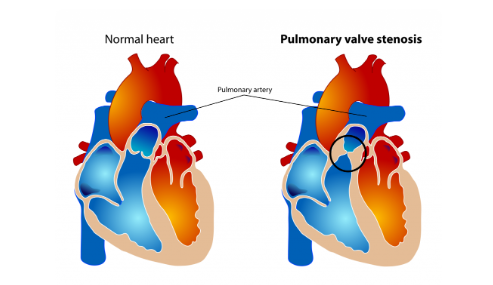
The pulmonary valve is a 3-leaflet valve at the beginning of the vein that sends dirty blood from the right ventricle to the lungs. It ensures that the blood flows in the right direction and does not escape back to the heart. Problems such as pulmonary valve stenosis and pulmonary valve insufficiency can occur. Pulmonary valve diseases are mostly congenital. Absence of a pulmonary valve and pulmonary valve stenosis are the most common problems. Depending on the condition of the problem in the pulmonary valve, pulmonary valve repair or pulmonary valve replacement are among the treatment options.
1,2,3-4 Degree Pulmonary Valve Insufficiency
The degrees of tricuspid regurgitation are as follows:
1. Degree (Light)
- Mild blood leakage.
- Small jet area on echocardiography.
- Usually asymptomatic, follow-up is sufficient.
2. Grade (Medium)
- Significant jet flow is observed, but right heart enlargement is absent or minimal.
- There may be mild symptoms during exertion (fatigue, mild shortness of breath).
- Regular follow-up is required.
3. Grade (Intermediate-advanced)
- Jet flow is marked and enlargement of the right heart begins.
- The patient develops edema, weakness and decreased effort capacity.
- Drug treatment and close follow-up is recommended. Surgical intervention may be considered.
4. Degree (Advanced)
- Severe back leakage, marked enlargement of the right heart chambers and loss of function.
- Symptoms of severe right heart failure (severe edema, enlarged liver, shortness of breath, rapid fatigue).
- Surgical intervention (valve repair or replacement) is usually unavoidable. It requires urgent treatment.
Pulmonary Valve Replacement
Pulmonary valve replacement is the replacement of the pulmonary valve with biological or mechanical artificial valves in cases where the patient’s pulmonary valve stenosis and insufficiency cannot be resolved by repair. It may be necessary to replace the valve in cases such as severe backward leakage or severe stenosis of the heart valves, sometimes both together, severe calcification of the valve, clots in front of the valve, heart rhythm disorders.
Pulmonary Valve Disease Treatment Methods
Stenosis of the pulmonary valve can be corrected with balloon application from the groin if the valve is suitable. In the absence, severe stenosis and insufficiency of the pulmonary valve, pulmonary replacement is required. In the treatment of pulmonary valve diseases, the heart valve is sometimes repaired and sometimes completely replaced with advanced techniques. This is done with minimally invasive surgical techniques, with a small incision of 4 centimeters in the side, under the arm, or if the lungs are bad, with a small incision of 4-5 centimeters in the front to repair or replace the heart valve.
Things to Consider After Pulmonary Valve Surgery
One of the most important issues after pulmonary valve surgery and replacement is the regular use of blood thinners as recommended by the physician. While the use of blood thinners in biological valve replacement is 3 months, in mechanical valve replacement, patients should use blood thinners for life. In cases such as surgical interventions due to another disease, it is important for the patient to contact the cardiologist and take preventive measures against infection. In addition, the patient should have regular medical check-ups to monitor the heart and heart valve.
Since pulmonary valve diseases can cause heart failure, early diagnosis and treatment is extremely important.
- Shortness of breath
- Fatigue
- Palpitations
- Arrhythmia
The definitive diagnostic test for pulmonary valve disease is ultrasound of the heart, i.e. echocardiography.
Pulmonary valve diseases can be caused by
- It is usually congenital.
- Rheumatic pulmonary valve involvement may rarely cause pulmonary valve disease.
- Distortion of the pulmonary valve leaflets as a result of pulmonary vasodilation due to pulmonary tension
Symptoms that occur in pulmonary valve diseases due to stenosis or insufficiency are as follows:
- Shortness of breath
- Quick fatigue
- Palpitations
- Arrhythmia
Frequently Asked Questions
What is a pulmonary valve?
The pulmonary valve is the valve between the right ventricle of the heart and the pulmonary artery to the lungs that prevents blood from escaping backwards.
Which problems with the pulmonary valve require surgery?
Conditions such as severe stenosis or insufficiency of the pulmonary valve may require surgical intervention.
Why is pulmonary valve surgery performed?
It is done to ensure adequate blood supply to the lungs, reduce the burden on the heart and protect heart function.
Who undergoes pulmonary valve surgery?
It can be applied to children with congenital heart disease, adults with valve deformity and patients with advanced valve dysfunction.
How is pulmonary valve surgery performed?
It is performed as valve repair or valve replacement. It is sometimes performed through open heart surgery and sometimes through a catheter.
Prefer valve repair or replacement?
Repair is preferred if possible. However, if the valve is severely damaged, it is replaced with a mechanical or biological valve.
What is the difference between mechanical and biological valve?
Mechanical valves are durable but require lifelong blood thinners. Biological valves have a shorter lifespan, but usually do not require blood thinners.
How long does the surgery take?
Valve replacement surgeries usually take 3-5 hours; the duration may vary depending on the patient’s condition.
Is pulmonary valve surgery risky?
There is a risk in every surgical procedure. However, the success rate is high when performed by experienced teams.
What is the recovery process after surgery?
The hospital stay is usually 5-7 days. Full recovery can take several weeks to months.
What should be considered after surgery?
Medication under medical supervision, attention to nutrition, regular check-ups and a gradual return to physical activity are important.
Is reoperation necessary after pulmonary valve replacement?
Biological valves may wear out over time. Especially in young patients, it may be necessary to change again in the following years.
Can I do sports after pulmonary valve surgery?
Light exercises can be started after surgery with the approval of the doctor. Heavy exercise should be avoided.
Is this surgery common in congenital heart disease?
Yes, pulmonary valve interventions are common in congenital heart diseases such as tetralogy of Fallot.
Which doctor should I consult?
Cardiovascular surgery and pediatric cardiology (in pediatric patients) are the specialties to be consulted in pulmonary valve problems.
Blog Yazıları

What Is Thickening of the Heart Muscle (Myocardial Hypertrophy)?
Prof. Dr. Yavuz Beşoğul » Cardiovascular disease » What Is Thickening of the Heart Muscle [...]
Apr

Endocardium (inner lining of the heart)
Prof. Dr. Yavuz Beşoğul » Cardiovascular disease » Endocardium (inner lining of the heart)The endocardium, [...]
Apr

Heart Disease: Types, Causes, and Symptoms
Prof. Dr. Yavuz Beşoğul » General » Heart Disease: Types, Causes, and SymptomsHeart diseases are [...]
Aug

How the Heart Works
Prof. Dr. Yavuz Beşoğul » General » How the Heart WorksThe heart functions as a [...]
Aug

How Many Hours Does Heart Valve Surgery Take?
Prof. Dr. Yavuz Beşoğul » General » How Many Hours Does Heart Valve Surgery Take?Heart [...]
Aug
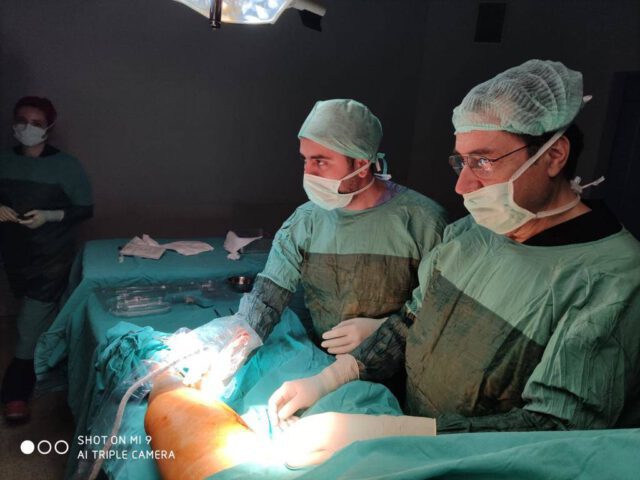
How long does coronary artery bypass (CABG) surgery take?
Prof. Dr. Yavuz Beşoğul » Coronary Artery Bypass » How long does coronary artery bypass [...]
Aug
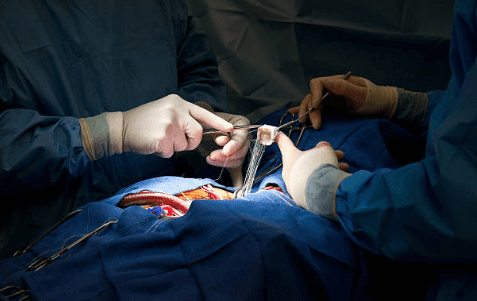
Kalp Kapak Değişimi Ameliyatı Nedir? Nasıl Yapılır, İyileşme Süreci Nasıldır?
Prof. Dr. Yavuz Beşoğul » Kalp Kapak Hastalıkları » Kalp Kapak Değişimi Ameliyatı Nedir? Nasıl [...]
Aug
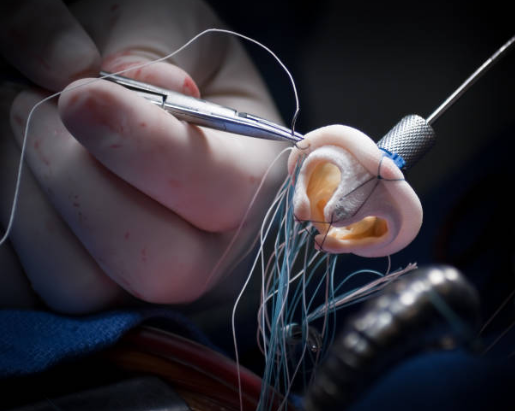
Kalp Kapakçığı Tamiri ve Kalp Kapakçığı Değişimi Arasındaki Fark
Prof. Dr. Yavuz Beşoğul » General » Kalp Kapakçığı Tamiri ve Kalp Kapakçığı Değişimi Arasındaki [...]
Aug