
 Türkçe
 Deutsch
Coronary bypass surgery is an open heart surgery to treat severe narrowing or obstruction of the arteries that supply the heart (coronary arteries). The basic logic of this surgical procedure is to create a new pathway for blood to bypass the blocked vascular territory and reach the heart muscle. This is accomplished by grafting a healthy blood vessel (graft) from another part of the body ahead of the occluded vessel. Heart bypass surgery is performed to restore blood flow to eliminate chest pain (angina), reduce the risk of heart attack and significantly improve the patient’s quality of life.
| Other Names | CABG, Heart bypass surgery |
| Affected System | Cardiovascular System (coronary arteries) |
| Indications | Coronary artery disease, multivessel disease, left main coronary stenosis, failed angioplasty |
| Types of Surgery | Minimally invasive bypass and/or off-pump bypass. |
| Grafts Used | Saphenous vein (leg), internal mammarian artery (chest), radial artery (arm) |
| Surgery Process | 2-4 hours |
| Regeneration Process | 3-4 days in hospital; full recovery usually 10 days |
| Success Rate | High in experienced centers; mortality rate low (1â3%) |
| Common Risks | Bleeding, infection, arrhythmias, stroke, kidney dysfunction |
| Long Term Follow-up | Lifestyle changes, heart medications, regular cardiological control |
| Alternatives | Percutaneous coronary intervention (stenting), medical treatment |
| Prognosis | Prolongs life and improves quality of life in appropriate cases |
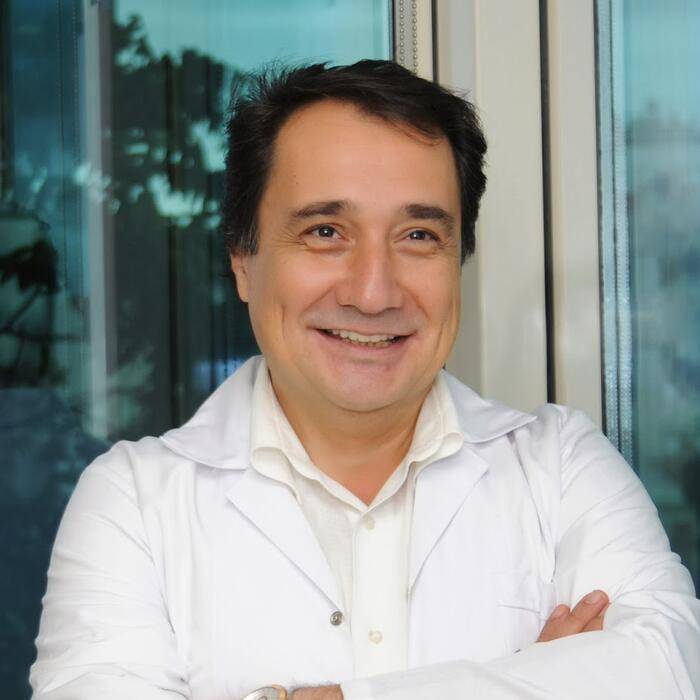
Prof. Dr. Yavuz Beşoğul
>Turkey’s Cardiovascular Surgery Doctor
What is Coronary Bypass Surgery and What is it for?
In its simplest terms, you can think of coronary bypass surgery as a surgical procedure that removes obstructions or severe narrowing of the arteries (coronary arteries) that supply the heart’s own muscle tissue by means of a “bypass”. Let’s make such an analogy: On a very busy highway, traffic has come to a complete stop due to an accident. It is impossible to move forward. So bypass surgery is like building a new side road, a viaduct, that bypasses this bottleneck completely and allows traffic to flow smoothly to its destination.
In this surgery, a healthy piece of blood vessel, called a “graft”, is taken from another part of the body (usually the chest wall, arm or leg). One end of this new vascular access is sewn to the aorta, the main artery that leaves the heart, and the other end is sewn to a point further down the stump. This allows the blood to pass through this new bridge and deliver the oxygen it needs to the heart muscle without ever reaching the occluded area. The main goal of this procedure, known in medicine as Coronary Artery Bypass Grafting (CABG), is to protect the heart muscle, which is in danger of being damaged by lack of oxygen.
Thanks to this surgery, complaints such as chest pain (angina) that limit the lives of our patients are eliminated, the risk of heart attack is significantly reduced and the quality of life is significantly improved. However, there is a very critical point to underline here: Coronary bypass surgery is a repair procedure, not a treatment to relieve the pain of the underlying disease. The disease “atherosclerosis” (arteriosclerosis), which causes your arteries to clog, persists in your body. Therefore, you should see surgery as a gateway to a healthy future and the first and most important step on this path.
How Coronary Artery Disease Affects Your Heart
While your heart performs the vital task of pumping blood throughout the body, it also needs nourishment. It receives this nourishment through the coronary arteries that surround it like a network. Coronary artery disease is caused by the buildup of substances such as fat, cholesterol and calcium on the walls of these vital vessels over time, which we call “plaque”.
Over the years, these plaques gradually grow larger and narrow the inside of the blood vessel, like the narrowing of a water pipe. As the narrowing progresses, the amount of blood and oxygen to the heart muscle decreases. We call this oxygen-starved state of the heart “ischemia”. Ischemia is especially symptomatic when your heart has to work harder. Some of these symptoms include:
- A feeling of pressure, tightness or heaviness in the chest (angina)
- Shortness of breath, especially with exertion
- Abnormal and rapidly increasing fatigue
The most dangerous and feared consequence of coronary artery disease is a heart attack (myocardial infarction). If the surface of a plaque suddenly cracks or tears, the body’s natural repair mechanism kicks in and a blood clot forms in the area. This clot can completely block the already narrowed vessel in an instant, cutting off the blood flow. The area of the heart muscle that is completely deprived of blood flow is irreversibly damaged and dies if not treated quickly. There are some important risk factors that accelerate the development of this disease and need to be controlled:
- High blood pressure (Hypertension)
- High cholesterol
- Diabetes (diabetes)
- Smoking
- Obesity (excess weight)
- A sedentary lifestyle
For Whom Does Coronary Bypass Surgery Become a Necessary Treatment?
The decision for coronary bypass surgery is made carefully for each patient and is based on specific criteria. This surgery offers a much more effective and long-lasting solution than other treatment methods, especially in some cases. The patient groups for whom surgery is strongly recommended are usually
- Left Main Coronary Artery Patients: A severe stenosis in this main artery, which supplies almost all of the muscles on the left side of the heart, is one of the surest reasons for surgery because it is life-threatening.
- People with Multiple Vascular Disease: For patients with critical stenoses in all or at least two of the three main arteries supplying the heart (especially if the LAD artery supplying the front face of the heart is one of them), bypass is usually the best approach.
- Patients with Diabetes: Diabetes affects the vasculature in a more diffuse and complex way. For this reason, numerous scientific studies have proven that coronary bypass surgery improves long-term survival and better outcomes than stenting in people with diabetes and multiple vascular disease.
- Those with impaired heart function: If the heart’s pumping power (ejection fraction) has decreased due to previous heart attacks or disease progression, bypass surgery in combination with diffuse vascular disease can prolong life by preventing further damage to the heart.
- When Other Treatments Fail: Patients with persistent chest pains that affect daily life despite intensive drug therapy or cases of re-narrowing of the same vessel (restenosis) despite previous stenting are good candidates for bypass surgery.
Why Is Coronary Bypass Surgery Sometimes Preferred Over Stenting?
This is one of the most common questions our patients ask: “Why surgery and not a stent?” When making this decision, we, as a “Heart Team” of cardiologists and cardiac surgeons, evaluate the patient’s condition in all its details. Although a stent may seem like a less cumbersome procedure, the advantages of coronary bypass surgery in some cases far outweigh the benefits.
The anatomical structure and complexity of vascular occlusions is the most important factor in the choice of treatment. To assess this, we use an objective scoring system called the SYNTAX score. A high score indicates that the disease is widespread and complex, in which case bypass surgery is usually the superior option.
This is mainly because the solution offered by bypass surgery is more comprehensive and “protective”. A stent only opens a single stenosis at a specific point by building a “scaffold”. Bypass, on the other hand, creates a “protective shield” by moving blood beyond the entire vessel segment. We know that a significant proportion of heart attacks are triggered by the sudden rupture of small plaques that appear innocent on angiography. Bypass surgery protects the entire vascular bed beyond the point where the graft is attached against such unforeseen events in the future. Especially in patients with diabetes or reduced heart function, this long-term durability and protection of the bypass offers a clear survival advantage over the stent. It’s not just about overcoming today’s worst inconvenience, but also protecting the heart from tomorrow’s uncertain risks.
What kind of preparation process awaits you before coronary bypass surgery?
The success of your surgery and your safety depend on meticulous preparation that begins weeks before the operation. There are some tasks for you and for us in this process.
First, a series of tests are performed to confirm your suitability for surgery and to plan the operation down to the finest detail:
- Comprehensive blood tests
- Electrocardiogram (ECG)
- Echocardiogram (Heart ultrasound)
- Lung radiography
- Coronary angiography (to clarify obstructions)
One of the most critical steps in this preparation process is the management of your medications. Blood thinners (aspirin, clopidogrel, warfarin, etc.) should be discontinued under the supervision of a doctor, usually 5-7 days before surgery, to prevent the risk of excessive bleeding during surgery. It is vital that you fully inform your doctor of all medications, vitamins and herbal supplements you are taking.
There are also some important preparations you can make personally:
- Quitting smoking: Quitting smoking at least 2-3 weeks before surgery is one of the best things you can do for your lung health and wound healing.
- Hygiene: To reduce the risk of infection, you will be asked to take a shower the night before surgery and in the morning with a special antibacterial soap that will be given to you.
- Nutrition: You should not eat or drink anything, including water, after midnight the night before surgery.
- Social Planning: Organizing a relative to help you in the first few weeks after discharge will make your recovery much more comfortable.
What Happens During Coronary Bypass Surgery?
[dk_youtube_shortcode url=”https://www.youtube.com/watch?v=4Z9Ri4BiKHk”]Coronary bypass surgery is a carefully planned operation lasting 2-4 hours on average. After the patient is admitted to the operating room, the anesthesiologist will put them completely asleep, i.e. under general anesthesia. This means that you will not feel or remember anything during the operation. Your breathing is provided by a respirator.
In the traditional method, the surgeon uses a special tool to open the bone in the center of the rib cage, called the sternum, to access the heart and major blood vessels. Simultaneously, another surgeon prepares the vascular grafts (from the chest, arm or leg) that will be used for the bypass.
In the most common and most powerful technique, the heart has to be temporarily stopped for the delicate suturing phase of the operation. The heart and lungs are temporarily replaced by an advanced device called a “heart-lung machine”. This machine takes blood from the body, oxygenates it and pumps it back into the body. In this immobilized and bloodless environment, the surgeon uses the prepared grafts to create new blood pathways, or bypasses, around the blockages. When all the bypasses are complete, the heart is restarted, the machine is decommissioned and the flow of blood through the new pathways is checked. If all is well, the breastbone is closed with solid steel wires.
What are the Different Surgical Methods for Coronary Bypass Surgery?
Thanks to advances in technology and surgical experience, different coronary bypass surgery techniques are available, offering solutions tailored to each patient’s situation.
- Traditional “On-Pump” Surgery: The most common method in which the heart is stopped and operated on with a heart-lung machine.
- “Off-Pump” Surgery on a Failing Heart: It is performed without stopping the heart and without the use of a machine. The surgeon stabilizes only a small area on which the heart is working with special instruments. It is especially preferred in elderly patients or those with comorbidities where the machine may pose a risk.
- Minimally Invasive Coronary Bypass Surgery (MIDCAB): Instead of a large chest bone incision, a much smaller (5-8 cm) incision is made between the ribs on the left side. It is usually suitable for single-vessel bypass and offers a much faster recovery process.
- Robotic Assisted Coronary Bypass Surgery: This is the most advanced technology, performed through several small holes by means of robotic arms that the surgeon maneuvers from a console. It provides exceptional precision and minimal scarring.
- Hybrid Procedures: An approach that combines the advantages of bypass surgery and stenting. For example, minimally invasive bypass is performed on the most critical vessel, while stents can be applied to other vessels.
What are the Vascular Grafts (Bridges) Used in Coronary Bypass Surgery?
The most fundamental factor determining the long-term success of your surgery is the quality of the vessel used for the bypass. The grafts we use are basically of two types.
- Intestinal Artery (Internal Mammary Artery – IMA): This vessel, taken from inside the chest wall, is the most valuable and durable material in bypass surgery.
- Arm Artery (Radial Artery): This artery, which is taken from the forearm, is not preferred today due to its tendency to atherosclerosis and the risk of clogging quickly.
- Vein (Venous) Grafts:
- Leg Vein (Saphenous Vein): It is frequently used because it is long and easily harvested. They were the first grafts used in the history of bypass and are still the gold standard. Damage-free removal is important for its long-term durability and durability.
While the survival rate of the renal artery in the chest artery after 10 years is over 90%, this rate can increase to 90% and above in experienced and carefully performed leg vein bypass.
What are the Possible Risks and Complications of Coronary Bypass Surgery?
Coronary bypass surgery is a procedure that is routinely performed worldwide, is extremely safe and has a very high success rate. In planned cases, the serious risks associated with surgery are usually as low as 1-2%. However, as with any major surgical procedure, there are some potential risks. The proportion of these risks depends on the patient’s age, additional health problems such as diabetes or kidney disease, and the urgency of the surgery.
Some of the possible risks associated with the surgery are as follows:
- Bleeding
- Wound site infection
- Lung infection (Pneumonia)
- Stroke (Felç)
- Temporary impairment of kidney function
- Heart rhythm disturbances (especially atrial fibrillation, usually transient)
How Will Your Recovery After Coronary Bypass Surgery Work?
Improvement is a step-by-step journey that requires patience and care.
Your First Week in the Hospital: You will spend the first 1-2 days after surgery in the intensive care unit where all your vital functions are monitored moment by moment. Once your condition stabilizes, you will be transferred to the regular ward and you will usually be well enough to go home within a week in total. During this process, you will be encouraged by physiotherapists to stand up slowly, walk and do breathing exercises to keep your lungs clear.
The First 2-4 Weeks in Your Home: This is the most important recovery phase, when the body repairs itself and the breast bone fuses. During this period, there will be some restrictions you will need to follow:
- Avoiding heavy lifting (usually more than 5 kg)
- Not pushing and pulling movements
- Not driving (usually for the first 4-6 weeks)
During this period, it is normal to experience fatigue, loss of appetite, difficulty falling asleep and mild pain or numbness at the incision sites. These will subside over time. Daily regular and brisk walking is the best medicine for this period.
Full recovery: Most of our patients can return to desk work and normal social life after 15-30 days.
| The Progression of Renewal | Average 10-15 days, depending on the individual’s age, general health and the extent of the surgery. |
| Hospital Stay | Usually 5-7 days; 1-2 days in the intensive care unit, followed by follow-up in the ward. |
| Pain and Discomfort | There may be pain in the jugular bone and incision sites; painkillers prescribed by a doctor should be used. |
| Physical Activity | Light walking is recommended in the first weeks; after 6 weeks, exercise can be increased with the doctor’s approval. |
| Nutrition | A low-fat, low-salt, vegetable and fruit-based diet is recommended; cholesterol control is important. |
| Drug Use | Prescription medications such as blood thinners, cholesterol reducers, blood pressure medications should be taken regularly. |
| Wound Care | Incision sites should be kept clean and dry; signs of infection (redness, discharge, fever) should be monitored. |
| Psychological Support | Depression and anxiety can be common; psychological support should be sought if necessary. |
| Check-ups | Initial follow-up is usually performed within 1-2 weeks; regular cardiology follow-up is recommended thereafter. |
| Complications | Risks include infection, arrhythmia, bleeding, leg vein problems and nonunion of the torso bone |
Why Cardiac Rehabilitation After Coronary Bypass Surgery Is So Important
Cardiac rehabilitation is an indispensable part of your recovery after surgery. It is not just an exercise program. It is a comprehensive, doctor-supervised program that aims to help you recover both physically and emotionally. The main components are:
- Safe and supervised exercise training
- Heart-healthy nutrition counseling
- Training on your relationships and risk factors
- Stress management and psychological support
What Should You Do for Long-Term Success of Coronary Bypass Surgery?
Surgery gives you a clean slate for a healthy future. Keeping this page clean depends as much on your efforts and lifestyle as on surgical success. Remember that the same processes that cause your veins to clog can also affect your newly implanted veins if you do not take precautions. The following steps are therefore non-negotiable.
- Stick to Your Medications: No matter how good you feel, it is vital that you take the medicines prescribed by your doctor regularly every day, especially blood thinners and cholesterol medicines.
- Eliminate Smoking from Your Life Completely: Smoking is the biggest enemy of your bypass vessels. It is the most important step you can take to maintain the success of the surgery.
Include more of these on your table:
- Fresh vegetables
- Fruits
- Whole grains
- Lean protein sources (especially fish)
- Healthy oils (such as walnut, hazelnut, avocado)
Stay away from these:
- Processed foods and consumer products
- Too much salt and sugar
- Packaged products containing saturated and trans fats
Get Moving: Make moderate exercise (such as brisk walking, cycling, swimming) a part of your life for at least 150 minutes a week.
Keep Your Other Diseases Under Control: Meticulous management of conditions such as high blood pressure, diabetes and obesity is essential for the long-term success of the surgery.
What Quality of Life Awaits You After Coronary Bypass Surgery?
Coronary bypass surgery is one of the most successful and gratifying operations in modern medicine. The vast majority of our patients are completely or substantially relieved of the chest pain, shortness of breath and fatigue that made their lives a nightmare before surgery. It means being able to move freely again, spend time with loved ones without worry and enjoy life.
Thanks to today’s advanced surgical techniques, our patients are expected to lead a healthy and active life for 15-20 years after surgery and even longer. Coronary bypass surgery offers you not only a symptom-free life, but also a safer and better quality future, free from the risk of heart attack. It is up to you to make the most of this second chance by taking the right steps.
After Closed Coronary Bypass Surgery
| The Progression of Renewal | There is usually a faster recovery period of 10-15 days compared to conventional sternotomy. |
| Physical Activity | Light exercise such as walking is recommended in the first weeks; heavy exercise can be started after 4-6 weeks. |
| Drug Use | Standard coronary artery disease medications such as aspirin, statins, beta blockers and ACE inhibitors should be used regularly. |
| Wound Care | Small incisions in the side wall of the chest or upper abdomen should be monitored for infection for the first 10 days. |
| Complications | Infection, graft occlusion, arrhythmias; the complication rate is generally lower compared to sternotomy. |
| Visualization and Control | Graft function can be monitored by follow-up angiography or noninvasive imaging 3-6 months postoperatively. |
| Nutrition | A heart-friendly diet (low salt, low saturated fat, high fiber) is recommended; cholesterol and glucose should be controlled. |
| Smoking and Alcohol | Smoking should be stopped; alcohol consumption should be limited. |
| Sexual Activity | If the physical condition is suitable, it can usually be started after 2-3 weeks. |
| Psychological Support | Support for anxiety and the adjustment period after surgery can be recommended. |
| Tool Use | It can usually be started within 10-15 days when reflexes and attention levels are appropriate. |
| Controls | It is recommended by the operating physician once a month for the first 3 months and then in periods of 3-6 months. |
Frequently Asked Questions
How is coronary bypass surgery performed?
Coronary bypass surgery aims to re-nourish the heart muscle by creating a new pathway (bypass) to the blocked heart vessels. With healthy blood vessels, usually taken from the leg or chest, a new bridge is built that carries blood beyond the occluded area. It can often be done with the support of a heart-lung machine, but sometimes on a working heart. Our goal is to get your heart working properly again.
Is coronary bypass risky?
Like any surgery, coronary bypass has its own risks, but it is one of the most common and most successful operations in the world. The success rate is above average in experienced centers. Risks depend on age, existing diseases and the condition of your heart. We minimize the risks with detailed evaluations. Remember, the risk of living with occluded veins is often greater than the risk of surgery.
How long does a coronary bypass vessel last?
It depends on the type of vein we use and on your health. Arteries taken from the chest wall have a survival rate of over 10 years. In leg veins, this rate is P-60. Quitting smoking, eating a healthy diet and taking medications regularly prolongs vascular life. Your lifestyle after surgery is decisive in this regard.
How many hours does coronary artery bypass surgery take?
The duration of surgery usually varies between 2-4 hours, depending on which vessel will be bypassed and possible additional procedures. In complex cases, the time may be prolonged. The most important criterion for us is that every step is completed safely and perfectly.
How many years does the coronary artery live?
Bypass surgery does not treat your blood vessels, but restores blood flow to the heart. With the right lifestyle and medication, the length and quality of your life after surgery can be significantly improved. Surgery is a start; the rest is up to you.
Who can have coronary bypass?
We usually recommend bypass if you have severe stenosis in more than one artery, critical obstruction of the main coronary artery, if your heart function is impaired, if a stent is not suitable or has failed, or if you have diabetes. The decision is made taking into account your overall health.
Can a coronary artery be flattened?
Coronary artery disease is not a completely curable condition. Bypass surgery removes the dangers caused by the disease, but the disease itself persists. With a healthy lifestyle and regular treatment, it is possible to slow its progression and keep it under control.
What position is given to the patient after coronary artery bypass surgery?
After surgery, it is usually advisable to sleep on your back. If you need to sleep on your side, it is helpful to reduce the movement of your breastbone by placing pillows between your legs and on your back. Avoid lying on your stomach (until your bone has healed completely, 4-6 weeks). Staying upright while sitting protects your breathing and the health of your bones.
What complications can occur after coronary bypass surgery?
Although rare, complications such as postoperative arrhythmias, wound infections, lung problems or bleeding can occur. We overcome these problems with close monitoring and rapid intervention in intensive care. Our team is with you at every step and ready to ensure a safe and secure process.
Blog Yazıları

What Is Thickening of the Heart Muscle (Myocardial Hypertrophy)?
Prof. Dr. Yavuz Beşoğul » Cardiovascular disease » What Is Thickening of the Heart Muscle [...]
Apr

Endocardium (inner lining of the heart)
Prof. Dr. Yavuz Beşoğul » Cardiovascular disease » Endocardium (inner lining of the heart)The endocardium, [...]
Apr

Heart Disease: Types, Causes, and Symptoms
Prof. Dr. Yavuz Beşoğul » General » Heart Disease: Types, Causes, and SymptomsHeart diseases are [...]
Aug
How the Heart Works
Prof. Dr. Yavuz Beşoğul » General » How the Heart WorksThe heart functions as a [...]
Aug

How Many Hours Does Heart Valve Surgery Take?
Prof. Dr. Yavuz Beşoğul » General » How Many Hours Does Heart Valve Surgery Take?Heart [...]
Aug
How long does coronary artery bypass (CABG) surgery take?
Prof. Dr. Yavuz Beşoğul » Coronary Artery Bypass » How long does coronary artery bypass [...]
Aug
Kalp Kapak Değişimi Ameliyatı Nedir? Kalp Kapak Değişimi Nasıl Yapılır?
Prof. Dr. Yavuz Beşoğul » Kalp Kapak Hastalıkları » Kalp Kapak Değişimi Ameliyatı Nedir? Kalp [...]
Aug
Kalp Kapakçığı Tamiri ve Kalp Kapakçığı Değişimi Arasındaki Fark
Prof. Dr. Yavuz Beşoğul » General » Kalp Kapakçığı Tamiri ve Kalp Kapakçığı Değişimi Arasındaki [...]
Aug