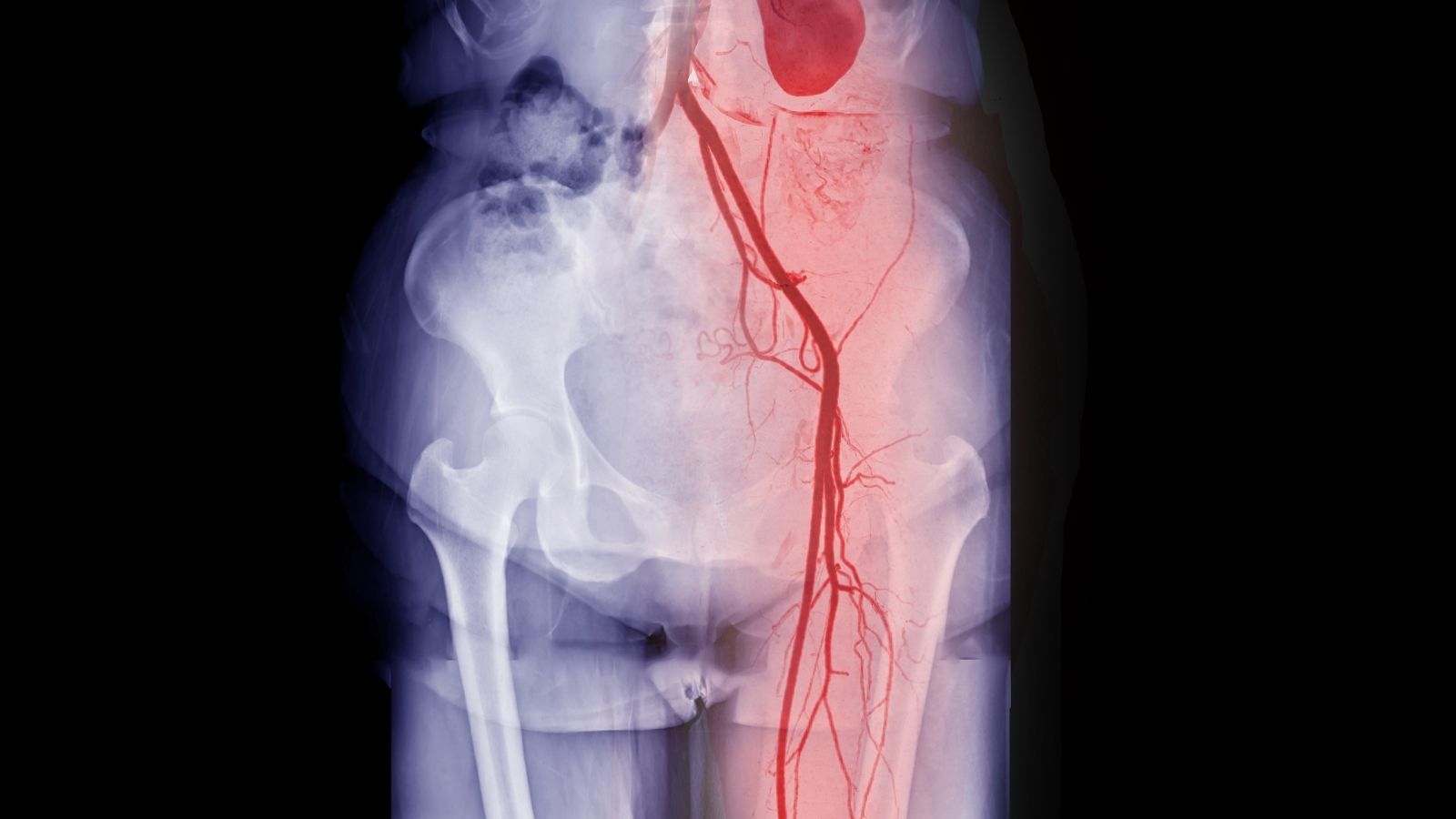

Coronary bypass surgery duration depends on the number of blocked arteries and patient-specific factors. On average, the operation lasts three to six hours, requiring general anesthesia and the use of a heart-lung machine during most procedures.
The complexity of bypass surgery increases with multiple vessel involvement or accompanying conditions. Surgeons carefully plan graft placement using veins or arteries to restore proper blood flow and minimize ischemic risk.
Postoperative recovery begins in the intensive care unit, where vital functions are monitored closely. Patients are usually extubated within hours, and early mobilization supports faster healing and reduces complications.
Long-term recovery requires cardiac rehabilitation, medication adherence, and risk factor management. Regular follow-up ensures graft patency, supports lifestyle changes, and helps maintain cardiovascular stability.
How Long Will I Stay in the Hospital After Bypass Surgery?
The length of hospital stay after coronary bypass surgery may vary depending on both patient and surgical factors. The length of hospital stay is determined depending on the patient’s age, other heart conditions, lung function, surgical method and conditions such as diabetes and chronic conditions. The duration of the patient’s stay in intensive care after surgery also varies according to the patient and the factors related to the surgery.
Since the intensive care period is shorter and the risk of complications is lower in bypass operations performed with minimally invasive surgery, the hospital stay is usually shorter. However, the average hospital stay is 4-6 days. As in all surgical operations, risks are of great importance in cardiac bypass surgery according to the patient. In order to minimize postoperative complications, discharge time may be prolonged, especially for patients in the risk group.
Returning to Daily Life After Bypass Surgery
The time to return to daily life after surgery is 2-3 weeks in surgeries performed with minimally invasive surgery. However, in some patients, this period may extend up to 4 weeks. Since the risk of postoperative complications may be higher in individuals with diseases such as cholesterol, blood sugar, high blood pressure and obesity and who lead a stressful life, these patients should be followed up regularly. The duration of bypass surgery, which is usually 2-3 hours, can reach 4-5 hours in patients in the risk group.

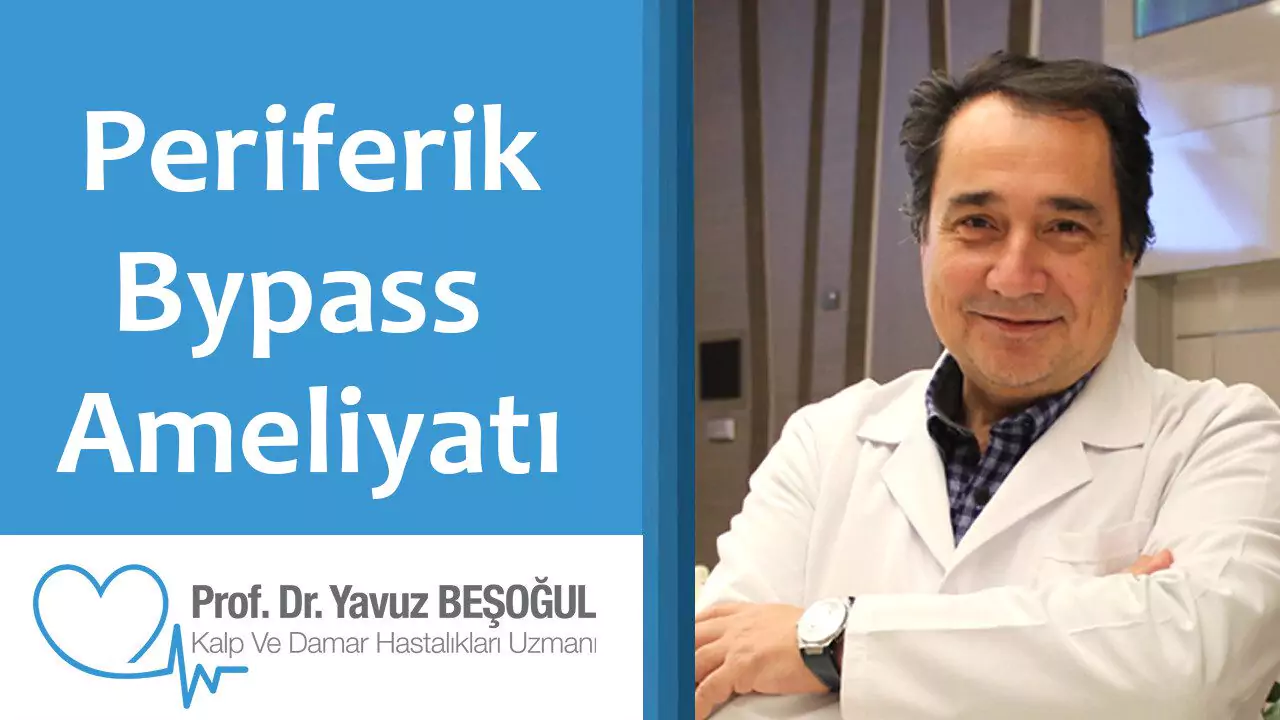
Prof. Dr. Yavuz Beşoğul graduated from Erciyes University Faculty of Medicine in 1989 and completed his specialization in Cardiovascular Surgery in 1996. Between 1997 and 2012, he served at Eskişehir Osmangazi University Faculty of Medicine as Assistant Professor, Associate Professor, and Professor, respectively. Prof. Dr. Beşoğul, one of the pioneers of minimally invasive cardiovascular surgery in Türkiye, has specialized in closed-heart surgeries, underarm heart valve surgery, beating-heart bypass, and peripheral vascular surgery. He worked at Florence Nightingale Kızıltoprak Hospital between 2012–2014, Medicana Çamlıca Hospital between 2014–2017, and İstinye University (Medical Park) Hospital between 2017–2023. With over 100 publications and one book chapter, Prof. Dr. Beşoğul has contributed significantly to the medical literature and is known for his minimally invasive approaches that prioritize patient safety and rapid recovery.