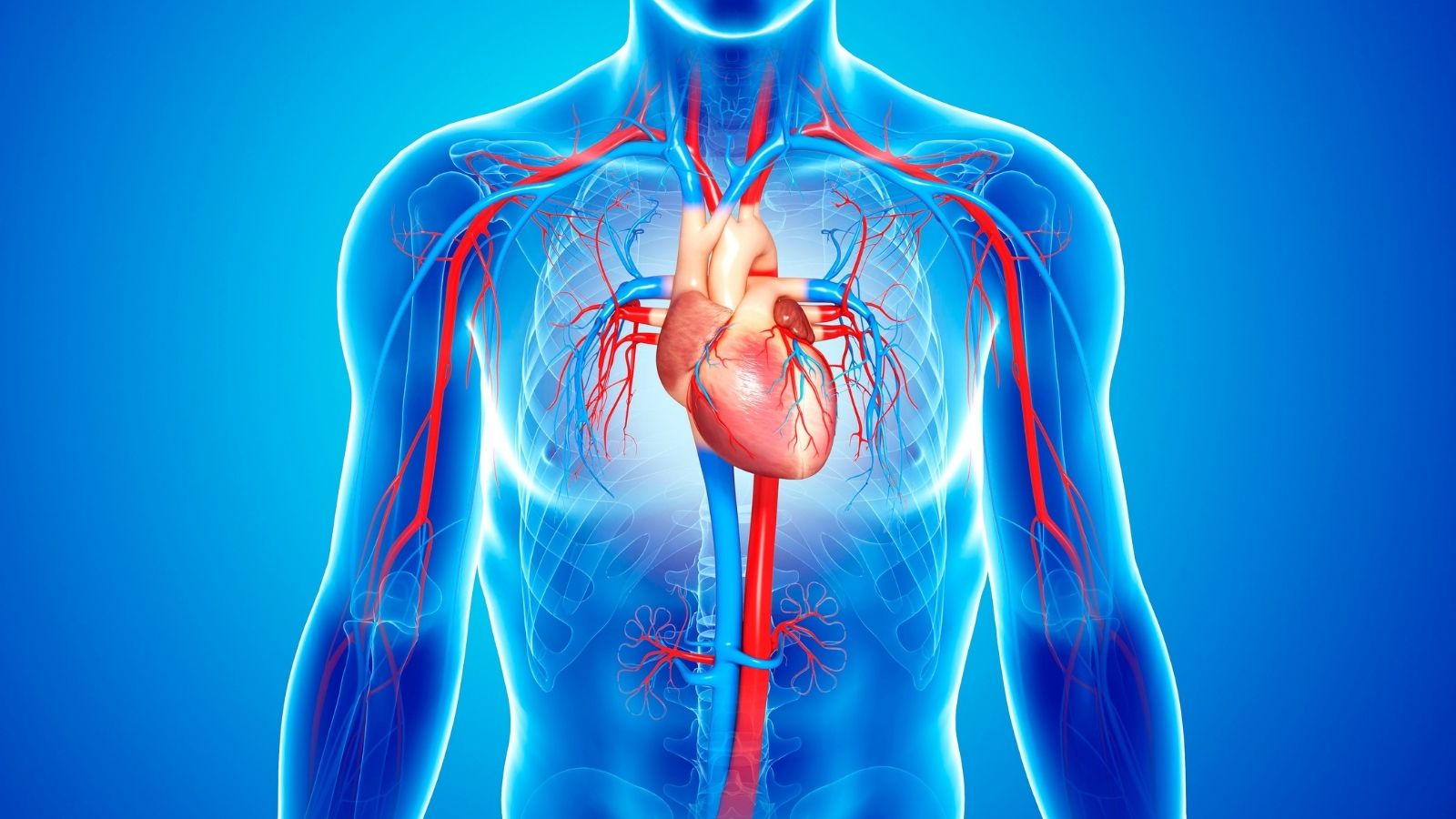


Heart attack risk in women is influenced by both traditional and gender-specific factors. High blood pressure, diabetes, smoking, and high cholesterol significantly contribute to cardiovascular disease, while hormonal changes add unique risks.
Menopause leads to decreased estrogen levels, which play a protective role in cardiovascular health. Postmenopausal women are therefore at greater risk of developing coronary artery disease compared to younger women.
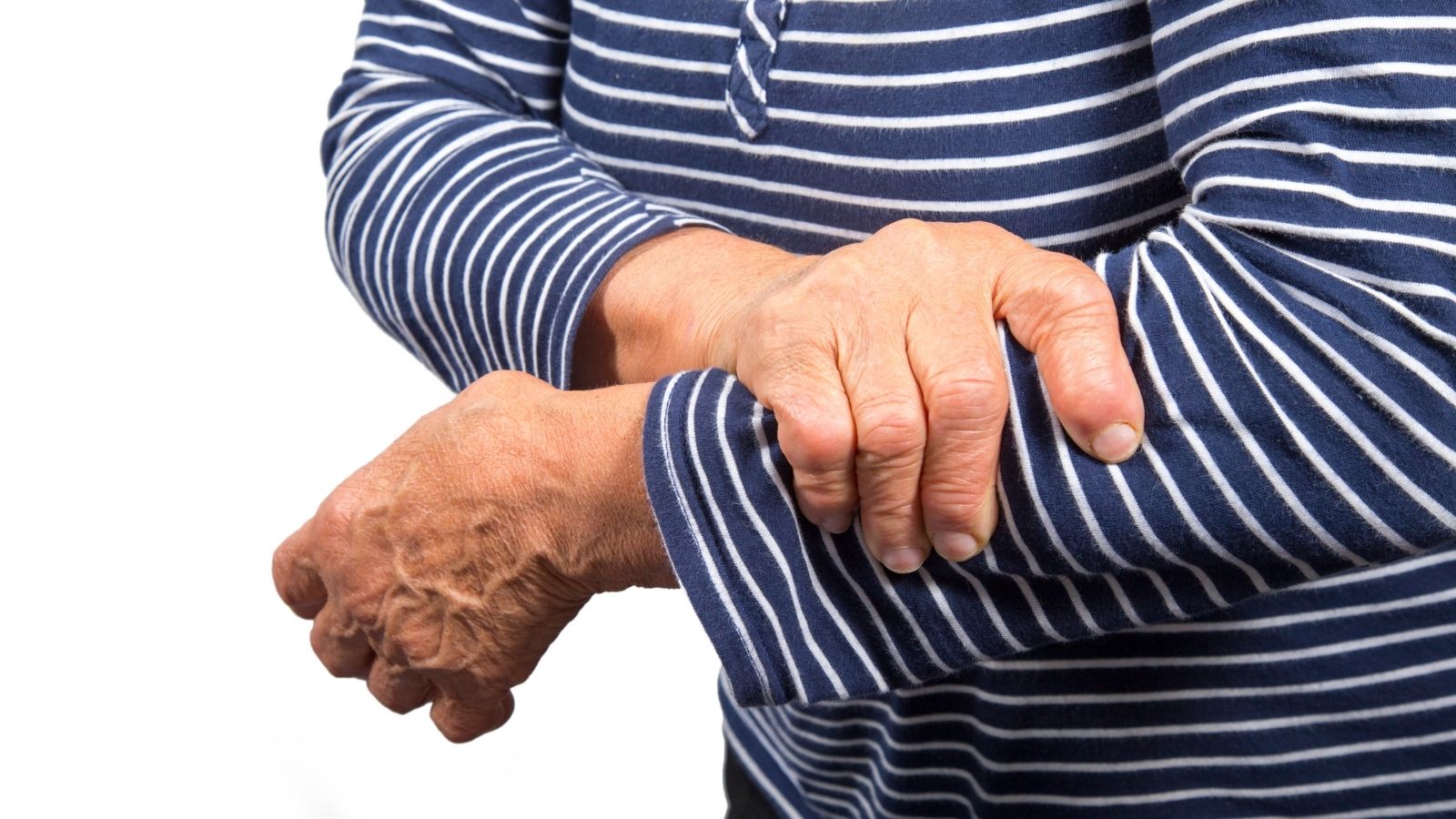
Autoimmune disorders, such as lupus and rheumatoid arthritis, disproportionately affect women and increase cardiovascular risk. These conditions cause chronic inflammation, accelerating atherosclerosis and arterial damage.
Pregnancy-related complications, including preeclampsia and gestational diabetes, are predictors of future heart disease. Early identification and ongoing monitoring of women with these histories are crucial for long-term prevention.
Why Known Risks Increase Heart Attack Risk Differently in Women
The traditional risk factors that everyone knows about, such as diabetes, high blood pressure, smoking and high cholesterol, affect the female body much more severely and disproportionately than the male body. The delicate balance of female physiology multiplies the damage caused by these factors. It is therefore critical to consider each of these risks together with their specific impacts on women in order to see the bigger picture.
- The Impact of Diabetes: Diabetes is a hidden enemy for women. A woman with diabetes is up to D times more likely to develop heart disease than a man with diabetes. The main reason for this is that the hormonal structure of women, combined with the metabolic chaos created by diabetes, makes the process of atherosclerosis much more aggressive. Diabetes can also dull the sensation of pain by destroying the nerves. This increases the risk of a “silent heart attack” in women, which may be asymptomatic or present with pseudo-heart attack symptoms. This silence can cause fatal delays in diagnosis.
- Role of Smoking: A woman who smokes cigarettes has a % higher risk of coronary artery disease than a man who smokes cigarettes. When the thousands of toxic chemicals in cigarettes interact with women’s more delicate vasculature and hormonal balance, the result is even more devastating. Cigarettes instantly constrict blood vessels, skyrocket blood pressure and increase the tendency of blood to clot to dangerous levels. This means that smoking is not just a bad habit for women, but a much more potent cardiovascular poison than for men.
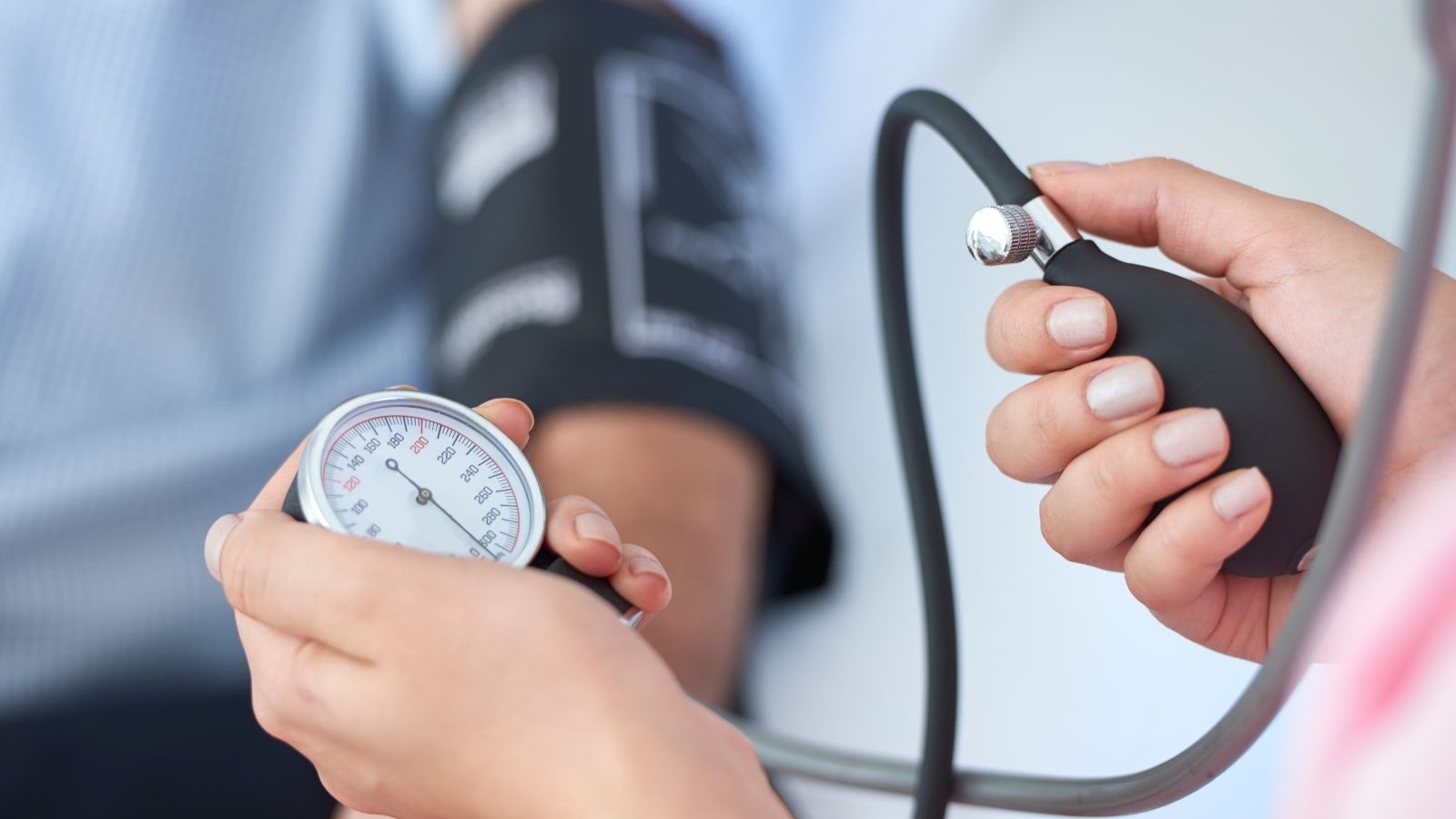
- The Hidden Danger of High Blood Pressure: Hypertension is more common in women than in men, especially after the age of 65. Women’s life cycle dynamically changes their risk of blood pressure. For example, high blood pressure during pregnancy is an early warning signal that doubles the risk of heart disease later in life. Pregnancy is like a “stress test” for the body’s cardiovascular system and can signal a future predisposition years in advance. The loss of the protective vasodilating effect of estrogen with menopause also causes blood pressure to rise insidiously. Therefore, a woman’s blood pressure should be monitored with special care throughout her life.
- The Changing Face of Cholesterol: High cholesterol is one of the most important risk factors for heart disease in women. Especially in the postmenopausal period, with the decrease in protective estrogen, LDL (bad cholesterol) levels increase while HDL (good cholesterol) levels tend to decrease. You can think of this situation as follows: LDL cholesterol is like “sticky mud” that sticks to the walls of your arteries and forms plaque. HDL cholesterol is the “cleaning crew” that cleans this mud. With menopause, the cleaning crew weakens and the sludge-producing factory starts working at full capacity. This accelerates the process of atherosclerosis.
- The Cost of Obesity and Inactivity: Obesity increases a woman’s risk of coronary artery disease by an enormous factor of d, compared to F for men. The fat that accumulates around the abdomen, especially after menopause (apple-type obesity), is metabolically very active and secretes inflammatory substances that damage the heart. The saddest thing is that although regular exercise is known to protect women more than men, women are less likely to reach recommended levels of exercise due to barriers such as social and family responsibilities. This creates an avoidable risk gap.
Which Symptoms Can Be Missed in Women at Risk of Heart Attack?
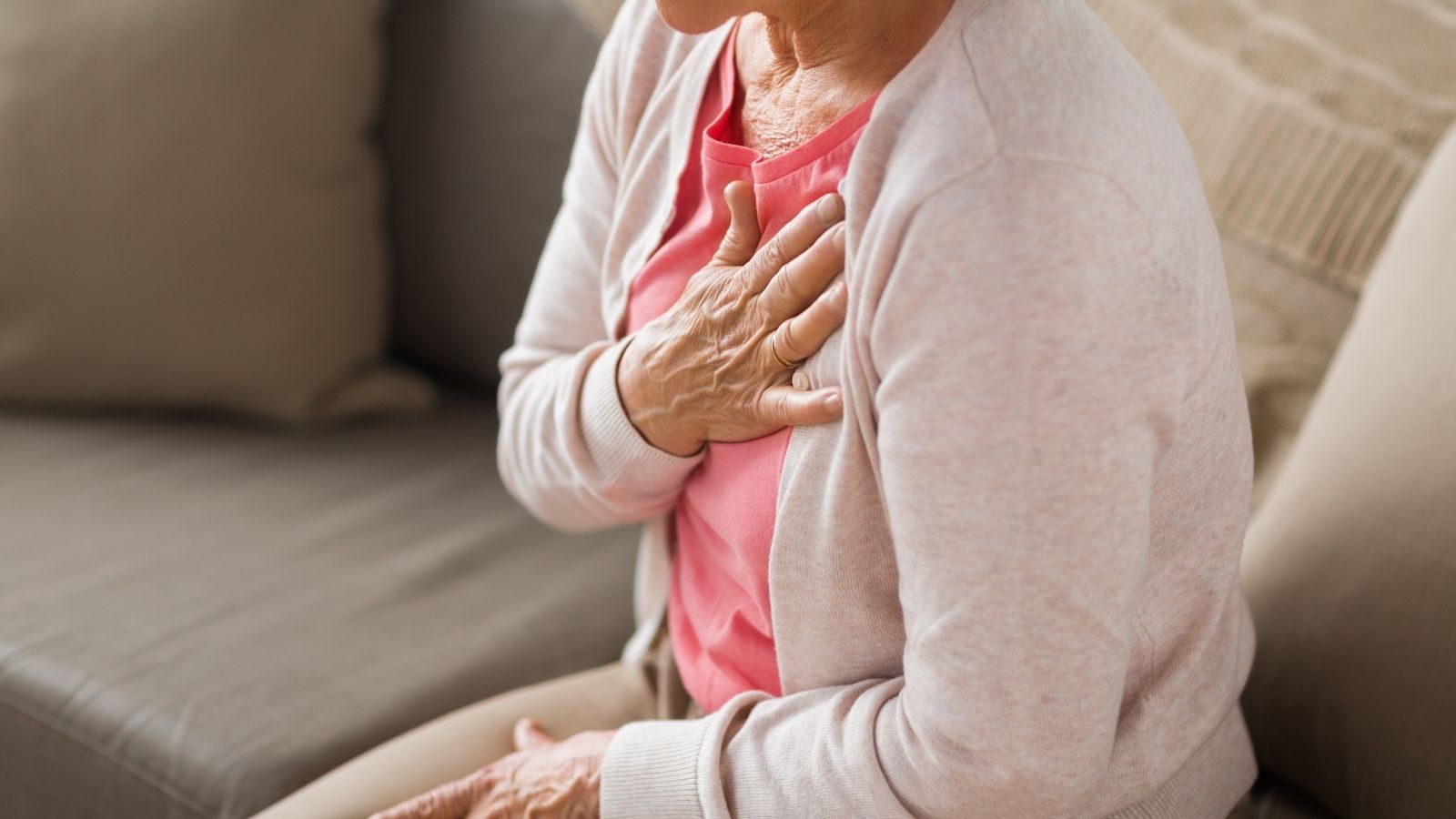
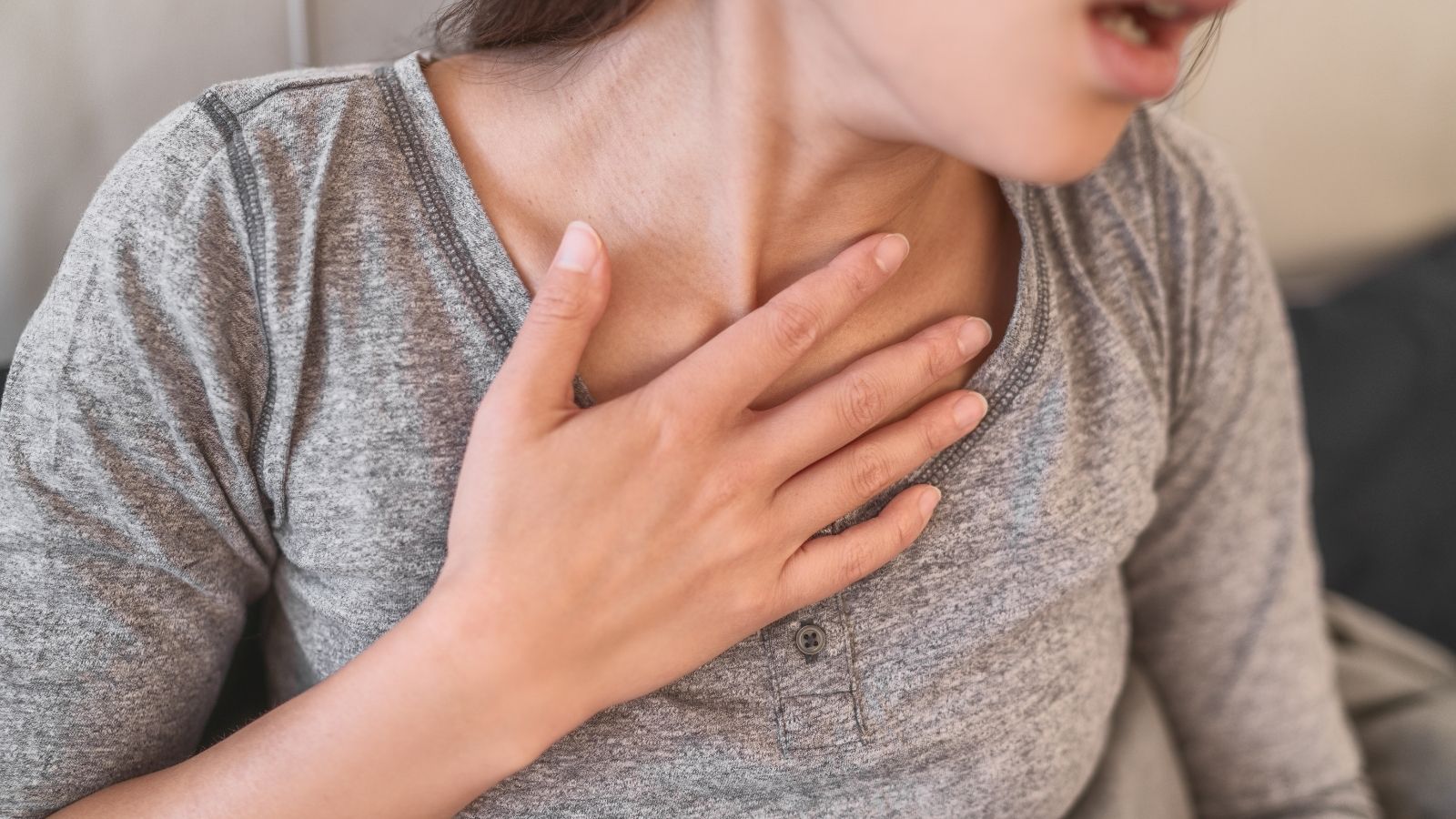
For women, the answer to the question How to recognize a heart attack is often different from the standard answer. Although crushing chest pain remains the most common symptom in both sexes, women often experience more vague, diffuse and misleading symptoms. These symptoms can often be dismissed, attributed to less urgent conditions such as anxiety, indigestion, fatigue or muscle pain. Knowing these atypical symptoms can be life-saving.
These symptoms, which are often overlooked or mistaken for other conditions, can include
- Sudden and unexplained fatigue
- Shortness of breath (especially without exertion)
- Pain in the upper back, shoulders or between the shoulder blades
- Jaw or neck pain
- Nausea or vomiting
- Indigestion or heartburn
- Dizziness or lightheadedness
- Sudden cold sweating
- A general feeling of restlessness or anxiety
- Sleep disorders
How Female Anatomy Increases the Risk of Heart Attack in Women
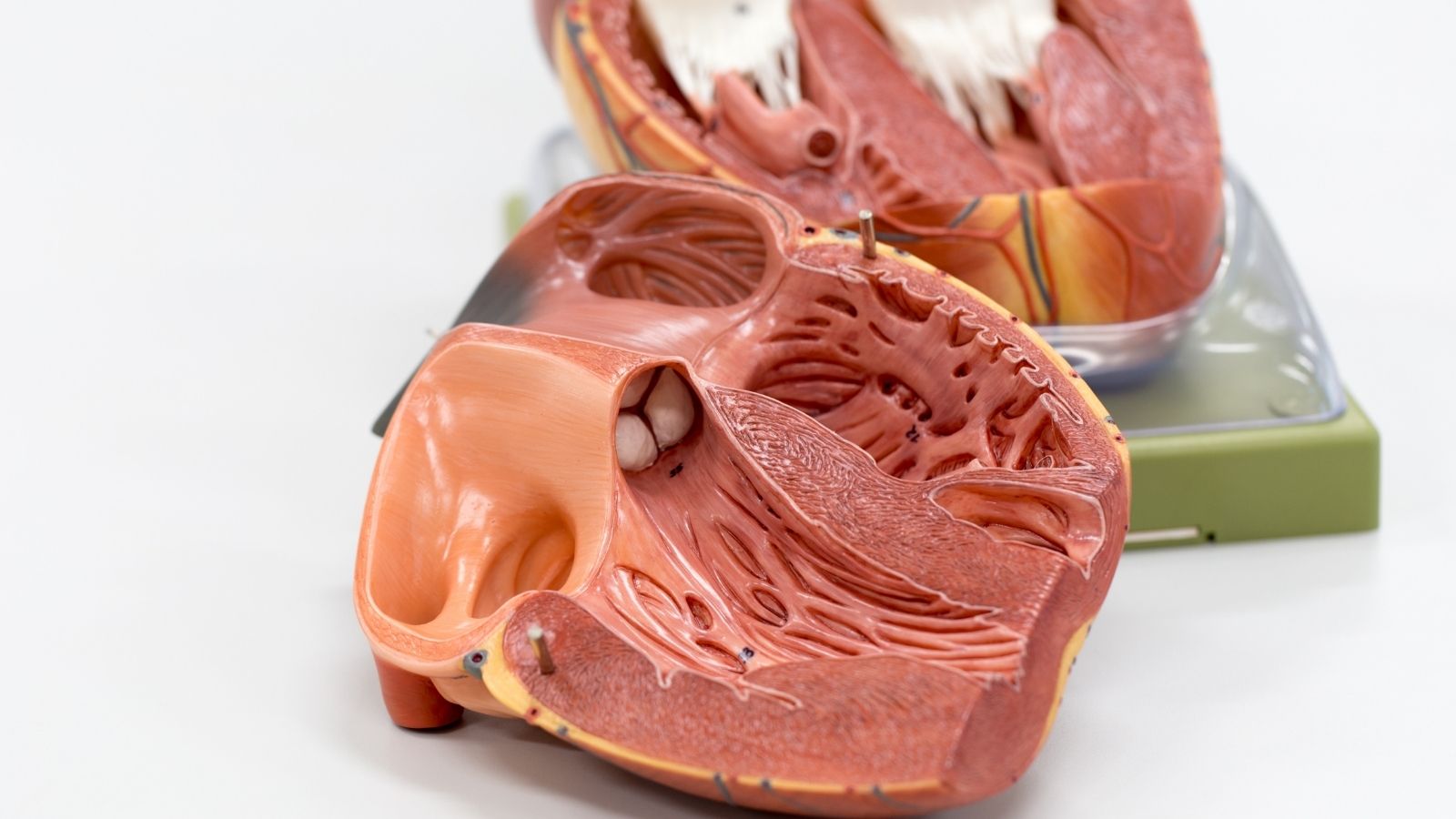
Women’s hearts and the coronary vessels that supply them are anatomically smaller and thinner than men’s. This structural difference makes women more prone to a particular heart condition. This condition is called Coronary Microvascular Disease (CMS).
The problem with this disease is not blockages in the large arteries, which can be easily seen on angiography. The problem is that the capillaries, which are invisibly small and regulate blood flow, are not functioning properly. The most dangerous aspect of this condition is that standard angiogram tests usually come back “clean” or “normal”. Even when the result is normal, the woman continues to experience symptoms such as chest pain, shortness of breath and fatigue. This “hidden” heart disease can delay the correct diagnosis for years, during which time irreversible damage to the heart can occur. This should be especially suspected in women who experience shortness of breath and fatigue without typical chest pain.
Why Menopause Suddenly Increases Heart Attack Risk in Women
Menopause is not only a time in a woman’s life when fertility ends, but also a critical turning point when a protective shield for heart health disappears. In the pre-menopausal period, the body’s naturally produced hormone estrogen works like a superhero.
The heart protective functions of estrogen are as follows:
- Keeps the vessels flexible and loose.
- Provides comfortable blood flow.
- Increases good cholesterol (HDL).
- Lowers bad cholesterol (LDL).
When estrogen levels drop dramatically with menopause, these protective effects disappear. Blood pressure begins to rise, the cholesterol profile deteriorates and blood vessels harden. This is a process by which a woman’s cardiovascular risk profile rises rapidly to reach and even surpass that of men. Although the age range for heart attacks is generally considered to be older ages, early menopause before the age of 40 starts this risky process much earlier. For this reason, the menopausal status of a woman who experiences symptoms of a heart attack at the age of 40 must be questioned.
How Past Pregnancies Can Predict Heart Attack Risk in Women
A woman’s pregnancy history is like a health report card with invaluable clues about her future heart health. Pregnancy is a “cardiovascular stress test” that lasts nine months. During this test, any underlying weaknesses or predispositions in the body’s vascular and metabolic system can be revealed. Some complications during pregnancy are strong precursors for future heart attacks, strokes and heart failure.
The most important of these early warning signals are the following:
- Preeclampsia (pregnancy poisoning)
- Gestational diabetes (gestational diabetes)
- Preterm labor (before 37 weeks)
- Giving birth to a low birth weight baby
- Recurrent miscarriages
It is recognized that women with these problems may have been on an accelerated pathway to heart disease decades before traditional risk factors became available. Therefore, when assessing a woman’s cardiac risk, taking a detailed obstetric history is not optional but an absolute necessity.
How Inflammation in the Body Increases the Risk of Heart Attack in Women
Did you know that the main cause of atherosclerosis, i.e. heart attacks, is actually a chronic inflammatory process? If you have ongoing inflammation anywhere in your body, it is constantly irritating the lining of your blood vessels. This irritation facilitates and accelerates the formation of fatty deposits called plaques on the vessel walls.
Some autoimmune and inflammatory diseases, which are more common in women, create this chronic inflammatory state, significantly increasing the risk of heart attack. In these diseases, the body’s immune system mistakenly attacks its own tissues, in this case the vascular system.
Some of these conditions that increase heart risk are listed below:
- Rheumatoid Arthritis
- Systemic Lupus Erythematosus (Lupus)
- Psoriasis
- Inflammatory Bowel Diseases (Crohn’s, Ulcerative Colitis)
Managing the cardiovascular risk of a woman with one of these diseases is as important as managing the disease itself and requires close collaboration between the rheumatologist and cardiologist.
How Stress and Depression Physically Trigger Heart Attack Risk in Women
Mental and heart health cannot be separated; they are inseparable. Twice as common in women as in men, depression and chronic stress are not only a mental problem but also a physical threat that directly damages the heart.
The mechanisms behind this connection are both physiological and behavioral. Chronic stress causes the body to remain in a constant “fight or flight” mode. This causes stress hormones such as adrenaline and cortisol to remain at high levels in the bloodstream. These hormones increase heart rate and blood pressure, facilitate blood clotting and trigger inflammation in the blood vessels. Over time, this tires and wears out the heart and blood vessels.
Behaviorally, it is much more difficult for a person who is depressed or under intense stress to maintain healthy lifestyle habits. Feelings of lack of energy, lack of willpower and fatigue may prevent them from exercising regularly or preparing healthy meals. They may turn to smoking, alcohol or unhealthy foods to cope with stress. For these reasons, taking care of mental health and seeking professional help to manage depression and stress is one of the most essential heart protection strategies for women.
What Lifestyle Changes Can Women Make to Reduce the Risk of Heart Attack?
The good news is that the majority of cases of coronary heart disease in women can be prevented or delayed with the right lifestyle choices. This means you can take the wheel of your own health. It is most effective to create a personalized plan tailored to your own risk profile under the guidance of an expert, rather than relying on general advice.
Review Your Diet: Your table can be your heart’s greatest medicine or its worst enemy.
You can add the following to the list of heart-friendly foods:
- Fatty fish such as salmon, sardines
- Nuts such as walnuts, almonds, hazelnuts
- Avocado
- Olive Oil
- Dark green leafy vegetables such as spinach, kale
- Whole grains such as oats, quinoa, buckwheat
- Forest berries (blackberries, blueberries)
- Flaxseed
Here are the ones you should avoid or minimize:
- Processed foods containing trans fats (margarine, chips, crackers)
- Processed meat products such as salami, sausage, pepperoni
- Sugary drinks and ready-to-drink juices
- Refined carbohydrates such as white bread, rice
- Excess salt
Move Your body is designed to move. Aim for at least 150 minutes of moderate-intensity (brisk walking, swimming, cycling) or 75 minutes of high-intensity (jogging, brisk dancing) aerobic activity per week. Finding an activity you love is the key to sustainability.
Other Important Steps: A healthy lifestyle is a whole.
The other parts of this whole are:
- Maintaining a healthy weight
- Quit smoking completely
- Limiting alcohol consumption (one glass a day for women)
- Learning techniques such as yoga and meditation to manage stress
- Getting enough and quality sleep
What is the Role of Medical Therapies in Heart Attack Risk Management in Women?
Lifestyle changes are the foundation of heart protection. But in cases of high risk or existing disease, evidence-based medical treatments play a vital role. Statins for high cholesterol and antihypertensive drugs for high blood pressure are the cornerstones of these treatments. It is essential that these medicines are prescribed by a specialist to the right patient, at the right dose and at the right time.
At this point, it is worth mentioning one of the most controversial issues in women’s health: Menopausal Hormone Therapy (HRT). HRT is not recommended to prevent heart disease. Its role is to manage severe menopausal symptoms (such as hot flushes, night sweats). However, this treatment also has risks and is not suitable for everyone. It can be dangerous to start hormone therapy, especially in women who are many years past menopause or have known cardiovascular disease. Deciding on HRT is a highly personal and nuanced decision that requires careful weighing of the benefits and risks with a specialist.
Remember, your risk profile is unique to you. Partnering with an expert who will listen to your own story, symptoms and concerns is the most proactive step you can take towards a healthier and longer life. Be empowered with knowledge and take control of your health.
Frequently Asked Questions
Do women have a different heart attack than men?
Yes, heart attack symptoms in women are often more insidious and atypical. Fatigue, nausea, back or jaw pain may occur instead of chest pain.
Are women at risk for heart attack?
Yes, the risk increases especially after menopause. In women, the decrease in the hormone estrogen loses its protective effect.
What are the common symptoms of a heart attack in women?
Chest tightness, shortness of breath, nausea, cold sweats, dizziness, fatigue and anxiety are common symptoms.
Why are women diagnosed later?
Since the symptoms are not typical, both patients and healthcare professionals may think of other diseases instead of a heart attack.
Which age group of women is more at risk?
women over 55 years of age are at increased risk, but risk factors such as diabetes and hypertension also increase the risk in younger women.
Do birth control pills increase the risk of heart attack?
Birth control pills can increase the risk of blood clots and lead to heart attacks, especially in women who smoke.
Does pregnancy affect heart attack risk?
Although rare, heart attacks can occur during pregnancy. The risk is especially increased in women with pre-eclampsia and hypertension.
Why do women miss heart attacks?
Symptoms can be mistaken for stomach upset, stress or panic attacks. This leads to delayed diagnosis.
Are there specific tests for heart attacks in women?
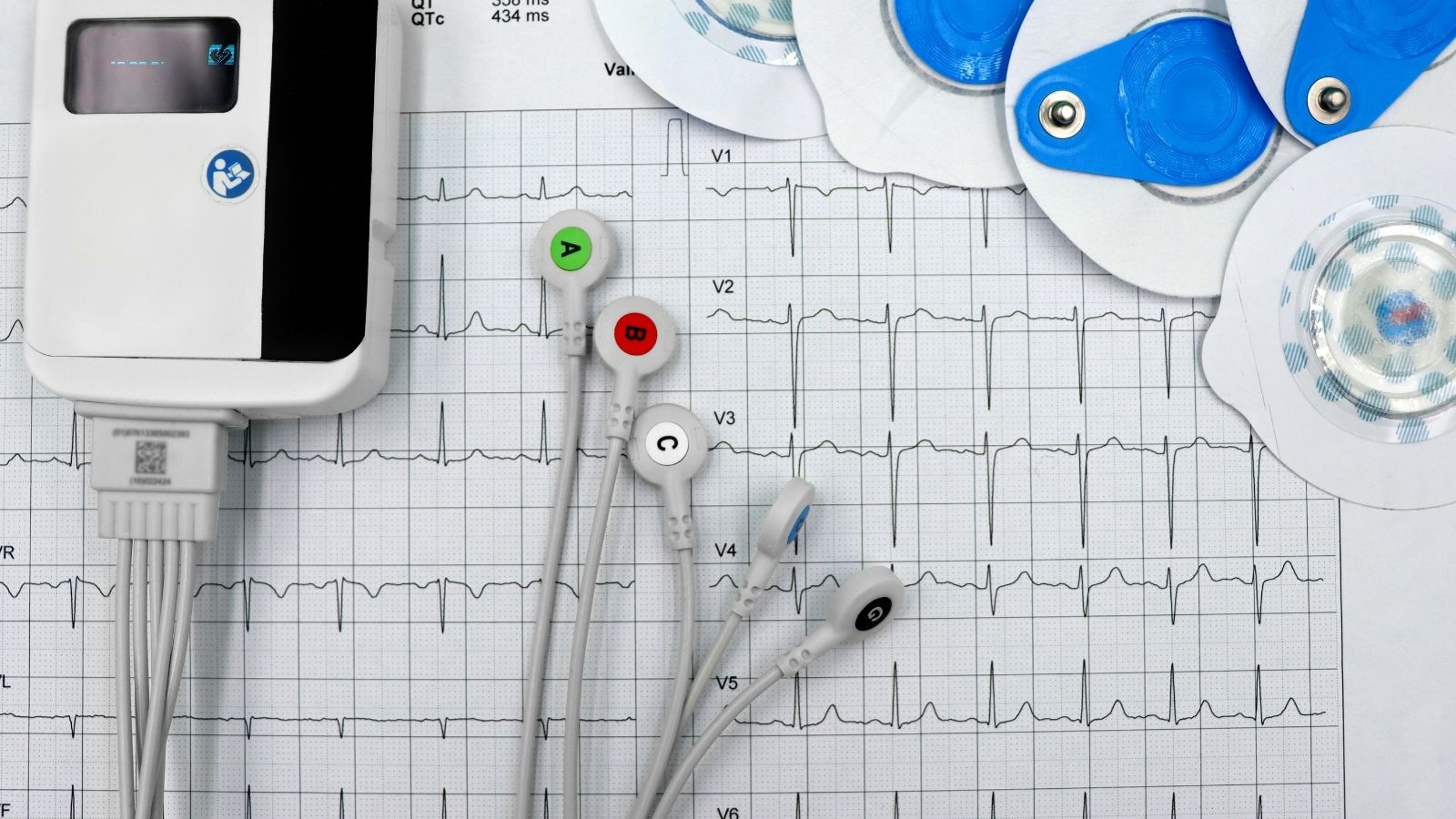
Diagnostic methods are the same as for men: ECG, troponin test, echocardiography and coronary angiography are used.
What is the recovery process after a heart attack in women?
Although physical recovery is similar, depression and anxiety are more common in women; psychosocial support is important.
What are preventive measures for women?
Healthy diet, regular exercise, smoking cessation, blood pressure and sugar control, stress management are effective measures.
How does menopause affect heart disease risk?
The drop in estrogen levels after menopause increases the risk of atherosclerosis and heart attack.
Are women more likely to die after a heart attack?
Yes, research shows that women have a higher mortality rate after a heart attack than men.
When do women return to normal after a heart attack?
Physical recovery usually takes 6-8 weeks. But emotional recovery may take longer.

Prof. Dr. Yavuz Beşoğul graduated from Erciyes University Faculty of Medicine in 1989 and completed his specialization in Cardiovascular Surgery in 1996. Between 1997 and 2012, he served at Eskişehir Osmangazi University Faculty of Medicine as Assistant Professor, Associate Professor, and Professor, respectively. Prof. Dr. Beşoğul, one of the pioneers of minimally invasive cardiovascular surgery in Türkiye, has specialized in closed-heart surgeries, underarm heart valve surgery, beating-heart bypass, and peripheral vascular surgery. He worked at Florence Nightingale Kızıltoprak Hospital between 2012–2014, Medicana Çamlıca Hospital between 2014–2017, and İstinye University (Medical Park) Hospital between 2017–2023. With over 100 publications and one book chapter, Prof. Dr. Beşoğul has contributed significantly to the medical literature and is known for his minimally invasive approaches that prioritize patient safety and rapid recovery.