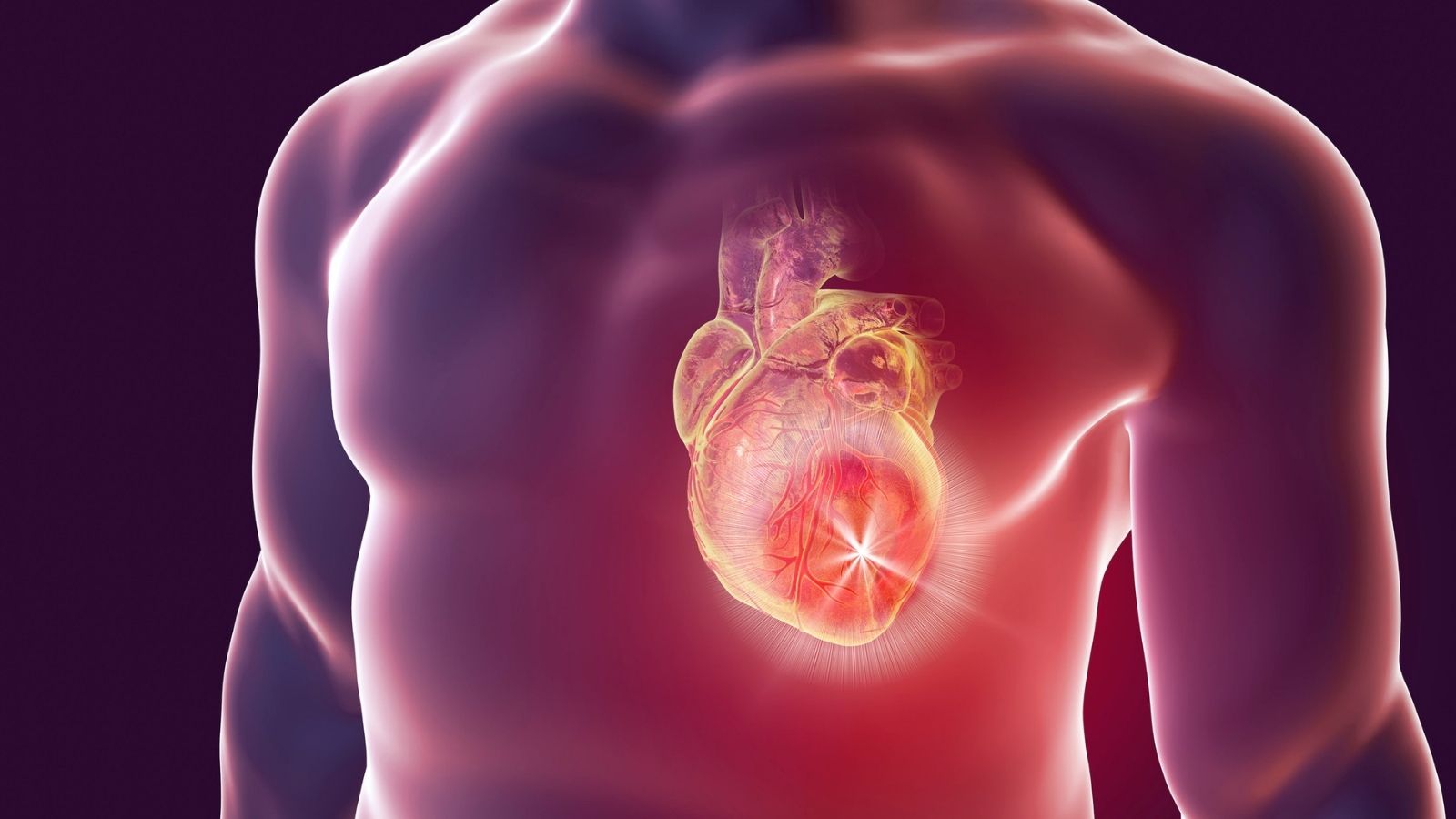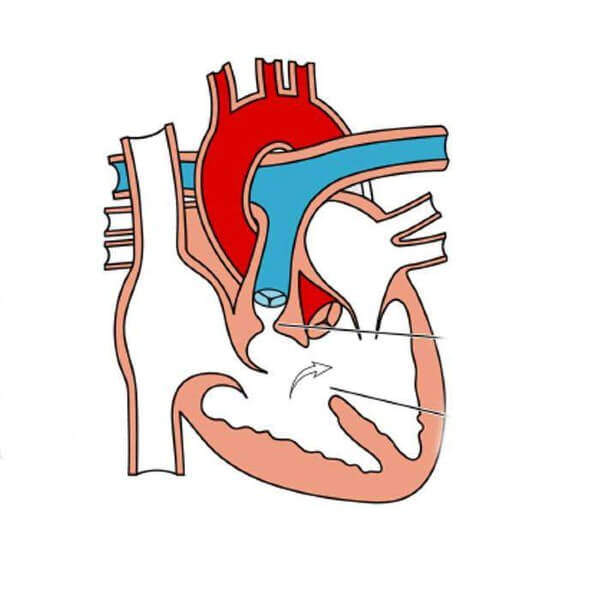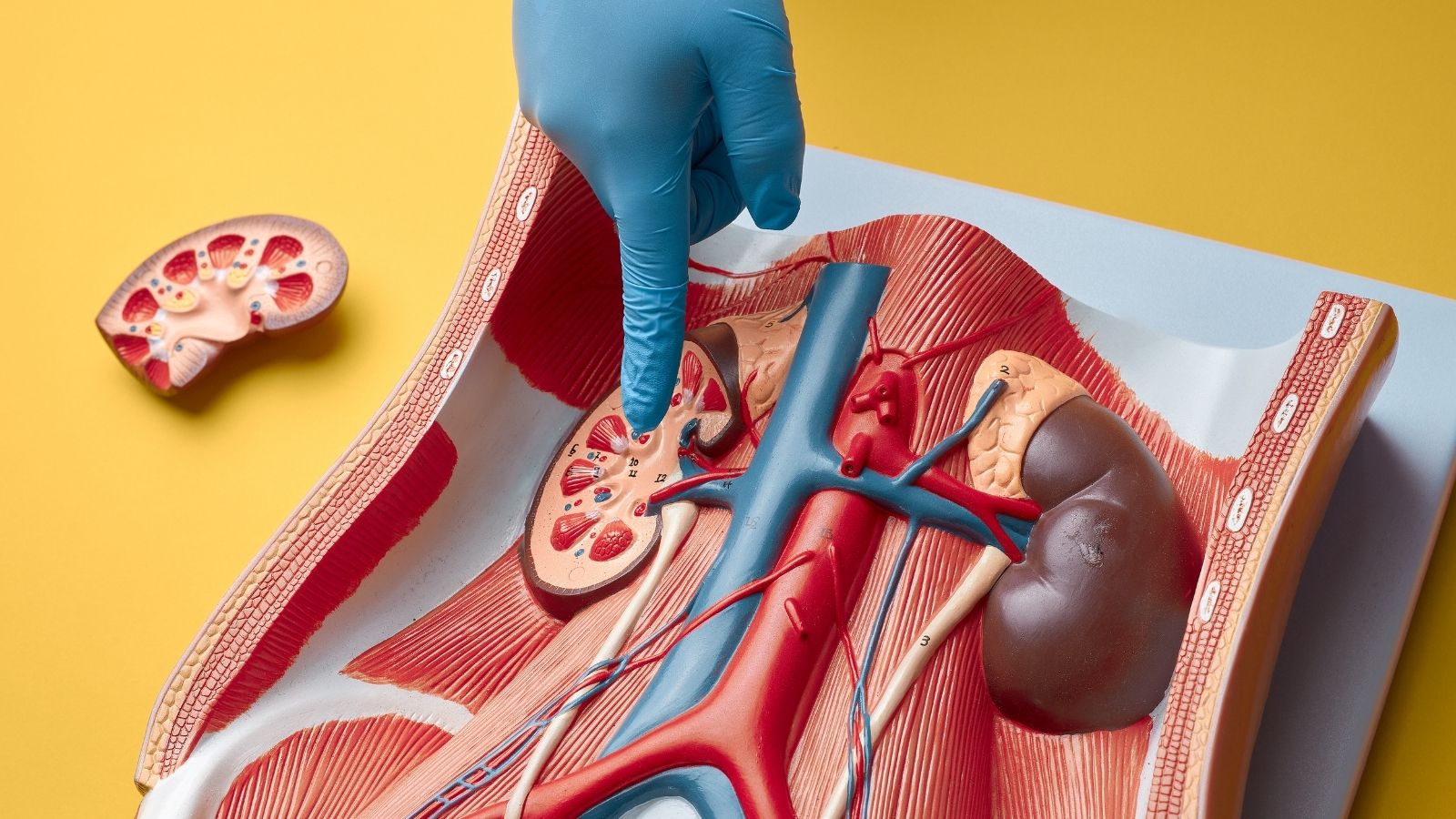
Life after heart valve surgery involves a structured recovery period, with gradual improvement in physical condition. The type of valve replacement or repair significantly influences long-term outcomes and patient adaptation.
Daily life adjustments include adhering to prescribed medications such as anticoagulants, following a heart-healthy diet, and attending regular medical check-ups. These measures are crucial for preventing complications and ensuring valve longevity.
Patients may experience temporary fatigue, chest discomfort, or emotional stress after surgery. Participation in cardiac rehabilitation programs supports both physical and psychological recovery, improving overall quality of life.
Long-term prognosis depends on valve type, underlying heart condition, and lifestyle modifications. With proper care, most patients achieve stable cardiac function and maintain an active lifestyle for years.
How Does the Hospital Process Work After Heart Valve Surgery?
The first days after surgery are a critical period when the body needs to be most closely monitored. This process usually involves two phases: intensive care and the surgical ward.
As soon as the operation is over, the patient is taken directly to the intensive care unit (ICU). This is a department where specially trained nurses and doctors are on duty and body functions are monitored moment by moment. This environment can seem a bit scary at first. It is normal to have many screens, devices and cables around. These devices continuously measure heart rate, blood pressure, the amount of oxygen in the blood and other vital values. It is also part of the process to be connected to a ventilator to help breathing, or to have thin tubes called drains to drain fluids that build up in the chest. As the anesthesia wears off, pain begins to be felt. It is very important not to hide the pain and to report it to the nurse, because effective pain control speeds recovery. The stay in intensive care usually lasts 1 to 2 days, depending on the patient’s condition.
When the condition stabilizes, i.e. the basic functions of the body have stabilized, the patient is admitted to the surgical ward. This marks the passage of an important stage on the road to recovery. The patient now begins to participate more actively in the recovery process. With the help of the healthcare team, it is important to gradually become more mobile, first sitting on the edge of the bed, then taking a few steps around the room and eventually taking short walks in the corridor. Maintaining lung health is vital during this period. To prevent sputum accumulation in the lungs and complications such as pneumonia, coughing and deep breathing exercises with a pillow to support the chest should be practiced regularly. The total hospital stay can vary from 5 to 10 days, depending on the type of surgery and the speed of recovery.
What Are the First Weeks at Home After Heart Valve Surgery?
Going home is a new chapter in the healing process. Being at home after the safe atmosphere of the hospital environment can be a little worrying at first, but this is the time when the body most needs to rest and repair itself.
During the first 4 to 6 weeks, the feeling of tiredness can be quite overwhelming. Even the smallest activity may feel tiring as the body spends most of its energy on healing. It may take 1 to 2 months for the energy level to return to normal. Therefore, it is essential to listen to the body and take a break when tired. It is also normal to have pain in the chest, back and shoulders due to the surgery. These pains usually gradually decrease within 4-6 weeks.
Pain control is a necessity not only for comfort but also for healing itself. Once the pain is under control, you can move more easily, take walks and perform deep breathing exercises, which are vital for the lungs, more easily. This helps prevent serious conditions such as blood clots and pneumonia, which are considered risks after heart valve surgery.
Some common situations during this period are as follows:
- Sleep problems
- Loss of appetite
- Changes in the sense of taste
- Constipation
Especially since it takes about 6-8 weeks for the sternum to heal, it is necessary to sleep on your back during this time. Sleeping on your side can put pressure on the bone. Care of the wound site is also critical to prevent infection. It is usually sufficient to wash the wound gently every day with warm, soapy water and then dry it thoroughly. Avoid applying cream or lotion on the wound or rubbing it.
When and How Should I Start Physical Activity After Heart Valve Surgery?
Movement after surgery is as important as the medicine itself. But you need to find the right balance: neither too passive nor too hasty. Return to physical activity should be gradual and controlled.
The cornerstone of this process is walking. Walking stimulates blood circulation, strengthens muscles, cleanses the lungs, prevents constipation and most importantly boosts morale and motivation. You can start with short walks of 5-10 minutes, several times a day after returning home. Each day this time and distance should be slowly increased to a level where no fatigue is felt.
The most important limitation concerns the preservation of the sternum. It takes 6-8 weeks for this bone to fully fuse. In this process, movements that can damage the bone should be avoided.
What to avoid during the first 6 weeks:
- Driving a car
- lifting anything heavier than 5 kilograms (e.g. a full grocery bag, a small child)
- Movements that require pushing or pulling (e.g. using a vacuum cleaner, mowing the lawn)
- Trying to get out of bed or chair using the arms
things to Consider Between 6-12 Weeks:
During this period, the sternum has largely healed but is still not at full strength. Walking pace and distance can be increased. With the doctor’s approval, you can start driving a car. However, it is still necessary to avoid strenuous activities:
- lifting objects heavier than 10 kilograms
- Strenuous exercise such as running, brisk cycling
- Sports that suddenly strain the chest muscles such as golf, tennis
3 Months Later:
With the doctor’s approval, you can gradually return to most normal activities and sports. However, listening to the body’s signals is always the most important rule. If any of the following symptoms occur during activity, it is necessary to stop and rest immediately and consult a doctor if they do not go away within 20 minutes:
- Chest pain or feeling of pressure
- Shortness of breath
- Dizziness
- Irregular or rapid heartbeat
Why is Cardiac Rehabilitation After Heart Valve Surgery So Important?
Cardiac rehabilitation is the most important and scientifically proven promoter of recovery after surgery. This is not just an exercise program, but a comprehensive medical treatment under the supervision of a doctor, including education and counseling.
Research shows that patients who participate in cardiac rehabilitation programs have a significantly improved quality of life and a reduced risk of developing new heart problems in the future. The answer to the question of how many years heart valve surgery patients live is largely dependent on participation in these programs and the extent to which lifestyle habits are adopted. These programs enable the patient to safely regain strength, raise awareness about heart health and make lasting lifestyle changes.
The main components of cardiac rehabilitation programs are:
- A personalized exercise plan is created in the presence of physiotherapists, monitoring heart rhythm and blood pressure. In this way, the patient increases his/her strength within safe limits.
- Information is given about risk factors affecting heart health (high blood pressure, cholesterol, diabetes). The correct use of medications and healthy living habits are taught.
- Heart-friendly nutrition plans are created by nutritionists (dietitians). Psychological support is also provided to cope with emotional difficulties such as stress, anxiety and depression, which are common after surgery.
What Should I Pay Attention to in My Diet After Heart Valve Surgery?
Post-operative nutrition plays a critical role both to speed wound healing and to protect the heart in the long term. It is common to experience loss of appetite or changes in the sense of taste in the first weeks of recovery. During this period, it is best to start with easy-to-digest and nutritious foods that will not tire the body. For example, soups, boiled chicken, yogurt, oatmeal are a good start.
Once appetite has returned to normal, the goal should be to make a heart-friendly eating pattern permanent. This model is very similar to the Mediterranean diet.
A Must-Have on Your Table:
- Fresh fruits (especially berries)
- A wide variety of vegetables (colorful ones like spinach, broccoli, tomatoes)
- Whole grains (whole wheat bread, bulgur, oats)
- Lean protein sources (chicken, fish, turkey)
- Vegetable proteins (beans, lentils, chickpeas)
- Healthy fats (olive oil, avocado, walnuts, almonds)
- Oily fish rich in omega-3 (salmon, tuna, sardines) at least twice a week
What to Avoid or Limit:
- Salt (Sodium): Salt causes water retention in the body and increases blood pressure, which increases the burden on the heart. Therefore, processed foods, canned foods, pickles and fast food products should be avoided. Salt should be used sparingly during cooking and the habit of adding extra salt at the table should be abandoned.
- Sugary Foods and Drinks: Products such as ready-made fruit juices, carbonated drinks, pastries, packaged biscuits and cakes can lead to both weight gain and inflammation.
- Processed Meat Products: Products such as salami, sausages and pepperoni contain high levels of sodium and saturated fat.
- Saturated and Trans Fats: The fatty parts of red meat, butter, full-fat dairy products and especially fried foods have a negative impact on cholesterol levels.
What Medications Should I Take After Heart Valve Surgery?
Postoperative medication is vital to maintain the health of the new valve and facilitate the work of the heart. The most important part of this treatment is blood thinners (anticoagulants). These prevent clots from forming on the valve or inside the heart. If a clot breaks off and travels to the brain, it can cause a stroke; if it travels to other organs, it can cause serious damage. The risk of death and serious consequences, such as disability, from heart valve surgery is largely due to complications from these clots, and drug therapy exists to minimize this risk.
The type of blood thinner to be used and the duration of use depends on the type of valve implanted.
- Mechanical Valves: Since they are made of synthetic materials such as metal and carbon, they are perceived as foreign by the body and the risk of clots forming on them is higher. For this reason, patients with mechanical valves must take a strong blood thinner such as Warfarin (Coumadin) for life. This is a rule that should never be interrupted.
- Biological Valves: These valves are usually made from bovine or porcine heart membranes and have a much lower risk of forming clots. For this reason, it may be sufficient for these patients to use blood thinners for a short period of time, usually only for the first 3 months after surgery, and then switch to a milder drug (e.g. aspirin) at the doctor’s discretion.
Patients taking warfarin should have a regular blood test called INR. This test measures the clotting time of the blood and shows whether the dose of the medicine is set at the right level. It is very important to keep the INR level within the target range. Low levels increase the risk of clots and high levels increase the risk of bleeding.
Typical INR target ranges are as follows:
- Mechanical Aortic Valve: 2.0 – 3.0
- Mechanical Mitral Valve: 2.5 – 3.5
- Biological Valve (for the first months): 2.0 – 3.0
It is a mistake to completely eliminate vitamin K-rich green leafy vegetables (such as spinach, kale, broccoli) from the diet while taking warfarin. It is important to always keep the intake of these foods at approximately the same level. Sudden and large changes in diet can affect the INR level.
When Can I Return to Daily Life After Heart Valve Surgery?
One of the issues that everyone is most curious about after surgery is when they can return to normal life. This process varies according to the speed of the person’s recovery and the nature of their work, but the general timeline is clear.
- Driving It is usually recommended to wait 4 to 6 weeks as the sternum needs to heal sufficiently. The criterion is that no pain in the chest is felt when a sudden brake or steering maneuver is made. A doctor’s approval must be obtained.
- Return to Work Those who work in a desk-based, non-strenuous job can usually return to work within 6 to 8 weeks. However, those who work in heavy jobs that require physical strength may need to wait at least 3 months for the sternum to strengthen.
- Sexual life: Sexual activity can usually be resumed after 6 to 8 weeks, when the body is strong enough. As a general rule, a person who can climb two flights of stairs without difficulty or take a brisk walk for 15-20 minutes has sufficient effort capacity for sexual activity. It is recommended to prefer positions that do not put pressure on the chest.
- Traveling Shortly after surgery, you can travel as a passenger in a car. On long journeys, it is important to take a break every hour and walk for a few minutes to reduce the risk of blood clots. A doctor’s approval is required for air travel. In simple and uneventful healing processes, short flights can be allowed after 2-4 weeks, while in more complex cases this can take up to 8 weeks.
Are Emotional Fluctuations After Heart Valve Surgery Normal?
Heart surgery is a major event that affects not only the body but also the soul. It is very common and normal to experience emotional ups and downs in the postoperative period. Many patients experience similar concerns, and if you look at the comments of those who have had mitral valve surgery or the experiences of other valve patients, you can see how common this emotional process is.
Here are some of the emotional states that patients may experience during the recovery process:
- Sudden bouts of sadness and crying
- Worry and anxiety
- Irritability and quick temper
- Pessimism about the future
- Depression in more serious cases
These emotional fluctuations can last for weeks, sometimes even months. It may surprise the person and those close to them that they are still mentally fragile while physically recovering. It is important to be patient and give yourself time.
Here are some steps to help with emotional healing:
- Share your feelings with family and friends.
- Establish a simple routine every day, such as getting dressed, taking a short walk.
- Accept that recovery is a process and that there will be good and bad days.
Do not hesitate to seek support from a specialist (psychologist or psychiatrist) if necessary. Untreated depression can slow physical recovery.
What Long-Term Follow-Up is Required After Heart Valve Surgery?
Treatment is not over when the surgery is finished. Regular medical follow-up is essential to ensure that the new or repaired valve will function properly for life. These follow-ups allow us to detect and intervene in potential problems at an early stage, before they become symptomatic:
The first check-up is usually 1-2 weeks after discharge, then 6-8 weeks later. Afterwards, as long as there are no problems, a cardiologist check-up is scheduled at least once a year.
The most important tool for this follow-up is the echocardiography (ECHO) test. This test allows the heart and valve to be visualized with ultrasound to assess their function. The frequency of ECHO follow-up depends on the type of valve.
The recommended ECHO follow-up program is generally as follows:
- Mechanical Valve: Since these valves are not structurally impaired, routine ECHO is usually not required every year unless the patient has a complaint (shortness of breath, palpitations, etc.). Follow-up is planned according to symptoms.
- Biological Valves: These valves may wear out over time and their function may deteriorate. To detect this deterioration at an early stage, a yearly routine ECHO is highly recommended.
- Valve Repair: A follow-up is usually performed in the first year to monitor the performance of the repaired valve. If the condition is stable, follow-up intervals can be increased to 2-3 years.
What Danger Signs Should I Watch Out For After Heart Valve Surgery?
During the recovery process, it is vital to keep track of changes in the body and know what constitutes an emergency. Patients are often afraid to “bother the doctor”, but the following symptoms should never be ignored. The answer to the question, is heart valve surgery risky, is yes, like any major surgery, there are risks and these symptoms can be a harbinger of those risks.
Call your doctor if you
- fever exceeding 38°C
- Increased redness, swelling, increased temperature or purulent discharge from the wound site
- Pain, swelling, tenderness and redness in the leg (usually one leg) (may be a sign of Deep Vein Thrombosis)
- Increasing swelling of the feet, ankles or legs
- Sudden weight gain of more than 1.5-2 kg in a day or more than 2.5 kg in a week
- Feeling that your heart beats irregularly, very fast or with a misfire (palpitations)
Call 112 or go to the emergency room IMMEDIATELY in the following situations:
- Sudden onset of severe pain in the chest that feels like pressure, squeezing or crushing
- Chest pain accompanied by cold sweating, nausea, dizziness
- Pain radiating to the left arm, jaw, back or shoulder
- Sudden and severe shortness of breath
- Difficulty speaking or understanding
- Sudden shift in the face
- Sudden weakness or numbness in the arm or leg (especially on one side of the body)
- Sudden loss of consciousness or fainting
- Cough with blood
Prof. Dr. Yavuz Beşoğul graduated from Erciyes University Faculty of Medicine in 1989 and completed his specialization in Cardiovascular Surgery in 1996. Between 1997 and 2012, he served at Eskişehir Osmangazi University Faculty of Medicine as Assistant Professor, Associate Professor, and Professor, respectively. Prof. Dr. Beşoğul, one of the pioneers of minimally invasive cardiovascular surgery in Türkiye, has specialized in closed-heart surgeries, underarm heart valve surgery, beating-heart bypass, and peripheral vascular surgery. He worked at Florence Nightingale Kızıltoprak Hospital between 2012–2014, Medicana Çamlıca Hospital between 2014–2017, and İstinye University (Medical Park) Hospital between 2017–2023. With over 100 publications and one book chapter, Prof. Dr. Beşoğul has contributed significantly to the medical literature and is known for his minimally invasive approaches that prioritize patient safety and rapid recovery.