
 Türkçe
 Deutsch
Coronary bypass surgery on a working heart is an advanced surgical technique that is performed while your heart continues to beat, without ever stopping its natural rhythm. In this modern approach to heart surgery, new vascular pathways (bypass) are created to restore blood flow to your blocked coronary arteries without connecting the body’s blood circulation to a machine. Its basic philosophy is to maintain the body’s own physiological balance and reduce the stress of surgery by eliminating the use of a heart-lung pump. This method is an important alternative that aims to make the bypass surgery process safer and more comfortable in appropriate patient profiles.
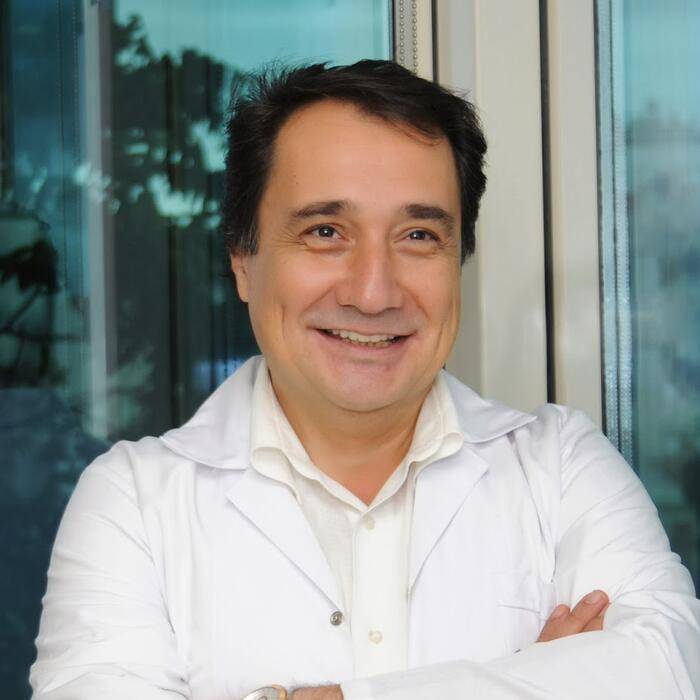
Prof. Dr. Yavuz Beşoğul
>Turkey’s Cardiovascular Surgery Doctor
Why do the vessels in our heart become blocked and what is By Pass Surgery?
You can think of our heart as an amazing engine that sends blood non-stop to every corner of our body. Just like a car engine needs fuel, our heart needs oxygenated and nutrient-rich blood to do its hard work. The vessels that carry this precious blood are called “coronary arteries”. These vessels surround the surface of the heart like a crown.
However, over the years, especially with factors such as dietary habits, lifestyle and our genetic heritage, deposits called “plaques” can form on the inner walls of these vessels. These plaques gradually narrow the arteries, just like lime deposits in an old water pipe. When the narrowing reaches a certain level, the heart muscle cannot get enough blood. This may first manifest itself in symptoms such as chest pain with exertion or shortness of breath. If a plaque suddenly cracks and completely blocks a blood vessel, it can lead to a life-threatening condition called a heart attack.
This is where the answer to the question “what is bypass surgery” comes into play. Bypass literally means “bridging” or “going around”. When medicines or stents are not enough to open the blocked vessel, we surgically create a new pathway – a bridge – to allow blood to reach beyond the blocked area. We usually use your body’s own healthy blood vessels to build this bridge. This restores your heart muscle to the vitalizing blood it needs. Bypass surgery remains the most permanent and effective solution in the long term, especially for patients with multiple blocked arteries or a critical stenosis in the main artery of the heart.
Which Methods Are Used for Coronary Bypass Surgery?
There are basically two different philosophical methods for performing bypass surgery. One is the traditional method, in which the heart is stopped, and the other is the modern approach, in which the heart is allowed to work in its natural rhythm. Both have the same goal: to restore blood supply to your heart. But the paths they follow to achieve this goal are different.
- Traditional Surgery (Heart Stop)
In this procedure, your heart is temporarily stopped with special medication so that the surgeon can make the delicate stitches as safely and comfortably as possible. Of course, your body does not run out of blood in the meantime. a sophisticated device called a “heart-lung machine” takes over your blood circulation and breathing completely. This machine takes your blood from your body, enriches it with oxygen and pumps it back into your body. For the surgeon, working in a completely immobilized and bloodless space makes it easier to suture, especially in very thin or hard-to-reach vessels. This is a proven “gold standard” method that has been successfully applied to millions of patients for years.
- Surgery on the Working Heart (Without Cardiac Arrest) (OPCAB)
As the name suggests, this technique does not use a heart-lung machine. Your heart will continue to beat normally throughout the operation. But how is this possible with a moving heart? The surgeon uses specially developed instruments called “stabilizers”. These gently stabilize a small area of your heart, just a few square centimeters to be sutured, using a vacuum. Meanwhile, the rest of your heart continues to pump blood throughout your body. The philosophy behind this method is to protect the patient from the potential side effects of the heart-lung machine, such as damage to blood cells, widespread inflammatory response, and temporary impairment of kidney and lung function. Although it is technically more challenging for the surgeon, it is an approach that can accelerate the healing process in appropriate patients.
How Is Bypass Surgery Performed Step by Step in Working Heart?
Like the harmony of an orchestra, this surgery takes place with the perfect cooperation of the surgeon, anesthesiologist and the entire operating room team. The process proceeds step by step with great care.
First of all, you will be put to sleep safely by the anesthesia team. Throughout the operation, your blood pressure, heart rhythm and all other vital signs will be monitored. To access the heart, your breastbone is usually carefully opened in the midline. This gives the surgeon the best view of every corner of your heart and the vessels that will be used for the bypass. the answer to the question “Is bypass surgery open?” is usually yes, but this “openness” is necessary for a safe and complete intervention on your heart.
The next step is the preparation of the “new vessels”, the grafts that will be used for the bypass. This is done simultaneously with the opening of your chest wall.
What are the ‘new vessels’ (grafts) used in surgery?
The success and longevity of the operation directly depends on the quality of the bridge vessels to be used. Generally, the following veins are preferred:
- Thoracic Artery (LIMA/RIMA)
- Arm Artery (Radial Artery)
- Leg Vein (Saphenous Vein)
Arteries taken from inside the chest wall are considered the “gold standard” of bypass surgery. This is because the structure of these vessels is very similar to that of coronary arteries and they are extremely unlikely to become blocked even after many years. In the modern approach, our aim is to provide you with the longest-lasting solution by using as many arterial grafts as possible. The “no-touch” technique is also very important when using a vein from the leg. In this technique, the vein is removed together with the natural fatty tissue sheath that nourishes and protects it. In this way, the vitality of the vessel is preserved and the risk of long-term blockage can be reduced to levels close to those of arterial grafts.
Once the grafts are prepared, the most delicate stage of the operation begins. The surgeon immobilizes the area of the heart to be bypassed with special stabilizing instruments. He then sutures one end of the new vessel to the healthy area beyond the blocked vessel and the other end to your main artery (aorta) or thoracic artery, the source of clean blood, with very fine threads. During this suturing, the blood flow in the artery is maintained with tiny tubes called “intracoronary shunts” so that the heart muscle is not starved of blood. This small but important detail is one of the modern techniques that minimize the risk of bypass surgery death and heart damage during surgery.
After all the bridges are completed, the stabilizing instruments are removed, bleeding is controlled and your breastbone is securely joined with steel wires to end the surgery.
Who Benefits More from Bypass Surgery in the Working Heart?
Although operating heart bypass surgery (OPCAB) can be performed in experienced hands on a wide range of patients, some patients benefit particularly well from this procedure. These are usually vulnerable patients who find the additional stress of a heart-lung machine more difficult to tolerate. We can list these patients as follows:
- Those with advanced aortic calcification (“porcelain aorta”)
- Those with chronic renal failure
- Those with a history of stroke or transient ischemic attack
- Those with advanced Chronic Obstructive Pulmonary Disease (COPD)
- Elderly patients
- Patients who refuse blood transfusions
In these cases, avoiding a heart-lung machine can significantly reduce serious risks such as post-operative stroke, kidney damage or pulmonary complications.
Are there any situations where this surgery cannot be performed?
Of course, bypass in the working heart is not a suitable option for every patient. In some cases, this technique can be risky and the safety of the traditional method is more important. These are the cases where surgery is absolutely not performed:
- Shock with very low blood pressure going into surgery
- Emergencies requiring CPR
- Life-threatening rhythm disorders that cannot be controlled with medication
- There are also some relative situations where the decision is made based on the surgeon’s experience and the patient’s specific situation.
- The vessels to be bypassed are too small, excessively calcareous or embedded in the heart muscle
- Advanced heart failure where the heart’s pumping power is very low
- Excessive enlargement of the heart (cardiomegaly)
What are the Advantages and Disadvantages?
One of the issues that our patients are most curious about is the differences between these two methods. To make the comparison clearer, let us consider the strengths and weaknesses of each method separately.
What are the Main Advantages of Bypass in the Working Heart (OPCAB)?
The most important benefits of this method are a result of avoiding a heart-lung machine:
- Lower risk of stroke
- Less need for blood transfusions
- Better preservation of kidney function
- Reduction in pulmonary complications
- Shorter intensive care and hospital stay
- Generally faster overall recovery
What are the Challenges of OPCAB and the Advantages of the Traditional Method?
Alongside the advantages of this modern technique, there are also some challenges to consider:
- Requires high technical skills and experience
- Stitch quality may be affected in hard-to-reach vessels
- Risk of incomplete blood supply in cases of inadequate experience (inability to bypass all vessels)
- In some studies, the occlusion rate of grafts may be slightly higher in the long term
The traditional method, on the other hand, allows the surgeon to perform a complete and flawless bypass of all vessels, even in the most challenging cases, as it provides the surgeon with an immobilized and bloodless environment. The choice of method is therefore not a race but a tailor-made job.
What Does the Postoperative Recovery Process Look Like for Me?
Bypass surgery is a major investment in your life and in order to reap the fruits of this investment, you need to manage the recovery process patiently and with the right steps. Knowing what you will encounter on this journey will help you get through the process more easily.
| Recovery Time | Since the heart is not stopped for an average of 10-15 days, the recovery process may be faster in some patients. |
| Advantages of Surgery | Less bleeding, shorter intensive care period, lower risk of neurological complications, faster mobilization. |
| Physical Activity | Light walking is recommended in the first weeks; the process of sternum union is about 4 weeks. |
| Medication Use | Heart protective drugs such as aspirin, beta blockers, statins, ACE inhibitors should be used regularly. |
| Nutrition | A low-fat, salt-free and high-fiber diet that promotes cardiovascular health is recommended. |
| Complications | There is a risk of complications such as infection, rhythm disturbances, graft patency problems. |
| Wound Care | Surgical incision sites should be checked regularly and signs of infection should be monitored. |
| Blood Pressure and Cholesterol Control | It should be kept at ideal levels with regular measurements; it is important for graft survival. |
| Psychological Support | Stress, anxiety and sleep problems may occur after surgery; support should be sought when necessary. |
| Sexual Activity | It can usually be started within 4-6 weeks after physical recovery has been achieved. |
| Smoking and Alcohol | Smoking should definitely be stopped; alcohol should be limited. |
| Vehicle Use | It is usually possible after 4-6 weeks, when the level of reflexes and attention is appropriate. |
| Controls | Regular follow-up is recommended within the first month and then every 3-6 months by cardiology. |
What will the first days in the hospital be like?
As soon as the operation is over, you will be taken to the intensive care unit where you will be closely monitored. You will usually stay here for 1-2 days. When you first wake up, you may have a tube in your throat to help you breathe; this is temporary and will be removed as soon as you can breathe freely on your own. Thanks to modern medicine, fears of not waking up after open heart surgery are extremely rare. Anesthesia and surgical techniques are designed to ensure that you wake up safely and recover as quickly as possible.
After intensive care, you will be transferred to the ward. Here you will gradually start to stand up, take short walks and eat normally. You will usually be able to return home within 4 to 7 days.
What Should I Pay Attention to in the First 6 Weeks After Returning Home?
This period is critical for your breastbone to fully fuse. You should allow your body to recover. The most important points you should pay attention to are the following:
- Take your prescribed painkillers regularly.
- Keep your wounds clean and dry.
- Take short but frequent walks every day.
- do not lift anything heavier than 5 kilograms (about a large water bottle).
- Do not push or pull heavy objects.
- Avoid raising your arms above shoulder level for long periods of time.
- Do not drive a car.
- Do not let those who want to help you pull you by the arms.
What are the Common Emotional States After Surgery?
Having major surgery affects not only the body but also the soul. A review of the testimonials of those who have had bypass surgery shows that many patients go through similar emotional processes. It is perfectly normal to experience some ups and downs during this period:
- Feeling sad or depressed
- Worry and anxiety
- Temporary difficulties with memory and concentration (“brain fog”)
- Sudden mood swings
- Difficulty falling asleep
These feelings are the result of both the physiological stress of surgery and a major change in your life. Do not hesitate to share these feelings with your family, loved ones or your doctor. Seeking professional support if necessary is an important part of your recovery process.
When Can I Go Back to My Normal Life and What Will My Quality Be Like After Bypass?
After the first 6-week sensitive period, your life will slowly start to return to normal. With your doctor’s approval, you can start driving and return to a desk job within 6-8 weeks. For jobs that require physical strength, this can take up to several months.
After a successful bypass surgery, the overwhelming majority of patients completely get rid of complaints such as chest pain and shortness of breath that restricted their lives before surgery. They are able to do activities that used to be difficult for them, such as climbing stairs, walking, and spending time with their loved ones. This means an enormous increase in quality of life.
What Should I Do to Prolong the Life of the Implanted Veins and Live a Healthy Life?
Bypass surgery does not cure atherosclerosis; it only bypasses the blockages caused by it, i.e. it goes around it. The surgery is therefore not an end but a new beginning for a healthy life. It is up to you to prolong the life of the blood vessels and slow down the disease in your other blood vessels. The golden rules for this are the following:
- Definitely quit smoking.
- Adopt a Mediterranean-type diet rich in vegetables, fruits and healthy fats.
- Avoid processed foods, excess salt and sugar.
- Follow the regular exercise program recommended by your doctor (usually brisk walking).
- Take your prescribed blood thinners, cholesterol and blood pressure medications for the rest of your life.
- Take time for stress management.
- Do not neglect your regular medical check-ups.
Remember, the most accurate and safest surgical decision is made by combining your individual characteristics, vascular structure and risk profile with your surgeon’s experience and expertise in this specific field. The aim is always to offer you the best and longest lasting result with the lowest risk.
Blog Yazıları

What Is Thickening of the Heart Muscle (Myocardial Hypertrophy)?
Prof. Dr. Yavuz Beşoğul » Cardiovascular disease » What Is Thickening of the Heart Muscle [...]
Apr

Endocardium (inner lining of the heart)
Prof. Dr. Yavuz Beşoğul » Cardiovascular disease » Endocardium (inner lining of the heart)The endocardium, [...]
Apr
Heart Disease: Types, Causes, and Symptoms
Prof. Dr. Yavuz Beşoğul » General » Heart Disease: Types, Causes, and SymptomsHeart diseases are [...]
Aug
How the Heart Works
Prof. Dr. Yavuz Beşoğul » General » How the Heart WorksThe heart functions as a [...]
Aug

How Many Hours Does Heart Valve Surgery Take?
Prof. Dr. Yavuz Beşoğul » General » How Many Hours Does Heart Valve Surgery Take?Heart [...]
Aug
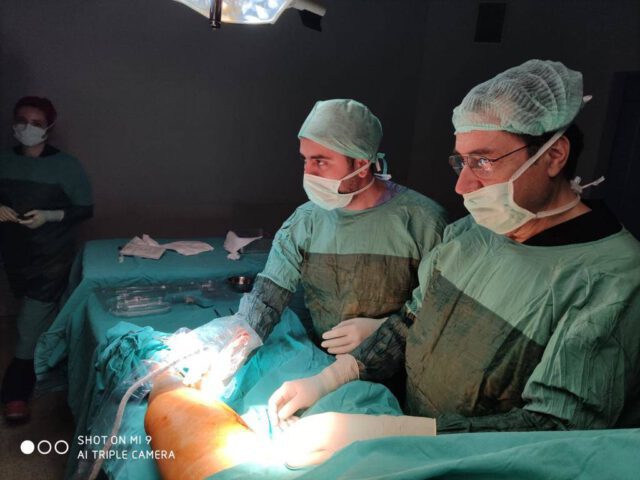
How long does coronary artery bypass (CABG) surgery take?
Prof. Dr. Yavuz Beşoğul » Coronary Artery Bypass » How long does coronary artery bypass [...]
Aug
Kalp Kapak Değişimi Ameliyatı Nedir? Kalp Kapak Değişimi Nasıl Yapılır?
Prof. Dr. Yavuz Beşoğul » Kalp Kapak Hastalıkları » Kalp Kapak Değişimi Ameliyatı Nedir? Kalp [...]
Aug
Kalp Kapakçığı Tamiri ve Kalp Kapakçığı Değişimi Arasındaki Fark
Prof. Dr. Yavuz Beşoğul » General » Kalp Kapakçığı Tamiri ve Kalp Kapakçığı Değişimi Arasındaki [...]
Aug