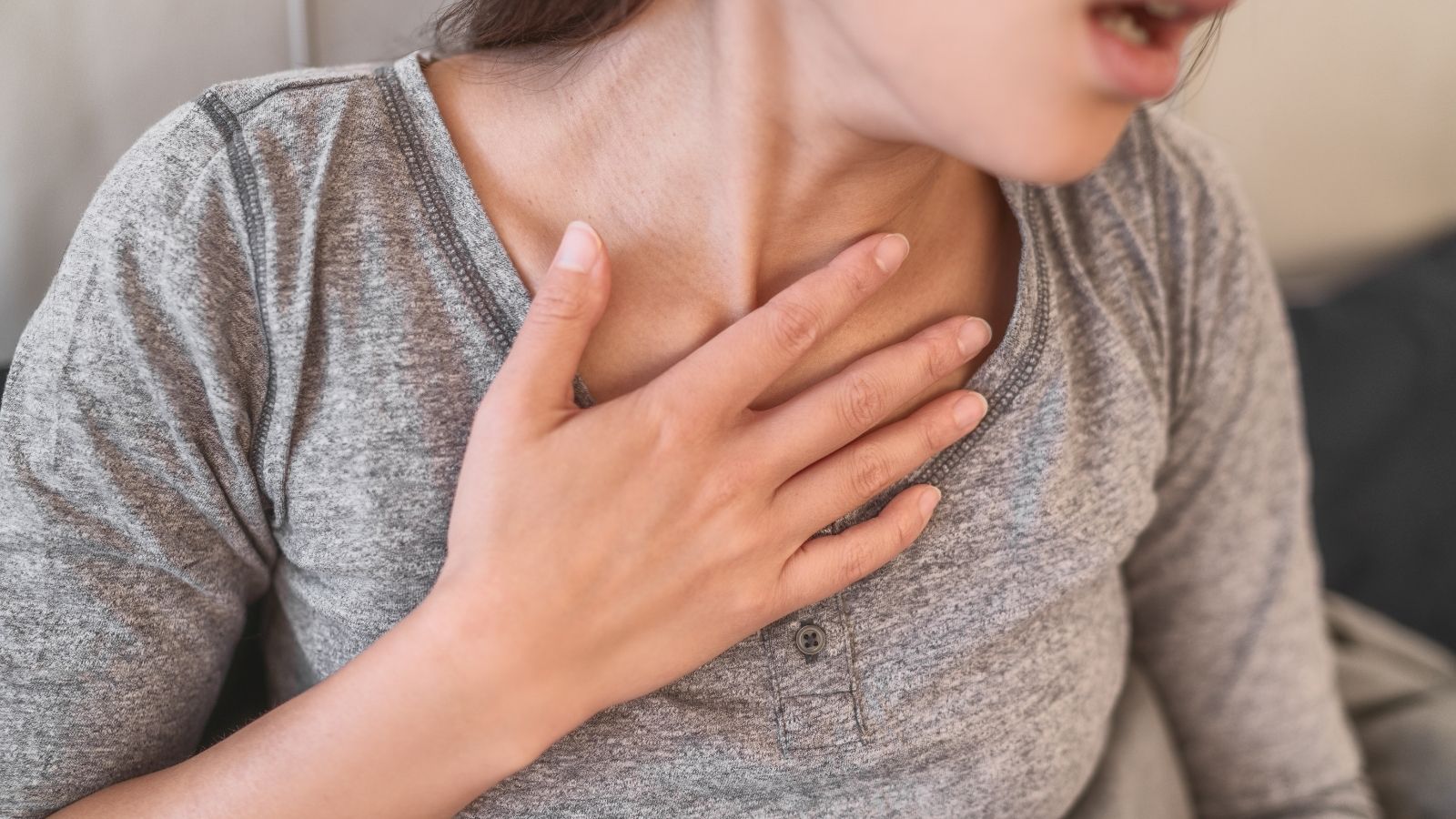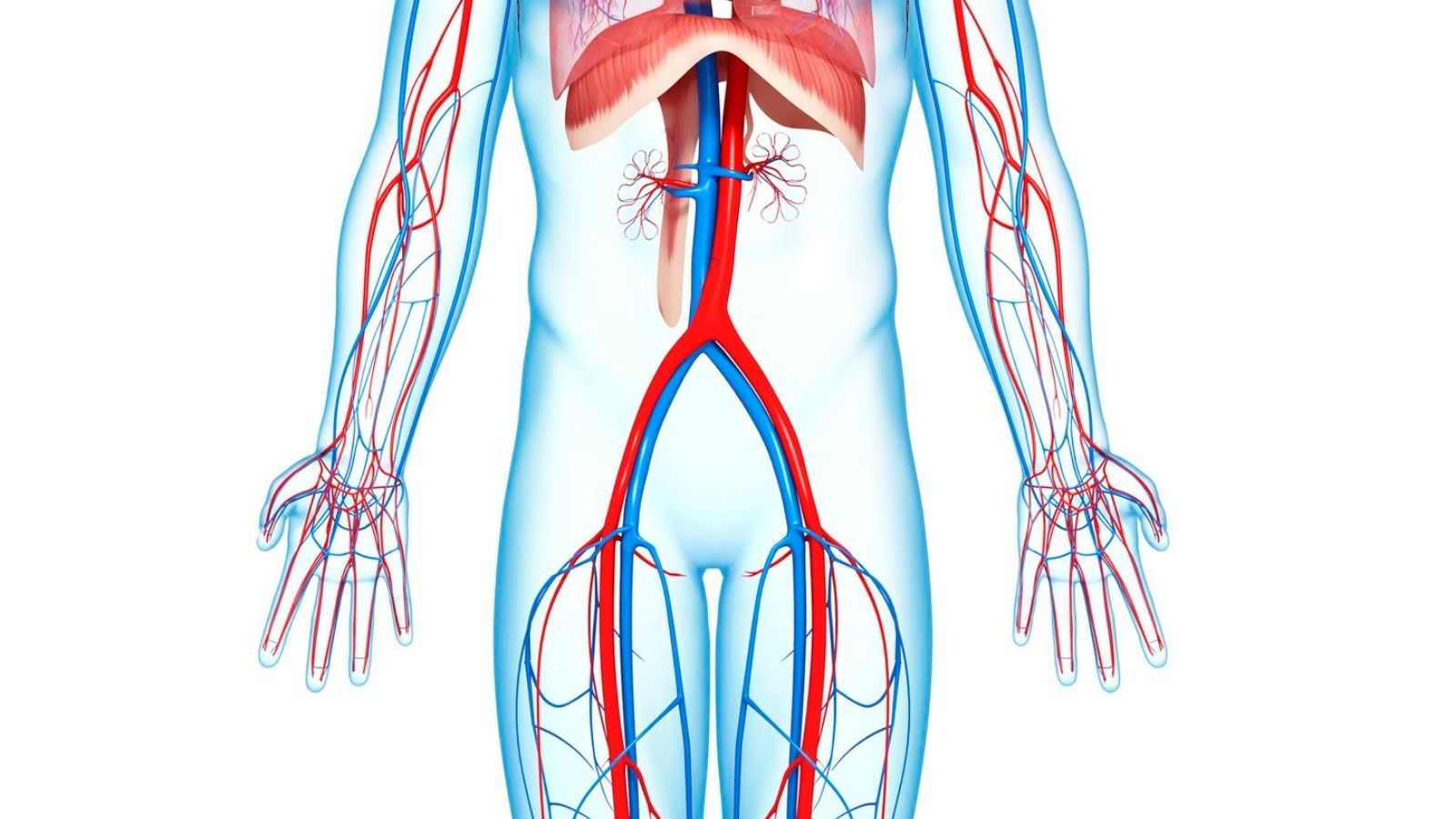


Chest pain is a significant symptom that may indicate cardiac, pulmonary, or gastrointestinal conditions. Its severity and characteristics vary, requiring careful evaluation to differentiate life-threatening causes such as heart attack or pulmonary embolism.
Cardiac-related chest pain often presents with pressure, tightness, or radiation to the arm and jaw. Recognizing these patterns helps in early detection of coronary artery disease and reduces the risk of fatal complications.
Non-cardiac causes of chest pain include musculoskeletal disorders, acid reflux, and anxiety. Comprehensive evaluation through history, physical examination, and diagnostic testing ensures accurate identification of the underlying condition.
Immediate medical attention is necessary for sudden, severe, or persistent chest pain. Early intervention improves survival in cardiac emergencies and prevents long-term complications from delayed diagnosis.
| Common Symptoms | – Tightness, pressure, burning or stinging sensation in the chest – Pain radiating to the left arm, neck, back or jaw – Shortness of breath – Sweating – Nausea, dizziness |
| Causes | – Coronary artery disease (angina, heart attack)- Lung diseases (pneumonia, embolism, pneumothorax)- Musculoskeletal system pain- Diseases of the stomach and esophagus (reflux, ulcer) |
| Risk Factors | – History of heart disease- Hypertension- Smoking- High cholesterol- Diabetes- Obesity- Stress |
| Complications | – Heart attack – Pulmonary embolism – Sudden death (in severe cases) – Heart failure |
| Diagnostic Methods | – ECG- Blood tests (troponin, D-dimer, etc.)- Chest X-ray- Echocardiography- CT angiography, endoscopy if necessary |
| Treatment Methods | – Treatment of the underlying cause – Oxygen and pain control in emergency situations – Interventional procedures or medication if necessary |
| Prevention Methods | – Controlling risk factors for cardiovascular health – Healthy diet and exercise – Quitting smoking and alcohol – Regular medical check-ups |
Which Chest Pain Symptoms Mean “Go to the Doctor Right Now”?
There are certain types of chest pain that it is vital that you do not wait a second when you feel them and seek emergency medical help immediately. These so-called “red flags” are the strongest signs that the underlying condition may be serious. If your chest pain has one or more of these characteristics, you should call 112 immediately.
Here are the main symptoms that may indicate an emergency situation:
- Feeling of pressure, tightness, heaviness or crushing in the chest
- Pain that lasts longer than a few minutes or comes and goes
- Pain radiating to the arms (especially the left arm)
- Pain radiating to the jaw, neck or back
- Shortness of breath that starts suddenly and does not go away with rest
- Unexplained cold sweating
- Dizziness, lightheadedness or fainting
- Nausea or vomiting
- Rapid or irregular heartbeat (palpitations)
- Intense anxiety or a feeling that something bad is going to happen
If you are not sure about the cause of your pain, the safest way is always to seek professional help. “Let me wait a bit, maybe it will pass” is the biggest risk when it comes to a vital organ like the heart.
How Does a Classic Heart Attack Feel and Where Does Chest Pain Hit?
The classic picture that comes to mind when we think of a heart attack is the uncomfortable sensation felt in the center of the chest, behind the bone known as the “faith bone”. People who experience this sensation often describe it as “like an elephant is sitting on my chest”, “like a belt is squeezing my chest” or “there is an overwhelming heaviness”. This pain is actually a distress signal sent to the body by the heart muscle, which is deprived of oxygen. Because the blood supply is cut off, the muscle literally cannot “breathe” and this is transmitted to the brain as a severe pain signal.
This pain usually does not stay in one spot. Like the branches of a tree, it can spread to different parts of the body. The most common areas are the shoulders, neck, jaw and arms. It is usually felt in the left arm, but it can also be felt in both arms or just the right arm. Sometimes the pain is not felt in the chest at all, but only in the jaw or arm with numbness and pain. This spread is one of the most important clues that pain should be taken seriously.
Why Chest Pain Can Be Different in Women, the Elderly or Diabetics
A heart attack does not always come with the dramatic chest pain we see in the movies. Especially in some groups, the symptoms can be much more subtle and “atypical”. This can lead to delayed diagnosis and loss of valuable time. Therefore, people in these groups and their relatives need to be extra careful.
In women, the elderly and people with long-standing diabetes mellitus, the following symptoms may take precedence over classic chest pain:
- Sudden and extreme fatigue, weakness
- Unexplained shortness of breath
- Pain felt in the back, between the shoulder blades
- Stomach pain, indigestion or heartburn
- Pain felt only in the jaw or neck
- A general state of discomfort and restlessness
These symptoms can easily be attributed to other conditions (e.g. fatigue or stomach upset). However, especially if you have risk factors, taking such unusual and sudden onset of symptoms seriously and consulting a doctor can be life-saving.
What can a “tearing” sensation in the chest or stabbing pain with breathing indicate?
Chest pain does not always indicate a heart attack. Sometimes it can be a sign of other conditions that are just as urgent and dangerous as a heart attack. Two of these are aortic dissection and pulmonary embolism:
Aortic Dissection (Aortic Tear): The aorta, the main artery of our body, is like a giant pipe that distributes blood from the heart to all organs. The wall of this vessel consists of layers. Aortic dissection is when a tear occurs in the inner layer of this wall and the blood seeps between these layers and separates the vessel. This usually causes a sudden onset of “tearing” or “ripping” pain, described as the most intense pain you have ever felt. The pain usually radiates from the chest to the back, between the shoulder blades. High blood pressure is the most important risk factor for this condition and requires urgent surgical intervention.
Pulmonary Embolism (Clot in the Lung): This is when a blood clot, which usually forms in the veins of the legs, breaks off and travels through the bloodstream to the lungs and blocks an artery there. This causes a sharp, stabbing chest pain that starts suddenly and is aggravated by deep breathing or coughing. The pain is often accompanied by severe shortness of breath and sometimes a bloody cough. This is a race against time and a life-threatening situation.
What is the Difference Between a Heart Attack and Angina (Heart Pain)?
Two important terms that come to mind when we think of chest pain are angina and heart attack. Although both are caused by a problem in the heart vessels, there is a fundamental difference between them. We can think of this difference with a plumbing analogy.
Angina: Imagine that there is a narrowing in the blood vessels that supply the heart. When you are at rest, the blood flowing through this narrow vessel may be enough for your heart. But when you walk, climb stairs or get stressed, your heart needs more oxygen. The narrowed blood vessel cannot meet this increased demand and the heart is temporarily “deprived of oxygen”. The pain this causes is called angina. It is like a temporary blockage in a pipe; with rest or sublingual medication, the demand decreases, the blood flow becomes adequate again and the pain goes away. Angina does not cause permanent damage, but it is an important warning sign of a serious underlying problem – atherosclerosis.
Heart Attack In this scenario, the plaque causing the narrowing suddenly ruptures and a clot forms on it, completely blocking the vessel. The blood flow is now completely cut off. It is like a pipe completely blocked and bursts. The heart muscle, deprived of oxygen, starts to die. The pain does not go away with rest and if the vessel is not opened quickly, permanent and irreversible damage to the heart can occur.
How Does Coronary Artery Disease Predispose to Chest Pain?
But why do heart vessels become narrowed or blocked? The answer to this question usually lies in the process of “atherosclerosis”, i.e. arteriosclerosis. We can liken this to the calcification and rusting of clean water pipes in our homes. Over the years, especially under the influence of risk factors such as high cholesterol, high blood pressure, smoking and diabetes, fat and lime deposits called “plaque” form on the inner wall of blood vessels.
Initially, these plaques do not narrow the vessel and do not cause any symptoms. However, over time they grow and begin to narrow the inside of the vessel. When this narrowing reaches a certain level, angina pains occur with exertion. The most dangerous scenario is when the thin membrane over these plaques ruptures. The body immediately sends clot cells to repair the tear and the clot completely blocks the already narrow vessel, triggering a heart attack. So chest pain is actually the vocalization of this silent process that has been going on for years.
Can inflammation or structural problems of the heart also cause chest pain?
Yes, cardiac causes of chest pain are not limited to blocked blood vessels. Inflammatory conditions and structural defects in the heart itself or in the surrounding membrane are also important causes of pain.
Types of pain due to inflammatory and structural problems in the heart are as follows:
Pericarditis (inflammation of the pericardium): Inflammation of the membrane surrounding the heart. The pain is usually very sharp, stabbing and stabbing. It increases with breathing, coughing and lying down, and is relieved by leaning forward and sitting. This feature helps to distinguish it from the pain of vascular occlusion.
Myocarditis (inflammation of the heart muscle): Inflammation of the heart muscle itself. Symptoms can closely mimic a heart attack, with chest pain, shortness of breath and palpitations.
Hypertrophic Cardiomyopathy (thickening of the heart muscle): This is a genetic condition in which the heart muscle becomes excessively thickened. The thickened muscle can make it difficult for blood to leave the heart, causing chest pain, especially during exertion.
Aortic Stenosis (Heart Valve Problem): Narrowing of the aortic valve, which is the main valve coming out of the heart. The heart has to work much harder to pump blood through this narrow valve. This leads to a typical chest pain, especially with exertion.
How Do I Know If My Chest Pain Is Coming From The Heart Or Stomach?
The most common cause of non-cardiac chest pain is problems with the digestive system, a condition known as the “great imitator”. Heartburn or acid reflux in particular can be almost indistinguishable from heart pain because of the burning and pressing sensation it creates. This is because the nerves of the heart and esophagus send signals very close to the brain. The brain can also confuse where these signals come from.
Nevertheless, some clues can help to distinguish the source of the pain. The following features increase the likelihood of the pain originating in the stomach:
- Pain in the form of burning and heartburn
- Usually starts after meals or at bedtime
- Increased pain with forward bending
- Bitter or sour water in the mouth
- Accompanied by belching or bloating
- Relief with antacid medicines or drinking milk
On the other hand, if the pain starts with exertion, goes away with rest, is pressing and squeezing, and is accompanied by symptoms such as shortness of breath and sweating, it points to the heart. Remember, however, that this distinction is not always clear and a doctor should always be consulted in case of doubt.
what is the Pain We Say “I Have a Chill in My Chest” and Why Does Sternum Pain Occur?
Commonly used phrases such as “I have a chest cold” or “I have a draft” are not actually a medical diagnosis. The underlying cause of pain described in this way is often related to the musculoskeletal system. Rib cage pain can be caused by the ribs, the sternum, the cartilages that connect them or the muscles in the chest wall.
Costochondritis: This is the most common cause of “chest cold” pain. It is an inflammation of the cartilage that connects the ribs to the breastbone. The pain is often sharp and can mimic a heart attack. However, the most important distinguishing feature is that when you press a finger on the painful area, the sensitivity increases and the pain reappears. In heart pain, pressing on the chest does not change the pain.
Muscle Strain After an intense bout of coughing, an awkward movement or heavy sports training, the muscles in the chest wall can be stretched or bruised. This causes pain, usually in a single point, which increases with movement, turning or deep breathing.
How Panic Attacks Trigger Chest Pain
Psychological conditions can also cause very real physical symptoms. A panic attack is an anxiety attack that starts suddenly and is accompanied by an intense feeling of fear or distress. The body reacts with a “fight or flight” response, as if it is facing real danger. Adrenaline levels skyrocket, heart rate increases, breathing becomes more frequent and muscles tense. This physiological storm can trigger a very severe chest pain that can be identical to the symptoms of a heart attack. The person may think that they are actually having a heart attack and that they are going to die. It is almost impossible to distinguish chest pain caused by a panic attack from a heart attack without tests in the emergency room.
What are the First and Most Important Tests for Chest Pain?
Following the patient history and physical examination, a patient presenting with chest pain, especially in emergency situations, will immediately undergo some basic tests to clarify the diagnosis.
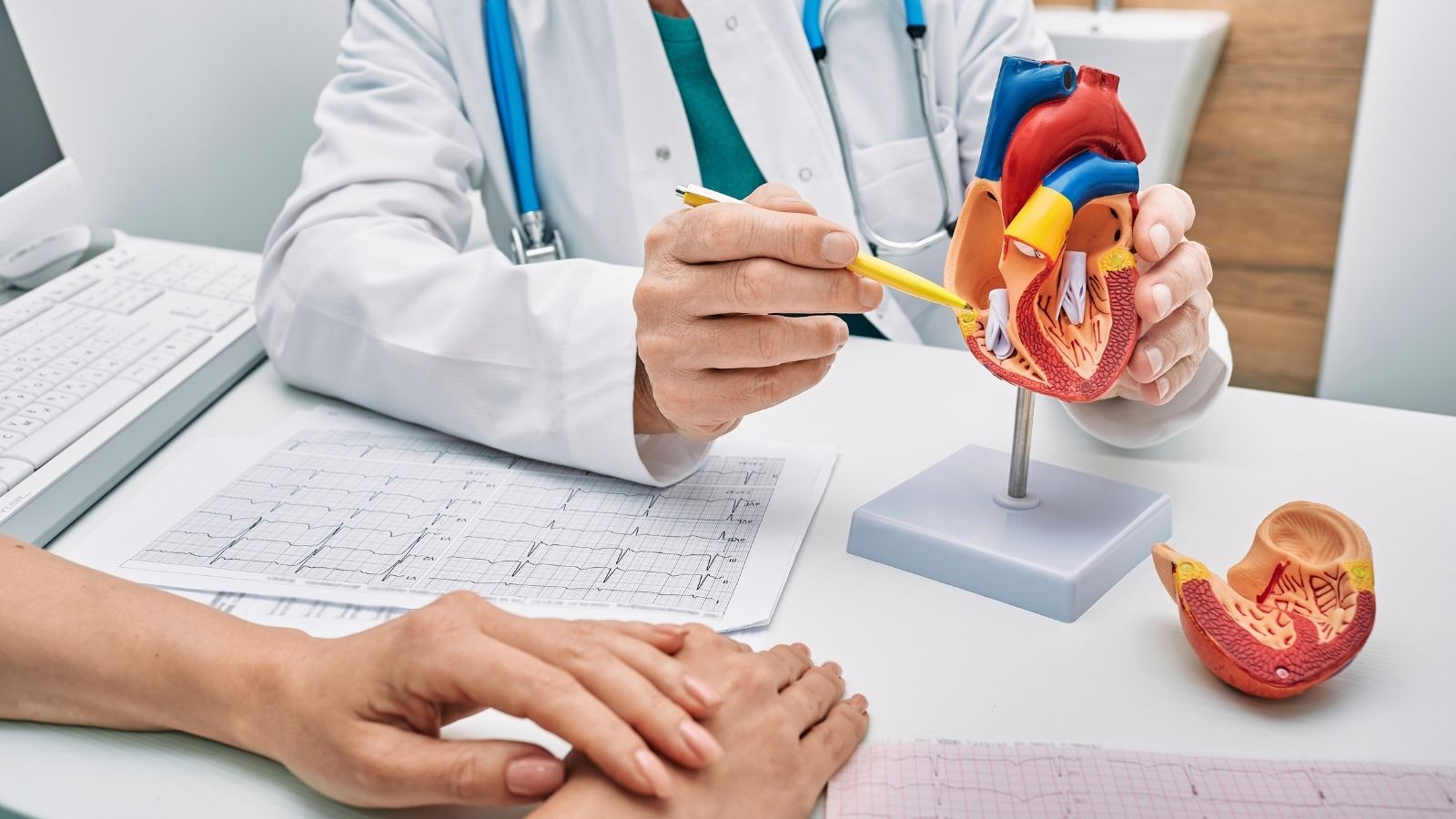
Electrocardiogram (ECG): A quick and simple test that records the electrical activity of the heart on paper. Within seconds, it provides crucial information about conditions such as heart attacks, arrhythmias or pericarditis.
Blood Tests (Cardiac Enzymes): During a heart attack, a protein called “troponin” leaks into the blood from damaged heart muscle cells. Looking at the level of this protein in a blood test confirms for sure whether a heart attack has occurred.
Chest X-ray Provides an overview of the heart, lungs and large vessels. It helps to show causes of lung pain such as pneumonia, lung deflation or signs of heart failure.
When do I need further tests such as echo, stress test or angiography?
If the initial tests are normal or the diagnosis is still unclear, your doctor may refer you for further tests to examine the structure and function of the heart in more detail.
Echocardiogram (Echo): An ultrasound of the heart. Just like the ultrasound used to see the baby during pregnancy, it uses sound waves to create a moving image of the heart. It clearly shows the pumping power of the heart, the functioning of the valves and, in the case of a heart attack, the damaged areas.
Exertion Test: Observing how the heart responds to exertion by walking on a treadmill or cycling. An ECG taken during exertion can reveal vascular stenoses that are asymptomatic at rest.
Coronary Angiography (Angiography): The “gold standard” method for imaging the heart vessels. A thin catheter is inserted through the groin or wrist to access the heart vessels. a dyed liquid called “contrast medium” is injected and a film is taken of the vessels. This method clearly shows the location and severity of the stenosis, like a road map. In addition, appropriate stenoses detected during diagnosis can be treated with a balloon or stent in the same session.
In Which Situations Is Bypass Surgery a Better Option Than Stenting?
When angiography reveals severe stenoses in the heart vessels, there are usually two main options for treatment: Stenting or bypass surgery. Stenting is to open up a single narrowed area by supporting it from the inside like a scaffold. But in some cases, bypass surgery offers a more permanent and better solution.
The conditions in which bypass surgery is preferred are as follows:
- A critical stenosis in the main artery of the heart (left main coronary artery)
- Multiple stenosis in all three main vessels supplying the heart
- Vascular structure is too calcareous or not suitable for stenting
- The patient is also diabetic and has diffuse vascular disease
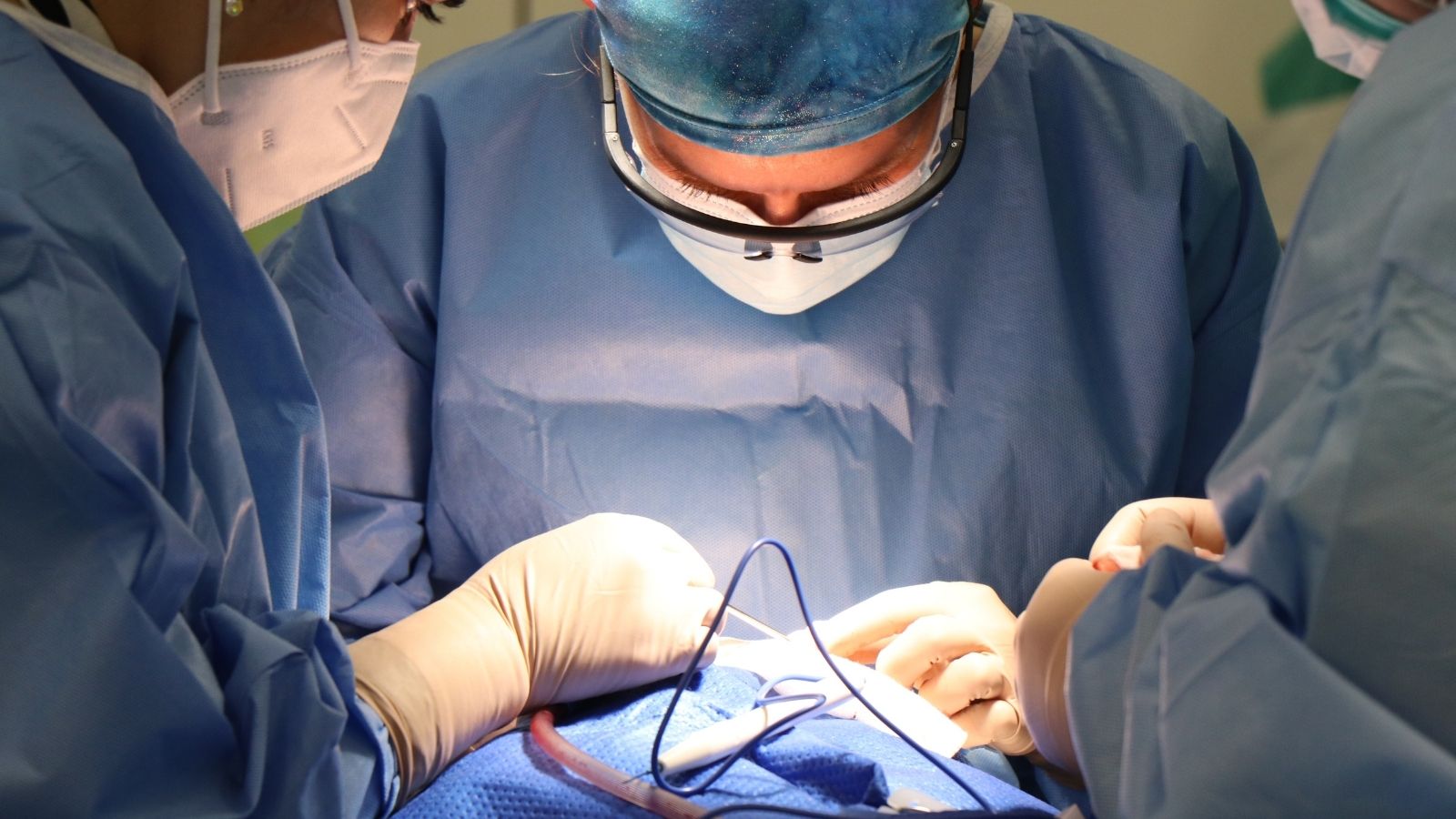
The idea of bypass surgery is that instead of trying to repair the blocked pipe, a new pipeline is laid to carry clean water beyond the blockage. The surgeon takes a healthy blood vessel from another part of the body (usually the chest wall or leg) and connects it to the aorta and to the healthy area beyond the blocked vessel. This allows blood to “bypass” the blockage and reach the heart muscle via a new route. This method provides a more durable solution in the long term, especially for people with complex diseases.
Which Lifestyle Changes Are Most Important for Heart Health?
Modern treatments are life-saving, but none can reverse the underlying process of atherosclerosis. True and lasting health depends on lifestyle changes.
The four most important pillars for maintaining heart health are:
Eating Wisely: This is not a diet list but an eating habit. Fill your plate with fresh vegetables, fruits, whole grains, healthy proteins like fish and healthy fats like olive oil.
Movement Your body is designed to move. Even a brisk walk every day is one of the best investments you can make for your heart.
Cutting Smoking Out of Your Life: Quitting smoking is the single most powerful step you can take to reduce your risk of heart attack. Every puff of a cigarette damages your blood vessels.
Controlling Risk Factors: High blood pressure, high cholesterol and diabetes are “sneaky enemies” that silently damage your arteries for years. Taking these conditions seriously, taking your medication regularly and keeping up with your doctor’s check-ups are key to preventing serious problems in the future.

Prof. Dr. Yavuz Beşoğul graduated from Erciyes University Faculty of Medicine in 1989 and completed his specialization in Cardiovascular Surgery in 1996. Between 1997 and 2012, he served at Eskişehir Osmangazi University Faculty of Medicine as Assistant Professor, Associate Professor, and Professor, respectively. Prof. Dr. Beşoğul, one of the pioneers of minimally invasive cardiovascular surgery in Türkiye, has specialized in closed-heart surgeries, underarm heart valve surgery, beating-heart bypass, and peripheral vascular surgery. He worked at Florence Nightingale Kızıltoprak Hospital between 2012–2014, Medicana Çamlıca Hospital between 2014–2017, and İstinye University (Medical Park) Hospital between 2017–2023. With over 100 publications and one book chapter, Prof. Dr. Beşoğul has contributed significantly to the medical literature and is known for his minimally invasive approaches that prioritize patient safety and rapid recovery.