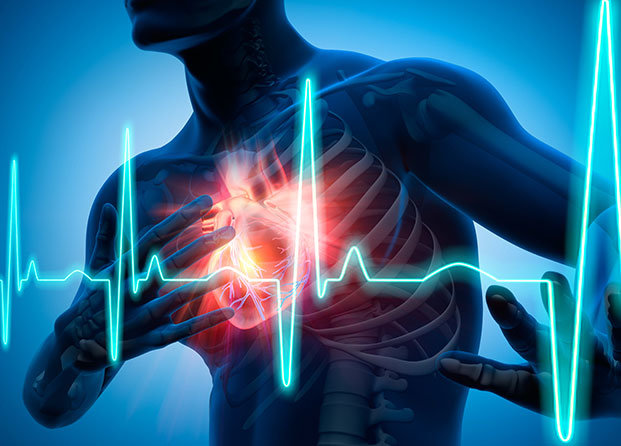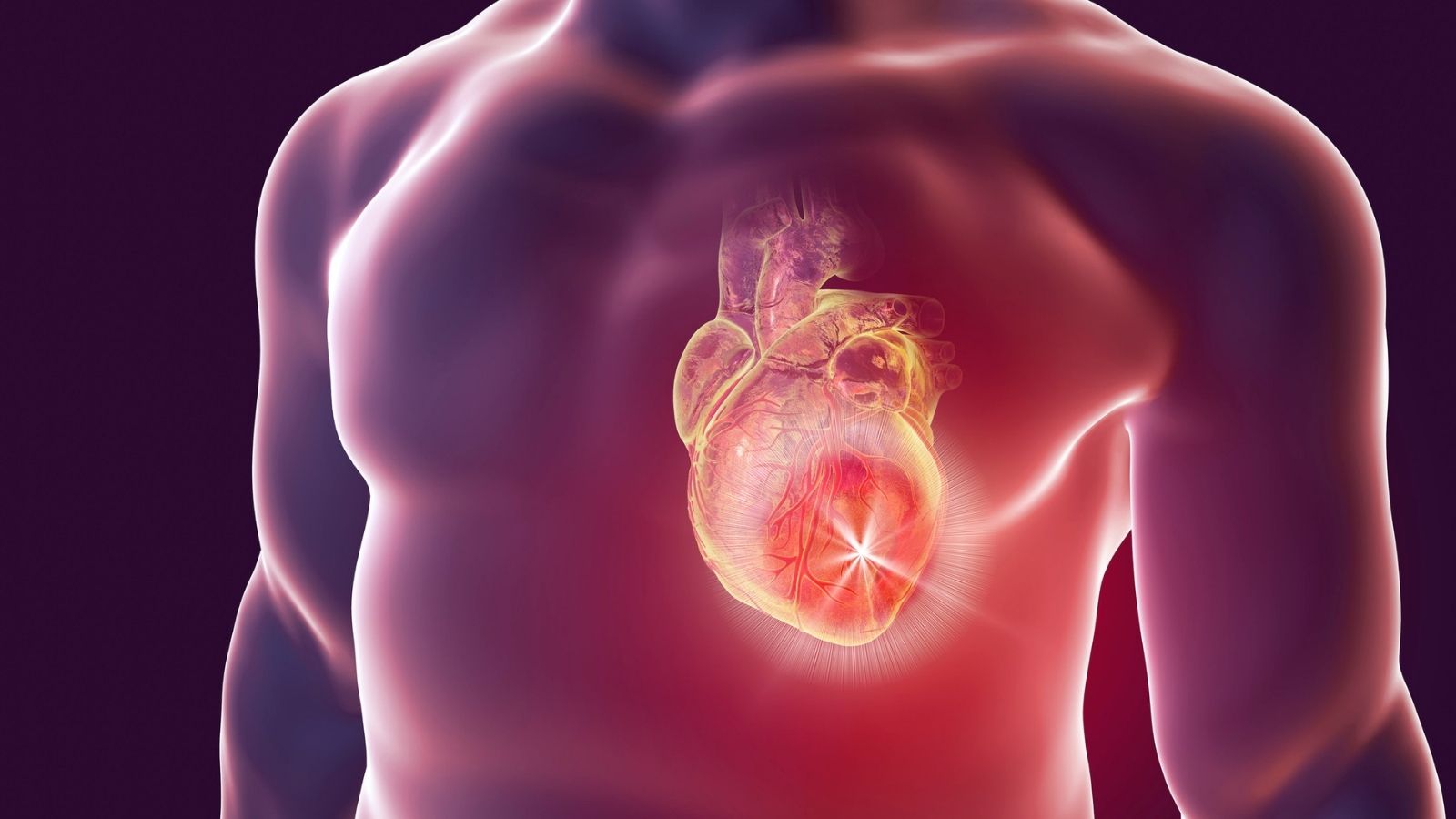


Heart palpitations occur when the heartbeat becomes noticeable, fast, or irregular. Common causes include stress, anxiety, caffeine intake, and hormonal changes, but underlying heart disease may also be responsible.
Cardiac arrhythmias, such as atrial fibrillation or tachycardia, are significant causes of palpitations. These conditions require medical evaluation, as they may increase the risk of stroke or heart failure.
Non-cardiac factors such as thyroid disorders, anemia, and electrolyte imbalances can also trigger palpitations. Identifying and treating the root cause is essential for effective management.
Diagnostic tools like ECG, Holter monitoring, and echocardiography help determine the underlying reason. Timely consultation with a cardiologist ensures appropriate treatment and reduces potential complications.
What is heart palpitations and how do they feel?
A heart flutter is when your heart, which normally works quietly, reminds you of its presence. This is a purely personal feeling rather than a medical measurement. One of two people in the same situation may feel a severe tingling sensation, while the other may not be aware of anything. People who experience this feeling often describe it in different ways.
The most common feelings of distortion are the following:
- The heart beats too fast like a race
- Every shot hits as strong as a hammer
- Irregularity and staggering between beats
- A moment’s pause followed by a powerful hit
- A sensation of pulsation in the chest or throat
The palpitations can occur both on the move and at rest. In fact, many people do not even notice the sensation in the hustle and bustle of the day, but hear the heartbeat much more clearly in moments of quiet and calm, such as heart palpitations that begin when lying down or heart palpitations at night. Although this condition is usually not dangerous, it is important to understand the underlying cause.
Is a Heart Attack Usually a Dangerous Condition?
The answer to this question is most of the time “No”. The vast majority of heart palpitations are benign and usually do not indicate serious heart disease. We can compare our heart to a car engine. Sometimes the engine may misfire slightly in cold weather or with sudden acceleration; this usually does not indicate a serious malfunction. Similarly, the heart can temporarily lose its rhythm in situations such as the following:
- High stress
- Moments of anxiety or panic
- Excess caffeine consumption
- A heavy exercise
However, an engine misfiring, stalling, falling off the power or black smoke coming out of the exhaust are all signs of serious problems that require a visit to a mechanic. Similarly, some of the symptoms that accompany heart palpitations also indicate that the condition should be taken seriously. These symptoms could be a sign of a potentially dangerous arrhythmia, in which case it is vital to seek medical help immediately.
In the Presence of Which Symptoms Should a Doctor be Consulted for a Heart Attachment?
If you are experiencing heart palpitations, the most important question to ask yourself when assessing the situation is: “Besides the palpitations, what else do I feel?”. Depending on your answer, you may need to seek emergency help or make an appointment with a specialist.
If you have any of the following symptoms in combination with a heart palpitations, you should call 112 immediately:
- Pain, pressure or a feeling of tightness in the chest
- Severe shortness of breath
- Fainting (syncope) or feeling like fainting
- Severe dizziness
- Dizziness or confusion
If your palpitations are usually short-lived and are not accompanied by any of the above alarm symptoms, the best approach is to monitor the situation and make an appointment with a cardiologist or cardiothoracic surgeon. It is strongly recommended to consult a specialist, especially in the following cases:
- The occurrence of palpitations more often than before
- Prolonged duration of palpitation attacks
- You have a known heart disease
- A family history of sudden death or serious arrhythmia
Do Lifestyle and Emotional States Cause Heart Palpitations?
Yes, absolutely. Psychological heart flutter and lifestyle-related flutter are the most common types. Rather than damaging the heart’s structure, these factors temporarily stimulate the heart’s sensitive electrical system, causing its rhythm to be disrupted.
Here are some common lifestyle factors that can trigger palpitations:
- High stress and anxiety
- Panic attacks
- Caffeinated drinks such as coffee, tea, cola
- Energy drinks
- Cigarettes and other nicotine products
- Alcohol consumption
- Illegal stimulants such as cocaine and amphetamines
- Inadequate sleep
- Dehydration of the body (dehydration)
Can Medical Conditions Other Than the Heart Cause Heart Palpitations?
Yes, it is. Sometimes a heart flutter is not caused by a problem with the heart itself, but by an imbalance elsewhere in the body. The heart is a part of the body’s orchestra, and a disruption in other systems can affect its rhythm.
Here are some non-cardiac medical conditions that can cause heart palpitations:
- Overactive thyroid gland (hyperthyroidism)
- Anemia (anemia)
- Dangerously low blood sugar (hypoglycemia)
- Febrile diseases
- Electrolyte (potassium, magnesium, etc.) imbalances in the body
- Hormonal changes such as pregnancy, menopause or menstrual periods
- Side effects of some medicines, such as asthma medicines or cold sensitivity medicines
Which heart conditions cause heart palpitations?
A palpitation can also be a sign of an underlying heart condition. These problems are usually divided into two main categories: Problems with the “electrical wiring” of the heart (arrhythmias) and problems with the “physical structure” of the heart (structural heart disease). Often these two conditions are interrelated.
The main heart conditions that can cause heart palpitations are:
Arrhythmias (Rhythm Disorders):
- Atrial Fibrillation (AFib)
- Supraventricular Tachycardia (SVT)
- Ventricular Tachycardia (VT)
- Premature or extra beats (extrasystoles)
Structural Heart Diseases:
- Coronary artery disease
- A previous heart attack
- Stenosis or insufficiency of heart valves
- Diseases of the heart muscle (cardiomyopathy)
- Heart failure
- Congenital heart defects
How Does Atrial Fibrillation (AFib) Induced Heart Attack Occur?
Atrial Fibrillation (AFib) is the most common serious rhythm disorder. Normally, the upper chambers of the heart (atria) contract regularly and pump blood to the lower chambers (ventricles). In AFib, this order is disrupted. The upper chambers “vibrate” with more than 300 chaotic electrical signals per minute. This chaos spreads to the lower chambers and the heart begins to beat both rapidly and completely irregularly. It is this rapid and irregular thumping that the patient feels. The greatest danger of AFib is that blood can pool in the shaking upper chambers and form a clot, which can travel to the brain and cause a stroke.
How Does Supraventricular Tachycardia (SVT) Induced Cardiac Arrhythmia Occur?
Supraventricular Tachycardia (SVT) is a type of sudden heart palpitations that can often occur even in young and healthy people. It creates an extra pathway in the heart’s electrical system, a “short circuit”. When this short circuit is suddenly triggered, an electrical signal enters this loop and the heart suddenly starts beating very rapidly (usually between 150-220 beats per minute) but steadily. SVT attacks start suddenly, like an electric shock, and end just as suddenly. Patients can usually clearly describe the moment when the tingling started and ended.
Why Heart Attack from Ventricular Tachycardia (VT) is Dangerous?
Ventricular Tachycardia (VT) is a potentially life-threatening rhythm disorder that originates in the ventricles, the main pumping chambers of the heart. During VT, the heart beats so fast that it doesn’t have time to fill with blood before each beat. This means that the heart is unable to pump blood effectively into the body. As a result, blood pressure drops dangerously low. VT episodes lasting longer than a few seconds can cause dizziness, blackouts and fainting. If left untreated, it can progress to Ventricular Fibrillation (the heart stops), a more chaotic rhythm. VT is usually seen in people who have a structural problem with their heart, such as those who have had a previous heart attack.
How to Use an Electrocardiogram (ECG) to Diagnose a Heart Attack?
An ECG is a simple and painless test that takes an instant “snapshot” of the heart’s electrical activity. Using electrodes attached to your chest, arms and legs, the signals produced by your heart are plotted graphically on a piece of paper. If your palpitations persist during the test, an ECG can make the diagnosis directly. However, if you don’t have a palpitation at the time, the ECG may come back completely normal. This does not mean that there is nothing wrong; it just means that the problem was not caught at the time. Yet even a normal ECG can give valuable clues, such as traces of a past heart attack.
How is Intermittent Heart Attack Detected with Holter Monitoring?
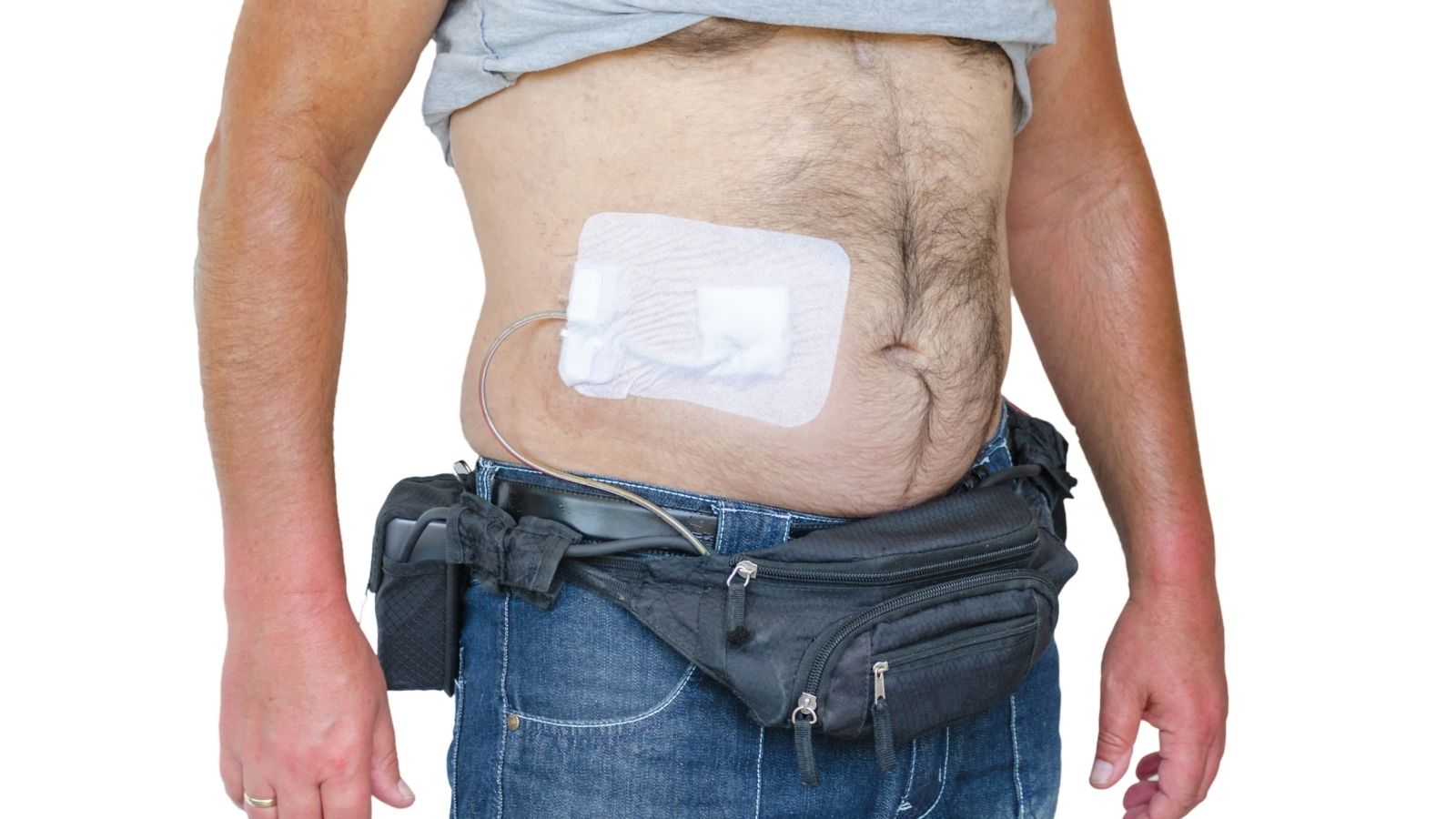
If your palpitations occur sporadically, rather than every day, the snapshot of an ECG is insufficient. In this case, you need a Holter monitor, which takes a 24- or 48-hour “movie” of your heart. This works by attaching electrodes attached to a small recording device that hangs around the waist or neck to your chest. You will be asked to go about your daily life with this device attached and keep a symptom diary. If you experience a sensation such as a palpitation or dizziness, you note the time and what you are doing at that moment. At the end of the period, your day is compared with the recordings on the device to find out for sure whether you actually had a heart arrhythmia at the moments you felt it.
What Devices Are Used for Less Common Heart Arrhythmias?
If your palpitations occur less frequently, such as once a week or several times a month, the 24-hour Holter film may also be insufficient. In this case, devices called “Event Recorders” are used. These devices do not record continuously. When you feel a tremor, you press the button on it to start recording. This makes it possible to keep track for weeks. For much rarer (a few times a year) but serious symptoms (e.g. fainting), implantable impulse recorders (ILRs) are used, which are implanted under the skin in a small operation and can record for up to 3 years.
How to Search for Causes of Heart Attacks with Echocardiogram (ECHO)?
While ECG and Holter examine the heart’s “electrical wiring”, Echocardiogram (ECHO), or ultrasound of the heart, examines its “architecture and motor power”. Using sound waves to create moving images of the heart, this test looks for structural problems that could cause a flutter.
Conditions evaluated with ECHO include the following:
- Stenosis of the heart valves or valve
- Muscle damage due to a previous heart attack
- Thickening of the heart walls
- Enlargement of the heart chambers
- The pumping power of the heart (whether there is heart failure)
When Do I Need Further Tests for a Heart Attack?
If the diagnosis is still unclear after initial tests, further and more detailed tests will be performed.
- Exertion (Stress) Test: This is done to assess the fluctuations that occur, especially with exercise. Your heart’s response to stress is monitored while walking on a treadmill.
- Electrophysiologic Study (EPS): The “gold standard” for diagnosing arrhythmias. In this procedure, a detailed electrical map of the heart is made with special catheters inserted into the heart through a vein in the groin, similar to an angiogram. The exact origin and mechanism of the arrhythmia can be determined using this method. EPS is also the first step in a treatment method called “ablation”.
What Can Be Done for Heart Attack Management at Home?
Many people wonder “what is good for heart palpitations?”. The answer, especially for benign bumps, often lies in some simple changes to your lifestyle.
Here are steps you can take to reduce distortions:
- Learn to manage stress (yoga, meditation, hobbies).
- Reduce or completely cut down on caffeinated drinks.
- Limit alcohol consumption.
- Quit smoking.
- Get regular and quality sleep.
- Drink plenty of water.
- Eat a balanced and regular diet.
- Exercise regularly with your doctor’s approval.
Can stress-induced heart palpitations be reduced with relaxation techniques?
Answer. Stress and anxiety trigger the body’s “fight or flight” mode, causing adrenaline to be released and the heart to speed up. Relaxation techniques, on the other hand, slow the heart rate by stimulating the vagus nerve, which can be thought of as the “brake pedal” of the heart. The answer to the question of how anxiety heart palpitations go away is to learn to use this brake pedal consciously.
Effective relaxation techniques include:
- Slow and deep breathing exercises
- Meditation
- Mindfulness practices
- Yoga
- Tai Chi
How Can Vagal Maneuvers Stop Sudden Cardiac Arrhythmia?
Regular and rapid episodes of palpitations, especially SVT, can be stopped instantly with some simple physical maneuvers. These maneuvers normalize the rhythm by breaking the heart’s short-circuit cycle. However, you should always get approval from your doctor before trying these techniques.
Some vagal maneuvers that can be applied are:
- Taking a deep breath and holding it (Valsalva maneuver)
- Suddenly hitting the face with very cold water
- Pressing a bag of ice on the face
- Coughing loudly
Which medications are used in the treatment of a heart attack?
Drug therapy is used when lifestyle changes are not sufficient or when there is a serious underlying arrhythmia.
The main groups of medicines used are:
- Beta-Blockers: These are the most commonly used drugs, slowing heart rate.
- Calcium Channel Blockers: Similar to beta-blockers, they control heart rate.
- Antiarrhythmic Drugs: They act directly on the heart’s electrical channels to stabilize the rhythm.
- Anticoagulants (blood thinners): They do not treat a stroke, but are used to reduce the risk of clots and stroke in conditions such as AFib.
How to Permanently Treat a Heart Defect with Catheter Ablation?
Catheter ablation is a modern and effective treatment method that aims to eliminate the “short circuit” causing the arrhythmia. During the EPS procedure, once the problem area is identified, it is millimetrically destroyed by radiofrequency (heat) or cryoablation (freezing) energy delivered through the tip of the catheter. This permanently interrupts the path of the abnormal electrical signal and eliminates the arrhythmia with a success rate of over . This method can save patients from a lifetime of medication.
For Which Type of Heart Condition Is a Pacemaker a Solution?
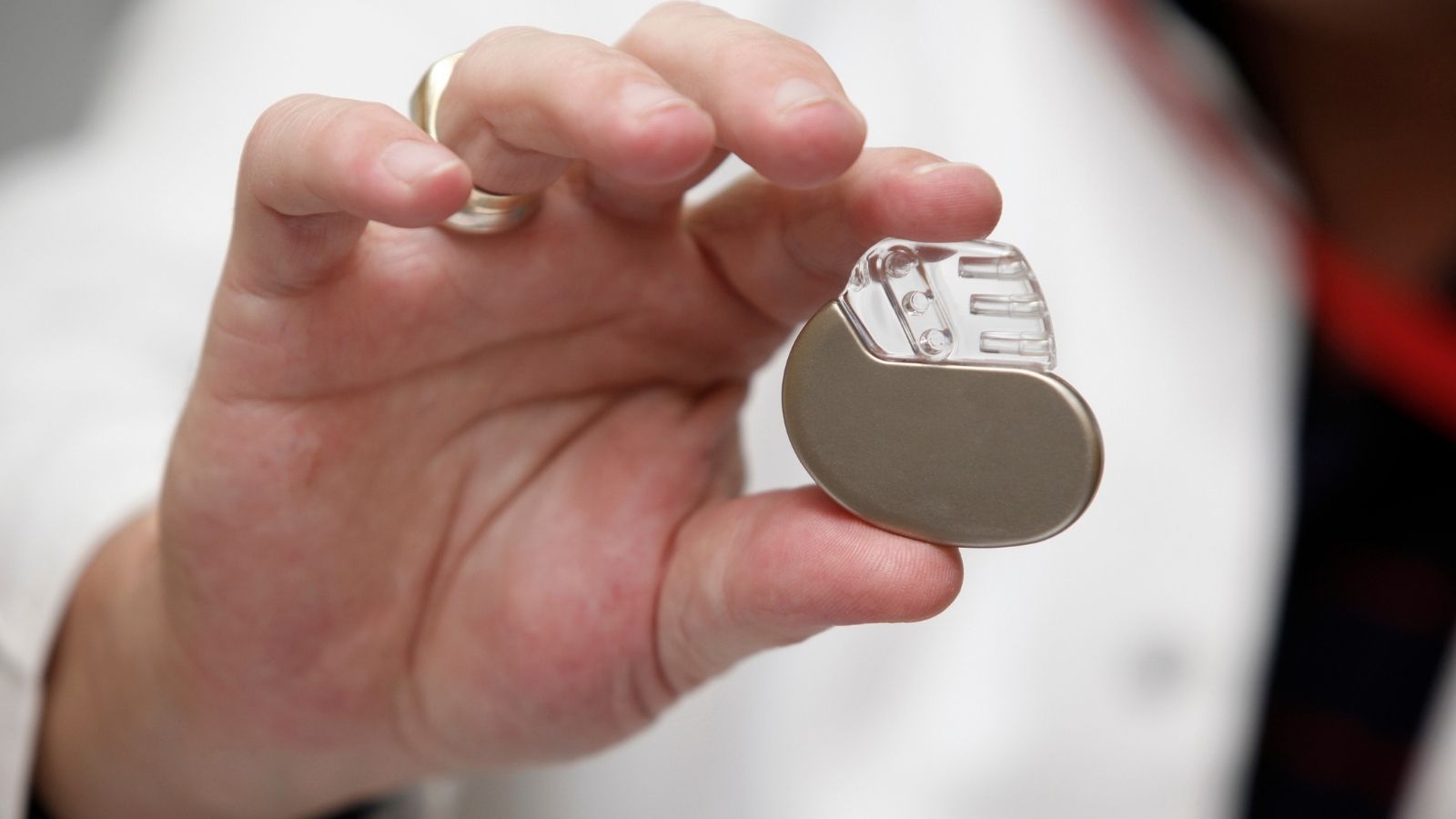
Pacemakers are usually used to treat a condition where the heart beats too slowly (bradycardia), rather than fast rhythms. A small device placed under the bridge bone is activated when the heart rate becomes dangerously slow, allowing the heart to beat at a normal rate. Sometimes they are also used as a “safety net” in cases where the heart beats both very fast and very slow (tachycardia-bradycardia syndrome), to prevent drugs given for a fast rhythm from slowing the heart too much.
How to Detect a Life-Threatening Heart Attack with an ICD Device?
The Implantable Cardioverter Defibrillator (ICD) is like a “guardian angel” against life-threatening arrhythmias such as VT. This pacemaker-like device continuously monitors the heart rhythm. When it detects a dangerous rhythm, it first tries to correct it with small signals. If not successful, it delivers a life-saving electric shock (defibrillation) to “reset” the heart. An ICD does not prevent arrhythmia, but it prevents it from leading to a fatal outcome.
How to Treat Heart Attachment Due to Atrial Fibrillation with Surgical Methods?
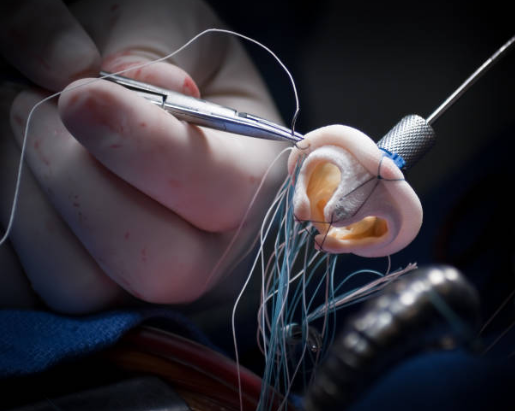
The Maze procedure is an effective surgical method, especially in cases of refractory AFib. It is usually performed in patients who are already going to have open heart surgery for another reason (e.g. valve repair or bypass). During the operation, the surgeon creates controlled scar tissues in a special pattern in the upper chambers of the heart. This “maze” pattern blocks the chaotic signals that cause AFib, allowing the heart to beat regularly again. The procedure also closes the sac called the “left atrial appendage”, which is the main source of stroke in AFib, significantly reducing the patient’s risk of stroke.
Frequently Asked Questions
What is heart palpitations?
It is the feeling of the heart beating faster, irregularly or stronger than normal. In some people, it is described as “heart racing”.
Is heart palpitations normal?
Short-term and infrequent palpitations are usually normal. However, those that recur frequently or are severe require attention.
What are the causes of scarring?
There can be many causes, including stress, caffeine, insomnia, excessive exercise, thyroid disorders, anemia, heart disease, medications and panic attacks.
Is palpitations a symptom of a heart attack?
A palpitation alone rarely indicates a heart attack. But it can be serious if accompanied by chest pain, shortness of breath or fainting.
When is a scarring dangerous?
If accompanied by fainting, dizziness, chest pain or breathing difficulties, urgent evaluation is required.
Is heart palpitations different in women?
Hormonal changes can be felt more often in women during periods such as pregnancy and menopause.
What diseases can tingling be a symptom of?
Arrhythmias can be a symptom of conditions such as hyperthyroidism, anemia, valvular heart disease, panic disorder and hypoglycemia.
How is heart palpitations diagnosed?
ECG, 24-hour rhythm holter, stress test, blood tests and thyroid function tests are used in the diagnosis.
How is the treatment done?
It depends on the cause. Lifestyle changes, drug therapy, rhythm-regulating interventions or surgery may be required.
Are arrhythmia and palpitations the same thing?
A palpitation is the felt form of arrhythmia. Not all palpitations are arrhythmias, but arrhythmias cause palpitations.
Could the imprint be psychological?
Conclusion. Palpitations are common in cases of anxiety, panic attacks and stress.
What to do for a home flutter?
Deep breathing, rest, avoiding caffeine and stressors can help in the first stage. If it recurs frequently, a doctor should be consulted.
Which doctor to see for a heart palpitations?
A cardiologist should be consulted first. If psychological causes are suspected, psychiatric support can be sought.
Can you see a scar at any age?
Yes. It can occur for different reasons in every age group, from infants to the elderly.
What should be considered to reduce the sting?
Caffeine and alcohol consumption should be limited, regular sleep, healthy diet and stress management should be practiced.

Prof. Dr. Yavuz Beşoğul graduated from Erciyes University Faculty of Medicine in 1989 and completed his specialization in Cardiovascular Surgery in 1996. Between 1997 and 2012, he served at Eskişehir Osmangazi University Faculty of Medicine as Assistant Professor, Associate Professor, and Professor, respectively. Prof. Dr. Beşoğul, one of the pioneers of minimally invasive cardiovascular surgery in Türkiye, has specialized in closed-heart surgeries, underarm heart valve surgery, beating-heart bypass, and peripheral vascular surgery. He worked at Florence Nightingale Kızıltoprak Hospital between 2012–2014, Medicana Çamlıca Hospital between 2014–2017, and İstinye University (Medical Park) Hospital between 2017–2023. With over 100 publications and one book chapter, Prof. Dr. Beşoğul has contributed significantly to the medical literature and is known for his minimally invasive approaches that prioritize patient safety and rapid recovery.