


Heart valve surgery is a vital surgery to treat valve problems that impair the functioning of the heart. Heart valve replacement surgery or heart valve replacement surgery is performed when the valve has lost its function. Mitral heart valve surgery and aortic heart valve surgery are the most common valve surgeries. Closed heart valve surgery is performed through smaller incisions, so the recovery time is shorter. The success of hospitals performing closed heart valve surgery depends on the minimally invasive surgical instruments and the experience of the surgeon. Underarm heart valve replacement provides a high degree of comfort in elderly and high-risk patients.
Open heart valve surgery is not practiced much today due to late recovery and complications. The price of heart valve surgery varies according to the type of operation and the quality of the hospital. The price of closed heart valve surgery is usually higher due to the use of minimally invasive surgical instruments. The risks of a second heart valve surgery are higher and require detailed planning. Risks after heart valve surgery include infection, clot formation and rhythm disturbances. The risks of artificial heart valve surgery vary depending on the valve used and patient compliance. Shortness of breath improves after heart valve surgery. The answer to the question of how many days it takes to recover from heart valve surgery varies according to the minimally invasive surgery technique; usually 10-15 days.
Patients try to choose the best heart valve surgeon in Turkey due to the high risks of surgery. For this purpose, they have an idea about the process by watching heart valve surgery. After heart valve surgery, regular follow-up and healthy living habits are very important.
| Types of Surgery | – Valve repair (reconstruction)
– Valve replacement (with bioprosthesis or mechanical valve) |
| Indications | – Severe valve stenosis or insufficiency
– Symptomatic disease, pulmonary arterial hypertension – Impaired left ventricular function and heart enlargement – Intracardiac clot (thrombus) and wmboli, |
| Commonly Affected Lids | – Mitral valve
– Aortic valve – Tricuspid valve – Pulmonary valve |
| Preparation Stages | – Routine blood counts and tests
– Chest X-ray – Echocardiography – Angiography – General anesthesia assessment |
| Surgical Methods | – Open heart surgery (former)
– Minimally invasive cardiac surgery techniques |
| Anesthesia Type | General anesthesia |
| Duration of Surgery | Usually 2-4 hours |
| Recovery Process | – Length of hospital stay: 3-5 days
– Full recovery: 15-20 days |
| Complications | – Bleeding
– Infection – Embolism – Heart rhythm disorders – Valve dysfunction |
| Long Term Follow-up | – Regular echocardiography
– Anticoagulant therapy (especially in mechanical valve) – Endocarditis prophylaxis |

Prof. Dr. Yavuz Beşoğul
>Turkey’s Cardiovascular Surgery Doctor
What Is Heart Valve Disease and Why Should It Be Taken Seriously?
Our heart can be compared to a house with four chambers. Between these chambers there are doors that keep the blood flowing in the right direction, that is, always forward and prevent it from escaping backwards. These doors are our heart valves. They open and close in perfect timing with each heartbeat, ensuring the continuity of life. However, these valves may deteriorate over time or due to certain congenital causes.
Deterioration can take two forms. The first is when the valves harden and calcify and cannot open fully, which we call stenosis. This is like the blood trying to pass through a narrow doorway and it is very taxing on your heart. The second is when the valves fail to close completely and leak blood backwards, which we call regurgitation. It’s like a door that doesn’t close all the way but stays ajar and there is a draft in the house; the heart has to pump the same blood over and over again.
In the past, we usually waited until the patient’s complaints became unbearable before intervening in such cases, but this understanding has completely changed. In modern cardiac surgery, we adopt a proactive, i.e. anticipatory approach. Our aim is to intervene at the right time to solve the problem before irreversible damage to the heart occurs. In this decision process, it is essential that we draw a road map together with the stage of the disease, the opinion of a “Heart Team” consisting of different specialists and most importantly with you, our patient.
How is Disease Staging Performed for Heart Valve Surgery Decision?
We use an internationally recognized staging system to understand the severity of your valve disease and when to intervene. This system categorizes the disease into four stages, from A to D, and helps us shape our treatment plan.
You can think of this staging as follows.
Stage A: At Risk. You do not yet have a problem with your valve, but you have conditions that put you at risk of developing it in the future. For example, certain congenital valve anomalies or a history of rheumatic fever.
Stage B Mild to Moderate Problem. Your valve has developed a significant problem, but it is still mild and does not cause any symptoms that you may notice. We are following you closely during this phase.
Stage C: Serious problem, no complaints yet. This is one of the most critical stages for us. The problem with your valve is now “serious”, but you are not yet experiencing symptoms such as shortness of breath because your body is compensating in some way. However, this silence does not mean that your heart is not getting tired. By closely monitoring the strength of your heart muscle and the size of the chambers with echocardiography, we try to determine the best time to intervene before permanent damage occurs.
Stage D Serious Problem and Significant Complaints. Your valve disease is now serious and causes complaints such as blockage when going uphill, waking up at night with shortness of breath and chest pain. At this stage, intervention becomes inevitable.
Is Heart Valve Surgery Risky? What Does Preoperative Evaluation Cover?
This is the question that our patients and their relatives are most curious and concerned about. Every surgical intervention has its own risks and heart surgery is no exception. However, thanks to today’s advanced technologies and detailed risk analyses, it is much more possible to predict and manage these risks than before.
Our preoperative risk assessment is not just about standard scoring systems. We look at you as a whole person. Here are some of the key factors we have considered in this comprehensive assessment:
Age: Although advanced age alone is not an obstacle, a more sensitive evaluation is required when planning heart valve surgery in the elderly.
Your General Health Status: We assess how vigorous and resilient your body is, what we call “frailty”.
Co-morbidities: Conditions such as diabetes, chronic lung disease (COPD), kidney or liver dysfunction can affect the risk.
The condition of your heart Factors such as the contractile strength of your heart muscle (EF) and whether you have had a heart attack before are very important.
Anatomical Structure: Technical details such as the structure of your aorta and whether your groin veins are suitable for catheterization directly affect the choice of method. Especially in cases such as a second heart valve operation, the risk analysis becomes much more complex and important due to adhesions and anatomical changes left over from the first operation.
Bringing all these factors together, the Heart Team creates a personalized risk profile for you, which we share transparently with you and decide on the treatment journey together.
What are Aortic Heart Valve Surgery and Modern Treatment Methods?
The aortic valve is the valve at the beginning of the main artery (aorta) that comes out of the left ventricle of the heart and carries clean blood throughout the body. It is one of the most common valves we see problems with. It usually either narrows due to calcification (aortic stenosis) or relaxes and leaks blood (aortic insufficiency). Today, we have many options for aortic heart valve surgery.
Which treatments are available for aortic stenosis?
Heart valve calcification surgery is usually performed for aortic stenosis. Since it is often not possible to repair a calcified and narrowed valve, it usually needs to be replaced. Two main methods stand out here.
Surgical Aortic Valve Replacement (SAVR): This is the “gold standard” procedure that has been practiced for many years and has a proven track record. Under general anesthesia, through a small incision in the right armpit, the heart is accessed between the ribs, the diseased valve is removed and replaced with a mechanical or bioprosthetic valve. It is the most durable and long-lasting solution, especially for young and middle-aged patients without additional risks.
Catheter Aortic Valve Replacement (TAVI or TAVR): Without opening the rib cage, a thin catheter is inserted, usually through the groin artery, to deliver a new compressed valve to the heart, where it is inserted into the narrowed old valve and expanded. It is an excellent alternative to heart valve surgery, especially in the elderly.
What treatments are available for aortic insufficiency?
In aortic insufficiency, repair is a priority if the structure of the valves is not too disrupted. Preserving your own natural valve is always the best option. In aortic valve repair, we use techniques such as correcting sagging valves, repairing holes and, most importantly, narrowing and stabilizing the enlarged valve ring with a special ring (annuloplasty ring).
If there is both valve insufficiency and an enlarged aortic vessel (aneurysm), valve-sparing aortic root operations (David or Yacoub procedures) are considered. In these operations, the enlarged part of the vessel is replaced with an artificial vessel, while the patient’s own intact aortic valve is preserved by sewing it into the new vessel.
Ozaki Procedure A New Cover of Your Own Texture
If the aortic valve is too damaged to be repaired but we still do not want to use a prosthetic valve, we have a very special option called the Ozaki procedure. In this technique, we use the patient’s own heart membrane (pericardium). A piece of the pericardium is specially processed to create three new leaflets that fit perfectly into the patient’s own aortic root, which are then hand-sewn one by one to create a brand new, completely biological valve that is your own. This method does not require blood thinners and provides excellent blood flow.
What are Mitral Heart Valve Surgery and Repair Techniques?
The mitral valve is the valve between the left atrium and the left ventricle and its structure is quite complex. Therefore, when planning mitral valve surgery, our goal is almost always to repair the valve rather than replace it. This is because mitral valve repair prolongs life, preserves heart function better and causes fewer complications than valve replacement.
Which Methods are Used in Mitral Valve Repair?
A successful mitral valve repair is like putting the pieces of a puzzle together. We often use more than one technique together.
Our basic repair principles are as follows:
Annuloplasty (Ring Insertion): An essential part of almost every mitral repair. A ring is sewn around the enlarged and misshapen valve annulus, restoring it to its original size and shape. This ring reduces the stress on other repairs and ensures the longevity of the repair.
Leaflet Repair: If there is sagging or excess tissue in the valves, we have different philosophies to correct this. Sometimes we use the “cut and remove” (resection) technique to remove the problematic piece of tissue and fuse the remaining intact parts. Other times, with the “preserve and respect” philosophy, we correct the sagging by replacing the broken or elongated valve strands (chordae) with artificial strands (neocordae) made of special material called Gore-Tex, without removing any tissue. standardized methods such as the “loop technique” make this process even easier.
Catheterized Mitral Valve Repair (MitraClip / TEER): Just like TAVI, there is a less invasive option for mitral valve regurgitation. In this method, known as MitraClip or TEER (edge-to-edge repair), the heart is accessed through the groin and the two leaflets of the mitral valve are joined in the middle with a small latch. This significantly reduces blood leakage. It is a life-saving method, especially in selected patients with heart failure and a very high risk of open surgery.
Which Cover to Choose When Cover Replacement is Necessary?
If the valve is beyond repair, heart valve replacement surgery is inevitable. The most important decision we need to make with you at this point is which type of prosthetic valve to choose. We have two main options: mechanical valves and bioprosthetic (tissue) valves. This choice is based on the balance between endurance and the use of blood thinners.
Mechanical Covers
Advantages:
- They are extremely durable.
- When used correctly, they can work smoothly for a lifetime.
- The risk of a second operation due to structural deterioration is very low.
- Disadvantages
- High risk of clotting.
- Lifelong use of blood thinners such as Coumadin (warfarin) is mandatory.
- These medications require regular blood tests (INR monitoring).
- May affect eating habits.
- Increases the risk of bleeding.
- Bioprosthetic (Tissue) Caps
Advantages:
- They are made from bovine or porcine heart membranes.
- They have a very low risk of clotting.
- They usually do not require lifelong use of blood thinners except for the first 3 months after surgery.
- They are more comfortable in terms of quality of life.
- Disadvantages
- Their durability is limited.
- They may wear out and deteriorate over time (structural valve deterioration).
- Their average lifespan is 10-15 years.
- This deterioration process may be faster in young patients.
- They may require a second intervention in the future.
How Do We Make the Decision?
This decision is completely individualized. As a general rule, we usually prefer mechanical valves for patients younger than 60-65 years and bioprosthetic valves for patients older than 70 years. The “gray area” in between is shaped by the patient’s lifestyle, expectations, pregnancy plans and willingness to use blood thinners. But new technologies such as TAVI are changing this equation. Instead of implanting a bioprosthetic valve in a 60-year-old patient and then performing a second heart valve surgery 15 years later when the valve fails, we can now implant a new valve into the valve via TAVI in the groin. This “lifetime management” strategy allows us to further personalize decision-making.
What is the Recovery Process and Life After Heart Valve Surgery?
| Recovery Time | Average 10-15 days; depends on the type of valve and the general condition of the patient. |
| Medication Use | Lifelong warfarin (with INR monitoring) in mechanical valve; rarely short-term anticoagulant in biological valve. Other drugs: beta blockers, diuretics, ACE inhibitors. |
| INR Monitoring | The target for mechanical valve is usually between 2.5-3.5; regular follow-up is essential. |
| Physical Activity | Light walking is recommended for the first 10-15 days; if there is a sternotomy, heavy exercise is prohibited until the sternum is completely fused. |
| Nutrition | Attention to vitamin K balance (for warfarin users), low-salt and heart-friendly diet is recommended. |
| Imaging and Control | Echocardiography monitors valve function, possible leaks and heart function. |
| Complications | Valve dysfunction, endocarditis, valve thrombosis, arrhythmia, stroke risk, bleeding. |
| Infection Prevention | Antibiotic prophylaxis may be required before dental procedures; attention should be paid to oral hygiene. |
| Sexual Activity | Once physical fitness is achieved, it can usually be started within 4-6 weeks. |
| Smoking and Alcohol | Definitely not recommended; it is harmful for vascular health and valve life. |
| Psychological Support | Support with lifestyle changes and medication management is recommended. |
| Vehicle Use | It is usually possible after 4-6 weeks, once attention and reflexes have been restored. |
| Controls | Echocardiography is recommended once every 3-6 months during the first year and annually thereafter. |
The process after heart valve surgery is as important as the surgery itself. A successful operation should be crowned with good care. It is often asked how long the surgery takes; the answer to the question of how many hours heart valve surgery takes can vary between 3 and 6 hours depending on the complexity of the procedure.
There are some key points to consider during the recovery period:
- Hospital Process: You will be followed in the intensive care unit for the first one or two days after surgery, and then in the ward for about 4-5 days. Breathing exercises and early mobilization are very important in this process.
- Returning Home: You will need to rest for the first few weeks after returning home, but gradually start daily activities. It takes about 6-8 weeks for your sternum to fuse and you should avoid heavy lifting and sudden movements during this period.
- Medication Use: It is vital that you take your prescribed medications without interruption, especially blood thinners, blood pressure and rhythm regulators.
- Nutrition: You should adopt a heart-friendly diet. A diet low in salt and rich in fresh vegetables, fruits and whole grains is especially recommended.
- Check-ups: After surgery, you will be followed up periodically with echocardiography and medical check-ups. These checks are necessary to monitor how well your new valve is working and the condition of your heart.
There is no definitive answer to the question of how many years people who have heart valve surgery live. However, with a successful surgery and a good lifestyle change, most of our patients live a much longer and better quality life than they would have lived without surgery. Remember that this surgery is not an end but a new beginning for a healthier life.
Things to Consider After Heart Valve Surgery
One of the most important issues to be considered after heart valve surgery is the regular use of blood thinners as recommended by the physician. While the use of blood thinners in biological valve replacement is 3 months, in mechanical valve replacement, patients need to use blood thinners for life. In addition, it is extremely important to protect the patient from infections. In cases such as surgical interventions due to another disease, it is important for the patient to contact the cardiologist and take preventive measures against infection. In addition, the patient should have regular medical check-ups to monitor the heart and heart valve.
S.S.S
Is heart valve surgery risky?
Heart valve surgery is a serious surgical procedure and involves some risks. Age, general health status, comorbidities and the type of surgery (open or closed) affect the risk rate. The success rate is high when performed by an experienced team and in an appropriate center. Risks include infection, bleeding, clot formation and, rarely, heart failure.
How many days does it take to recover from heart valve surgery?
The postoperative recovery period is usually 10-15 days. The patient is observed in the intensive care unit for the first 1-2 days and then followed up in the ward. After returning home, the patient can return to daily activities within 15-20 days. However, full physical recovery may take up to 1-2 months for those who have open heart surgery by opening the rib cage.
Who gets heart valve surgery?
Heart valve surgery is performed on patients with severe narrowing or leakage of the heart valves, or both. Especially if complaints such as shortness of breath, palpitations, fainting and chest pain develop, surgery should be decided without delay. . Rheumatic valve diseases, degenerative changes or infectious problems may also require surgery.
How long does a heart valve last?
The lifespan of artificial heart valves depends on the material used. Mechanical valves can last a lifetime, but require lifelong use of blood thinners. But patients quickly adapt to this medication. Biological (tissue) valves usually last 10-20 years. Age, lifestyle and valve type can affect this duration. If the valve fails, surgery may be needed again.
How many days in intensive care after heart valve surgery?
Postoperative patients are usually followed up in the intensive care unit for the first 24-48 hours. During this period, respiratory support, rhythm monitoring and pain control are provided. The patient whose condition is stable is then taken to the ward. The duration of intensive care does not exceed one day unless complications develop.
What happens if I don’t have heart valve surgery?
If left untreated, valve disease requiring surgery can lead to serious consequences such as heart failure, rhythm disturbances, clotting (embolism) or sudden death. As the disease progresses, quality of life decreases, shortness of breath and fatigue increase. Timely surgery increases the duration and quality of life.
What is the age limit for heart valve surgery?
There is no specific age limit for heart valve surgery; the general health of the patient is more important. patients over 80 years of age can also undergo surgery successfully. However, the risks increase with increasing age. In elderly individuals, minimally invasive (closed) methods and biological valves may be preferred.
Is a rib amputated in heart valve surgery?
In open heart valve surgeries, the heart is usually accessed by cutting the sternum in the middle. However, nowadays, the heart valve can be accessed with minimally invasive methods through small incisions between the ribs. This method is performed in the armpit and the ribs are not cut, they are spaced apart. The recovery time is shorter and cosmetically advantageous.
Is the heart stopped during heart valve surgery?
Yes, in conventional open heart valve surgery, the heart is temporarily stopped and the heart-lung pump is activated. This system supplies the body with blood and oxygen when the heart stops. In closed procedures, the tricuspid heart valve can be repaired and replaced while the heart is working. The type of surgery determines this decision.
Heart valve surgery open or closed?
Heart valve surgery can be performed with both open and closed techniques. In open surgery, the sternum is cut, while the closed (minimally invasive) method involves smaller incisions. The closed method offers the advantage of less pain, short hospitalization and rapid recovery in suitable patients.
How many years does a heart valve replacement last?
It depends on the type of cover. Mechanical valves can last over 20 years, or even a lifetime. Biological valves (made from pig or bovine tissue) are usually used for 10-20 years. Biological valves are preferred in elderly patients, whereas mechanical valves are generally preferred in younger patients.
Is heart valve disease treated with medication?
Mild valve diseases can be controlled with medication. However, in cases of severe stenosis or leakage, medication is not sufficient and surgery may be required. Medication only reduces symptoms and does not correct the structural problem in the valve. In addition to surgery, catheterized aortic valve replacement (TAVI) can be performed in some very old patients.
Can heart valve surgery be performed a second time?
Yes, heart valve surgery can be performed again in patients who have already had a valve implanted in case the valve fails. This type of re-operation surgery may be more complicated than the first one. However, today it is successfully performed in experienced centers. In some cases, re-operation with closed method can be performed.
What to eat after heart valve surgery?
Postoperative nutrition should be balanced like a normal healthy person’s diet. A low cholesterol, vegetable-fruit based diet is recommended. If blood thinners are used, attention should be paid to the consumption of foods with high vitamin K content. Plenty of fluids, fibrous foods and regular meals support recovery.
How many years after heart valve surgery?
After a successful surgery and proper care, patients can live healthy lives for many years. While mechanical valves can last over 40 years, biological valves can work for 10-20 years without any problems. Life expectancy depends on the patient’s age, lifestyle and comorbidities. Follow-up and medicines are very important.
How many hours does heart valve surgery take?
Heart valve surgery usually takes between 2-4 hours. The duration of the operation may vary depending on the severity of the valve problem, the surgical technique (open or closed) and the general health status of the patient. After the operation, the patient is followed up in the intensive care unit for a while and is transferred to the ward after stabilization.
What are the characteristics of hospitals that perform underarm closed heart valve surgery?
Hospitals that perform this type of surgery usually have a team experienced in cardiac surgery and advanced technology. they have 3D imaging, robotic surgery and minimally invasive surgery equipment. They have strong intensive care units. It also has a multidisciplinary team structure integrated with cardiology, anesthesia and rehabilitation departments.
Blog Yazıları

Heart Disease: Types, Causes, and Symptoms
Prof. Dr. Yavuz Beşoğul » General » Heart Disease: Types, Causes, and SymptomsHeart diseases are [...]
Aug

How the Heart Works
Prof. Dr. Yavuz Beşoğul » General » How the Heart WorksThe heart functions as a [...]
Aug

How Many Hours Does Heart Valve Surgery Take?
Prof. Dr. Yavuz Beşoğul » General » How Many Hours Does Heart Valve Surgery Take?Heart [...]
Aug
How long does coronary artery bypass (CABG) surgery take?
Prof. Dr. Yavuz Beşoğul » Coronary Artery Bypass » How long does coronary artery bypass [...]
Aug
Kalp Kapak Değişimi Ameliyatı Nedir? Kalp Kapak Değişimi Nasıl Yapılır?
Prof. Dr. Yavuz Beşoğul » Kalp Kapak Hastalıkları » Kalp Kapak Değişimi Ameliyatı Nedir? Kalp [...]
Aug
Kalp Kapakçığı Tamiri ve Kalp Kapakçığı Değişimi Arasındaki Fark
Prof. Dr. Yavuz Beşoğul » General » Kalp Kapakçığı Tamiri ve Kalp Kapakçığı Değişimi Arasındaki [...]
Aug

Life After Heart Valve Surgery
Prof. Dr. Yavuz Beşoğul » General » Life After Heart Valve SurgeryLife after heart valve [...]
Aug
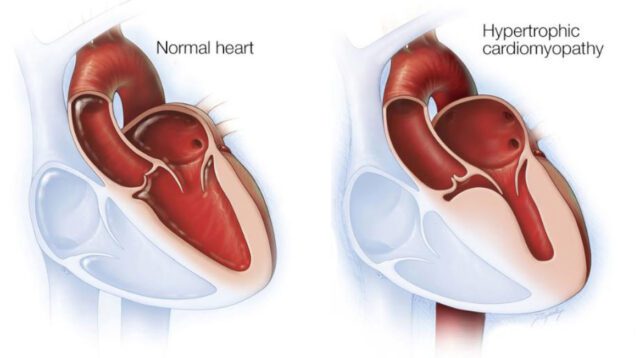
Hypertrophic Cardiomyopathy: Symptoms & Treatment
Prof. Dr. Yavuz Beşoğul » General » Hypertrophic Cardiomyopathy: Symptoms & TreatmentHypertrophic cardiomyopathy is a [...]
Aug