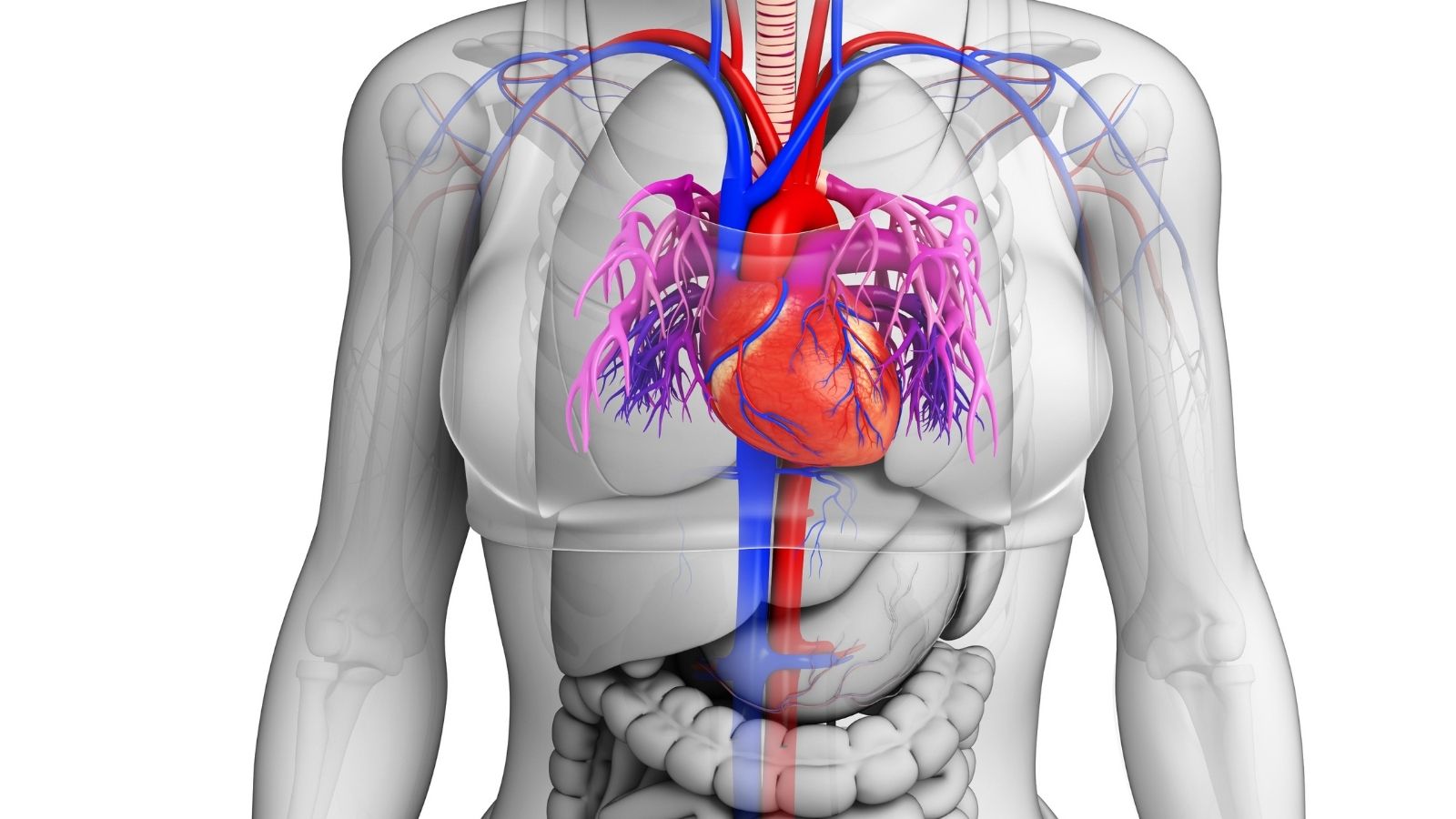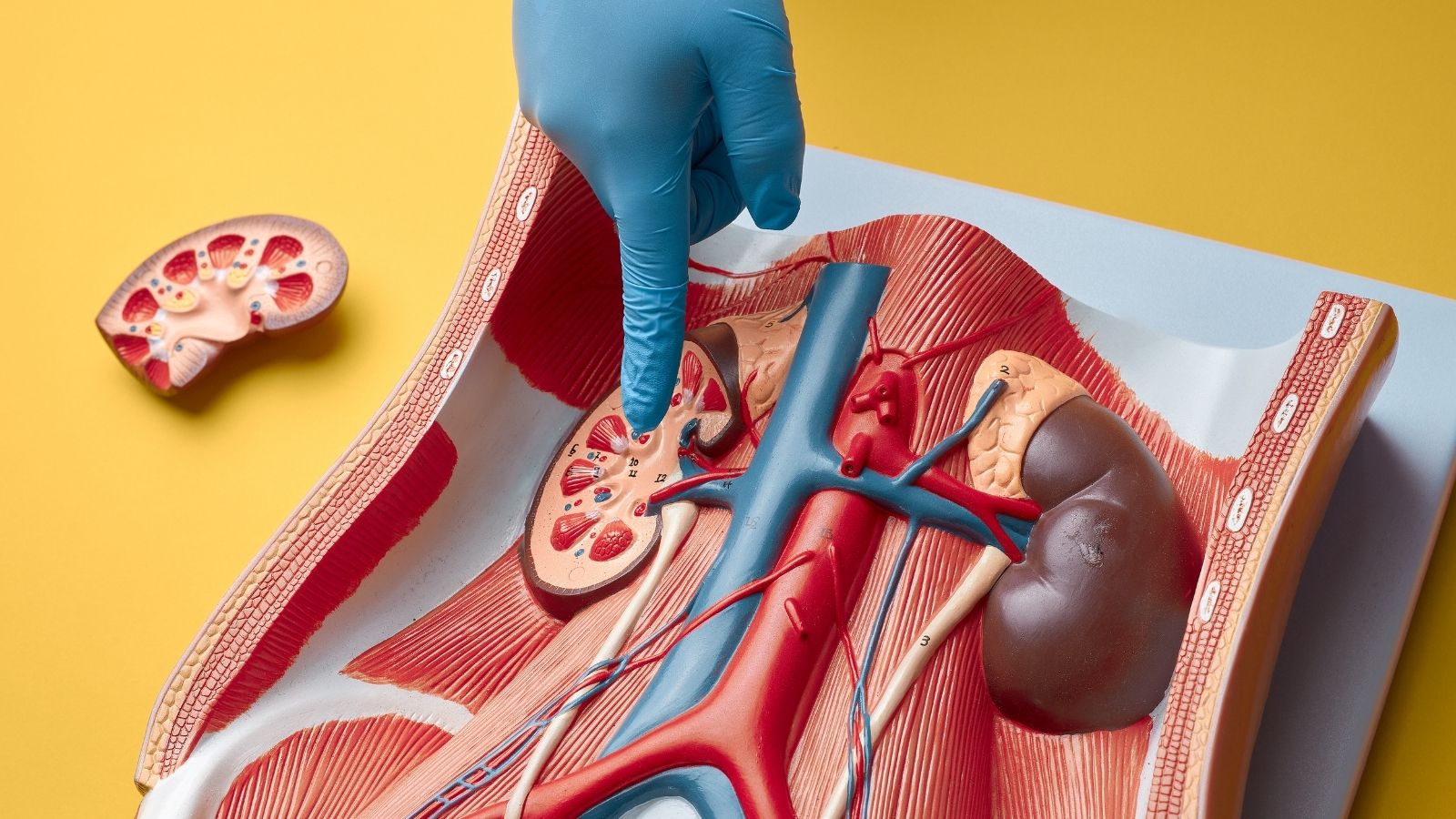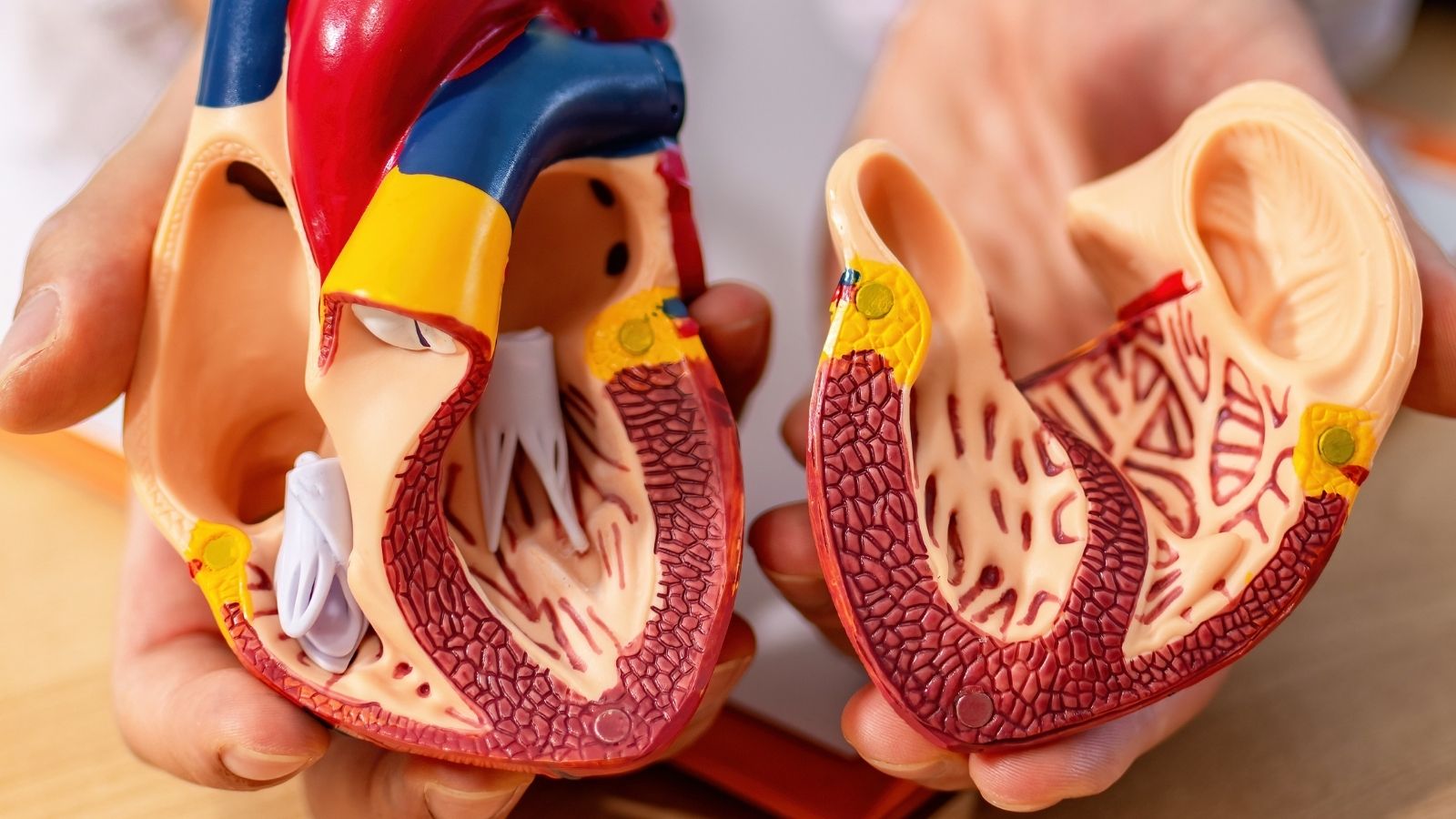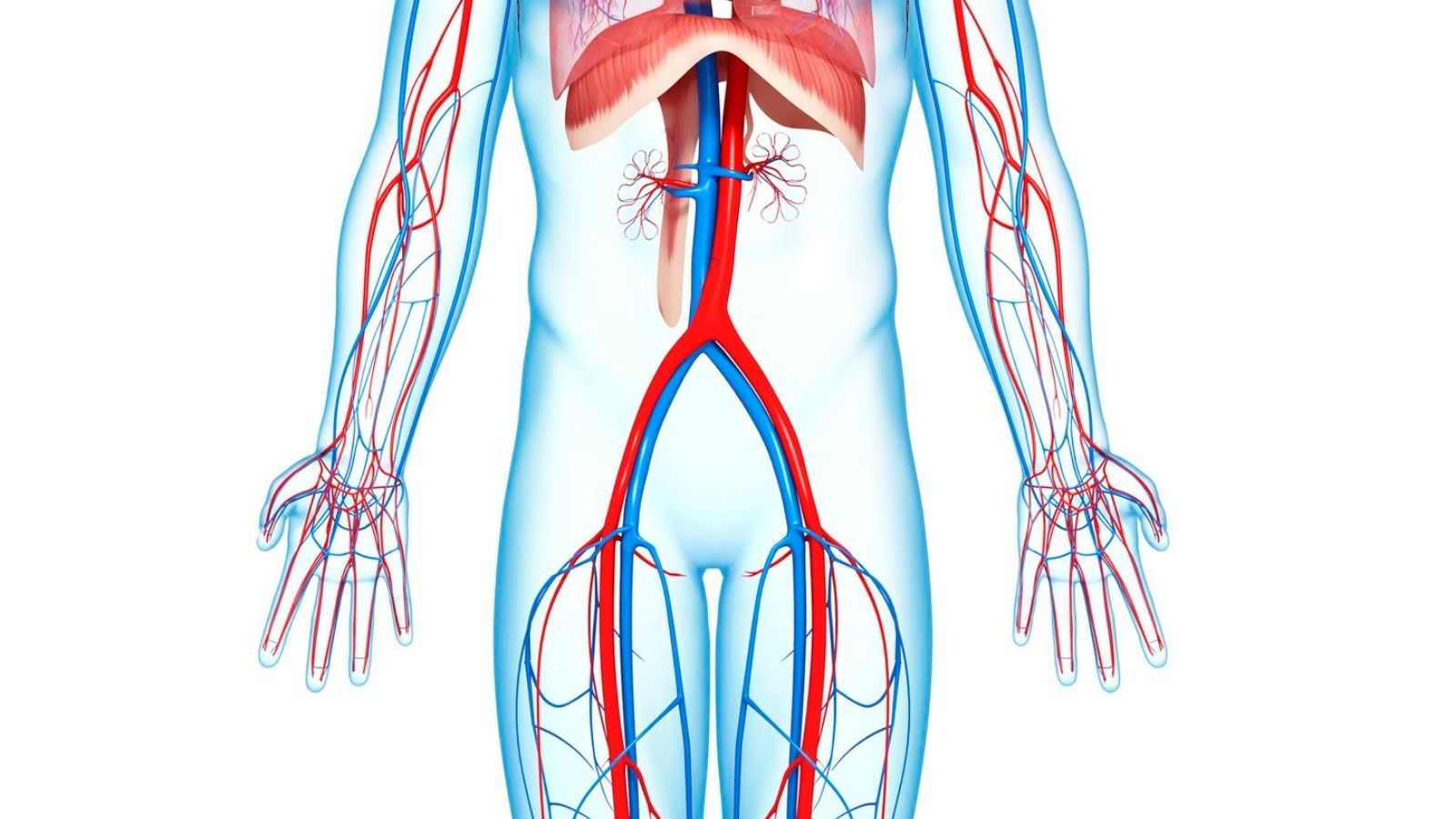


Cardiorenal syndrome is a clinical condition where heart and kidney dysfunction coexist and mutually aggravate each other. This interplay results in worsening heart failure and progressive renal impairment, often complicating patient management and prognosis.
Types of cardiorenal syndrome are classified into acute and chronic forms, reflecting whether the initial insult originates from cardiac or renal dysfunction. Each subtype has distinct pathophysiological mechanisms but shares a bidirectional disease progression.
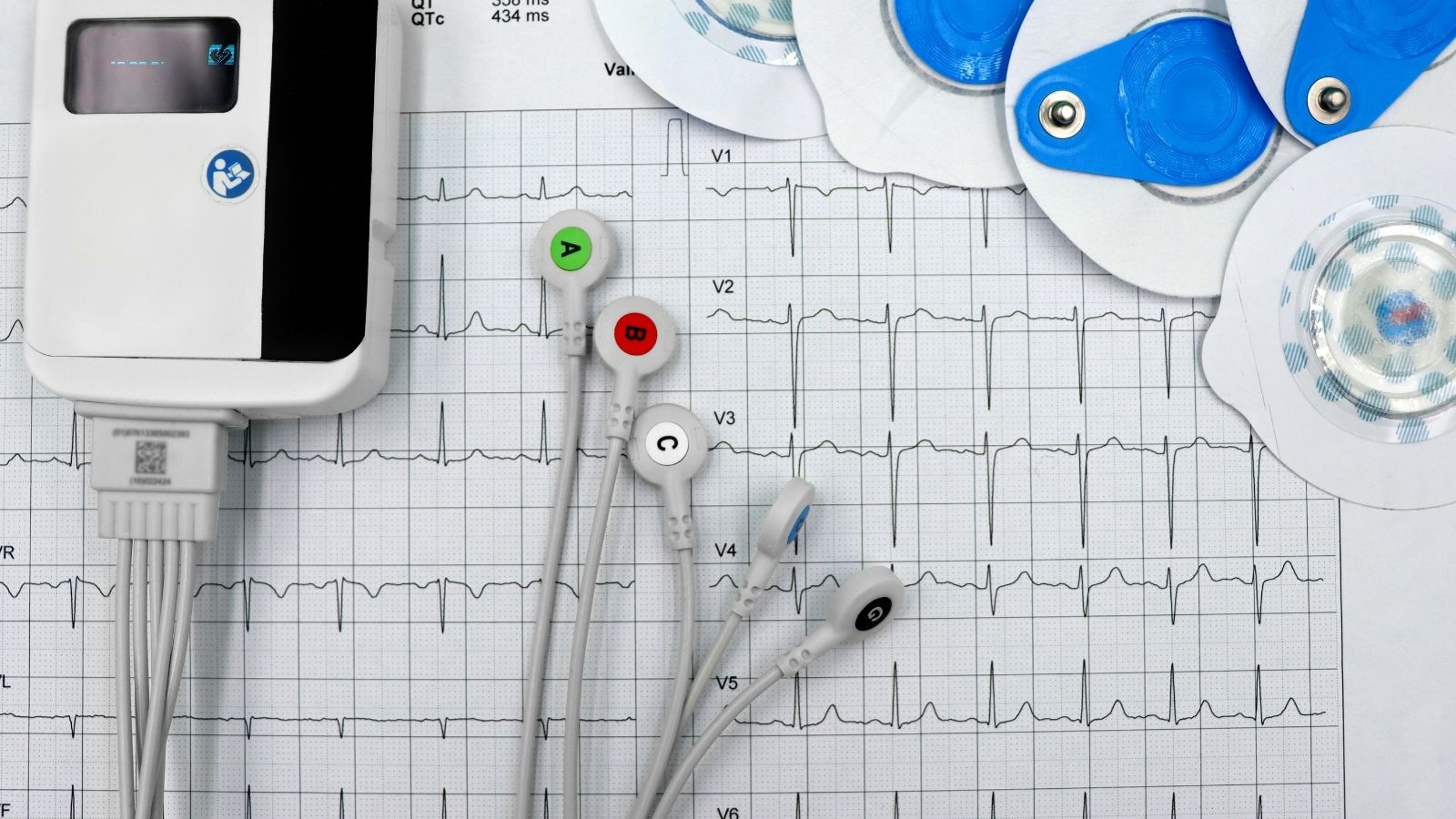
The diagnosis of cardiorenal syndrome requires careful evaluation of both cardiac and renal function. Echocardiography, biomarkers such as NT-proBNP, and renal function tests provide essential insights into disease severity and guide therapeutic strategies.
Management involves a multidisciplinary approach including diuretics, vasodilators, and in selected cases, renal replacement therapy. Optimizing fluid balance without compromising perfusion is critical, and emerging therapies continue to reshape treatment algorithms.
| Medical Name | Cardiorenal Syndrome |
| Common Symptoms | – Shortness of breath- Swelling in the legs, feet and abdomen (edema)- Rapid weight gain- Fatigue, weakness- Decreased urine output |
| Causes | – Heart failure- Chronic kidney disease- Acute heart or kidney dysfunction- Hypertension- Diabetes |
| Risk Factors | – Advanced age- Hypertension- Diabetes- Cardiovascular diseases- History of chronic kidney disease |
| Complications | – Acute renal failure- Chronic renal failure- Electrolyte imbalances- Severe heart failure- Increased risk of death |
| Diagnostic Methods | – Blood tests (creatinine, urea, electrolytes) – Urinalysis – Echocardiography – ECG – Lung and heart radiography |
| Treatment Methods | – Treatment of underlying heart and kidney diseases – Restriction of fluid and salt intake – Drug therapy (diuretics, ACE inhibitors, beta blockers, etc.) – Dialysis or advanced cardiac support therapies when necessary |
| Prevention Methods | – Blood pressure and blood sugar control- Regular medical check-up- Reducing salt consumption- Healthy lifestyle |
What Are the Types of Cardiorenal Syndrome and How Does It Affect the Body?
It is not possible to fit cardiorenal syndrome into a single mold. In order to better understand the condition and to be able to draw the best treatment path, we categorize it into different types according to where the problem starts and how fast it progresses. This is like a road map and shows us where to focus treatment. The main types of cardiorenal syndrome are:
- Acute Cardiorenal Syndrome (Type 1)
- Chronic Cardiorenal Syndrome (Type 2)
- Acute Renocardial Syndrome (Type 3)
- Chronic Renocardial Syndrome (Type 4)
- Secondary Cardiorenal Syndrome (Type 5)
Type 1, Acute Cardiorenal Syndrome, is the most common and fastest developing condition. Everything happens suddenly here. For example, when the pumping power of the heart suddenly decreases after a major heart attack, the kidneys are rapidly affected and their function deteriorates. Heart failure after major heart surgery can affect the kidneys in a similar way.
Type 2 cardiorenal syndrome refers to a slower and more insidious process. A chronic heart condition that has been going on for years, such as a blockage in the heart arteries or a valve problem, gradually fatigues the kidneys over time and permanently impairs their function. Often when these patients arrive on the operating table, their kidneys may already have some damage, even if they are not aware of it.
In type 3, things go in the opposite direction. This time the problem starts in the kidneys. For example, due to certain medications or contrast agents used in medical imaging, there is a sudden damage to the kidneys. When the kidneys fail, fluid rapidly accumulates in the body, raising blood pressure, causing edema in the lungs and eventually overtaxing the heart, leading to acute heart failure.
Type 4, or type 4 cardio renal syndrome, is the result of many years of chronic kidney disease. The toxins that accumulate in the body of a patient on dialysis for years or with advanced renal failure and the persistently high blood pressure cause the heart muscle to thicken, harden and eventually lose its pumping power.
Finally, Type 5 is when both organs are affected by an external factor at the same time. Systemic diseases that affect the body as a whole, such as sepsis (blood poisoning) or amyloidosis, damage both the heart and kidneys at the same time, creating a secondary cardiorenal syndrome. This distinction of cardiorenal syndrome types forms the basis of treatment.
What are the Underlying Causes of Cardiorenal Syndrome?
For many years, cardiorenal syndrome was thought to be caused by a simple “plumbing” problem: If the heart is weak, it cannot pump enough blood to the kidneys, and the kidneys therefore deteriorate. While this idea is not entirely wrong, it is only a small part of the picture. Modern medicine has revealed a much more important and different mechanism behind this complex syndrome. The problem is not how much blood comes into the kidney, but how easily it can leave the kidney.
We can liken it to a traffic jam on a busy highway. Our kidneys are like a vital multi-lane intersection that receives a quarter of the body’s blood flow. It used to be thought that the problem was that the roads leading to this intersection were empty, meaning that not enough cars (blood) were coming through. But now we know that the real problem is often a traffic jam at the exit of the intersection. In heart failure, especially when the right side of the heart cannot pump blood forward effectively, blood begins to pool in the main veins of the body. This creates back pressure, almost like blocking the exit lanes of a highway. We call this pressure “high central venous pressure” (CVP).
This back pressure creates a barrier in the veins that carry blood away from the kidneys and causes blood to pool inside the kidney, i.e. venous congestion. This increased pressure inside the kidney tissue physically compresses the delicate filtration units and prevents them from functioning. This is why the priority of treatment in cardiorenal syndrome emergency approaches is not only to strengthen the heart, but also to resolve this “traffic jam” to remove excess fluid from the body and relieve the outflow tract of the kidneys.
The body also has a “panic” response to this situation. When the kidneys sense that blood flow is decreasing, the body’s alarm systems (RAAS and Sympathetic Nervous System) are activated. Although these systems are designed to maintain blood pressure, they do more harm than good when they are constantly active. Some of the harmful effects of this state of alarm in the body are:
- Excessive contraction of blood vessels
- Increased salt and water retention in the body
- Inflammation of heart and kidney tissue
- Hardening and permanent damage to organs (fibrosis)
It’s like a car alarm that goes off all the time; at first it serves a purpose, but over time it starts to damage both the vehicle and the environment.
What Methods Are Used to Diagnose Cardiorenal Syndrome?
When cardiorenal syndrome is suspected in a patient, looking at a single blood value (creatinine) is certainly not enough to make an accurate diagnosis and predict the risks of a major intervention such as surgery. It would be like trying to understand the whole picture by looking at only one piece of a puzzle. This is why we take a comprehensive approach that allows us to assess all aspects of the situation. There are basic methods we use to diagnose cardiorenal syndrome:
- Detailed clinical and physical examination
- Echocardiography (Heart ultrasound)
- Hemodynamic assessment with bedside ultrasound (POCUS)
- Special blood and urine tests (Biomarkers)
The first step is always to listen carefully and examine the patient. We look for clues of fluid accumulation in the body. Prominent neck veins, swelling in the legs or abdomen, wheezing in the lungs tell us that the body is overloaded. Symptoms such as fatigue, weakness, cold hands and feet can also be signs that the heart is not working strongly enough.
Echocardiography, or ultrasound of the heart, is an indispensable tool for us. This painless test allows us to see in detail the structure of the heart, the size of its chambers, the condition of its valves and, most importantly, its contraction and relaxation functions. In particular, how well the right side of the heart is functioning and how the intracardiac pressures are doing gives us vital information to understand the stress on the kidneys.
In recent years, the use of bedside ultrasound (POCUS) has become increasingly common. With this method, we can obtain quick and valuable information about the fluid load in the body at the patient’s bedside by immediately seeing the fullness of the main veins (vena cava inferior) and how it changes with breathing.
One of the most exciting developments is in the field of biomarkers. These are special proteins in the blood or urine that give us very early and sensitive information about organ damage. Whereas creatinine rises long after kidney damage has occurred, these modern markers can tell us within hours. Some of these tests include:
- Cystatin-C
- NGAL
- KIM-1
- NT-proBNP
- Galectin-3
Cystatin-C is a more sensitive indicator of the kidney’s filtering power than creatinine. Markers such as NGAL and KIM-1 tell us directly whether there is a “fire”, i.e. active damage to the kidney’s filtration channels. NT-proBNP shows how much stress and strain the heart is under, while Galectin-3 gives an idea of permanent damage and hardening (fibrosis) in both the heart and kidney. By using all these methods together, we clearly identify the patient’s risk of cardiorenal syndrome and plan our treatment strategy individually.
How is Cardiorenal Syndrome Treated and What Drugs Are Used?
Treating cardiorenal syndrome is like walking on a double-edged sword. On the one hand, we need to use vital medications to protect and strengthen the heart, and on the other hand, we must constantly monitor the delicate balance of these medications on the kidneys. Our aim is to prepare the patient for a possible surgical intervention in the safest way possible by putting the patient in the most ideal medical condition.
The main pillar of treatment is to remove excess fluid from the body, reducing the burden on the heart and back pressure on the kidneys. For this we use diuretics (diuretics). However, in advanced patients, the body may develop a resistance to these drugs. There are some strategies we use to break through this resistance:
- Continuous intravenous infusion of drugs
- Combined use of diuretics that act by different mechanisms
- Drug combinations targeting different parts of the kidney (sequential nephron blockade)
RAAS inhibitors (ACE inhibitors and blood pressure medications such as ARBs), which are indispensable in the treatment of heart failure, require special attention in this patient group. When these drugs are started, they may cause a slight change in the way the kidneys work, leading to a temporary increase in creatinine levels. This is often a cause for concern and may lead to discontinuation of the medication on the grounds that it is “damaging the kidneys”. However, this is usually a sign that the drug is lowering the harmful high pressure inside the kidney and exerting its protective effect. If this increase is within a certain limit and the patient’s general condition is improving, continuing these vital medicines is the best approach for both heart and kidney health in the long term.
In recent years, a groundbreaking group of drugs has emerged in the medical world that has revolutionized the understanding of cardiorenal syndrome treatment: SGLT2 inhibitors. Originally developed for the treatment of diabetes, these drugs have been found to have extraordinary protective effects on both the heart and kidneys, even in patients without diabetes. These drugs work like intelligent “system stabilizers”. The main benefits of these medicines are:
- They control blood pressure and fluid load by gently excreting salt and water from the body.
- They slow the progression of kidney damage by lowering the pressure in the filtering units (glomeruli) of the kidney.
- They suppress inflammatory and hardening processes in the heart and kidneys.
- They make the heart’s use of energy more efficient.
Today, this new generation of drugs is recognized as one of the pillars of heart and kidney protection for a wide range of conditions, including cardiorenal metabolic syndrome. If a patient who is a candidate for surgery is taking this group of medications, if appropriate, it will help him or her to enter the surgery on a much firmer footing.
What Devices Are Used For Cardiorenal Syndrome If Medicines Are Inadequate?
In some cases, especially if the disease is very advanced or there has been a sudden deterioration, medication alone may not be enough to restore balance in the body. This is where we turn to high-tech mechanical support devices to stabilize the patient, protect their organs and bridge to a more permanent solution (e.g. recovery or transplantation). These devices save us time by mechanically doing what medicines cannot. There are major devices and methods used in these critical situations:
- Ultrafiltration (UF)
- Intra-Aortic Balloon Pump (IABP)
- Left Ventricular Assist Devices (LVAD) / Heart Pumps
Ultrafiltration is essentially a “smart dialysis” method. The patient’s blood is passed through a machine to remove excess salt and water from the body in a controlled and predictable manner. It is an effective method for relieving shortness of breath and unburdening the heart, especially in patients who do not respond to high-dose diuretics and whose body is excessively fluid-filled (hypervolemic). However, as this procedure may temporarily further impair kidney function, it requires careful patient selection and is generally not the first choice.
The Intra-Aortic Balloon Pump (IABP) is the most common temporary support device used to reduce the workload of the heart. It is a thin balloon inserted through the groin vein into the aorta, the main artery of the heart. The balloon inflates when the heart relaxes, allowing more blood to flow to the coronary arteries that supply the heart muscle, and deflates when the heart contracts, helping to pump blood more easily around the body. The lower risk of complications makes it a valuable option, especially in renal patients at high risk of bleeding.
Left Ventricular Assist Devices (LVADs) are mechanical heart pumps that provide much more powerful and usually longer-lasting support. These are sophisticated devices that completely take over the work of the heart in advanced heart failure. The installation of an LVAD can significantly improve kidney function by counteracting the negative effects of a weakened heart on the kidneys. These devices can be used as a “bridge to transplant” for patients awaiting a heart transplant or as a permanent “destination therapy” for patients who are not suitable for a heart transplant. They play a vital role in preparing the body for transplantation, especially in patients who are candidates for combined heart-kidney transplantation.
What are the Risks of Heart Surgery in the Presence of Cardiorenal Syndrome?
The presence of cardiorenal syndrome in a patient fundamentally changes the nature, risks and prospects for success of any planned cardiac surgery. The preoperative state of kidney function is like a crystal ball that predicts the patient’s postoperative journey. A large body of scientific data clearly shows that in patients undergoing coronary bypass or valve surgery, even mild kidney dysfunction significantly increases the risks.
Postoperative acute kidney injury (AKI) is not just a temporary complication. It is a “warning event” that affects the patient’s long-term fate. Studies have shown that patients who have ABI after heart surgery have a much higher risk of developing heart failure in later years. Protecting the kidneys is therefore critical not only for the success of the surgery but also for the patient’s long-term quality of life and health. Cardiorenal syndrome life expectancy is directly linked to how well such complications are managed. There are the most important factors that predict unfavorable outcomes after cardiac surgery in a patient with kidney disease:
- Advanced age
- Need for emergency or reoperation
- Low pumping power of the heart (left ventricular function) before surgery
- Presence of diabetes
- The complexity of the planned surgery (e.g. combined bypass and valve surgery)
For patients with both end-stage heart failure and end-stage renal failure, the best treatment option is combined heart-kidney transplantation. However, this decision is based on a very delicate balance. Scientific evidence shows that combined transplantation offers a survival advantage only in patients whose kidney filtration rate (GFR) has fallen below a certain threshold (approximately 30-40 mL/min). Combined transplantation in patients above this threshold not only provides no additional benefit to the patient, but also results in the use of a kidney from a limited organ pool in a higher-risk procedure. Therefore, strict adherence to these scientific criteria in patient selection is both a medical and ethical obligation. These topics form an important part of cardiorenal syndrome ppt presentations and scientific articles (e.g. cardiorenal syndrome pdf) in medical education.
What to Do to Protect the Kidneys During Heart Surgery?
During a major intervention such as heart surgery, protecting the already vulnerable kidneys is one of the top priorities of the surgical team. This is not possible with a single magic formula, but with a series of careful and planned steps that start before surgery, continue during surgery and continue in intensive care. Like an orchestra conductor, we adopt an approach that takes care of kidney health throughout the entire process.
Things to do before surgery:
- Detailed risk analysis
- Optimizing the patient’s drug therapy
- Stopping all medications that may be harmful to the kidney
- Ensuring that the body has enough fluid (intravenous hydration)
- Seeking advice from a nephrology (kidney disease) specialist if necessary
Precautions Taken During Surgery:
- Keeping the time on the heart-lung machine as short as possible
- Keeping blood pressure in the ideal range throughout the surgery
- Avoiding high venous pressure (blood pooling in the kidney)
- Prevent excessive watering of the blood (hemodilution)
- If necessary, to clean the blood by adding a filter to the heart-lung machine (ultrafiltration)
Things to Consider After Surgery:
- Monitoring hourly urine output very closely
- Using biomarkers (such as NGAL) that show kidney damage early
- Managing fluid balance very precisely (no more, no less)
- Taking medications to support blood pressure and cardiac output
- If severe kidney damage develops, initiate dialysis treatment (RRT) immediately
Why Teamwork is Essential in Cardiorenal Syndrome Management
Cardiorenal syndrome is not something that a single specialist can tackle alone. This complex dance between heart and kidney requires different specialties to work in harmony. In traditional medicine, patients often shuttled between a cardiologist and a nephrologist. Sometimes the treatment recommended by one doctor could have unintended consequences for the other organ. This fragmented approach is inadequate to manage today’s complex patients.
This is why modern medicine is embracing a new model of collaboration called “Cardiorenal Unit” (CRU) or programs. This is a team of different specialists working like a Formula 1 pit crew. It brings together cardiologists, nephrologists, cardiovascular surgeons, specialized nurses, pharmacists and dieticians. Everyone has one common goal: to maximize both the heart and kidney health of the patient. This teamwork has evidence-based benefits:
- More successful and optimized drug therapy
- Reduced hospitalization rates for heart failure
- Better management of treatment-related side effects
- Safer patient preparation for major interventions such as surgery
- Better long-term outcomes and quality of life
- A more holistic and understandable care process for patients and their relatives
For a cardiac surgery center, working with such a team is not just a luxury but a necessity to increase the success rate in high-risk patients. This integrated approach breaks down the walls between traditional medical disciplines, offering a holistic and much more effective care model that puts the patient at the center.

Prof. Dr. Yavuz Beşoğul graduated from Erciyes University Faculty of Medicine in 1989 and completed his specialization in Cardiovascular Surgery in 1996. Between 1997 and 2012, he served at Eskişehir Osmangazi University Faculty of Medicine as Assistant Professor, Associate Professor, and Professor, respectively. Prof. Dr. Beşoğul, one of the pioneers of minimally invasive cardiovascular surgery in Türkiye, has specialized in closed-heart surgeries, underarm heart valve surgery, beating-heart bypass, and peripheral vascular surgery. He worked at Florence Nightingale Kızıltoprak Hospital between 2012–2014, Medicana Çamlıca Hospital between 2014–2017, and İstinye University (Medical Park) Hospital between 2017–2023. With over 100 publications and one book chapter, Prof. Dr. Beşoğul has contributed significantly to the medical literature and is known for his minimally invasive approaches that prioritize patient safety and rapid recovery.