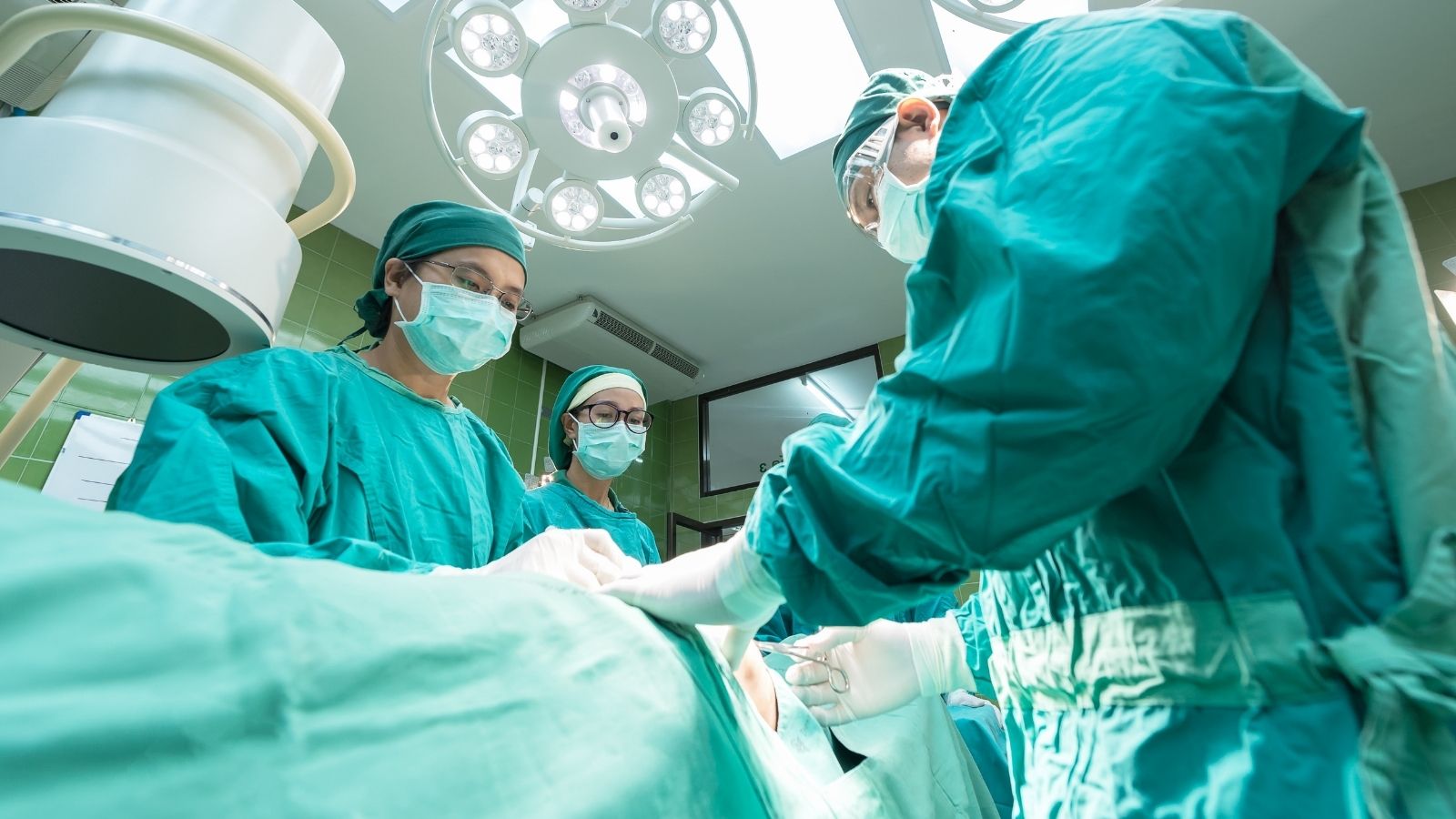


A Cardiovascular Surgery Intensive Care Unit (CVICU) is a specialized unit where patients recovering from major cardiac and vascular surgeries are monitored closely. It is equipped with advanced technology and trained staff to manage complex heart conditions and critical postoperative care.
The CVICU provides treatment for patients after bypass surgery, valve replacement, aortic dissection repair, and transplantation. It also manages severe heart failure cases requiring mechanical support devices. Continuous hemodynamic monitoring ensures rapid intervention when complications occur.
Common conditions treated in CVICU include arrhythmias, respiratory insufficiency, bleeding disorders, and organ dysfunction. The unit employs a multidisciplinary approach involving cardiologists, surgeons, anesthesiologists, and specialized nurses to optimize patient outcomes.
Recovery in CVICU focuses on stabilizing the cardiovascular system, preventing infections, and managing pain. Early mobilization, nutritional support, and psychological care are essential for smooth transition from intensive care to standard wards and eventual discharge.
What is the main purpose of the CVS Intensive Care Unit?
A heart surgery can be compared to running a long marathon. The operating room is the finish line of this marathon. The CVC Intensive Care Unit is a special regeneration area where the athlete who has completed the marathon rests, recovers and receives professional support to get his body back to normal. Its main purpose is to keep patients who have undergone major heart or vascular surgery safe by monitoring their vital functions moment by moment during this first period when their bodies are most vulnerable.
The heart-lung pump, which is used especially in open heart surgery and temporarily takes over the function of the heart and lungs during the operation, has a major impact on the body. As the body adjusts to this situation, it is normal to experience fluctuations in blood pressure, body temperature and fluid balance. The raison d’être of the intensive care unit is to keep these fluctuations under control, to anticipate and prevent a potential problem before it arises, and to provide the patient’s body with the time and support it needs to recover. The philosophy here is proactive, not reactive. So instead of waiting for an alarm to go off, we work to make sure it never goes off. This unit is on call 24 hours a day, 7 days a week for the safety of the patient.
Who is the team of specialists providing care in the CVS Intensive Care Unit?
In the CVS Intensive Care Unit, the patient is surrounded by a close-knit army of specialists, each of whom is one of the best in their field. This approach, which we call “Heart Team” in modern medicine, enables specialists from different disciplines to combine their knowledge and experience for a single patient. This means that every decision is reviewed by more than one expert, creating a safety net. This team meets every day to assess the patient’s condition down to the finest detail and update the treatment plan together.
The key players of this integrated team are:
- Cardiovascular Surgeon
- Intensive Care Specialist (Intensivist)
- Intensive Care Nurse
- Respiratory Therapist
- Clinical Pharmacist
- Dietitian
- Physiotherapist
The Cardiovascular Surgeon and his/her team who perform the surgery are also in charge of the patient during the intensive care period. Since they are familiar with all the details of the surgery, they are in constant communication with the intensive care team and guide the treatment process together. The Intensive Care Specialist, or intensivist, is the overall medical manager of the patient in the postoperative period. He is responsible for the health of organs other than the heart (lungs, kidneys, brain), respirator settings and monitoring blood values.
Intensive Care Nurses are the backbone of this team. They are usually responsible for only one or at most two patients. They administer medications, monitor vital signs and are the first ones to notice the slightest change in the patient’s condition and intervene immediately. A Respiratory Therapist is an expert in the health of the lungs. They ensure proper management of the ventilator and provide specific exercises to increase lung capacity after the patient is weaned from the ventilator.
The Clinical Pharmacist improves the safety of the treatment by checking that the medications (especially heart medications, blood thinners and antibiotics) are compatible with each other and are given in the correct dosage. The dietitian plans the nutritional support the body needs to repair itself after this major surgery. Initially, this support can be provided intravenously or through special feeding tubes. The physiotherapist, on the other hand, manages the exercise and movement process that starts while the patient is still lying in bed to prevent the patient from losing muscle strength and prevent complications such as clots.
Which technological devices are used for patient monitoring?
Relatives of patients entering the CVC Intensive Care Unit for the first time may be alarmed by the noise of the screens, cables and devices around them. However, each of these devices are actually our “eyes and ears” that allow us to monitor the patient more closely and precisely. They are not cold machines but high-tech aids that ensure patient safety.
The basic technological equipment you will see most frequently in intensive care are as follows:
- Bedside Monitor
- Breathing Apparatus (Ventilator)
- Intravenous (IV) Pumps
- Drainage Tubes (Drains)
- Specialized Cardiac Assist Devices
The Bedside Monitor is the large screen right next to the bed and shows us the patient’s vital data in real time. This screen contains the basic parameters that we monitor continuously.
Here are some of those parameters:
- Heart rate and rhythm (ECG)
- Blood pressure (Blood pressure)
- Oxygen level in the blood
- Body temperature
- Central venous pressure (Fluid status in the body)
A ventilator is a machine that assists breathing until the patient wakes up from anesthesia. It gives oxygen to the lungs regularly, allowing the body to rest and recover. Our aim is to transfer the patient to this device as quickly and safely as possible. Intravenous (IV) Pumps are small, automatic devices that allow fluids, medicines and nutrients to be administered intravenously, in very precise amounts and at a set rate. Drainage tubes are thin tubes that allow the heart to work comfortably by removing blood or fluid that may accumulate in the operation area. In addition, depending on the severity of the patient’s condition, more advanced support devices such as Intra-Aortic Balloon Pump (IABP), which temporarily reduces the workload of the heart, or ECMO, which in the most critical cases takes over the work of both the heart and lungs completely.
How do standard care processes progress in the CVS Intensive Care Unit?
After surgery, the patient is transferred directly from the operating room to the intensive care unit. This moment of transfer is meticulously managed to ensure that care is not interrupted. When “handing over” the patient to the intensive care team, the anesthesia and surgical team gives a detailed briefing about how the surgery went, the patient’s special condition and all critical points to be considered. It is like a relay in a relay race; it must be smooth and complete.
As soon as the intensive care team welcomes the patient, they immediately connect them to the monitors and make an initial assessment. In these first hours, the management of basic body functions takes priority. For example, there are goals such as keeping blood pressure at a certain level, making sure the kidneys are producing enough urine and normalizing body temperature. Pain control is also a top priority. Effective pain relief treatments are administered to ensure that the patient is both comfortable and does not put additional stress on their body due to pain. At the same time, mild doses of sedative medication may be given to calm the patient and allow them to rest, but our aim is to wake them up as soon as possible and ensure their active participation in the healing process.
What should be considered in intensive care after coronary bypass (CABG) surgery?
Our main focus in intensive care after coronary bypass surgery is to ensure the healthy functioning of the new vessels (grafts) added to the heart by surgery. It is vital to prevent clots from forming in these vessels and blocking them.
Some basic protocols for this purpose are as follows:
- Antiplatelet (anticoagulant) therapy
- Statin therapy
- Beta-blocker therapy
As soon as the bleeding is under control, usually within the first few hours after surgery, anticoagulants such as aspirin are started. This is a critical step to keep the new blood vessels open. All bypass patients are also given “statins”, a cholesterol-lowering drug. It has been scientifically proven that statins not only lower cholesterol but also reduce rhythm disorders (such as atrial fibrillation) and vascular occlusion, which are common after surgery. Beta-blocker drugs are also added to the treatment to lighten the workload of the heart and not tire it out.
How does intensive care work after heart valve surgery?
When a heart valve is repaired or replaced, the heart suddenly has to switch to a new working pattern. The heart muscle, which for years has been used to forcing blood through a narrowed valve or constantly working overtime due to a leaky valve, must adapt to this new and efficient situation. The role of the intensive care team is to support the heart in this “recalibration” process. Especially in cases such as aortic stenosis, the thickened heart muscle can be very sensitive to changes in fluid balance in the body. Fluid therapy is therefore managed with great care. If the patient has been fitted with a mechanical valve, anticoagulant therapy, which must be used for life to prevent clots from forming on the valve, is carefully started in intensive care after the risk of bleeding is eliminated.
What are the most important aspects of care after major vascular surgery such as aortic aneurysm?
Operations on the aorta for aneurysm (ballooning) or dissection (rupture) are among the largest and most complex operations in cardiac surgery. The intensive care period after these operations also requires extraordinary care.
The two most critical issues are:
- Very strict control of blood pressure
- Protection of the brain, spinal cord and kidneys
In order to minimize the strain on the suture lines of the surgically repaired or replaced aortic vessel, it is vital to keep the blood pressure (blood pressure) within a certain range. High blood pressure is definitely undesirable and is aggressively controlled with continuous infusions of medication. In addition, since the aorta carries blood to all organs of the body, there may be temporary changes in blood flow to these organs during surgery. For this reason, the patient’s neurological status (consciousness, mobility) and renal function (urine output) are closely monitored in intensive care.
What awaits patients in intensive care after heart or lung transplantation?
Organ transplantation is one of the pinnacles of surgery, and postoperative intensive care presents its own unique challenges. In addition to standard post-heart surgery care, two other key issues arise in transplant patients: prevention of organ rejection (rejection) and infection control.
To prevent the body from recognizing the newly implanted organ as “foreign” and attacking it, strong immunosuppressive drugs are administered, starting even before surgery and continuing in intensive care. The levels of these drugs in the blood are constantly measured and the most effective and safest dose is adjusted. However, as these drugs weaken the immune system, the patient becomes much more vulnerable to infections. For this reason, strict hygiene and isolation rules are applied in the post-transplant intensive care unit. Visitors are restricted and everyone who enters the room takes special precautions.
Why is the postoperative care of adults with congenital heart disease different?
The number of patients born with congenital heart disease who reach adulthood is increasing. Their hearts and vascular structures differ from normal anatomy. Many of them have undergone multiple previous operations. For this reason, intensive care for these patients is almost like a “tailor’s job”. Standard treatment protocols may not apply to these patients. Considering the unique anatomy and physiology of each patient, a completely individualized treatment plan is created. This requires the intensive care team to have a deep knowledge and experience in this specialized field.
What are the possible complications in intensive care unit?
As with any major surgery, there is a risk of encountering some undesirable situations after cardiac surgery. The intensive care team exists to minimize these risks and intervene immediately when a problem arises.
Here are some common situations that we are prepared to manage:
- Bleeding
- Low cardiac output (reduced pumping power of the heart)
- Rhythm disorders (arrhythmias)
- Infection
- Temporary impairment of kidney function
We have evidence-based management protocols for each of these problems. For example, in case of bleeding, blood products are supplemented, arrhythmias are controlled with medications, and strong antibiotics are started in case of suspected infection. The important thing is to be aware of these possibilities and to know that the team is always ready to deal with them.
When and how is the transition from intensive care to the ward?
The time spent in intensive care depends on the patient’s condition and the extent of the surgery, but usually lasts between 1 and 3 days. The patient must meet certain criteria in order to leave the intensive care unit and move to the next stage, the normal ward. This is a very important and welcome step towards recovery.
Here are those important milestones:
- Completely detached from the respirator and breathing comfortably on their own
- Stable blood pressure without the need for high doses of intravenous cardiac support medication
- Absence of a serious rhythm disorder
- Bleeding from the chest tubes has stopped or decreased significantly
- The patient is awake, conscious and able to communicate
Once these criteria are met, the patient is transferred to an “intermediate intensive care” or “cardiac surgery ward”, which no longer requires one-to-one nurse monitoring, but where the heart rhythm is still monitored on a central monitor. This transition means that the most critical phase has been successfully overcome and the patient is now ready to gradually get up, walk and return to a normal life.

Prof. Dr. Yavuz Beşoğul graduated from Erciyes University Faculty of Medicine in 1989 and completed his specialization in Cardiovascular Surgery in 1996. Between 1997 and 2012, he served at Eskişehir Osmangazi University Faculty of Medicine as Assistant Professor, Associate Professor, and Professor, respectively. Prof. Dr. Beşoğul, one of the pioneers of minimally invasive cardiovascular surgery in Türkiye, has specialized in closed-heart surgeries, underarm heart valve surgery, beating-heart bypass, and peripheral vascular surgery. He worked at Florence Nightingale Kızıltoprak Hospital between 2012–2014, Medicana Çamlıca Hospital between 2014–2017, and İstinye University (Medical Park) Hospital between 2017–2023. With over 100 publications and one book chapter, Prof. Dr. Beşoğul has contributed significantly to the medical literature and is known for his minimally invasive approaches that prioritize patient safety and rapid recovery.