


Mitral valve surgery is a serious but effective treatment for a malfunctioning mitral valve in the heart. Those who have had mitral valve surgery have usually needed this operation due to valve stenosis or mitral valve insufficiency. Reviews of those who have undergone mitral valve surgery show that minimally invasive methods such as closed mitral valve surgery and underarm mitral valve surgery provide a faster recovery process. Robotic mitral valve surgery is a modern technique with high surgical precision. When mitral valve repair is not possible, mitral valve replacement surgery is mandatory.
Although the recovery process after mitral valve surgery varies depending on whether the patient is not late, regular follow-up and a healthy lifestyle are recommended. Exercise, diet and medication are among the things to be done after mitral valve surgery. Mitral valve surgery prices vary depending on the surgery and the hospital. Choosing the best doctor for mitral valve surgery directly affects the success of the treatment. Mitral valve repair or mitral valve replacement surgery is among the common procedures. After mitral valve surgery, it is important not to neglect regular check-ups and the use of blood thinners.
| Other Names | Mitral valve replacement, mitral valve repair |
| Affected System | Cardiovascular System (Mitral valve) |
| Indications | Mitral valve insufficiency, mitral stenosis, valve prolapse, endocarditis |
| Types of Surgery | Armpit minimally invasive surgery, breast minimally invasive surgery, robotic surgery |
| Valve Treatment Options | Valve repair (reconstruction), valve replacement (with mechanical or biological valve) |
| Cover Types Used | Mechanical valve (long-lasting, requires lifelong anticoagulation), biological valve (shorter-lasting, anticoagulation is usually not required) |
| Operation Process | Under general anesthesia; performed with a heart-lung pump |
| Recovery Process | 3-5 days in hospital; full recovery 10 days. |
| Common Risks | Risk of bleeding, infection, clot formation, arrhythmias, stroke |
| Long Term Follow-up | Lifelong INR monitoring and anticoagulant use in mechanical valves, regular control in biological valves |
| Alternatives | Classic open heart surgery |
| Prognosis | It is very long if done without atrial fibrillation and pulmonary artery pressure increase. |

Prof. Dr. Yavuz Beşoğul
>Turkey’s Cardiovascular Surgery Doctor
Who Can Have Mitral Valve Surgery?
Mitral valve surgery is performed when there is severe stenosis or regurgitation of one of the valves in the heart that helps pump blood. When such problems damage the heart’s ability to pump blood, they can cause symptoms such as shortness of breath, fatigue, palpitations and even heart failure. Surgical procedures are necessary for such health problems, especially when they cannot be treated with medication or when the disease is severe.
Mitral valve surgery is generally suitable for patients with severe mitral regurgitation or stenosis and significant symptoms that interfere with daily life. The patient’s general health, age and heart function are also taken into consideration. People who suffer from valvular heart disease and are at risk for blood clots and other complications are also candidates for this surgical intervention. The decision to operate should be based on a careful review of the patient’s medical history and current condition, as neglecting mitral valve insufficiency can cause irreversible permanent damage to the heart.
How is Mitral Valve Surgery Performed?
Since mitral valve repair and replacement surgeries were routinely performed in the old open-heart surgery by making a 35-40 cm incision in the bone of the heart with high complications and delayed bone union, minimally invasive techniques have been developed in the last 30 years. The practice of removing the mitral valve by entering the heart and replacing it with a new valve has been practiced for 50-60 years and has provided a great deal of experience and has enabled the development of new types of heart valves.
Today, both the successful application of minimally invasive (axillary minithoracotomy) techniques and advanced bileaflet (double leaflet) metal and biological heart valves have greatly increased the success rate in these operations. The surgeries prolong life at high rates of 30-40 years.
Mitral valve repair and replacement surgeries can be performed with minimally invasive (right axillary) techniques.
How is Mitral Valve Disease Diagnosed?
The definitive diagnostic test for mitral valve disease is ultrasound of the heart, i.e. echocardiography . This may reveal a leak or stenosis in the valve. Or both stenosis and leakage may be detected. Regardless of which one it is, the common point in all of them is the need to intervene in the event that has occurred as a result of this, such as an enlarged heart, an increase in pulmonary blood pressure or too many complaints.
Mitral Valve Diseases and Mitral Valve Replacement
The mitral valve, one of the 4 valves in the heart, located between the left atrium and the left ventricle, is the valve that allows the blood that is cleaned with oxygen in the lungs to pass from the left atrium to the left ventricle and prevent the blood from escaping back. Problems such as stenosis, leakage and insufficiency can occur in the mitral valve. Depending on the condition of the problem in the mitral valve, mitral valve repair or mitral valve replacement are among the treatment options.
Mitral Valve Repair Surgery
If the condition of the mitral valve is appropriate, repair should be the first choice to eliminate the problem in the patient’s mitral valve. Because it is better for the patient to continue living with his/her own valve than to replace it with an artificial heart valve. In cases where the defects in the mitral valve are not severe, the mitral valve is repaired and treated. In order for mitral valve repair to be performed, the heart valve leaflets must be regular, there must be no stenosis with heart valve leakage, there must be no clots or roughness on the valve, the valve leaflets must be able to approach each other easily or the stenosis must not leak back when it can be opened.
Can Mitral Valve Repair Be Performed?
Yes, mitral valve repair can be performed and is considered a less risky option than valve replacement. Mitral valve repair is a procedure that requires repairing the damaged parts to restore valve function and does not replace the valve completely. This procedure can repair damage to the valve and restore proper blood flow.
Accordingly, revision can be performed to close leaks of the valve, to close loose specific tissue or both passes of the annulus, force can be applied to the valve. This is usually carried out when the structure of the lid is still largely preserved.
Furthermore, mitral valve repair is considered a better option than valve replacement, especially in younger patients, which has certain advantages. Firstly, the patient does not have to use blood thinning medications throughout their life, which is natural for their valve and fast recovery after mitral valve repair. Mitral valve repair will be assessed by the doctor depending on the structure of the valve and the severity of the damage.
How Many Years Does a Mitral Valve Repair Last?
Mitral valve repair lasts for many years and does not cause problems for most patients throughout their lives. How long the repaired mitral valve can last depends on the patient’s general health, age and the extent of damage to the valve.
Furthermore, because this process is successfully repaired again, mitral valve repair is a long-lasting valve carrier, which can last longer than mitral valve replacement from noval mechanical or biological valves. After valve repair, it is necessary to have regular medical check-ups, to closely monitor the function of the repaired valve and also not to adopt an unhealthy lifestyle to maintain our heart health. No re-intervention will be necessary, especially if there is no damage to the lid area.
As a result, mitral valve repair is a preferable option for many people compared to valve replacement.
Mitral Valve Replacement Surgery
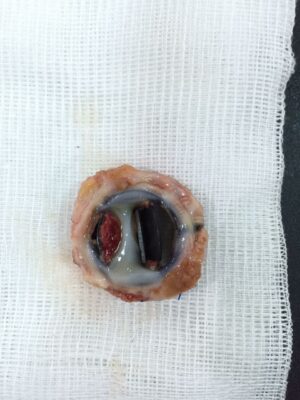
Mitral valve replacement is the replacement of the mitral valve with biological or mechanical artificial valves, applied in cases where the patient’s mitral valve stenosis and insufficiency problem cannot be resolved by repair. It may be necessary to replace the valve in cases such as severe backward leakage or severe stenosis of the heart valves, sometimes both together, severe calcification of the valve, clot in front of the valve, clot inside the heart, heart rhythm disorder. Mitral valve insufficiency, insufficiency with severe mitral valve stenosis, atrial fibrillation, sudden rupture of the heart valve are among these conditions.
Is Surgery the First Intervention for Patients with Aortic Valve Stenosis or Insufficiency?
The narrowing of the aortic valve makes it difficult for the blood to pass through the body in a healthy way. In aortic regurgitation, blood comes from the aorta towards the heart. In some cases, patients have both stenosis and insufficiency in the aortic valve. In order to decide on the intervention to be applied in aortic stenosis or aortic insufficiency, the patient’s complaints should be taken into consideration first. When aortic valve disease, stenosis or insufficiency reaches critical levels, the decision for surgery is influential.
Things to Consider After Mitral Valve Surgery
One of the most important issues after mitral valve replacement is the regular use of blood thinners as recommended by the physician. While the use of blood thinners in biological valve replacement is 3 months, in mechanical valve replacement, patients should use blood thinners for life. In cases such as surgical interventions due to another disease, it is important for the patient to contact the cardiologist and take preventive measures against infection. In addition, the patient should undergo regular medical check-ups where the heart and heart valve are monitored.
Early diagnosis is very important in the treatment of mitral valve diseases. Mitral valve problems detected at an early stage can be treated with mitral valve repair without the need for valve replacement, if the patient is eligible.
| Type of Surgery | Minimally invasive mitral valve repair (chordae, leaflets, annuloplasty) or replacement (mechanical or biological valve). |
| Recovery Time | Average 5-15 days; it is much shorter compared to open surgery since no sternotomy is performed. |
| Medication Use | Warfarin (in mechanical valve), diuretics, beta blockers, ACE inhibitors or rhythm regulators according to valve type. |
| INR Monitoring | Lifelong if mechanical valve; not required for biological valve. |
| Physical Activity | Light walking is recommended for the first 1-2 weeks; exercises can be increased as the pain decreases after thoracotomy. |
| Rhythm Monitoring | Atrial fibrillation is common after mitral surgery and should be monitored with ECG and Holter when necessary. |
| Imaging and Control | Regular echocardiography evaluates valve function, left atrial/ventricular dimensions and pulmonary pressures. |
| Complications | Valve dysfunction, arrhythmia, thromboembolism, bleeding, endocarditis, left ventricular dysfunction. |
| Wound Care | 10. not needed after day. |
| Nutrition | Vitamin K balance is important in those on warfarin; a low-salt, heart-friendly diet is generally recommended. |
| Smoking and Alcohol | It is not recommended, especially against the risk of arrhythmia and thrombosis. |
| Sexual Activity | It can usually be started after 2-4 weeks, once physical well-being is achieved. |
| Psychological Support | Counseling may be required due to long-term medication use and lifestyle changes. |
| Vehicle Use | It is usually possible after 10-15 days, once reflexes and concentration are in order. |
| Controls | Echocardiography is recommended once a month for the first 3 months, then annually every 3-6 months. |
Advantages of Underarm Mitral Valve Surgery
The most important advantage of underarm mitral valve surgery is that it is minimally invasive and can be performed without cutting the sternum. This means that patients experience less postoperative pain and recovery time is much shorter than with open surgery. Since the underarm procedure does not require large incisions and open chest operations, the risk of infection is significantly reduced. In addition, this method is aesthetically advantageous; since the surgical scars remain under the armpit, they are hardly visible from the outside and contribute to the psychological comfort of the patient.
Patients are usually discharged from hospital sooner and return to their daily lives more quickly following this procedure. During underarm mitral valve surgery, the surgeon performs valve replacement or repair through a small incision, working with high precision.
How Many Days Does Underarm Mitral Valve Surgery Heal?
After underarm mitral valve surgery, patients are usually expected to recover substantially within 2 to 3 weeks. This time frame is considerably shorter as the surgery is minimally invasive and is performed without large incisions. During the postoperative recovery period, patients are usually kept under observation in the hospital for the first few days and are allowed to stand up steadily. After discharge, the body is encouraged to move with light physical activities and walks, but it is recommended to avoid activities that require excessive exertion.
This underarm procedure offers a faster recovery compared to traditional open heart surgery because the chest is not subjected to major trauma. This means less postoperative pain, a lower risk of infection and a faster return to daily life.
In Which Situations Is Mitral Valve Surgery via Small Incision Under the Armpit Not Possible?
Mitral valve surgery through a small incision under the armpit may not be possible in some special cases. The patient’s heart and vascular structure must be suitable for minimally invasive surgery. In particular, anatomical conditions such as advanced heart enlargement, severe vascular abnormalities or enlargement of the aortic artery can make this technique difficult. In addition, if there are major problems with the mitral valve that require complex repair or if there are other concomitant heart diseases, traditional open surgery may be a more appropriate option.
If adhesions have formed in the chest cavity due to previous heart surgeries, surgery through a small incision can become risky. In this case, open surgery may be a safer choice. Patients with multiple valvular diseases may require a more extensive intervention rather than a single procedure, which makes it difficult to intervene through a small incision in the armpit. Furthermore, severe obesity may make minimally invasive surgery technically more difficult, in which case open surgery is considered more appropriate.
Are There Any Positive Effects of Underarm Mitral Valve Surgery on Patient Psychology?
Underarm mitral valve surgery can have a positive impact on patients’ psychology. This minimally invasive surgery requires less pain, shorter recovery time and smaller incisions, which reduces patients’ anxiety and stress levels. The surgery, which is performed through an incision in the armpit instead of large incisions, leaves a less prominent scar, which helps patients feel aesthetically better. Faster postoperative recovery allows patients to return to their daily lives and work more quickly, with positive social and emotional effects.
Less pain and rapid restoration of mobility increases the patient’s self-confidence and contributes to a more positive postoperative period. Compared to traditional open surgeries, the axillary method allows the patient to feel more psychologically comfortable due to the milder physical trauma.
How is Closed Mitral Valve Surgery Performed?
Closed mitral valve surgery is performed in a minimally invasive surgical procedure without opening the rib cage widely. During this surgery, the heart is accessed through a small incision, usually between the ribs or under the armpit. The main purpose of the operation is to correct problems with the mitral valve or to replace the valve. Specialized surgical instruments and imaging systems are used, usually working through a small area, to repair the damaged valve or, if necessary, to install a new valve. This method offers a less traumatic process compared to open surgery.
Academic Explanations about Mitral Valve Surgery by Prof. Dr. Yavuz Beşoğul
Mitral valve surgery consists of repairing or replacing the mitral valve itself or the ring. Thanks to many years of experience in heart valve surgery, artificial valves have been greatly improved and have contributed to the development of surgical techniques. Today, the most preferred metallic heart valves are bi-leaflet carbometal and have a long service life, although they require anticoagulants. In addition, biological valves made from bovine or porcine pericardium have been developed especially for those who cannot use anticoagulants, such as the elderly or patients contemplating pregnancy. For many years, mitral valve replacement or repair was performed by sternotomy. Due to the complications of sternotomy, mitral valve operations were started to be performed via anterolateral thoracotomy in the world in the 1990s and the access incisions were gradually reduced.
in 1997, for the first time in our country, we started to perform our surgeries by converting to subaxillary incision and contributed to the national and international literature in series. In fact, although there is no difference in the surgical technique, the access technique has proven to be advantageous from bleeding to infection and early return to daily life. It reduces complications especially in diabetic patients, patients with problems such as chest cage disorder, renal failure and obesity. It is also cosmetically important that the incision is small and on the side.
On the other hand, the surgical access site provides excellent visualization and access, especially in terms of exposure of the mitral valve. This is another factor that reduces complications. Because of the different access elevations, if both mitral and aortic valve replacement is required, aortic and mitral valve surgery, i.e. double valve surgery, should not be performed with this technique. In such cases, an anterior incision, ministernotomy, is more useful and there are no entry site complications.
Mitral Valve Surgery Technique
Under double lumen intubation and general anesthesia, the patient is placed on the left side of the chest; that is, the anterolateral thoracotomy position is given so that the right side of the chest is superior. A 6 cm vertical incision is made above the intersection of the subaxillary line and the right breast line, the pectoralis major and pectoralis minor muscles are dissected without cutting and a retractor is placed, the thorax is entered through the 4th intercostal space and the right lung ventilation is closed or the tidal volume is reduced if not tolerated. The pericardium is opened and its leaves are suspended on the chest wall. The aorta, right and left atrium are clearly seen. After turning the aorta with a pedicle, it is suspended and the aorta and right auricle and right atrium are easily cannulated. The patient is connected to the heart-lung pump and extra-corporeal circulation is started, ventilation is stopped and x-clamp is placed on the aorta. Cardiac arrest is achieved by applying cold blood cardioplegia and topical cold saline. The left atrium opens and the mitral valve is clearly visualized.
After Surgery
After repair or replacement, the left atrium is closed. The patient is warmed up, the heart is defibrillated if necessary, and the pump flow is gradually reduced and stopped after it has started. The heart is easily decanulated. After bleeding control, a single chest drain is placed in the thorax (drain placement is important to avoid pain), the ribs are approximated, the muscles and subcutaneous skin are closed properly. Postoperative follow-up is the same.
This intervention technique can be used in all patients and should not be preferred in some cases. These are :
- With advanced lung problems,
- over 75 years old,
- Double valve replacement (Aortic and Mitral) is required,
- It should never be used in patients who need aortic valve surgery for the second time.
It is also ideal for second and third mitral valve operations.
What is the Mitral Valve?
The mitral valve is located between the left atrium and left ventricle of the heart and prevents blood from escaping backwards. The opening of the mitral valve is 4-6 cm2 . It consists of two leaflets and 3 muscles that allow the 50 threadlike tissues extending from these leaflets to attach to the left ventricle and open and close the valve. Damage to any one of these formations for any reason causes stenosis and/or insufficiency in the valve. This is called mitral valve disease. It is insidious and over the years can lead to heart failure, hypertension in the pulmonary vessels and water retention in the body (edema).
What is Mitral Valve Insufficiency?
Mitral valve insufficiency is the result of this valve not allowing blood to fully escape from the left ventricle back into the left atrium. This disease causes the heart to fail to pump blood efficiently enough and, over time, heart function deteriorates.
If the mitral valve does not close properly, some of the blood flows backwards each time, putting more pressure on the heart. After mitral valve insufficiency, patients may feel some symptoms such as shortness of breath, fatigue, palpitations and edema. This disease is often associated with factors such as heart valve degeneration, infections and heart attacks.
If left untreated, the pathology can lead to serious complications such as heart failure and rhythm disturbances. Mitral valve insufficiency can be controlled with medication, but in severe cases surgery is needed. Treatment protocols are tailored to each patient’s condition and disease course.
Symptoms of Mitral Valve Failure
Patients usually experience chest pain during work, shortness of breath, rapid fatigue, palpitations, pink, foamy bloody sputum and sometimes a feeling of fluttering pigeon wings due to arrhythmia.
In mitral stenosis, a clot can form due to the slowing of blood flow in the left atrium. If this clot breaks off, it can block the blood vessels in the arm, leg or brain and can be life-threatening.
The diagnosis is made by ultrasound of the heart (echocardiography). If this is not sufficient, angiography is performed to visualize the vessels and valves with a medicated substance.
How is Mitral Valve Insufficiency Treated?
Medication is usually used to reduce symptoms when the disease has not reached the limit of surgical treatment.
Nowadays, all mitral valve surgeries are easily performed 5-6 cm from the right armpit without cutting any muscle or bone and without making any incisions elsewhere in the body. Thanks to this convenience, early recovery and early return to daily life after early discharge are possible.
With this technique, the valve is repaired or replaced.
The repair is preferred in suitable patients with a well-formed valve and often in young women who want to have children. The stenosis of the valve is widened, and if there is insufficiency, the laxity is repaired. The aim is to preserve as much of the valve as possible.
However, if the valve is severely damaged, it is removed and replaced with a metal valve or a valve made from tissue taken from the outer lining of the heart of another living creature (pig, cattle). Today, the most durable mitral valve is a double-leaf metal valve. However, because of the possibility of clots, he needs to take a blood thinner called “coumadin” continuously.
Tissue caps have a shorter lifespan than metal caps. They are usually destroyed within 10-15 years. However, it does not require the use of blood thinners. It is therefore preferred for mentally ill patients who cannot take regular medication, young women who have not had children and patients over 70-75 years of age.
Frequently Asked Questions
Is mitral valve surgery risky?
There are certain risks inherent in every surgical procedure; however, mitral valve operations are very safe operations in experienced centers. The risk varies according to age, comorbidities (such as kidney, lung) and the preoperative condition of your heart. We minimize these risks with detailed preoperative evaluations. Remember, the real danger is the stress that the problematic valve puts on your heart over time. Our goal is to give you a healthier life.
How many hours does mitral valve replacement surgery take?
The duration of the operation depends on the procedure. Valve repair usually takes a shorter time, while valve replacement takes a little longer. On average, mitral valve operations (excluding preparation and anesthesia) are completed in approximately 2-4 hours. The specific condition of each patient and additional procedures may affect the duration. The important thing is that the surgery is completed flawlessly.
How long does the mitral valve last?
Valve lifetime depends on the treatment. If your own valve can be repaired, it can be used for life. If the valve has been replaced, mechanical valves last a lifetime but require constant blood thinners. Biological valves usually last 15-20 years and usually do not require blood thinners. We decide together on the most suitable option.
What happens if the mitral valve is not replaced?
A problematic mitral valve prevents your heart from working efficiently. Especially if there is severe leakage or stenosis, the heart has to exert extra effort, growing bigger and tired over time. This leads to serious problems such as heart failure, pulmonary hypertension and rhythm disturbances. Timely intervention prevents life-threatening risks.
Who undergoes mitral valve repair?
Our goal is to preserve the patient’s own valve. If the anatomy of the valve is appropriate (not too distorted, little calcification, intact supportive tissues), repair is the best option. Repair is often possible, especially if there is leakage due to prolapse (sagging of the valve) or tear. Preoperative echocardiography (ECHO) is performed to determine whether your valve is suitable for repair. Young patients with favorable anatomy are prime candidates.
Can mitral valve surgery be closed?
Yes! Today, we can perform most mitral valve operations minimally invasively, i.e. closed, through a small incision, usually in the armpit. This method offers less pain, faster recovery and better cosmetic results. Depending on the patient’s anatomy and the nature of the valve problem, this method may be preferred.
Why does the mitral valve fail?
The most common cause of mitral valve deterioration is congenital weakness of the valve and its prolapse over time (mitral valve prolapse). A history of rheumatic fever can cause thickening and adhesions in the valve. Heart attacks, muscle diseases or age-related calcification can also impair valve function.
What is the risk of death from mitral valve surgery?
The risk to life is very low in planned mitral valve operations. In surgeries where only repair is performed, this rate is less than 1%. The risk may increase to 1-3% in valve replacement or additional health problems. The risk increases in emergency operations. The risk is minimized with surgeries performed at the right time in the right center.
What should be done after mitral valve surgery?
It usually takes 2-4 weeks to return to normal life after surgery. Armpit surgeries usually do not restrict movement. Taking your medicines (especially blood thinners) regularly, eating a healthy diet and keeping up with your check-ups are key to a long and healthy life.