


Second and third cardiac valve reoperations are complex surgical procedures required when previous valve surgeries fail or complications arise. They demand high expertise and careful preoperative assessment.
Causes of repeat valve surgeries include prosthetic valve degeneration, infection, or progressive heart disease. Comprehensive imaging is essential to determine the best treatment approach.
Reoperations are associated with higher risks compared to first-time surgeries, making surgical planning, advanced techniques, and intensive postoperative care critical for successful outcomes.
Long-term monitoring after reoperations helps detect valve function changes, arrhythmias, or heart failure. Lifelong cardiology follow-up is vital to protect heart health and prevent recurrent complications.
Why is a second heart surgery necessary after the first operation?
The need for reoperation is usually not unexpected; it is often the result of the natural course of the body and the passage of time. The end of life of the materials used in the first surgery or new developments in the course of the underlying heart disease can lead to a second intervention. Understanding the root causes behind this need helps to manage the process more consciously.
The most common causes are related to valve problems. Especially biological valves have a certain lifespan. Although they behave like the body’s own tissue, it is inevitable that they will wear out over time. This is especially true for patients who have undergone valve surgery at a young age and have a long life expectancy. Mechanical lids, on the other hand, last a lifetime, although problems with them are rare.
In patients who have had coronary bypass surgery, the situation is slightly different. The vessels used for the bypass may narrow over time or new stenoses may develop in other heart vessels that were not intervened in the first operation. This indicates that the disease has not completely disappeared, but is a process that needs to be kept under control.
The main conditions that require reoperation are as follows:
- Wear and calcification of biological heart valves over time
- Clots around mechanical heart valves
- Tissue growth restricting the movement of mechanical valves
- Loosening of the prosthetic valve from the suture line and leakage of blood
- Re-failure of a previously repaired cover
- Infection of the prosthetic valve (endocarditis)
- Blockage of the vessels (grafts) used for bypass over time
- New stenoses in other vessels that have not been bypassed
- New enlargement (aneurysm) or rupture (dissection) of the aortic vessel
- Revision of the first correction for congenital heart disease.
How long should the interval between two surgeries be and what determines this period?
One of the issues that patients are most curious about is the timing of a possible second surgery. there is no single clear and universal answer to the question “How long should the interval between two surgeries be?”. This period varies greatly depending on the type of initial surgery, the materials used, the patient’s general state of health and lifestyle habits.
For example, if a biological heart valve is implanted, the average lifespan of this valve varies between 10 and 20 years. Therefore, a patient who has a biological valve implanted at the age of 50 may need a second operation in their 60s or 70s. This does not mean that the cover has failed, but that it has reached the end of its expected life.
After coronary bypass surgery, the duration is more variable. In particular, veins from the leg (vein grafts) are more prone to blockage than arteries from the chest (artery grafts). How well the patient manages risk factors such as diabetes and high cholesterol, whether he/she smokes or not, and how well he/she adheres to lifestyle changes directly affect this period. With good medical treatment and lifestyle management, this can last for decades, but if risk factors persist, new problems can develop even within a few years.
The main factors affecting duration are listed below:
- Type of prosthetic valve used in the first operation (biological or mechanical)
- Type and quality of vessels used in bypass surgery
- Age and general health status of the patient
- Control of chronic diseases such as diabetes, hypertension and cholesterol
- Smoking
- Dietary habits and physical activity level
- Regular medical check-ups and medication use should not be interrupted.
Why is the risk of death after heart valve surgery considered higher in reoperations?
It is a fact that repeat heart surgeries are more complex and risky than the first one. This means a more difficult challenge for surgeons, both technically and strategically. the “risk of death after heart valve surgery”, or the risk of surgery in general, is calculated more carefully for repeat operations for several key reasons.
“Adhesions” (adhesions) are at the heart of this increased risk. After the initial surgery, the body forms a dense network of scar tissue in the chest cavity as a healing response. Like glue, these adhesions firmly attach the heart, major vessels such as the aorta and the previously placed bypass vessels to the inner surface of the sternum. The risk of damaging these adherent and delicate tissues while reopening the sternum is one of the most dangerous moments of surgery. The slightest wrong movement can lead to bleeding that is difficult to control.
In addition, by the time patients come for their second surgery, they are older than the first and often have accumulated other health problems.
The main factors that increase the risks of repeat surgeries are the following:
- Dense adhesions under the breastbone
- Risk of the heart and blood vessels adhering to the breastbone
- Possible injury to the heart or bypass vessels when opening the sternum
- Advanced age of the patient
- Additional health problems such as diabetes, kidney or lung disease
- Reduced overall physiological reserve of the body (frailty)
- The best vessels have already been used in the first surgery
- Longer operation time due to adhesions
- Increased risk of bleeding and infection due to longer surgery.
How can you tell if a patient is a suitable candidate for reoperation?
The decision to have heart surgery again is not a decision to be rushed or made by a single doctor. It is a joint decision made by a “heart council” or “heart team”, which brings together doctors from different specialties. This team includes cardiac surgeons, interventional cardiologists, heart failure specialists, anesthesiologists and radiologists. The aim is to discuss all treatment options (medication, angioplasty, surgery) for the patient’s specific case and choose the safest and most effective way.
The evaluation process starts with listening to the patient’s story. Details of the previous surgery, the patient’s current complaints and how these complaints affect their daily life are very important. Advanced imaging methods are then used to give the surgeon a “road map” for the operation.
There are basic tools used in this evaluation process.
- Computed Tomography (CT) Scan: This is perhaps the most critical step. High-resolution CT shows millimeter-by-millimeter what is behind the breastbone and how close the heart and blood vessels are to the bone. This allows the surgeon to plan where to make a safe entry when opening the bone.
- Coronary Angiography: Shows the current status of the heart’s own blood vessels and previous bypass vessels, if any.
- Echocardiography (ECHO): Shows in detail the strength of the heart muscle, how well the valves are working and whether there are any leaks or stenosis.
- Risk Scoring Systems: All collected data is entered into internationally recognized systems (such as EuroSCORE II) that numerically estimate the patient’s risk of surgery.
Are there modern and less invasive methods used for repeat heart surgery?
Yes, today’s cardiac surgery offers a number of innovative and less invasive techniques to minimize the risks, especially for patients undergoing repeat surgery. The main goal of these methods is to avoid the risks associated with a complete opening of the sternum (sternotomy). Patients benefit from less pain, faster recovery and a lower risk of complications.
While these modern approaches may not be suitable for every patient, for the right candidates they offer revolutionary benefits compared to traditional open heart surgery.
Some modern methods that can be preferred for high-risk repeat surgeries are as follows:
- Minimally Invasive Cardiac Surgery (MICS): The surgery is performed through a small incision of approximately 5-7 cm in the right chest wall, between the ribs, without cutting the sternum. This “keyhole” approach is particularly ideal for isolated valve operations and largely eliminates the problem of adhesions.
- Valve-in-Valve TAVR: This is a non-surgical method. It is used for high-risk patients with a biological aortic valve that has been previously surgically implanted and has worn out over time. A catheter (a thin tube) is inserted through the groin and a new collapsible valve is placed inside the old valve. This procedure avoids the major risks of open heart surgery.
- Redo-TAVR: It is also possible to implant a second TAVR valve into a patient whose first TAVR valve has failed.
How many years do open heart surgery survivors live and how does reoperation affect quality of life?
This is the most basic and justified question of both patients and their relatives: “What kind of life awaits me after this difficult process? How many years will a heart surgeon live?” The answer to these questions requires a realistic perspective as well as a hopeful one.
Long-term survival rates after repeat heart surgery are slightly lower than after the first operation. This is mainly because, as mentioned earlier, patients are older and have additional health problems. However, these statistics do not show the whole picture. Thanks to modern surgical techniques, better anesthesia management and improved intensive care, the success rates of these operations are constantly increasing. In many centers, the results of repeat surgeries are now very close to the results of the first surgeries.
But the other, perhaps more important aspect of the issue is quality of life. The main goal of surgery is to add life to the years. The overwhelming majority of patients are relieved after surgery from the symptoms that had previously made their lives a nightmare.
The positive changes observed in quality of life after surgery are as follows:
- Elimination or severe reduction of shortness of breath
- Chest pain complaints end
- Increased physical capacity and effort tolerance
- Ability to return to daily activities (walking, climbing stairs, doing work)
- Feeling more energized and fit in general
Of course, the healing process takes time and requires patience. It is normal to experience some pain, fatigue and even emotional fluctuations (such as anxiety) in the postoperative period. This is where cardiac rehabilitation programs come into play. These programs accelerate the patient’s recovery, both physically and mentally, and are the key to long-term success.
Why is surgeon and hospital experience so important in repeat heart surgery?
While experience is important for all surgeries, when it comes to repeat heart surgery, the experience of the surgeon and the center can determine the fine line between success and failure. Such complex procedures require much more foresight, strategic planning and the ability to make the right decision in a crisis than a standard surgery.
Scientific data is very clear on this issue: The more often a center and a surgeon perform a certain type of surgery, the higher the success rate in that surgery. This is a principle known as the “volume-result relationship”. High-volume centers, i.e. those that perform this type of surgery frequently, have lower complication and mortality rates, despite often treating the most challenging and risky patients.
There are key points where an experienced team makes a difference:
- Better Risk Assessment: Experienced teams more accurately determine which patient is more suitable for which type of intervention.
- Superior Surgical Technique: A surgeon who has seen hundreds of similar cases is more competent at separating adhesions, controlling bleeding and solving unexpected problems.
- Team Coordination: Success does not belong to the surgeon alone. A team of experienced anesthesiologists, intensive care nurses and perfusionists (heart-lung machine specialists) work in harmony during and after surgery to prevent problems before they occur.
- Complication Management: This is perhaps the most important difference. The advantage of high-volume centers is not only that they have fewer problems, but that when a problem does arise, they manage it more successfully. Their ability to “rescue” the patient when a complication occurs is significantly higher than in low-volume centers.
For these reasons, for patients facing a serious decision such as another heart surgery, choosing a center and surgeon with a proven track record in this field, a high number of cases and a specialized team significantly increases the chances of a positive outcome. This is one of the most critical decisions that can be made.
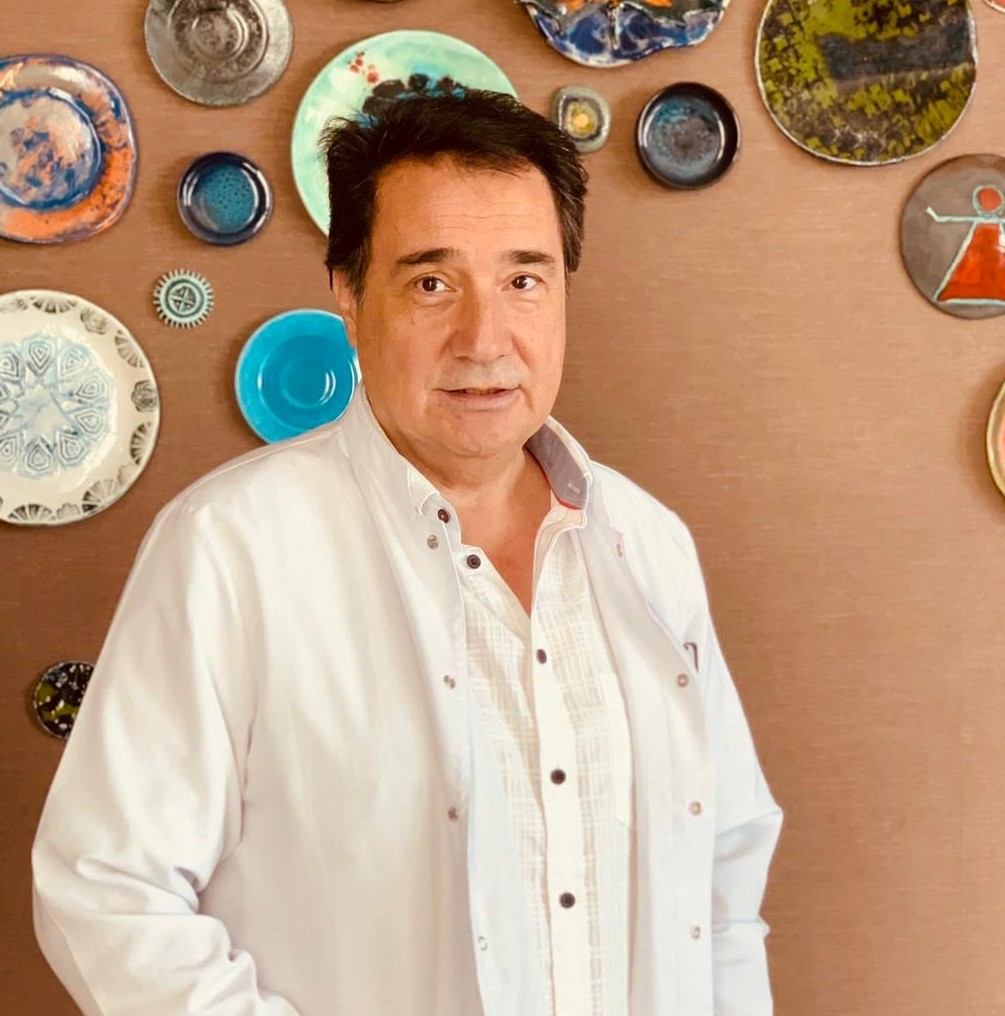
Prof. Dr. Yavuz Beşoğul graduated from Erciyes University Faculty of Medicine in 1989 and completed his specialization in Cardiovascular Surgery in 1996. Between 1997 and 2012, he served at Eskişehir Osmangazi University Faculty of Medicine as Assistant Professor, Associate Professor, and Professor, respectively. Prof. Dr. Beşoğul, one of the pioneers of minimally invasive cardiovascular surgery in Türkiye, has specialized in closed-heart surgeries, underarm heart valve surgery, beating-heart bypass, and peripheral vascular surgery. He worked at Florence Nightingale Kızıltoprak Hospital between 2012–2014, Medicana Çamlıca Hospital between 2014–2017, and İstinye University (Medical Park) Hospital between 2017–2023. With over 100 publications and one book chapter, Prof. Dr. Beşoğul has contributed significantly to the medical literature and is known for his minimally invasive approaches that prioritize patient safety and rapid recovery.