

Smoking has a profound impact on vascular health, accelerating atherosclerosis and significantly increasing the risk of peripheral artery disease, coronary artery disease, and stroke. Toxic substances in cigarettes damage the endothelium and promote plaque formation.
Nicotine causes vasoconstriction, raises blood pressure, and increases heart rate, leading to higher cardiovascular strain. Additionally, carbon monoxide reduces oxygen delivery to tissues, further aggravating vascular dysfunction and ischemia.
The risk of vascular complications rises with the duration and intensity of smoking. Even light or occasional smoking contributes to endothelial injury, meaning there is no safe level of tobacco exposure for vascular health.
Smoking cessation improves circulation, reduces clotting risk, and slows progression of vascular disease. Medical support through nicotine replacement therapy, behavioral counseling, and pharmacologic aids greatly increases success rates in quitting.
How does smoking impair our overall vascular health?
Think of it this way: The inner surface of our arteries is covered with a smooth, slippery and protective layer, like a Teflon pan. We call this layer the “endothelium” and its job is to keep the blood flowing without sticking or clotting. When we inhale cigarette smoke, thousands of toxic chemicals begin to sand this smooth surface. This sensitive lining is scratched, worn and loses its protection. This is where the first step towards vascular diseases is taken.
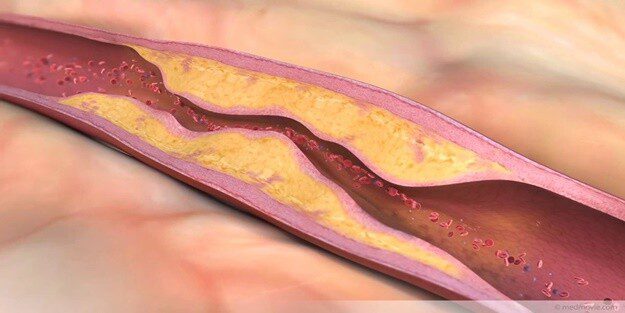
Once this damage begins, a cascade of negative events triggers one another. The “bad” cholesterol in our body (LDL) adheres much more easily to these rough and damaged surfaces. The body recognizes this as a danger and sends inflammatory cells to the area for repair. However, as you continue to smoke, this inflammation becomes constant and turns into a battle rather than a repair. As a result, deposits of fat, cholesterol and inflammatory cells, called “plaque”, begin to form on the vessel wall.
This process does not stop there. Smoking also changes the chemistry of our blood. The blood becomes darker and more “sticky” than it should be. Platelets, the cells that make blood clot, begin to clump together more easily and form clots. Even a tiny clot in a narrowed and plaque-covered artery can completely stop blood flow and cause a heart attack or stroke. In other words, while smoking narrows the arteries and lining them with plaque, it also makes the blood passing through the narrowed area ready to clot. This is literally a disaster scenario for vascular health.
Which chemicals in cigarette smoke are dangerous for vascular health?
Cigarette smoke is a toxic soup of chemicals. It contains more than 7000 substances, hundreds of which are directly toxic. It is worth recognizing the main culprits that pose the greatest threat to our vascular health.
Nicotine Nicotine, the addictive face of cigarettes, is also the secret enemy of our blood vessels. The first thing it does as soon as it enters the bloodstream is to suddenly shrink the vessels, that is, to narrow them. This immediately raises blood pressure. The heart has to work harder to push the blood through the narrowed tubes. It also increases the heart rate and increases the oxygen demand of the heart. So on the one hand, it constricts the oxygen-carrying pathways, and on the other, it makes the engine demand more fuel.
Carbon Monoxide: This poisonous gas, which we also know from car exhaust, fills our lungs with cigarette smoke. It sticks to the red blood cells (hemoglobin) responsible for carrying oxygen in the blood and steals the place of oxygen. As the oxygen carrying capacity of our blood decreases, our heart has to work harder to send enough oxygen to the tissues. In the long term, this can even lead to an enlarged heart.
Free Radicals and Oxidants: Cigarette smoke contains billions of free radicals that create “oxidative stress” in our bodies. You can think of oxidative stress as rusting metal. These substances directly attack the delicate endothelial cells in the lining of our blood vessels, wearing them down and triggering the inflammatory process.
Other Toxins There are some other dangerous substances in smoke that we often associate with cancer.
- Benzene
- Arsenic
- Formaldehyde
- Cadmium
These substances indirectly worsen vascular health by creating a general toxic load and inflammatory environment in the body.
How does smoking predispose to atherosclerosis, also known as arteriosclerosis?
Atherosclerosis, or atherosclerosis, does not happen overnight. It is a process that progresses silently over years, characterized by the build-up of plaque on the vessel walls. Smoking is the primary factor that initiates and incredibly accelerates this process. Let’s take a step-by-step look at the role of smoking in the pathway to atherosclerosis.
Initial Injury Endothelial Injury: It all starts, as we mentioned earlier, when the slippery inner lining of the blood vessels (the endothelium) is injured by the toxins in cigarette smoke. This protective shield is deactivated.
Inflammatory Response: The body sends white blood cells (inflammatory cells) to the area to repair the injury. These cells stick to the damaged area.
Cholesterol Accumulation: Because of the balance of blood fats disturbed by smoking, “bad” cholesterol (LDL) circulating in the blood easily seeps into this damaged and inflamed area and begins to build up in the vessel wall.
Plaque Formation: Over time, accumulated cholesterol, inflammatory cells and other cellular waste combine to form a structure called “plaque”. This plaque gradually begins to narrow the vessel.
Dangerous plaques: Smoking also weakens the thin capsule over these plaques. An “unstable” plaque with a weakened capsule is ready to burst like a pimple. When the plaque ruptures, the body recognizes this as bleeding and quickly forms a clot to stop the blood. This clot completely blocks the already narrow vessel, cutting off blood flow and leading to disasters such as heart attack or stroke.
As you can see, smoking plays an active role in each link of this deadly chain.
Why does smoking increase the risk of coronary artery disease?
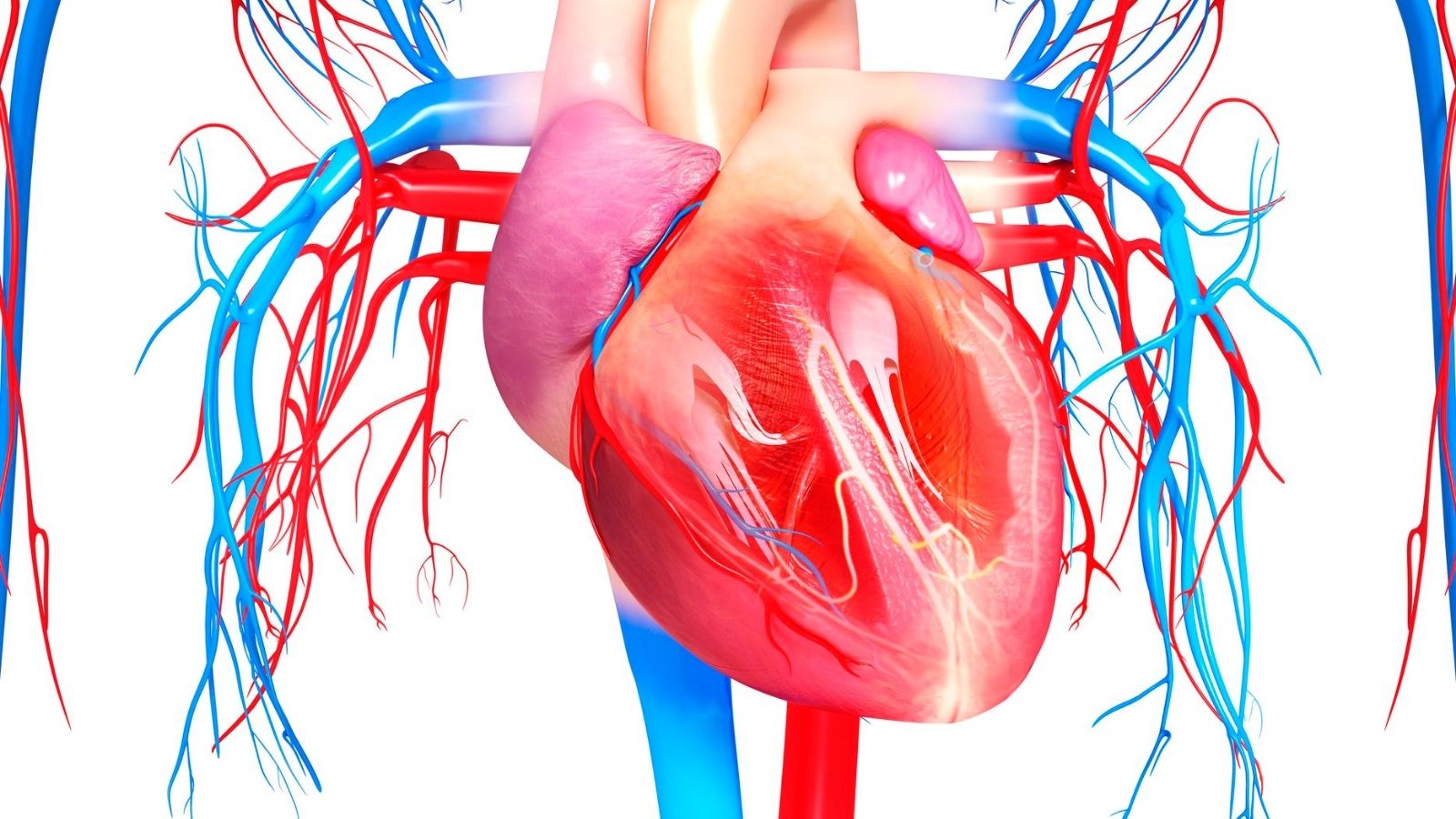
The heart needs special vessels called “coronary arteries” to supply its muscle tissue. Coronary artery disease is the narrowing or blockage of these vital vessels due to atherosclerosis. Smoking is the strongest and most preventable cause of this disease. A smoker is 2 to 4 times more likely to have a heart attack than a non-smoker.
The evil that smoking does to the heart is double-acting. On the one hand, it reduces the amount of blood and oxygen reaching the heart by lining the coronary arteries with plaque and constricting the vessels. On the other hand, the stimulating effect of nicotine makes the heart beat faster and require more oxygen. In other words, it constricts the fuel pipe of the engine and at the same time creates an effect like pressing the gas pedal to the floor. This imbalance causes the heart muscle to become deprived of oxygen (ischemia) and leads to attacks of chest pain (angina). When the process progresses, the result is the death of part of the heart muscle – a heart attack.
How does smoking trigger the risk of stroke?
A stroke is damage to brain tissue caused by blocked or bleeding brain vessels. The consequences can range from permanent disability to death. Smoking is one of the main actors in this devastating event. The risk of stroke in smokers is 2 to 4 times higher than in non-smokers. In fact, the risk of a pack-a-day smoker can be up to 6 times higher than a non-smoker:
- There are several main ways in which smoking can trigger a stroke.
- It accelerates the development of atherosclerosis in the main arteries that supply the brain (such as the carotid artery) and in smaller vessels inside the brain, just as it does in the arteries of the heart.
- It makes the blood more prone to clotting. These clots either form directly in a blood vessel in the brain or break off from the heart or jugular vein and travel with the blood flow to the brain, blocking a blood vessel there.
- This raises blood pressure and increases the risk of cerebral hemorrhage.
- It is important to remember that even passive smoking increases the risk of stroke by -30%.
What is the role of smoking in peripheral arterial disease that blocks the leg arteries?
Peripheral arterial disease is a narrowing of the arteries that carry blood to the legs, usually due to arteriosclerosis. The most common symptom of this disease is pain in the legs when walking, which goes away at rest. However, this is much more than just difficulty walking. Here are some of the serious symptoms that occur when the disease progresses:
- Pain that does not go away even at rest
- Coldness and pallor in the feet and legs
- Non-healing wounds on the toes
- Gangrene and loss of limb (amputation)
Smoking is by far the most important cause of peripheral arterial disease. A very high proportion of patients are smokers. Quitting smoking is the only and most effective way to slow the progression of this disease and avoid frightening consequences such as amputation.
What is the link between aortic aneurysm (enlargement of the main artery) and smoking?
The aorta is the largest artery in our body and the main highway that distributes blood from the heart throughout the body. An aortic aneurysm is when the wall of this vessel weakens and expands like a balloon. The greatest danger of this condition is that the aneurysm can grow without warning and suddenly rupture. A ruptured aorta is an emergency, often fatal.
Smoking is the most important factor that directly weakens the aortic wall. The chemicals in cigarette smoke break down the structural proteins that give the vessel wall its flexibility and strength. This causes the wall to expand, unable to withstand the pressure. The risk is particularly high in men over the age of 65 who smoke and screening is recommended.
Is the rare Buerger’s disease related to smoking?
Yes, there is a very strong relationship. Buerger’s disease is an inflammation and clotting of small and medium-sized blood vessels, especially in the hands and feet. This leads to severe pain, bruising and gangrene of the fingers. The most striking feature of this disease is that it occurs almost exclusively in tobacco users. The only known way to stop the progression of the disease is to give up all tobacco and nicotine products, including cigarettes. Buerger’s disease is one of the most concrete and painful examples of the direct toxic effect of smoking on the blood vessels.
What positive changes occur in our vascular health when we quit smoking?
After all this, let’s move on to the good news. Our body’s capacity to repair itself is incredible and this repair process starts as soon as you quit smoking. This is the best proof that there is no such thing as “too late”.
Here are some of the miraculous changes your body will experience in the timeline after you quit smoking.
In the First Hours:
- Heart rate slows down.
- Blood pressure drops.
- The level of toxic carbon monoxide in the blood returns to normal.
Within the First Year:
- The circulatory system improves markedly.
- Lung function improves, coughing and shortness of breath decrease.
- The risk of heart attack is halved.
Long Term:
- in 5-15 years, the risk of stroke approaches the level of someone who has never smoked.
- after 15 years, the risk of coronary artery disease is almost the same as for someone who has never smoked.
Even for people who have already had a heart attack or stent, quitting smoking reduces the risk of future events by up to P This is a huge benefit that no medicine can provide on its own.
Frequently Asked Questions
How does smoking damage vascular disease?
Smoking destroys the lining of blood vessels, increases inflammation and leads to atherosclerosis.
Does smoking affect blood circulation?
Yes, it causes blood vessels to constrict, making blood flow difficult and reducing oxygen transport to tissues.
Why does smoking increase clot formation?
Smoking increases the tendency of blood to clot, which increases the risk of heart attacks and strokes.
What is the relationship between atherosclerosis and smoking?
Smoking accelerates the formation of plaque on the vessel walls, which is one of the main causes of atherosclerosis.
Does smoking cause cardiovascular disease?
Yes, it is one of the most important risk factors for cardiovascular disease.
Does smoking cause peripheral artery disease?
Yes, it causes narrowing of the leg veins, triggering peripheral arterial disease.
Does smoking also affect the brain vessels?
Yes, smoking is one of the most important factors that increase the risk of stroke.
Does secondhand smoke affect vascular health?
Yes, secondhand smoke can also damage blood vessels and increase the risk of heart disease.
Does vascular occlusion in smokers start at an early age?
Yes, vascular damage starts at an early age and can develop into serious diseases over time.
Does smoking cause vasodilation?
On the contrary, smoking narrows the blood vessels and makes them lose elasticity.
Does quitting smoking improve blood vessels?
Yes, after quitting smoking, the blood vessels start to recover over a period of time and the risk of disease decreases.
Do electronic cigarettes damage vascular health?
Yes, any product containing nicotine can have a negative effect on the vascular system.
Does smoking affect vascular surgery?
Yes, smokers have a slower postoperative recovery and an increased risk of complications.
Why is it dangerous for someone with vascular disease to smoke?
It increases existing vascular damage, making treatment more difficult and increasing the risk of re-clogging.
How does quitting smoking affect vascular health?
In the first year after quitting, the risk of heart attack and stroke drops significantly and vascular health improves over time.

Prof. Dr. Yavuz Beşoğul graduated from Erciyes University Faculty of Medicine in 1989 and completed his specialization in Cardiovascular Surgery in 1996. Between 1997 and 2012, he served at Eskişehir Osmangazi University Faculty of Medicine as Assistant Professor, Associate Professor, and Professor, respectively. Prof. Dr. Beşoğul, one of the pioneers of minimally invasive cardiovascular surgery in Türkiye, has specialized in closed-heart surgeries, underarm heart valve surgery, beating-heart bypass, and peripheral vascular surgery. He worked at Florence Nightingale Kızıltoprak Hospital between 2012–2014, Medicana Çamlıca Hospital between 2014–2017, and İstinye University (Medical Park) Hospital between 2017–2023. With over 100 publications and one book chapter, Prof. Dr. Beşoğul has contributed significantly to the medical literature and is known for his minimally invasive approaches that prioritize patient safety and rapid recovery.