


Varicose veins can cause pain due to increased venous pressure and impaired blood flow. The aching is often described as heaviness, burning, or cramping in the legs, especially after standing or sitting for long periods. Discomfort usually improves with rest, leg elevation, or compression therapy.
Symptoms of varicose vein pain include swelling, throbbing, and fatigue in the affected limb. These signs become more prominent in hot weather or after physical exertion. Compression stockings and regular exercise are recommended as primary approaches to reduce pain and swelling.
Long-term management of varicose pain involves lifestyle modifications. Weight control, avoiding prolonged immobility, and elevating legs above heart level can significantly relieve symptoms. These measures improve venous return and decrease the pressure on damaged vein valves.
Medical interventions may be necessary for persistent varicose pain. Endovenous laser therapy, sclerotherapy, or surgical vein removal can eliminate problematic veins. Such treatments not only reduce pain but also improve circulation and prevent further complications of venous insufficiency.
| Common Symptoms | – Throbbing, aching or burning pain in the legs – Pain increases at the end of the day or after prolonged standing – Feeling of heaviness in the legs – Cramps or restlessness – Swelling, itching |
| Causes | – Impairment of valves in superficial or deep veins- Dilatation of veins and blood pooling- Slowing of blood circulation |
| Risk Factors | – Prolonged standing or sitting work – Genetic predisposition – Female gender (pregnancy, hormonal changes) – Obesity, aging |
| Complications | – Skin discoloration – Skin ulcer – Bleeding (in advanced stages) – Deep vein thrombosis (rare) |
| Diagnostic Methods | – Physical examination – Doppler ultrasound |
| Treatment Methods | – Compression stockings- Pain reducing drugs (nonsteroidal anti-inflammatory, etc.)- Topical creams- Regular exercise and resting the legs- Laser, sclerotherapy, surgery (in advanced cases) |
| Prevention Methods | – Regular physical activity- Weight control- Avoiding prolonged standing or sitting- Keeping legs elevated |
What causes varicose vein pain and where does this pain occur?
To understand the cause of varicose vein pain, we first need to know how our veins work. The job of the veins in our legs is to carry dirty blood back to the heart, fighting against gravity. There are very important structures that help them in this difficult task: Valves that open in one direction. These valves open when blood flows upwards and close when blood tries to escape backwards, acting as a lock.
In varicose veins, this sensitive system is disrupted. Due to factors such as genetic predisposition, pregnancy, prolonged standing or sitting, these valves weaken and cannot close properly. When the valves fail, blood begins to accumulate in the legs, especially below the knees, instead of traveling towards the heart. This is what we call venous insufficiency.
This build-up of blood leads to a constant increase in pressure inside the vein. This high pressure stretches the vessel wall and causes the first pain sensation. But the real problem starts after that. The pooled blood and increased pressure trigger an inflammatory reaction in the vessel wall. The body’s defense cells gather in the area and this constantly stimulates the nerve endings around the vessel. This inflammatory process is the main reason why the pain changes from a mere sensation of “pressure” to a burning, throbbing and aching character.
So, where does varicose vein pain occur? Most common locations:
- Calves (behind the knee and lower leg)
- Ankles and dorsum of the foot
- Knee circumference and inner thigh
In rare cases, the pain may radiate higher up, even to the buttocks, depending on the course of the dilated veins. This depends on the extent of the underlying venous insufficiency.
How does varicose veins in the leg cause pain and what are the symptoms?
The pain of varicose veins in the leg is quite different from other muscle or joint pain. While it is usually milder at the beginning of the day, it gradually worsens as you stand or sit. It reaches its most intense level in the evening. Patients often describe it as “my legs feel like they are carrying tons of weight” or “I can’t find anywhere to put my legs in the evening”. Elevating the legs provides temporary relief as it facilitates the return of blood to the heart. This is the most typical feature of varicose vein pain.
In addition to varicose vein pain, other common symptoms are as follows:
- Feeling of heaviness and fullness in the legs
- Burning and tingling
- Increased cramps, especially at night
- Swelling in the ankles (edema)
- Itching in the areas where the veins pass
- Restless leg sensation
- Skin discoloration (brown spots)
- Hardening and thickening of the skin
Remember that sometimes these symptoms can be caused by a deep-lying valve leak, even if there are no large visible varicose veins. This is called “internal varicose veins” and the pain can be just as uncomfortable.
What is good for varicose veins and what can be done at home?
Although a medical intervention is required for permanent treatment, you can significantly alleviate the pain and complaints of varicose veins by making some changes in your daily life. These methods will not eliminate the problem, but they will save you time and increase your comfort. Various varicose vein pain relief creams or pills available on the market may offer temporary relief, but they are not a permanent solution as they do not solve the underlying mechanical problem. You should always consult a physician before taking any medication.
There are some simple but effective changes you can make in your daily life to relieve your pain:
- Regular walking
- Getting rid of excess weight
- Raising the legs as much as possible during the day
- Avoid sitting or standing in a fixed position for long periods of time
- Control swelling (edema) in the body by reducing salt consumption
- Wearing comfortable and low-heeled shoes
- Avoiding tight clothing that squeezes the legs and waist
In addition, using compression stockings with the pressure and size recommended by your doctor can be very effective on pain and swelling by reducing blood pooling with the support it applies from the outside. However, socks are a support product, not a treatment.
Which doctor to see for varicose vein pain and how is it diagnosed?
If you suspect that the pain in your legs is caused by varicose veins, the right specialty to consult is Cardiovascular Surgery. Cardiovascular surgeons are specially trained in both the diagnosis and modern treatment of venous diseases.
The most important and indispensable step in the diagnostic process is Color Doppler Ultrasonography. This is a completely painless and harmless imaging method that works with sound waves. During this examination, the entire leg vein system is examined in detail while the patient is standing. With Doppler ultrasound:
- Which vessels have valve insufficiency
- Degree and source of blood leakage (reflux)
- Diameter and course of veins
- Whether there is a clot in the deep veins
is detected. This examination creates a “road map” of your veins and enables the treatment to be planned correctly. Modern varicose veins treatment is unthinkable without this map.
How to relieve varicose vein pain with current varicose vein treatment?
the permanent answer to the question “How to relieve varicose vein pain?” lies in modern treatment methods. In contrast to the old “vein removal” surgeries, today’s approach is to close the affected vein from the inside, without making an incision. When this vein is closed, the blood flow is automatically redirected by the body to healthy veins. Thus, the accumulation of blood in the leg and the resulting increase in pressure and inflammatory reaction are eliminated. As a result, the pain and all other complaints are permanently relieved.
The most commonly used modern varicose vein treatment methods are as follows:
Thermal Ablation with Laser (EVLA) and Radiofrequency (RFA): These two methods are based on the principle of “heat sealing” and are considered the gold standard. The procedure is performed under ultrasound guidance with a thin catheter (laser fiber or radiofrequency wire) inserted into the vein, usually at knee level. Through this catheter, a controlled heat energy is delivered to the vessel wall. This heat causes the vein to contract and close permanently. The procedure is performed under local anesthesia, takes about 30-45 minutes and the patient can return home on foot after the procedure.
Biological Adhesive (Cyanoacrylate Ablation – VenaSeal™): This is one of the most innovative methods. In the same way, a thin catheter is inserted into the vein and a special medical adhesive is injected in small droplets along the vein. When this adhesive comes into contact with the blood, it freezes within seconds to seal and seal the vein. The procedure does not use heat or anesthesia, which requires many needles. One of the most important advantages is that it is usually not necessary to wear compression stockings after the procedure.
Foam Sclerotherapy: It is used especially for smaller, tortuous varicose veins or capillaries left behind after the main vein is closed. It is the process of mixing a special drug with air to form a foam and injecting it directly into these veins with very fine needles. The foam destroys the inner wall of the vessel, causing it to close.
Microphlebectomy: It is used in the treatment of large varicose veins that are prominent on the skin surface and look like a bunch of grapes. Under local anesthesia, these veins are removed with a special tool through 1-2 mm holes opened on the skin. It does not require stitches and gives excellent aesthetic results.
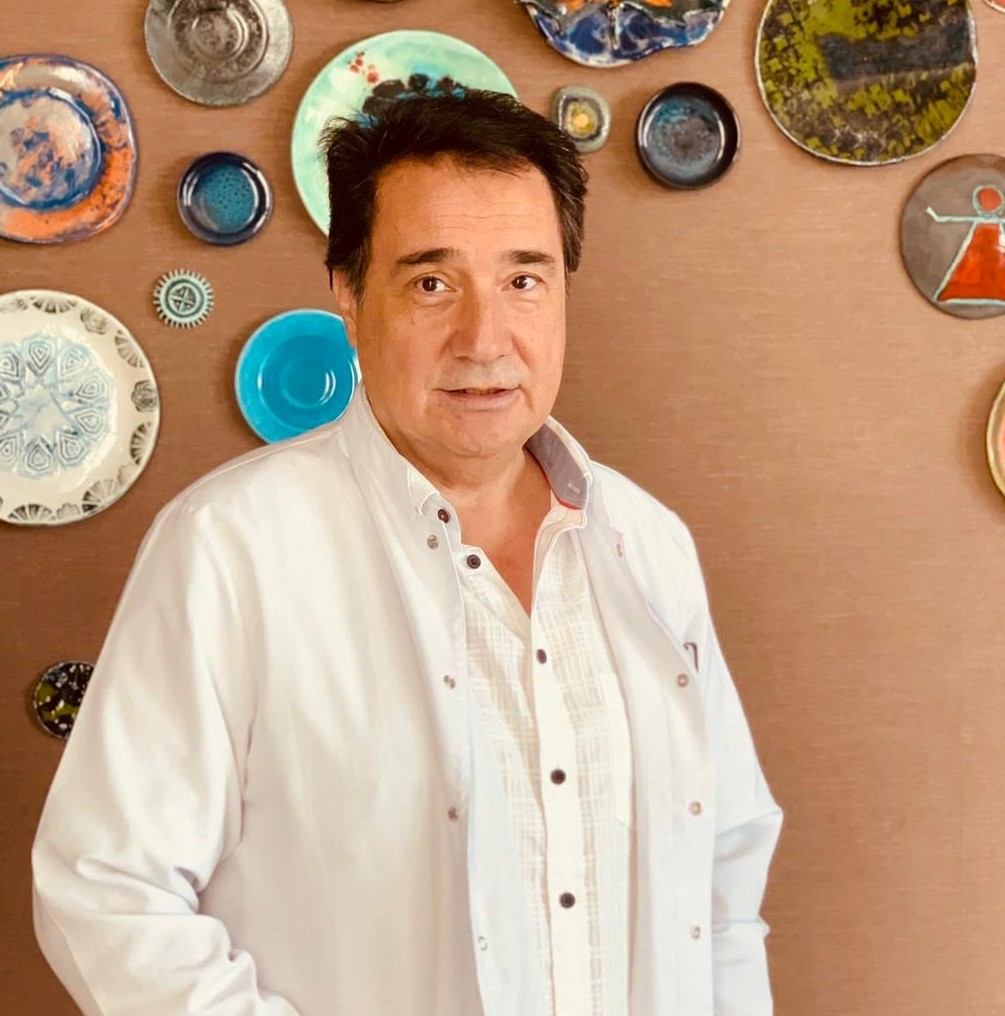
Prof. Dr. Yavuz Beşoğul graduated from Erciyes University Faculty of Medicine in 1989 and completed his specialization in Cardiovascular Surgery in 1996. Between 1997 and 2012, he served at Eskişehir Osmangazi University Faculty of Medicine as Assistant Professor, Associate Professor, and Professor, respectively. Prof. Dr. Beşoğul, one of the pioneers of minimally invasive cardiovascular surgery in Türkiye, has specialized in closed-heart surgeries, underarm heart valve surgery, beating-heart bypass, and peripheral vascular surgery. He worked at Florence Nightingale Kızıltoprak Hospital between 2012–2014, Medicana Çamlıca Hospital between 2014–2017, and İstinye University (Medical Park) Hospital between 2017–2023. With over 100 publications and one book chapter, Prof. Dr. Beşoğul has contributed significantly to the medical literature and is known for his minimally invasive approaches that prioritize patient safety and rapid recovery.