Türkçe
Arm pain is a common symptom that can arise from musculoskeletal, neurological, or cardiovascular causes. Its nature and accompanying signs help determine whether it stems from a benign condition or a serious underlying disease.
Right arm pain is often related to overuse, trauma, or nerve compression such as cervical radiculopathy. It may also be referred pain from gallbladder or liver diseases in some cases.
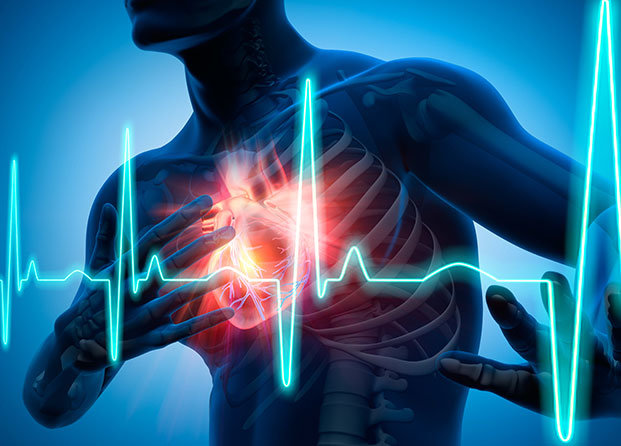
Left arm pain is clinically significant, as it may indicate coronary artery disease or myocardial infarction. Sudden, severe, or persistent pain accompanied by chest symptoms requires immediate medical attention.
Other causes of arm pain include arthritis, tendonitis, fractures, and peripheral nerve entrapment. A thorough clinical evaluation is necessary for accurate diagnosis and tailored treatment.
| Common Symptoms | – Constant or intermittent pain- Burning, tingling or numbness- Pain that increases or decreases with movement- Decreased arm strength, muscle tenderness |
| Causes | – Muscle and tendon strain- Nerve compression (neck hernia, carpal tunnel syndrome)- Joint diseases (arthritis, bursitis)- Trauma or fractures- Reflected pain due to heart attack (especially left arm) |
| Risk Factors | – Repetitive arm movements- Sedentary lifestyle- History of neck hernia- Advanced age- Diabetes, obesity |
| Complications | – Limitation of movement- Muscle and nerve loss- Chronic pain development |
| Diagnostic Methods | – Physical examination- X-ray- Magnetic resonance imaging (MRI)- Nerve conduction studies (EMG)- Blood tests (infection, rheumatism, etc.) |
| Treatment Methods | – Treatment for the underlying cause – Painkillers and muscle relaxants – Physiotherapy and exercise – Surgical intervention if necessary |
| Prevention Methods | – Regular exercise- Ergonomic working conditions- Avoiding overload- Muscle strengthening exercises |
When does arm pain indicate an emergency and which symptoms should be taken seriously?
Arm pain should not be dismissed out of hand. In some cases, this pain can be a harbinger of an emergency situation where even seconds count. Recognizing these so-called “red flags” is vital to take the right step at the right time. If your arm pain starts suddenly and is severe, especially if it is accompanied by one or more of the symptoms listed below, you should call 112 emergency services immediately.
These emergency symptoms are:
- Feeling of pressure, tightness, heaviness or crushing in the chest
- Shortness of breath or feeling unable to breathe
- Cold sweating
- Nausea or vomiting
- Severe dizziness or lightheadedness
- Pain radiating to the jaw, back or stomach
- Sudden anxiety and a feeling that something bad is going to happen
- Visible deformity of the arm after a fall or accident
- Inability to move the arm
Does a Heart Attack Only Present with Left Arm Pain?
When people think of a heart attack, they immediately think of left arm pain. While this information is not wrong, it is incomplete and can sometimes be dangerous. Heart attack pain is often felt in the left arm, but this is not a rule. The pain may be in the right arm, both arms, or sometimes only in the jaw, back or shoulder.
So why is heart pain felt in the arm? Let’s explain with a simple example. The nervous system in our body can be compared to the electrical network of a big city. Nerve “wires” from the heart and arm send signals to the brain via the same “main transformer” in the spinal cord. Our brain is usually more accustomed to interpreting signals from external areas, such as the arm. This is why it can perceive an emergency alarm signal from the heart as if it were coming from the arm on the same line. We call this “reflected pain”.
The question of why right arm pain occurs in women is especially important. Because the symptoms of a heart attack in women may be different, more “atypical” than in men. While heart attack is an important cause of left arm pain in women, sometimes the only complaint may be right arm pain, indigestion, extreme and sudden fatigue or shortness of breath. Therefore, the character of the pain (such as pressure or squeezing) and other accompanying symptoms are much more important than the side of the arm.
What is angina and how is it related to arm pain?
Angina is a kind of warning pain that occurs when the heart muscle does not get enough oxygen. You can think of it as a “rehearsal” for a heart attack. It is usually a sign of a narrowing of the blood vessels that supply the heart. Just like a heart attack, angina pain can start in the chest and spread to the arms, shoulder or jaw.
The most important difference between angina and a heart attack is that angina pain usually starts with a trigger and goes away with rest. For example, arm pain that starts when you walk fast or climb a hill and goes away when you stop and rest for a few minutes may suggest angina. However, pain that does not go away despite rest or that starts out of the blue indicates a higher risk of heart attack and requires urgent intervention.
There are some clues that can help you distinguish heart-related pain from the more common musculoskeletal pain:
Typical features of pain of cardiac origin are:
- Pressure, squeezing, feeling of heaviness
- Often triggered by exertion or stress
- Doesn’t go away with rest (heart attack) or goes into remission (angina)
- Often accompanied by shortness of breath, sweating, nausea
Typical features of musculoskeletal pain are as follows:
- Sharp, stinging, stinging
- Increases with a specific movement (such as raising the arm)
- Often relieved by rest
- Often accompanied by swelling, bruising or tenderness
Does Vascular Occlusion (Peripheral Arterial Disease) Cause Pain in the Arms?
When we think of atherosclerosis or blockage, we usually think of the arteries of the heart or brain, but this condition can also affect the arteries that supply our arms. In this condition, called peripheral arterial disease (PAD), blood flow slows down due to plaques that build up on the walls of the vessels.
When this condition occurs in the arms, it causes a fairly typical complaint. During an activity that uses the arms, such as writing, knitting or carrying an object, the person feels fatigue, cramping or pain in the arm. When they stop the activity and rest their arm, the pain goes away within a few minutes. We call this condition “claudication”. This is actually a sign that the muscles are not getting enough oxygen.
Other symptoms of peripheral artery disease in the arm may include
- A constant feeling of coldness in the arm, especially compared to the other arm
- Skin discoloration or bruising
- Weaker pulse in one arm compared to the other
- Slower nail growth
- Wounds on the arm heal too late
Complaints such as persistent arm pain or right arm pain that increases with exertion and does not go away may be a sign of vascular disease and should be evaluated by a cardiovascular surgeon.
Why Vascular Compression Such as Thoracic Outlet Syndrome (TOS) Causes Arm Pain That Does Not Go Away
Sometimes the cause of arm pain is not a blockage, but a “pinching” of the vessels and nerves leading to the arm in an anatomically narrow area. This narrow passage between the collarbone and the first rib is called the “thoracic outlet”. The condition caused by compression of the vessels or nerves in this area is called Thoracic Outlet Syndrome (TOS).
We can think of this syndrome as a narrow bridge under which an important highway passes. Both traffic (blood flow) and communication lines (nerves) cross this highway. If there is a collapse or narrowing of the bridge, both traffic and communication are disrupted. There are two main types of TOS that affect blood vessels:
Venous TOS: In this condition, the main vein in the area is compressed. This causes a pooling of dirty blood that should return to the heart from the arm. Symptoms include the following:
- Sudden swelling in the arm
- Feeling of heaviness, tension and fullness
- Bruising on the arm and hand
- Prominence of superficial veins on the chest and shoulders
Arterial TOS: In this rarer type, the main artery that carries clean blood to the arm becomes compressed. This leads to the arm not being supplied with enough blood. Symptoms are as follows:
- Pain and cramping, especially when the arm is raised
- Coldness and pallor in the arm and fingers
- Numbness and tingling in the fingers
- Pulse weakness in the arm
TOS is more common in certain occupational groups (painters, swimmers, throwers) and is a specialized condition that may underlie chronic complaints such as arm pain that does not go away for 1 month.
Does a Herniated Cervical Hernia cause Pain in the Arm?
Yes, very often. It is quite common that the main culprit for the pain you feel in your arm is not your arm but your neck. Herniated discs between the cervical vertebrae, which act as cushions, or calcifications in the spine can compress the nerve roots going to the arm. In medical language, we call this condition “cervical radiculopathy”.
This pinched nerve sends abnormal signals along its path, just like a stripped electrical cable. This causes pain, which usually starts in the neck and radiates to the shoulder and then to the hand and fingers, in the form of pain on the outside or inside of the arm. This pain is usually described in the following ways:
- A sharp and burning pain
- Such as electric shock or lightning strikes
- A stabbing and dull pain
In addition to pain, the following symptoms can also be seen in pain in the arm due to cervical hernia:
- Numbness in the arm, hand or fingers
- Tingling or pricking sensation
- Weakness in certain muscles (e.g. muscles that allow you to lift the arm or clench a fist)
- Difficulty holding objects or doing fine work
Are Nerve Compression (Carpal Tunnel) Among the Causes of Arm Pain?
Definitely yes. Nerves pass through various narrow “tunnels” not only in the neck but also along the arm and can become pinched at these points. These conditions can cause pain, numbness and weakness radiating down the arm.
Here are some common nerve compression conditions that can cause pain in the arm:
Carpal Tunnel Syndrome: The most common. It is the compression of the median nerve passing through a narrow channel in the wrist called “carpal tunnel”. It is usually seen in people who perform repetitive hand and wrist movements (computer use, manual labor, etc.). It typically manifests itself with numbness in the thumb, index and middle finger and pain that wakes you up at night. This pain and numbness can spread to the forearm.
Cubital Tunnel Syndrome: It is the compression of the ulnar nerve that passes through the inner part of the elbow, the area we call the “nerve tip”. Keeping the elbow bent for a long time (while talking on the phone, sleeping) can trigger this condition. It causes numbness in the pinky and ring finger and pain in the arm.
Radial Tunnel Syndrome: It is caused by compression of the radial nerve near the elbow and usually causes pain in the upper forearm.
What are the Causes of Musculoskeletal Pain in the Right or Left Arm?
The majority of arm pain is not caused by the heart or vascular system, but by the musculoskeletal system, such as muscles, bones, joints and tendons. Although this type of pain is usually more innocent, it can seriously impair quality of life.
Conditions that can lead to severe pain in the arm after a trauma or fall include
Fractures Fracture of any of the arm bones causes sudden and severe pain, swelling, bruising and disfigurement.
Dislocations Dislocation of the shoulder or elbow joint also leads to intense pain and complete restriction of movement.
Common problems that cause complaints such as persistent right arm pain due to repetitive movements or overuse are as follows:
Tendonitis (tendon inflammation): Inflammation of the tendons that connect the muscles to the bones. “Rotator cuff tendonitis” in the shoulder, “tennis elbow” or “golfer’s elbow” in the elbow are the most well-known examples. The pain usually increases with movement.
Bursitis (inflammation of the fluid sac): Inflammation of the fluid-filled sacs that cushion the joints. It is common in the shoulder and elbow.
Rotator Cuff Tears: These are tears in the muscle and tendon group surrounding the shoulder joint. It causes complaints such as difficulty in lifting the arm up and pain in the left arm (or right) at night, because the pain increases when the person lies on the aching shoulder.
Arthritis: Wear and tear of the cartilage in the shoulder, elbow or wrist joints over time. Morning stiffness that increases with immobility and pain that increases with movement are typical.
Does Left Arm Pain from Stress Really Happen?
Yes, it is possible. Intense stress and anxiety cause us to contract our muscles without realizing it. Especially neck, shoulder and back muscles are very sensitive to stress. Over time, these constantly tense muscles can turn into hard bands with painful trigger points, which we call “myofascial pain syndrome”.
Pain from these trigger points in the shoulder and neck area can radiate into the arm, just like a cervical hernia. A person experiencing left arm pain due to stress may become even more stressed, worrying that the pain is caused by a heart attack, creating a vicious circle. However, while stress-induced muscle pain is often characterized or alleviated by massage, heat application or relaxation exercises, heart-related pain is not affected by such interventions. Nevertheless, it is always best to consult a doctor in case of doubt.
What can be done to treat arm pain and when should a cardiovascular surgeon be consulted?
The treatment of arm pain depends entirely on the underlying cause of your complaint. The treatment plan ranges from simple home remedies to surgical interventions.
Here are some common treatment methods depending on the cause of arm pain:
- Rest, ice application and keeping the arm elevated
- Painkillers and anti-inflammatory medicines or creams
- Physical therapy and personalized exercise programs
- Cortisone injections to suppress inflammation
- Use of splints for pinched nerves
- Surgical interventions (for fractures, tears or severe nerve compression)
However, some types of arm pain fall squarely within the specialty of a cardiovascular surgeon, and in these cases it is very important not to waste time. Diagnosis and treatment by a specialized physician can mean preventing permanent damage or saving lives.
In the following cases, a cardiovascular surgeon should be consulted:
- Cramp-like arm pain that occurs especially with exertion and disappears at rest (suspicion of Peripheral Arterial Disease)
- Sudden swelling, bruising, tension and pain in the arm (suspicion of Deep Vein Thrombosis or Venous TOS)
- A significant difference in pulse or blood pressure between the two arms
- Tearing, very severe pain radiating from the chest or back to the arm (suspected aortic dissection)
- Presence of coldness, pallor and non-healing wounds on the arm
- Any arm pain for which the diagnosis is unclear and the underlying cause is suspected to be a vascular problem.

Prof. Dr. Yavuz Beşoğul graduated from Erciyes University Faculty of Medicine in 1989 and completed his specialization in Cardiovascular Surgery in 1996. Between 1997 and 2012, he served at Eskişehir Osmangazi University Faculty of Medicine as Assistant Professor, Associate Professor, and Professor, respectively. Prof. Dr. Beşoğul, one of the pioneers of minimally invasive cardiovascular surgery in Türkiye, has specialized in closed-heart surgeries, underarm heart valve surgery, beating-heart bypass, and peripheral vascular surgery. He worked at Florence Nightingale Kızıltoprak Hospital between 2012–2014, Medicana Çamlıca Hospital between 2014–2017, and İstinye University (Medical Park) Hospital between 2017–2023. With over 100 publications and one book chapter, Prof. Dr. Beşoğul has contributed significantly to the medical literature and is known for his minimally invasive approaches that prioritize patient safety and rapid recovery.