Türkçe
LDL cholesterol, often called “bad cholesterol,” plays a major role in the development of atherosclerosis. Elevated LDL levels contribute to plaque buildup in arteries, increasing the risk of heart attack and stroke.
High LDL cholesterol levels are often caused by poor diet, sedentary lifestyle, smoking, obesity, or genetic factors. Persistent elevation accelerates vascular damage and requires medical management to reduce cardiovascular risks.
Low LDL cholesterol, though less common, may occur due to malnutrition, hyperthyroidism, or liver disease. Extremely low levels can affect hormone production and cellular functions, leading to metabolic disturbances.
Treatment strategies include dietary modifications, exercise, and lipid-lowering medications such as statins. Regular monitoring and lifestyle changes are key to maintaining optimal cholesterol balance and cardiovascular health.
| Medical Term | LDL (Low-Density Lipoprotein) Cholesterol |
| General Description | known as “bad cholesterol”; can build up in artery walls and lead to atherosclerosis |
| Normal Value Range | < 100 mg/dL (< 70 mg/dL recommended in high-risk individuals) |
| High Value Ranges | 100-129 mg/dL: Less than ideal – 130-159 mg/dL: Borderline high – 160-189 mg/dL: High – ≥190 mg/dL: Very high |
| Causes of Height | Diet rich in saturated fats, genetic hyperlipidemia, physical inactivity, obesity, hypothyroidism |
| Causes of miscarriage | Malabsorption, hyperthyroidism, certain liver diseases, genetic lipid disorders |
| Related Risks | Coronary artery disease, stroke, peripheral artery disease |
| Diagnostic Methods | Fasting lipid profile (blood test) |
| Treatment Methods | Lifestyle changes (diet, exercise), statins, ezetimibe, PCSK9 inhibitors |
| Follow-up Process | LDL levels should be checked at regular intervals according to target values |
If It’s So Important For Our Lives, Why Is LDL Cholesterol Referred To As “Bad”?
You can think of cholesterol as the mortar in the foundation of every building. Every cell in our body needs it to build its wall (the cell membrane) and keep it strong and flexible. Our liver uses this waxy, fat-like substance to produce vital molecules such as vitamin D, the stress-fighting hormone cortisol and sex hormones. It’s even the raw material for bile acids that help digest the fats we eat. So cholesterol itself is not bad; it is how and how much is carried in our blood.
Fats and cholesterol cannot travel through the water-based blood on their own. So they bind to special carrier proteins called “lipoproteins”. This is where the distinction between “good” and “bad” arises. Let’s liken these lipoproteins to a cargo company.
- LDL (Low Density Lipoprotein): This is the “delivery truck”. Its job is to take the cholesterol produced in the liver and deliver it to all the cells of the body that need it. However, if there are too many of these trucks in traffic, they begin to deposit the cargo (cholesterol) they carry on the walls of the arteries. Over time, this deposit starts an inflammation of the vessel wall, like rusting, and leads to plaques that harden the arteries. This is why LDL cholesterol is known as “bad”.
- HDL (High Density Lipoprotein): This is the “garbage truck” or “recycling team”. Its job is to collect excess cholesterol that accumulates in tissues and vessel walls and bring it back to the liver to be cleaned. High levels of HDL cholesterol are therefore protective for heart health and are called “good”.
In other words, the problem is not the cholesterol itself, but the excess of LDL trucks carrying it to the vessel walls.
How is my LDL cholesterol level measured in a blood test?
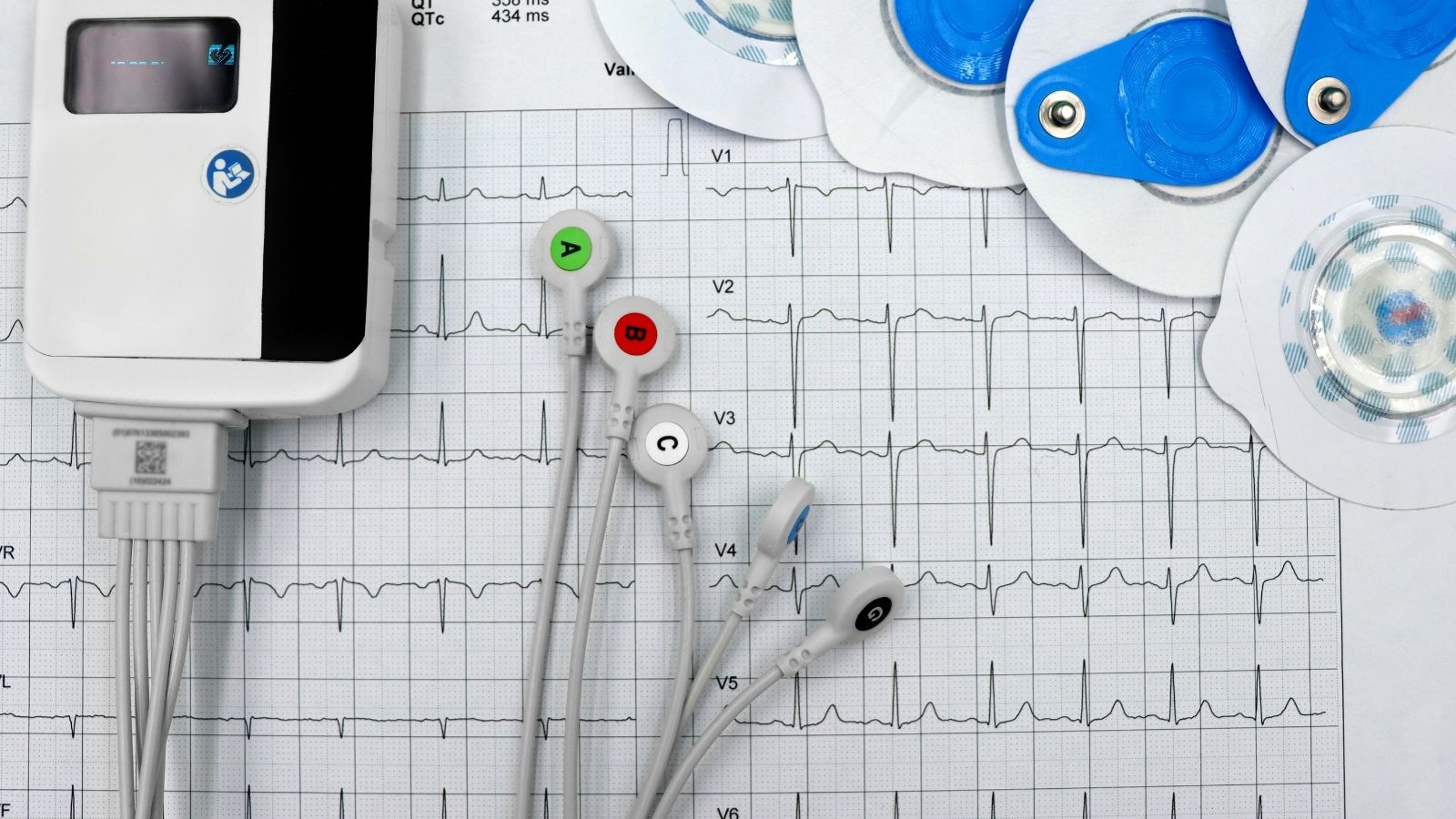
Your LDL cholesterol level is measured by a simple blood test called a “lipid panel”. This test is a photograph taken to understand your risk of cardiovascular disease and usually includes the following values
- Total Cholesterol
- LDL Cholesterol (Bad Cholesterol)
- HDL Cholesterol (Good Cholesterol)
- Triglycerides
Although a 9-12 hour fast is traditionally required for this test, recent guidelines suggest that a full stomach measurement is often sufficient for initial risk assessment. This is because we are mostly full during the day anyway and this measurement can give a more realistic idea of the body’s fat levels in normal working order. However, if your triglycerides are very high or if your doctor has a special request, a fasting test may still be necessary. Always follow your physician’s guidance for the best approach.
What Should My LDL Cholesterol Value Be For Ideal Health?
This is one of the most frequently asked questions: “What should LDL cholesterol be?” There is no single answer to this question, because the ideal value varies from person to person. However, as a general guideline, the principle of “the lower the better” applies for cardiovascular health. The generally accepted categories for adults are as follows:
- Optimal: below 100 mg/dL
- Optime Close: 100-129 mg/dL
- Borderline High 130-159 mg/dL
- High 160-189 mg/dL
- Very High 190 mg/dL and above
These figures are a starting point. Your personal goal will be determined based on your overall health. For example, if you have diabetes, a history of heart attack or stroke, or multiple risk factors such as a family history of premature heart disease, your doctor may aim to reduce your LDL cholesterol level below 70 mg/dL, or even below 55 mg/dL in very high-risk cases. It is therefore essential that you discuss your results with a physician.
Which Factors Predispose to High LDL Cholesterol Values?
Elevated LDL cholesterol is usually not due to a single cause; rather, it is the result of factors that come together like pieces of a puzzle. These factors can be divided into two main groups.
The lifestyle factors we can control are:
- Diet rich in saturated and trans fats
- Living a sedentary life
- Being overweight or obese
- Smoking and using tobacco products
- Excessive alcohol consumption
- Intense and chronic stress
There are also other underlying medical conditions that we cannot control:
- Genetic predisposition (family history)
- Advancing age
- Postmenopausal period (for women)
- Diabetes
- Underactive thyroid gland (hypothyroidism)
- Chronic kidney disease
- Some rheumatic diseases
How Our Genetic Legacy Can Raise LDL Cholesterol Levels
Sometimes high cholesterol is a genetic inheritance that runs in families, no matter how healthy you live. The most serious form of this is a condition called “Familial Hypercholesterolemia” (FH). In this disease, there is a defect in the genes that allow the body to clear LDL cholesterol from the blood. This genetic defect prevents the liver from effectively clearing LDL from the blood. As a result, LDL builds up in the blood and reaches dangerous levels as early as childhood. In these people, LDL levels are often well above 190 mg/dL. FH is a serious condition that, left untreated, can increase the risk of heart attack at a very early age by tens of times and requires medical treatment.
What Does High LDL Cholesterol Do to Our Arteries?
High LDL cholesterol initiates an insidious process in our arteries called “atherosclerosis” or arteriosclerosis. We can liken this process to a pipe rusting and clogging from the inside over time.
- Leakage and accumulation: Excess LDL particles circulating in the blood leak into the delicate lining of the arteries (endothelium) and begin to accumulate there.
- Inflammatory Reaction: LDL that leaks into the vessel wall is chemically altered (oxidized) and perceived as a threat by the body’s immune system. This starts a chronic inflammation of the vessel wall.
- Plaque Formation: As the immune cells try to clear this oxidized LDL, they fill with fat and become “foam cells”. Over time, these cells, cholesterol crystals and other waste build up to form hard layers called “plaque”.
- Narrowing and Blockage: As these plaques grow, they narrow the inside of the artery and make blood flow difficult. The biggest danger is when these plaques suddenly rupture. The body quickly forms a blood clot to repair the tear. This clot suddenly and completely blocks the blood vessel, causing a heart attack or stroke.
What diseases does LDL cholesterol cause as a result of arteriosclerosis?
The process of atherosclerosis affects vessels in different parts of the body, causing different diseases.
- Heart attack Occurs when plaque blocks the coronary arteries that supply the heart.
- Stroke: Occurs when plaques block the carotid arteries that supply the brain or the vessels inside the brain.
- Peripheral Artery Disease: Most commonly affects the blood vessels in the legs. Pain in the calf with walking (window disease) is the most typical symptom.
How Can I Lower My LDL Cholesterol Levels Without Medication?
the answer to the question “How to lower LDL cholesterol?” is always through lifestyle changes first. Even if you are taking medication, these steps can improve the success of treatment and make an invaluable contribution to your overall health.
Here are the changes you can make to your diet:
Prefer
- Sources of soluble fiber such as oats, barley, apples, oranges, carrots, eggplant
- Raw nuts such as walnuts, almonds, hazelnuts
- Healthy fats like olive oil and avocado
- Legumes such as beans, chickpeas, lentils
- Fatty fish such as salmon, mackerel
Limit or Avoid:
- Red meat and processed meat products (salami, sausage, pepperoni)
- Whole milk, yogurt and cheese
- Butter and tail fat
- Processed snacks such as fries and chips
- Bakery products, biscuits (contain trans fats)
- Sugary drinks and sweets
Physical activity is also very important. Doing aerobic exercises such as brisk walking, cycling and swimming for 30-40 minutes at least five days a week lowers LDL and increases the good cholesterol HDL. Quitting smoking is one of the most powerful steps you can take for cholesterol management. Within a year of quitting smoking, your risk of heart attack is halved.
Which medicines are used to treat high LDL cholesterol?
If LDL cholesterol does not fall to target levels despite lifestyle changes, or if the risk of heart disease is too high, medication becomes inevitable. In modern medicine, there are very effective groups of drugs that we use for this purpose.
Statins: These drugs are the mainstay of high cholesterol treatment. They lower blood LDL levels very effectively (by 0-55%) by inhibiting cholesterol production in the liver.
Ezetimibe: Reduces the absorption of cholesterol from the intestines. It is usually preferred in addition to statins or in patients who cannot use statins.
PCSK9 Inhibitors: These are a new generation of biotechnologic drugs administered in injection form that lower LDL very strongly (up to P-70). It is usually used in very high-risk patients with genetic high cholesterol or in patients who have failed to reach the target despite all other treatments.
Other Medicines: Other options, such as bile acid binders and bempedoic acid, can be added to treatment in certain cases.
The choice of treatment and doses of medication is completely individualized and should be adjusted by a physician according to your risk status.
How Angioplasty and Stenting Clear LDL Cholesterol Plaques
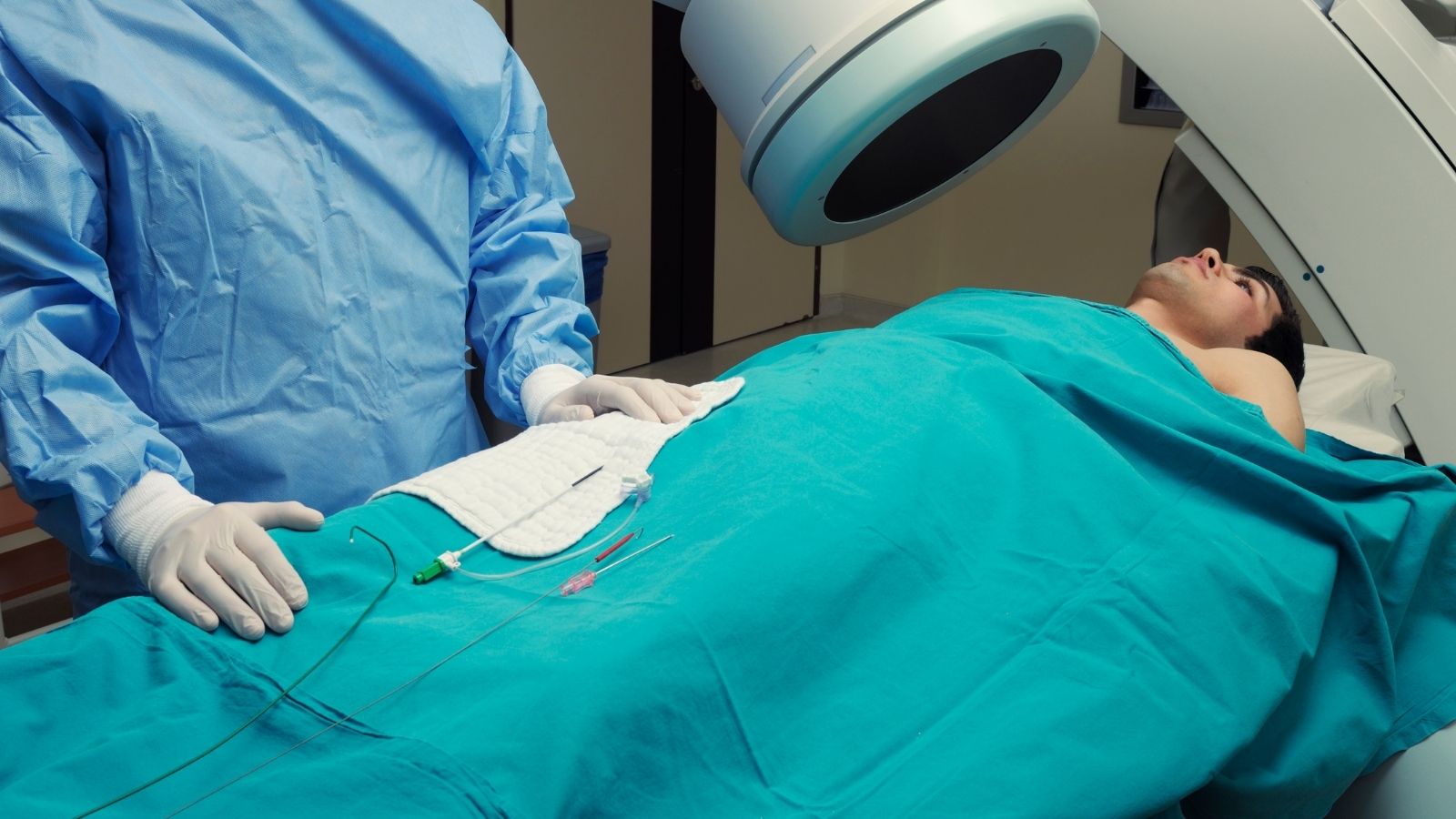
When, despite medication and lifestyle changes, plaques formed by the accumulation of LDL cholesterol narrow the arteries to a critical level or in the event of a heart attack, it is necessary to mechanically open the vessel. Coronary angioplasty and stenting is a minimally invasive procedure for this purpose. A thin wire (catheter) is inserted into the blocked artery of the heart, usually through the wrist or groin. A small balloon at the end of the catheter is inflated at the site of the plaque, crushing the plaque against the vessel wall and opening the bloodway. A special drug-coated metal cage, often called a “stent”, is then placed in the same area to prevent the vessel from closing again. This procedure quickly restores blood flow, prevents damage to the heart muscle and improves the patient’s quality of life.
In Which Cases Is Bypass Surgery for LDL Cholesterol Blockages Necessary?
Coronary bypass surgery offers a more permanent solution in cases where atherosclerosis is very common. Especially in the following cases, bypass surgery may be preferred over angioplasty:
- Severe stenosis in the left main coronary artery, the main artery of the heart
- Severe blockage of more than one coronary artery (three or more)
- Common and complex vascular disease in diabetics
- Weakened heart contractility
- Stenoses that are not suitable for stent placement
In this surgery, a healthy blood vessel from another part of the body (usually an artery in the chest or a vein in the leg) is sewn beyond the blocked area to create a new pathway, a “bridge” for the blood. The blood then continues to supply the heart muscle by “bypassing” the blocked area. The decision between these two methods is made by a “heart team” consisting of a cardiovascular surgeon and a cardiologist, depending on the extent of the disease, the general condition of the patient and the vascular structure.
Why Do Low LDL Cholesterol Levels Happen and Are They a Problem?
Although we are mostly concerned about high LDL cholesterol, sometimes low LDL cholesterol can also be a sign of an underlying problem. Generally, values below 50 mg/dL are considered low. Low LDL levels achieved through medication or a healthy lifestyle are generally desirable and protective. Sometimes, however, there may be other reasons behind this miscarriage:
- Some rare genetic diseases
- Overactive thyroid gland (hyperthyroidism)
- Serious liver diseases
- Malnutrition or malabsorption
- Some types of cancer
- Chronic infections
Therefore, if your LDL levels are too low for no apparent reason or when you are not taking medication, it is important to investigate the underlying cause. Some observational studies have linked very low cholesterol levels to conditions such as depression and anxiety, but this link is not yet clear.
Does Very Low LDL Cholesterol Increase the Risk of Brain Bleeding?
This is one of the most sensitive issues in cholesterol management. Several large studies have shown that very low levels of LDL cholesterol (especially below 70 mg/dL) can cause a very slight increase in the risk of hemorrhagic stroke. The theoretical reason for this is that cholesterol is essential for the wall integrity of even the smallest vessels in the brain, and too low a level can make these walls more fragile.
However, it is vital to interpret this information correctly. First, bleeding-related stroke is much rarer than clot-related stroke. Second, the overwhelming benefit of lowering LDL in preventing clot-related stroke and heart attack is many times greater than this very small theoretical risk. So for millions of people at risk of cardiovascular disease, the net benefit of lowering LDL cholesterol is indisputable. This is a good example of how medical decisions always require a personalized risk-benefit analysis.
Frequently Asked Questions
What is LDL cholesterol?
LDL (Low-Density Lipoprotein) cholesterol is known as “bad cholesterol”. It can cause cholesterol carried in the blood to build up on the vessel walls.
What does high LDL cholesterol mean?
High LDL levels increase the risk of heart attack, stroke and atherosclerosis.
What is the ideal level for LDL cholesterol?
Generally, a level below 100 mg/dL is desirable. Individuals at high risk of heart disease can aim for less than 70 mg/dL.
Why does LDL cholesterol rise?
Diet rich in saturated fat and trans fat, inactivity, obesity, genetic factors and certain diseases can increase LDL.
How to lower LDL cholesterol?
It can be controlled with a healthy diet, exercise, smoking cessation and, if necessary, cholesterol-lowering drugs.
Does high LDL cholesterol cause symptoms?
No, it is usually asymptomatic. In the long term, however, it can lead to atherosclerosis and heart disease.
What diseases are caused by high LDL?
Atherosclerosis (arteriosclerosis) can cause heart attacks, strokes and peripheral vascular disease.
What level of LDL cholesterol is considered dangerous?
190 mg/dL and above is considered very high and requires urgent intervention.
What is the difference between HDL and LDL cholesterol?
HDL is the good cholesterol and removes excess cholesterol from the body. LDL, on the other hand, can carry cholesterol to the vessel wall and cause blockages.
Is low LDL cholesterol harmful?
Excessive low levels are rarely harmful, but low levels are generally preferred for cardiovascular health.
How is LDL cholesterol measured?
It is measured by a blood test. It is usually evaluated with a sample taken after 8-12 hours of fasting.
Does genetic predisposition affect LDL cholesterol?
Yes, in genetic conditions such as familial hypercholesterolemia, LDL levels can be very high.
What are the LDL-lowering drugs?
Statins, ezetimibe, PCSK9 inhibitors and some fibrates are effective in lowering LDL.
Can herbal methods lower LDL?
Some natural foods such as oats, flaxseed, garlic, omega-3 fatty acids can be supportive.
Which specialist monitors LDL cholesterol?
It is evaluated and monitored by internal medicine, cardiology and endocrinology specialists.

Prof. Dr. Yavuz Beşoğul graduated from Erciyes University Faculty of Medicine in 1989 and completed his specialization in Cardiovascular Surgery in 1996. Between 1997 and 2012, he served at Eskişehir Osmangazi University Faculty of Medicine as Assistant Professor, Associate Professor, and Professor, respectively. Prof. Dr. Beşoğul, one of the pioneers of minimally invasive cardiovascular surgery in Türkiye, has specialized in closed-heart surgeries, underarm heart valve surgery, beating-heart bypass, and peripheral vascular surgery. He worked at Florence Nightingale Kızıltoprak Hospital between 2012–2014, Medicana Çamlıca Hospital between 2014–2017, and İstinye University (Medical Park) Hospital between 2017–2023. With over 100 publications and one book chapter, Prof. Dr. Beşoğul has contributed significantly to the medical literature and is known for his minimally invasive approaches that prioritize patient safety and rapid recovery.