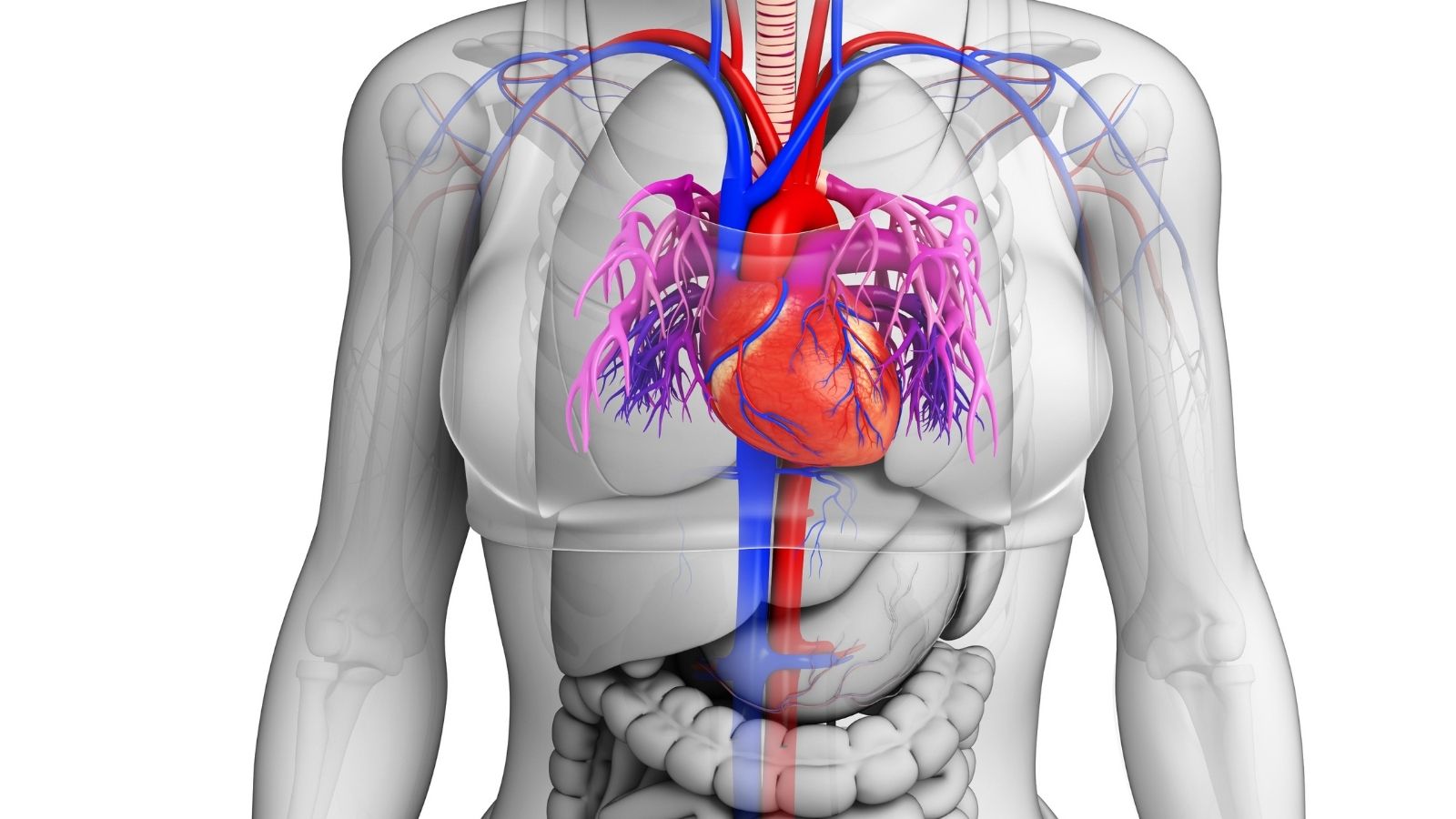
Heart valve surgery duration varies depending on the complexity of the case and the valve involved. On average, such operations last between three and six hours, covering preparation, surgical intervention, and recovery phases under anesthesia.
Aortic or mitral valve replacement usually requires longer time compared to less complex repairs. The surgeon’s technique, patient’s overall health, and possible additional interventions significantly influence the duration of surgery.
During surgery, cardiopulmonary bypass is typically used to take over heart and lung function. This allows the surgeon to operate in a controlled environment, ensuring precise valve repair or replacement.
Postoperative monitoring in the intensive care unit is crucial for recovery. The total time spent in hospital depends on surgical outcomes, patient response, and presence of comorbid conditions, typically lasting one to two weeks.
How Long Does Heart Valve Surgery Take?
Heart valve surgery performed with minimally invasive surgery takes an average of 1.5 – 2 hours. With minimally invasive methods, the recovery process is also faster after surgery performed through 3-4 centimeter incisions in the armpit or side of the chest. In addition, patients have a lower risk of complications after valve replacement using closed heart surgery.
How Many Hours Does Heart Valve Replacement Surgery Take?
In cases where problems with the heart valves cannot be treated, patients are implanted with an artificial or natural heart valve. The non-functioning heart valve is removed and replaced with a natural or artificial valve. This operation takes an average of 2 hours. The duration of the operation may vary depending on the patient’s general health condition, age and the experience of the surgeon.
How Many Hours Does Heart Valve Repair Surgery Take?
In cases where a problem with the heart valve can be treated without replacing the valve, heart valve repair is performed. Heart valve repair surgery takes an average of 1.5 – 2 hours. When the surgery is performed with minimally invasive methods, the risk of postoperative complications is reduced and the patient’s recovery period is shortened. In minimally invasive treatments, the patient’s comfort is increased and there are no surgical scars that may adversely affect the patient’s psychology.

Prof. Dr. Yavuz Beşoğul graduated from Erciyes University Faculty of Medicine in 1989 and completed his specialization in Cardiovascular Surgery in 1996. Between 1997 and 2012, he served at Eskişehir Osmangazi University Faculty of Medicine as Assistant Professor, Associate Professor, and Professor, respectively. Prof. Dr. Beşoğul, one of the pioneers of minimally invasive cardiovascular surgery in Türkiye, has specialized in closed-heart surgeries, underarm heart valve surgery, beating-heart bypass, and peripheral vascular surgery. He worked at Florence Nightingale Kızıltoprak Hospital between 2012–2014, Medicana Çamlıca Hospital between 2014–2017, and İstinye University (Medical Park) Hospital between 2017–2023. With over 100 publications and one book chapter, Prof. Dr. Beşoğul has contributed significantly to the medical literature and is known for his minimally invasive approaches that prioritize patient safety and rapid recovery.