

Shortness of breath, also known as dyspnea, is the subjective sensation of difficult or labored breathing. It is a common symptom of heart and lung diseases but may also result from anxiety or deconditioning.
Cardiac causes of dyspnea include heart failure, valvular disease, and arrhythmias, while pulmonary causes involve asthma, pneumonia, or chronic obstructive pulmonary disease. Identifying the origin is crucial for effective management.
Diagnostic evaluation includes chest imaging, electrocardiography, lung function tests, and blood analysis. These methods determine whether dyspnea originates from cardiac or respiratory pathology.
Treatment depends on the underlying cause, ranging from medications such as bronchodilators or diuretics to oxygen therapy and lifestyle modifications. Prompt diagnosis improves quality of life and prevents complications.
| Medical Name | Dyspnea (Shortness of breath) |
| Common Symptoms | – Difficult or rapid breathing- Chest tightness- Difficulty speaking or walking- Wheezing- Fatigue, sweating |
| Causes | – Lung diseases (COPD, asthma, pneumonia, pulmonary embolism)- Heart failure- Anemia- Obesity- Psychological causes |
| Risk Factors | – Smoking- Heart and lung diseases- Allergy history- Advanced age- Obesity |
| Complications | – Hypoxia (lack of oxygen in tissues)- Loss of consciousness- Respiratory or cardiac arrest |
| Diagnostic Methods | – Physical examination- Chest radiography- Echocardiography- Pulmonary function tests- Blood gas analysis |
| Treatment Methods | – Treatment of the underlying cause- Oxygen support- Inhaler or bronchodilator drugs (for asthma/COPD)- Intensive care support if necessary |
| Prevention Methods | – Quitting smoking and alcohol- Weight control- Treatment of allergies and chronic diseases- Regular exercise |
What is Shortness of Breath (Dyspnea)?
In its simplest form, shortness of breath can be defined as when the act of breathing becomes difficult or uncomfortable. This is a completely personal experience. In other words, it is not possible for an outsider or a device to measure the severity of your shortness of breath. Even if your finger prick oxygen level is normal, your feeling of “I am short of breath” is very real and should be taken seriously.
One of the reasons why this sensation differs from person to person is that our psychological state, past experiences and even our cultural structure affect our perception of this sensation. Therefore, the most valuable information for a physician is the patient’s own story. Without minimizing the feeling you are experiencing, conveying it to your doctor in all its details will be the most powerful beacon that illuminates the way to the correct diagnosis.
Why Does Our Body Feel Short of Breath?
The feeling of shortness of breath is caused by a communication breakdown between your brain and your respiratory system. Think of it like this: Your brain commands the engine to “accelerate” by pressing the accelerator pedal. Normally, the engine responds instantly to this command and the car accelerates. But if there is a problem, for example, if the engine is not getting enough fuel, the car will not accelerate as you want it to, no matter how hard you press on the accelerator. This discrepancy, that is, “the difference between what is expected and what happens,” indicates that there is a problem.
The situation is similar in our bodies. The brain sends a continuous command to the respiratory muscles and lungs to “breathe”. It adjusts how strong this command is based on information from sensors that measure oxygen and carbon dioxide levels in the blood. In a condition such as heart failure, the lungs cannot expand sufficiently, no matter how strong the brain sends a command, because the lungs are waterlogged and hardened. The brain realizes that it cannot get the desired efficiency from breathing despite the strong command it sends. This “neuromechanical mismatch” is perceived by the brain as a danger signal and turns into the uncomfortable feeling of “shortness of breath”. This process also triggers the limbic system, the emotional center of the brain, which explains why shortness of breath is often accompanied by feelings of panic and anxiety.
What is the Difference Between Acute and Chronic Shortness of Breath?
We divide shortness of breath into two main groups according to the time of onset. This distinction gives us important information about the urgency of the situation.
Acute shortness of breath:
It occurs suddenly, that is, within hours or a few days. It is usually a sign of a serious condition that requires urgent medical attention. Some conditions that can lead to acute shortness of breath are:
- Heart attack
- A clot in the lung (pulmonary embolism)
- Deflation of the lung (pneumothorax)
- Serious allergic reactions (anaphylaxis)
- Severe pneumonia
Chronic Shortness of Breath:
It is shortness of breath that lasts for a longer period of time, usually more than four weeks, or recurs in transient attacks. It tends to worsen gradually over time and can seriously impair a person’s quality of life. The underlying causes are usually long-term illnesses.
- Heart failure
- COPD (Chronic Obstructive Pulmonary Disease)
- Interstitial lung disease (hardening of the lung)
- Anemia (anemia)
- Obesity
Which Cardiovascular Diseases Cause Shortness of Breath?
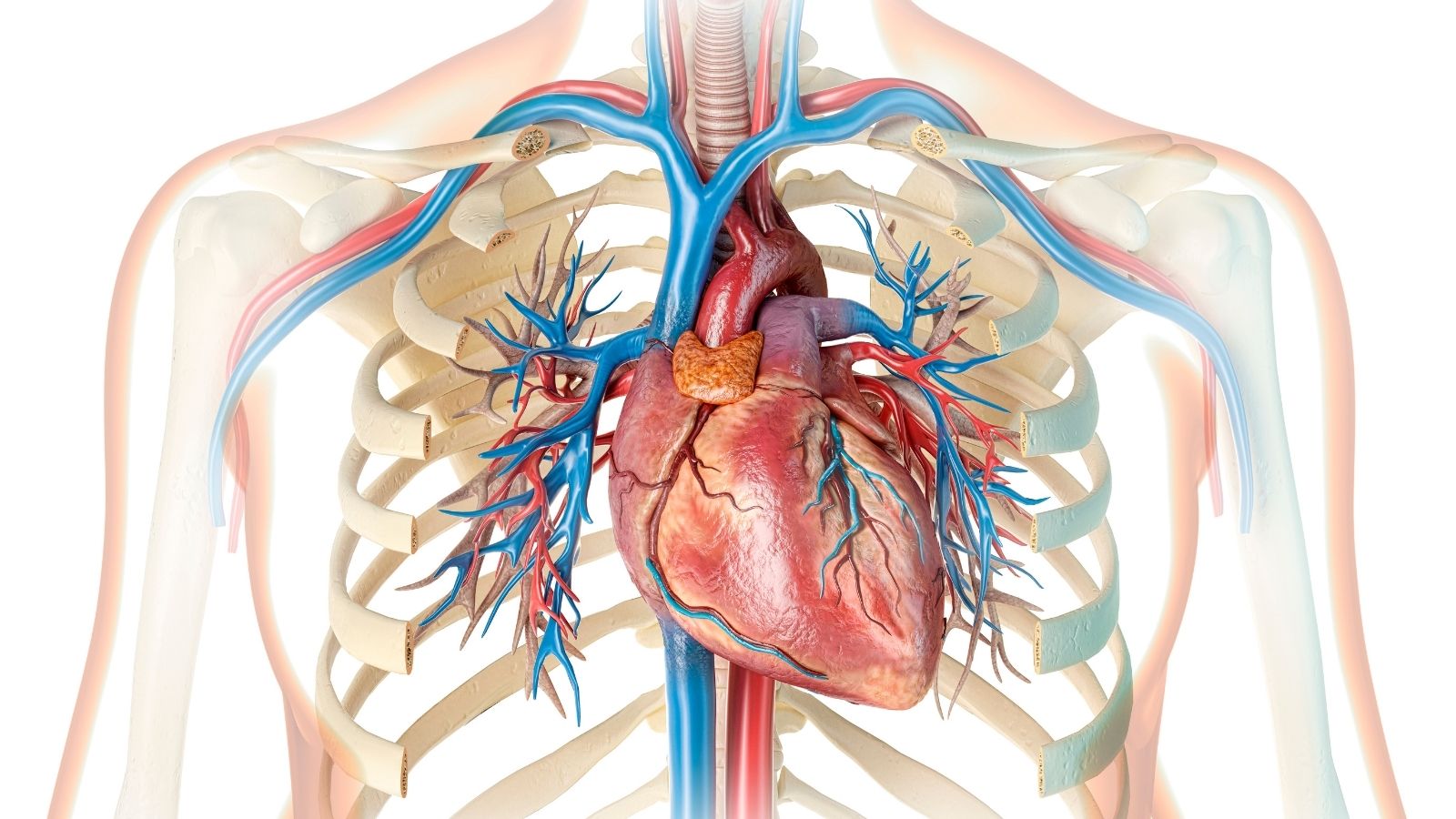
Remember that the heart and lungs are like two important players in a team. When one of them gets tired or cannot do its job properly, the burden on the other increases. Most of the complaints of shortness of breath are caused by this duo. As a cardiovascular surgeon, I would like to emphasize the cardiac causes of shortness of breath.
Heart Failure
This is when the heart is unable to pump blood strongly enough to meet the body’s needs. When the heart muscle becomes weak or stiff, blood cannot be pumped forward efficiently and begins to pool back into the lungs. This causes the lungs to fill with water and become heavy and stiff (pulmonary edema). Lungs that have lost their elasticity cannot expand sufficiently when you breathe in, leading to a deep feeling of “air hunger”. Symptoms of heart-related shortness of breath are usually quite typical:
- Shortness of breath with exertion (fatigue and shortness of breath while climbing stairs, walking uphill and talking)
- Shortness of breath (orthopnea) that increases when lying on the back
- Attacks of shortness of breath (PND) that wake you up at night with a feeling of suffocation
- Swelling in the feet and legs (edema)
- Abnormally fast or irregular heartbeat
- Constant fatigue and weakness
Coronary Artery Disease and Heart Attack
Over time, the vessels that supply the heart, called coronary arteries, become narrowed or blocked by cholesterol plaques. If the heart muscle does not get enough oxygen (ischemia), it reacts. The classic reaction is chest pain, but shortness of breath is an equally important symptom. Because without oxygen, the heart muscle temporarily loses its pumping power, causing blood to pool in the lungs – a form of instant heart failure.
Especially in the elderly, women and diabetics, a heart attack can be manifested by a sudden onset of unexplained shortness of breath without any chest pain. We call this “angina equivalent”. This condition is very dangerous because patients may not take it seriously and present late to the hospital. Sudden shortness of breath in someone with risk factors can therefore be a heart attack alarm.
Heart Valve Diseases
The valves inside your heart are delicate gates that keep blood flowing in the right direction. When these valves become diseased, they either cannot open fully (stenosis) or cannot close fully (insufficiency). In both cases, the heart has to work harder than normal to pump the blood forward. Over time, this overload causes the heart to tire and blood to pool in the lungs. The result is shortness of breath. In almost all major valve diseases, shortness of breath is the most common and most disturbing symptom.
Cardiomyopathy (Heart Muscle Disease)
This is a direct disease of the heart muscle itself. The heart muscle can become weak, overly thickened or stiff due to genetic causes, infections or sometimes for no reason at all. Whatever the cause, a deconstructed heart muscle is no longer a good pump and this leads directly to symptoms of heart failure and shortness of breath.
Pulmonary Embolism (Lung Embolism)
This is when a blood clot, which usually forms in the veins in the legs, breaks off and travels through the bloodstream to the lungs, where it blocks a blood vessel. This is an extremely serious and life-threatening condition. It prevents blood flow to that part of the lung and suddenly disrupts gas exchange. It can also put a sudden load on the right side of the heart and cause right-sided heart failure. Symptoms usually start very suddenly:
- Very severe and sudden shortness of breath
- Sharp chest pain that stabs with breathing
- Palpitations
- Bloody sputum
- Dizziness or fainting
What Are Other Lung Diseases Causing Shortness of Breath?
Apart from the heart, the most common causes of shortness of breath come from the lungs themselves.
COPD: A disease in which the airways become permanently narrowed, especially in smokers. Difficulty in exhaling is the most typical feature.
Asthma A disease in which the airways are hypersensitive to certain triggers and close by contracting. It is characterized by attacks of wheezing and shortness of breath.
Pneumonia (Pneumonia): An infection of the lung tissue. Inflammation of the air sacs disrupts gas exchange.
Pulmonary Fibrosis: It is a condition in which the lung tissue gradually hardens and loses its elasticity.
Pleural effusion It is the accumulation of fluid between the lung membranes.
What Are Other Possible Causes of Shortness of Breath?
Sometimes shortness of breath is caused by a systemic problem that affects the whole body, not just the heart or lungs.
Anemia: When the oxygen-carrying red blood cells in the blood are low, the body tries to breathe more frequently to get enough oxygen to the tissues. This is felt as shortness of breath, especially during exertion.
Obesity: Excess weight both presses on the rib cage, making it difficult for the lungs to expand, and increases the body’s oxygen demand.
Kidney Failure: In patients with advanced kidney disease, both fluid accumulation in the body (such as heart failure) and anemia can develop, leading to shortness of breath.
Psychological breathlessness: During a panic attack or intense anxiety, a person breathes too fast (hyperventilation). This can lower the level of carbon dioxide in the blood, causing a feeling of “suffocation” and additional symptoms. These symptoms include:
- Dizziness
- Numbness and tingling in the hands, feet and around the mouth
- Palpitations
- Feeling of tightness in the chest
Physical deconditioning: Without regular exercise, the muscles and heart are unprepared for even the slightest exertion. The body’s increased oxygen demand quickly exceeds the capacity of the heart and lungs to meet it, which immediately leads to breathlessness.
Which tests are used to diagnose shortness of breath?
After history and physical examination, some tests are needed to confirm the diagnosis and clarify the underlying cause.
Basic Tests Usually Requested First:
Electrocardiogram (ECG): Documents the electrical activity of the heart. It can give clues such as rhythm disturbances, signs of a heart attack or thickening of the heart muscle.
Chest X-ray: Gives a general idea of the size of the heart and the condition of the lungs. It may indicate conditions such as an enlarged heart, fluid accumulation in the lungs or pneumonia.
Blood Tests A complete blood count is ordered to see if there is anemia (anemia). One of the most important tests is BNP. This hormone is released when the heart muscle is strained and high levels in the blood indicate that shortness of breath is most likely caused by heart failure.
Spirometry (Pulmonary Function Test): It is a test that measures your breathing capacity, especially used in the diagnosis of lung diseases such as COPD and asthma.
Further tests ordered if the diagnosis is uncertain:
Echocardiography (ECHO): Ultrasound of the heart. This test shows in detail the size of the chambers, the strength of contraction and how well the valves work. It is the most valuable method in the diagnosis of heart failure, valve and muscle diseases.
Effort Test (Stress Test): It is performed to determine whether shortness of breath, especially with exertion, is caused by coronary artery blockage. The electrical activity of your heart is monitored as you walk on a treadmill.
Computed Tomography (CT) Angiography: It is a medicated tomography method used especially in suspected pulmonary embolism (clot) or to visualize coronary arteries in detail.
Interventional Testing for Definitive Diagnosis:
Coronary Angiography: This is the “gold standard” method to accurately visualize stenosis in the heart vessels. The vessels of the heart are accessed through the groin or arm and a dye is injected into the blood vessels and a film of the vessels is taken.
How Is Shortness of Breath Due to Coronary Artery Disease Treated?
If your shortness of breath is caused by blocked heart vessels, treatment focuses on restoring blood flow.
Stenting (Angioplasty): It is the process of opening the narrowed vessel with a balloon during angiography and inserting a metal cage called a stent to prevent it from closing again.
Bypass Surgery: In cases where stenoses are too widespread or in critical locations to be opened with a stent, a new pathway is created beyond the blockage with vessels from another part of the body.
These treatments restore adequate blood supply to the heart muscle, relieving both chest pain and the associated shortness of breath.
How Is Shortness of Breath Due to Heart Valve Disease Treated?
If the heart valve is the problem, the permanent solution to shortness of breath is to repair or replace it.
Valve Repair: If possible, repairing the patient’s own valve is always a priority.
Valve Replacement: Where repair is not possible, the valve is replaced with a mechanical or biological artificial valve.
These surgeries take the burden off the heart, dissolve the blood pooling in the lungs and thus provide very significant relief from shortness of breath.
What is good for shortness of breath at home and what lifestyle changes should be made?
Medical treatments are essential, but there are many things you can do in everyday life to manage shortness of breath and alleviate the symptoms. Although the definitive solution to shortness of breath is possible with the treatment of the underlying disease, the following methods will be of great support to you.
Breathing Exercises:
These are simple but effective techniques that can give you back control when you feel short of breath.
Puckered Lip Breathing: Breathe in calmly through your nose and slowly exhale through your mouth for longer than you inhale, pursing your lips. This keeps the airways open and helps to remove trapped air.
Diaphragmatic Breathing (Abdominal Breathing): Place one hand on your abdomen and feel your abdomen rise as you inhale and fall as you exhale. This makes breathing more efficient.
Lifestyle Adjustments:
Absolutely Quit Smoking: It is the most important step to take if you suffer from shortness of breath.
Reduce Salt: Especially if you have heart failure, salt causes water retention in the body and increases your shortness of breath.
Maintain Your Ideal Weight: Being overweight puts extra strain on your heart and lungs.
Exercise Regularly: Light exercise such as walking, as permitted by your doctor, increases your heart and lung capacity. Cardiac rehabilitation programs are the safest way to do this.
Adjust your position: If your shortness of breath increases when you lie down, try sleeping in a more upright position with a few pillows under your head.
Nutrition Recommendations:
A healthy diet is critical for your overall health and for managing shortness of breath. Although some herbal supplements or cures recommended by experts such as İbrahim Saraçoğlu are popular, you should always consult your doctor before applying them. Remember that such supplements are not a substitute for medical treatment. Here are some points you can pay attention to in your diet:
- Avoid processed foods and pre-packaged products.
- Drink plenty of water.
- Include plenty of fresh vegetables and fruits on your table.
- Choose whole grain products.
- Eat healthy sources of fat (such as olive oil, avocado, walnuts).
Which Symptoms Should I Seek Emergency Medical Assistance?
The following situations may indicate a life-threatening problem. If you have any of these “red flag” symptoms, call 112 or go to the nearest emergency room immediately:
- Shortness of breath that starts suddenly and is very severe
- Pain, pressure or tightness in the chest with shortness of breath
- Fainting or feeling like fainting
- Confusion or sudden change in behavior
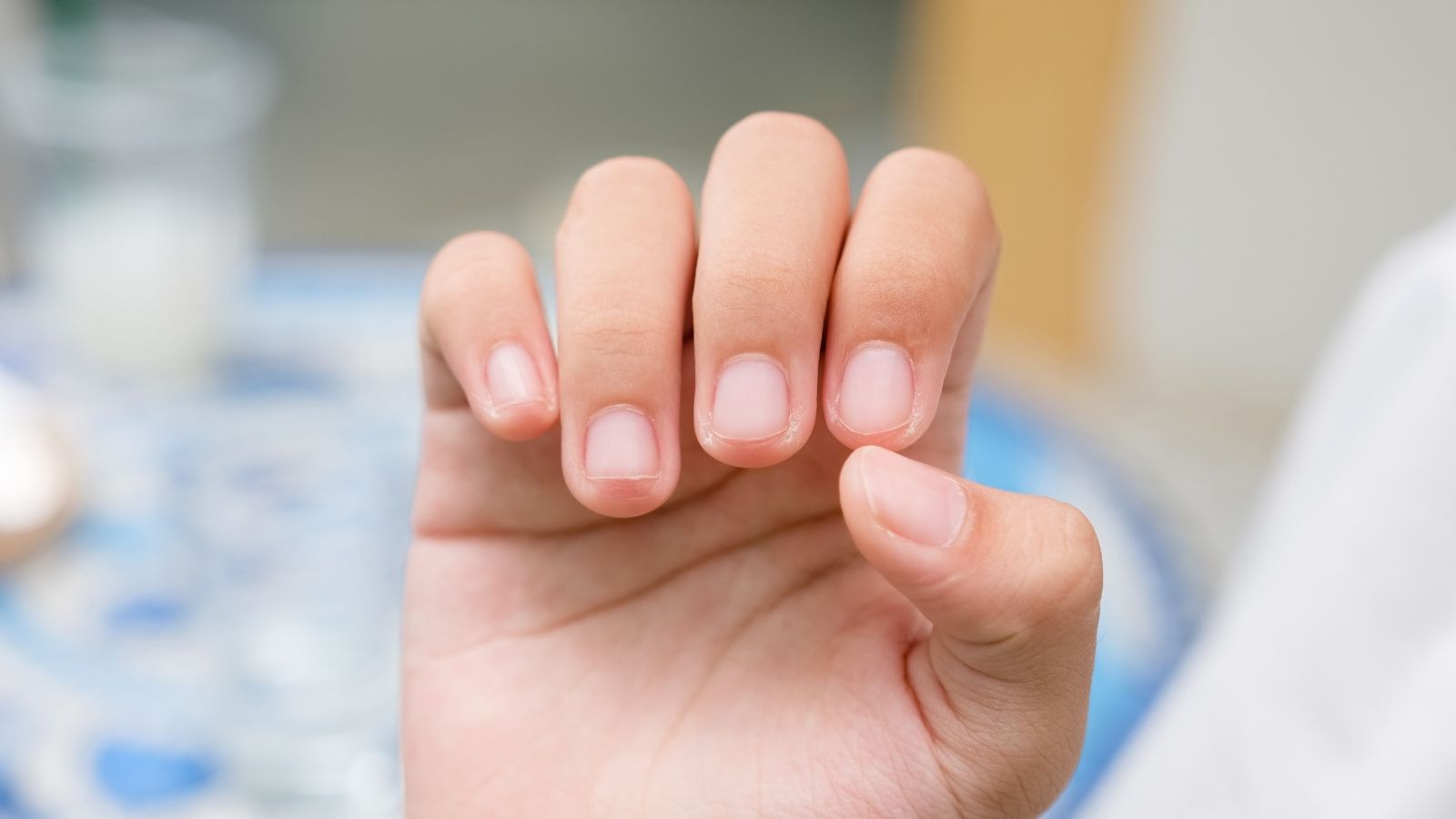
- Bruising of the lips or nails
- A whistling or wheezing sound when breathing.
When Should You See a Doctor?
The following symptoms, although not urgent, may indicate an underlying and progressive problem. You should make an appointment with your doctor as soon as possible:
- Worsening shortness of breath during daily activities
- Difficulty breathing when lying on your back
- New-onset swelling in your feet or legs
- Your shortness of breath is accompanied by fever, chills and cough
- Increased severity of your shortness of breath due to your existing illness.

Prof. Dr. Yavuz Beşoğul graduated from Erciyes University Faculty of Medicine in 1989 and completed his specialization in Cardiovascular Surgery in 1996. Between 1997 and 2012, he served at Eskişehir Osmangazi University Faculty of Medicine as Assistant Professor, Associate Professor, and Professor, respectively. Prof. Dr. Beşoğul, one of the pioneers of minimally invasive cardiovascular surgery in Türkiye, has specialized in closed-heart surgeries, underarm heart valve surgery, beating-heart bypass, and peripheral vascular surgery. He worked at Florence Nightingale Kızıltoprak Hospital between 2012–2014, Medicana Çamlıca Hospital between 2014–2017, and İstinye University (Medical Park) Hospital between 2017–2023. With over 100 publications and one book chapter, Prof. Dr. Beşoğul has contributed significantly to the medical literature and is known for his minimally invasive approaches that prioritize patient safety and rapid recovery.