
 Türkçe
Varicose vein surgery is a medical procedure performed to treat enlarged, twisted veins that impair circulation. It is applied when conservative methods are insufficient. Surgical removal or closure of diseased veins ensures better blood flow and relieves symptoms such as pain, swelling, and heaviness.
Modern varicose surgery techniques include endovenous laser ablation, radiofrequency ablation, and foam sclerotherapy. These minimally invasive procedures are performed under local anesthesia and allow rapid recovery. Traditional vein stripping is used less frequently due to longer healing times.
Candidates for varicose surgery are evaluated through Doppler ultrasound imaging to determine vein function and extent of damage. Surgery is particularly recommended in patients with recurrent pain, skin changes, ulcers, or thrombosis risk. Early intervention prevents chronic complications and improves circulation.
Postoperative care involves using compression stockings, avoiding long periods of inactivity, and engaging in light walking to support recovery. Regular follow-up examinations are important to monitor healing and prevent recurrence. Surgical treatment provides both aesthetic and functional benefits in most patients.
| Medical Name | Varicose Veins Surgery (Venous Surgery, Varicose Veins Operation) |
| Frequent Use Areas | – Severe dilatation and insufficiency in superficial veins – Advanced varicose veins that do not respond to other treatments |
| Causes | – Disruption of superficial vein valves – Enlarged and prominent varicose veins – Severe pain, swelling, ulcer formation |
| Risk Factors | – Standing for a long time- Family history of varicose veins- Obesity- Pregnancy- Advanced age |
| Complications | – Bleeding- Infection- Deep vein thrombosis (DVT)- Nerve damage- Re-development of varicose veins |
| Diagnostic Methods | – Doppler ultrasound- Physical examination |
| Treatment Methods | – Stripping (removal of the vessel)- Laser ablation- Radiofrequency ablation- Sclerotherapy- Microsurgical methods |
| Prevention Methods | – Regular exercise- Weight control- Avoiding prolonged standing- Use of compression stockings |
What is Varicose Veins and Why Does It Occur?
You can think of varicose veins as a kind of “deterioration” of the veins in the legs. Normally, the veins in our legs have tiny valves inside them that prevent the blood from escaping back down towards the feet by resisting gravity. These valves work like a one-way door. When we walk or use our leg muscles, blood is pumped through these gates towards the heart and the gates close behind it, preventing the blood from flowing back.
However, when what we call “venous insufficiency” occurs, this system malfunctions. The structure of the vein wall weakens for various reasons and the vein begins to dilate. In the enlarged vein, the edges of the valves move away from each other and they can no longer close. At this point, the blood cannot flow upwards as it should, and escapes back downwards under the influence of gravity. In medicine, we call this backflow “reflux”.
The blood that constantly escapes backwards accumulates in the superficial veins and increases the pressure. This high pressure causes the veins to stretch, expand, elongate and curl over time, creating the familiar purple, bulging varicose veins under the skin. In other words, varicose veins are not just an appearance problem, but the result of an underlying circulatory disorder, a valve insufficiency. There are some key factors that trigger or accelerate this process:
The main factors that can initiate or worsen this condition are:
- Genetic predisposition
- Hormonal changes
- Advancing age
- Overweight
- Pregnancy
- Standing for long periods of time
- Sitting still for a long time
What are the Symptoms of Varicose Veins in My Legs?
Not all varicose veins cause the same complaints. While some people feel no discomfort despite having prominent veins in their legs, for others it can make everyday life unbearable. If your varicose veins are trying to tell you something, they usually speak with the following symptoms.
The most common symptoms of venous insufficiency are as follows:
- Pain and tingling in the legs that is difficult to describe
- Feeling of heaviness and fullness, especially in the evening
- Swelling in the ankles and legs (edema)
- Burning and throbbing
- Skin itching
- Muscle cramps that come on suddenly at night and wake you from sleep
- Sensations similar to restless leg syndrome
The most typical characteristic of these complaints is that they increase during the day when standing or sitting, and ease when the legs are elevated and at rest. If this is the case for you, it is likely that your veins are the source of your symptoms.
Who is more at risk for varicose veins?
Although varicose veins can occur in anyone, some people are more prone to the condition. If varicose veins run in your family, especially in your mother or father, unfortunately you may have inherited a genetic inheritance. This is the strongest risk factor. But genetics alone are not the culprit; lifestyle and other factors also enter the equation.
We can list the conditions that increase your risk for developing varicose veins as follows:
- Those with a family history of varicose veins
- Women (due to hormonal effects)
- Multiple pregnancies
- Overweight or obese individuals
- Permanent standing workers such as teachers, surgeons, hairdressers
- Those who sit all the time, such as office workers
- Older people
- Those with a history of clot in the leg (deep vein thrombosis)
Having one or more of these risk factors does not necessarily mean you will develop varicose veins, but it is a sign to pay more attention to your vein health.
Which Method is Used for Accurate Varicose Veins Diagnosis?
The success of varicose vein treatment is based on a completely accurate and complete diagnosis. The gold standard, the sine qua non of this diagnosis is Color Doppler Ultrasonography. This method uses sound waves to create a road map of the vascular system in your legs. It shows us the condition of not only the visible varicose veins but also the deeper veins that are the source of the real problem. This examination is absolutely painless and does you no harm.
A Doppler ultrasound performed by a specialist while the patient is standing gives critical information to shape the treatment plan.
If you want to know what we specifically looked for during this review:
- Diameter of the vessels
- Whether there is back leakage (reflux) in the valves
- Which vessel the back leakage originates from
- How severe the leakage is
- Whether the deep vascular system is open and healthy
- Presence of clots in deep veins (DVT)
Treatment started without this detailed map is like trying to find your way in the dark and often results in failure or recurrence of the problem. Therefore, this detailed vascular mapping should be performed before deciding on treatment.
How Do I Know If I Need Treatment for Varicose Veins?
So, when do the varicose veins in your legs start to signal “I need to be treated”? In the past, there used to be an approach like “let it progress and then we will see”, but in modern medicine, we have completely abandoned this understanding. Because we know that venous insufficiency is a disease that progresses over time and early intervention prevents much more serious problems you may encounter in the future.
There are some clear situations that require you to consult a cardiovascular surgeon for treatment:
- If you have complaints such as pain, cramps, swelling that affect your daily life
- Your legs feel noticeably tired and heavy at the end of the day
- If the skin on your ankle has started to darken or turn brown
- If your skin becomes rough, dry and itchy (stasis eczema)
- If a small, non-healing wound (venous ulcer) has opened around the ankle
- If the wound has been opened and closed before (to prevent recurrence)
- If you suddenly develop a painful, reddened hardness in your varicose veins (clotting)
- If a varicose vein starts bleeding with the slightest impact
If you have any of these symptoms, now is the right time to stop putting it off and consider non-surgical varicose vein treatment options. Remember that compression stockings temporarily suppress the symptoms but do not solve the underlying valve problem.
Which Non-Surgical Varicose Veins Treatment Methods Are Available Today?
Now we come to the most curious part. Fortunately, technology has revolutionized the treatment of varicose veins. We no longer condemn our patients to the risks of narcosis, large surgical incisions and long healing processes. Today, minimally invasive methods, also known as closed varicose vein surgery, form the basis of treatment. The common logic of all these methods is to disable the problematic vein by closing it from the inside instead of cutting it out. Our body is smart; it dissolves and destroys this closed vessel by itself over time. The blood flow continues smoothly through other healthy vessels. Let’s get to know these modern methods better.
How is Varicose Veins Treatment with Laser (EVLA)?
Laser varicose vein treatment (EVLA) is one of the most widely used and proven methods in the world and in our country. It is based on the principle of placing a very thin laser wire into the problematic main superficial vein (usually the saphenous vein) and closing this vein with heat. The entire procedure is performed under local anesthesia, meaning that only your leg is numbed, and takes about 30-45 minutes.
To summarize the steps of the process:
Mapping: First, your problematic vein is marked on the skin with a pen using ultrasound. This is our road map.
Introduction: Below the knee or at the ankle level, your skin is numbed with a tiny needle. Here, a needle is inserted into your vein and a thin sheath is placed.
Placement of the Laser Wire: The thin wire (fiber) of the laser is slid through this sheath, under constant ultrasound control, to the point in the groin or behind the knee where the main source of the problem is located.
Safety Anesthesia (Tumescent Anesthesia): This is the most important and comfortable step of the procedure. A cold and diluted local anesthetic liquid is injected around the vessel to be closed, again under ultrasound guidance. This fluid not only ensures that you do not feel anything during the procedure, but also creates a shield that prevents the heat of the laser from damaging the surrounding tissues (skin, nerves).
Closing the Vein: The laser device is activated and the laser wire is slowly withdrawn. The energy of the laser creates a controlled damage to the vessel wall, causing the vessel to instantly shrink and close.
End of Procedure: The wire is removed, only a band-aid is applied to the entry point. There are no stitches. A compression stocking is immediately put on your leg and as soon as the procedure is over, you can stand up and walk home.
How is Varicose Veins Surgery Performed with Radiofrequency?
Radiofrequency ablation (RFA) is another popular thermal method that works in a very similar way to the laser. Here, too, the aim is to close the problematic vessel from the inside with heat. However, radiofrequency waves are used as the energy source instead of laser light.
The procedure steps, preparation and tumescent anesthesia process are almost identical to laser. The main difference is the way the energy is delivered. While the laser wire is continuously retracted, the radiofrequency catheter treats the vessel in 7 cm sections, for a standard time (usually 20 seconds) and at a standard temperature (120°C). This is a more automated system. It is equivalent to laser in terms of results, safety and recovery time after varicose vein surgery. Which method to choose is usually determined by the experience of the physician and the characteristics of your vein structure. When the comments of those who have undergone closed varicose vein surgery are examined, it is seen that the satisfaction of patients who have both laser and radiofrequency is very high.
What is Varicose Veins Treatment with Adhesive without Any Needle?
This method is one of the newest and most comfortable developments in the treatment of varicose veins. It is based on simply “gluing” the problematic vein closed using a biological adhesive (cyanoacrylate). The biggest difference is that it does not use heat (non-thermal) and does not require tumescent anesthesia, which requires dozens of injections around the vein during the procedure.
The process works like this.
A Single Needle: Only the point where the vein will be entered (usually below the knee) is numbed with a tiny needle. This is the only needle you will feel during the whole procedure.
Placement of the Catheter: From this anesthetized point, a thin catheter that will carry the adhesive is inserted into your vein and advanced to the right spot with ultrasound.
Gluing: Through a special gun, a drop of medical glue is injected into the vein through the catheter. After each drop, the area is gently pressed with an ultrasound probe from the outside for 30 seconds. This ensures that the vessel walls stick together and close instantly. This process is repeated along the problematic vein.
End of Procedure: The catheter is withdrawn and a band-aid is applied to the entry hole. That’s all.
This method has unique advantages for patients:
- It is an almost completely painless procedure.
- There are no tumescent anesthesia needles.
- The procedure time is shorter.
- There is usually no obligation to wear compression stockings after varicose vein surgery.
- Normal life can be resumed immediately after the procedure.
For Which Varicose Veins Is Foam Therapy (Sclerotherapy) Used?
Foam therapy is the process of mixing a vasoconstrictive drug (sclerosant) with air to form a foam and injecting this foam into the varicose veins with a fine needle. The foam irritates the inner surface of the vein, triggering a reaction and causing the vein to close and eventually disappear.
Foam therapy is a very valuable method, especially in some cases:
- Very tortuous and twisted veins (veins that the laser or radiofrequency catheter cannot penetrate)
- Previously operated and recurrent varicose veins
- Large side branch varicose veins left behind after the main vein is closed with laser or radiofrequency
- Superficial veins close to the skin
Foam therapy is often used alone or in combination with other methods to complete a missing part of the treatment. It is a very effective and practical method.
Is Traditional Open Varicose Veins Surgery No Longer Performed?
This is one of the issues our patients are most curious about. the classical method known as “open surgery”, in which the vein is removed through incisions in the groin and wrist (stripping), is almost never used anymore. Modern medical guidelines only recommend this method as a last resort in very rare and special cases where none of the other methods such as laser, radiofrequency or glue can be used. That’s because open surgery;
- Requiring general or spinal anesthesia,
- It is a more painful method,
- The healing process takes longer,
- Scarring at incision sites,
- Higher risk of complications such as nerve damage and infection.
Today, we are able to offer much more comfortable and effective solutions without putting our patients through this laborious process.
What Should Be Considered After Varicose Veins Surgery?
The success of the treatment is closely related not only to the operation itself but also to how well you adapt to the post-operative process. What needs to be done after varicose veins surgery is quite simple but also very important.
First of all, the most basic rule is to walk:
Start walking immediately: We will start walking you immediately after the procedure. Brisk walking for 5-10 minutes every hour during the first week, or at least 45-60 minutes a day in total, supports blood circulation in your deep veins and eliminates the risk of clots forming.
Other important points are:
Do Not Neglect Compression Stockings: It is very important to wear compression stockings regularly for the period recommended by your physician (usually 1-2 weeks) after all other treatments, except for the adhesive method. The sock reduces pain and bruising and allows your leg to recover faster.
Keep your leg elevated: When sitting or lying down, supporting your leg with a pillow and keeping it above heart level for the first few days will help reduce swelling.
Drink plenty of water: It is important to drink plenty of fluids for the body to repair itself and for healthy blood circulation.
Pain Control: There is usually very little pain after the procedure. It is normal to feel a tension or tingling in your leg. You can use simple painkillers recommended by your doctor for this condition.
Do not skip your check-ups: Your doctor will call you for follow-up visits at regular intervals after the procedure (usually at 1 week and 1 month). The Doppler ultrasound performed at these check-ups is necessary to confirm the success of the treatment and to make sure that everything is in order.
So, what should be considered and what should you avoid after varicose vein surgery?
Here are some situations you should avoid:
- Heavy lifting
- Sports requiring intense effort (running, fitness, etc. for the first 1-2 weeks)
- Standing or sitting still for a long time
- Hot environments such as spas, saunas, baths (first few weeks)
- Long car or plane trips (first 2-4 weeks, consult your doctor if necessary)
- Scratching or rubbing the treated area.
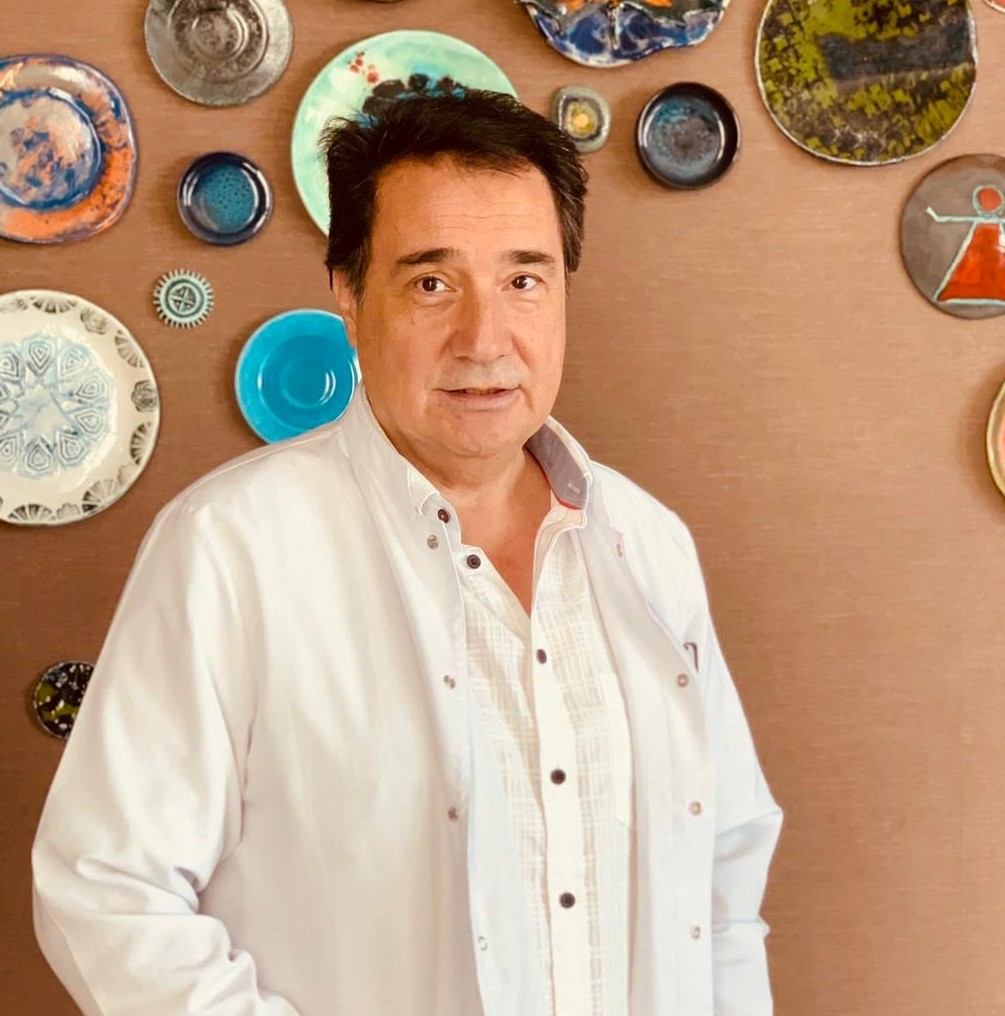
Prof. Dr. Yavuz Beşoğul graduated from Erciyes University Faculty of Medicine in 1989 and completed his specialization in Cardiovascular Surgery in 1996. Between 1997 and 2012, he served at Eskişehir Osmangazi University Faculty of Medicine as Assistant Professor, Associate Professor, and Professor, respectively. Prof. Dr. Beşoğul, one of the pioneers of minimally invasive cardiovascular surgery in Türkiye, has specialized in closed-heart surgeries, underarm heart valve surgery, beating-heart bypass, and peripheral vascular surgery. He worked at Florence Nightingale Kızıltoprak Hospital between 2012–2014, Medicana Çamlıca Hospital between 2014–2017, and İstinye University (Medical Park) Hospital between 2017–2023. With over 100 publications and one book chapter, Prof. Dr. Beşoğul has contributed significantly to the medical literature and is known for his minimally invasive approaches that prioritize patient safety and rapid recovery.