Türkçe
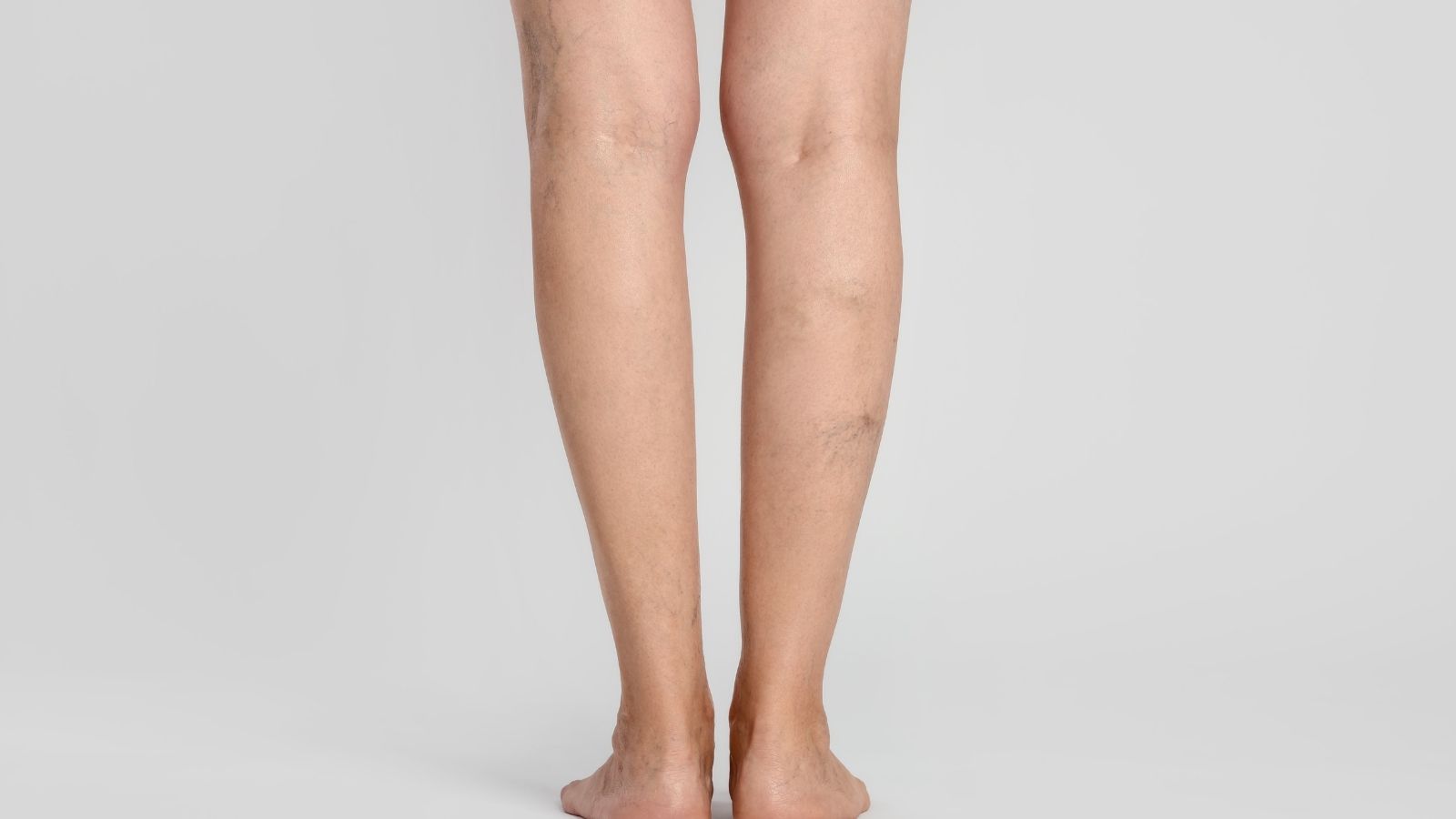
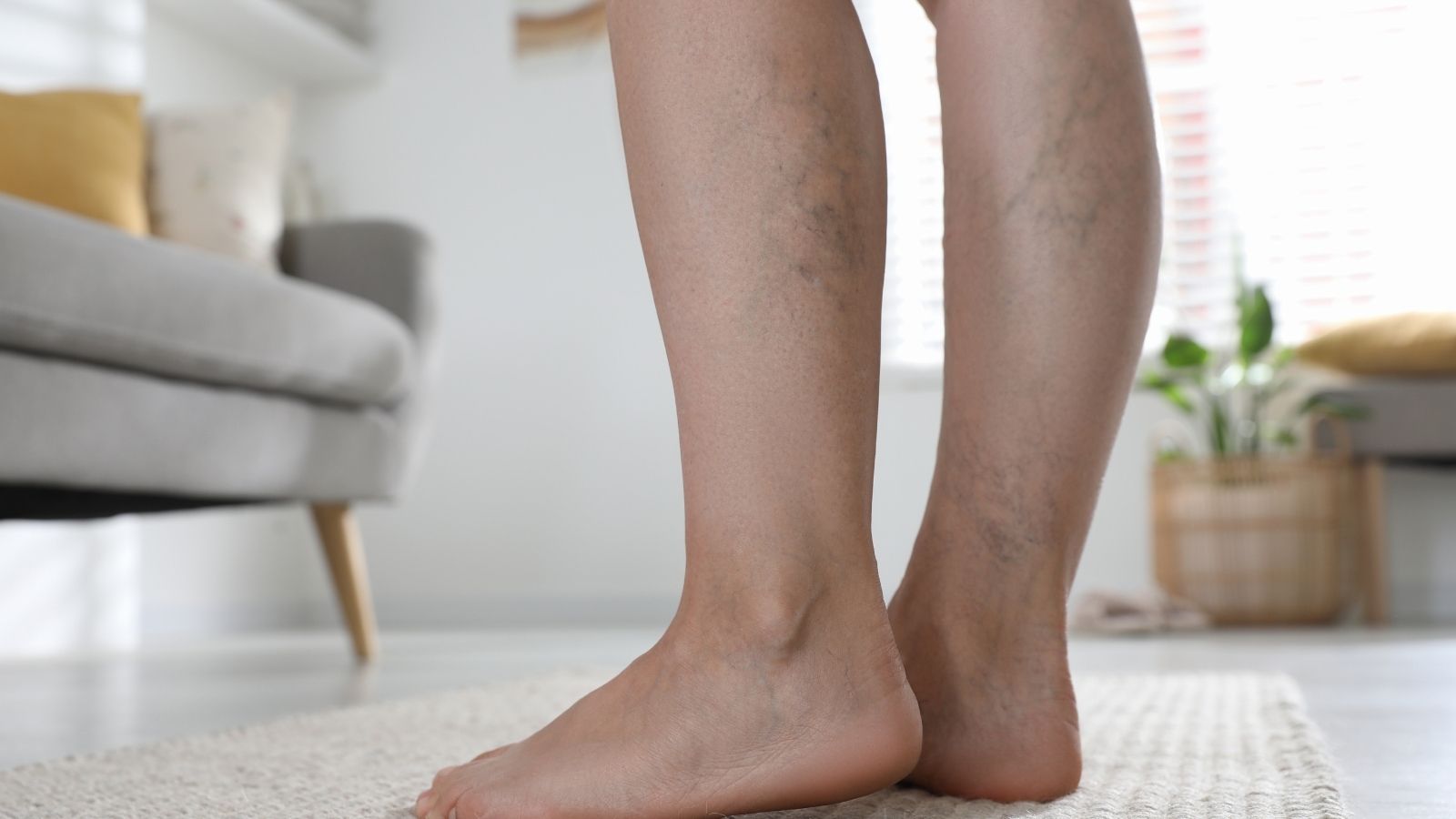
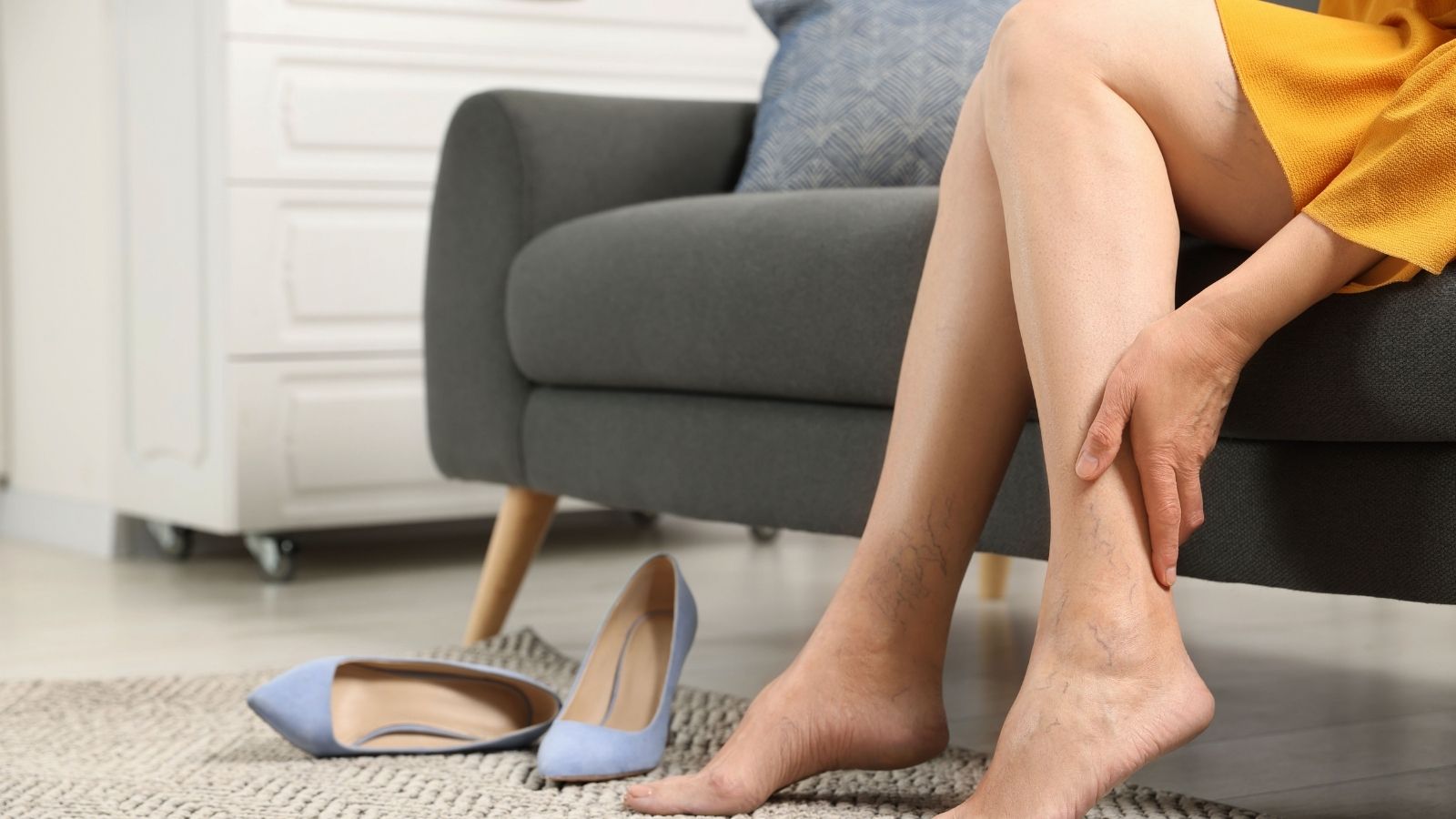
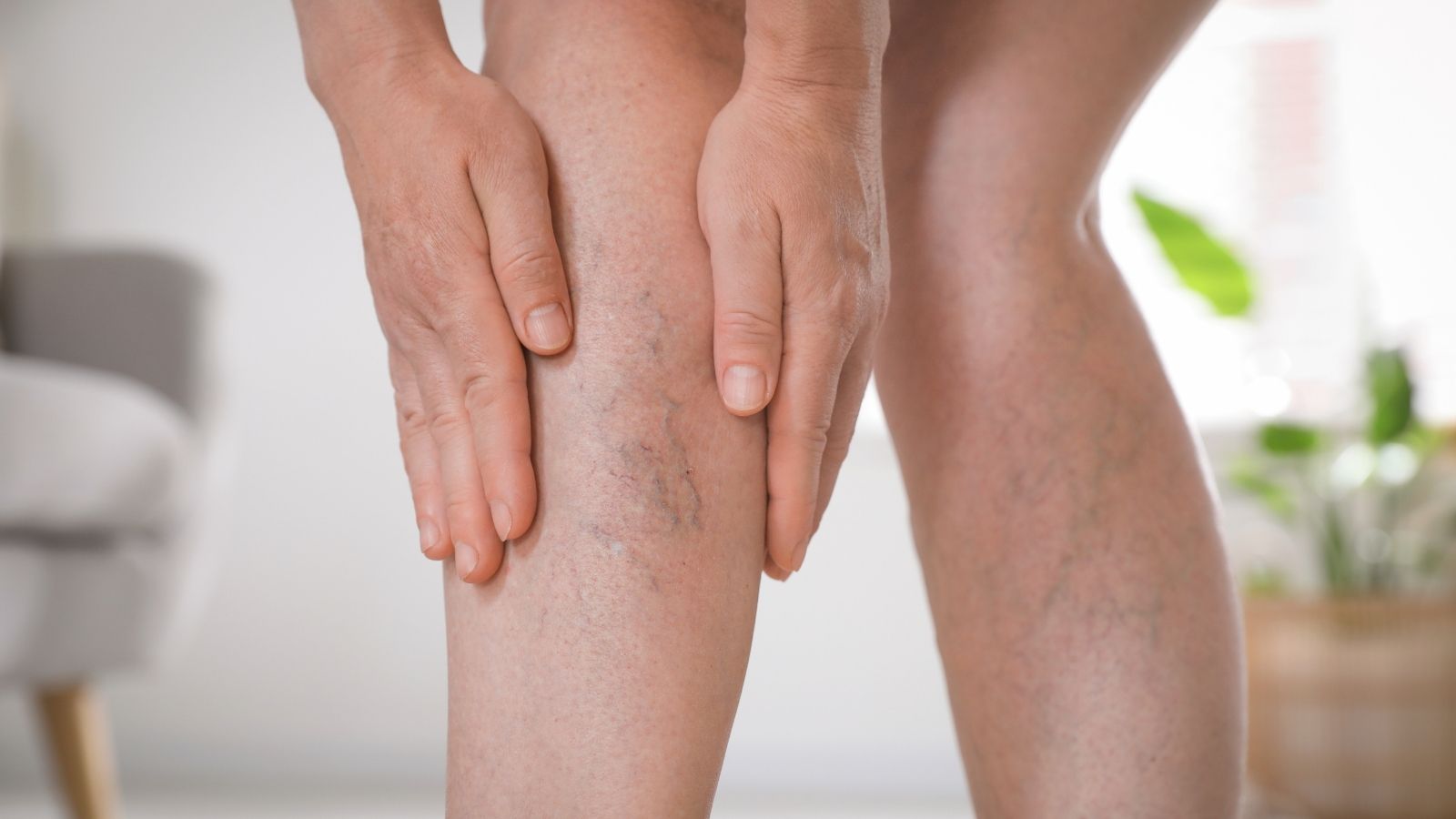
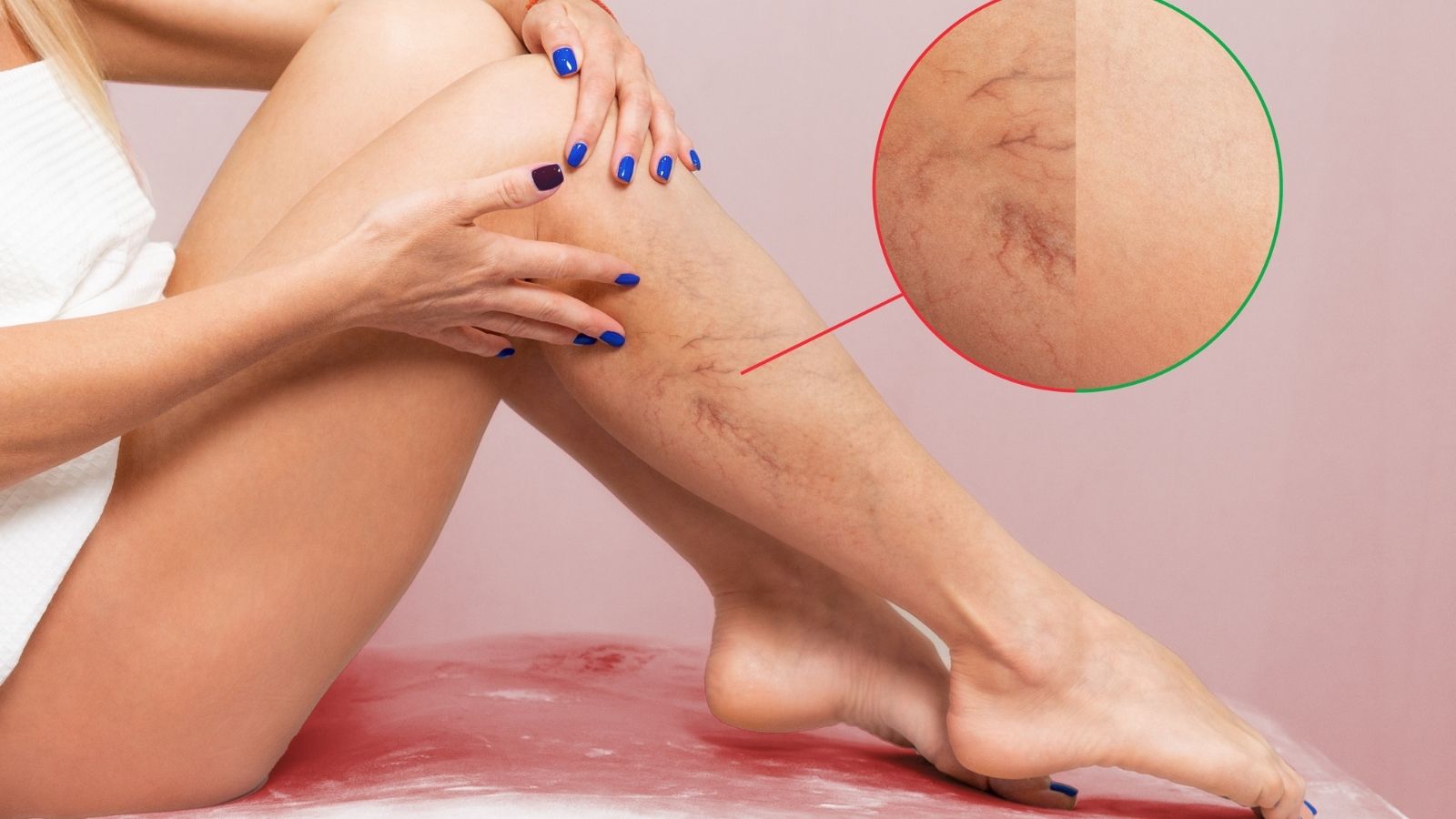
Compression stockings are medical devices designed to apply controlled pressure on the legs, supporting venous return and preventing blood pooling. They are commonly used in the management of varicose veins and venous insufficiency.
By enhancing circulation, compression stockings reduce symptoms such as swelling, heaviness, and leg fatigue. They also play a preventive role against complications like deep vein thrombosis and venous ulcers.
Different compression levels and lengths are prescribed according to disease severity. Proper measurement and physician guidance are essential to ensure maximum therapeutic benefit and patient comfort.
While effective, compression stockings should not replace medical treatment. They are part of a comprehensive management plan including lifestyle modifications, medications, or surgical interventions when necessary.
| Medical Name | Compression Socks (Compression Stockings) |
| Frequent Use Areas | – Varicose veins – Venous insufficiency – Risk of deep vein thrombosis (DVT) – Prevention of clot formation after surgery |
| Causes | – Prevent blood pooling in the leg veins – Reduce symptoms of varicose veins – Reduce edema and swelling |
| Risk Factors | – Prolonged standing- Circulatory disorders- Pregnancy- Obesity- Family history of varicose veins |
| Complications | – Skin irritation or wound formation with improper use- Allergic reactions- Strict use that can further impair circulation |
| Diagnostic Methods | – Doppler ultrasound or physical examination for the diagnosis of venous diseases – Leg measurement to determine the suitability of the sock |
| Treatment Methods | – Use of light, medium or high pressure compression stockings (selection according to the degree of disease) – Regular wearing of stockings throughout the day |
| Prevention Methods | – Regular exercise – Avoiding prolonged periods of inactivity – Keeping legs elevated – Using socks if necessary on doctor’s advice |
What Are Compression Stockings and How Are They Good for Your Legs?
You can think of compression stockings as an intelligent support system for your legs. Its main task is to exert controlled pressure from the outside on the veins in the legs, counteracting gravity and helping the blood to return more easily upwards, as it should, towards the heart.
The biggest secret of these socks is that they are “graded”. This means that the pressure is not the same all over the leg. They exert the highest pressure on the ankle and this pressure gradually decreases as you move up the calf and knee. We can understand the reason for this ingenious design with a simple example: Imagine you have a tube of toothpaste in your hand. To remove the paste, you start squeezing the tube from the bottom, not from the top. This is how compression stockings work. It “squeezes” the blood most strongly below, at the ankle, encouraging its upward flow.
This mechanical effect has several important consequences. First, it slightly narrows the diameter of the vessels. Think of how the water flows faster and with more pressure when you narrow the end of a garden hose with your finger. In the same way, the narrower the diameter of a blood vessel, the faster the blood flows through it. Slowing down and “pooling” of blood in the legs (venous stasis) is the main cause of many problems, from clot formation to pain. By accelerating blood flow, we prevent this ponding.
The latter supports the venous valves, which do not function properly, especially in case of venous insufficiency. These valves are like one-way doors that prevent blood from escaping backwards. Over time, when they loosen and deteriorate, blood escapes downwards and pools in the legs. Compression stockings provide external support to the vein wall, allowing these valve leaves to move closer together and perform their function better.
What are the Benefits of Compression Stockings and Who Should Use Them?
The benefits of compression stockings are quite varied and are not limited to people with visible varicose veins. When chosen correctly and used regularly, these stockings can significantly improve the quality of life for many people. The main benefits are:
- Relieves pain and fatigue
- Reduces leg swelling (edema)
- Reduces the risk of deep vein thrombosis (clot)
- Slows the progression of varicose veins
- Accelerates healing of venous ulcers (varicose veins)
- Prevents recurrence of healed wounds
- Supports the healing process after treatment
- Reduces leg complaints during pregnancy
- Relieves leg pain due to prolonged standing or sitting
So who can benefit from these benefits? Compression stockings are a savior for those with chronic venous insufficiency, visible varicose veins, and those who feel constant pain, cramps and heaviness in their legs. Especially people who work on their feet all day long (teachers, surgeons, hairdressers) or sit at a desk all day long (office workers, software developers) will benefit from protective socks to prevent swelling and fatigue in their legs at the end of the day.
It is also used to prevent clot formation (deep vein thrombosis) due to slowed blood flow in post-operative or bedridden patients. Similarly, it is highly recommended for long plane or bus journeys exceeding four hours to reduce the risk of clots. There are also compression stockings specially designed for pregnant women for leg swelling and varicose veins caused by increased hormones during pregnancy and the pressure on the veins caused by the growing uterus. Finally, for patients with persistent leg ulcers (venous ulcers), high-pressure compression therapy is the cornerstone of wound healing.
Is Every Compression Sock We See on the Market the Same?
This question is of vital importance for the success of the treatment and the answer is a clear “No”. Compression stockings differ according to the pressure they apply, their size and the material they are made of. Buying a random pair of stockings from a pharmacy or a medical store is like wearing a wrong size pair of glasses; it may not only not be beneficial but may even cause harm. Therefore, the choice must be made with the advice and examination of a doctor.
Socks are classified according to the pressure they exert on the ankle (mmHg – in millimeters of mercury). In general, pressure classes and areas of use are as follows:
- Protective Socks (under 20 mmHg)
- Medical Class I (20-30 mmHg)
- Medical Class II (30-40 mmHg)
- Medical Class III and IV (40 mmHg and above)
- Anti-Embolism Socks (surgical socks)
Protective stockings exert a slight pressure, usually 15-20 mmHg, and are available without a prescription. These are ideal for people who do not have serious vascular disease, but whose legs get tired during the day, swell slightly or for long journeys.
Medical Class I is the most commonly prescribed group. It is used to treat moderate varicose veins, marked edema and the initial stages of chronic venous insufficiency.
Medical Class II is preferred in cases of more advanced venous insufficiency, severe findings such as discoloration or hardening of the skin of the legs, persistent swelling and post-thrombotic syndrome following a clot.
Medical Class III and IV are very high-pressure stockings and are used only in special cases such as advanced lymphedema or very severe vascular diseases, under the supervision of a specialist.
A separate parenthesis should be opened here for Anti-Embolism Stockings. Although all compression stockings are sometimes called “compression stockings” among the public, the difference between compression stockings and compression stockings emerges here. Anti-embolism stockings (usually white in color and with open toes) are designed to protect only bedridden, immobile patients from clots after surgery. The pressure they apply is lower and uniform. They are not suitable for the treatment of an ambulatory patient and are not a substitute for medical compression stockings.
What to Consider When Choosing Compression Stockings and How to Measure?
Choosing the right sock starts with the right diagnosis and the right measurement. Your most important assistant in this process is your doctor. Your doctor will decide on the most appropriate pressure level for you by evaluating your vascular structure through examination and, if necessary, Doppler ultrasound. The most critical step after this decision is to take the right size for the right body.
The size of compression stockings is not standardized like shoe size; it is completely specific to your leg size. The wrong size will cause the stockings to either not work or to squeeze the leg too tightly and be harmful. There are some things to be aware of during measurement:
- The measurement should always be taken in the morning, as soon as you get out of bed, when the legs are the least swollen.
- The measurement should be taken on bare skin with a non-flexible tape measure.
- The tape measure should touch the leg firmly, without choking the skin.
The key points that are usually measured are:
- Thinnest point (circumference) of the ankle
- The widest point (circumference) of the calf
- Approximately two fingers below the kneecap (circumference)
- Leg length from the heel to the bend behind the knee for below-knee socks
- The widest point (circumference) of the thigh in addition for knee-high socks
- Leg length from heel to hip crease for over-the-knee socks
The correct size (Small, Medium, Large, X-Large, etc. and sometimes short/long length option) is found by comparing these measurements with the special size chart of the brand of the sock to be purchased. Since each brand’s chart may be different, it is not guaranteed that someone who wears size M in brand A can also buy size M in brand B. Always check your measurements and the brand’s chart.
How to Use and Care for Compression Stockings?
If choosing the right socks is one half of the equation, the other half is wearing and caring for them properly. Wearing high-pressure socks in particular can be a bit challenging at first, but with the right technique and a little patience, the process becomes easier.
Here are some tips that are a step-by-step answer to the question of how to use compression stockings:
- Put them on as soon as you get out of bed in the morning, before your legs swell.
- Turn the sock completely inside out up to the heel.
- Place your foot on the toe of the sock (toe and heel).
- Instead of pulling the sock upwards, gently and smoothly pat the sock upwards, as if you were putting it on your skin.
- Make sure that there are no wrinkles or folds on the leg.
The most important rule: Never fold down the silicone or elastic band at the top of the sock! This can create a tourniquet effect in that area, severely impeding blood flow.
If you have difficulty putting them on, using a rubber dishwashing glove will help you grip and slide the sock on better. In addition, special silk-like “sock wearers” that you can find in pharmacies also make this job much easier.
Regular care is essential for your socks to maintain their therapeutic effect. Remember that these socks are made of elastic fibers and these fibers need care:
Ideally, wash your socks every day, at the latest every other day. This removes sweat and skin debris and allows the elastic fibers to recover.
You can wash gently by hand in warm water with a delicate soap or detergent.
If washing in the washing machine, always wash on delicate cycle, at low speed and in a washing net.
Never use fabric softener, this will damage the elastic fibers.
Drying is the most critical point. Never put socks in the dryer, place them on a radiator or leave them directly in the sun. High heat permanently impairs its elasticity.
After washing, spread it out on a towel and let it dry on its own in the shade or at room temperature.
Compression stockings are medical devices and have a lifespan. With regular use, they lose their compression properties on average every 3-6 months. When you feel it loosening, it’s time to replace it with a new one.
How Many Hours Should Compression Stockings Be Worn and Can They Be Worn on One Leg?
These two questions are among the most frequently asked questions by patients. The general rule is the clearest answer to the question of how many hours compression stockings should be worn: They are worn in the morning when you get out of bed and removed at night when you go to bed. In other words, they should stay on your legs all day long, as long as you are standing and active. When we go to bed at night, the pressure in the veins is already low because our legs are at heart level, so there is usually no need to wear it at night. However, in some special cases, such as treatment for acute deep vein thrombosis, your doctor may ask you to wear them at night. Always prioritize the advice of your doctor.
So, can compression stockings be worn on one leg? Definitely yes. If your problem (varicose veins, edema, pain, etc.) is only on one leg, it is sufficient to wear socks only on that leg. There is no meaning or necessity to wear socks on your healthy leg. Medical companies produce single knee-high or crotch-length socks specifically for this condition.
Are There Harms of Compression Stockings and Who Should Never Use Them?
Compression stockings are an extremely safe treatment method when used in the right patient and in the right way. However, unconscious use can lead to serious dangers. Damages of compression stockings usually occur when they are prescribed to the wrong person. For this reason, especially medical-grade socks should never be used without a doctor’s examination and approval.
One of the conditions in which compression stockings should never be used is severe “peripheral arterial disease”, i.e. arterial occlusion. While veins carry dirty blood back to the heart, arteries bring clean blood from the heart to the legs. If there is a serious stenosis or blockage in these arteries that bring blood to the legs, applying pressure from the outside with compression stockings can reduce the already reduced blood flow to even more critical levels. This is a very dangerous condition that can lead to severe pain in the leg, tissue death (gangrene) and even limb loss.
To understand this risk, doctors perform a simple and painless test called the “Ankle-Arm Pressure Index”. This test gives a clear indication of whether the blood flow in your leg arteries is sufficient and safe to wear socks.
Other situations where the use of compression stockings is risky or prohibited are as follows:
- Uncontrolled, decompensated heart failure
- Acute, catarrhal and inflammatory skin infections in the leg (cellulitis, wet eczema, etc.)
- Severe loss of sensation due to diabetes or other causes (peripheral neuropathy)
- Septic phlebitis (inflammation of the vein due to infection)
Especially patients with loss of sensation in their legs should be very careful. Because if the sock folds, exerts excessive pressure or creates a wound, serious skin damage can occur without the patient being aware of it.
Is Compression Stockings Alone An Adequate Treatment?
Compression stockings are a great tool for managing symptoms and slowing the progression of the disease, but they do not “cure” or “eliminate” the underlying anatomical problem (a malfunctioning valve or a dilated vein). When you remove the stocking, the problem with your veins persists. A sock is a mechanical support that is effective as long as it is worn.
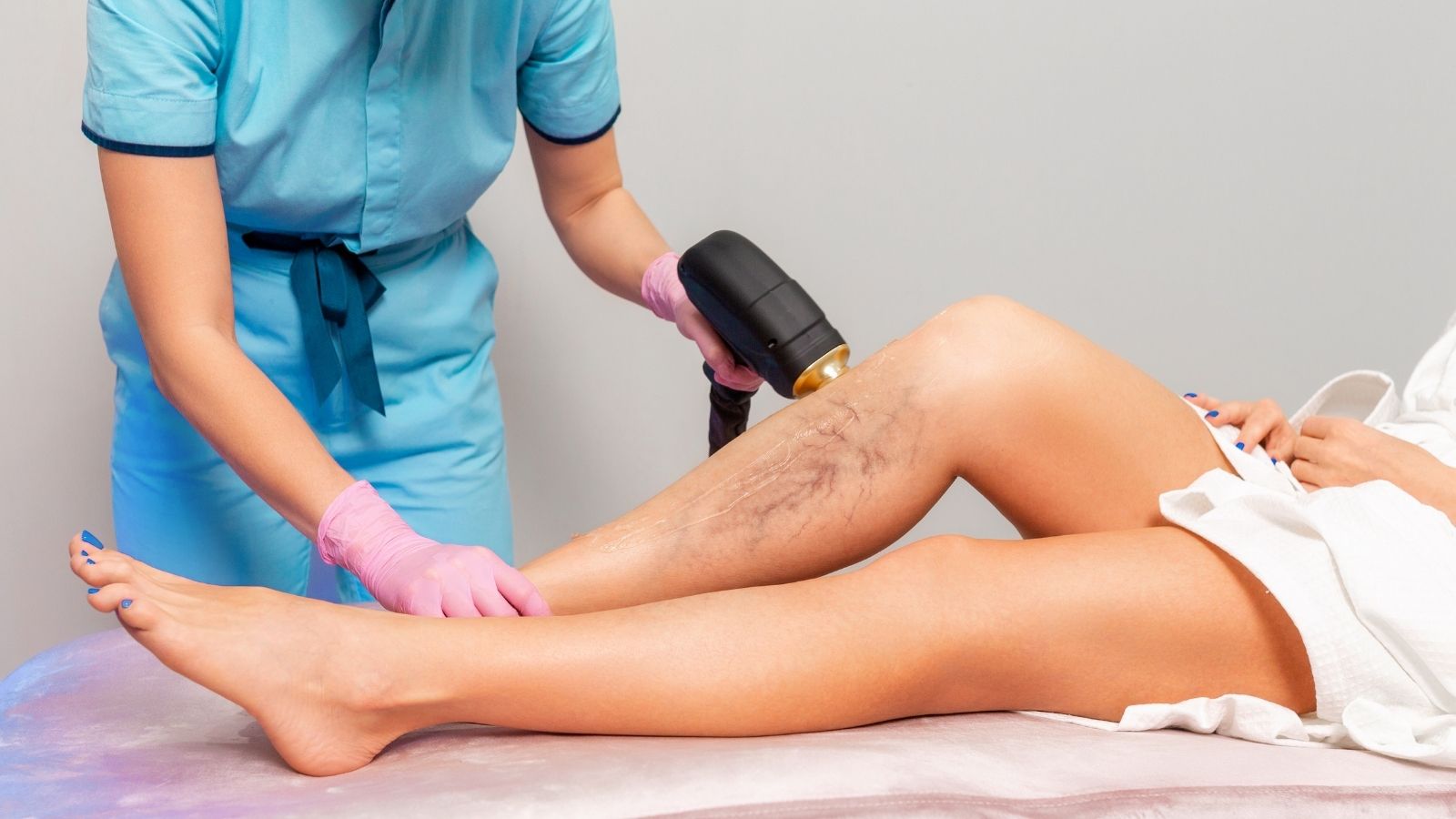
The approach in modern varicose vein treatment is to find and eliminate the source of the problem. As a cardiovascular surgeon, we make a detailed map of your veins with Color Doppler Ultrasonography before starting treatment. After determining in which vein and at what level there is a leak (reflux), we create a personalized treatment plan. This may include modern and minimally invasive methods such as closing the problematic vein from the inside with laser (EVLA), radiofrequency (RFA) or medical glue. For more superficial veins, foam sclerotherapy can be applied.
Compression stockings are not an alternative but a complement to these modern treatments. They are frequently prescribed to reduce the patient’s complaints in the pre-treatment period and after treatment to accelerate the healing process, reduce bruising and pain and reinforce the success of the treatment. Therefore, it is best to see compression stockings not as a permanent solution but as an indispensable part of a comprehensive treatment plan.

Prof. Dr. Yavuz Beşoğul graduated from Erciyes University Faculty of Medicine in 1989 and completed his specialization in Cardiovascular Surgery in 1996. Between 1997 and 2012, he served at Eskişehir Osmangazi University Faculty of Medicine as Assistant Professor, Associate Professor, and Professor, respectively. Prof. Dr. Beşoğul, one of the pioneers of minimally invasive cardiovascular surgery in Türkiye, has specialized in closed-heart surgeries, underarm heart valve surgery, beating-heart bypass, and peripheral vascular surgery. He worked at Florence Nightingale Kızıltoprak Hospital between 2012–2014, Medicana Çamlıca Hospital between 2014–2017, and İstinye University (Medical Park) Hospital between 2017–2023. With over 100 publications and one book chapter, Prof. Dr. Beşoğul has contributed significantly to the medical literature and is known for his minimally invasive approaches that prioritize patient safety and rapid recovery.