Türkçe
Laser varicose vein treatment is a minimally invasive medical method used to close diseased veins. By targeting the affected vein with laser energy, blood flow is redirected to healthy vessels, reducing symptoms and improving circulation without the need for open surgery.
Endovenous laser ablation for varicose veins provides high success rates in reducing pain, swelling, and heaviness in the legs. The procedure is usually performed under local anesthesia, minimizing discomfort and allowing patients to return to daily life quickly.
Advantages of laser therapy for varicose veins include smaller incisions, less risk of infection, and shorter recovery times. This makes it a preferred alternative for patients who are not suitable candidates for traditional surgical interventions.
Post-procedure care for laser vein treatment often involves wearing compression stockings and avoiding prolonged standing. Regular follow-up examinations ensure long-term effectiveness and minimize the risk of recurrence of varicose veins.
| Medical Name | Endovenous Laser Ablation (EVLA) |
| Frequent Use Areas | – Superficial venous insufficiency- Medium and large varicose veins |
| Causes | – Disruption of superficial vein valves – Enlarged veins – Patients who do not respond to medication and stocking treatment |
| Risk Factors | – Prolonged standing- Genetic predisposition- Obesity- Pregnancy- Aging |
| Complications | – Pain or tenderness around the vein – Skin discoloration – Clot in the vein (thrombosis) – Rarely nerve damage |
| Diagnostic Methods | – Doppler ultrasound- Physical examination |
| Treatment Methods | – The vein is closed by giving heat energy into the vein with a laser catheter – Use of compression stockings and follow-up after the procedure |
| Prevention Methods | – Regular exercise- Avoiding prolonged standing- Weight control- Use of compression stockings |
Could varicose veins be the cause of the pain and swelling in my legs and when should I consider treatment?
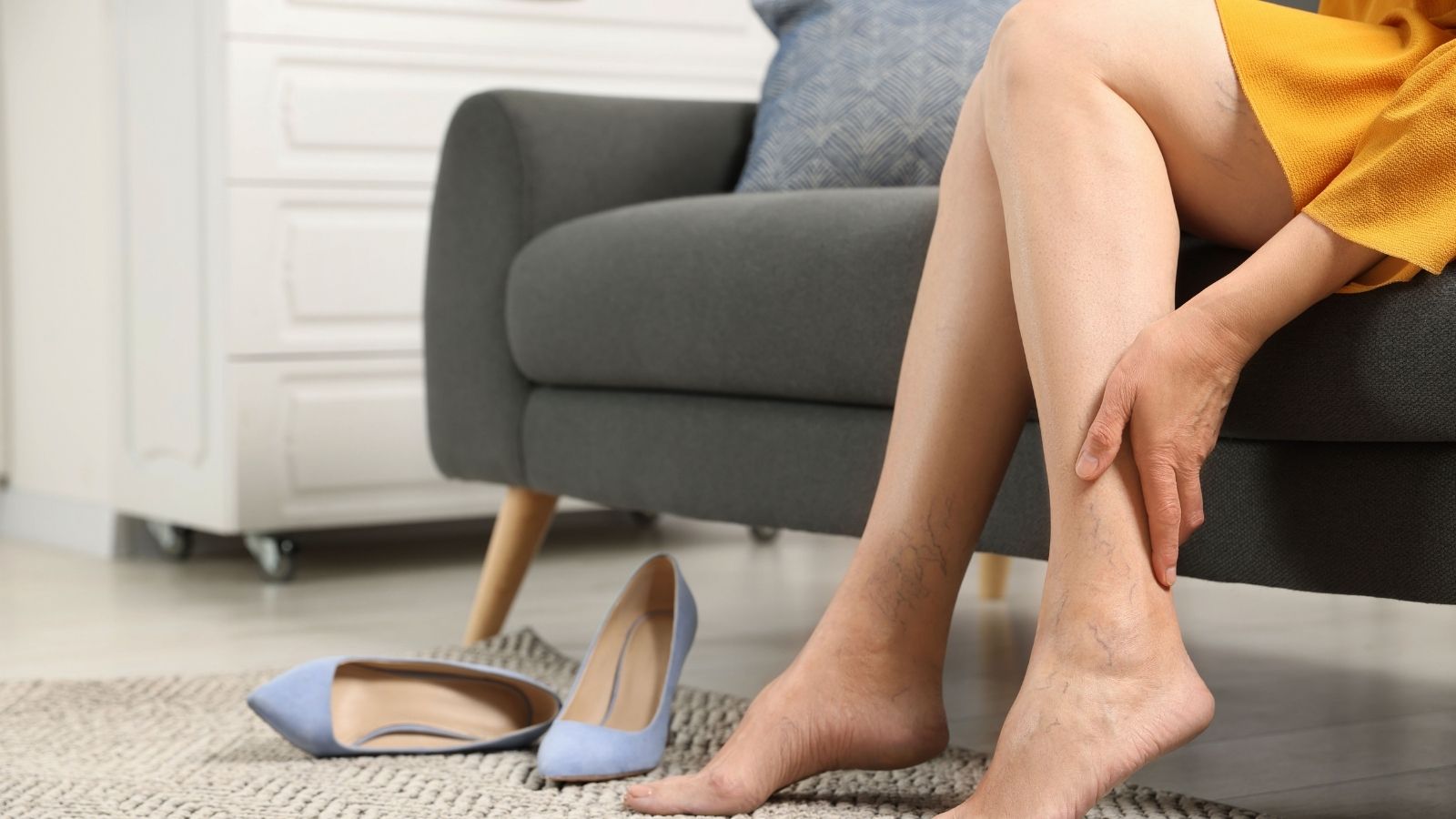
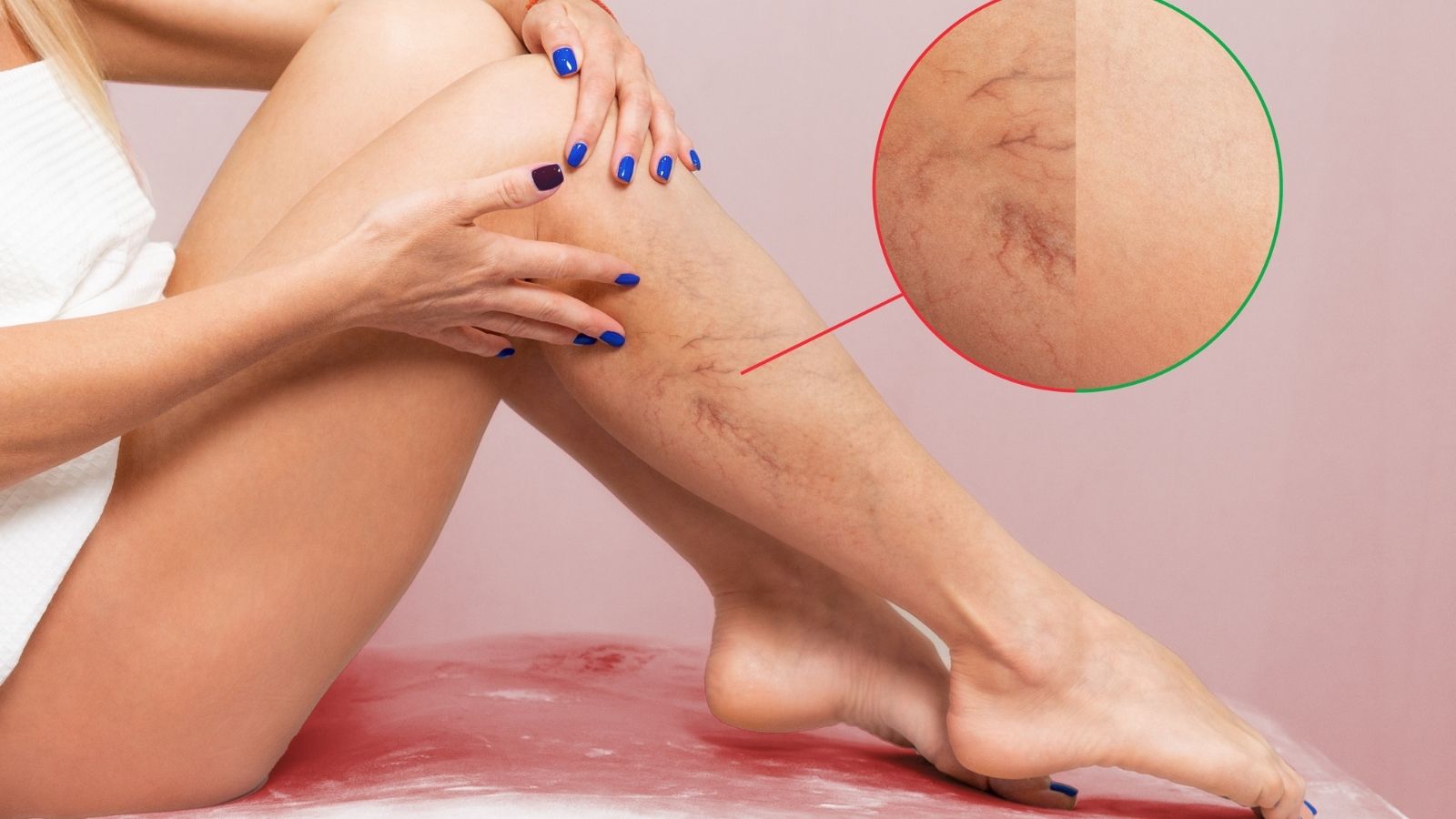
That tingle that you think is the result of fatigue from being on your feet all day long, or that slight swelling in your ankles in the evening, may actually be a sign of a vascular disease, namely venous insufficiency. Our veins have a wonderful system that carries dirty blood from the legs to the heart. For this system to work properly, there are tiny valves inside the veins that prevent blood from escaping back downwards:
However, in some cases, these valves cannot do their job properly. There are some common risk factors that predispose to varicose veins:
These risk factors include:
- Genetic predisposition (family history of varicose veins)
- Advanced age
- Female gender (hormonal influences)
- Pregnancy
- Overweight or obesity
- Occupations that require standing for long periods of time
- Continuous sitting work
- Sedentary lifestyle
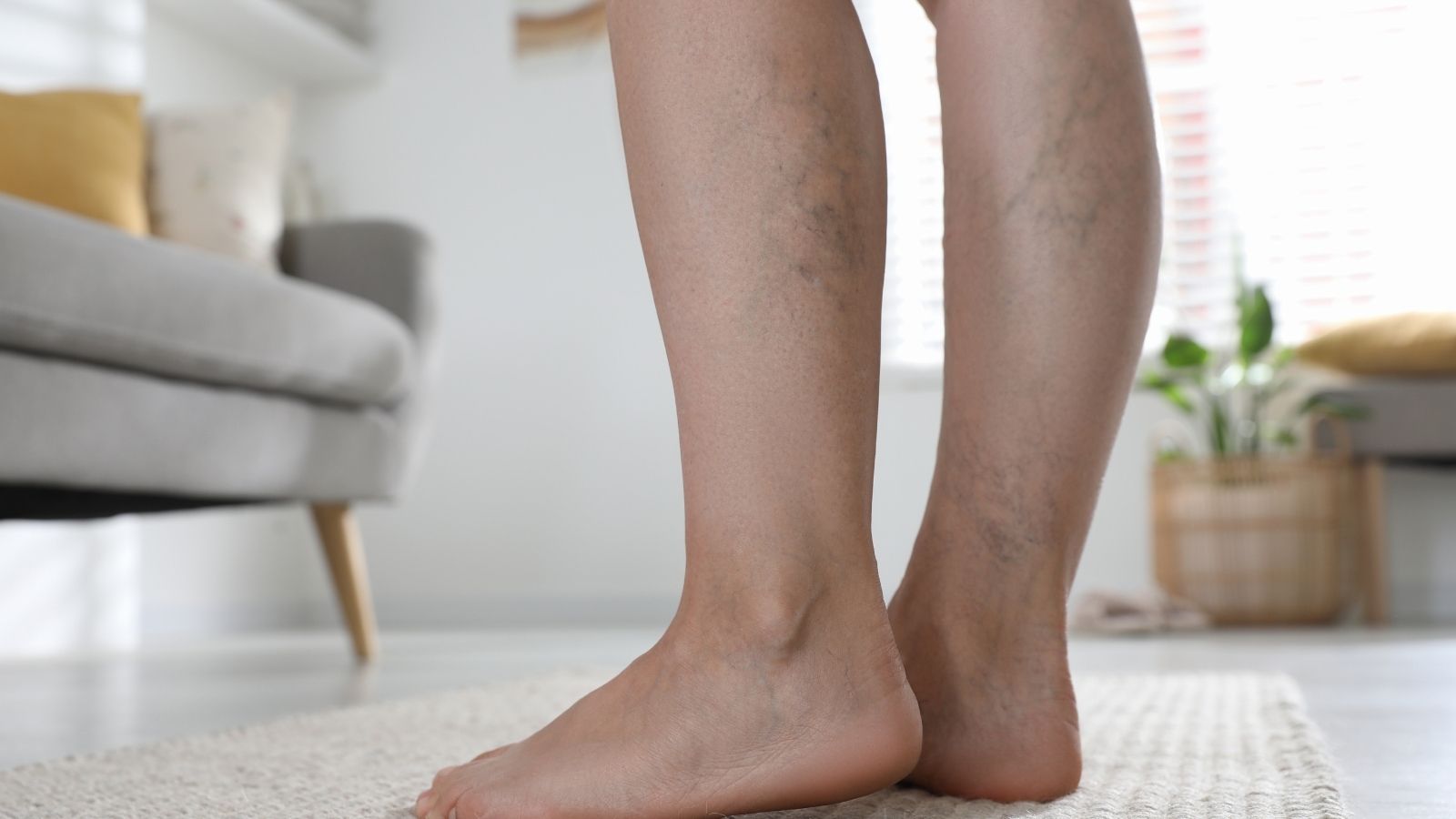
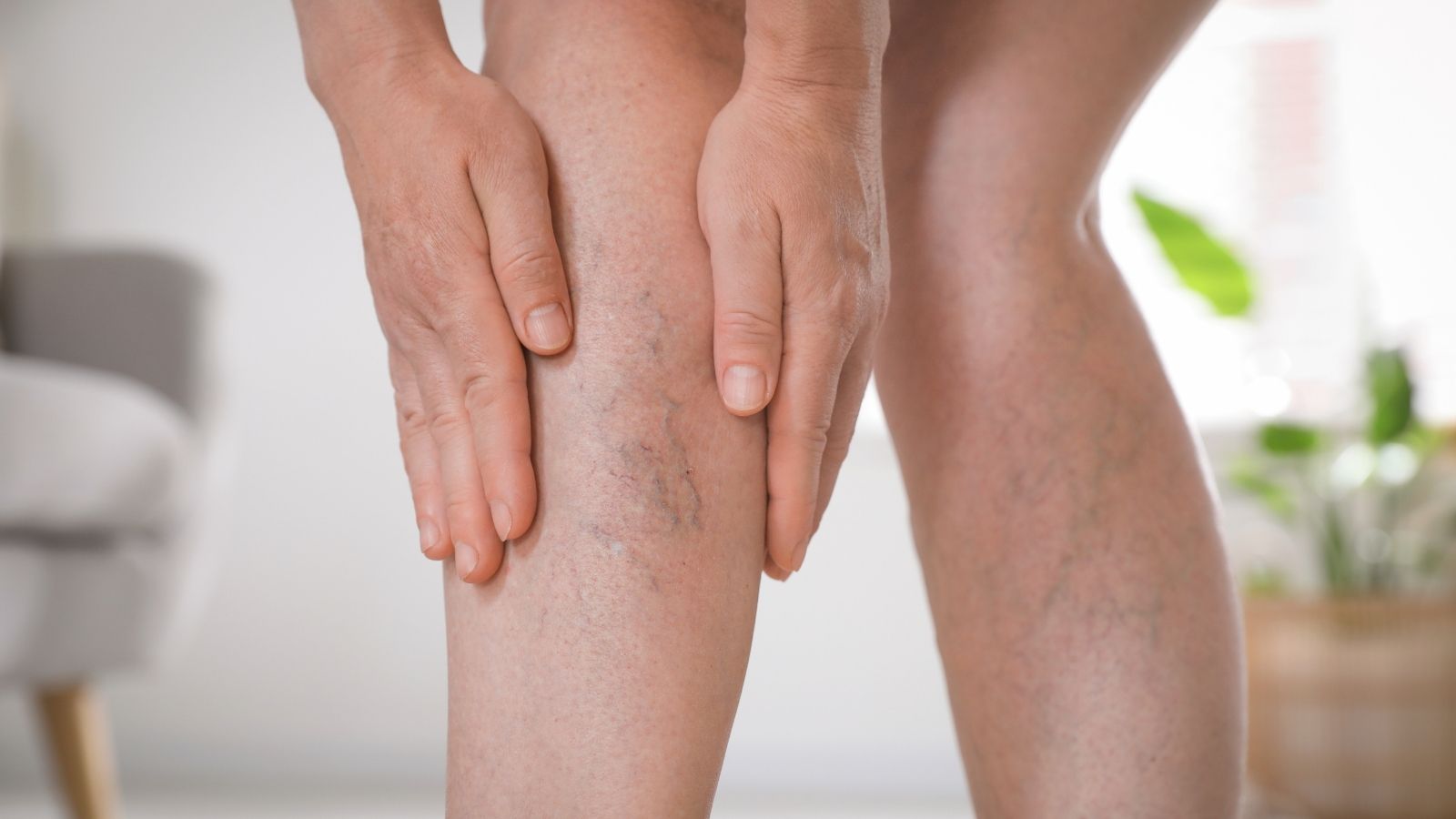
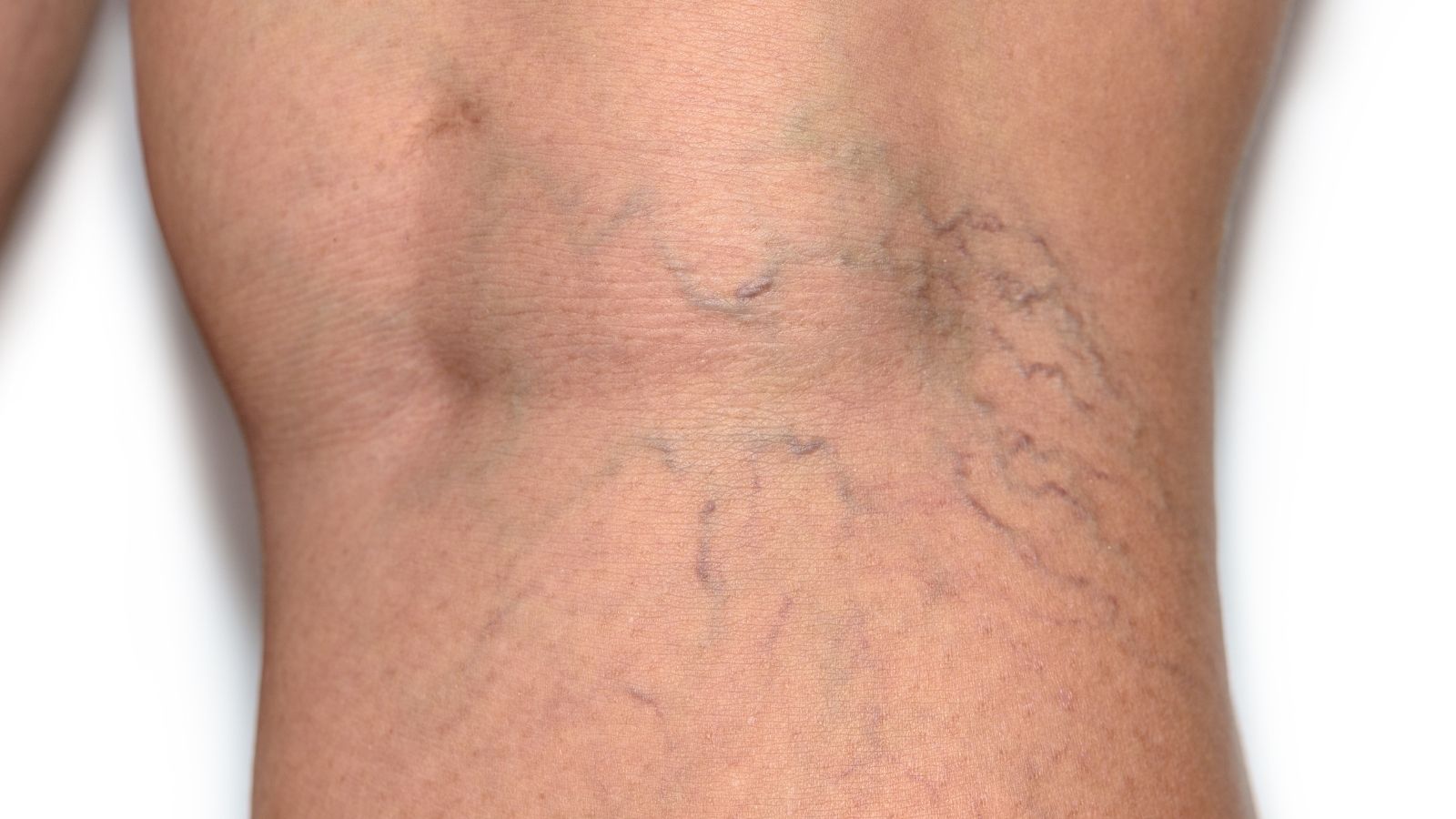
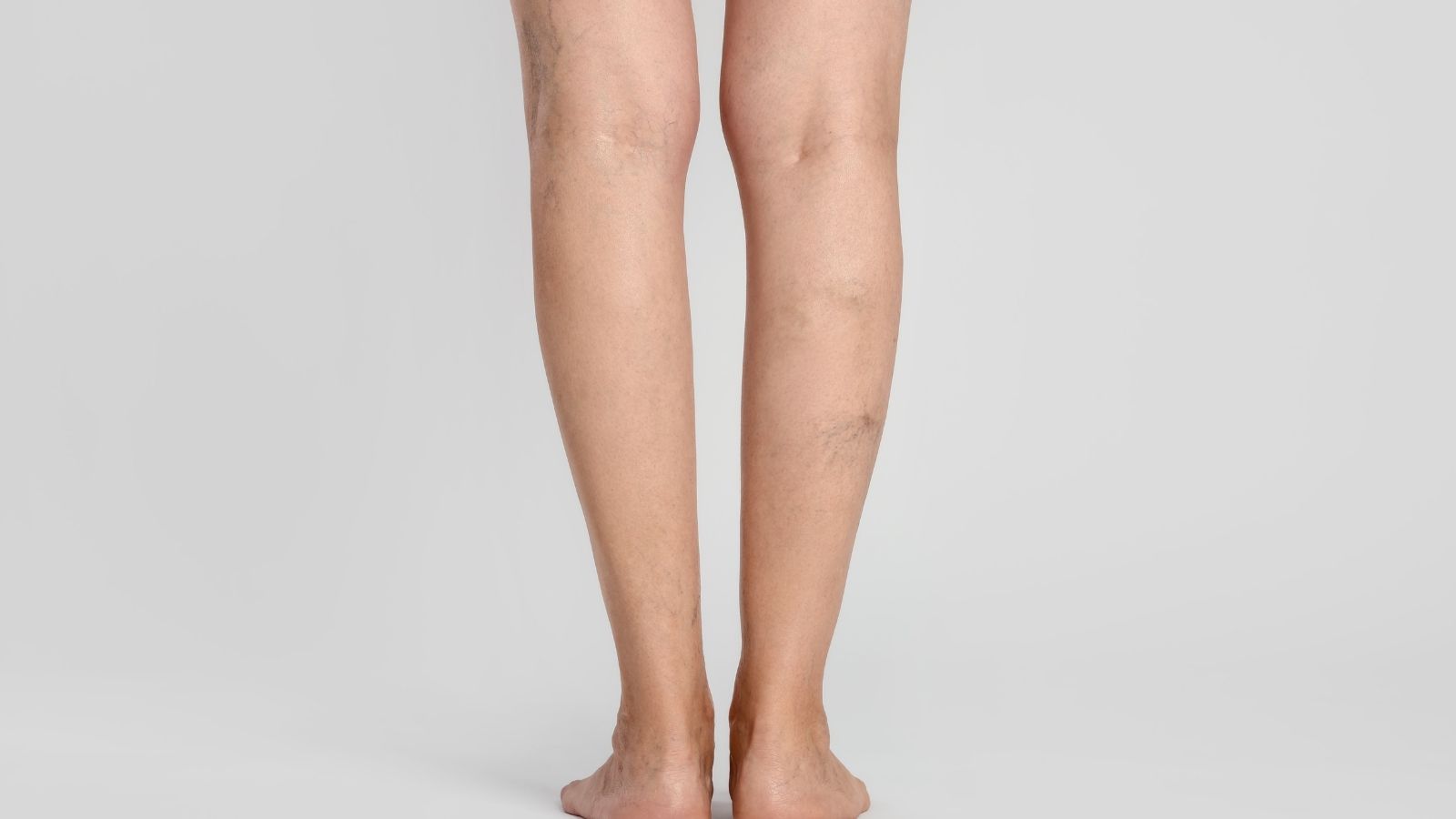
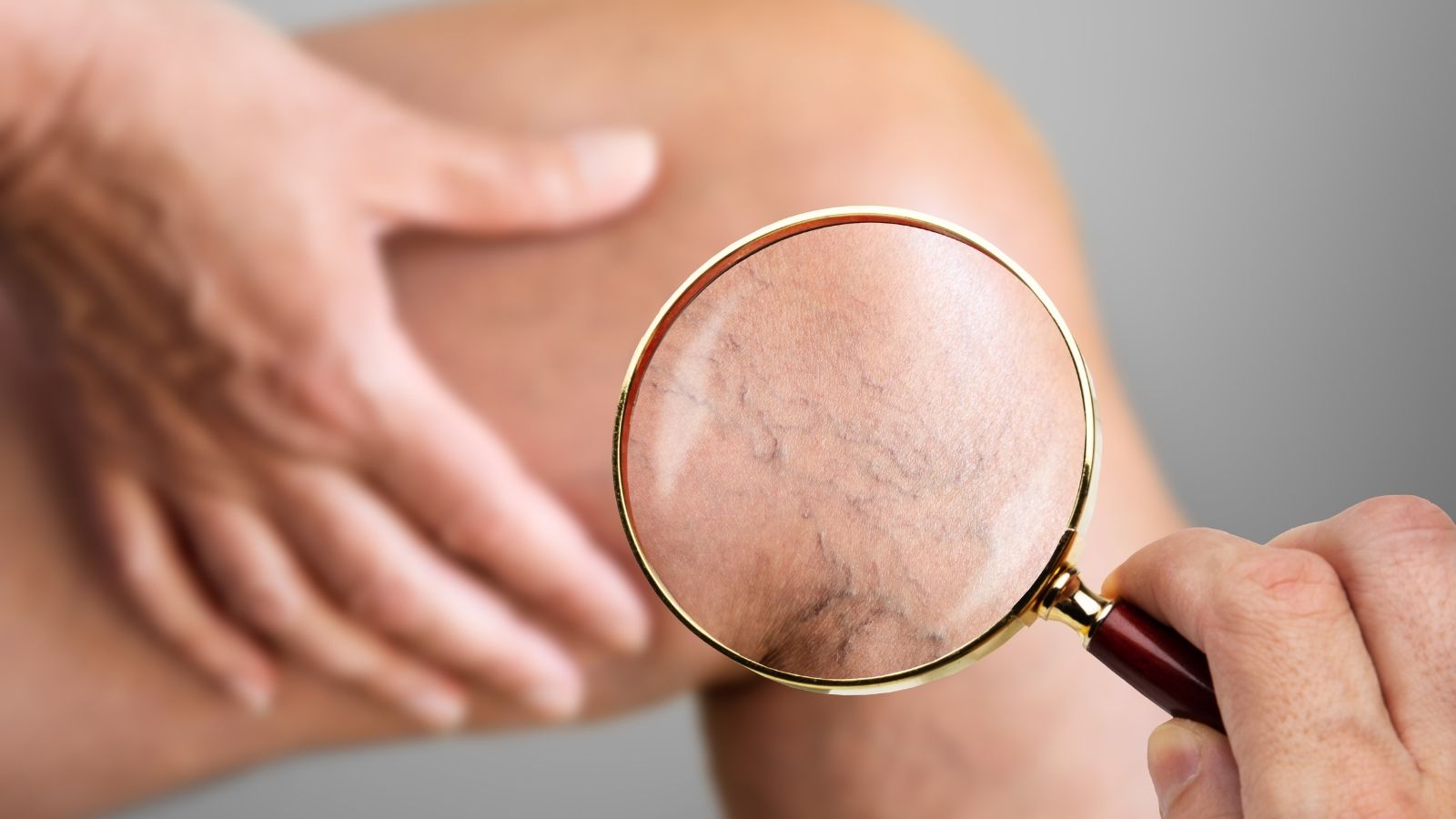
When the valves deteriorate under the influence of these factors, blood escapes backwards and begins to accumulate in the vein. This causes the vein wall to expand and elongate, and the varicose veins that we all know, which are curved and raised from the skin, to form. So, when should you see a specialist? If you are experiencing one or more of the following symptoms, it is best not to delay.
The most common symptoms of varicose veins are as follows:
- Dull, aching pain in the legs
- Feeling of heaviness and fullness, especially in the evening
- Swelling in the ankles and legs (edema)
- Night cramps that wake you from sleep
- Itching, burning in the areas of varicose veins
- Restless leg syndrome-like sensations
If your varicose veins are left untreated, the disease can progress and lead to more serious problems.
The symptoms of advanced varicose veins are as follows:
- Darkening of skin color around the ankle (brown-purple spots)
- Hardening and thickening of the skin
- Eczema-like sores
- Recurrent vascular inflammation (superficial thrombophlebitis)
- Very easy bleeding varicose vein packs
- Venous ulcer (leg wound) that is very difficult to heal
If you have these symptoms, especially if your complaints do not go away with methods such as compression stockings, it is time to consult a cardiovascular surgeon for modern treatment methods.
What principle does laser varicose vein treatment work on and what does it do to the vein?
One of the most frequently asked questions of my patients is what the laser does to the vein. We can liken this process to repairing a problematic water pipe by covering it with a special material from the inside without breaking the wall. Endovenous Laser Ablation (EVLA), i.e. laser varicose vein treatment, works on the principle of closing the main leakage vein that causes varicose veins from the inside and in a controlled manner.
The basic logic of this process is to convert the laser energy into heat to cause an irreversible closure of the vessel wall. The modern laser systems we use (especially those with a wavelength of 1470 nm) use their energy by directly targeting the water in the structure of the vessel wall. This is much more efficient and safer than older technologies.
One of the most important steps to ensure the success of the procedure is “tumescent anesthesia”. This is an ultrasound-guided injection of a special cold and diluted anesthetic liquid around the vein to be treated.
This fluid has three vital functions:
Prevent pain: It ensures that you feel no pain during the procedure.
Compressing the vessel: By completely draining the blood from the vessel, the laser fiber makes full contact with the vessel wall. This ensures that the laser energy reaches the target directly.
Protecting tissues: It creates a protective “heat shield” or “water cushion” between the vein and the surrounding skin and nerves. In this way, the heat of the laser is prevented from damaging the surrounding tissues and the risks of laser varicose vein treatment such as skin burns are almost completely eliminated.
Once anesthesia and preparation are complete, the laser fiber inserted into the vein is activated as it slowly retracts. The heat generated by the laser disrupts the protein structure of the vessel wall, causing it to shrink and close instantly. Over time, your body transforms this closed vessel into a connective tissue and gradually absorbs and destroys it over months. Thus, the problematic vein through which blood escapes backwards and causes varicose veins is permanently eliminated.
Why should laser varicose vein treatment be preferred over conventional surgery?
Years ago, the only method that came to mind when it came to varicose vein treatment was classical surgeries in which the problematic vein was pulled out like a cable with large incisions made from the groin and wrist. Although this method was effective, it was a very challenging process for patients. Laser varicose vein treatment is a revolution compared to this old method and has an overwhelming superiority in terms of the comfort and safety it offers to the patient.
Here are the most important advantages of laser treatment over conventional surgery.
No General Anesthesia Required: Classical surgeries almost always require general anesthesia or lumbar anesthesia (spinal anesthesia). Laser treatment, on the other hand, is only performed by numbing the leg to be treated with local anesthesia. This completely eliminates the risks and side effects of general anesthesia.
No Incision and Stitches: In laser treatment, the entire procedure is usually performed through a needle hole opened under the knee. In this way, there are no problems such as surgical scars, wound infection, stitch removal.
Much Less Painful: The period after conventional surgery is usually painful and requires strong painkillers. Pain after laser varicose vein surgery is minimal and can often be easily controlled with simple painkillers.
No Hospitalization Required: The procedure is completed in a short period of approximately 30-45 minutes under outpatient or office conditions. The patient can walk home immediately after the procedure.
Fast Return to Work and Daily Life: The recovery period after laser varicose vein surgery is incredibly short. Instead of weeks of rest after conventional surgery, patients can usually return to their normal lives and desk jobs within a few days after laser treatment.
Lower Recurrence Rate: In classical surgery, the formation of new and defective vessels (neovascularization) in the groin area where the vein was removed over time was a common cause of recurrence. It has been scientifically proven that this risk is much lower in laser treatment.
How to treat varicose veins with laser for those who are curious?
The answer to the question of how to treat varicose veins with laser includes a process that is actually quite simple and consists of standard steps and progresses under ultrasound guidance from start to finish:
Planning and Drawing Phase: First of all, a detailed color Doppler ultrasonography performed in the standing position provides a road map of your leg veins. All details such as where the leakage starts, which vessel is dilated and how deep it is in the skin are determined on this map and the treatment plan is made according to this map.
Preparation and Numbing: On the day of the procedure, the leg to be treated is sterilized. With the help of ultrasound, the most suitable point to enter the vein (usually below the knee) is determined. At this point, a very small local anesthetic needle, the only needle you will feel during the procedure, is injected and the skin is numbed.
Intravenous Access: From this anesthetized point, a thin needle is inserted into the vein and a thin wire called a guidewire is guided through this needle to the junction of the main veins in the groin, monitored by ultrasound.
Insertion of the Laser Fiber: A thin plastic sheath called an “introducer” is inserted into the vein through the guidewire. The guidewire is then withdrawn and the laser fiber is carefully inserted through this sheath so that its tip is placed exactly at the targeted point. The precision of this positioning is crucial for the safety of the treatment.
Performing Protective Anesthesia (Tumescence): At this stage, the special, cold and diluted anesthetic fluid mentioned above is injected around the vein along the entire length of the vein to be treated. This fluid surrounds the vessel like a sheath, preventing pain and protecting the surrounding tissues.
Application of the Laser and Closure of the Vessel: After all preparations have been completed and the position of the fiber has been confirmed for the last time, the laser device is switched on. The laser fiber is slowly retracted at a preset speed. Meanwhile, the laser energy affects the vessel wall, causing it to contract and close instantly. This moment of closure can be monitored live on the ultrasound screen.
Completion of the Procedure: After the entire vein segment to be treated is closed, the laser fiber and sheath are removed. A small piece of tape is attached to the needle entry point and the leg is wrapped with a pressure bandage or compression stockings. The patient is immediately stood up, walked a little and sent home.
Does laser varicose vein treatment hurt?
I hear this question from every patient and my answer is always the same: No. When performed with the right technique and adequate anesthesia, the answer to the question of whether laser varicose vein treatment hurts is definitely “no”.
The key to your comfort during the procedure is “tumescent anesthesia”. With this method, the entire vascular line is completely anesthetized. Most of my patients tell me that during the procedure they only feel a touch, a pressure on their legs, but absolutely no pain or burning. All you feel is the introduction of that first tiny needle to numb the skin at the very beginning of the procedure.
What about after the procedure? Advances in laser technology have also minimized post-procedure pain. In particular, “radial fiber” technology, which spreads the energy 360 degrees, i.e. circularly, to the vessel wall, creates much less trauma than the old type of lasers that only fire from the tip. This means less bruising and less pain after the procedure.
In the first few days after the treatment, it is normal and expected that there will be a slight tingling along the closed vein, a feeling of tightness, as if there is a string inside. This is a sign that the vein has closed and the healing process has begun. This mild discomfort is usually easily controlled with simple painkillers containing ibuprofen or paracetamol. In short, compared to the painful and long healing process of conventional varicose vein surgery, laser treatment is considered an almost painless method.
How long is the recovery period after laser varicose vein treatment and what should I pay attention to?
One of the most beautiful aspects of laser treatment is that the healing process is extremely fast and easy. The things to be considered after laser varicose vein treatment are simple but important steps to make the success of the treatment permanent.
Here are the basic rules you should follow during the healing process:
Walking Immediately: You will be asked to stand up and walk immediately after the procedure. Regular short walks during the day support blood circulation and prevent the risk of clots.
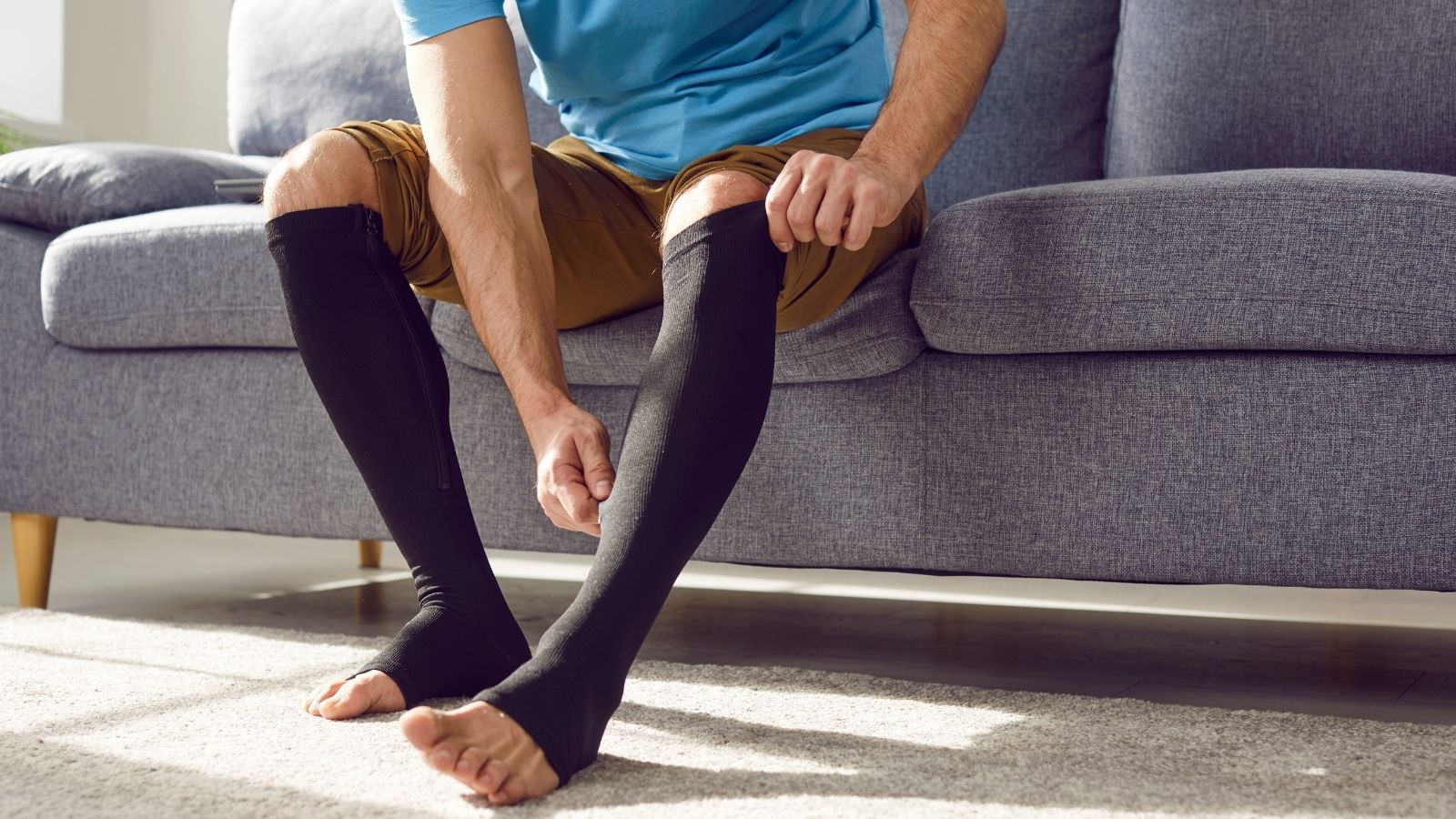
Use of Compression Stockings: Compression stockings worn on your leg are your best friend. You are usually asked to wear them day and night for the first 24-48 hours and then only during the day for 1-2 weeks according to your physician’s recommendation. This sock reduces swelling and bruising, controls pain and helps the closed vein to adhere.
Pain Control: If needed, you can use simple painkillers recommended by your doctor. Keeping your leg elevated with a pillow while resting will also make you feel very comfortable.
Drink plenty of fluids: Drinking at least 2-2.5 liters of water a day is beneficial for your blood circulation.
Return to Normal Activity: You can usually return to your normal daily life the next day and to your desk job in a few days.
So what should you avoid during the healing process?
The activities you should avoid are as follows:
- Heavy sports (weight lifting, intense fitness, running)
- Extremely hot environments such as hot springs, saunas and baths
- Standing or sitting still for a long time
- Keeping hot water directly on your legs
What are the harms and risks of laser varicose vein treatment that everyone should know?
As with any medical intervention, laser varicose vein treatment has potential risks and side effects. However, you will be relieved to know that in experienced hands and with modern technology, these risks are extremely rare. We can divide the situations that can be perceived as laser varicose vein treatment damages into two as generally temporary and manageable side effects and very rare serious complications.
Common but usually temporary side effects:
Bruising and Stiffness: Bruising along the treated vein line and the sensation of a hard cord in the hand are most common. This is a natural part of healing and will resolve itself within a few weeks.
Mild Pain or Tension: A mild discomfort along the closed vessel that is relieved by simple painkillers.
Superficial Phlebitis An inflammatory reaction with redness and tenderness that can be seen in the treated vein or its adjacent branches. This is usually easily managed with medication.
Very rare but serious risks to be aware of:
Nerve Damage: Skin nerves that run very close to the blood vessel may be temporarily affected by the heat of the laser. This can cause numbness and tingling sensation in the foot or leg. This risk is minimized by meticulously administered tumescent anesthesia and usually resolves spontaneously within a few months. Permanent damage is extremely rare.
Skin Burn A risk that is almost never seen thanks to the protective shield of tumescent anesthesia. It is theoretically possible in case of inadequate anesthesia.
Deep Vein Thrombosis (DVT): The most serious but the rarest complication. It is when the clot in the treated superficial vein extends into the deep veins. The incidence rate is less than 1%. Starting to walk immediately after the procedure and regular use of compression stockings significantly reduces this risk. Routine ultrasound control is vital for early detection of this condition.

Prof. Dr. Yavuz Beşoğul graduated from Erciyes University Faculty of Medicine in 1989 and completed his specialization in Cardiovascular Surgery in 1996. Between 1997 and 2012, he served at Eskişehir Osmangazi University Faculty of Medicine as Assistant Professor, Associate Professor, and Professor, respectively. Prof. Dr. Beşoğul, one of the pioneers of minimally invasive cardiovascular surgery in Türkiye, has specialized in closed-heart surgeries, underarm heart valve surgery, beating-heart bypass, and peripheral vascular surgery. He worked at Florence Nightingale Kızıltoprak Hospital between 2012–2014, Medicana Çamlıca Hospital between 2014–2017, and İstinye University (Medical Park) Hospital between 2017–2023. With over 100 publications and one book chapter, Prof. Dr. Beşoğul has contributed significantly to the medical literature and is known for his minimally invasive approaches that prioritize patient safety and rapid recovery.