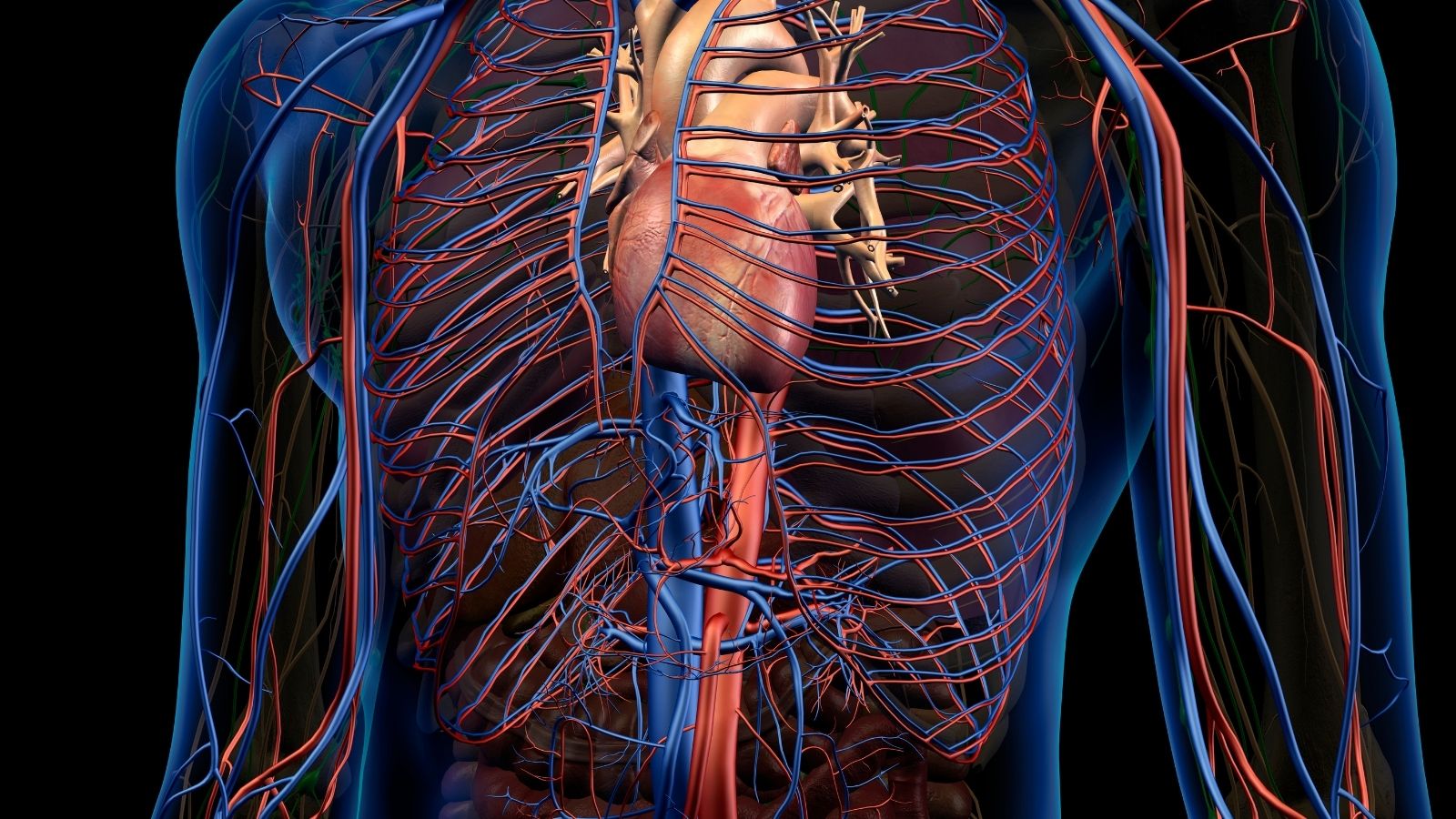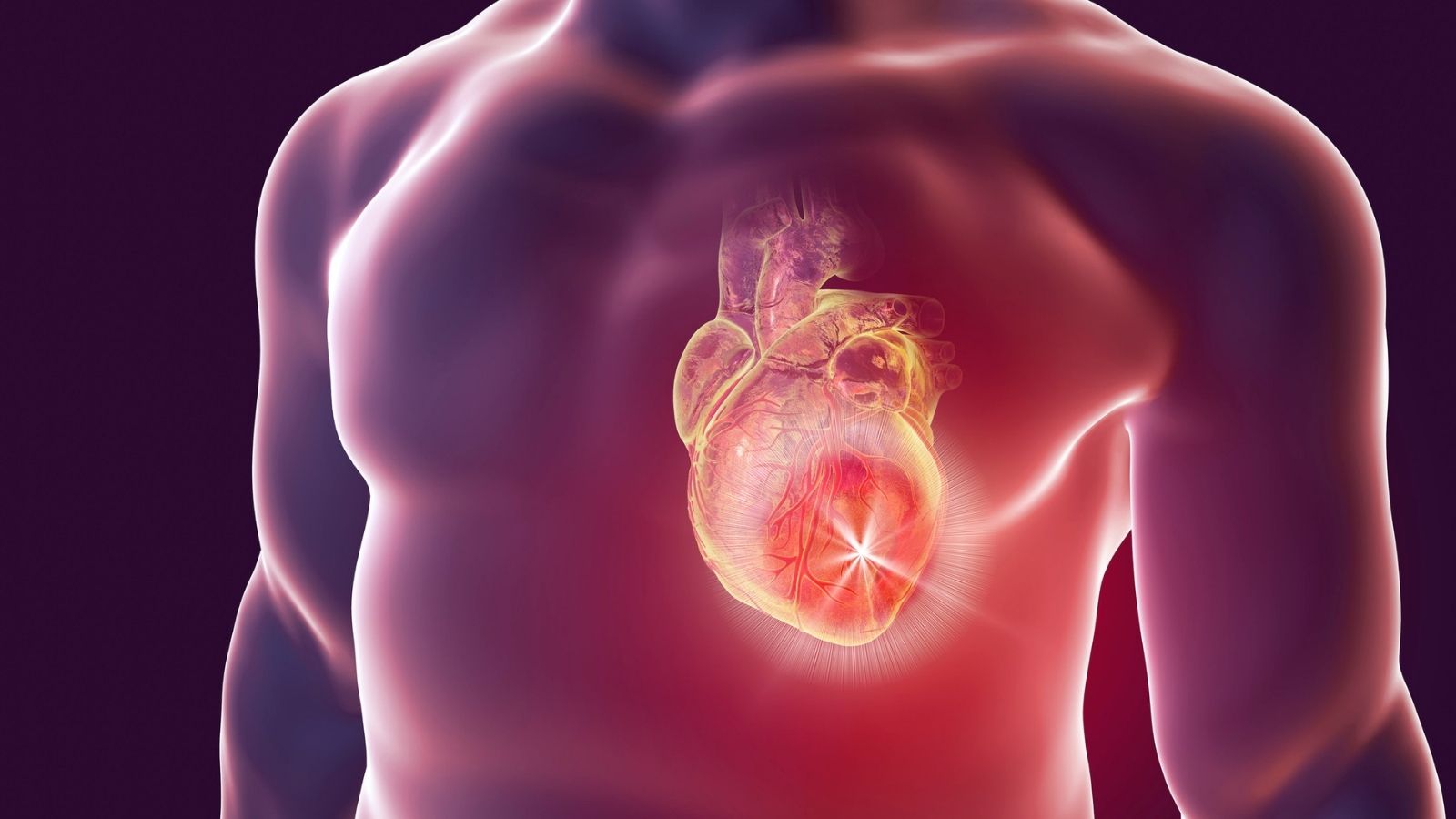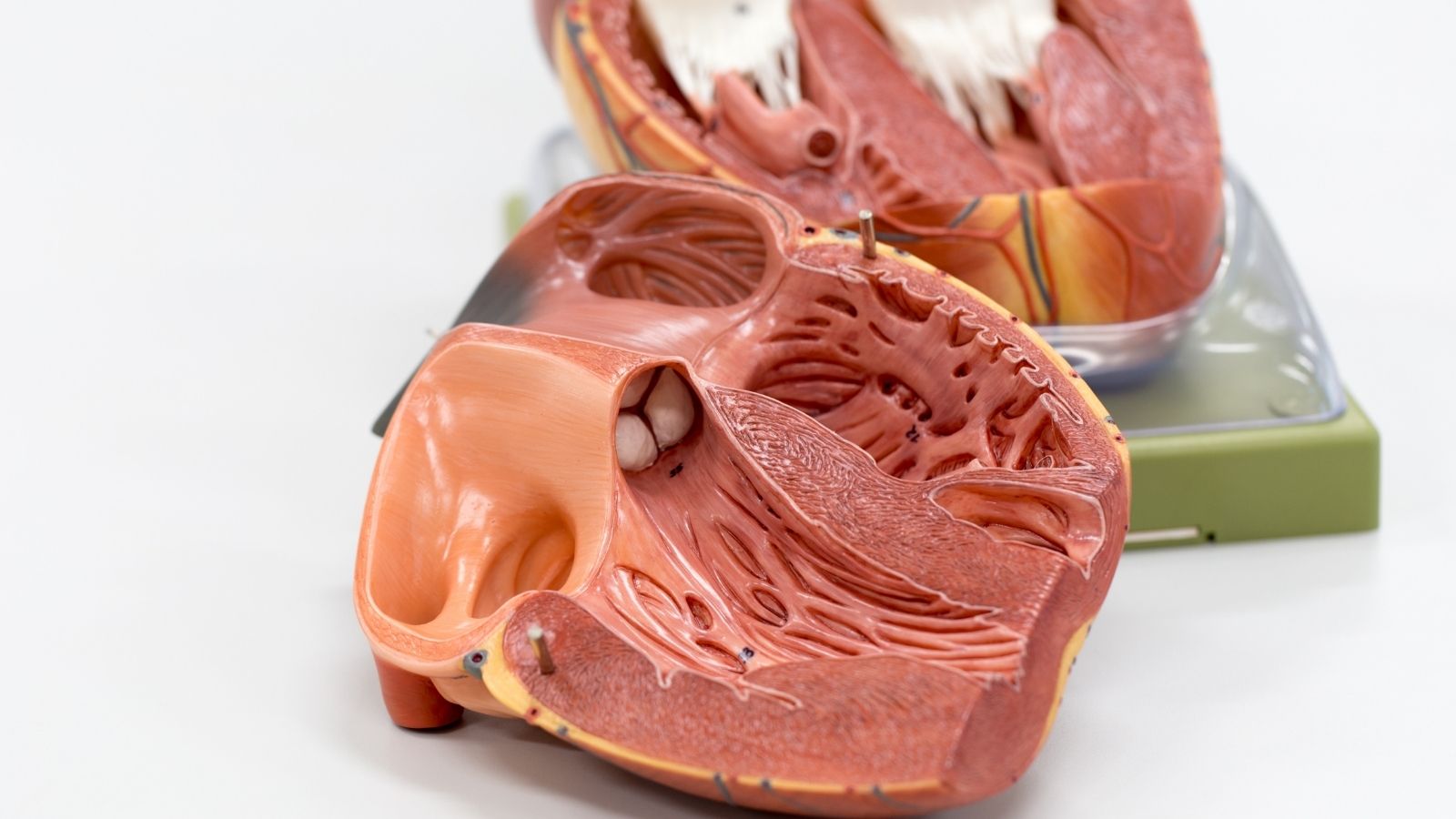


Cardiovascular surgery is a medical specialty that treats diseases of the heart and blood vessels. It includes surgical interventions that improve circulation, repair heart structures, and restore overall cardiovascular function.
Common diseases treated by cardiovascular surgery include coronary artery disease, heart valve disorders, aneurysms, and peripheral vascular disease. These conditions often require surgical correction when medication is insufficient.
Minimally invasive techniques, such as keyhole surgery and robotic-assisted procedures, are increasingly used. These methods reduce recovery time, hospital stay, and surgical complications while offering effective treatment results.
Cardiovascular surgeons also collaborate with cardiologists and radiologists to provide comprehensive care. This multidisciplinary approach ensures accurate diagnosis, personalized treatment plans, and long-term patient follow-up.
What does Cardiovascular Surgery (CVC) mean?
Cardiovascular Surgery, in its most basic definition, is the specialty in which structural disorders of the heart itself, the main vessels that bring blood to and from the heart, and the entire vascular network in the body in general are treated surgically. It is commonly known as “cardiac surgery”, but this definition actually refers to only part of the field. KVC is a much broader umbrella.
This specialty is the centerpiece of a broader discipline known as “cardiothoracic surgery”. Cardiothoracic surgery covers all surgical procedures of vital organs located in the chest cavity (thorax), such as the heart, lungs and main trachea. Within this field, KVC focuses especially on the cardiovascular system.
This focus is itself divided into two main branches. The first is cardiac surgery, which deals directly with structures such as the heart itself, heart valves and the aorta, the main artery leaving the heart. The second is vascular surgery, which deals with all body vessels other than the heart and brain. In other words, a wide spectrum ranging from the carotid arteries that feed our brain to arterial blockages in our legs and even vein problems such as varicose veins are within the field of interest of Cardiovascular Surgery.
How can we tell the difference between Cardiovascular Surgery and Cardiology?
One of the most confusing issues in the minds of our patients is the difference between Cardiovascular Surgery and Cardiology. Both are concerned with heart health and work shoulder to shoulder like integral parts of a team, but their job descriptions and the treatment modalities they use are completely different.
We can explain this difference with a simple analogy. Imagine that there is a problem with the plumbing in your home:
- The cardiologist is the master who views the inside of the plumbing, measures the pressure and tries to open blockages with medication or special tools (such as stents) from the inside, without cutting the pipe. In other words, they focus on solving the problem with “non-surgical” methods. They control conditions such as high blood pressure and rhythm disorders with medication.
- A cardiovascular surgeon is the specialist who steps in if the blockage is too serious to be opened by these methods, if that part of the pipe has rotted or if there is a congenital defect in the structure of the installation. He or she will cut out the problematic piece of pipe and replace it with a new one (vascular repair/replacement) or lay a completely new pipeline to go around the blockage (bypass surgery). In other words, it solves the problem structurally through “surgery”.
In short, Cardiology diagnoses, treats with medication and performs non-surgical interventions. Cardiovascular Surgery surgically repairs the problem when these methods are insufficient.
Which diseases does Cardiovascular Surgery deal with?
Cardiovascular Surgery treats a wide range of structural problems in the body’s circulatory system. The main diseases are the following:
- Coronary Artery Disease (blockage in the heart vessels)
- Heart Valve Diseases (Stenosis or insufficiency)
- Aortic Aneurysm and Dissection (enlargement or rupture of the main artery)
- Advanced Heart Failure
- Heart Rhythm Disorders (Arrhythmias)
- Congenital Heart Diseases
- Peripheral Vascular Diseases (jugular vein, leg vein problems and varicose veins)
How does Cardiovascular Surgery treat blockages in the blood vessels feeding the heart?
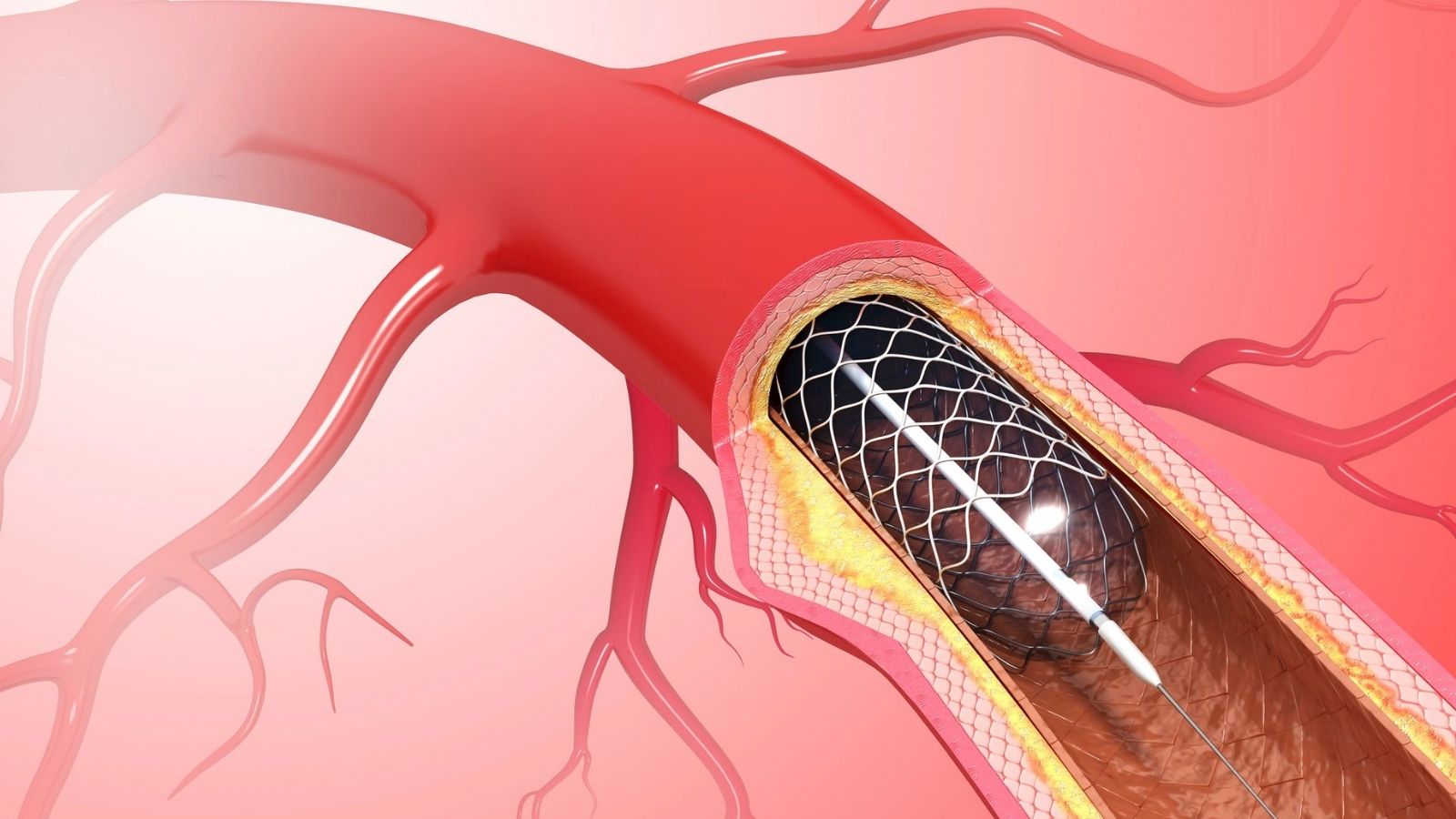
Cardiovascular Surgery treats severe blockages in the coronary arteries that supply the heart’s own muscle tissue with “bypass” or “bridging” surgery, which opens a new pathway for blood flow. Coronary artery disease is the narrowing of these vessels due to plaques that build up on their walls, known as atherosclerosis. This prevents the heart muscle from getting enough oxygen, causing chest pain or a heart attack.
Coronary Artery Bypass Grafting (CABG) surgery is the most effective solution when medication or stents are inadequate or the patient’s vasculature is not suitable for these methods. The rationale for this surgery is to bypass the blocked vessel and create an alternative route for blood flow. The surgeon uses pieces of healthy blood vessels (grafts) from the patient’s own body to create this new “bridge” route. The most commonly used grafts for bypass are
- Chest wall artery (IMA)
- Arm artery (Radial artery)
- Leg vein (saphenous vein)
One of these healthy vessels is sewn to the coronary artery beyond the blocked area, allowing blood to reach the heart muscle directly without using the blocked pathway. This procedure is performed as “single”, “double” or “triple” bypass depending on the patient’s vascular structure and the number of blockages.
How does Cardiovascular Surgery intervene in deteriorating heart valves?
Cardiovascular Surgery either repairs valves that are not working properly and fatigue the heart, preserving the patient’s own tissue, or replaces them with an artificial valve if repair is not possible. The four valves in our heart are like delicate gates that allow blood to flow in one direction. Two main problems can arise with these doors:
Stenosis (Stenosis): The valve cannot open fully, making it difficult for blood to pass through.
Incompetence (leakage): Incomplete closure of the valve and leakage of blood backwards.
In both cases, the heart is overworked to send enough blood to the body, and over time it becomes fatigued and goes into heart failure. KVC offers two main strategies to solve this problem: valve repair or valve replacement. If possible, it is always preferable to repair the patient’s own valve. However, if the damage to the valve is too advanced, the valve is replaced. There are two types of prosthetic valve used in this situation:
Mechanical Valves: They are very long-lasting but require lifelong use of blood thinners to prevent clotting.
Biological Valves: They usually do not require blood thinners, but they can wear out over time and may need to be replaced years later with a new surgery.
What role does Cardiovascular Surgery play in dangerous dilatations and ruptures of the aorta?
Cardiovascular Surgery plays a life-saving role in the event of a dangerous enlargement (aneurysm) or rupture (dissection) of the aorta, the body’s main artery. The aorta is the largest artery leaving the heart and carrying blood to all organs. When its wall weakens due to high blood pressure or genetic predisposition, it can swell like a balloon under the influence of blood pressure. This is called an aneurysm and the biggest risk is that it can burst (rupture), causing a fatal internal bleeding.
Aortic dissection is an extremely urgent condition in which the inner wall of the aorta ruptures and blood leaks between the layers of the vessel. Cardiovascular Surgery treats these dangerous conditions with two main methods:
Open Surgical Repair: The surgeon opens the site of the aneurysm, removes the diseased vessel section and sews an artificial vessel (graft) made of a durable synthetic material such as Dacron.
Endovascular Repair (EVAR/TEVAR): In this more modern method, a small incision is usually made in the groin and a catheter is used to insert a fabric-covered stent called a “stent-graft” into the aneurysm. This stent allows blood to flow through a safe tunnel without ever entering the aneurysm sac.
What hope does Cardiovascular Surgery offer in advanced heart failure?
For patients with end-stage heart failure for whom medication no longer works, Cardiovascular Surgery can offer new hope with advanced solutions such as mechanical heart assist devices or heart transplantation. Heart failure is a condition in which the heart cannot pump enough blood to meet the body’s needs. Surgical options in this case are as follows.
Heart Assist Devices (LVAD): Sophisticated pumps implanted inside the body that take over the workload of a weakened heart. These devices can keep a patient alive until a suitable organ for heart transplantation is found (bridge to transplant) or be a permanent solution for patients who are not transplant candidates (destination therapy).
Heart Transplant: When all other treatment options have been exhausted, as a last resort, the patient’s diseased heart is removed and replaced with a healthy heart from a brain-dead donor. This is a complex operation that offers the patient a chance for a completely new life.
Can Cardiovascular Surgery be the solution to arrhythmias?
Yes, Cardiovascular Surgery plays an important role in treating certain rhythm disorders that cannot be controlled with medication. Arrhythmias, which mean that the heart beats too slow, too fast or irregularly, may sometimes require surgical intervention. Surgical approaches are categorized under two main headings.
Device Implantation: In cases where the heart rate is dangerously slow, “pacemakers” or “shock devices” (ICDs) are surgically implanted under the skin to prevent dangerously fast rhythms that risk sudden cardiac arrest.
Surgical Ablation (Maze Procedure): Used to treat Atrial Fibrillation (AFib), which increases the risk of stroke. Usually during another open heart surgery, a “maze” is created in the upper chambers of the heart that blocks abnormal electrical signals with freezing or burning energy. This allows the heart to return to its normal rhythm.
Why is Cardiovascular Surgery important in the treatment of congenital heart diseases?
Cardiovascular Surgery plays a vital role in repairing structural defects (holes, vascular anomalies, valve problems) that occur during heart development in the womb. These diseases can be treated at any age, from infancy to adulthood. Pediatric cardiac surgeons perform these delicate surgeries with great success. The main operations performed are as follows:
- Patching or suturing the holes between the heart chambers.
- Surgical widening of narrowed valves or vessels.
- Redirecting blood vessels that originate in the wrong places to the correct locations.
- Reconstruction of missing or underdeveloped heart structures.
So, does Cardiovascular Surgery also treat leg vein problems such as varicose veins?
Yes, this question is often asked and the answer is clear. The vascular branch of Cardiovascular Surgery deals directly with vascular problems in the legs. This area covers the entire vascular network outside the heart and brain. The main conditions treated are:
Peripheral Arterial Disease (PAD): Blocked arteries that cause pain in the legs with walking.
Carotid Artery (jugular vein) disease: Stenosis of the neck arteries leading to a risk of stroke.
Varicose veins: The veins in the legs become dilated and tortuous.
Deep Vein Thrombosis (DVT): Clots in the deep veins in the legs.
Especially in the treatment of varicose veins, modern and minimally invasive techniques such as laser, radiofrequency or bonding are successfully applied by KVC specialists in addition to classical surgical methods.
What is the place of Cardiovascular Surgery in the treatment of high blood pressure?
Cardiovascular Surgery is not a branch that directly treats high blood pressure (hypertension). Medication and follow-up of high blood pressure is the domain of Cardiology and Internal Medicine specialists. However, KVC repairs the destructive effects of high blood pressure on the vessel walls over the years. The main problems caused by uncontrolled high blood pressure and treated by KVC are as follows:
- Aortic aneurysm and dissection
- Coronary artery disease and atherosclerosis
- Carotid artery stenosis
For this reason, a CVC specialist considers a patient’s blood pressure under control as an indispensable part of the treatment. Because the success of surgery and the recovery process are directly related to how well blood pressure is managed.
What modern approaches does Cardiovascular Surgery adopt in surgical methods?
Today, a heart or vascular operation is not performed using a single method. The most appropriate approach for the patient’s condition is determined by the “Heart Team”. The main approaches are.
Traditional Open Surgery: The classic method in which the surgeon opens the sternum for full access to the heart. It is still the most reliable method, especially for complex and multiple procedures.
Minimally Invasive Surgery: The same operation is performed through much smaller incisions between the ribs, without cutting the breastbone. This approach has important advantages for the patient:
- Less postoperative pain
- Less blood loss
- Lower risk of infection
- Shorter hospital stay
- Much faster return to everyday life
Robotic Surgery: It is the most advanced technology of minimally invasive surgery. With robotic arms controlled from a console, the surgeon performs the surgery with a meticulousness that exceeds the precision of the human hand. It offers excellent results, especially for delicate operations such as complex cover repairs.
How has the TAVR method revolutionized the field of Cardiovascular Surgery?
TAVR (Transcatheter Aortic Valve Replacement) is a revolutionary procedure developed especially for elderly patients at high risk of open heart surgery. In this procedure, the rib cage is never opened. A catheter (a thin tube) is inserted through an artery, usually in the groin. At the end of this catheter is a new biological valve that is compressed. The catheter is guided through the veins to the heart. Once inside the patient’s narrowed aortic valve, the new valve opens, pushes the old one aside and snaps into place. After the procedure, the patient can be discharged within a few days and return to normal life. TAVR has become a powerful alternative to surgery in the treatment of aortic stenosis.
What preparations are made before a Cardiovascular Surgery operation?
Successful surgery begins with meticulous planning. The surgeon and his team order a series of diagnostic tests to understand the patient’s condition down to the finest detail and determine the best surgical strategy. These tests draw a roadmap for the surgery. The basic tests commonly used before surgery are as follows:
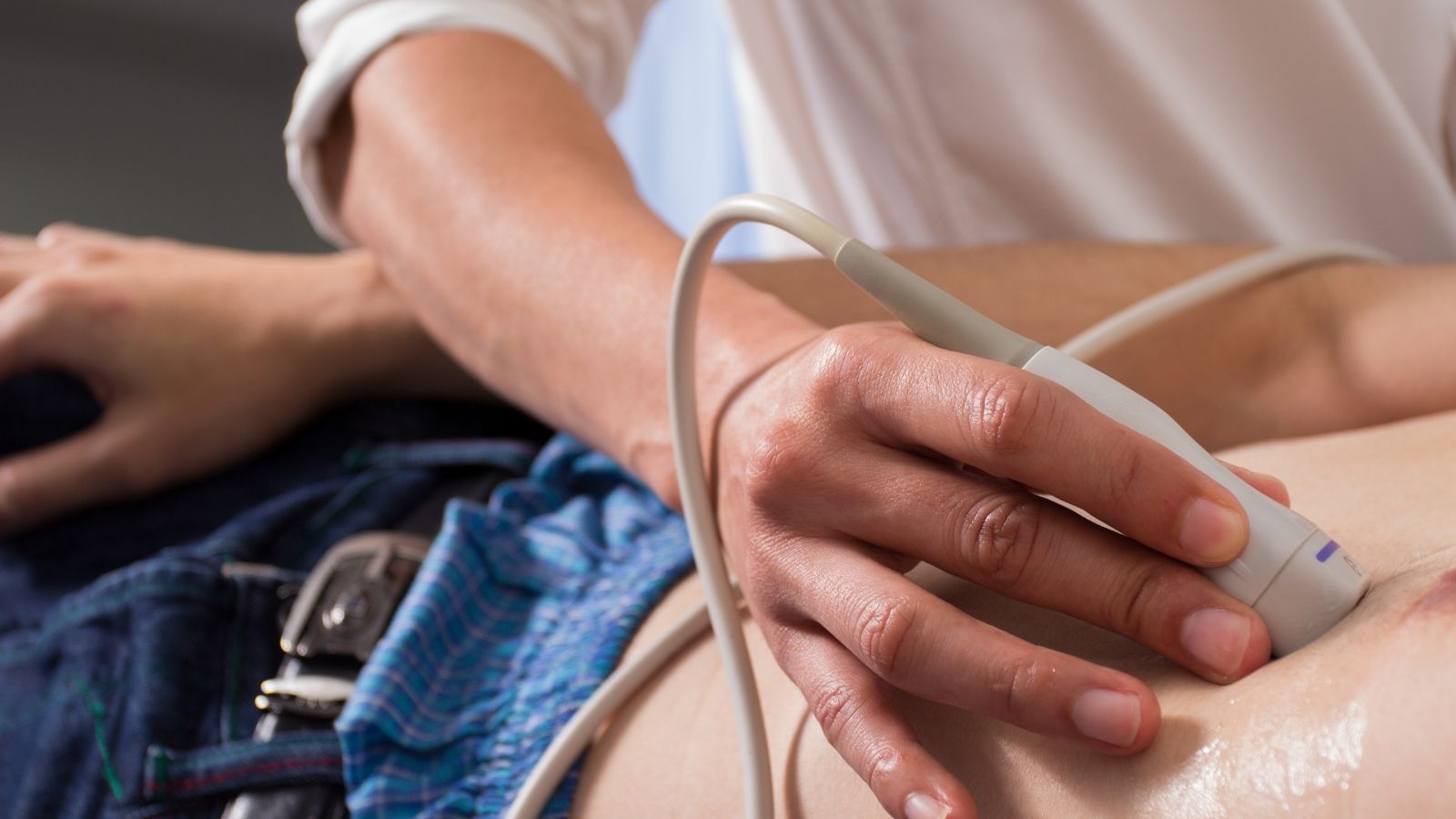
- Echocardiography (ECHO)
- Coronary Angiography
- Computed Tomography (CT) Angiography
- Electrocardiogram (ECG)
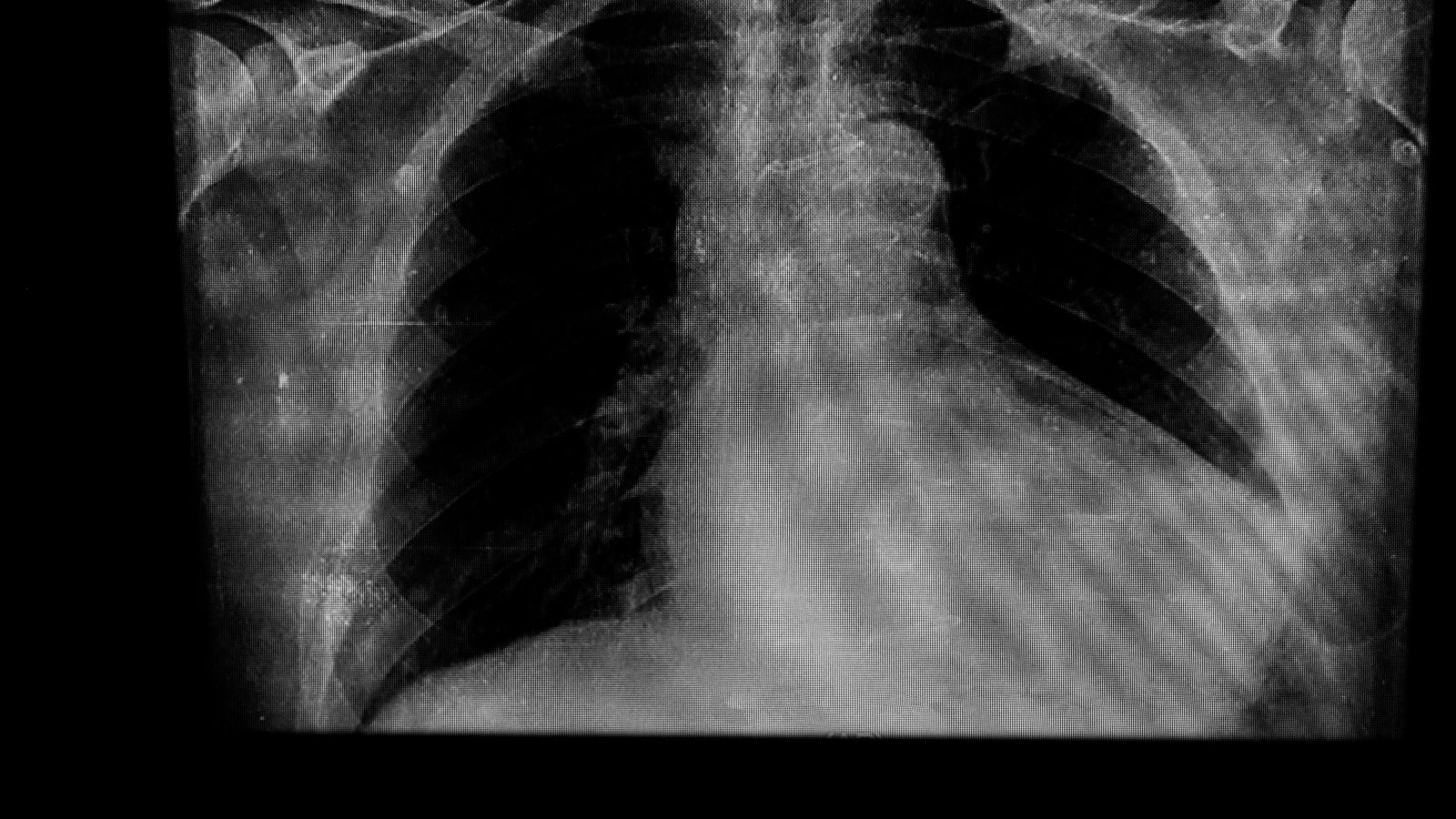
- Chest X-ray
- Pulmonary function tests
- Blood tests
why is the “Heart Team” approach so critical in the Cardiovascular Surgery process?
the “Heart Team” is one of the best examples of today’s modern and patient-oriented approach to medicine. In this approach, a patient’s treatment decision is not made by a single physician. Physicians from different disciplines such as Cardiovascular Surgeon, Interventional Cardiologist, Cardiac Imaging Specialist and Anesthesiologist come together.
Together, this team evaluates all the patient’s medical data, films and test results. Each specialist analyzes the situation from his or her own perspective and discusses the advantages and disadvantages of all treatment options (e.g. surgery, stents, TAVR or medication). As a result of this joint reasoning, a joint decision is made on the safest and most effective treatment option that best suits the patient’s age, general health and life expectancy. This approach increases the patient’s confidence in the treatment process and ensures the best possible outcome.

Prof. Dr. Yavuz Beşoğul graduated from Erciyes University Faculty of Medicine in 1989 and completed his specialization in Cardiovascular Surgery in 1996. Between 1997 and 2012, he served at Eskişehir Osmangazi University Faculty of Medicine as Assistant Professor, Associate Professor, and Professor, respectively. Prof. Dr. Beşoğul, one of the pioneers of minimally invasive cardiovascular surgery in Türkiye, has specialized in closed-heart surgeries, underarm heart valve surgery, beating-heart bypass, and peripheral vascular surgery. He worked at Florence Nightingale Kızıltoprak Hospital between 2012–2014, Medicana Çamlıca Hospital between 2014–2017, and İstinye University (Medical Park) Hospital between 2017–2023. With over 100 publications and one book chapter, Prof. Dr. Beşoğul has contributed significantly to the medical literature and is known for his minimally invasive approaches that prioritize patient safety and rapid recovery.