


Closed heart surgery, scientifically; stopping the heart and lungs and connecting the patient to a heart-lung pump is considered open heart surgery. Surgeries performed while the heart and lungs are working are also called working heart or closed heart surgery.
In the general public, surgeries performed by cutting the anterior aspect of the anterior chest through the bone of the board of faith are considered open heart surgery, and surgeries performed by making an axillary incision through the lateral chest wall are considered closed heart surgery. In fact, these surgeries are minimally invasive surgical access techniques.
| Definition | Minimally invasive surgical method in which cardiac surgery is performed through small incisions without cutting the breastbone |
| Application Areas | Mitral/aortic/tricuspid valve repair or replacement, coronary artery bypass, atrial/ventricular septal defect repair, cardiac tumor resection |
| Surgical Techniques | Access through 4-5 cm incisions under the armpit, endoscopic or robotic surgery, video-assisted thoracoscopic surgery (VATS) |
| Duration of Surgery | Average 2-4 hours; varies depending on the experience of the surgical team and the complexity of the procedure |
| Advantages | Smaller incision, less tissue damage, lower risk of infection, shorter hospital stay, less aesthetically prominent scar, faster recovery |
| Risks | Technical difficulties, bleeding, infection, arrhythmia, rare need for conversion to open surgery |
| Inappropriate Situations | Advanced lung disease, multivessel disease, previous thoracic surgeries, anatomical difficulties |
| Postoperative Follow-up | Regular cardiologic check-ups, wound care, physical activity restrictions, medication adherence |
| Recovery Process | Hospital stay usually 3-5 days; full recovery 15-20 days |

Prof. Dr. Yavuz Beşoğul
>Turkey’s Cardiovascular Surgery Doctor
What is Closed Heart Surgery?
Minimally invasive cardiac surgery refers to the treatment of congenital or acquired heart and vascular diseases through small incisions without splitting the chest in the middle and therefore without cutting any bones or muscles. In this surgery, the anterior chest bone, known as the “faith board”, is not cut. It is a method that reduces the risk of complications and provides a more comfortable recovery process compared to open heart surgery.
How is Closed Heart Surgery Performed?
Closed heart surgeries are performed through small incisions called minimally invasive surgery. The location of these small incisions may vary depending on the disease. For example, for heart valves, heart surgery is performed with mimimal incisions under the right armpit, while in coronary bypass surgery, bypass surgery is performed with small 7-8 centimeter incisions under the breast if it is a single vessel, depending on the number of vessels. Sometimes, when there are two vessels, a two-vessel bypass surgery can be performed from the left side on the opposite side of the right, again under the armpit. No bone or muscle is cut during the operation. The heart is accessed between the ribs and the operation is terminated by performing the necessary intervention.
Can Closed Surgery be Performed on Everyone?
Closed heart surgery is usually available for young and elderly patients. However, people with advanced lung disease may not be able to undergo closed heart surgery. In addition, small incision heart surgery may not be performed in cases of triple coronary bypass, replacement of three or more vessels and in cases where heart valve surgery must be performed together with coronary bypass surgery.
In Which Diseases Is Closed Heart Surgery Performed?
- Mitral valve repair and replacement
- Aortic valve repair and replacement
- Tricuspid valve repair and replacement
- Pulmonary valve repair and replacement
- Heart hole closure(ASD – Atrial Septal Defect and VSD – Ventricular Septal Defect)
- Coronary bypass surgery
- Heart tumor surgeries
Is Minimally Invasive Surgery Safe, What Is the Risk of Death?
One of the most important issues after heart surgery is for patients to act as advised by their physician. Depending on the nature of the heart problem and the surgery, the specialist’s recommendations should be followed. For example, after heart valve replacement, patients should be careful about the use of blood thinners and protection against infections. In addition, smoking, which plays an important role in the emergence of cardiovascular diseases, should be avoided and attention should be paid to cholesterol nutrition.
Patients who quit smoking due to heart surgery should not start smoking again. In addition, regular exercises should be included in daily life in line with the recommendations of the specialist physician. In addition, regular medical check-ups where the patient’s condition and heart health are checked and monitored should not be neglected. It is important to remember that a healthy heart means a healthy life.
Effects of Closed Heart Surgery
Closed heart surgeries offer many advantages to the patient. One of these advantages is that it provides the patient with a comfortable recovery process. The advantages of heart surgery performed with robotic surgery are as follows:
- Since the incision is smaller, there is less bleeding during surgery and the risk of complications is lower.
- Since there is no surgical scar on the front of the chest, it provides a good aesthetic appearance and does not affect the patient psychologically.
- The risk of complications and infection is low.
- It does not cause problems in cases where the patient requires a second heart surgery.
- Since the heart-lung machine is not used, the risk of complications that may occur in other organs is prevented.
- It allows the patient to be discharged earlier.
- The patient can return to his/her daily life earlier and does not cause problems in social and sexual life.
- The patient does not have to lie on his/her back after surgery, he/she can lie in any position.
- The patient can drive a car and wear a seat belt.
- The patient does not have to protect his/her chest.
- The patient is not restricted in movement, can swim and lift heavy objects.
What You Should Know About Closed Heart Valve Surgery
Heart valve surgery involves repair and replacement of the heart valve. Thanks to the experience in heart valve surgery over the last 60 years, artificial valves have been greatly improved and have contributed to the development of surgical techniques. Today, the most preferred metallic heart valves are double-leaflet carbometal and although they require anticoagulants, they are long-lasting. In addition, biological valves made from bovine or porcine pericardium have been developed especially for those who cannot use anticoagulants, such as the elderly or pregnant patients. Generally, mitral and/or aortic heart valves are repaired or replaced, sometimes the tricuspid valve. For many years, these operations were performed by sternotomy. Due to the complications of sternotomy, cardiac surgeries with anterolateral thoracotomy started to be performed worldwide in the 1990s and the access incisions were gradually reduced.
in 1997, for the first time in our country, we started to perform our surgeries by transforming it into a subaxillary cage and contributed to the national and international literature in series. In fact, although there is no difference in the surgical technique, the access technique has proven to be advantageous from bleeding to infection and early return to daily life. It reduces complications especially in patients with diabetes, chest cage disorder, renal failure, obesity. It is also cosmetically important that the incision is small and on the side.
On the other hand, the surgical access site provides excellent visualization and access, especially in terms of exposure of the mitral, tricuspid and aortic valves. This is another factor that reduces complications. Only because the rib spacing is different for the aortic and mitral valves, performing aortic and mitral valve surgery, i.e. double valve surgery, may prolong the time, disrupt the chest structure and cause fracture of the ribs, which may cause postoperative respiratory problems. In short; aortic and mitral valve, i.e. double valve surgery should not be performed with this technique. In such cases, an anterior incision, i.e. ministernotomy, is more useful and there are no entry site complications.
Closed Heart Valve Surgery Techniques : Under double lumen intubation and general anesthesia, the patient is placed on the left side of the chest; that is, anterolateral thoracotomiposition is given so that the right side of the chest is superior. A 6 cm vertical incision is made above the intersection of the subaxillary line and the right breast line, the pectoralis major and pectoralis minor muscles are dissected without cutting and a retractor is placed, the thorax is entered through the 3rd intercostal space for the aortic valve and the 4th intercostal space for the mitral valve and the right lung ventilation is closed or the tidal volume is reduced if not tolerated. The pericardium is opened and its leaves are suspended on the chest wall. The aorta, right and left atrium are clearly seen. After turning the aorta with a pedicle, it is suspended and the aorta and right auricle and right atrium are easily cannulated. The patient is connected to the heart-lung pump and extra-corporeal circulation is started, ventilation is stopped and the aorta is x-clamped. Cardiac arrest is achieved by applying cold blood cardioplegia and topical cold saline. For aortic valve, an incision is made at the aortic root and the aortic valve is clearly observed. After repair or replacement, the aotatom is closed.
If the intervention is performed through the 4th intercostal space, i.e. for mitral valve surgery, the left atrium is opened and the mitral valve is clearly visualized. After repair or replacement, the left atrium is closed. The patient is warmed up, the heart is defibrillated if necessary, and the pump is stopped by decreasing the flowutedricen after it works. After bleeding control, a single chest drain is placed in the thorax (drain placement is important to avoid pain), the ribs are approximated, the muscles and subcutaneous skin are closed properly. Postoperative follow-up is the same.
In closed heart valve surgery, this intervention technique can be used in every patient, but it should not be preferred only in some cases. These are :
- With advanced lung problems,
- over 75 years old,
- Double valve replacement (Aortic and Mitral) is required,
- It should never be used in patients who need aortic valve surgery for the second time.
In addition, it is an ideal method for second and third mitral valve surgeries and/or tricuspid valve surgeries.
Things to Consider After Surgery
One of the most important issues after heart surgery is for patients to act as advised by their physician. Depending on the nature of the heart problem and the surgery, the specialist’s recommendations should be followed. For example, after heart valve replacement, patients should be careful about the use of blood thinners and protection against infections. In addition, smoking, which plays an important role in the development of cardiovascular diseases, should be avoided and attention should be paid to cholesterol diet. Patients who quit smoking due to heart surgery should not start smoking again. In addition, regular exercises should be included in daily life in line with the recommendations of the specialist physician. In addition, regular medical check-ups where the patient’s condition and heart health are checked and monitored should not be neglected. It is important to remember that a healthy heart means a healthy life.
| Type of Surgery | Minimally invasive valve repair/replacement, ASD/VSD closure, some bypass procedures |
| Recovery Time | Usually 10-15 days; healing is faster because the incision is small, but may vary depending on the severity of the procedure. |
| Physical Activity | Early mobilization is easier as the sternum is not cut; nevertheless, light walking is recommended in the first weeks. |
| Medication Use | Anticoagulants, beta blockers, ACE inhibitors, aspirin etc. can be used according to the type of procedure. |
| Wound Care | There are usually small incisions on the side of the thorax; they should be kept clean and dry. |
| Complications | Infection, rhythm disturbances |
| Monitoring and Tracking | Echocardiography and/or CT are used to monitor the function and position of the structures after the procedure. |
| Blood Pressure and Pulse Control | Regular measurement and follow-up is important, especially in the first weeks after the procedure. |
| Nutrition | A low-salt, low-fat, balanced diet that supports cardiovascular health is recommended. |
| Sexual Activity | Once physical recovery is achieved, it is usually possible within 2-4 weeks. |
| Smoking and Alcohol | Definitely not recommended; it may increase the risk of complications after closed procedure. |
| Psychological Support | Anxiety, post-procedure fear may occur; support is recommended. |
| Vehicle Use | It can usually be started after 2-3 weeks when reflexes and attention are adequate. |
| Controls | Cardiologic follow-up is recommended frequently in the first month, then annually or less frequently depending on the type of procedure. |
Academic Explanations about Closed Heart Surgery by Prof. Dr. Yavuz Beşoğul
Open heart surgery is when the heart is connected to a heart-lung pump and the heart arrests. Operations performed while the heart is working and not connected to a heart-lung pump are closed heart or working heart surgery. However, surgeries that do not open from the front of the chest, i.e. without a sternotomy, are known as closed. In heart surgeries without a sternotomy, various parts of the side walls of the chest can be preferred; the aim is to enter the chest with a thoracotomy and reach the heart. The most useful of these techniques and the main technique without closure complications is cardiac surgery through subaxillary or infra-axillary minithoracotomy. Due to the complications of sternotomy, cardiac surgeries with anterolateral thoracotomy started to be performed in the world in the 1990s and the access incisions were gradually reduced.
Operation Process
in 1997, for the first time in our country, we started to perform our surgeries by converting to subaxillary incision and contributed to the national and international literature in series. In fact, although there is no difference in the surgical technique, the access technique has proven to be advantageous from bleeding to infection and early return to daily life. It reduces complications especially in patients with diabetes, rib cage disorder, renal failure and obesity. It is also cosmetically important that the incision is small and on the side.
On the other hand, the surgical access site provides excellent visualization and access, especially in terms of exposure of the mitral, tricuspid and aortic valves. This is another factor that reduces complications. Only because the rib spacing is different for the aortic and mitral valves, performing aortic and mitral valve surgery, i.e. double valve surgery, may prolong the time, disrupt the chest structure and cause fracture of the ribs, which may cause postoperative respiratory problems. In short; aortic and mitral valve, i.e. double valve surgery should not be performed with this technique. In such cases, an anterior incision, ministernotomy, is more useful and there are no entry site complications.
Closed Heart Surgery Technique
Under double lumen intubation and general anesthesia, the patient is placed on the left side of the chest, i.e. the anterolateral thoracotomy position with the right side of the chest superior. A 6 cm vertical incision is made above the intersection of the subaxillary line and the right breast line, the pectoralis major and pectoralis minor muscles are dissected without cutting and a retractor is placed, the thorax is entered through the 3rd intercostal space for the aortic valve and the 4th intercostal space for the mitral valve and the right lung ventilation is closed or the tidal volume is reduced if not tolerated. The pericardium is opened and its leaves are suspended on the chest wall. The aorta, right and left atrium are clearly seen. After turning the aorta with a pedicle, it is suspended and the aorta and right auricle and right atrium are easily cannulated. The patient is connected to the heart-lung pump and extra-corporeal circulation is started, ventilation is stopped and x-clamp is placed on the aorta. Cardiac arrest is achieved by applying cold blood cardioplegia and topical cold saline. For the aortic valve, an incision is made at the aortic root and the aortic valve is clearly observed.
Operation
After repair or replacement, the aotatomy is closed. If the intervention is performed through the 4th intercostal space, i.e. for mitral valve surgery, the left atrium is opened and the image of the mitral valve is clear, the left atrium is closed after repair or replacement. The patient is warmed up, the heart is defibrillated if necessary, and the pump flow is gradually reduced and stopped after it starts. The heart is easily decanulated. After bleeding control, a single chest drain is placed in the thorax (drain placement is important to avoid pain), the ribs are approximated, the muscles and subcutaneous skin are closed according to the skin procedure. Postoperative follow-up is the same.
This intervention technique can be used in all patients and should not be preferred in some cases. These are :
- With advanced lung problems,
- over 75 years old,
- Double valve replacement (Aortic and Mitral) is required,
- It should never be used in patients who need aortic valve surgery for the second time.
It is also ideal for second and third mitral valve operations and/or tricuspid valve operations.
Closed Heart Surgery Definition?
The method popularly known as closed heart surgery refers to heart surgeries performed with minimally invasive surgery method through small incisions without splitting the chest in the middle. After the necessary tests, analyzes and evaluations, the most appropriate surgical technique is decided by the specialist physician if the patient’s condition is appropriate. In these surgeries, the heart is accessed through small incisions and necessary surgical interventions are performed. These incisions are made under the armpit, under the breast, in the outer fold of the breast and consist of small incisions of 4-5 centimeters that allow access to the heart by passing between the ribs. However, compared to open heart surgery, closed heart surgery provides a faster recovery process and higher comfort, especially after surgery. In addition, the risk of complications and infections is lower compared to open heart surgery. The patient can easily return to his/her daily life without limitation of movement.
Minimally Invasive Heart Surgery
Professor Dr. Yavuz Beşoğul explains everything you want to know about Closed Heart Surgery in detail. All heart surgeries can be performed with minimally invasive methods. If we examine these methods one by one; Coronary bypass surgeries: It can be performed with small incisions on the front of the chest, or it can be performed on the working heart with a left armpit minithoracotomy depending on the number and location of the coronary vessel. Heart valve repair and replacement surgeries, ASD repair, removal of intracardiac tumors and clots: can be performed through a minithoracotomy in the right armpit or under the breast or in the right anterior aspect of the chest.
Blog Yazıları

Heart Disease: Types, Causes, and Symptoms
Prof. Dr. Yavuz Beşoğul » General » Heart Disease: Types, Causes, and SymptomsHeart diseases are [...]
Aug
How the Heart Works
Prof. Dr. Yavuz Beşoğul » General » How the Heart WorksThe heart functions as a [...]
Aug

How Many Hours Does Heart Valve Surgery Take?
Prof. Dr. Yavuz Beşoğul » General » How Many Hours Does Heart Valve Surgery Take?Heart [...]
Aug
How long does coronary artery bypass (CABG) surgery take?
Prof. Dr. Yavuz Beşoğul » Coronary Artery Bypass » How long does coronary artery bypass [...]
Aug
Kalp Kapak Değişimi Ameliyatı Nedir? Kalp Kapak Değişimi Nasıl Yapılır?
Prof. Dr. Yavuz Beşoğul » Kalp Kapak Hastalıkları » Kalp Kapak Değişimi Ameliyatı Nedir? Kalp [...]
Aug
Kalp Kapakçığı Tamiri ve Kalp Kapakçığı Değişimi Arasındaki Fark
Prof. Dr. Yavuz Beşoğul » General » Kalp Kapakçığı Tamiri ve Kalp Kapakçığı Değişimi Arasındaki [...]
Aug

Life After Heart Valve Surgery
Prof. Dr. Yavuz Beşoğul » General » Life After Heart Valve SurgeryLife after heart valve [...]
Aug
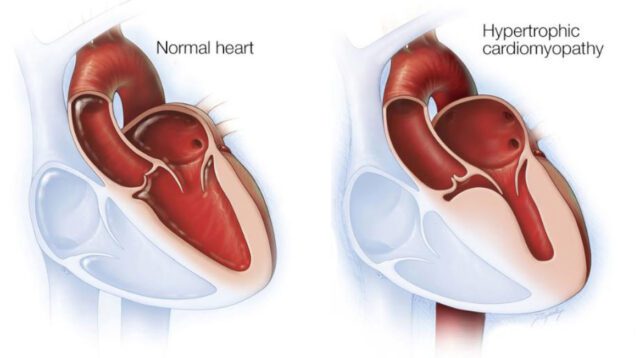
Hypertrophic Cardiomyopathy: Symptoms & Treatment
Prof. Dr. Yavuz Beşoğul » General » Hypertrophic Cardiomyopathy: Symptoms & TreatmentHypertrophic cardiomyopathy is a [...]
Aug