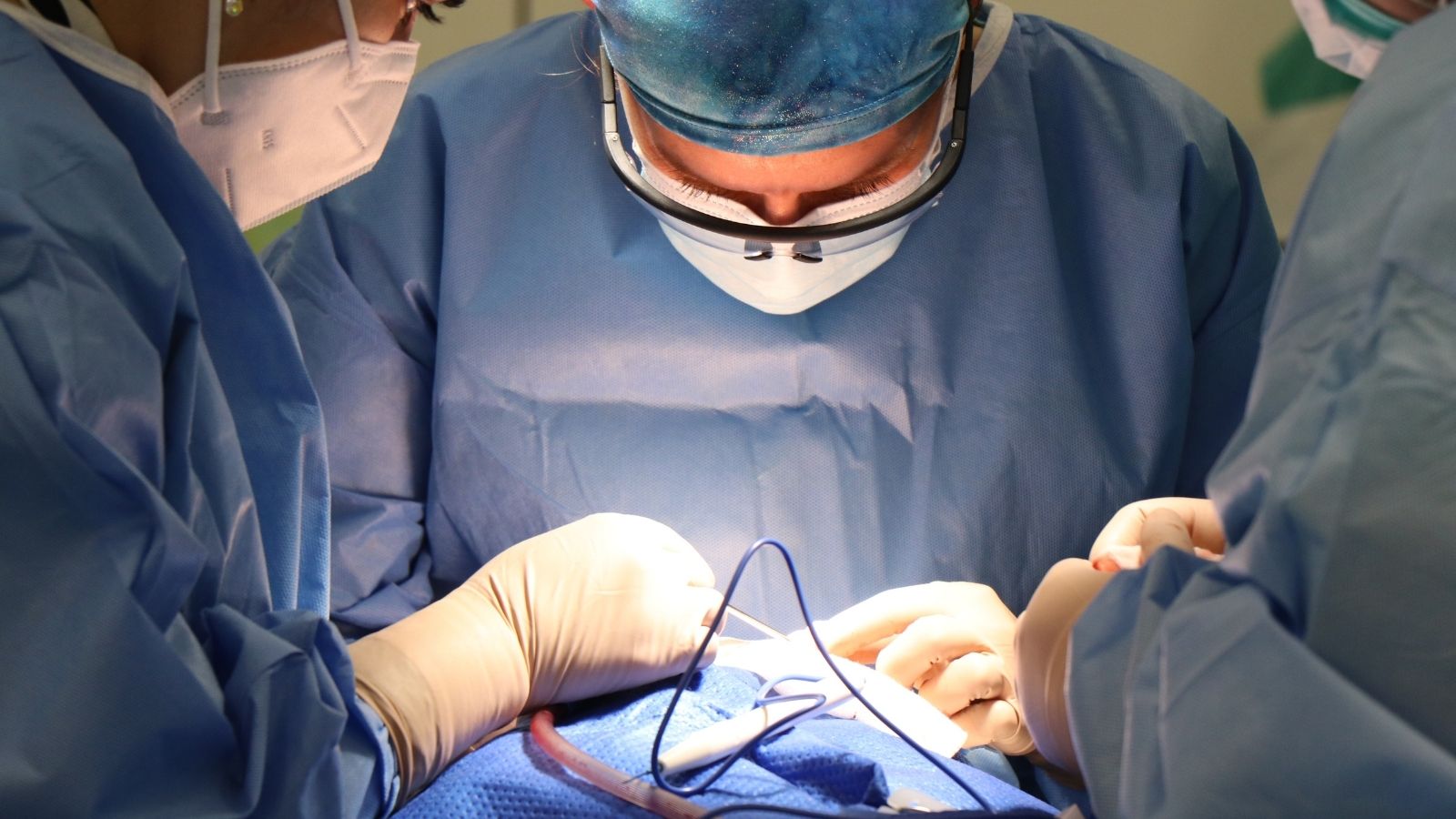

Armpit heart surgery prices vary depending on the hospital, surgeon experience, and treatment plan. This minimally invasive method allows access through the armpit area, offering a quicker recovery and less scarring compared to traditional heart surgery techniques.
Minimally invasive cardiac surgery costs are influenced by factors such as hospitalization duration, surgical equipment, and post-operative care needs. Patients benefit from shorter recovery times, making it a preferred option despite potentially higher expenses than standard procedures.
Heart surgery pricing under the armpit approach is also linked to whether additional interventions, such as valve replacement or coronary bypass, are required. Each added procedure increases the total cost, which must be evaluated during preoperative consultations.
International patients seeking armpit heart surgery should consider additional expenses like travel, accommodation, and translator services. Transparent cost planning with the surgical team ensures better financial preparation and realistic expectations regarding the overall treatment journey.
Underarm Heart Surgery Prices
Underarm heart surgery is one of the surgical treatment methods frequently applied to patients with heart valves and heart holes due to the advantages it offers. Among closed heart surgeries, surgical treatment methods such as mitral valve surgery, aortic valve surgery, tricuspid valve surgery, pulmonary valve surgery can be performed. Many patients and cardiac surgeons perform underarm heart surgery because of the comfort provided by underarm heart surgery and the short recovery period. For this reason, many patients and their relatives are doing research on underarm heart surgery prices. Underarm heart surgery prices may vary depending on the experience of the physician who will perform the surgery. Patients should contact the relevant people in order to get detailed and precise information about the prices of underarm heart surgery.
What Affects Minimally Invasive Heart Surgery Prices in Private Hospitals?

Underarm heart surgery, known as anterolateral mini-thoracotomy in medical language, involves repairing or replacing the heart valve without cutting muscle and bone. The surgery is performed by cardiovascular surgeons through a 4 or 5 centimeter incision in the armpit. The difference between underarm heart surgery and classical heart surgery performed with open surgery is the method of access. In classical heart surgery, the anterior wall of the chest (the faith board) is cut. In underarm heart surgery, no muscle or bone is cut, so the patient’s recovery process is faster.
Underarm Heart Surgery Method
In underarm heart surgery, also called minimally invasive surgery, a skin incision is made parallel to the breast line. The location of these incisions may vary depending on the disease. After this incision is made, the patient enters between the ribs and accesses the heart valve. The operation is terminated after the necessary interventions are performed by a cardiovascular surgeon specialized in the field. After the surgery, the patient stays in the hospital under the supervision of a physician for a certain period of time.
How Many Hours Does Underarm Heart Surgery Take?
Underarm heart surgery generally takes 1.5 – 2 hours. This time may vary depending on the experience of the physician performing the surgery or the patient’s disease. In addition, the patient’s general health condition and age also affect the duration of underarm heart surgery. Depending on the patient’s discomfort during the operation, the incisions can be made in the armpit or on the side of the chest. The patient’s recovery time after underarm heart surgery performed with minimally invasive methods is faster since no muscles and bones are cut. Patients also have a very low risk of infection.
Who Can Underarm Heart Surgery Be Performed?

Underarm heart surgery, which can be applied to almost everyone, is suitable for young patients, especially patients with risk factors such as obesity, diabetes and heart failure. It can also be easily performed for mitral and tricuspid valves in elderly patients. Patients who will undergo underarm heart surgery, also known as low-damage heart surgery, should first be examined by a specialist cardiovascular surgeon. Depending on the results of the examinations applied to the patient, the surgical treatment process is started.
What are the Advantages of Underarm Heart Surgery?
Many patients are curious about the advantages offered by underarm heart surgery as well as underarm heart surgery prices. Underarm heart surgery is frequently preferred by physicians due to the advantages it offers. Underarm heart surgery, which is performed without cutting any bone or muscle, is different from the classical method of heart surgery because it is performed by cutting the front wall of the chest.
Since no bone or muscle is cut, the patient recovers faster after surgery, and the patient’s stay in the intensive care unit and hospital is shorter than the classical method heart surgery. The patient experiences less pain after surgery. The patient’s postoperative wound heals more quickly. Since the patient’s breastbone is not cut during the operation, there is no risk of opening of this bone and therefore the risk of infection is low. After underarm heart surgery, the patient can use his/her arms comfortably. In addition, underarm heart surgery offers better cosmetic results.

Prof. Dr. Yavuz Beşoğul graduated from Erciyes University Faculty of Medicine in 1989 and completed his specialization in Cardiovascular Surgery in 1996. Between 1997 and 2012, he served at Eskişehir Osmangazi University Faculty of Medicine as Assistant Professor, Associate Professor, and Professor, respectively. Prof. Dr. Beşoğul, one of the pioneers of minimally invasive cardiovascular surgery in Türkiye, has specialized in closed-heart surgeries, underarm heart valve surgery, beating-heart bypass, and peripheral vascular surgery. He worked at Florence Nightingale Kızıltoprak Hospital between 2012–2014, Medicana Çamlıca Hospital between 2014–2017, and İstinye University (Medical Park) Hospital between 2017–2023. With over 100 publications and one book chapter, Prof. Dr. Beşoğul has contributed significantly to the medical literature and is known for his minimally invasive approaches that prioritize patient safety and rapid recovery.