

Varicose veins are enlarged, twisted veins that develop due to venous insufficiency. Early symptoms include leg heaviness, pain, and visible superficial veins, which may worsen with prolonged standing or inactivity.
Initial signs of varicose veins often include mild swelling, tingling, and fatigue in the legs. As the disease progresses, veins may become more prominent and associated with skin changes.
Advanced cases can lead to complications such as venous ulcers, bleeding, and chronic venous insufficiency. Identifying early symptoms allows for timely treatment and prevention of progression.
Lifestyle measures like regular exercise, leg elevation, and compression stockings are recommended in early stages. Medical consultation is crucial for proper diagnosis and treatment planning tailored to disease severity.
Can These Complaints in My Legs Be Symptoms of Varicose Veins?
When you think of varicose veins, do not only think of visible veins. In fact, many different complaints may indicate an underlying venous insufficiency. These symptoms usually increase towards the end of the day, after standing or sitting for a long time, and are relieved when the legs are elevated. If you experience one or more of the following conditions, this may be a sign of varicose veins.
- Pain Tingling, throbbing or dull pain in the legs.
- Feeling of heaviness: Fullness and heaviness in the legs, as if there were tons of weight.
- Fatigue: Legs get tired much more quickly than usual.
- Swelling (edema): Swelling in the ankles and calves, especially at the end of the day, leaving the impression of a sock tire.
- Burning: Heat and burning in the areas of varicose veins or on the soles of the feet.
- Itching: Persistent itching, especially around the ankle or over the varicose veins.
- Night Cramps: Sudden and severe calf contractions that can wake you up from sleep.
- Restlessness: an indescribable feeling of discomfort in the legs that makes you want to move them constantly.
How to recognize the onset of varicose veins?
Varicose veins are not a condition that suddenly appears when you wake up one morning. It slowly, almost secretly, creeps into your life. In the beginning, the symptoms are so mild that they can often be dismissed as daily fatigue or a busy day. However, if you pay attention to the first signals your body gives, you can recognize the onset of varicose veins early.
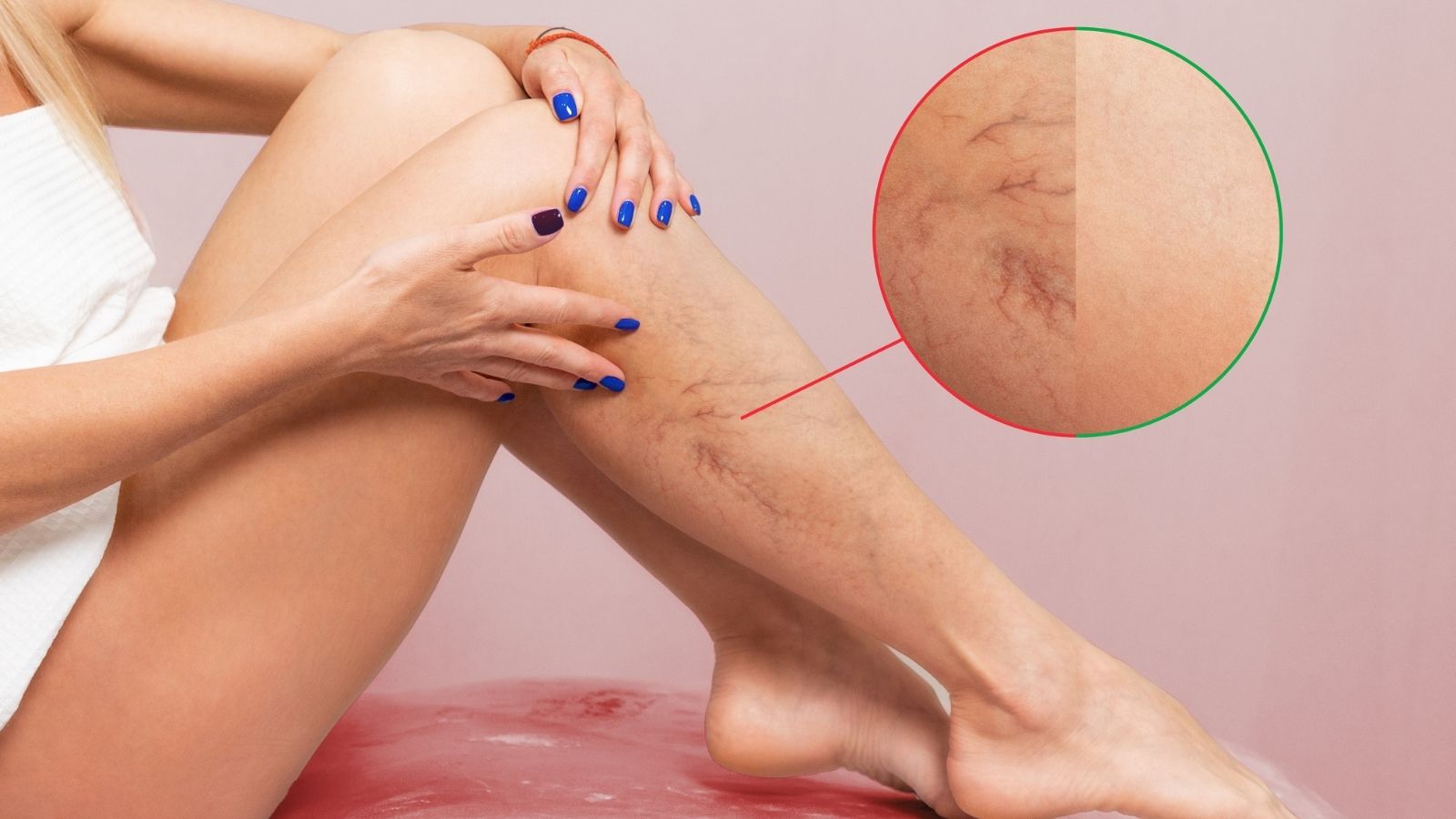
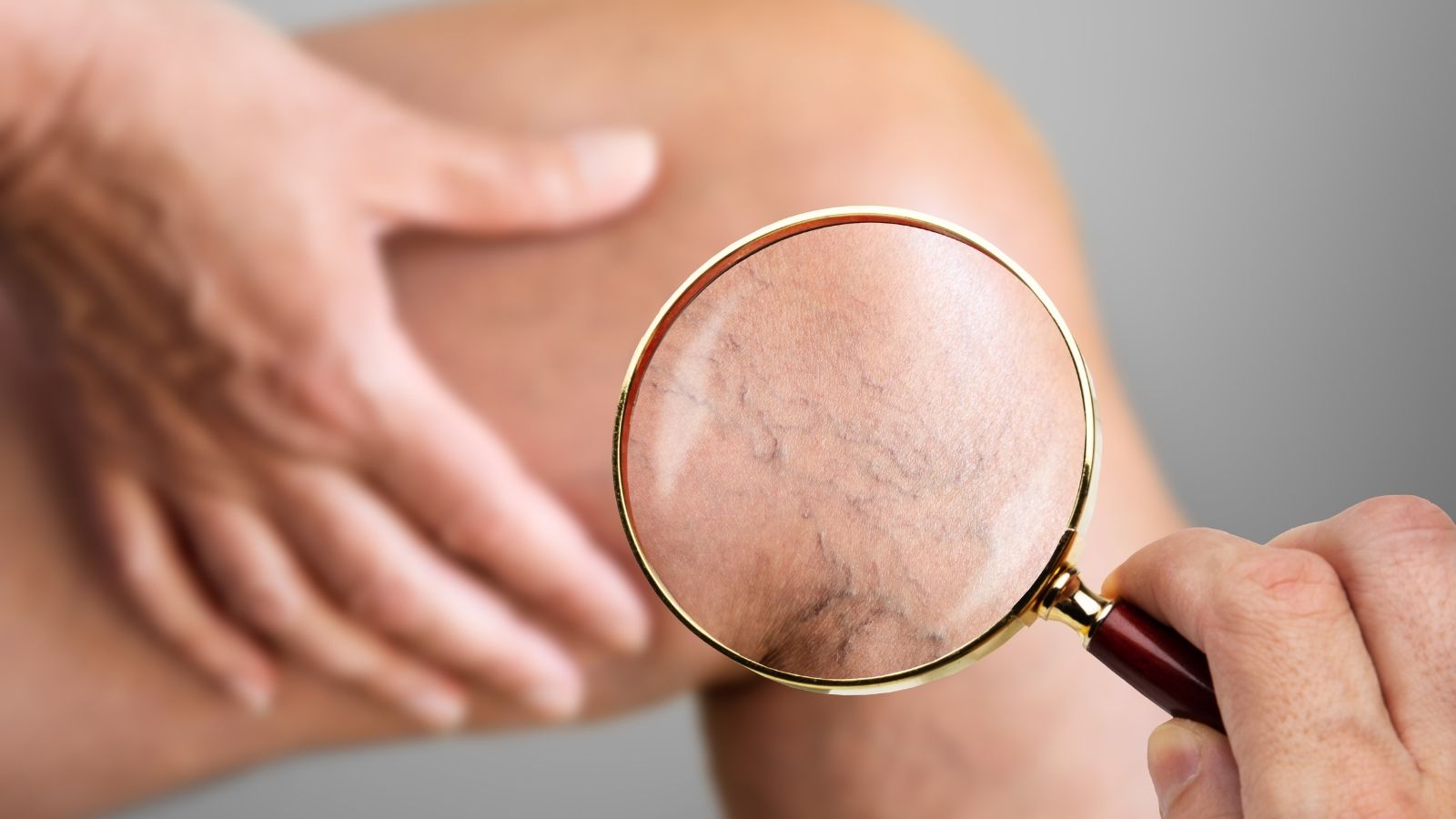
The first noticeable sign is usually visual changes. Although not yet large, bulging veins, red, purple or blue, thin capillaries that resemble a spider’s web may appear near the surface of the skin. These are “telangiectasia” or “spider web varicose veins”, which are particularly aesthetically disturbing for women. Sometimes they create a fan-like appearance on the inside or outside of the ankle, a condition known as “corona phlebectatica” and considered one of the first warnings of a deeper problem.
In addition to visual changes, the first signs are the slight fatigue you feel at the end of the day, the need to stretch and rest your legs, and the fact that your shoes start to tighten towards the evening. If these complaints become more pronounced especially in hot weather, during long bus or airplane journeys or during menstrual periods in women, this suggests that your venous circulation has started to be strained and you may be in the process of varicose veins.
Which Varicose Veins Do I See?
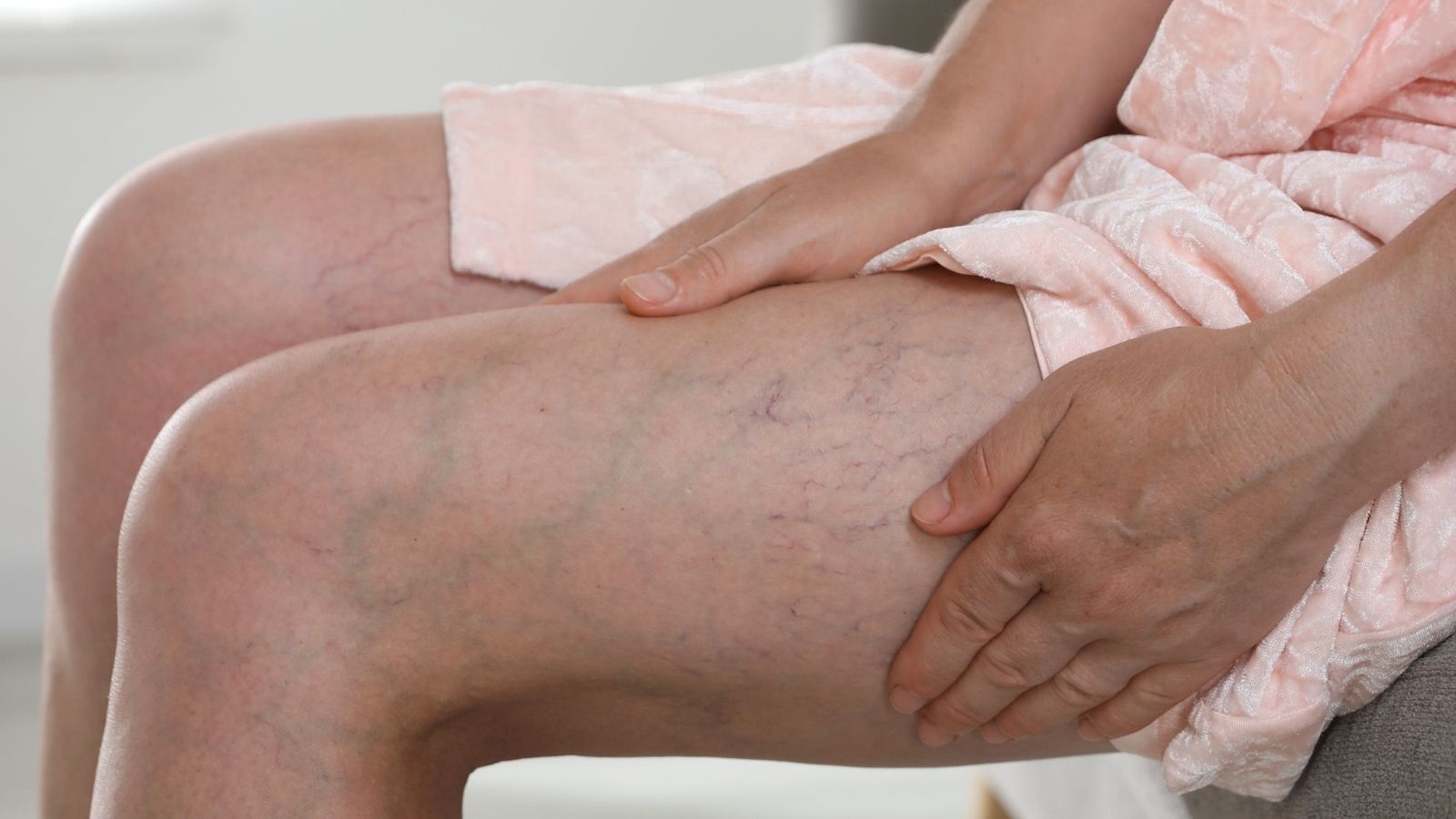
Not every vein you see in your legs is the same. We can differentiate varicose veins according to their size, color and depth in the skin. This distinction also gives us important clues about the severity of the underlying problem. When you examine the types of varicose veins with pictures, there are generally three main types.
Capillary Varicose Veins (Telangiectasias): They are red-purple, red-violet, mesh-shaped vessels, thinner than 1 mm, located in the most superficial layer of the skin.
Reticular Varicose Veins: They are bluish-green veins with a diameter of 1 to 3 mm, located slightly deeper in the skin. They usually form a distinct network behind the knee.
Large Varicose Veins (Varicose Veins): Varicose veins, which we all know as “varicose veins”, are bulging, tortuous and prominent veins larger than 3 mm, which can be felt under the skin with a finger. These are usually the result of a more serious valve insufficiency.
Which Varicose Veins Symptoms Point to a More Serious Problem?
When left untreated and the underlying venous pressure remains elevated, varicose veins can turn from a simple comfort problem into a serious health problem. The following symptoms are red flags indicating that the disease has progressed and should be evaluated by a cardiovascular surgeon.
Change in Skin Color: Permanent brownish-red discoloration of the skin around the ankle. This is caused by blood cells leaking out of the veins and accumulating under the skin.
Varicose Eczema: A persistent eczema condition characterized by dryness, scaling, redness and severe itching.
Hardening (Lipodermatosclerosis): Progressive hardening, tightening and matting of the skin and subcutaneous tissue. The leg may narrow above the ankle, taking on the appearance of an “inverted champagne bottle”.
White Atrophy The formation of bright white, scar-like areas on the skin. This is a serious indication of how much the skin’s blood supply is impaired.
Varicose Veins (Venous Ulcer): It is the last and most serious stage of the disease. It is a painful, difficult to heal, draining and painful wound that usually opens on the inside of the ankle.
Superficial Thrombophlebitis: When an existing varicose vein suddenly becomes a hard, red, hot and very painful cord. This indicates that a clot has formed in the vein and is important because of the risk of the clot moving into the deep veins.
Bleeding: The thinned skin over the varicose veins bleeds easily and profusely, even with a small impact.
Are the Symptoms of Varicose Veins on the Left Leg Different?
This is a very pertinent question. Anatomically, the main vein of the left leg (left iliac vein) passes under the main artery of the right leg (right iliac artery). During this passage, the vein may be slightly compressed between the two hard structures. This is called “May-Thurner syndrome” and can make it somewhat difficult for blood to return to the heart. Because of this anatomical difference, the symptoms of varicose veins and venous insufficiency can sometimes be slightly more frequent or more severe in the left leg. However, the nature of the complaints such as pain, swelling, cramps or the progression of the disease is basically the same for both legs.
What Causes Varicose Veins and Who is at Risk?
There is no single culprit for varicose veins; it is a combination of many factors. However, our genetic heritage plays the biggest role. If your parents or siblings have varicose veins, you are unfortunately very likely to develop varicose veins yourself. This is because your inherited vein walls or valves are structurally weaker. Some lifestyle factors added to the genetic predisposition accelerate or facilitate this process. We can list the risk factors as follows.
Genetic Predisposition: Family history of varicose veins.
Advanced Age: The vessels lose their elasticity with age.
Gender: More common in women due to hormonal changes (pregnancy, menopause, birth control pills).
Pregnancy Uterine enlargement pressing on the vessels and hormonal effects.
Obesity: Excess weight increases the pressure in the abdominal and leg veins.
Standing or Sitting Work: Professions that involve standing all the time, such as teachers, surgeons, hairdressers, or sitting all the time, such as office workers and drivers.
Sedentary lifestyle: Insufficient functioning of the calf muscle pump.
Previous Deep Vein Thrombosis (DVT): A clot in the deep veins damages the valves.
What Causes Varicose Veins at a Young Age?
Although we usually think of varicose veins as a disease of old age, nowadays it is common in people in their twenties and even in adolescents. The main reason behind varicose veins at a young age is, as we have just mentioned, a strong genetic predisposition. This family heritage predisposes a person’s veins to venous insufficiency from the very beginning.
The age of onset of varicose veins is gradually being pushed forward as a result of the inactivity brought about by modern life, sitting at a computer or desk for long hours, and the excess weight that comes with fast-food style nutrition. When the symptoms of varicose veins begin in a young person, it is the best step to take in order to avoid bigger problems in the future.
Which methods are used to diagnose varicose veins?
When you consult a physician with varicose veins, the process is simple but extremely important. First, we listen to your complaints, lifestyle and family history in detail. Then we examine your legs both lying down and standing up. This examination is critical to determine the type, extent and skin changes caused by varicose veins.
Today, however, the test that forms the basis and gold standard of varicose vein treatment is Color Doppler Ultrasonography. This procedure uses sound waves to map the veins in your legs. Just like a traffic control, it clearly shows in which veins the blood flow is in the right direction and in which veins the valves are distorted and the blood escapes backwards (reflux). It also measures the diameter of the vessels and checks for clots. This ultrasound is the most important road map that determines the type and strategy of treatment. It is a safe, painless and harmless examination.
What is the Current Varicose Veins Treatment?
Fortunately, the treatment of varicose veins has come a long way from the frightening surgeries of the past, which required long recovery periods. Now we can solve the problem of varicose veins from the root with what we call “minimally invasive”, that is, with minimal intervention to the body, usually under local anesthesia, without stitches and comfortable methods. The aim of the treatment is not only to remove the aesthetically disturbing veins, but also to eliminate the main leakage that causes them, i.e. “reflux”. Here are the current varicose vein treatment methods.
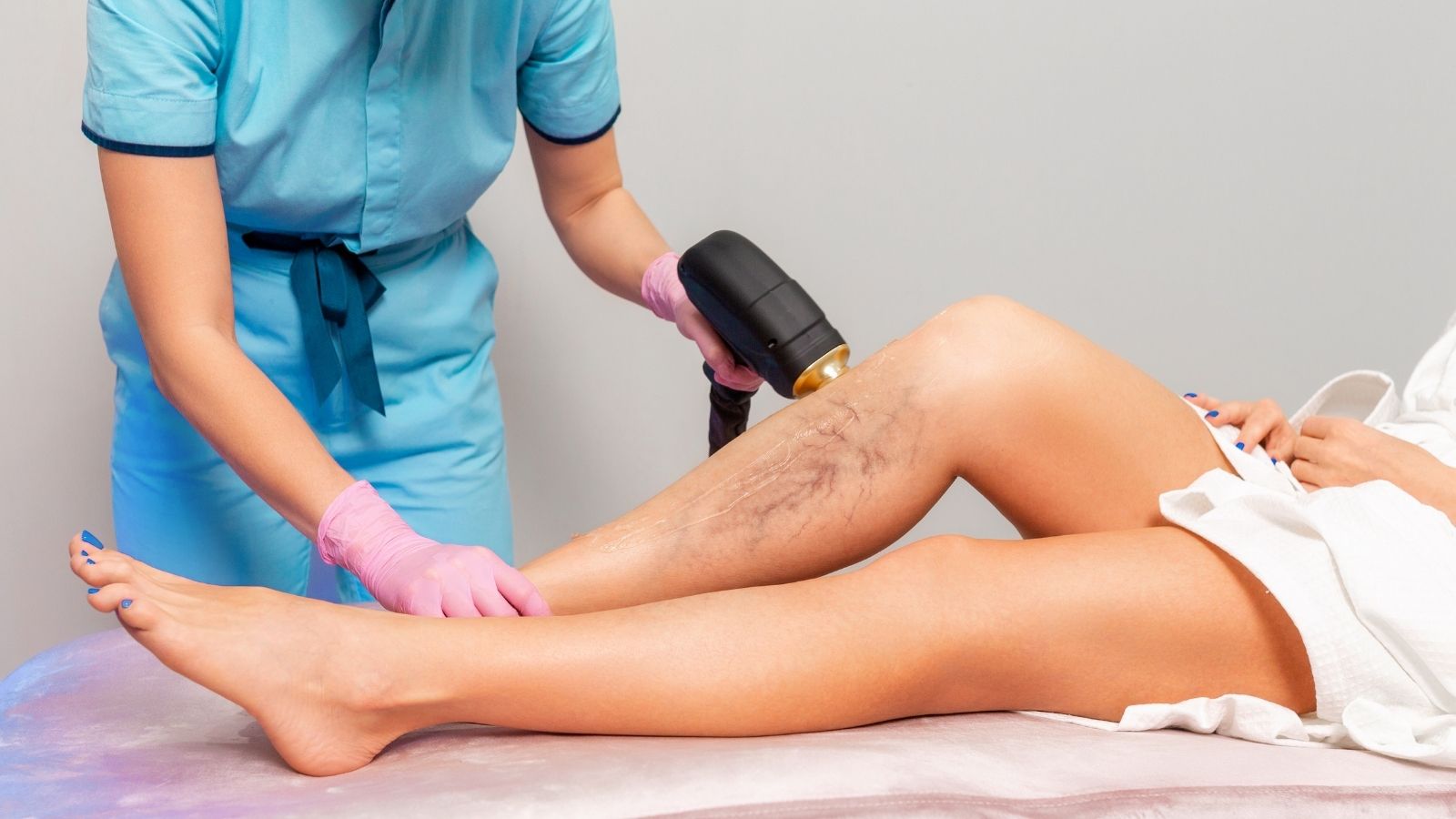
Endovenous Laser Ablation (EVLA): In this method, a thin laser wire (catheter) is inserted through a pinhole into the problematic main vein under ultrasound guidance. With laser energy, the vessel is burned closed from the inside in a controlled manner. Over time, the body destroys this closed vessel on its own.
Radiofrequency Ablation (RFA): It works on a similar principle to laser. The catheter inserted into the vein uses radiofrequency energy instead of a laser to generate heat and close the vein by shrinking it from the inside.
Bonding Method (VenaSeal™ – Biological Glue): One of the most innovative methods. A medical adhesive is injected into the problematic vein through a special catheter. This glue instantly freezes on contact with the blood, gluing and sealing the vein from the inside. One of its biggest advantages is that it does not require local anesthesia (tumescent anesthesia), which is done with a large number of needles required in laser and radiofrequency methods.
Mechanochemical Ablation (MOCA – ClariVein®): In this method, there is a rapidly rotating wire at the end of the catheter that enters the vein. While this wire mechanically irritates the inner surface of the vein, a drug (sclerosant) is injected at the same time. Thus, the vessel is closed both mechanically and chemically.
Foam Sclerotherapy: It is especially used for more tortuous, superficial veins or veins where methods such as laser/radiofrequency cannot be applied. It is based on the principle of mixing the vein-closing drug with air to form a foam and injecting this foam into the vein. The foam allows the drug to come into contact with the vessel wall on a larger surface, increasing its effectiveness.
Ambulatory Phlebectomy (Microphlebectomy): It is a very elegant method used to remove those large, bulging varicose veins that are visible on the skin. Under local anesthesia, these veins are removed piece by piece with the help of a special awl through tiny 1-2 mm holes. It does not require stitches and the aesthetic results are excellent. It is usually performed in the same session as the main vein treatment.
Is Varicose Veins Treatment Painful with Laser?
This is one of the issues that our patients are most concerned about. Contrary to popular belief, laser varicose vein treatment (EVLA) is a very comfortable procedure. Before the procedure, a special mixture of cold serum and local anesthetic, which we call “tumescent anesthesia”, is injected under ultrasound guidance around the vein where the laser will be applied. This liquid has three important tasks: First, to prevent pain by completely numbing the procedure area. Second, it compresses the vessel, ensuring full contact of the laser wire with the vessel wall. Third, it creates a heat shield to prevent the heat of the laser from damaging the surrounding tissues (skin, nerves). In this way, the patient does not feel any pain during the procedure. There may be a slight tingling or tightness that may last for a few days after the procedure, which is easily controlled with simple painkillers.
Is Varicose Veins Treatment Possible at Home without Surgery?
the term “varicose vein treatment at home” usually refers to measures aimed at alleviating symptoms and slowing the progression of the disease, rather than completely eliminating an existing varicose vein. Keep in mind that it is not possible to completely restore a vein with creams, herbs or exercise. However, the following lifestyle changes can help you relax before treatment and ensure lasting success after treatment.
Exercise: Do rhythmic sports that work your calf muscles, such as walking, swimming and cycling.
Weight Control: Reduce the load on your legs by maintaining your ideal weight.
Dressing Right: Avoid too tight pants and high-heeled shoes.
Raising the Legs Keep your legs above heart level during the day and at night when you go to bed.
Cold Water: At the end of the day, showering your legs with cold water from the bottom up provides relief by constricting the veins.
Nutrition: Adopt a diet rich in fiber and low in salt.
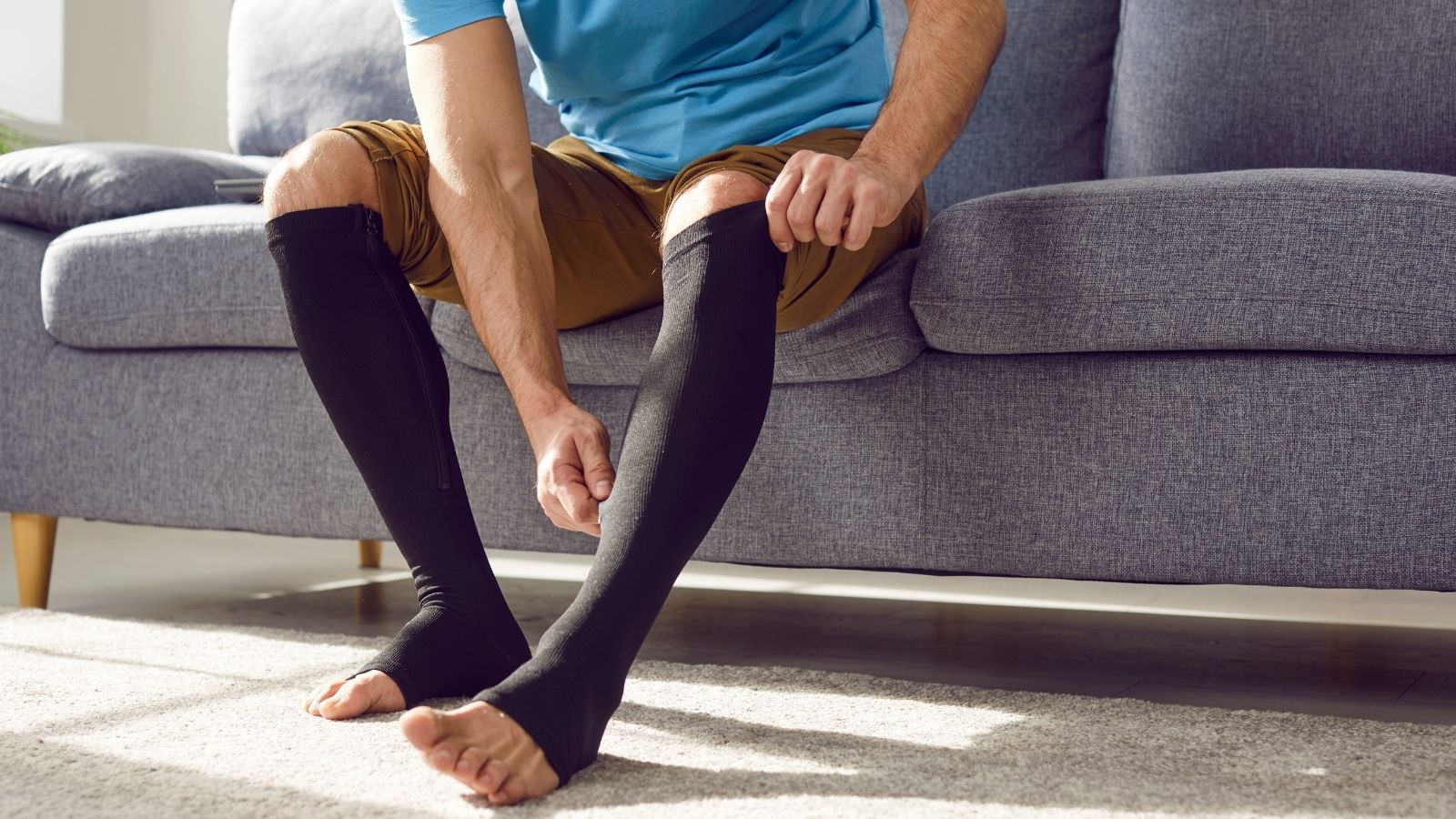
Compression Stockings: Regular use of compression stockings of the pressure and size recommended by your physician is the most effective method of helping to control complaints.
Does Varicose Veins Go Away After Weight Loss?
This is one of the biggest misconceptions. Losing weight does not cure varicose veins. Because varicose veins is a permanent, structural disorder of the vein wall and valves. When you lose weight, this defective structure does not magically improve. However, weight loss has incredibly positive effects on varicose veins. Excess weight is like a chronic burden on your leg veins. When you remove this burden, the pressure in your veins decreases. This significantly alleviates your complaints such as pain, swelling and fatigue. It also prevents the disease from progressing faster and slows the formation of new varicose veins. In other words, although weight loss is not a cure, it is the most important supporter of treatment.

Prof. Dr. Yavuz Beşoğul graduated from Erciyes University Faculty of Medicine in 1989 and completed his specialization in Cardiovascular Surgery in 1996. Between 1997 and 2012, he served at Eskişehir Osmangazi University Faculty of Medicine as Assistant Professor, Associate Professor, and Professor, respectively. Prof. Dr. Beşoğul, one of the pioneers of minimally invasive cardiovascular surgery in Türkiye, has specialized in closed-heart surgeries, underarm heart valve surgery, beating-heart bypass, and peripheral vascular surgery. He worked at Florence Nightingale Kızıltoprak Hospital between 2012–2014, Medicana Çamlıca Hospital between 2014–2017, and İstinye University (Medical Park) Hospital between 2017–2023. With over 100 publications and one book chapter, Prof. Dr. Beşoğul has contributed significantly to the medical literature and is known for his minimally invasive approaches that prioritize patient safety and rapid recovery.