

Varicose vein treatment prices depend on the method applied, including laser therapy, sclerotherapy, or surgical removal. Each approach has different costs based on the complexity of the vein structure and the number of sessions required.
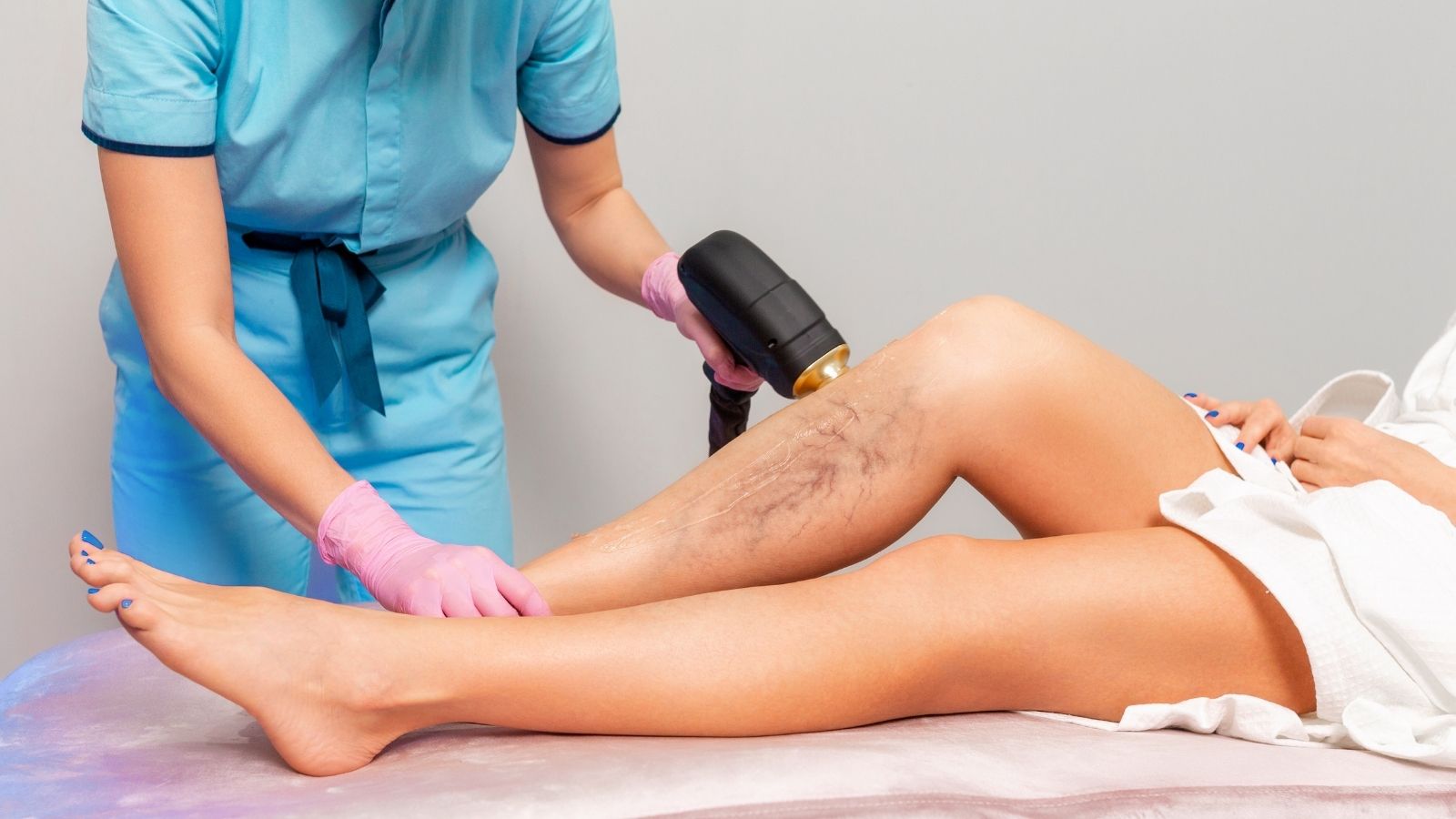
Laser varicose vein treatments generally cost more than classical methods due to advanced technology use. However, patients benefit from less pain, quicker return to daily life, and minimal scarring, which increases treatment satisfaction.
Sclerotherapy pricing is calculated according to the number of injections and affected areas. Larger or more complicated varicose veins may require multiple sessions, which directly impacts the overall cost of treatment.
Hospital choice, physician experience, and post-treatment follow-up services are significant factors affecting varicose vein treatment costs. Patients should request a detailed treatment plan to avoid unexpected financial burdens.
How Does the General Condition of My Varicose Veins Determine Varicose Veins Treatment Prices?
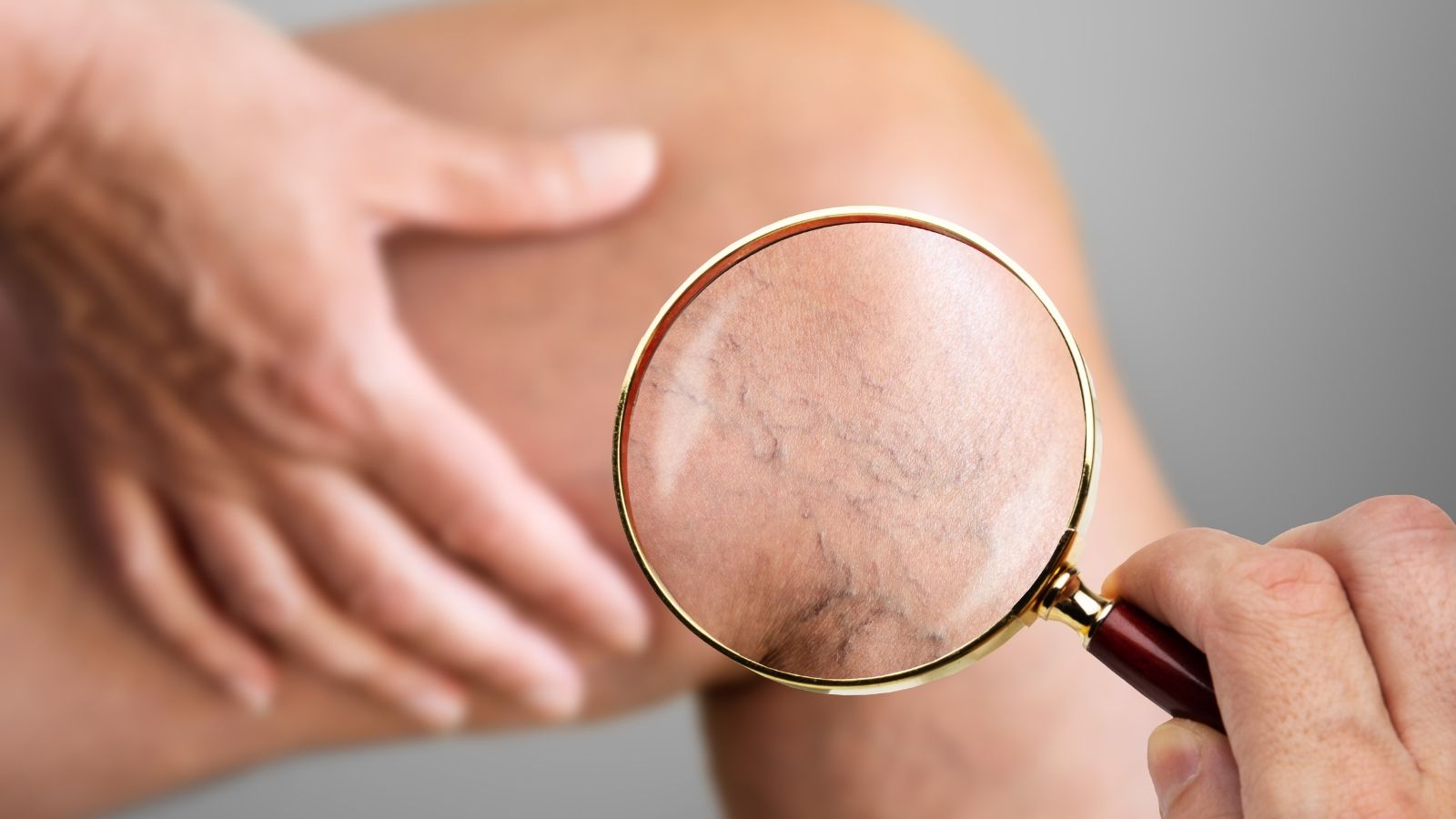
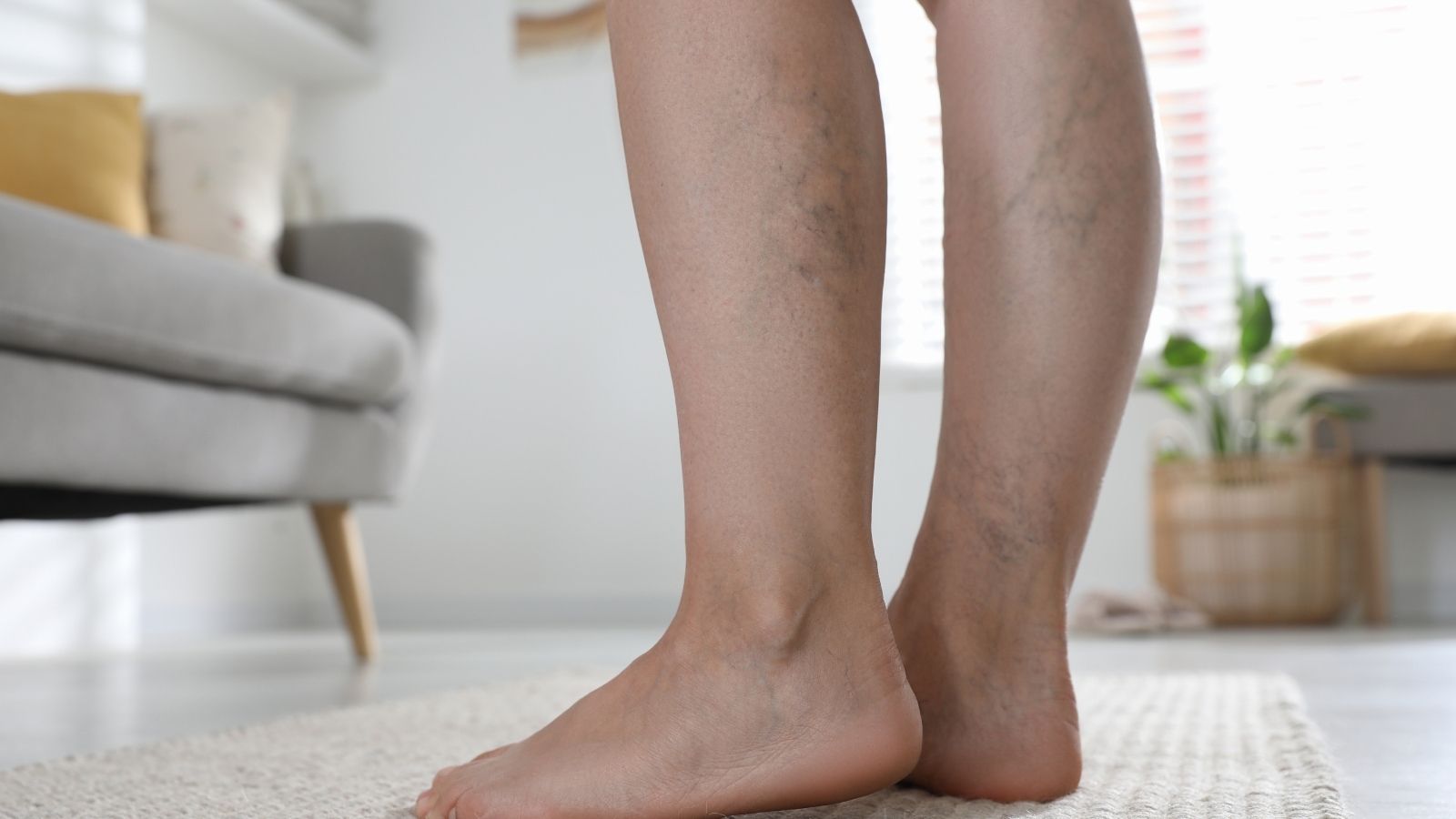
The most important starting point for determining the cost of treatment is your current situation. We can think of varicose veins as a garden in need of maintenance. Removing a few small weeds in one corner of the garden is a quick and easy task. However, it takes more time, effort and different tools to remove the weeds that have taken over the entire garden and are deeply rooted and tangled. It is the same for your heirs.
So, what factors come into play when assessing the status of your heirs? These elements are:
- Number of varicose veins
- Thickness (diameter) of the vessels
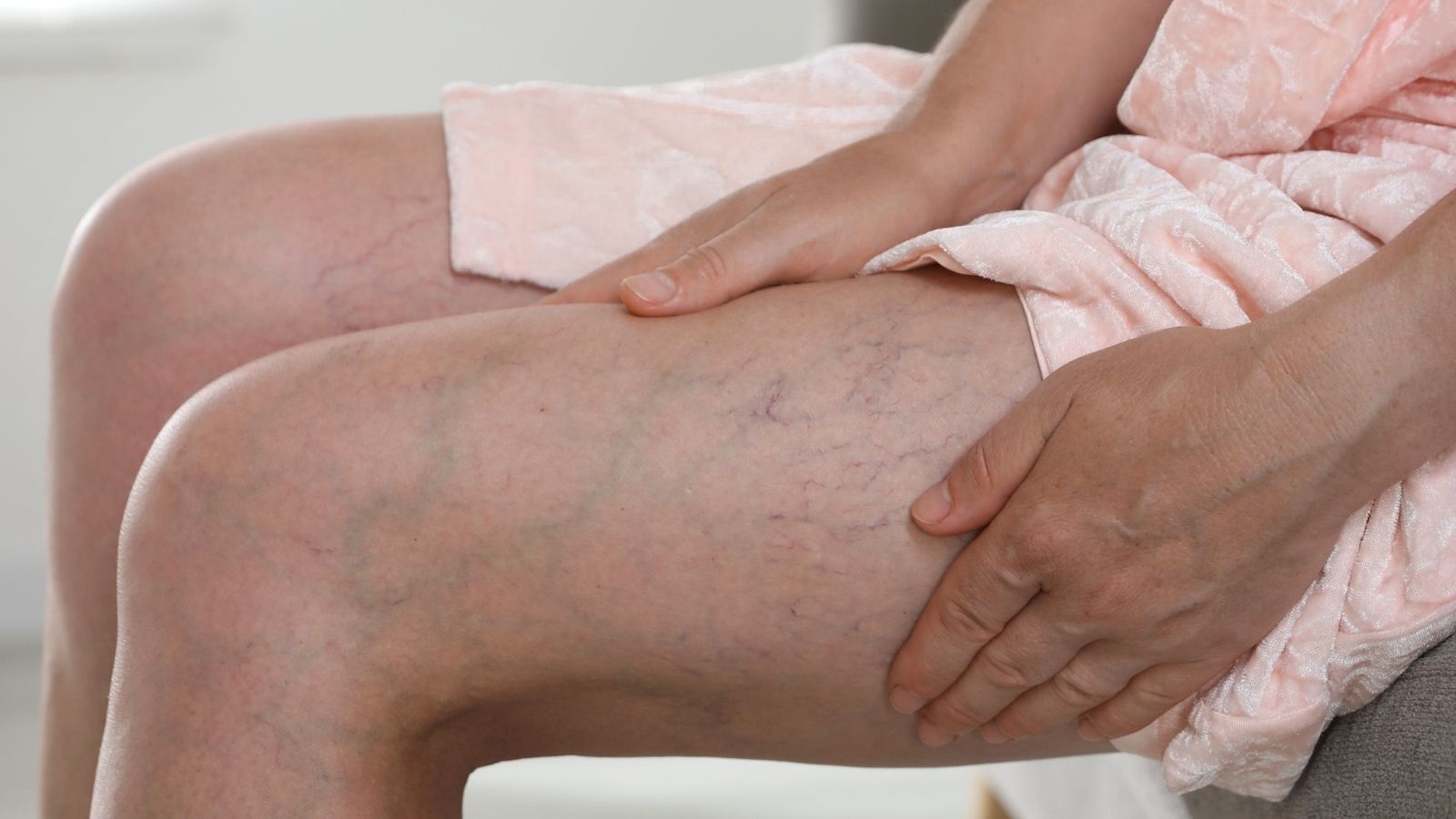
- Prevalence in the legs
- Depth of the vessels to the skin surface
- Presence of additional problems such as skin discoloration or scars
- Degree of valve insufficiency in the underlying main vessel
If your varicose veins are only a few, thin and close to the surface, treatment is usually simpler and short-term. However, if the varicose veins have spread to many parts of the leg, if the veins are thick and tortuous, and especially if there is a serious valve leak in the deeper main vein (such as the saphenous vein) that feeds these veins, the treatment plan becomes more comprehensive. This complex “vein mapping” requires the use of more advanced technology, longer processing time and therefore different costing.
Why does the chosen treatment method change the price of varicose veins treatment?
Today, there are many different and effective methods that we use in the treatment of varicose veins. Each method has its own technology, application method and material cost. Therefore, the treatment method we choose directly affects the total cost. Our main modern treatment methods are:
- Endovenous Laser Ablation (EVLA)
- Radiofrequency Ablation (RFA)
- Medical Adhesive (VenaSeal or Biocompatible Glue)
- Sclerotherapy (Needle or Foam Treatment)
- Ambulatory Phlebectomy (Mini Surgery)
In laser (EVLA) and radiofrequency (RFA) treatments, a thin catheter is inserted into the diseased main vein under ultrasound guidance. With heat energy (laser light or radiofrequency waves) delivered through the tip of this catheter, the vessel is closed from the inside and destroyed by the body over time. The factors affecting the cost of this procedure are the high-tech generator device used and the disposable sterile laser or radiofrequency catheter, which is specially opened for each patient. The single use of these catheters is a very important safety standard that eliminates the risk of infection and forms part of the cost.
Medical Adhesive (VenaSeal) is one of the most innovative methods. Similarly, a catheter is inserted into the vein and a specially developed, tissue-compatible medical adhesive is used to close the vein. One of the biggest advantages of this method is that you do not usually have to wear compression stockings after the procedure and there is no need for aqueous local anesthesia called “tumescent anesthesia” during the procedure. This innovative adhesive and application system has its own unique cost.
Sclerotherapy (Foam Therapy) is mostly used for capillary or medium-sized varicose veins. It is based on the principle of injecting a special drug into the vein in a foaming or liquid form to close it. It is generally less technology intensive, but the quality and quantity of the medicine used affects the cost. Especially with extensive capillary varicose veins, more than one session may be required to achieve the best aesthetic result. Each session is a cost item in itself.
Sometimes we use a combination of these methods to get the best results. For example, after closing the main vessel with a laser, we may remove the smaller side branches that feed from it with foam therapy or mini-surgery. This “combined treatment” approach is planned entirely according to your vascular structure and the cost is shaped according to this holistic plan.
How Many Sessions Will My Treatment Take and Will This Affect Varicose Veins Treatment Prices?
Yes, the number of sessions of treatment is an important factor affecting the cost. Methods such as foam therapy (sclerotherapy), which are performed especially for aesthetic purposes and target capillaries spread over a large area, are usually planned in sessions due to their nature.
The main reason for this is this: There is a limit to the amount of medication that the body can safely tolerate and that can be used in a single session. If the area to be treated is very large, it is both safer and more effective to divide this area into several sessions. Each session targets a different area of the leg and the treatment is completed step by step. Treatments targeting the main vein, such as laser, radiofrequency or adhesive, are usually completed in a single session. However, after this main treatment, additional sclerotherapy sessions can be planned if necessary.
Each additional session requires physician time, new medical supplies and clinic resources. Therefore, if your treatment plan consists of more than one step, the cost of each step makes up the total cost of treatment.
Does Anesthesia Play a Role in Varicose Veins Treatment Prices?
Absolutely yes. Your comfort and lack of pain during the procedure is very important to us. Therefore, the type of anesthesia we administer varies according to the treatment modality and is part of the cost.
The main types of anesthesia we use are:
Local Anesthesia: It is only numbing a small area where the needle will enter or the incision will be made.
Tumescent Anesthesia: It is a special anesthesia technique used in heat-operated methods such as laser and radiofrequency. The aim here is not only to prevent pain but also to protect the surrounding tissues (skin, nerves) from heat by creating a liquid cushion around the vein. This is a critical step for the safety of the process and requires special solutions, time and labor.
Sedation It is a type of anesthesia in which the patient is in a state of light sleep and relaxed.
General or Spinal Anesthesia: These are more comprehensive types of anesthesia that are mostly required in classical surgical methods and administered by an anesthesiologist.
Methods such as VenaSeal (adhesive) usually do not require tumescent anesthesia, while sclerotherapy often requires no anesthesia at all. The drugs and materials used for anesthesia, and sometimes the involvement of an anesthesiologist, are factors that affect the cost.
Why is the experience of the doctor and the clinic important in terms of varicose vein treatment prices?
When evaluating the cost of a treatment, it is necessary to look not only at the material used, but also at the skill and depth of knowledge of the hand using that material. Varicose vein treatment is a field that requires serious experience, mastery of vascular anatomy and manual dexterity.
An experienced physician can accurately analyze even the most complex vascular structures, anticipate possible risks and determine the right combination of treatments for you. This experience increases the success rate of treatment and minimizes the risk of complications. Therefore, the price paid for a physician’s expertise is not an “expense” but the most important “investment” in your health and the success of the treatment. Remember that correcting an incorrect or incomplete treatment can often be much more difficult and costly than the initial treatment.
However, the facilities offered by the clinic where the treatment takes place are also important. There are some key features that affect the cost structure of the clinic:
- The technological level and currency of the devices used, such as ultrasound and laser
- High hygiene and sterilization standards
- Experience and professionalism of clinical staff
- Facilities for patient comfort
These elements are not just a luxury, they are critical to the safety and success of your treatment and are a reflection of the quality of service provided.
Why Long-Term Results Should Be Considered When Evaluating Varicose Veins Treatment Prices?
The true cost of a varicose vein treatment is not only determined by the amount you pay on the day of the procedure. The actual cost-effectiveness is measured by how long the treatment lasts and what it offers you in the long term.
Two important concepts come into play here: Recurrence Risk and Quality of Life.
A “cheap” treatment with low-quality materials or poor planning can cause varicose veins to recur in a short time. In this case, you have to undergo re-examination, re-examination and re-treatment. This can lead to a cycle that is both financially and emotionally exhausting. A treatment that may seem a bit more costly at the beginning, but is performed with the best technology and experience and has a very low recurrence rate, is actually the most economical and rational option in the long run.
Even more important is the impact of treatment on your quality of life. Think of the comfort you will have after a successful treatment:
- No more constant pain in your legs
- Disappearance of the feeling of heaviness and fatigue
- No more cramps that disturb your sleep at night
- Swelling that squeezes your shoes at the end of the day
- Relief of itching and discomfort in your legs
- Elimination of aesthetic concerns when wearing skirts or shorts in summer
This is the real value of treatment. Getting rid of your varicose veins is not only about solving a medical problem, but also about regaining your comfort and living a more active and happy life. When making a decision, please consider this invaluable benefit.
How Much Are Varicose Veins Treatment Prices in Private Hospitals?
The prices of varicose veins treatment in leg veins in private hospitals in Turkey can vary considerably from patient to patient and according to the method applied.
Does Private Insurance Cover Varicose Veins Surgery?
Private health insurances usually cover the treatment of varicose veins when it is considered to be within the scope of “medical necessity”. In other words, if the complaints of varicose veins are at a level that disrupts the quality of life (pain, edema, ulcers, bleeding, etc.) and are documented by a doctor’s report, treatment costs may be included in the policy. However, some insurances exclude aesthetic procedures, for example, interventions performed solely for cosmetic appearance.
Is Varicose Veins Surgery Covered by SGK (State)?
Yes, varicose vein surgery is covered by the SSI under certain conditions. However, for this, the treatment must not be aesthetic, but medical necessity.

Prof. Dr. Yavuz Beşoğul graduated from Erciyes University Faculty of Medicine in 1989 and completed his specialization in Cardiovascular Surgery in 1996. Between 1997 and 2012, he served at Eskişehir Osmangazi University Faculty of Medicine as Assistant Professor, Associate Professor, and Professor, respectively. Prof. Dr. Beşoğul, one of the pioneers of minimally invasive cardiovascular surgery in Türkiye, has specialized in closed-heart surgeries, underarm heart valve surgery, beating-heart bypass, and peripheral vascular surgery. He worked at Florence Nightingale Kızıltoprak Hospital between 2012–2014, Medicana Çamlıca Hospital between 2014–2017, and İstinye University (Medical Park) Hospital between 2017–2023. With over 100 publications and one book chapter, Prof. Dr. Beşoğul has contributed significantly to the medical literature and is known for his minimally invasive approaches that prioritize patient safety and rapid recovery.