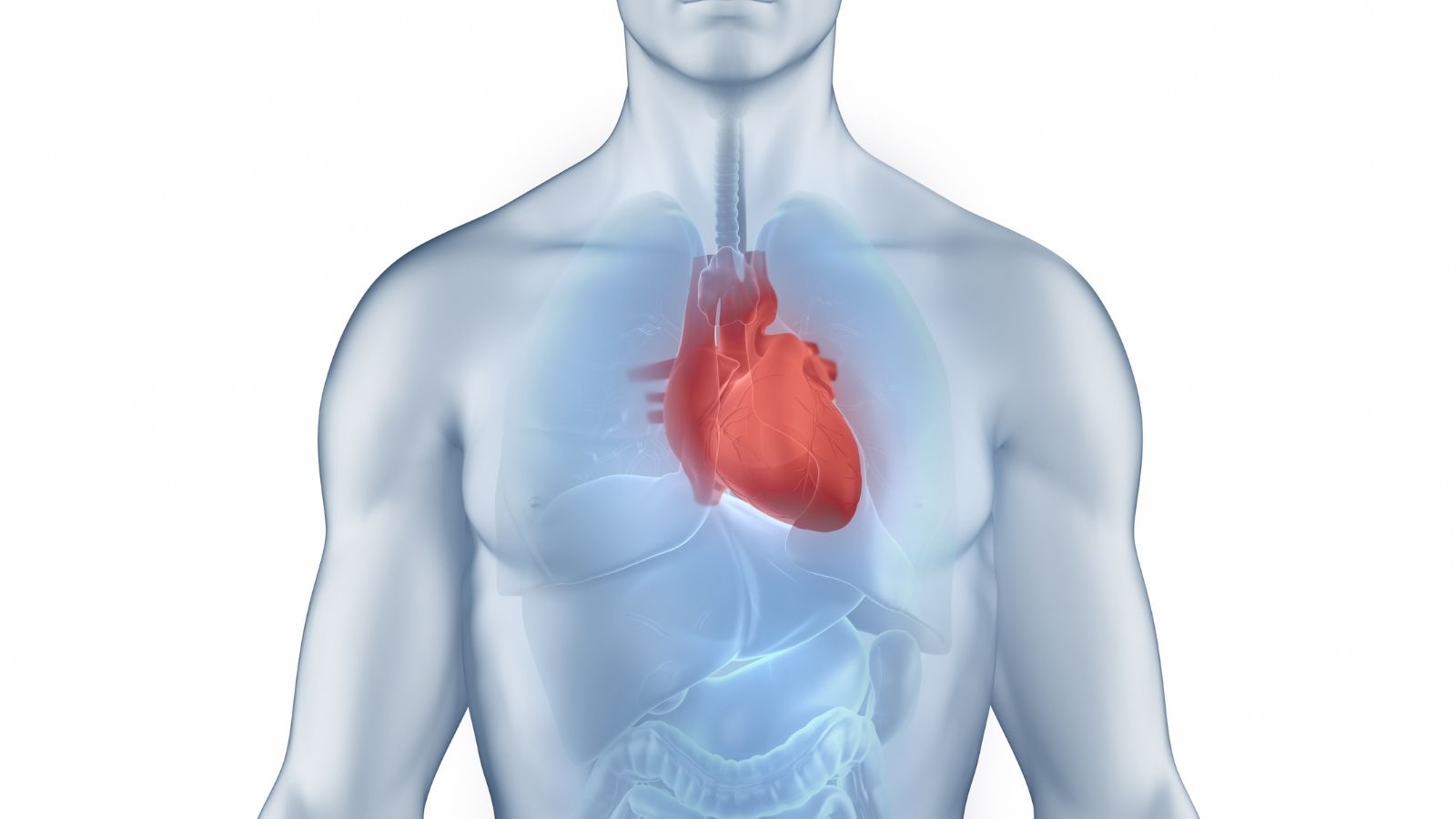


Treatment of walking pain, often caused by peripheral artery disease, focuses on improving circulation and mobility. Early diagnosis and medical care are essential to prevent disease progression.
Lifestyle modifications, including smoking cessation, regular walking exercises, and diet adjustments, significantly improve symptoms of walking pain. These measures enhance blood flow naturally.
Pharmacological treatments, such as antiplatelet drugs and vasodilators, are commonly prescribed to reduce vascular obstruction and improve walking capacity. Medical supervision ensures safety.
In advanced cases, endovascular interventions or surgical bypass may be necessary to restore adequate blood flow. Timely treatment prevents severe complications like limb loss.
| Medical Name | Claudication (Claudication intermittent) |
| Common Symptoms | – Cramping pain in the calf, thigh or buttock when walking – Pain disappears at rest – Weakness or fatigue in the legs |
| Causes | – Peripheral arterial disease (narrowing or occlusion in the leg veins)- Diabetes- High cholesterol- Smoking |
| Risk Factors | – Smoking- Hypertension- Diabetes- High cholesterol- Advanced age- Obesity |
| Complications | – Progression of vascular occlusion – Wound or ulcer development – Tissue loss (in severe cases) – Gangrene |
| Diagnostic Methods | – Physical examination- Ankle-brachial index measurement (ABI)- Doppler ultrasound- Angiography |
| Treatment Methods | – Control of risk factors (blood pressure, cholesterol, etc.) – Angioplasty or surgical intervention if necessary |
| Prevention Methods | – Quitting smoking- Regular exercise- Healthy diet- Keeping diabetes and blood pressure under control |
What Causes Leg Pain When Walking and Difficulty Walking in the Legs?
If you experience pain, cramping or fatigue in your calf, thigh or buttock muscles while walking, especially after walking at a certain pace or distance, and the sensation goes away after rest, this is most likely a sign of “peripheral arterial disease”. Atherosclerosis, also commonly known as “arteriosclerosis”, is the build-up of cholesterol and fatty plaques on the walls of the arteries that carry blood to the legs, causing them to narrow or eventually become completely blocked. This constriction prevents your muscles from getting the blood they need and triggers the typical pain that requires walking pain treatment.
One of the most important features of this disease is that it is a harbinger of a general vascular problem in the body. Problems in your leg veins often indicate that a similar process is at work in your heart and brain vessels. Walking pain should therefore not just be seen as a leg problem, but should be taken seriously as a warning against the risk of future heart attack or stroke.
The disease has different faces. Some people have no symptoms at all, while others experience classic walking pain. However, in a group of patients, the situation is different. In these people, atypical leg pain may not go away with rest or may occur even at rest. This condition can often be confused with orthopedic problems such as herniated discs or osteoarthritis and may delay the correct diagnosis.
As the disease progresses, a much more serious condition called “critical leg ischemia” develops. At this stage, blood flow is so reduced that tissues cannot be nourished even at rest. Symptoms of this condition include:
- Severe foot pain that increases at night and is relieved by lowering the leg off the bed.
- Wounds on the foot or fingers that do not heal.
- Skin discoloration and gangrene.
This is a very dangerous condition that requires urgent intervention and carries the risk of limb loss.
The most urgent and dramatic scenario is “acute leg ischemia”. It occurs when the blood supply to the leg is suddenly cut off. The classic symptoms of this condition are summarized by the “6 P Rule”:
- Pain (Severe Pain)
- Pallor (Pallor)
- Pulselessness (No Pulse)
- Poikilothermia (Coldness)
- Paresthesia (Numbness and Tingling)
- Paralysis (Loss of Movement, Paralysis)
The sudden onset of any of these symptoms is a vascular emergency that requires immediate emergency room attention without waiting a second.
How to Diagnose Cladicasyo Treatment for Walking Pain?
The first and most basic method we use to diagnose vascular blockage underlying walking pain is the “Ankle-Arm Pressure Index” (ABI), an extremely simple and painless test. This test gives us valuable information about how healthy the blood circulation in your legs is. During the test, a standard sphygmomanometer measures your blood pressure first in your arms and then in two different arteries in your ankles. The ABI score is calculated by dividing the highest ankle pressure by the highest arm pressure. A score below 0.90 is a strong indication that you have a significant stenosis or blockage in your leg veins.
ABI testing is particularly important when
- You have leg pain that occurs with walking or exertion.
- You have wounds on your legs or feet that do not heal.
- you are over 65 years of age.
- you are aged 50-64 and have additional risk factors such as smoking or diabetes.
Sometimes, especially in patients with diabetes or renal insufficiency, the ABI value can be misleadingly higher than normal due to extensive calcification of the vessel walls. In this case, we use additional tests such as the “finger-arm index” (TBI) or the “effort ABI test”. In an exertional test, after taking your resting measurement, we will walk you on a treadmill and as soon as you start to feel pain, we will stop the test and repeat the measurement. In a person with stenosis, ankle pressure drops markedly with exercise, which confirms the diagnosis.
Once the diagnosis is confirmed and a treatment plan is needed, we need more advanced imaging methods to make a detailed map of your veins. These methods play a critical role in determining the type of treatment (non-surgical methods or open surgery). The most common methods we use for this purpose are Color Doppler Ultrasound, Computed Tomographic Angiography (CTA) and Magnetic Resonance Angiography (MRA). Each has its own advantages and disadvantages, and the choice of method is based on the patient’s condition, kidney function and the characteristics of the vasculature.
What are the First Step Lifestyle Changes for Walking Pain Treatment?
When peripheral arterial disease is diagnosed, the first and most important step in the treatment plan is always lifestyle changes and controlling risk factors. If you are still only in the walking pain (claudication) stage, these basic steps alone often lead to a significant improvement in your symptoms. More importantly, these changes protect your whole body, not just your legs, from heart attack and stroke.
Get Smoking Out of Your Life: If you smoke, the best thing you can do is to quit immediately. Smoking is both the number one cause of atherosclerosis and the most powerful trigger that accelerates its progression. As soon as you stop smoking, your blood vessels begin to heal, the progression of your walking pain slows down and, most importantly, your risk of heart attack and death is significantly reduced.
Switch to a Mediterranean Diet: Simple changes in your diet can have a miraculous effect on your vascular health.
- Eat plenty of fresh vegetables and fruit.
- Choose whole grain products instead of white bread.
- Reduce red meat consumption and try to eat fish at least twice a week.
- Use healthy fats such as olive oil instead of saturated fats (butter, margarine, processed foods).
- Add nuts such as walnuts, hazelnuts and almonds to your snacks.
Keep Your Blood Pressure and Sugar Under Control: High blood pressure and diabetes are two insidious enemies that continually damage blood vessel walls. Taking your doctor’s recommended medication regularly and keeping your blood pressure and blood sugar levels within targeted ranges are critical to slowing the progression of the disease.
Lower Your Cholesterol Levels: Bad cholesterol (LDL) is the main ingredient in plaques that build up on the walls of blood vessels. In addition to a healthy diet, statin drugs prescribed by your doctor are the most effective way to lower your cholesterol levels and, more importantly, stabilize existing plaques by reducing inflammation in the vessel wall.
What is the Importance of Walking Physical Therapy and Exercise Programs?
In addition to medication and lifestyle changes, “structured exercise therapy” forms the backbone of treatment for patients suffering from walking pain. Also known as walking physical therapy, these programs are much more than simply saying “go, walk”. These programs are carried out in centers specialized in vascular surgery, accompanied by physiotherapists or exercise specialists, and their aim is to teach your body to find new pathways.
The logic of the program is quite simple. You are asked to walk in a controlled manner on a treadmill until the familiar pain in your legs appears. When the pain reaches moderate intensity, you stop and rest. When the pain is completely gone, you start walking again. You repeat this walk-stop-walk cycle for 30 to 60 minutes. Thanks to these exercises at least three days a week:
- The body begins to create new, small vascular pathways called “collaterals” that run around the blocked vessels.
- The function of the lining (endothelium) of existing blood vessels improves.
- Your muscles learn to use the limited oxygen coming to them more efficiently.
- Your walking distance increases significantly over time and the time you can walk without pain increases.
Supervised exercise programs are the most proven and effective method in this regard. However, for patients who do not have access to such programs, home-based exercise programs with a specific structure (goal setting, tracking with pedometers, regular feedback) can also be an effective alternative. Remember that exercise is not just an option but a mandatory part of the prescription for the treatment of claudication.
How Do Methods Similar to Non-Surgical Varicose Vein Treatment Open Vascular Blockage?
If your walking pain continues to severely limit your daily life despite lifestyle changes and an exercise program, or if you have a more serious condition such as a wound in your leg, then interventional treatments to open the blocked veins come to the fore. In the last two decades, “endovascular” treatments have revolutionized this field. These methods are less invasive than open surgery, are usually performed only through a needle puncture in the groin, shorten the hospital stay and speed up the recovery process.
The basic logic of these non-surgical varicose vein treatment-like techniques is similar to opening a blocked water pipe. The most commonly used methods are:
Balloon Angioplasty: A deflated balloon is sent through a thin wire into the blocked vessel. At the point of the blockage, this balloon is inflated and crushes the plaque that narrows the vessel and expands the inner diameter of the vessel.
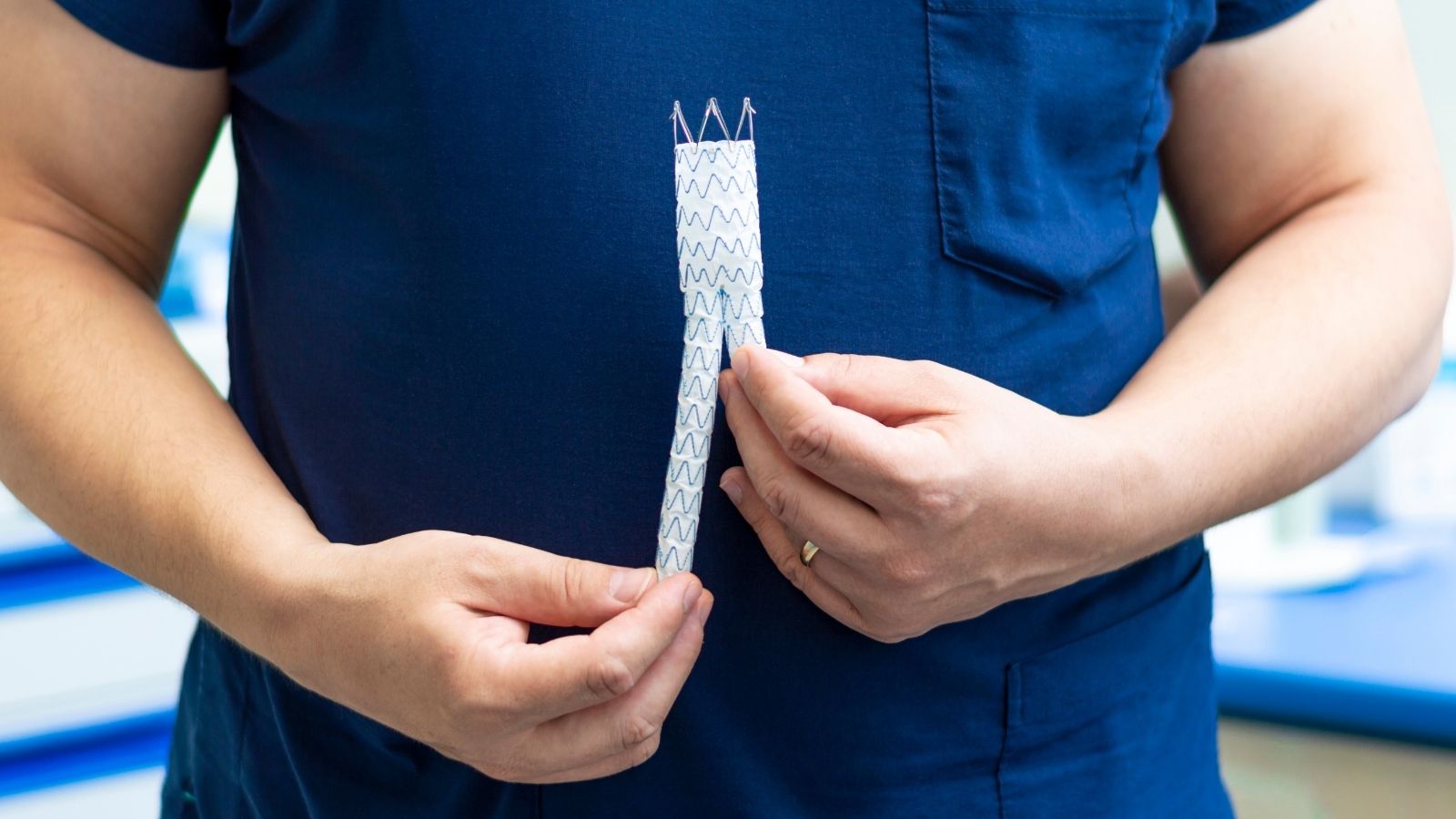
Stent Placement: Sometimes, after balloon dilatation, there may be some retraction of the vessel wall (elastic recoil) or tears in the vessel wall. In this case, a cage made of special metal called a “stent” is inserted into the vessel to ensure that the vessel remains open. The stent acts like a scaffold, supporting the vessel from the inside.
Drug Coated Balloons and Drug Eluting Stents: The risk of re-narrowing (restenosis) after balloon or normal stenting alone is higher, especially in vessels in mobile areas such as the thigh and back of the knee. Medicated technologies developed to solve this problem have achieved significant success in the treatment of walking pain. Drug-eluting balloons release a drug into the vessel wall as they inflate, preventing re-narrowing. Drug-eluting stents, on the other hand, slowly release the drug, helping to keep the vessel open over a long period of time. Thanks to these technologies, the long-term results of endovascular procedures, especially pain after laser varicose vein surgery, have become much more successful.
Another intravascular method is “atherectomy”, or vein shaving. In this procedure, special devices are used to physically scrape or sand the lime plaque inside the vessel. It can be used to prepare the vessel for other procedures, especially in very hard and calcareous, balloon-resistant lesions. However, since there is not yet sufficient scientific evidence that its routine use is superior to other methods, it is not suitable for all patients and is preferred in selected cases.
When is surgical treatment needed for upper leg pain when walking?
Despite all these dizzying advances in endovascular methods, open surgery still has a very important place in the treatment of vascular occlusion and in some cases is the best and most permanent solution. Open surgery is considered especially if very long vessel segments are completely occluded, if the disease is widespread or if endovascular methods have failed.
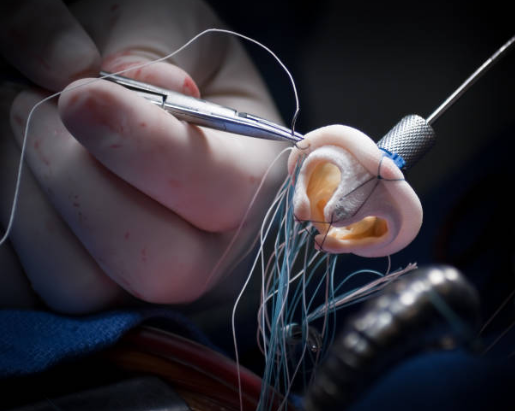
Bypass Surgery: The logic of this surgery is to create a new pathway around the blocked blood vessel to allow blood flow. Just like building a side road or bridge on a busy highway, we “bypass” the blocked area to allow blood to reach the lower parts of the leg. The material we use to create this new pathway (graft) is the most critical factor determining the success of the surgery. The best materials that can be used for this purpose are:
Patient’s Own Vein (Autogenous Vein Graft): Whenever possible, our first and best choice is veins such as the “saphenous vein” from the patient’s own leg or arm. This is because these vessels are living tissues, their inner surfaces have a natural resistance to clotting, they are more resistant to infection and their flexibility makes them more likely to remain open for many years.
Artificial Veins (Prosthetic Graft): If the patient does not have a vein suitable for use, then we use artificial veins made of synthetic materials such as “ePTFE” or “Dacron”. Although these veins give good results, especially in large veins between the groin and above the knee, the long-term patency rates are lower than vein grafts when performed on thin veins below the knee.
Endarterectomy (vein clearance surgery): This is the gold standard treatment for blockages in the main artery of the groin (femoral artery). The groin is one of the most mobile parts of the body and stents placed there can break or bend over time. For this reason, this area is generally considered a “stent-free zone”. In an endarterectomy, the vascular surgeon directly opens the vein and carefully peels away the calcified and blocked plaque layer. The vein is then widened and closed, usually using a patch. This method is a highly effective and durable solution for groin blockages that cause complaints such as upper leg pain while walking.
How to Decide on Treatment Choice and Does Unilateral Leg Pain Make a Difference?
One of the most common questions our patients ask is which treatment is right for them. There is no one right way to make this decision; it is a completely individualized, “tailor-made” approach. You can think of the process as a jigsaw puzzle that brings together a number of factors.
The main elements we consider in the decision process are:
General Health Status of the Patient: Your age and the health of your other organs, such as heart, lungs or kidneys, are the first criteria in determining whether you can handle the risks of a major open surgery. For a very elderly patient or a high-risk patient with comorbidities, less invasive endovascular methods may be a safer option.
Severity of your complaints and condition of the leg: Do you only have pain when walking, or do you have pain even at rest or a sore foot? The degree of blood supply disturbance in your leg (WIfI score) determines how urgent and aggressive treatment should be.
Location, Length and Structure of the blockage: Where is your blockage? Is it a short stenosis or is it a full-length blockage? Is the blockage very calcareous and hard? These anatomical details tell us which method will be technically more successful.
Presence of a suitable bypass vessel: This is perhaps one of the most important factors. If open surgery is considered as an option, we will definitely check the veins in your legs (saphenous vein) with ultrasound before surgery. Because large studies (such as BEST-CLI) have shown that long-term results of bypass surgery are superior to endovascular methods, especially in patients with critical leg ischemia, if a quality vein graft is available. If no suitable vein is available, then endovascular treatment may become a more logical first choice.
Unilateral leg pain usually indicates that the vascular occlusion is more prominent in that leg, but this does not fundamentally change our decision-making mechanism. Again, all the above factors are considered as a whole.
What is the Recovery Process and Things to Consider After Treatment?
A successful vascularization procedure is not the end of the treatment but the first step towards a healthy future. The post-treatment period is as important as the treatment itself to ensure that this procedure remains successful for many years and to protect your overall health.
After the procedure, your doctor will prescribe blood thinners to prevent your blood vessels from blocking again and to reduce the risk of clotting. This may be aspirin alone, aspirin plus a second drug such as clopidogrel (dual therapy), or, as recent studies have shown to be effective, aspirin plus a low-dose new generation blood thinner (such as rivaroxaban). This “double protection” strategy is very effective in protecting both your leg and your heart, especially in the first post-procedure period. You should also continue your statin (cholesterol medication) and blood pressure medication regularly.
Another issue that is at least as important as medication is regular follow-up. The status of the bypass or stent should be monitored periodically with “Color Doppler Ultrasound”. The purpose of this follow-up is to detect a possible re-narrowing at an early stage, before it causes you any complaints. Correcting a narrowing detected early is much easier and more successful than opening a completely blocked vessel.
Finally, you should make it a habit to take good care of your feet. Remember that not being able to walk is not a fate and can be overcome with the right steps:
- Check your feet every day for cracks, sores, blisters or discoloration.
- Wash your feet daily with warm water and mild soap and dry them gently, including between the toes.
- Use a moisturizing cream to prevent dry skin, but avoid getting it between the toes.
- Cut your nails straight and do not leave sharp corners.
- Never go barefoot.
- Wear comfortable and protective shoes that fit well. Wear a new pair of shoes only for short periods of time in the first few days to get them used to your feet.
If you are experiencing difficulty walking and pain in your legs, do not dismiss these symptoms as “old age” or “fatigue”. The best step to take is to consult a cardiovascular surgeon to find out the cause of the condition and start the most appropriate treatment journey for you as soon as possible.
Prof. Dr. Yavuz Beşoğul graduated from Erciyes University Faculty of Medicine in 1989 and completed his specialization in Cardiovascular Surgery in 1996. Between 1997 and 2012, he served at Eskişehir Osmangazi University Faculty of Medicine as Assistant Professor, Associate Professor, and Professor, respectively. Prof. Dr. Beşoğul, one of the pioneers of minimally invasive cardiovascular surgery in Türkiye, has specialized in closed-heart surgeries, underarm heart valve surgery, beating-heart bypass, and peripheral vascular surgery. He worked at Florence Nightingale Kızıltoprak Hospital between 2012–2014, Medicana Çamlıca Hospital between 2014–2017, and İstinye University (Medical Park) Hospital between 2017–2023. With over 100 publications and one book chapter, Prof. Dr. Beşoğul has contributed significantly to the medical literature and is known for his minimally invasive approaches that prioritize patient safety and rapid recovery.