Türkçe
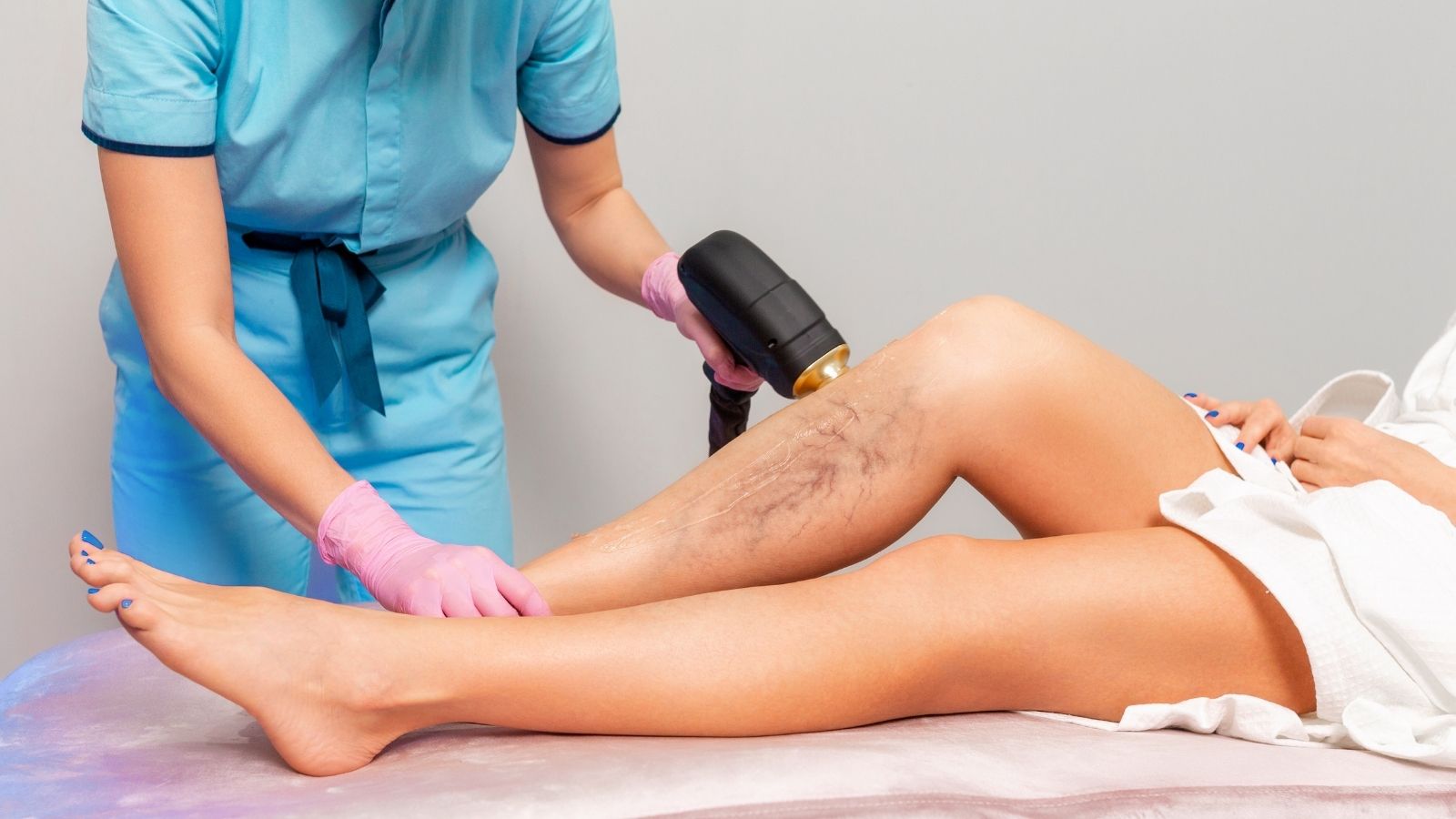
Foam sclerotherapy is a minimally invasive treatment method for varicose veins. It involves injecting a sclerosing agent mixed with air or gas to create foam, which displaces blood and induces controlled vein closure, improving venous circulation.
The procedure is performed under ultrasound guidance, ensuring precise delivery of the foam into affected veins. It is generally performed in outpatient settings, with minimal discomfort and rapid return to daily activities compared to surgical interventions.
Advantages of foam sclerotherapy include high effectiveness for both large and small varicose veins, absence of general anesthesia, and minimal scarring. Patients often experience significant cosmetic and functional improvement within weeks.
Possible complications include mild pain, bruising, or pigmentation along the treated vein. Rarely, allergic reactions or thrombosis may occur. Proper patient selection and skilled administration minimize risks and enhance long-term success.
|
Application Area |
Varicose veins (especially small and medium-sized veins) |
|
Targeted Problem |
Superficial varicose veins, telangiectasias (spider veins) |
|
Treatment Method |
Vascular closure by injection of sclerosing agent |
|
Substances Used |
Polidocanol, sodium tetradecyl sulfate, hypertonic saline |
|
Application Type |
Injection into a vein with a fine needle, can be performed with ultrasound if necessary |
|
Number of Sessions |
Depending on the vein and prevalence, usually several sessions |
|
Impact Duration |
Veins usually close within weeks, full closure can take several months |
|
Success Rate |
High success rate in superficial varices (approx. -90) |
|
Common Side Effects |
Pain, soreness, bruising, discoloration of the skin at the injection site |
|
Rare Complications |
Intravascular clot, skin necrosis, allergic reaction, hyperpigmentation |
|
Advantages |
Outpatient, no anesthesia required, short recovery time |
|
Disadvantages |
May be ineffective for large varicose veins, risk of recurrence |
|
Preparation Before |
Temporary discontinuation of aspirin or blood thinners is recommended |
|
Aftercare |
Use of compression stockings, avoidance of intense physical activity in the first days |
What is Varicose Veins and How Does Varicose Veins Treatment with Sclerotherapy Solve This Problem?
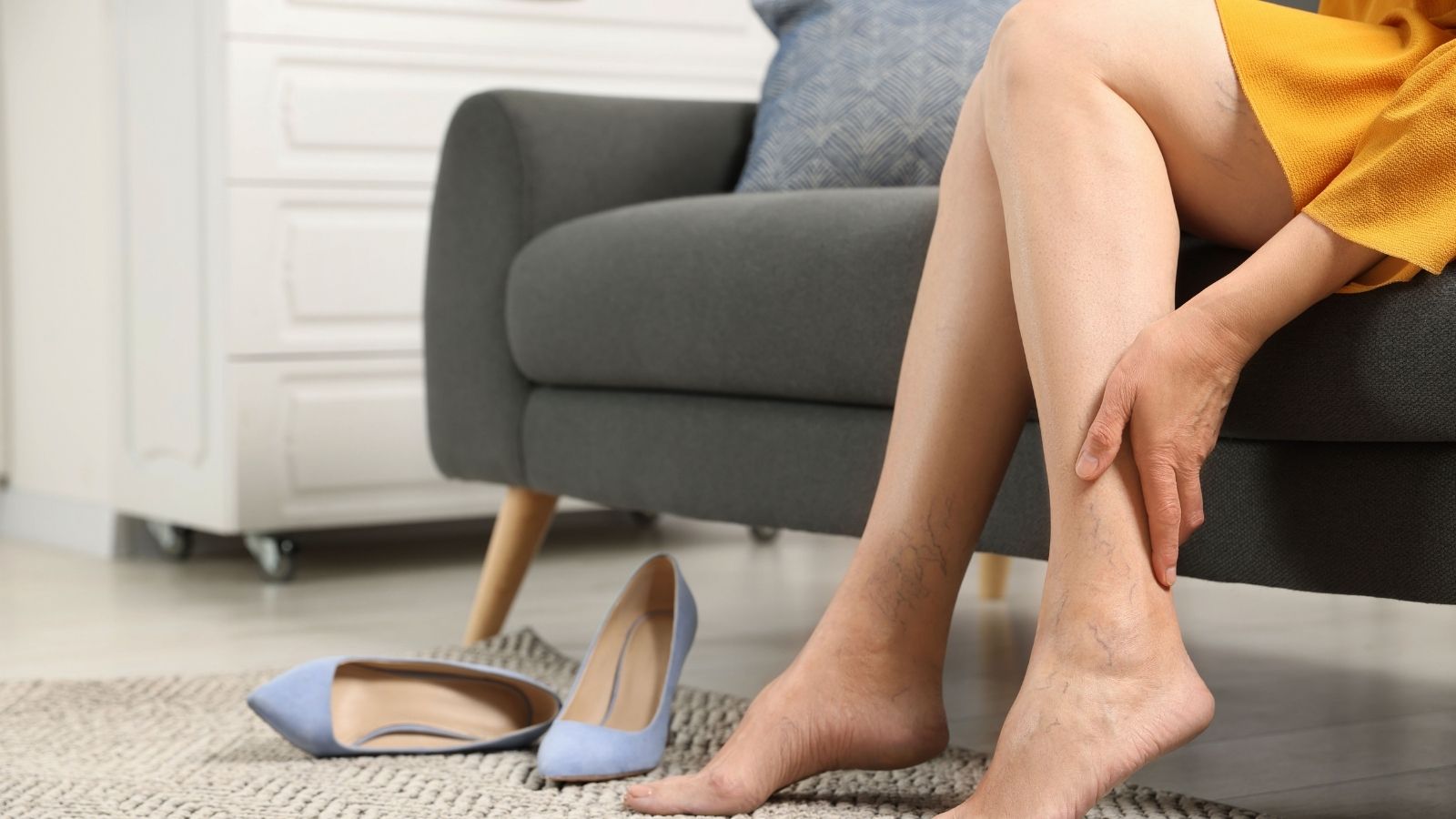
We can think of the veins in our legs as special pipelines that carry blood in one direction, towards the heart. Inside these pipes are valves like “check valves” that prevent the blood from backing up. Varicose veins begin when these valves fail to perform their function. Our genetic heritage, standing for long periods of time due to our profession, pregnancies or overweight can fatigue and deteriorate these delicate valves over time.
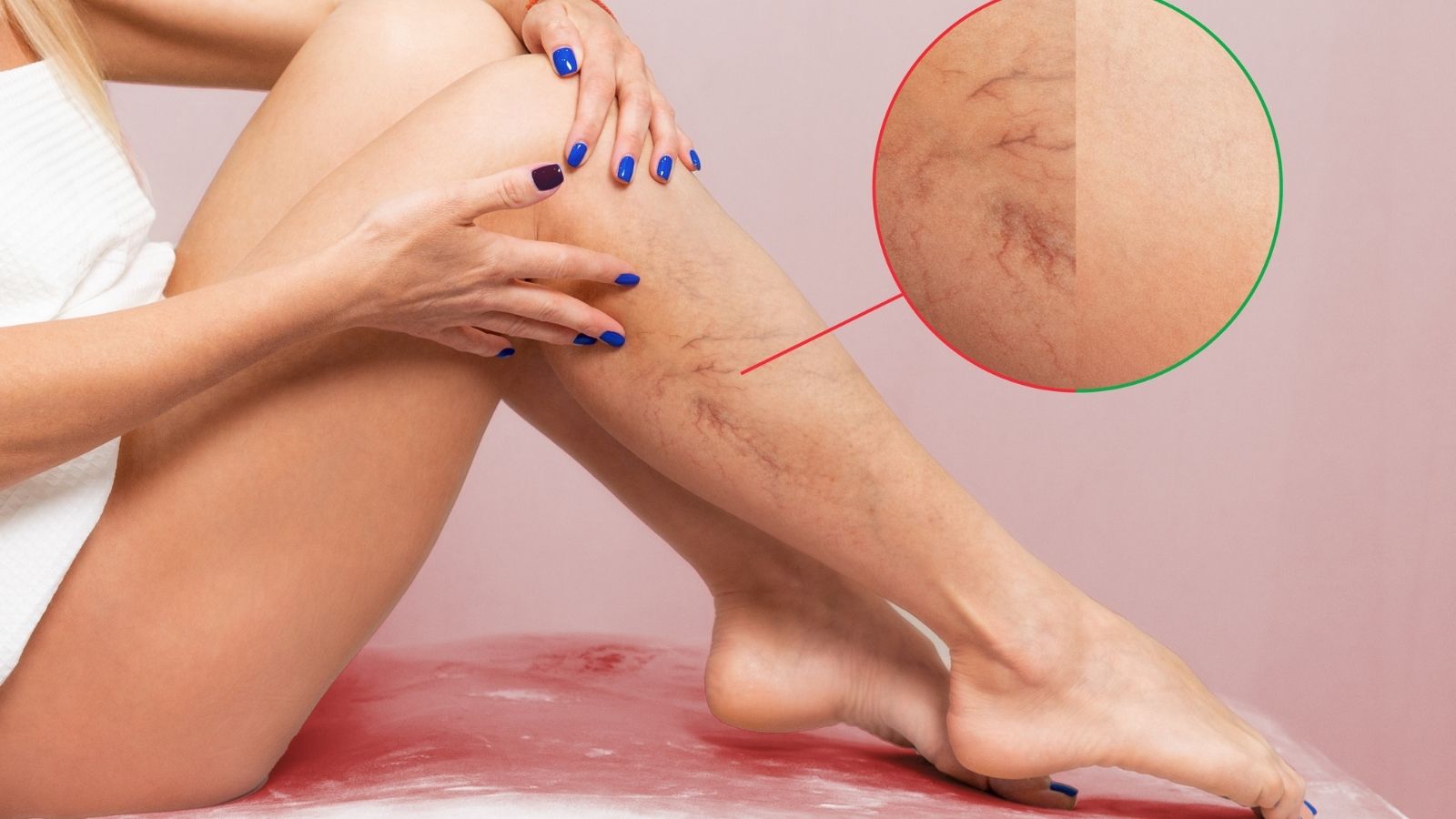
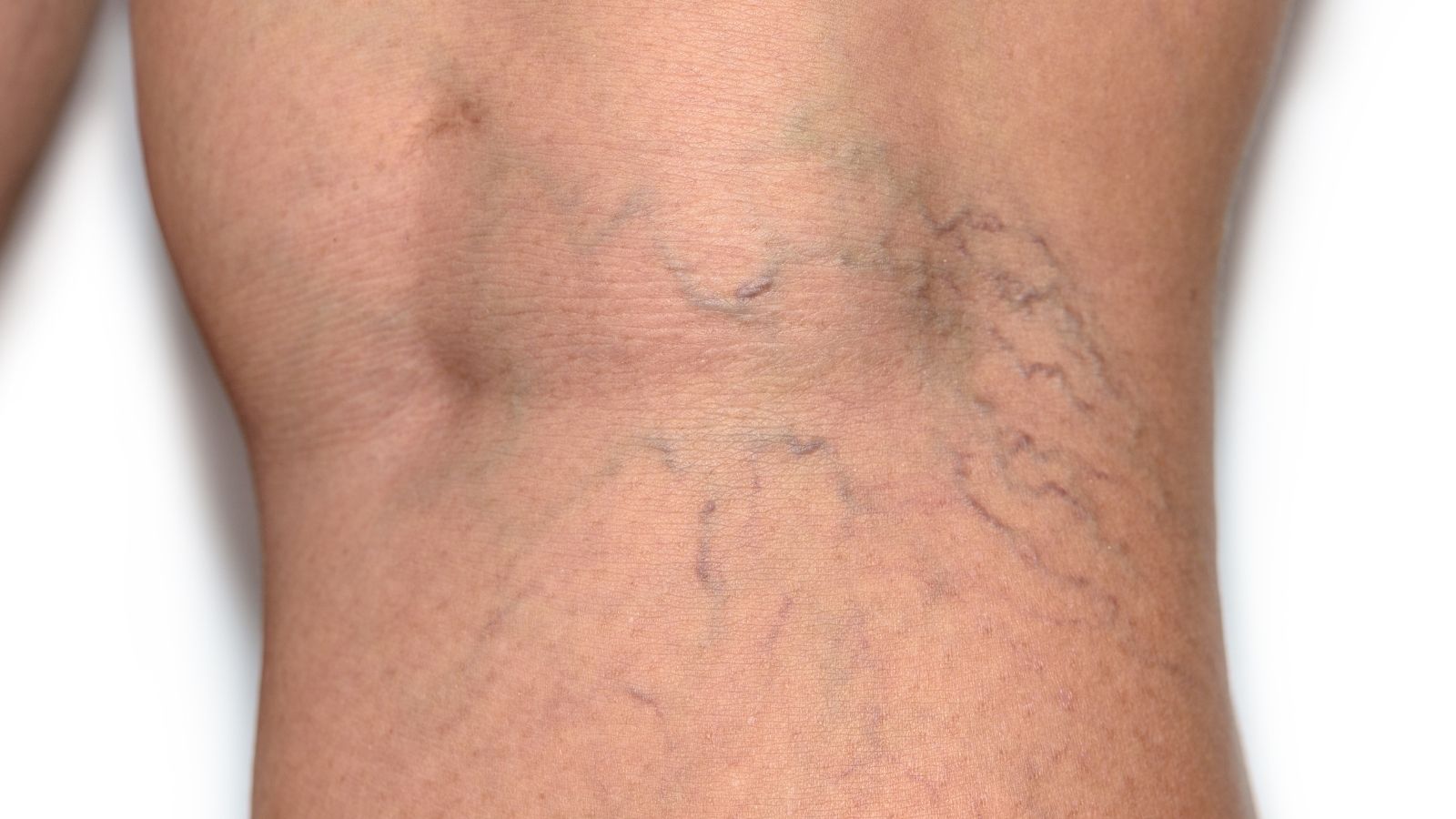
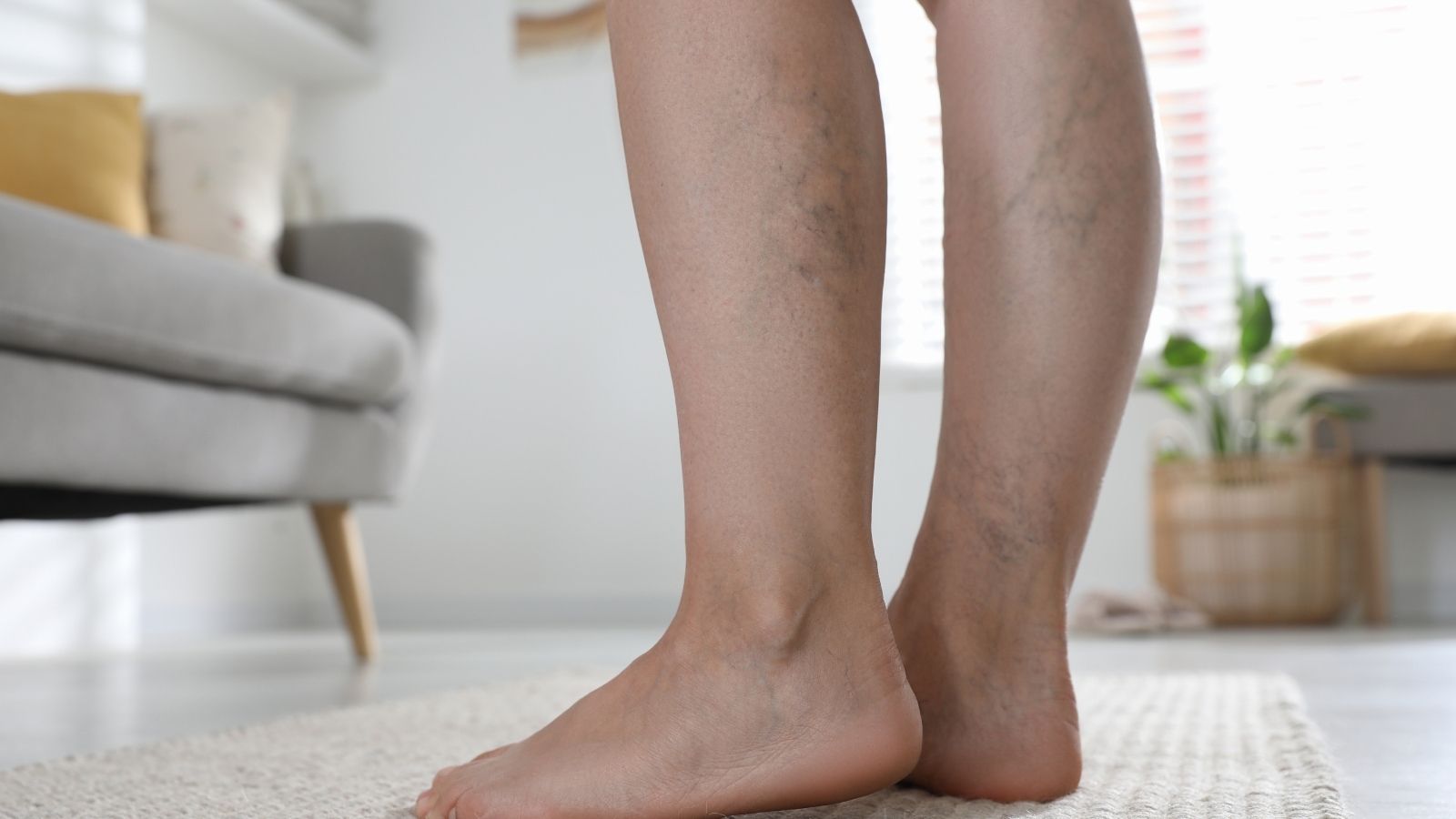
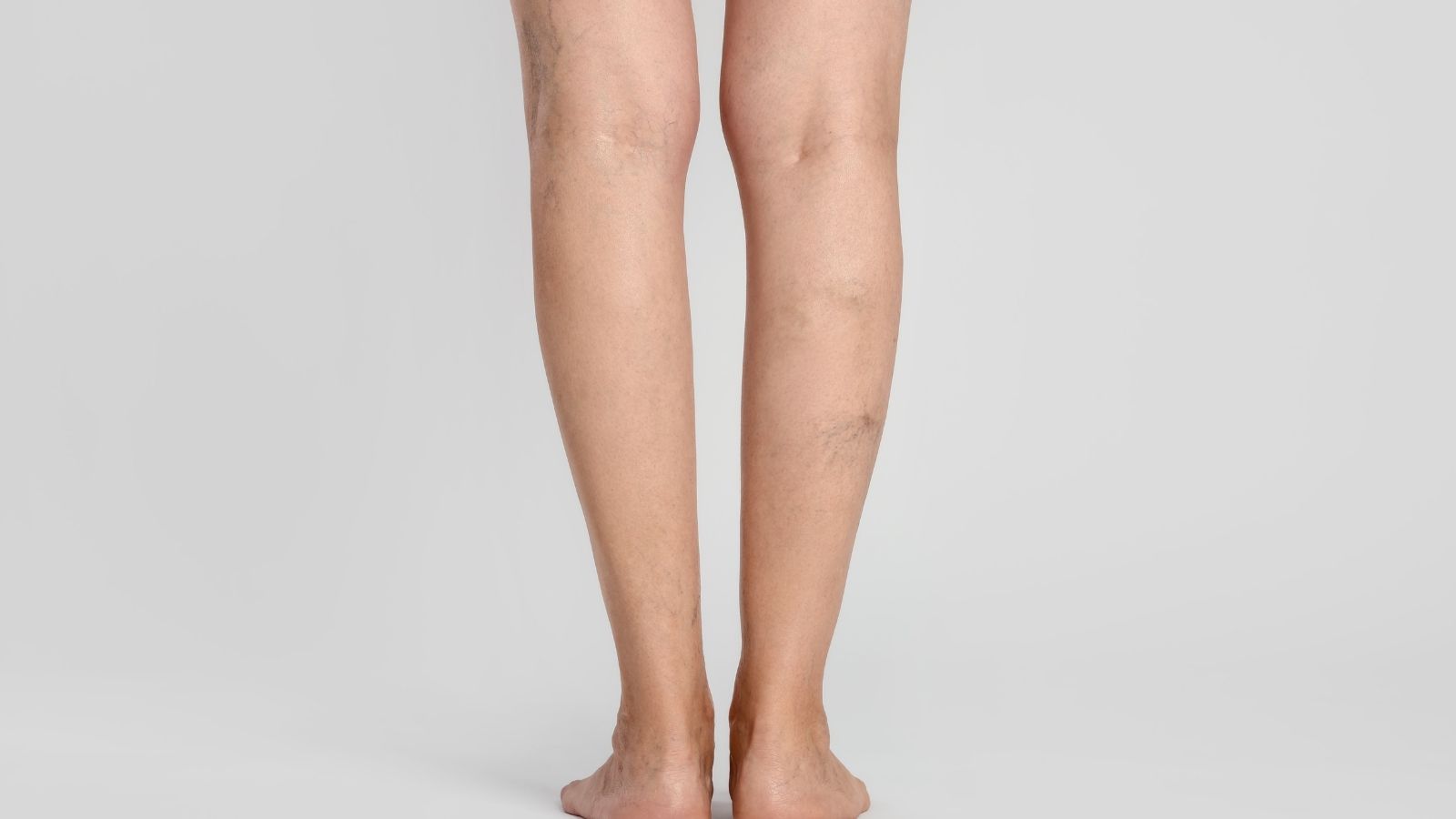
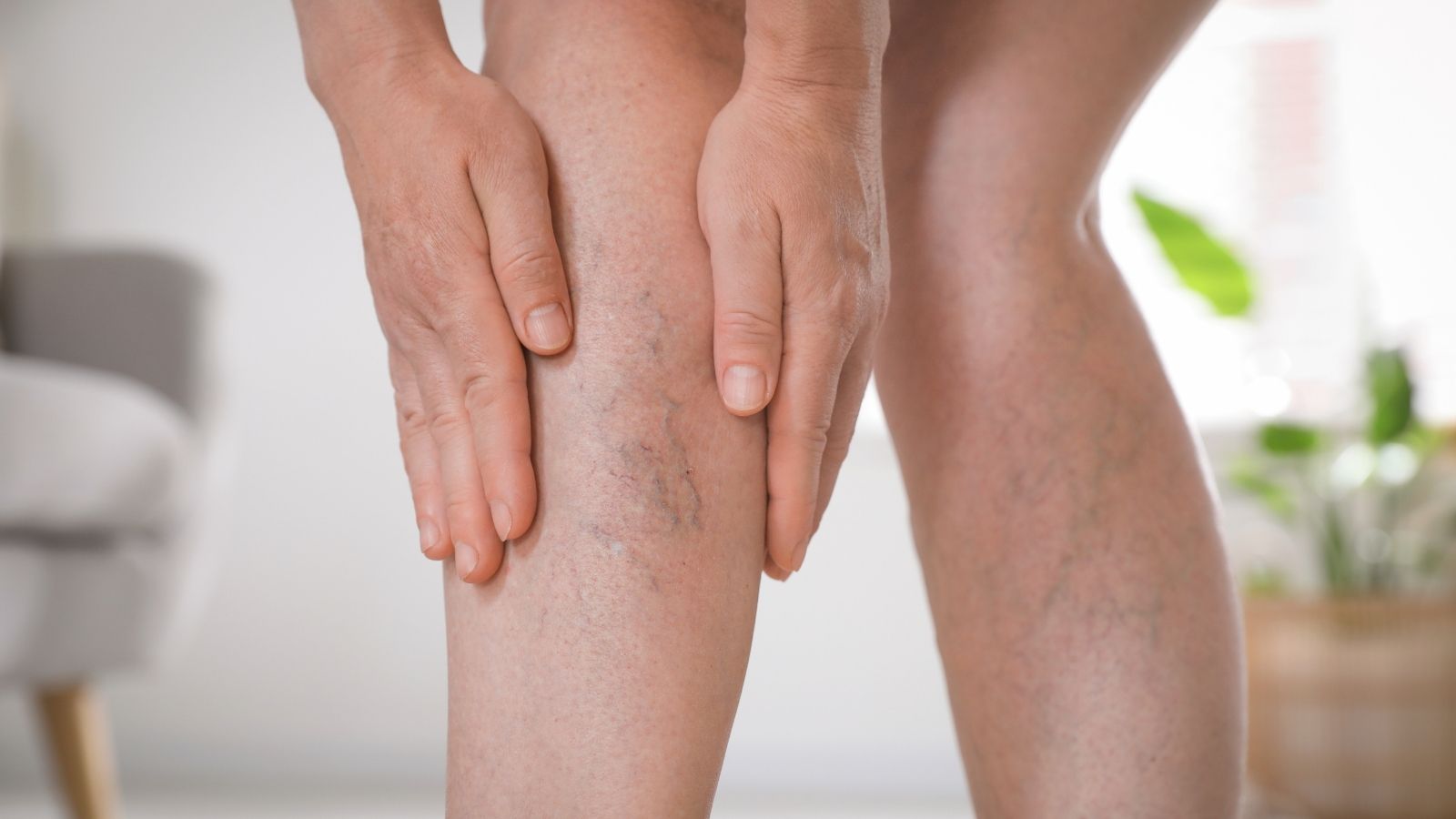
When the valves break down, blood begins to flow backwards, towards the feet, and pools in the vein. This creates a pressure on the vessel wall, just like a garden hose that gets hot when the end gets caught. Over time, the veins, unable to withstand this pressure, dilate, lengthen, become convoluted and appear blue-purple beneath the skin. We call this structure “varicose veins”.
For many people, varicose veins are not just an aesthetic concern. In fact, they are a harbinger of an underlying circulatory problem and can seriously affect quality of life. There are some common complaints that varicose veins can cause:
- Throbbing or aching pain in the legs
- Feeling of heaviness, especially in the evening
- Sudden cramps at night
- Unbearable pain
- Heat in the ankles (edema)
- Skin discoloration and hardening
Varicose Veins Treatment with Sclerotherapy offers a very logical solution to this problem. If this vein is not doing its job and is causing problems by diverting blood in the wrong direction, then let’s close it permanently! The goal of treatment is to disable this “broken pathway”. In this way, the blood begins to use healthy and properly functioning alternative vascular pathways. As a result, both the unpleasant symptoms caused by varicose veins disappear and the legs regain a healthy and smooth appearance as they should be.
What effect does varicose veins treatment with sclerotherapy have on the body?
The principle of operation of sclerotherapy is based on the rational use of the body’s self-healing power. During the procedure, we inject a drug called a “sclerosant” into the varicose vein we want to treat. This medicine starts a gentle and controlled reaction in the cell layer lining the inside of the vein. This reaction triggers the vessel walls to stick together. Blood can no longer pass through the closed vessel.
After this stage, our body takes over. It gradually absorbs and eliminates this closed vein, which no longer has a function, gradually shredding it over time. This process can take several weeks or months. Eventually, the problem vein disappears permanently. So sclerotherapy does not just mask a problem, it offers a permanent solution by eliminating the source of the problem. This is an extremely elegant treatment method that works in harmony with the body’s natural mechanisms.
Are there any differences between the drugs used in the treatment?
Yes, there is no single standard drug in sclerotherapy. We choose drugs with different properties depending on the type, diameter and location of the vein to be treated. This allows us to maximize the success and safety of the treatment. The main types of sclerosing agents we use are as follows:
- Detergent Agents (such as Polidocanol, STS)
- Osmotic Agents (such as Hypertonic Saline, Glycerin)
- Chemical irritants
Today, the most frequently and safely preferred agents are the drugs in the detergent group. Their effectiveness is very high, especially when used in foam form. We will decide which medication is most suitable for you after a detailed evaluation.
What are the Application Types of Varicose Veins Treatment with Sclerotherapy?
Sclerotherapy offers a variety of application techniques to treat different vein types in the most effective way. This allows us to design the treatment almost like a personalized tailor.
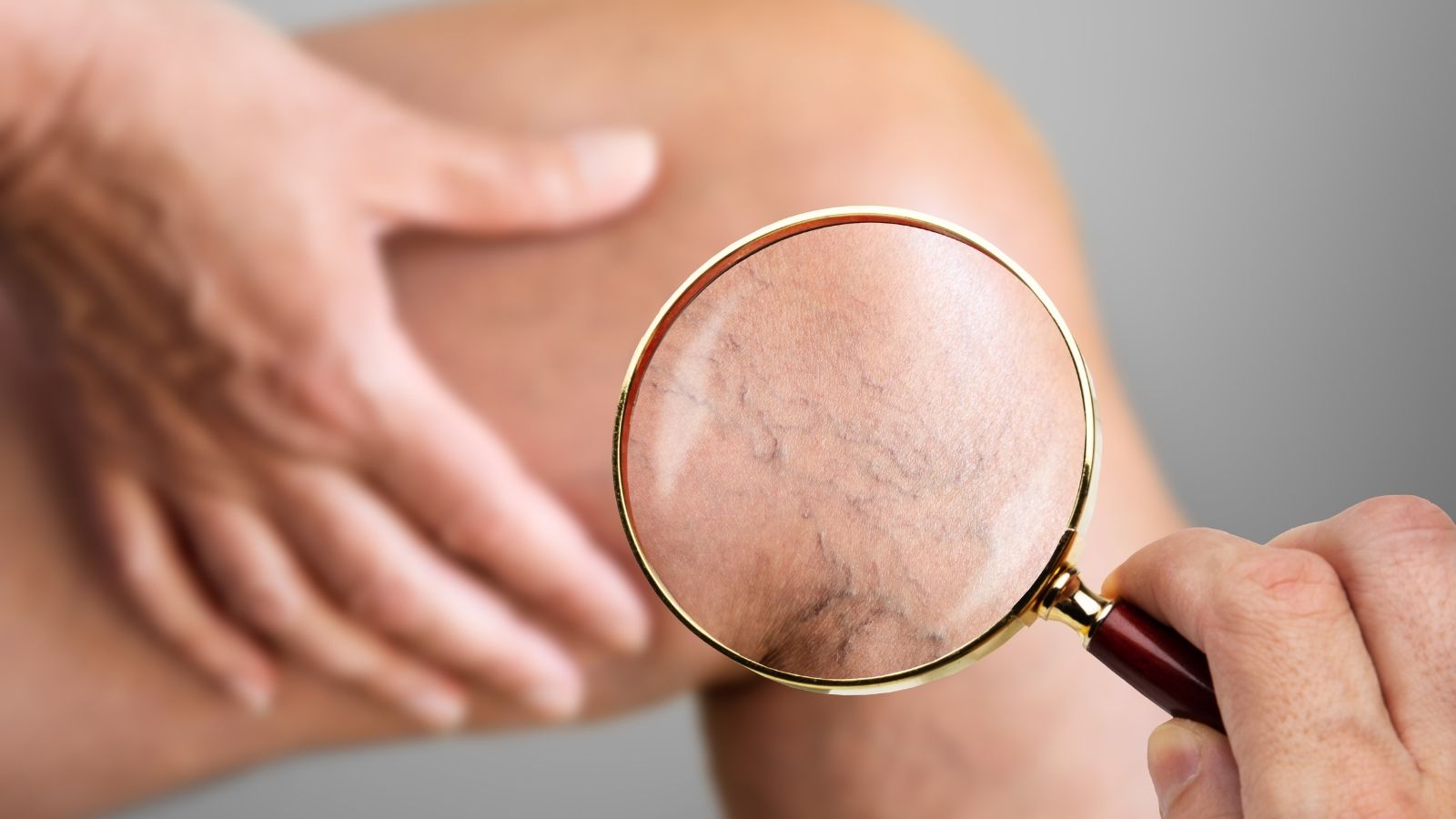
Liquid Sclerotherapy: This is the most classic form of this method. The drug is given in liquid form directly into the vein. It gives excellent results, especially in the treatment of the red, thin, “cobweb-like” capillaries (telangiectasias) and the slightly thicker, bluish-colored reticular veins on the surface of the skin. Ideal for very thin veins.
Foam Sclerotherapy: In this technique, we mix the liquid medicine with air or medical gases in a special way and turn it into foam. The great advantage of this foam is that when it is introduced into the vein, it displaces the blood and makes much more effective contact with the vessel wall. While the liquid medicine can mix with the blood and lose some of its potency, the foam form retains the strength of the medicine. This makes it highly effective even in larger varicose veins. It allows us to treat a larger area with fewer drugs.
Foam Sclerotherapy with Ultrasound: This is the “high-tech” version of sclerotherapy. Sometimes the varicose veins we see in the leg are actually fed by an unseen main vein deeper in the skin. Closing only the surface veins without treating this source vein only temporarily solves the problem. In ultrasound-guided treatment, we use an ultrasound device to get a clear view of the inside of the shaft. This allows us to see with millimeter precision that the needle is inside the target vessel and to monitor the distribution of the drug inside the vessel. Finding and treating these invisible “root” causes maximizes the durability and success of treatment. This method gives us a great advantage, especially in patients with a history of previous unsuccessful treatment or surgery.
Who is a good candidate for varicose veins treatment with sclerotherapy?
Sclerotherapy appeals to a very wide range of patients. If you have one or more of the following conditions, sclerotherapy may be a great option for you:
- If you have aesthetically uncomfortable capillaries or cobweb-shaped vascular clusters on your legs.
- You experience symptoms such as pain, burning, a feeling of heaviness or cramps due to your varicose veins.
- If you have larger varicose veins, usually no more than 4-5 mm in diameter and bulging through the skin.
- If you have had previous varicose vein surgery but still have veins that remain or reappear.
Most importantly, you should have real expectations about the treatment and be willing to adapt to the post-treatment process.
Who should not undergo varicose vein treatment with sclerotherapy?
Patient safety is always our first priority. For this reason, there are some cases where sclerotherapy is not suitable or should be postponed. These are the following conditions:
- Pregnancy
- Breastfeeding period (usually postponed)
- Known severe allergy to the medication to be used in treatment
- Presence of active clots in the leg veins (deep vein thrombosis) or inflammation of the veins (thrombophlebitis)
- Serious and uncontrolled heart, lung or blood disease
- Active skin infection in the area to be treated
- Bedridden condition
In addition, if there is a serious valve insufficiency in your main veins (saphenous veins), it would be a more accurate approach to first resolve this problem with another method such as laser or radiofrequency, and then apply sclerotherapy.
What should be the preparation process before varicose veins treatment with sclerotherapy?
A few simple preparatory steps are sufficient for the treatment to be comfortable and successful:
- What to tell your doctor at your first visit.
- All your chronic diseases
- Previous surgeries
- All known drug allergies
- All medicines you use (especially blood thinners)
- Vitamins and herbal supplements you use
- Things to watch out for on the day of the procedure.
- Do not apply any cream, lotion or oil to your legs.
- Wear loose and comfortable clothes (skirt or loose pants) to the procedure.
- Bringing a pair of shorts with you can increase your comfort.
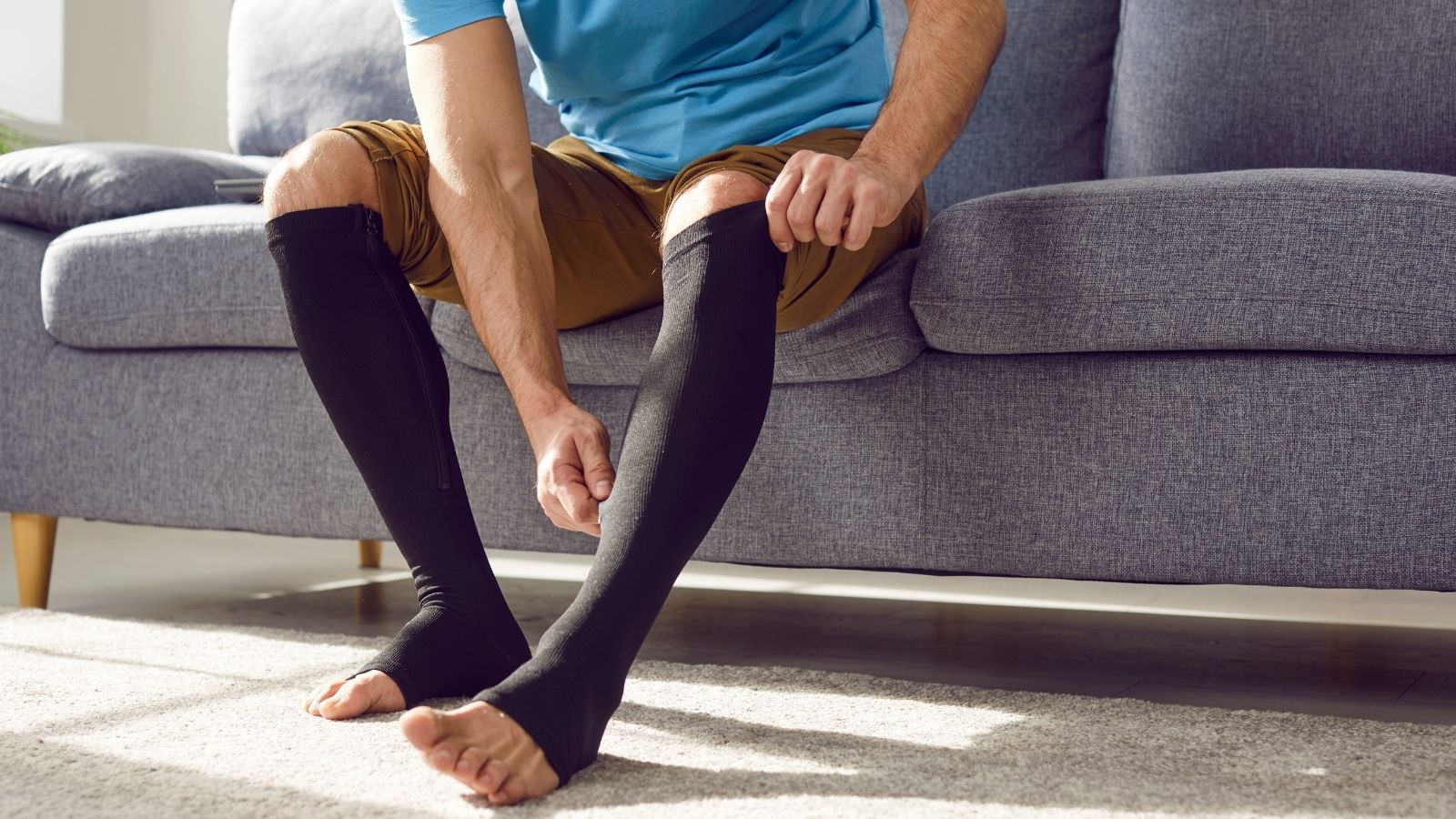
- Bring the varicose vein sock that your doctor has recommended for after the procedure.
- It may be good to have a relative who can drive you home after the procedure.
What Happens During Varicose Veins Treatment with Sclerotherapy?
One of the things that many patients are most curious about is the procedure itself. Sclerotherapy is an extremely simple and painless procedure that usually lasts between 15 and 45 minutes.
After lying comfortably on the examination couch, the process begins. First, your skin in the area to be treated is cleaned with an antiseptic solution. Then, with almost hair-thin needles, the sclerosing medication is injected directly into the problem vessels. Our patients usually describe the insertion of the needle as a slight stinging sensation. There may be a slight burning sensation that lasts for seconds while the drug is being administered, but this sensation disappears immediately. No anesthesia or painkillers are required.
Several injections can be given in one session, depending on the extent of the varicose veins. At the end of the procedure, a pressure bandage is applied to your leg or you put on your varicose vein stockings directly. Afterwards, you can get up immediately and return to your daily life.
What awaits me after varicose veins treatment with sclerotherapy?
The success of the treatment is directly related to how much attention you pay to the post-treatment period. What you should pay attention to during this process is usually one of the most searched topics as things to consider after sclerotherapy.
What you should do immediately after the procedure:
- Walk for about 20-30 minutes.
- Unless your doctor tells you otherwise, do not remove the varicose vein stocking for the first 24-48 hours, including at night.
- For the next 1-3 weeks, continue to wear the stockings only during the day, when you are on your feet.
What to avoid during the recovery process:
- Heavy and strenuous exercises (running, weight lifting)
- Long baths with hot water
- Warm environments such as saunas, Turkish baths, hot springs
- Direct sun exposure of treated areas
- Alcohol consumption for at least 2 days
- Long periods of sedentary travel.
How long will it take to see the results of treatment?
Patience is very important with this treatment, because the results do not appear overnight. The destruction of the veins by the body is a process. For the first few days after treatment, it is completely normal for the injection sites to bruise, redden and for the veins to appear more prominent than before. This is part of the healing process.
First Capillaries: They usually begin to visibly fade and disappear within 3 to 6 weeks.
Medium Varicose Veins: These veins may take 3 to 4 months, sometimes longer, to completely disappear.
The comments and experiences of those who have undergone sclerotherapy also confirm this process. The smooth and healthy leg appearance obtained at the end of the process is definitely worth this waiting period.
What are the advantages and possible side effects of varicose veins treatment with sclerotherapy?
As with any medical intervention, sclerotherapy has its pros and cons.
The main advantages of the treatment are as follows:
- It is not a surgical method.
- There are no incisions, stitches and scars.
- It does not require anesthesia.
- The procedure time is very short.
- Daily life and work can be resumed immediately.
- It quickly relieves complaints such as pain and cramps.
- The aesthetic results are excellent.
Possible side effects are usually mild and temporary:
- Bruising at injection sites
- Temporary redness and itching
- Light Alik
- Transient brown staining along the vascular tracing (hyperpigmentation)
- Very rarely new capillary formation (matting)
- Serious complications (allergy, infection, clots) are extremely rare in experienced hands.
How Many Sessions of Treatment Will I Need?
This is one of the most common questions we face and the answer is completely individualized. The number of sessions varies depending on the type and extent of your varicose veins and your response to the treatment. Sometimes a single session may be sufficient, while sometimes 2-4 sessions scheduled at 4-6 week intervals may be required. This is the most important factor affecting the price and total cost of sclerotherapy. A clear treatment plan and the number of sessions can be determined after your first examination.
Is varicose veins treatment with sclerotherapy a suitable option for me?
If you are unhappy with the appearance of varicose veins in your legs or if your quality of life is reduced due to complaints such as pain and heaviness, sclerotherapy may be a life-changing solution for you too. It is one of the most valuable methods of varicose vein treatment today, being minimally invasive, offering a comfortable process and effective results.
However, do not forget that the most accurate treatment is the treatment planned specifically for you. It is best to decide whether sclerotherapy is the right option for you together with a cardiovascular surgeon, with detailed information about all alternatives and possible outcomes. Always seek the opinion of a specialist before taking any step regarding your health.
Frequently Asked Questions
What is sclerotherapy?
Sclerotherapy is a minimally invasive treatment method that injects a special medication into varicose veins, causing them to close.
Who can Sclerotherapy be applied to?
It is usually applied to patients with small and medium-sized varicose veins. Different treatments are preferred for large veins.
How is sclerotherapy performed?
First, a sclerosing substance is injected into the vein with a needle. This substance destroys the vessel and causes it to close.
Does sclerotherapy hurt?
There may be a slight stinging sensation during the application, but it usually does not cause serious pain.
Is sclerotherapy a permanent solution?
Yes, the treated veins close and cannot be reopened. However, new varicose veins can form in other veins over time.
What is the healing process?
After sclerotherapy, patients can usually return to their daily life immediately. However, it is recommended to wear varicose veins stockings for a few days.
Do I need more than one session?
Yes, depending on the extent of varicose veins, several sessions may be required.
What should be considered after sclerotherapy?
After the application, you should rest with your legs elevated and wear varicose veins stockings for the time recommended by the doctor.
Is sclerotherapy safe?
Yes, it is a very safe and effective method when applied appropriately to the right people.
Are there any side effects?
Mild redness, bruising, itching and temporary skin changes may occur. Rarely an allergic reaction may occur.
Can pregnant women have sclerotherapy?
It is generally not recommended during pregnancy. Treatment should be planned after childbirth.
What is the difference between sclerotherapy and laser treatment?
Sclerotherapy is a chemical process, while laser treatment works with heat energy. Which method is appropriate is evaluated on a patient-specific basis.
Can I do sports after sclerotherapy?
Light walking is recommended, but heavy exercises should be avoided for a few days.
Will scars remain after sclerotherapy?
In most patients, there is no scarring on the skin. Rarely, mild pigmentation may occur.
Does sclerotherapy remove all varicose veins?
It is very effective for small and medium-sized varicose veins. However, large veins may require different treatment.
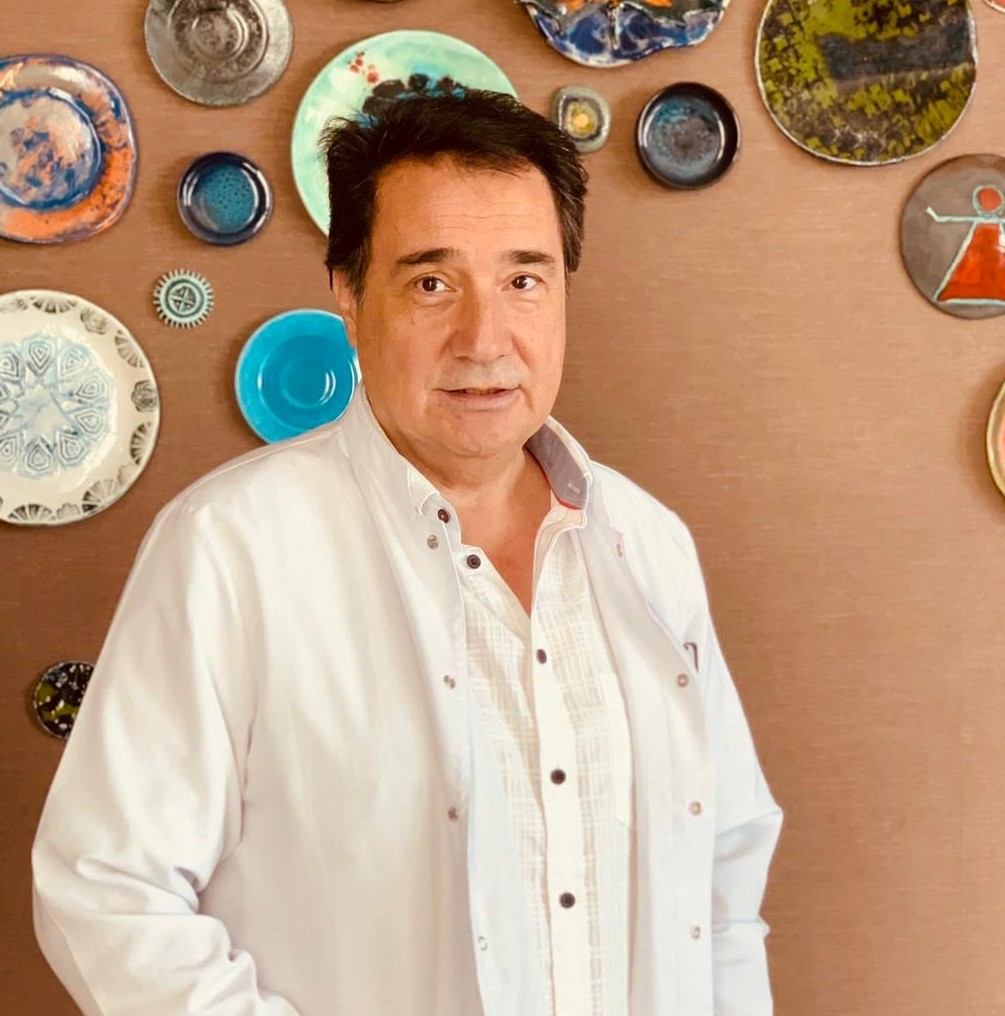
Prof. Dr. Yavuz Beşoğul graduated from Erciyes University Faculty of Medicine in 1989 and completed his specialization in Cardiovascular Surgery in 1996. Between 1997 and 2012, he served at Eskişehir Osmangazi University Faculty of Medicine as Assistant Professor, Associate Professor, and Professor, respectively. Prof. Dr. Beşoğul, one of the pioneers of minimally invasive cardiovascular surgery in Türkiye, has specialized in closed-heart surgeries, underarm heart valve surgery, beating-heart bypass, and peripheral vascular surgery. He worked at Florence Nightingale Kızıltoprak Hospital between 2012–2014, Medicana Çamlıca Hospital between 2014–2017, and İstinye University (Medical Park) Hospital between 2017–2023. With over 100 publications and one book chapter, Prof. Dr. Beşoğul has contributed significantly to the medical literature and is known for his minimally invasive approaches that prioritize patient safety and rapid recovery.