Türkçe
A heart murmur is an abnormal sound heard during the cardiac cycle, often detected by stethoscope examination. It may indicate turbulent blood flow caused by structural or functional heart abnormalities.
Murmurs are classified as innocent or pathological. Innocent murmurs are harmless and often occur in children, while pathological murmurs may signal valve diseases or congenital heart defects requiring medical evaluation.
The diagnosis of heart murmurs involves physical examination, echocardiography, and sometimes Doppler studies to assess blood flow and valve function. These tools provide crucial insight into the underlying cause.
Treatment depends on the identified condition. While benign murmurs need no therapy, pathological murmurs may require medication, interventional procedures, or cardiac surgery to correct valve or structural problems.
| Definition | Abnormal sounds in the heart, heard with a stethoscope during blood flow |
| Causes | Heart valve diseases (narrowing or insufficiency), congenital heart diseases, febrile rheumatism, anemia, thyroid diseases, pregnancy, high fever, increased blood flow |
| Risk Factors | Childhood (physiological murmurs are common), familial heart diseases, previous infections, history of rheumatic fever |
| Symptoms | Most of the time asymptomatic; in advanced cases, shortness of breath, palpitations, chest pain, fainting, weakness |
| Diagnostic Methods | Physical examination (listening with a stethoscope), echocardiography, ECG, chest radiography, blood tests |
| Treatment Methods | Follow-up according to the underlying cause, drug treatment (if there is heart failure or infection), valve surgery (if necessary) |
| Complications | Heart failure, infective endocarditis, rhythm disturbances, embolism |
| Prevention Methods | Early treatment of rheumatic fever and infections, regular follow-up and controls, healthy lifestyle |
What is a heart murmur and what does the doctor actually hear with his stethoscope?
Imagine that your doctor puts a stethoscope to your chest during the examination and listens quietly for a while. What he or she hears is the rhythmic symphony of your heart. Each beat of a healthy heart produces two clear sounds, often described as “lub-dupp”, created by the heart valves closing in a specific sequence. This is the main rhythm of the orchestra. A heart murmur is an extra sound that intervenes between this main rhythm, caused by a disturbance of the normal flow of blood in the heart or in the great vessels leading from the heart. We can liken this sound to the silence of a calm river as it flows smoothly along its bed, but when the river narrows and reaches a rocky area, the water churns and makes a “gurgling” or “buzzing” sound. This “murmur” that your doctor hears is called a murmur.
The most critical information to understand at this point is this: A murmur is not a disease in itself. It is a symptom, a sign. Just as an unusual noise coming from a car engine is a sign that something may be wrong with the engine, a murmur in the heart is a signal that there may be something in your heart that needs closer examination. It can be completely harmless and temporary, or it can be caused by a serious problem with the structure of the heart or its valves that requires treatment. Therefore, instead of panicking when a murmur is heard, the best step is to collaborate with your physician to decipher the source and meaning of this sound.
What Are the Types of Heart Murmurs and How to Tell the Difference Between Them?
The first question that comes to mind when we hear a heart murmur is whether it is dangerous. The answer lies in the type of murmur. Heart murmurs are basically divided into two main groups and understanding this distinction allows you to see the whole process more clearly.
- Innocent (Functional) Murmurs: This is the most common type of murmur and is usually not a cause for concern. As the name suggests, it is “innocent” because there is no underlying heart disease. The heart is completely normal and healthy. But why does a healthy heart have a murmur? The answer lies in the speed of blood flow. In some cases, the heart has to pump more blood, faster than normal, to meet the body’s needs. This increased blood flow can create a slight turbulence – a murmur – as it passes through the heart chambers. This is particularly common in children and newborns, and often disappears on its own as the child grows. Sometimes it can persist harmlessly into adulthood. Innocent murmurs usually cause no symptoms and do not require special treatment.
- Abnormal (pathological) murmurs: This type of murmur requires more careful evaluation because it indicates an underlying heart problem. It means that this murmur is the “sound” of a heart disease. These problems are quite diverse. In childhood, these murmurs are usually caused by congenital heart disease. In adults, however, when we ask what a heart murmur is, we are more often confronted with valvular heart diseases that develop later (acquired) as a result of aging, infections or other diseases. When an abnormal murmur is detected, additional tests are performed to clarify the source of this sound, i.e. the underlying heart problem, and treatment is planned for this problem.
Why the characteristics of a heart murmur are so important for a doctor
When a cardiologist or cardiac surgeon listens to a murmur, they are not just hearing a sound; they are listening to a story told by the heart. The character, timing, intensity and location of the murmur provide valuable clues as to what is wrong.
The timing of the murmur is the most critical information. The phase of the cardiac cycle at which it is heard is key to distinguishing whether the murmur is innocent or abnormal.
- Systolic murmur: This is heard when the heart is contracting and pumping blood around the body. Almost all innocent murmurs are of this type. However, serious valve diseases such as aortic stenosis or mitral regurgitation can also produce murmurs at this time.
- Diastolic murmur: This is heard when the heart relaxes and refills with blood. This resting phase of the heart should normally be completely silent. Hearing a sound during this phase indicates that blood is either leaking back into the heart through high-pressure vessels (aortic/pulmonary insufficiency) or that blood is being forced through a narrow valve (mitral/tricuspid stenosis). A diastolic heart murmur is therefore almost always considered abnormal and requires further investigation.
The severity of the murmur, i.e. how loud it is, is graded on a scale from 1 to 6. Grade 1 is the mildest, audible only with very careful listening, while Grade 6 is a very loud murmur that can be heard even without the stethoscope touching the chest. Usually murmurs of Grade 4 and above are accompanied by a “trill”, a vibration that can be felt with the hand on the chest wall. This is almost always an indication of a significant pathology.
In addition, features such as the pitch of the murmur (whether it is “high-pitched” or “low-pitched”), the focal point where it is heard most clearly, and whether the sound spreads to areas such as the neck or armpits help us to reach the right conclusion by putting the diagnosis together like pieces of a puzzle.
What Temporary Conditions Can Cause a Murmur in an Innocent Heart?
Innocent murmurs are a natural response of a structurally healthy heart to situations that temporarily increase blood flow. When the heart works harder to meet the increased demands of the body, this accelerated blood flow creates an audible sound. An innocent murmur usually occurs in the following situations:
- Fire
- Anemia (anemia)
- Pregnancy
- Overactive thyroid gland (hyperthyroidism)
- Intense exercise or physical activity
- Episodes of rapid growth (childhood and adolescence)
In these cases, there is no need to worry. For example, the murmur will most likely disappear when your child’s fever goes down or the pregnancy is completed. The disappearance of the murmur once the underlying condition is under control is one of the most important proofs of its “innocence”.
Which Heart Valve Diseases Most Commonly Cause an Abnormal Heart Murmur?
When it comes to symptoms and causes of heart murmurs in adults, valvular heart disease tops the list. Our heart has four valves that keep blood flowing in the right direction. These valves are like one-way doors that allow blood to flow forward and prevent it from escaping backwards. Over time or as a result of certain diseases, the structure of these valves can deteriorate. This deterioration mainly manifests itself in two ways.
- Valve Stenosis (Stenosis): In this condition, the valve leaflets thicken, harden and calcify. As a result, the opening through which the valve must open narrows. In order to push the blood through this narrowed opening, the heart has to create much more pressure and contract more strongly than normal. Over time, this leads to fatigue and thickening of the heart muscle. The high-speed, turbulent flow of blood through this narrow and resistant pathway is heard as a murmur. The most common conditions we encounter are aortic and mitral valve stenosis.
- Valve Insufficiency (Regurgitation): In this case, the problem is that the valve cannot close completely. Because the valve leaflets do not fuse properly, after the blood is pumped forward, some of it leaks or escapes backwards through this gap. This backward leakage causes the heart to have to pump both the normal blood it needs to pump forward and the backward blood with each beat. This increases the volume load of the heart and over time leads to enlargement and weakening of the heart chambers. The turbulence created by this backflow causes a murmur. Aortic and mitral valve insufficiency are the most common types of insufficiency.
How Congenital Problems Such as Holes in the Heart Can Lead to a Heart Murmur
Another important cause of abnormal murmurs is congenital heart diseases, which come to mind when a murmur is detected in the heart, especially in infants. The most common of these diseases are openings in the walls of the heart.
The right and left sides of our heart are separated by a wall called the “septum”. This wall prevents oxygen-poor dirty blood from mixing with oxygen-rich clean blood. If there is a hole in this wall, clean blood from the left side, where the pressure is higher, flows continuously through this hole to the right side, where the dirty blood is located. This abnormal blood flow is called a “shunt”. This shunt current causes a characteristic murmur sound due to the high velocity turbulence it generates.
The two most common types of these holes are:
- Ventricular Septal Defect (VSD): A hole in the wall between the lower chambers (ventricles) of the heart. It is the most common of all congenital heart diseases.
- Atrial Septal Defect (ASD): A hole in the wall between the upper chambers (atria) of the heart.
What Symptoms Can Symptoms of an Abnormal Heart Murmur Present?
Again, innocent murmurs usually cause no symptoms. However, if a murmur is caused by an underlying abnormal heart condition, the body may react to this problem with various symptoms. These symptoms are signs that the heart is not pumping enough blood to the body or is straining under increased workload. The presence of any of the following “red flag” symptoms, when combined with a murmur, warrants seeking medical attention:
- Shortness of breath
- Chest pain or feeling of tightness
- Dizziness
- Fainting (syncope)
- Tired more quickly than usual
- Extreme exhaustion
- Swelling in the ankles or legs (edema)
- Sudden weight gain
- Palpitations
- Bruising of the lips or nails (cyanosis)
Why do these symptoms occur? Shortness of breath, for example, can be the result of blood pooling in the lungs, especially in cases such as valvular insufficiency. Chest pain is a sign that the thickened heart muscle is not getting enough oxygen in conditions such as aortic stenosis. Dizziness and fainting are very serious indicators of insufficient blood supply to the brain, especially during exertion, and require urgent evaluation. Swollen feet and sudden weight gain suggest “heart failure”, in which the heart is unable to circulate fluid efficiently. When a baby has a heart murmur, the symptoms may be different. Symptoms such as rapid fatigue when feeding, sweating on the forehead when breastfeeding or drinking formula, not gaining enough weight (failure to thrive) and frequent breathing may indicate an underlying heart problem.
What Diagnostic Methods Are Used to Understand the Cause of a Heart Murmur?
Finding the answer to the question of what is a heart murmur and its cause is a careful and systematic process that moves from uncertainty to certainty.
The process starts with your doctor talking to you in detail (anamnesis) and examining you. Information such as your complaints, family history of heart disease, previous major illnesses is collected. This is followed by listening with a stethoscope (auscultation), which is the heart of the process. Your doctor will analyze all the characteristics of the murmur.
When an abnormal murmur is suspected on physical examination, a series of imaging and testing procedures are used to confirm the diagnosis and clearly identify the underlying cause. These tests turn the sound we hear into “visual evidence”.
- Echocardiography (ECHO): This test is the gold standard and the most important diagnostic tool for evaluating heart murmurs. Real-time, moving images of your heart are obtained using sound waves (ultrasound). It is painless and harmless. ECHO examines in detail the size of the heart chambers, the contractile strength of the heart muscle, the structure and movement of the heart valves and the presence of any damage. Color Doppler technology shows the direction and speed of blood flow through the valves in color, like a weather map. In this way, the degree of valve stenosis or regurgitation can be precisely measured.
- Electrocardiogram (ECG): A quick and simple test that records the electrical activity of the heart. Findings such as thickening of the heart muscle or enlargement of the heart chambers can be indirect evidence of a long-standing valve disease.
- Chest X-ray: Provides an overview of the heart and lungs. Findings such as an increase in the size of the heart or fluid accumulation in the lungs may suggest the presence of significant valve disease or heart failure.
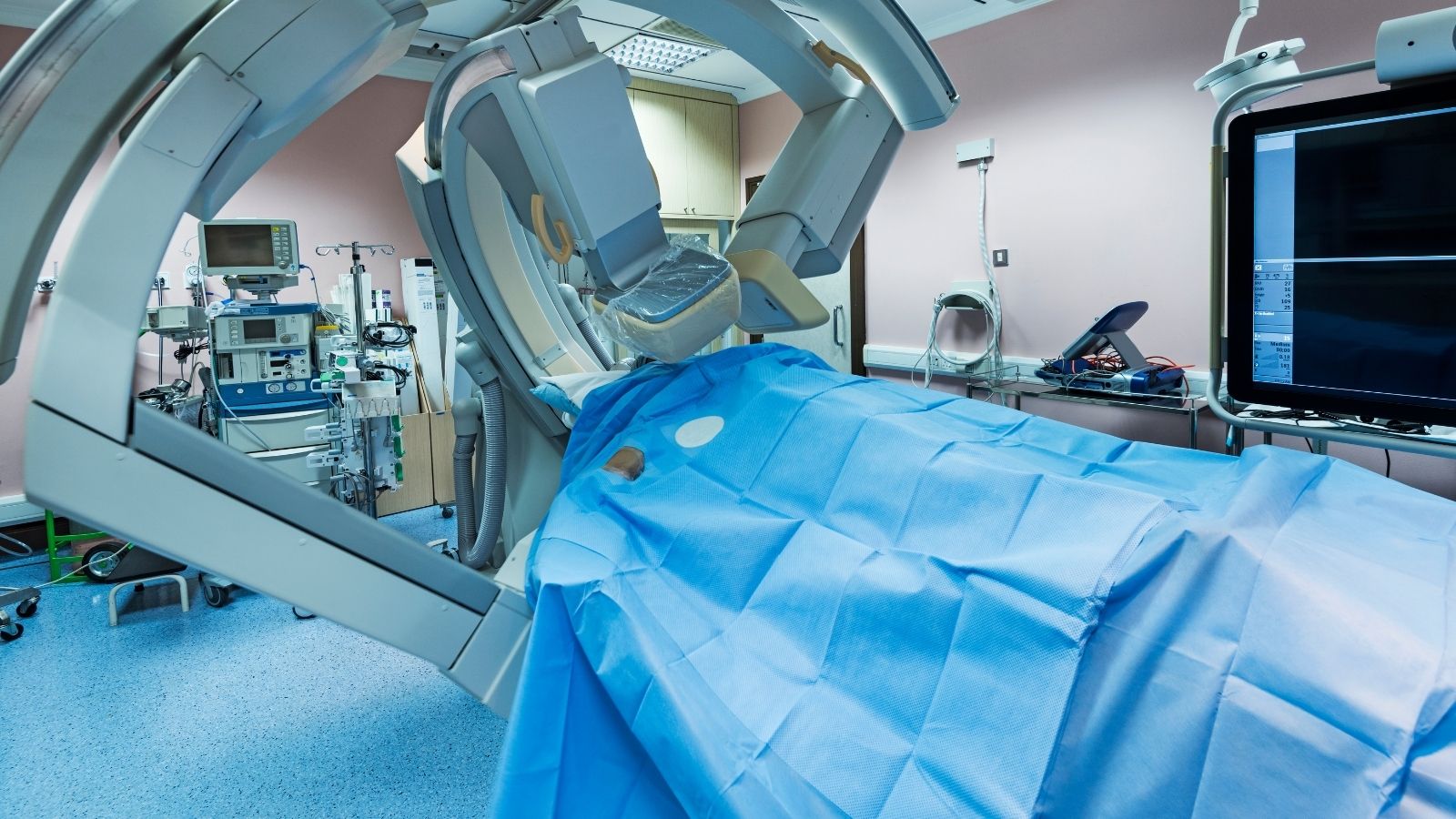
- Cardiac Catheterization: Not needed in most cases. However, it is an advanced procedure used when the results of other tests are uncertain or when additional, definitive information is needed before planning a heart operation. During this procedure, a thin tube (catheter) is inserted through an artery in the groin or wrist to reach the heart and directly measure the pressures inside the heart.
What Methods Are Used to Treat Diseases Causing an Abnormal Heart Murmur?
Treatment of an abnormal heart murmur is directed at the underlying heart problem. The aim of treatment is to control symptoms, ease the workload of the heart, slow the progression of the disease and correct the structural problem in the heart.
Drug treatments do not correct the structural defect in the valve or the hole in the heart, so they do not “cure” the murmur itself. But they are very important for relieving symptoms and protecting the heart. The main groups of medicines used are:
- Blood thinners (anticoagulants)
- Diuretics (diuretics)
- Blood pressure and heart rate regulators (beta blockers, ACE inhibitors)
When drug therapy is inadequate or the underlying valvular disease is so advanced that it disrupts the structure of the heart, surgical or interventional interventions that solve the problem at its root become necessary. Modern medicine has a wide range of options in this area.
- Heart Valve Repair: Whenever possible, our first preference is to preserve and repair the patient’s own valve. This is the most natural method with the best results.
- Heart Valve Replacement: If the valve is damaged beyond repair, it is replaced with an artificial (prosthetic) valve. These valves can be mechanical (metal) or biological (from animal tissue). The choice is based on the patient’s age, lifestyle and general health.
- Minimally Invasive Heart Surgery: Instead of cutting the breastbone completely, surgery is performed through smaller incisions made between the ribs or by opening only a small part of the breastbone. This method offers less pain, faster recovery and better cosmetic results.
- Catheter-based (Transcatheter) Procedures: This is a revolutionary approach to heart treatment. Without any surgical incisions, treatment is achieved by accessing the heart through an artery, usually in the groin.
- TAVI/TAVR: Developed specifically for patients with severe aortic stenosis and high risk of open surgery. A new valve is catheterized into the heart and inserted into the diseased valve.
- MitraClip: In high-risk patients with severe mitral regurgitation, a catheter is used to connect the leaky parts of the valve with a latch to reduce leakage.
- VSD/ASD Closure: In appropriate cases, holes in the heart can be closed non-surgically with a special “umbrella”-like device inserted through a catheter.
What Are the Long-Term Risks of a Serious Untreated Heart Murmur?
The harm from a heart murmur is not directly caused by the murmur itself, but by the consequences of serious underlying valve disease if left untreated. When the heart has to work with a damaged valve, it tries to compensate for the extra load for a while. However, this compensation mechanism does not last forever. Over time, the heart muscle fatigues, weakens and irreversible damage occurs.
Severe aortic stenosis is a particularly striking example. Once symptoms (shortness of breath, chest pain or fainting) appear, if these patients are left untreated, the average life expectancy is only 2-3 years. This prognosis is even worse than for many advanced cancers. However, modern treatments can completely change this bleak picture. A successful aortic valve replacement (either surgically or with TAVI) can bring a patient’s life expectancy back to the normal level of their peers. This emphasizes how life-saving it is to never ignore the symptoms and to intervene in time.
What Lifestyle Should I Adopt If I Have a Heart Murmur Due to Heart Valve Disease?
The treatment of valvular heart disease is not just about medications and surgery. Positive lifestyle changes play a critical role in controlling symptoms, slowing disease progression and maintaining your overall heart health. This is one of the most important parts of your treatment.
Here are the key steps recommended for a heart-healthy lifestyle:
- Reducing salt consumption
- Avoid saturated and trans fats
- Limit processed foods
- Consume plenty of fresh fruits and vegetables
- Prefer whole grain products
- Choosing lean protein sources (fish, chicken, legumes)
- Avoiding sugary drinks and excess sugar
- Quit smoking completely
- Regular physical activity recommended by the doctor (such as walking, swimming)
- Maintaining ideal weight or losing excess weight
- Keeping other diseases such as high blood pressure, high cholesterol and diabetes under control
- Maintain good oral and dental hygiene
- Regular dental check-ups
Among these recommendations, oral and dental hygiene is an often overlooked but vital issue. Poor oral hygiene and gum disease create a gateway for bacteria to enter the bloodstream. These bacteria can settle on damaged or prosthetic heart valves in particular, leading to endocarditis, a life-threatening infection. Regular dental check-ups and good daily oral care are therefore a necessity, not a luxury, for valve patients. Lifestyle changes give you a sense of control over your own health and allow you to actively participate in the treatment process.
Frequently Asked Questions
What is a heart murmur?
Heart murmurs are frictional sounds made by blood passing through the heart valves. It is usually heard with a stethoscope.
Is a heart murmur a serious disease?
Not every murmur is serious. Some are innocent, others may be a symptom of heart disease.
What is an innocent murmur?
An innocent murmur is a harmless sound heard without any structural problems in the heart. It is usually seen in children.
At what age does a heart murmur occur?
It can be seen at any age. Innocent murmurs are common, especially in childhood.
How is a heart murmur diagnosed?
It is usually detected during a doctor’s examination with a stethoscope. ECHO (echocardiography) is performed if necessary.
Is a murmur the same as heart failure?
No, it is not. A murmur is a symptom while heart failure is a disease. A rolling rock sound similar to a murmur may indicate heart failure.
Is a heart murmur treated?
Innocent murmurs do not require treatment. However, if there is underlying heart disease, appropriate treatment is administered.
Is a murmur dangerous in children?
Most childhood murmurs are innocent. However, it should be evaluated by echocardiography.
Is it normal to have a heart murmur during pregnancy?
Temporary murmurs can be heard due to the increased blood volume during pregnancy. A doctor’s check-up is still essential.
Is a heart murmur permanent?
Innocent murmurs may disappear over time. The pathological ones depend on the underlying disease.
Does a murmur cause pain?
The murmur does not cause pain.
Does a heart murmur prevent a child from playing sports?
Innocent murmurs usually do not require restrictions. However, a doctor’s assessment is essential.
Can a murmur be a symptom of other diseases?
Yes, a murmur can be heard. Heart valve diseases, congenital heart anomalies or infections can cause a murmur.
Does a heart murmur pass?
Innocent murmurs may disappear over time. Other types can be controlled with treatment.

Prof. Dr. Yavuz Beşoğul graduated from Erciyes University Faculty of Medicine in 1989 and completed his specialization in Cardiovascular Surgery in 1996. Between 1997 and 2012, he served at Eskişehir Osmangazi University Faculty of Medicine as Assistant Professor, Associate Professor, and Professor, respectively. Prof. Dr. Beşoğul, one of the pioneers of minimally invasive cardiovascular surgery in Türkiye, has specialized in closed-heart surgeries, underarm heart valve surgery, beating-heart bypass, and peripheral vascular surgery. He worked at Florence Nightingale Kızıltoprak Hospital between 2012–2014, Medicana Çamlıca Hospital between 2014–2017, and İstinye University (Medical Park) Hospital between 2017–2023. With over 100 publications and one book chapter, Prof. Dr. Beşoğul has contributed significantly to the medical literature and is known for his minimally invasive approaches that prioritize patient safety and rapid recovery.