

Numbness in the left arm is a neurological or vascular symptom that may signal underlying conditions ranging from temporary nerve compression to serious cardiovascular events such as myocardial infarction or stroke.
Neurological causes of left arm numbness include cervical disc herniation, peripheral nerve entrapment, and neuropathies. These conditions often present with localized weakness, tingling, or pain radiating to the arm.
Vascular causes involve reduced blood supply due to atherosclerosis, arterial compression, or embolism. In acute cases, such as during a heart attack, left arm numbness may accompany chest pain and sweating, demanding emergency care.
Management of left arm numbness requires accurate diagnosis through imaging and neurological assessment. Treatment may include physiotherapy, medication, or surgical intervention depending on the etiology, with urgent attention for cardiovascular causes.
| Possible Causes | Cervical disc herniation, nerve compression, myalgia, anxiety, peripheral neuropathy, stroke, myocardial infarction |
| Emergency Indicator | Sudden numbness in the left arm with chest pain, shortness of breath, sweating, dizziness (may be a sign of a heart attack) |
| Neurological Causes | Cervical radiculopathy, multiple sclerosis, peripheral nerve damage |
| Musculoskeletal System Causes | Muscle strain, shoulder impingement syndrome, neck hernia |
| Cardiovascular Causes | Coronary artery disease, myocardial infarction (heart attack) |
| Diagnostic Methods | Physical examination, EMG, cervical MRI, ECG, blood tests, CT/MR brain imaging |
| Treatment Methods | Depending on the cause: physical therapy, anti-inflammatory drugs, surgery to reduce nerve pressure, emergency medical intervention for heart attack |
| When to consult a doctor? | Numbness is persistent, accompanied by loss of strength or chest pain, slurred speech or loss of consciousness |
What Does Left Arm Numbness Mean Medically?
When you experience numbness, tingling or loss of sensation in your left arm, this basically indicates that there is something wrong with your nervous system. This can be caused by the nerve itself or the blood vessels that supply it. Medically, we consider this condition in two main groups.
Some features of Temporary (Position Dependent) Numbness are as follows:
- It is usually short-lived.
- It occurs after sitting or sleeping in an incorrect position.
- It passes when the position of the arm is changed and blood flow is normalized.
- It is often accompanied by a “pins and needles” sensation.
- Most of the time it is nothing to worry about.
Chronic (persistent) numbness is different and may indicate an underlying problem. Its characteristics are as follows:
- It is continuous or frequently recurrent.
- It does not go away by changing position.
- It may be accompanied by pain, weakness or muscle loss.
- It requires a medical evaluation.
Can Left Arm Numbness Signal an Emergency?
Yes, it certainly can. Although often due to simple causes, sudden onset of left arm numbness, especially when accompanied by other symptoms, can be the first sign of life-threatening conditions such as heart attack or stroke. Recognizing these symptoms is vital to call for help at the right time.
If you have any of the following symptoms along with left arm numbness, this could be a sign of a heart attack and you should call 112 immediately:
- Pressure, tightness, fullness or pain in the center or left side of the chest that lasts longer than a few minutes.
- Discomfort not only in the arm but also in the back, neck, jaw or stomach.
- Sudden onset of shortness of breath.
- Cold sweat.
- Nausea or dizziness.
- Extreme and abnormal fatigue.
A stroke occurs when the blood supply to the brain is cut off and the most typical symptom is sudden weakness or numbness in one half of the body. Symptoms such as numbness in the left arm and left leg may indicate this condition. You can keep the F.A.S.T. rule in mind to easily remember the signs of stroke. If you notice even one of the following symptoms, you should not waste time:
- Facial drooping (when you ask a person to smile, one side of their face slips).
- Arm weakness (when you ask the person to raise both arms, one falls down).
- Speech difficulties (slurred speech or inability to repeat a simple sentence).
- Don’t waste time (if you have any of these symptoms, call 112 immediately without waiting for it to pass).
How Is Heart Attack Associated with Left Arm Numbness?
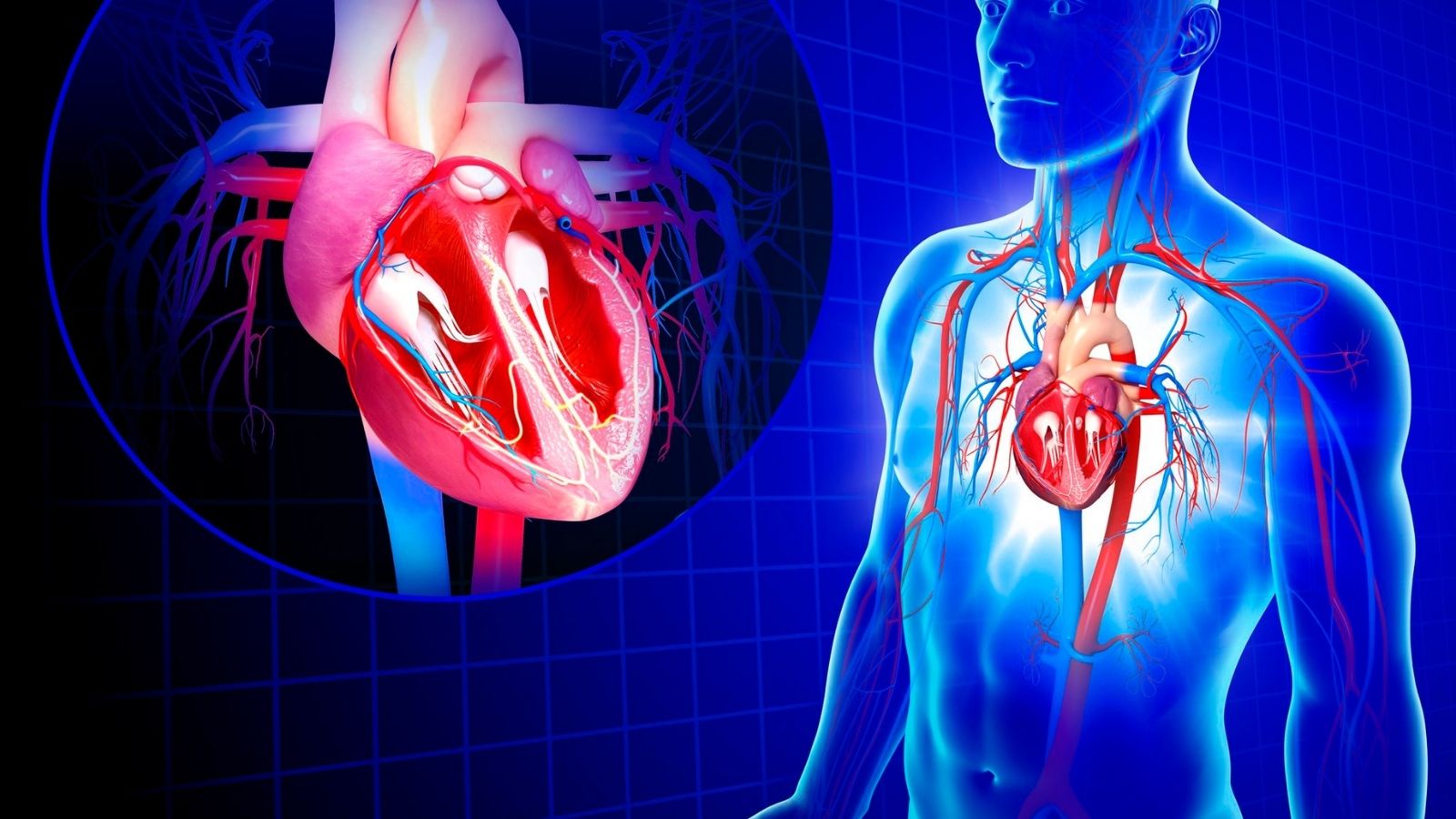
The connection between a heart attack and left arm numbness stems from our body’s complex neural network structure. We call this “reflected pain”. Think of it like this: The nerves carrying pain signals from the heart and the nerves carrying sensory signals from the left arm enter the spinal cord at very close levels. The brain can sometimes be confused when interpreting where these signals are coming from. It may perceive the intense pain signal caused by lack of oxygen in the heart as if it were coming from the arm. This is why a person having a heart attack may feel pain, pressure or numbness and tingling in the left arm, shoulder or jaw instead of or in combination with chest pain. It is important to remember that, especially in diabetics or women, a heart attack can occur without the typical chest pain, but with atypical symptoms such as numbness in the arm or shortness of breath.
Can Peripheral Arterial Disease (PAD) cause Left Arm Numbness?
Yes, Peripheral Arterial Disease (PAD), commonly known as “arteriosclerosis”, can also affect your arms and cause left arm numbness. This disease is a narrowing or blockage of the arteries due to plaques formed by the buildup of cholesterol and fat on the walls of the arteries. Although it is usually thought to affect the legs, the arteries that carry blood to the shoulders and arms can also be affected.
When the blood vessel to the arm is narrowed, the muscles do not receive enough oxygen and blood, especially when you use your arm (carrying something, writing). This can also impair the nerve supply and cause weakness and numbness in the left arm.
Here are some symptoms of Peripheral Arterial Disease in the arm:
- Cramp-like pain that occurs when you use your arm and goes away at rest.
- Numbness, tingling or weakness.
- Muscle loss (thinning) in the affected arm.
- Pale or bluish skin.
- The arm is colder than the other arm.
- Slow nail growth or delayed healing of wounds.
The evaluation of a Cardiovascular Surgery specialist is critical for the diagnosis and treatment of this disease. With modern methods such as angioplasty and stenting, the blocked vessel can be opened to restore blood flow and eliminate complaints such as numbness.
How Thoracic Outlet Syndrome (TOS) Causes Left Arm Numbness
Thoracic Outlet Syndrome is actually a simple compression problem, although the name sounds a bit complicated. The nerves and veins that run from the neck to the arm pass through a narrow tunnel between the collarbone, first rib and some muscles. We call this tunnel the “thoracic outlet”. If nerves or blood vessels are compressed in this narrow space for any reason, Thoracic Outlet Syndrome occurs and this is an important cause of left arm numbness.
There are different types of TOS depending on the nature of the impingement:
- Neurogenic TOS (Nerve Compression)
- Venous TOS (vein compression)
- Arterial TOS (Arterial Compression)
In the most common neurogenic type, the nerves to the arm are pinched, causing pain, numbness and weakness in the arm, shoulder and hand. This can be triggered by poor posture, repetitive overhead movements or an accident. The venous and arterial types, in which veins are compressed, are rarer but more dangerous. They present with symptoms such as sudden swelling, discoloration and coldness in the arm and require urgent medical intervention as they carry serious risks such as clot formation. The diagnosis and surgical treatment of these vascular types falls directly under the specialty of Cardiovascular Surgery.
Does Nerve Pinching Cause Left Arm Numbness?
Yes, the nerves that run along our arm can be compressed by surrounding tissues as they pass through certain points, such as the elbow or wrist. This condition is called nerve compression (compression neuropathy) and is one of the most common causes of left arm numbness. Constant pressure disrupts the nerve’s blood supply and interferes with normal signal transmission, leading to numbness, pain and weakness.
The main nerve compression syndromes that can cause numbness in the left arm are:
- Carpal Tunnel Syndrome (compression of the median nerve in the wrist)
- Cubital Tunnel Syndrome (compression of the ulnar nerve at the elbow)
- Radial Tunnel Syndrome (Compression of the radial nerve in the forearm)
Carpal tunnel syndrome usually causes numbness in the thumb, index and middle fingers, while cubital tunnel syndrome affects the pinky and ring finger. Treatment usually involves rest, splinting and physical therapy. In advanced cases or cases that do not respond to treatment, a surgical procedure may be needed to relieve the nerve.
Is Neck Hernia a Symptom of Left Arm Numbness?
Yes, a herniated disc in the neck is a very common cause of left arm numbness. Between the seven vertebrae in our neck, there are discs that act as shock absorbers. With aging, sudden movement or strain, one of these discs can wear out and protrude outwards, which means it can herniate. If the herniated disc presses on a nerve root that exits the spinal cord and travels to the left arm, symptoms will occur along the line of distribution of the nerve:
- Numbness and tingling in the left arm due to a herniated disc is often accompanied by other symptoms.
- A sharp, burning or electric shock-like pain that starts in the neck and radiates to the shoulder, arm and fingers.
- Decreased or disappearance of sensation in certain areas of the arm.
- Muscle weakness in the arm, hand or fingers.
- Increased pain and numbness in certain positions of the head (e.g. when tilted back or sideways).
Does Peripheral Neuropathy Cause Left Arm Numbness?
Yes, peripheral neuropathy – damage to nerves outside the brain and spinal cord – can cause widespread numbness, burning and pain in the arms and legs. This is a systemic problem that usually affects more than one nerve, not just one. Damaged nerves cannot send accurate and consistent signals to the brain, leading to sensory defects.
Peripheral neuropathy can have many different causes:
- Diabetes (Most common cause)
- Vitamin deficiencies such as vitamin B12
- Excessive alcohol consumption
- Autoimmune diseases such as rheumatoid arthritis or lupus
- Some chemotherapy drugs used in cancer treatment
- Chronic kidney or liver disease
- Infections such as Lyme or shingles
Symptoms usually start gradually, in a “stocking-glove” fashion, first on the extremities, gradually spreading upwards to the arms and legs. Treatment focuses entirely on finding and controlling the underlying cause.
How Brachial Plexus Injury Causes Left Arm Numbness
The brachial plexus is a very important nerve network that extends from the neck to the armpit and provides all movement and sensation in the arm. If this nerve network is stretched, pinched or, in the worst case scenario, severed during an accident, fall or difficult delivery, it can lead to serious loss of function in the arm. This injury can cause a wide range of symptoms, from a slight numbness in the arm to complete paralysis.
Common causes of these injuries are:
- Motorcycles and traffic accidents
- Falls from height
- Contact sports such as American football
- Sticking of the baby’s shoulder during labor (Erb’s palsy)
- Tumors or radiotherapy in the area
Mild strain-type injuries usually improve with physical therapy over time. However, in severe injuries where the nerve is severed, complex microsurgery such as nerve repair or nerve transfer may be required to restore function.
Do Musculoskeletal Problems Cause Left Arm Numbness?
Yes, sometimes left arm numbness is not caused directly by a nerve or blood vessel problem, but by a problem in the surrounding muscles, tendons or joints. An inflammation or injury in the shoulder or elbow can cause swelling, which can put pressure on nearby nerves and indirectly lead to numbness.
Some musculoskeletal problems that can cause this condition are:
- Rotator cuff tears or tendinitis in the shoulder
- Bursitis (inflammation of the joint cushion) in the shoulder or elbow joint
- Tendonitis due to overuse, such as tennis elbow or golfer’s elbow
- Muscle spasms and trigger points
Such problems are often accompanied by pain that worsens with a specific movement. Treatment usually includes rest, ice application, anti-inflammatory drugs and physical therapy.
Can Anxiety and Panic Attacks Cause Left Arm Numbness?
Yes, as surprising as it may sound, anxiety is a very common trigger for left arm numbness. Anxiety, and panic attacks in particular, are not just a mental state; they cause very strong physical reactions in the body. When the body perceives a threat, it activates the “fight or flight” response. Here is what happened in the meantime:
- Stress hormones such as adrenaline are released.
- Heartbeat and breathing speed up.
- Blood is redirected to vital organs and large muscle groups.
- During this redistribution, blood flow to limbs such as hands and arms is temporarily reduced.
- In addition, rapid and shallow breathing (hyperventilation) alters the balance of carbon dioxide in the blood, causing blood vessels to constrict and numbness.
Anxiety-induced numbness is not dangerous and usually goes away on its own when the person calms down. However, if you experience this symptom constantly, you should always consult a doctor to rule out another underlying medical cause.
Which examinations are performed to determine the cause of left arm numbness?
Finding the cause behind left arm numbness requires piecing together clues like a detective. The first and most important step in this process is a detailed discussion and examination with your doctor. The following steps are usually followed on the way to diagnosis:
- Finding out your medical history (diabetes, thyroid, previous surgeries, etc.).
- Detailed questioning of your complaints (when did they start, where are they felt, what increases/decreases them?)
- A comprehensive physical examination (examination of the arm, shoulder and neck area).
- A detailed neurological examination.
- Sensory tests (touch, pain, sensation of hot/cold).
- Muscle strength tests.
- Control of reflexes.
This initial assessment allows your doctor to get an idea of the possible source of the problem and decide which further tests to order if necessary.
Which Imaging and Tests are Used in the Diagnosis of Left Arm Numbness?
After a physical examination, your doctor may order more specific tests for the suspected cause. These tests help to pinpoint the source of the problem.
Here are some tests that can be used to understand the cause of numbness:
- Blood tests (vitamin levels, blood sugar, infection markers)
- Electrocardiogram (ECG) (in case of suspected heart attack)
- X-ray (to see bone structures)
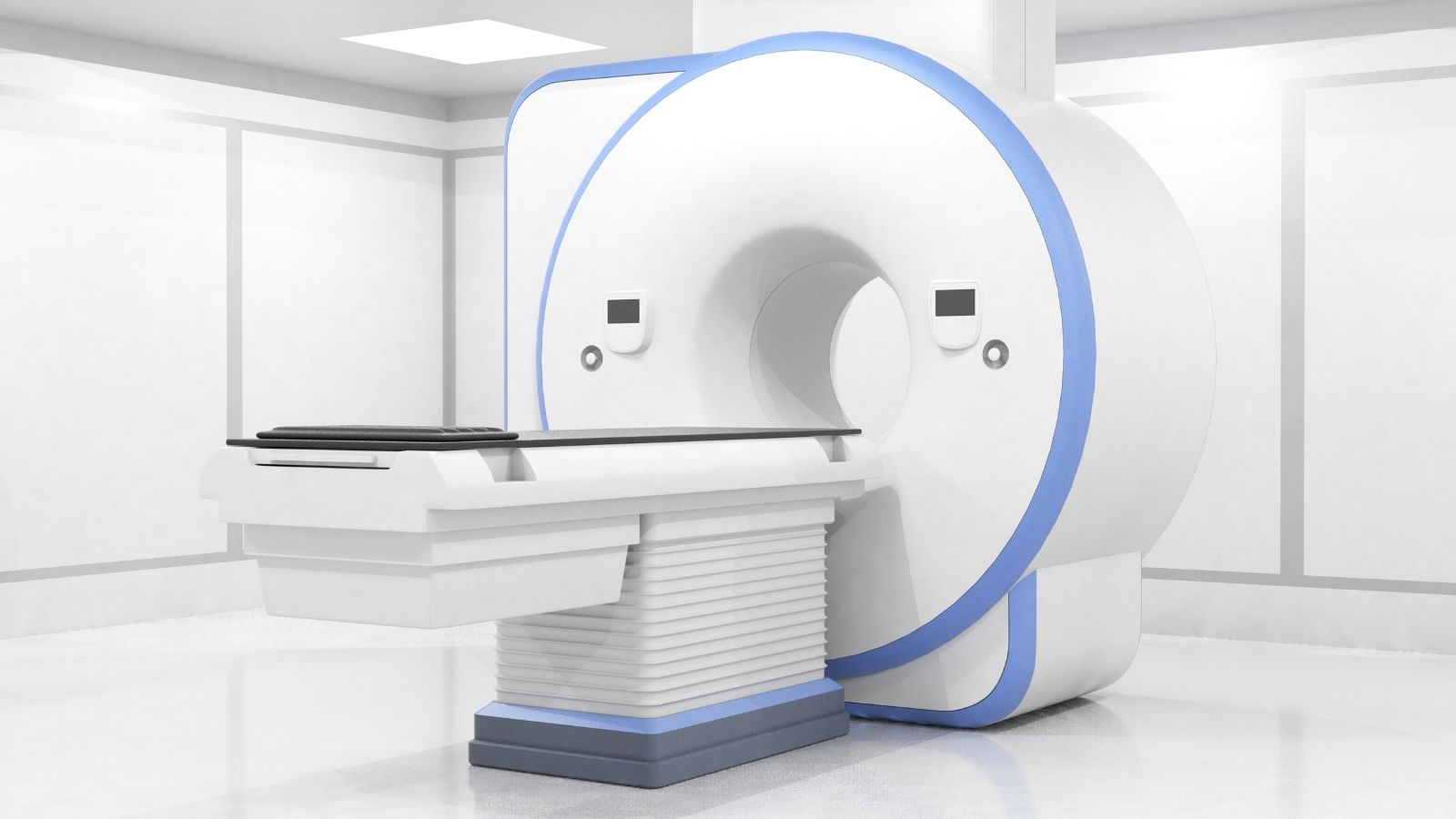
- Magnetic Resonance Imaging (MRI) (The most valuable test to see soft tissues, neck hernia, nerves)
- Computed Tomography (CT)
- EMG / NCS (to measure the electrical function of nerves and muscles)
- Angiogram (to visualize vessel blockages)
How to Plan Left Arm Numbness Treatment?
The answer to the question of how to relieve numbness in the left arm depends entirely on what is causing the numbness. Therefore, there is no “one-size-fits-all” treatment. Treatment is planned individually after the correct diagnosis has been made. The aim is not only to relieve the numbness, but also to eliminate the underlying cause and prevent permanent damage. For example, if there is vitamin B12 deficiency, vitamin supplements are given. If there is carpal tunnel syndrome, wrist splints and physical therapy are tried. If the problem is diabetes, regulating blood sugar is the basis of treatment. If there is a blockage of a blood vessel, then more interventional treatments are needed.
How to Treat Left Arm Numbness of Cardiovascular Origin?
When the cause of left arm numbness is a problem in the heart or vascular system, treatment focuses directly on restoring blood flow. This both relieves symptoms and prevents serious complications such as heart attack or gangrene. Treatments in this area fall within the specialty of Cardiovascular Surgery specialists.
The main approaches followed in treatment are as follows:
- Lifestyle changes (healthy eating, exercise, smoking cessation).
- Medication (Blood thinners, cholesterol and blood pressure medications).
- Angioplasty and Stenting (opening the blocked vessel with a balloon and stent).
- Bypass surgery (creating a new vascular access beyond the blocked vessel).
- Thoracic Outlet Syndrome (TOS) Surgery (removal of the rib or muscle causing the compression).
Especially with minimally invasive procedures such as angioplasty and stenting, which are performed through a small incision, blocked vessels in the arm can be successfully opened and the patient’s complaints such as numbness and pain can be quickly relieved.
What treatments are available for neurological and musculoskeletal left arm numbness?
When the cause of numbness is a pinched nerve, herniated disc or musculoskeletal problem, treatment usually focuses on reducing pressure on the nerve and restoring function.
The main conservative (non-surgical) treatment methods applied in these cases are as follows:
- Physical therapy and rehabilitation (the most important treatment step).
- Customized exercise programs.
- Posture training.
- Anti-inflammatory drugs or neuropathic pain medication.
- Use of special splints for the wrist or elbow.
- Corticosteroid injections into the affected area.
In patients who do not respond adequately to these treatments and who have progressive weakness or severe loss of sensation, surgical intervention is considered as an option to remove the pressure.
What Can Be Done to Prevent Left Arm Numbness?
In many cases, it is up to us to prevent or reduce the risk of left arm numbness. Some simple changes to our lifestyle and daily habits can prevent us from experiencing this problem in the future. Here are some precautions you can take before thinking about what is good for arm numbness:
- Try to maintain an upright posture when sitting and standing.
- If you work at a computer, make sure the screen, keyboard and chair are ergonomic.
- Avoid staying in the same position for long periods of time, take frequent breaks and move around.
- Avoid lying on your arm or in the wrong position.
- If you have a job that requires repetitive hand and arm movements, do stretching exercises regularly.
- Maintain a healthy weight.
- Exercise regularly to improve blood circulation.
- If you have a chronic disease such as diabetes, high blood pressure or high cholesterol, keep it under control by following your doctor’s advice.
- If you smoke, quit, because smoking is one of the biggest enemies of vascular health.
Frequently Asked Questions About Left Arm Numbness
What is left arm numbness?
Left arm numbness is a sensory disturbance in the form of numbness, tingling or tingling in all or part of the arm.
Is left arm numbness a sign of a heart attack?
Yes, it can be a sign of a heart attack and requires immediate medical attention, especially if it is accompanied by chest pain, shortness of breath and sweating.
Is every left arm numbness heart-related?
No, many other causes can cause numbness in the left arm, such as a pinched nerve, a herniated disc in the neck, diabetic neuropathy.
What diseases can left arm numbness be a symptom of?
Many conditions such as heart attack, stroke, nerve compression, cervical disc herniation, multiple sclerosis (MS), B12 deficiency can cause this complaint.
Can left arm numbness be temporary?
Yes, prolonged pressure on the arm or temporary circulatory disturbances can cause short-term numbness.
Which doctor to consult for left arm numbness?
Neurology, cardiology or orthopedics may be consulted; referral is made according to symptoms.
What causes left arm numbness at night?
It can occur due to nerve compression during sleep, circulatory problems or compression due to sleeping position.
Does a cervical hernia affect the left arm?
Yes, compression of the nerves in the cervical vertebrae can cause numbness and pain in the arm, shoulder and hand.
Does stress cause left arm numbness?
Yes, numbness and tingling in the left arm can occur, especially during muscle contractions and panic attacks.
Can left arm numbness be treated?
Depending on the cause, this complaint can be controlled with physical therapy, medical or surgical treatment.
Is left arm numbness dangerous?
Depending on the cause, it can be life-threatening. Especially sudden and widespread numbness should be taken seriously.
What does headache with left arm numbness mean?
This may be a sign of a stroke. Urgent hospitalization is required.
What to do if left arm numbness becomes permanent?
You should consult a doctor, the underlying cause should be investigated and appropriate treatment should be started.
Does B12 deficiency affect the left arm?
Yes, vitamin B12 deficiency can cause numbness and tingling, especially in the hands and arms.
What to do to prevent left arm numbness?
It is important to exercise regularly, avoid bad posture, take enough vitamins and avoid stress. Remember, if you take your body’s signals seriously, it’s up to you to protect your health!

Prof. Dr. Yavuz Beşoğul graduated from Erciyes University Faculty of Medicine in 1989 and completed his specialization in Cardiovascular Surgery in 1996. Between 1997 and 2012, he served at Eskişehir Osmangazi University Faculty of Medicine as Assistant Professor, Associate Professor, and Professor, respectively. Prof. Dr. Beşoğul, one of the pioneers of minimally invasive cardiovascular surgery in Türkiye, has specialized in closed-heart surgeries, underarm heart valve surgery, beating-heart bypass, and peripheral vascular surgery. He worked at Florence Nightingale Kızıltoprak Hospital between 2012–2014, Medicana Çamlıca Hospital between 2014–2017, and İstinye University (Medical Park) Hospital between 2017–2023. With over 100 publications and one book chapter, Prof. Dr. Beşoğul has contributed significantly to the medical literature and is known for his minimally invasive approaches that prioritize patient safety and rapid recovery.