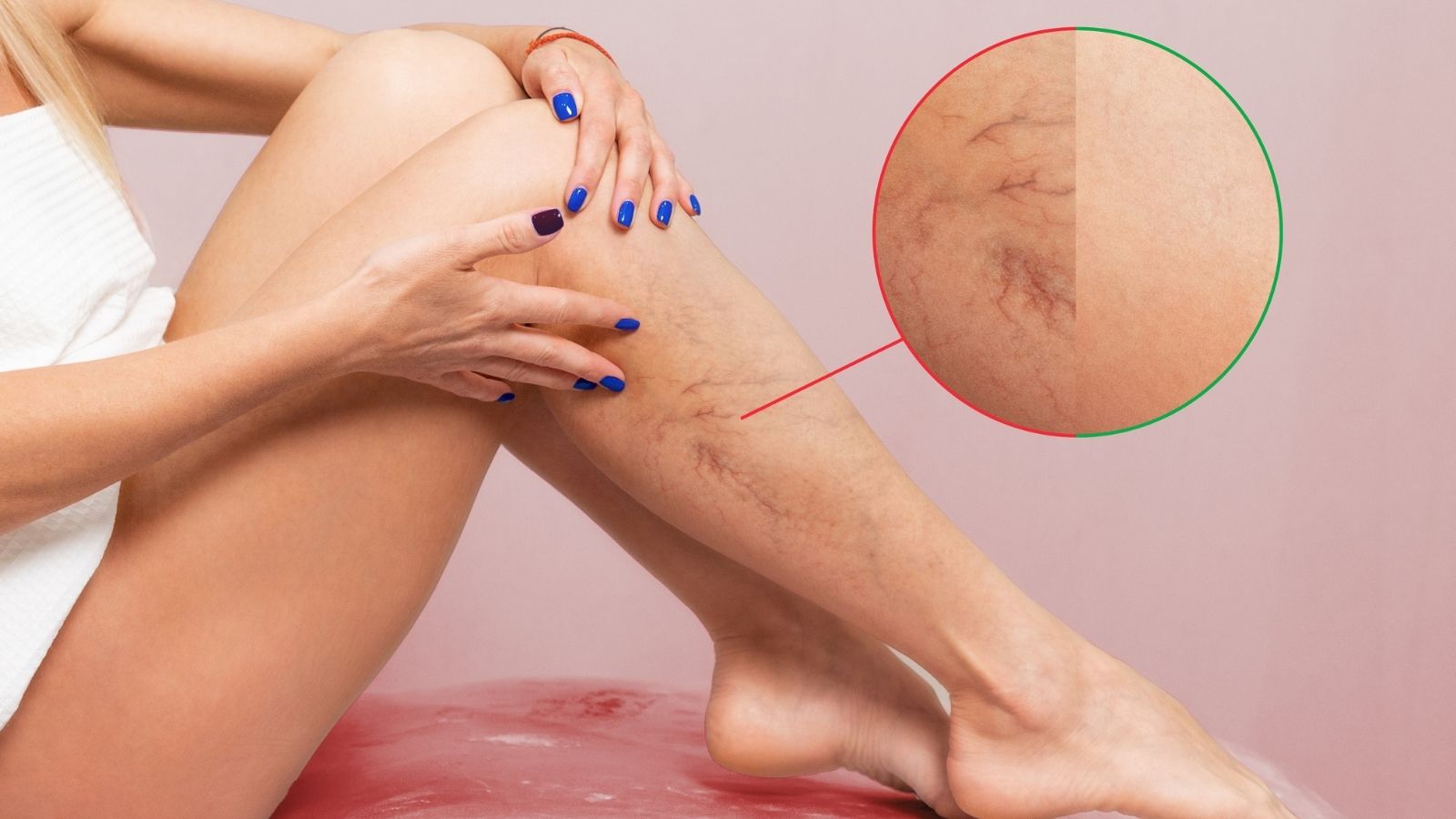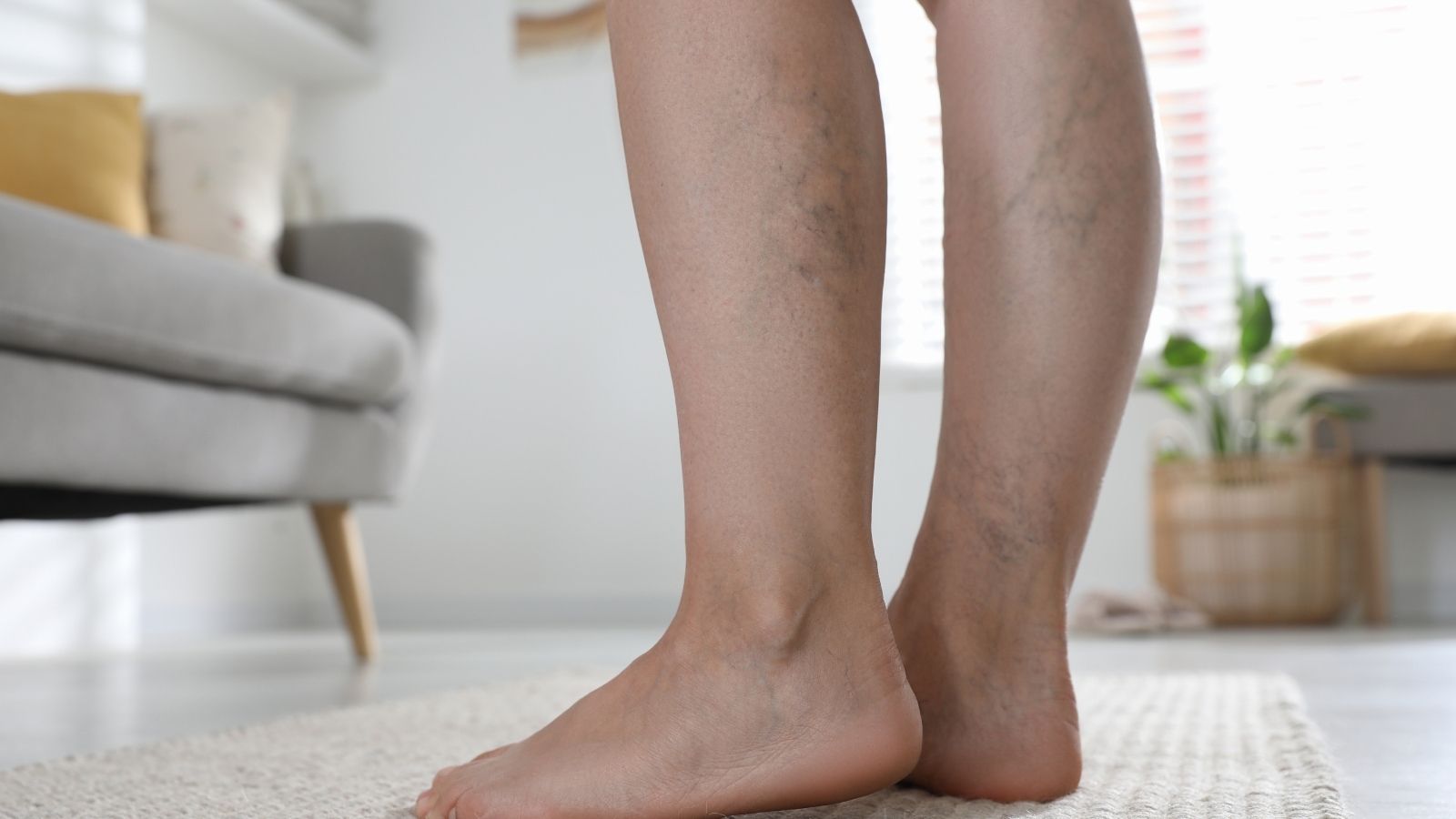


Varicose veins are dilated, tortuous superficial veins that commonly develop in the legs due to venous valve insufficiency. They are a frequent vascular disorder that may cause discomfort, swelling, and cosmetic concerns.
Risk factors for varicose veins include genetic predisposition, prolonged standing, obesity, and pregnancy. These factors increase venous pressure, leading to progressive vein dilation and valve dysfunction.
Diagnosis relies on clinical examination and duplex ultrasound imaging, which evaluates venous reflux and identifies the extent of venous insufficiency. Accurate diagnosis guides appropriate therapeutic strategies.
Treatment options range from lifestyle changes and compression therapy to minimally invasive procedures such as endovenous laser ablation and sclerotherapy. Surgical vein stripping may be considered for severe cases.
|
Other Names |
Varicose veins, superficial venous insufficiency |
|
Affected System |
Circulatory System (Venous system) |
|
Causes |
Dysfunction of vein valves, weakness of the vessel wall |
|
Risk Factors |
Genetic predisposition, prolonged standing, pregnancy, obesity, age, female gender |
|
Symptoms |
Prominent, swollen veins in the legs; pain, feeling of heaviness, edema, itching, night cramps |
|
Diagnostic Methods |
Physical examination, Doppler ultrasonography, venous mapping |
|
Complications |
Venous ulcer, skin changes, thrombophlebitis, bleeding |
|
Treatment Methods |
Today, cancer-free surgery is performed without anesthesia, without incision. Vascular embolization is performed with a catheter under ultrasound guidance and the patient is discharged the same day and resumes normal life. |
|
Prevention |
Regular exercise, healthy weight, avoidance of prolonged standing or sitting |
|
Frequency of Appearance |
Very common; seen in about -25% of adults |
|
Prognosis |
Symptoms can be reduced with treatment, but may not be completely prevented |
What are varicose veins on the legs and why do they occur?
Varicose veins, in its simplest definition, is the permanent enlargement, elongation and twisting of the veins. The main mechanism underlying this problem is persistently high blood pressure in the veins, i.e. venous hypertension. For many years, it was thought that this problem was caused primarily by deterioration of the valves in the vein. However, modern medical understanding today shows us that the real and primary problem is a structural weakness in the vessel wall itself.
We can think of this as a genetic inheritance. If you have a family history of varicose veins, the connective tissue of your vein walls may be weaker from birth. This weak vein wall cannot withstand even normal blood pressure and gradually begins to stretch and dilate over time. As the vessel expands, the edges of the valves inside it pull away from each other and can no longer do their job, just as an expanding door frame cannot close the door properly. At this point, reflux, that is, the backward movement of blood due to gravity, begins.
The refluxing blood, which accumulates in the vessel, further increases the pressure inside the vessel and this leads to a restriction. The increased pressure causes the vein to dilate further, the dilated vein develops valvular insufficiency, which further increases the pressure and causes the disease to progress. Therefore, the real answer to the question of why varicose veins occur is that a genetically predisposed, weak vessel wall succumbs to increasing pressure over time. There are also some important risk factors that trigger and accelerate this process. These factors make the underlying weakness manifest earlier or more severely.
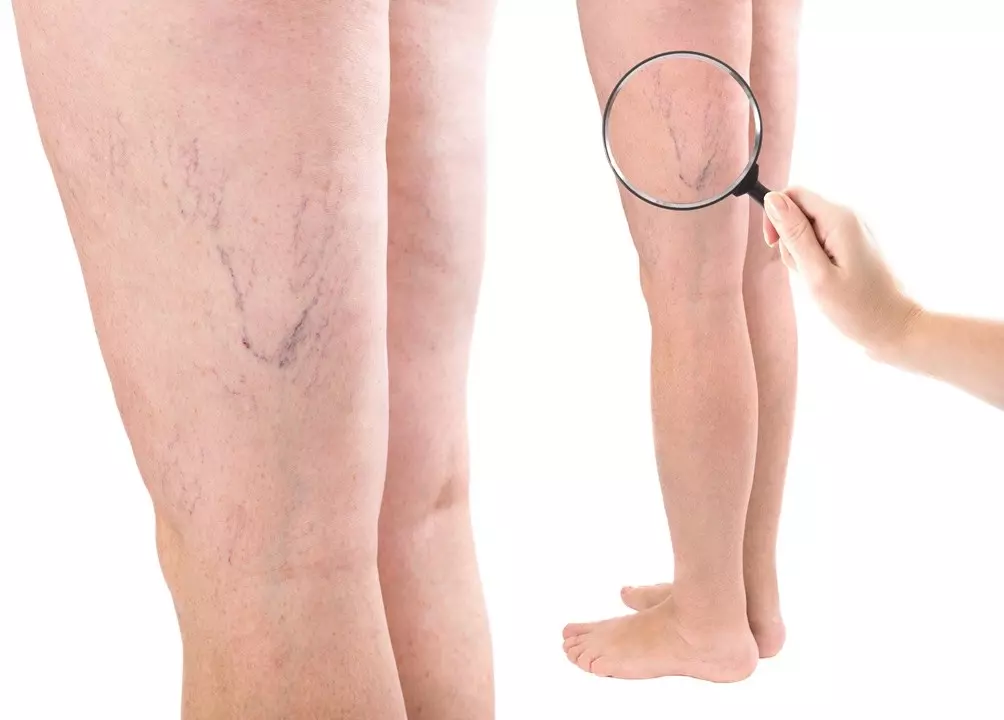
What are the most common symptoms of varicose veins?
Varicose veins are not always visible only with the eyes. It can cause many complaints, especially in the legs, which are also called internal varicose veins symptoms and seriously impair the quality of daily life. These symptoms vary from person to person, but the most common ones are the following:
- Dull, throbbing or aching pain in the legs
- Feeling of heaviness, especially in the evening
- Fatigue and exhaustion in the legs
- Heat in the ankles and legs (edema)
- Severe night cramps that wake you from sleep
- Itching of the skin over enlarged veins
- Burning or hot sensation
- Sensations similar to restless leg syndrome
The most characteristic feature of these complaints is that they worsen with prolonged standing or sitting, and are significantly reduced by lifting the legs up and resting them. This is one of the most important evidence that the problem is of venous origin and requires consultation with a specialist.
Does every vein dilatation we see require the same varicose vein treatment?
No, not every vein enlargement we see in the legs is the same and each may require a different approach. Clinically, varicose veins are divided into three main categories based on their size and appearance. This classification is important for both diagnosis and treatment planning. Treatment for varicose veins in the leg is tailored according to these types.
The types of varicose veins are as follows:
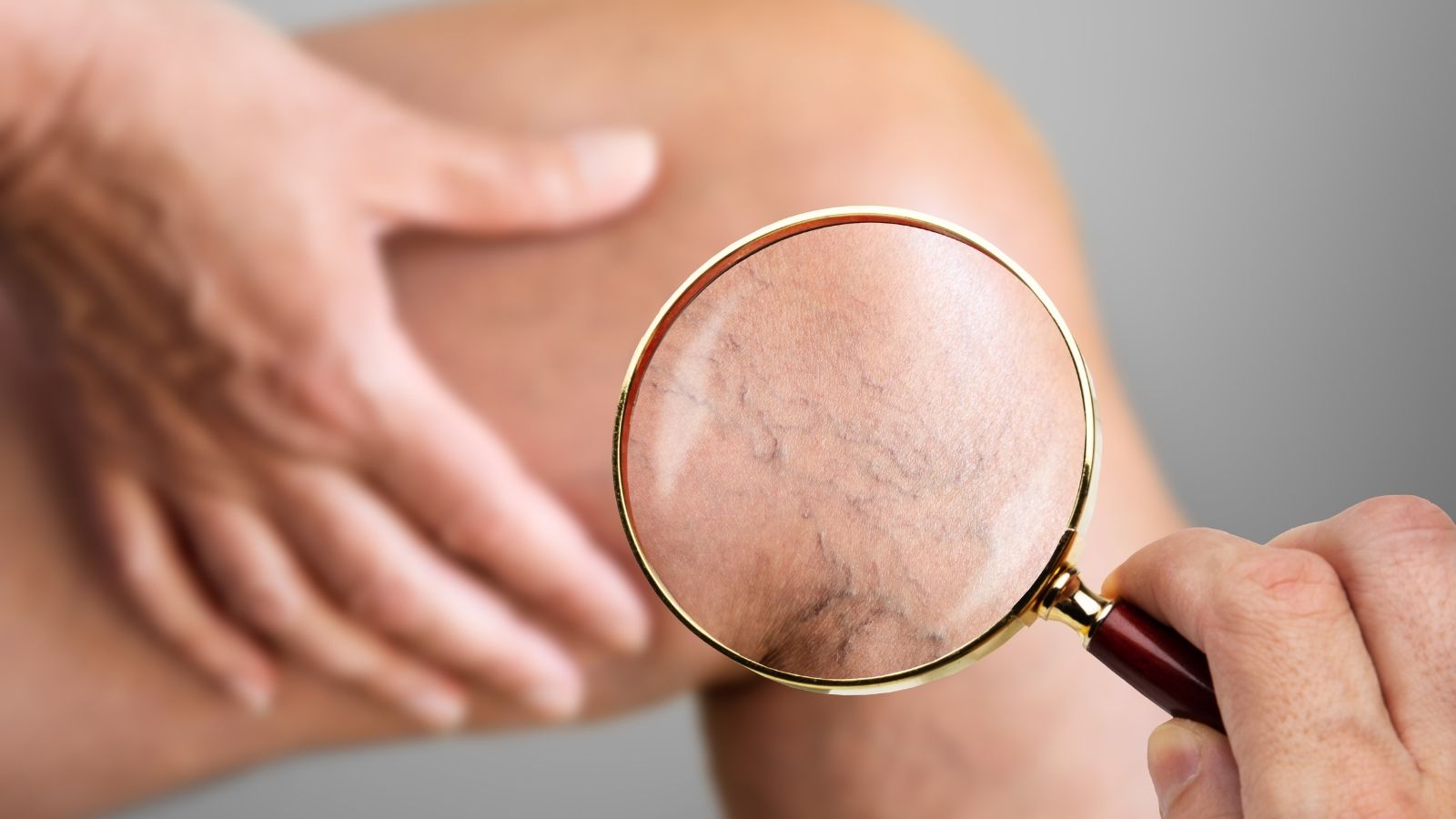
Telangiectasias (capillary varicose veins): These are cobweb-like veins located in the most superficial layer of the skin, usually thinner than 1 millimeter, red or purple in color.
Reticular Varicose Veins: Veins that are slightly raised from the skin, 1 to 3 millimeters in diameter, bluish or greenish in color, often appearing in a scar-like structure.
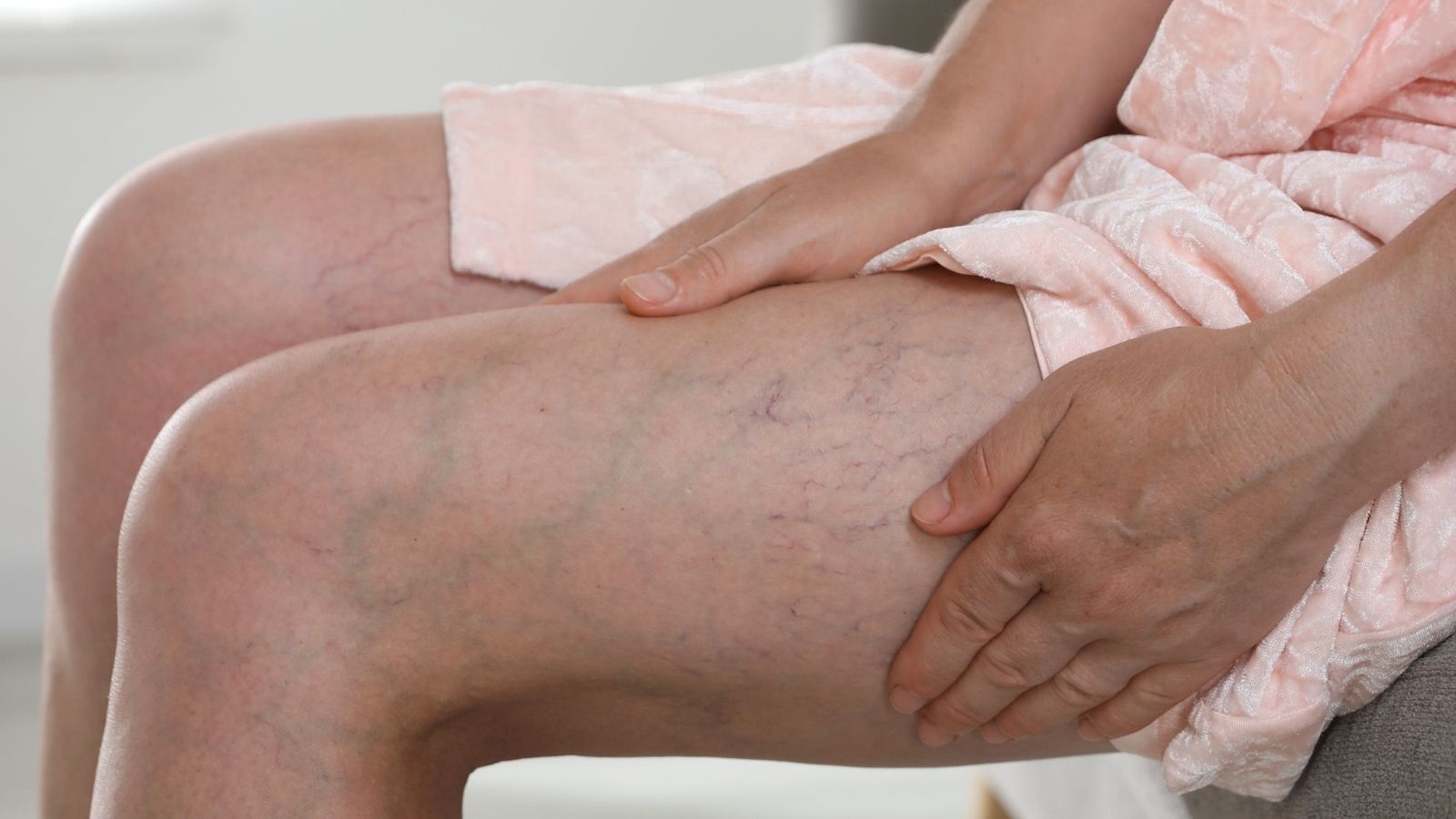
Varicose Veins (Large Varicose Veins): These are classic varicose veins that are prominently enlarged under the skin, palpable, tortuous and thicker than 3 millimeters. This is the group with the highest potential to cause major complaints and serious health problems.
What causes varicose veins in young people and who is at risk?
Although varicose veins are generally known as a disease of advanced age, the question of why varicose veins occur in young people often arises. The main reason for this is, as we have already mentioned, a genetic predisposition to the disease. If a person has a genetic predisposition to weakness of the vascular wall, varicose veins can appear at a much earlier age due to trigger factors. Therefore, it is not surprising to see varicose veins in your 20s or 30s.
There are some important risk factors that facilitate the development of the disease and accelerate the process. People and conditions in the risk group are as follows:
- Family history: The presence of varicose veins in first-degree relatives such as mother, father or siblings is the most important risk factor.
- Advanced Age: Over time, the vessel walls and valves naturally weaken.
- Gender: More common in women due to hormonal fluctuations (especially the vasodilating effect of the hormone progesterone).
- Pregnancy: Increased blood volume during pregnancy, hormonal changes and the pressure of the growing uterus on the leg veins trigger varicose veins.
- Obesity: Excess body weight increases intra-abdominal pressure and therefore pressure in the leg veins.
- Sedentary Lifestyle: Occupations that require standing or sitting in a fixed position for long periods of time (teachers, surgeons, hairdressers, office workers) are a serious risk factor.
Which methods are used for the correct diagnosis of varicose veins?
The diagnosis of varicose veins begins with a detailed physical examination by a specialized cardiovascular surgeon. The surgeon observes your legs while you are standing and assesses the location, extent and severity of varicose veins. A preliminary diagnosis is made by listening to your complaints, lifestyle and family history. However, the most critical and indispensable step in modern varicose vein treatment planning is Color Doppler Ultrasonography (DUS) examination. This examination draws a road map of the treatment.
Doppler ultrasound is a painless and harmless method that uses sound waves to visualize the internal structure of blood vessels and, most importantly, the direction and speed of blood flow in real time. A well-performed Doppler ultrasound is vital to the success of a treatment and provides the following critical information: Which vein has a problem, where the problem starts (groin, back of the knee, etc.), how much blood the valves in the vein are letting back (reflux time), the diameter and course of the veins and, most importantly, the health of the deep vein system that provides the main blood supply to the leg.
The most important point of this examination is that the patient must be in a standing position. This is because only in this way can the vessels fill up under the influence of gravity and valve insufficiency (backflow) can be accurately detected. An examination performed in the supine position is completely inadequate and misleading in the diagnosis of varicose veins, as it can conceal valve insufficiency. Starting treatment without a quality Doppler examination is like trying to find your way in the dark and can lead to unsuccessful treatment or recurrence of the problem.
Is It Possible to Treat Varicose Veins at Home, Which Methods Work?
One of the issues that patients are most curious about is whether varicose veins will go away on their own or whether it is possible to get rid of this problem with varicose vein treatment at home. The answer to this question is unfortunately no. A varicose vein that is structurally deformed, enlarged and whose valves have lost their function cannot return to its former healthy state without creams, herbal cures or other external intervention.
However, this does not mean that there is nothing we can do at home. Some lifestyle changes and measures, called conservative treatment, are extremely valuable in relieving existing symptoms (pain, aching, fatigue) and slowing the deterioration of the disease. These methods are not a cure, but a support and prevention management.
These are the measures you can take to improve your quality of life:
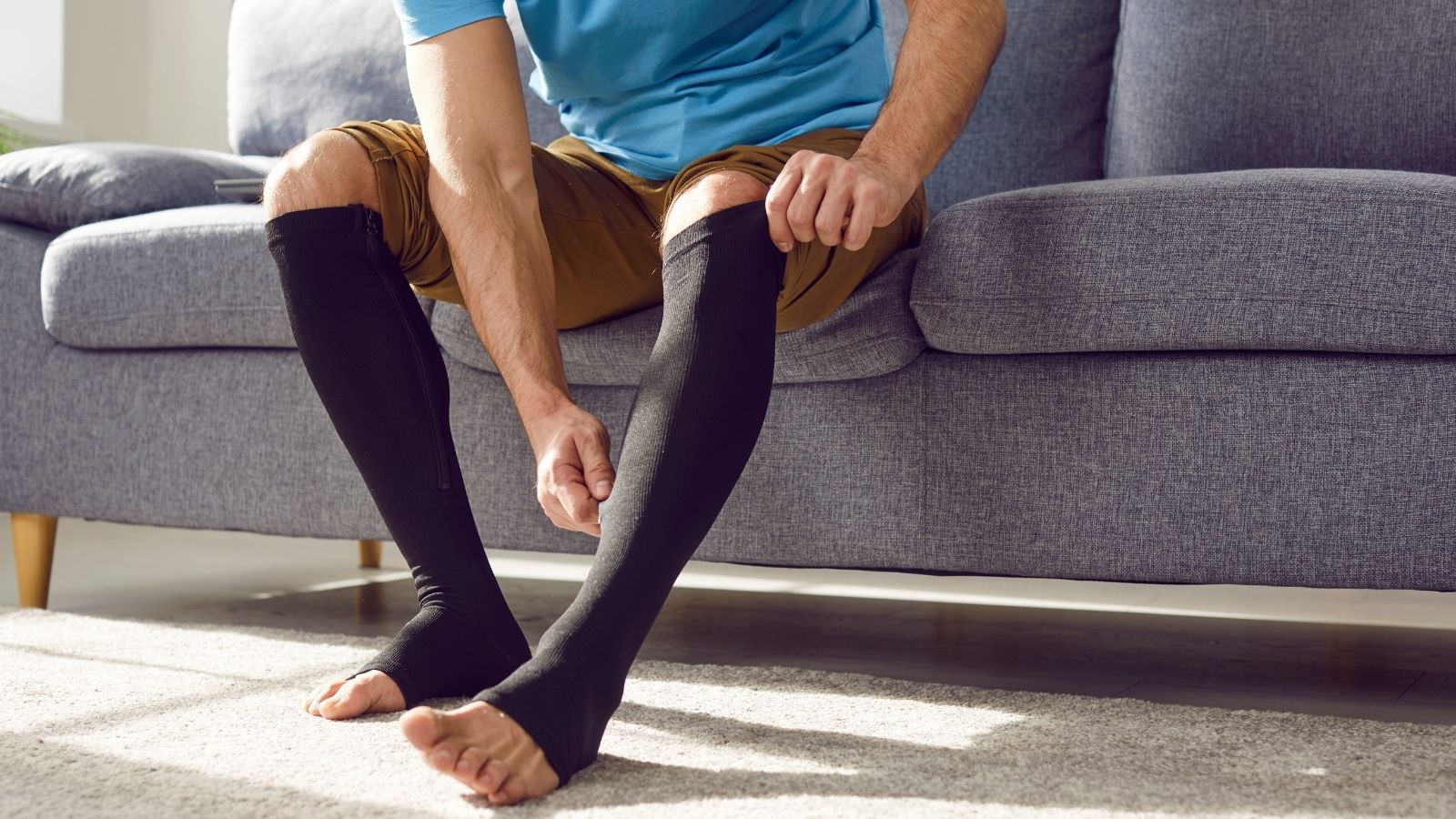
- Medical Varicose Veins Socks: These stockings are the basis of conservative treatment. By applying controlled pressure from the outside, they promote blood circulation and reduce discomfort.
- Regular Exercise: Activities that work the calf muscles, especially walking, swimming and cycling, help pump blood to the heart.
- Weight Control: Maintaining your ideal weight directly reduces the load on your leg veins.
- Avoid Being Sedentary: Getting up and walking for a few minutes every hour or so, or moving your ankles while seated, revitalizes blood circulation.
- Raising the Legs: Elevating your legs above the level of your heart whenever you have the opportunity during the day and in the evenings when you go to bed reduces vascular stasis.
- Healthy Diet: Avoiding constipation by eating a diet high in fiber helps indirectly by lowering intra-abdominal pressure.
- Avoiding Hot Environments: Excessively hot environments such as hot springs, saunas and baths are not recommended as they can cause the veins to dilate further.
- Although these measures may alleviate your symptoms, they do not eliminate the underlying problem of valve insufficiency. A permanent solution for varicose veins that cause significant symptoms is possible with modern interventional varicose vein treatment methods.
What are the Modern Varicose Veins Treatment Methods Today?
The technological developments in the field of varicose vein treatment in the last two decades are almost a revolution. Classical surgeries, which used to be the only option and a very laborious process for patients, have now been replaced by minimally invasive methods that do not require hospitalization, do not require general anesthesia, the post-procedure pain is minimal and patients can return to their normal lives on the same day. Treatment guidelines published by international health authorities now recommend these modern methods as the first choice. The main purpose of these methods is to disable the problematic vein by closing it from the inside, rather than removing it from the body.
What kind of procedure is laser varicose vein treatment (EVLA)?
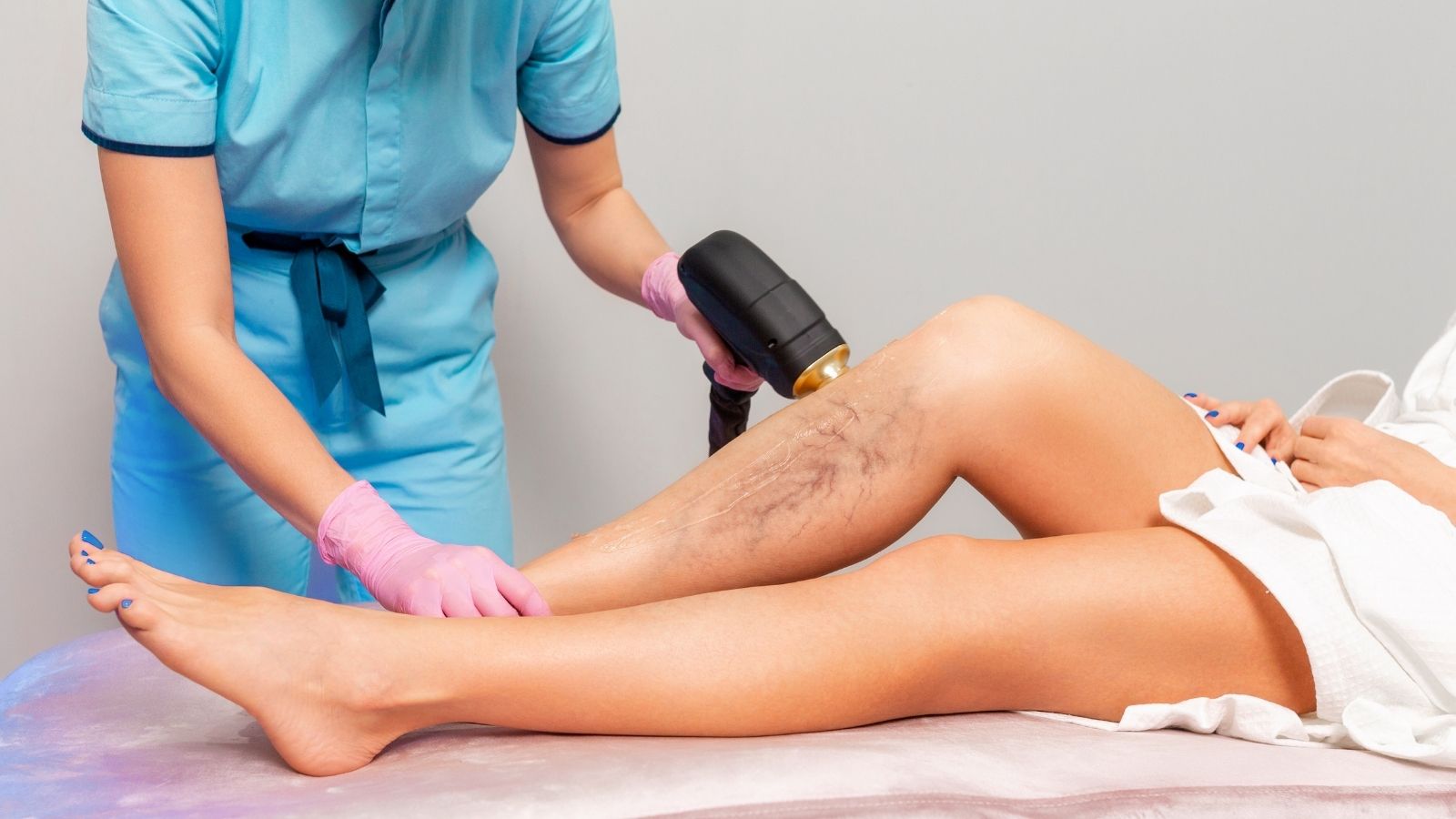
Endovenous Laser Ablation (EVLA) is one of the methods that are considered the gold standard in the treatment of main vein insufficiencies today. The aim of this method is to close the main superficial vein in which blood is constantly accumulating (refluxing) by burning it from the inside using laser energy.
The procedure is performed under completely sterile conditions and under Doppler ultrasound guidance. A thin needle is inserted into the vein, usually at knee or ankle level. Through this needle, a thin laser fiber (about the thickness of a fishing line) is inserted, which can be advanced along the vein. The laser fiber is advanced to the point behind the groin or knee where the main source of the problem is located, under constant control with ultrasound.
The most critical and important step of the procedure is the injection of a special mixture of cold serum and local anesthetic, called thumasan anesthesia, into the tissue space around the vein to be treated. This fluid has three vital tasks: First, it ensures complete painlessness during the procedure. Second, it creates an insulating shield that protects surrounding nerves, skin and other tissues against the high heat generated by the laser. Third, it compresses the vessel by squeezing it from the outside, allowing it to shrink, which allows the laser energy to be focused much more effectively on the vessel wall. Once this anesthesia is administered, the laser device is activated and the fiber retracts slowly and in a controlled manner. The intense heat energy emitted from the tip of the laser then irreversibly destroys the inner wall of the vessel. The heat-damaged vessel instantly shrivels, closes, and over time is absorbed by the body and turns into a fibrous cord, a non-functional strip of tissue. The procedure takes approximately 30-45 minutes and the patient can walk home as soon as the procedure is over.
Is Radiofrequency Varicose Veins Treatment (RFA) Different from Laser?
Radiofrequency Ablation (RFA) is another thermal (heat) treatment method that is very similar to laser in terms of the principle of operation. The main difference is that radiofrequency energy is used as the heat source instead of laser light. The procedure steps are almost identical to laser treatment in terms of the technique of entering the vein and the necessity of thumasan anesthesia.
In the radiofrequency method, a special catheter is inserted into the vein. Modern radiofrequency catheters have a 7 cm long heating element at the tip. The device raises this element to a controlled temperature (usually 120°C) and segments the vessel from the inside in 20-second intervals. The catheter retracts slightly after each energization cycle, treating the entire problematic vessel segment. This automated and controlled delivery of energy is one of the most important features of RFA.
Both laser and radiofrequency are very close and highly successful methods in terms of efficacy and safety. Scientific studies show that the long term success rates of both methods are above . Although some studies suggest that radiofrequency treatment may cause slightly less pain and bruising in the post-treatment period, this difference is usually minimal. Which method is chosen is usually determined by the experience of the physician, the available technology and the characteristics of the patient’s vasculature.
Who is the new “Adhesive Varicose Vein Treatment” (CAE) suitable for?
Cyanoacrylate Embolization (CAE), or varicose vein implantation treatment as it is popularly known, is one of the most innovative methods developed in recent years. This method is included in the group of “Non-Thermal, Non-Temporal Anesthesia” (NTNT) treatments. Its main purpose is to maximize patient comfort by completely eliminating thumasan anesthesia, which is a mandatory step of laser and radiofrequency treatments and requires a large number of needle injections.
In this method, a special system called VenaSeal⢠is used. Using a thin catheter inserted into the vein under ultrasound guidance, a biologically compatible medical adhesive (glue) is injected into the vein. This liquid adhesive solidifies (polymerizes) within seconds upon contact with the blood, bonding the inner walls of the vein together and instantaneously mechanically occluding the vein. The procedure is completed with small injections of adhesive every 3 cm along the problematic vein and after each injection, pressure is applied by hand from the outside for 30 seconds.
The major advantages of this method are the following:
- No thumasan anesthesia is required, which means that almost nothing is done during the procedure.
- It is an excellent alternative for patients with fear of needles (phobia).
- Since no heat is used, risks such as thermal nerve damage are theoretically absent.
- It is usually not necessary to wear compression stockings after the procedure.
Despite these comfortable features, the most common side effect is “phlebitis”, i.e. superficial vein inflammation, which occurs in about -15% of patients along the treated vein and is a reaction of the body to the adhesive. This condition is usually easily managed with simple painkillers. Although success rates are as high as thermal methods in the short term, data on its long-term durability is not yet as comprehensive as for other methods.
In which cases is foam varicose vein treatment (sclerotherapy) used?
Foam sclerotherapy is the process of mixing a special drug, sclerosing agent, with air in certain proportions to form a foam and injecting this foam into the varicose vein under ultrasound guidance. The foam removes blood from the vein more effectively than liquid medication and increases the effectiveness of the drug by contacting the vein wall for a longer period of time. The injected foam chemically destroys the inner surface of the vein, which leads to its closure and, over time, its destruction by the body.
Foam therapy is used as a versatile tool in the treatment of varicose veins.
Complementary Treatment: It is the most commonly used method in the treatment of large and tortuous side branch varicose veins that are visible after the main vein is closed with methods such as laser or radiofrequency.
Alternative Main Vein Treatment: It can be an alternative for main vein treatment in cases where thermal methods are not technically feasible (e.g. the vein is very superficial or excessively tortuous).
Recurrent Varicose Veins: It is a very effective option for patients who have previously undergone surgery or other treatment but whose varicose veins have recurred, especially in cases where surgical intervention is difficult.
Capillary Treatment: For the smallest capillary varicose veins (telangiectasias), an undiluted, liquid form of the drug (liquid sclerotherapy) is usually preferred.
Will varicose veins recur after treatment?
This is one of the most important questions that every patient considering varicose veins treatment rightly asks. The straight answer to this question is “yes, it can recur”, but it is necessary to understand the reason for this correctly. Varicose veins should not be thought of as an appendicitis that disappears completely once treated. Varicose veins is a chronic, i.e. chronic disease due to an underlying genetic weakness of the vascular wall.
Modern treatments close or eliminate the currently problematic vein with an extremely high success rate. However, these treatments do not eliminate the potential for your body to develop a new varicose vein in another vein, i.e. the underlying genetic predisposition.
There are two main reasons why varicose veins recur:
Natural Progression of the Disease: This is the most common cause. Years after a successful treatment, another vein segment that was completely healthy at the time of treatment may weaken over time and become a new focus of varicose veins. This is not a failure of the initial treatment, but a consequence of the chronic nature of the disease.
Inadequate or Incomplete Treatment: Inadequate Doppler ultrasound examination at the beginning, failure to detect all problematic vessels (reflux sources) or technically incomplete treatment can cause the disease to reappear much sooner. For this reason, it is critical that the treatment is performed by an experienced physician, accompanied by quality Doppler mapping.
Are Varicose Veins a Problem?
Varicose veins, which are only visually disturbing at first; In addition to severe pain in the legs, phlebitis, rupture and bleeding of the veins, they can cause blood clot formation in the veins and blood clot formation in the lungs (pulmonary embolism).
Frequently Asked Questions
Who is more likely to have varicose veins?
It is more common in women, those with a family history of varicose veins, those who stand for long periods of time and pregnant women.
What causes varicose veins?
It occurs when blood flows backward and accumulates in the veins as a result of improper functioning of the vein valves.
What are the symptoms of varicose veins?
The most common symptoms are pain, aching, itching, cramps, burning sensation and prominent veins in the legs.
Do varicose veins hurt?
Yes, it can cause pain, especially at the end of the day and when standing for long periods of time.
How are varicose veins diagnosed?
It starts with a physical examination, then the vascular structure is evaluated with color doppler ultrasound.
Can varicose veins be treated?
Yes, there are many effective treatment methods, from lifestyle changes to laser and surgical intervention.
Will varicose veins go away on their own?
No, varicose veins can progress over time. Early diagnosis and treatment are important.
What methods are used to treat varicose veins?
Sclerotherapy, laser treatment, radiofrequency ablation and surgery are the most common methods.
Does varicose veins remedy work?
No, the leg veins pump blood to the heart by contracting the muscles and walking is recommended in patients with normal muscles. However, in patients with muscle weakness and bedridden patients, varicose vein stockings support the veins and reduce complaints.
Is varicose vein surgery a difficult procedure?
Today, varicose vein surgery is performed with minimally invasive methods or without anesthesia, without cancer, without stitches, and discharge is usually possible on the same day.
Can varicose veins occur during pregnancy?
Yes, increased hormones during pregnancy and increased intra-abdominal pressure due to the baby increase the risk of varicose veins.
Do varicose veins recur?
It can be controlled with appropriate treatment and lifestyle changes, but in some cases it can recur.
Are varicose veins an obstacle to sports?
No. In fact, low-impact exercises such as walking and swimming are good for varicose veins.
What should patients with varicose veins pay attention to?
Do not stand for long periods of time, rest with legs elevated and avoid gaining excess weight.

Prof. Dr. Yavuz Beşoğul graduated from Erciyes University Faculty of Medicine in 1989 and completed his specialization in Cardiovascular Surgery in 1996. Between 1997 and 2012, he served at Eskişehir Osmangazi University Faculty of Medicine as Assistant Professor, Associate Professor, and Professor, respectively. Prof. Dr. Beşoğul, one of the pioneers of minimally invasive cardiovascular surgery in Türkiye, has specialized in closed-heart surgeries, underarm heart valve surgery, beating-heart bypass, and peripheral vascular surgery. He worked at Florence Nightingale Kızıltoprak Hospital between 2012–2014, Medicana Çamlıca Hospital between 2014–2017, and İstinye University (Medical Park) Hospital between 2017–2023. With over 100 publications and one book chapter, Prof. Dr. Beşoğul has contributed significantly to the medical literature and is known for his minimally invasive approaches that prioritize patient safety and rapid recovery.