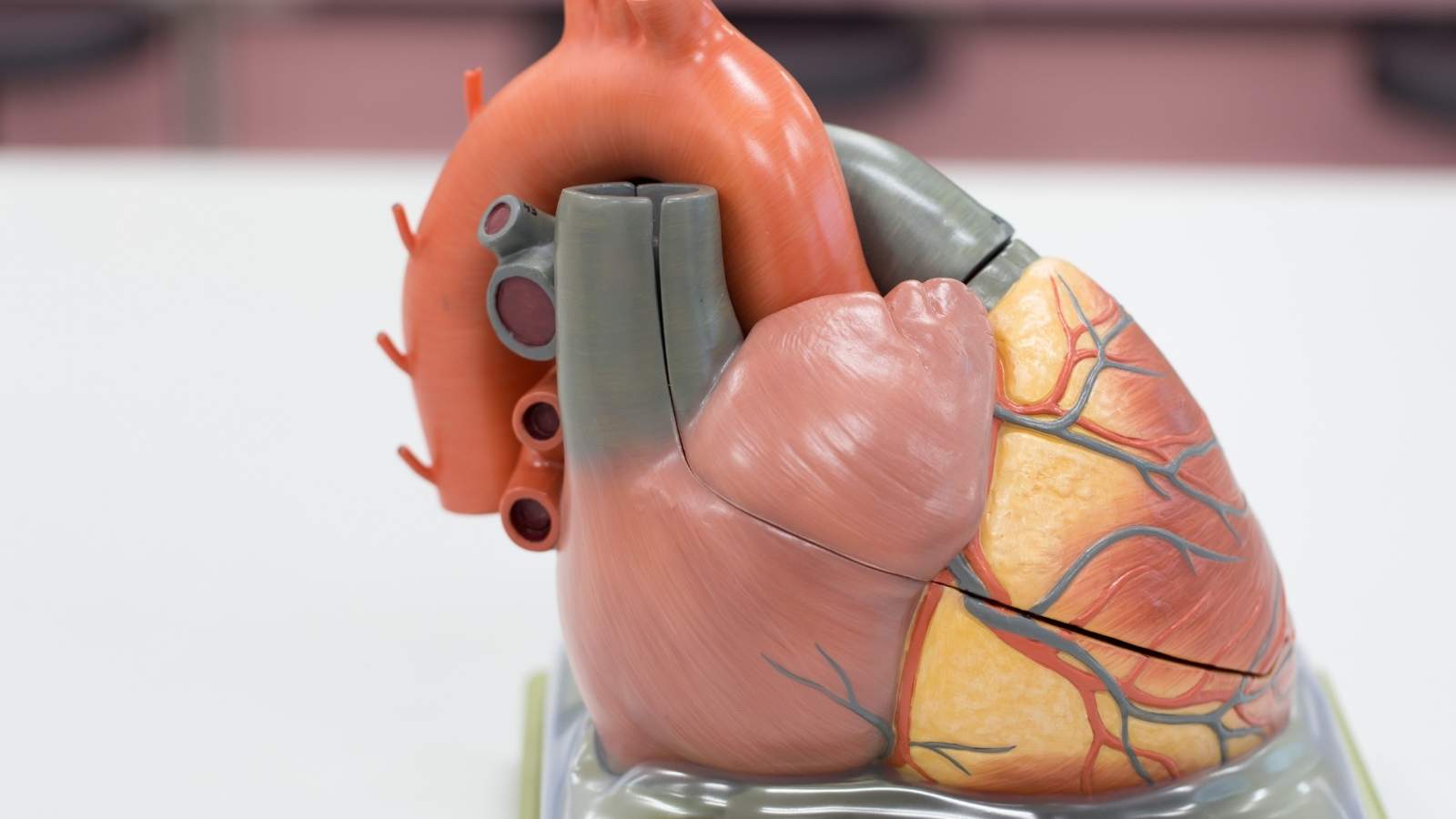


Cardiac enlargement, also called cardiomegaly, refers to an abnormal increase in the size of the heart, often detected through imaging studies such as X-ray or echocardiography. This condition usually reflects an underlying structural or functional cardiac disorder.
Causes of cardiomegaly include hypertension, valvular diseases, coronary artery disease, and cardiomyopathies. Each condition contributes to increased workload on the heart, leading to hypertrophy or dilatation of cardiac chambers as compensatory mechanisms.
Symptoms of an enlarged heart may vary but often include shortness of breath, fatigue, palpitations, and swelling in the lower extremities. These signs typically arise from impaired pumping function and congestion in the circulatory system.
Long-term complications of cardiomegaly include arrhythmias, heart failure, and thromboembolic events. Early detection and treatment of the underlying cause are essential to prevent progression and to maintain optimal cardiovascular function.
| Medical Name | Cardiomegaly |
| Common Symptoms | – Shortness of breath- Rapid fatigue- Swelling in the legs and abdomen (edema)- Palpitations- Chest pain- Fainting |
| Causes | – High blood pressure (hypertension)- Heart valve diseases- Heart failure- Coronary artery disease- Congenital heart diseases- Anemia- Thyroid diseases |
| Risk Factors | – Hypertension- Family history of heart disease- Heart attack- Diabetes- Obesity- Alcohol use |
| Complications | – Heart failure- Arrhythmia- Blood clots- Sudden cardiac arrest |
| Diagnostic Methods | – Chest X-ray- Echocardiography- ECG- Cardiac MRI- CT (Computed Tomography) |
| Treatment Methods | – Treatment of the underlying cause (blood pressure control, valve repair, etc.) – Medication (diuretics, ACE inhibitors, beta blockers, etc.) – Surgical intervention or heart transplantation in severe cases |
| Prevention Methods | – Regular control of blood pressure- Healthy diet- Regular exercise- Avoiding smoking and alcohol- Regular medical check-ups |
What Does a Heart Enlargement Mean?
Remember that your heart is a muscle. Just like any other muscle, it experiences changes in its shape when subjected to stress and load. There are basically two different scenarios for heart enlargement. Understanding these scenarios is critical to identify the source of the problem and the solution.
The first is thickening of the heart walls (hypertrophy in medical terms). This is similar to the growth of the biceps muscle in an athlete who regularly lifts weights. If your heart constantly encounters an obstacle in the way of pumping blood around the body, it has to contract more strongly to overcome this obstacle. The most common cause of this obstacle is uncontrolled high blood pressure. Constantly high blood pressure is like climbing a never-ending hill for the heart. Another important obstacle is stenosis of the aortic valve. When the valve of the main artery leaving the heart (the aorta) is narrowed, the heart has to exert tremendous effort to get the blood through this narrow door. Over time, this constant pressure load causes the heart muscle cells to thicken and the heart walls to harden. Initially this may seem like an adaptation mechanism, but over time these thick and stiff walls cause the heart to lose its flexibility. Because the heart cannot relax enough, it cannot fill with enough blood. This is the basis of the condition called “diastolic heart failure”, which causes complaints such as shortness of breath, especially during exertion.
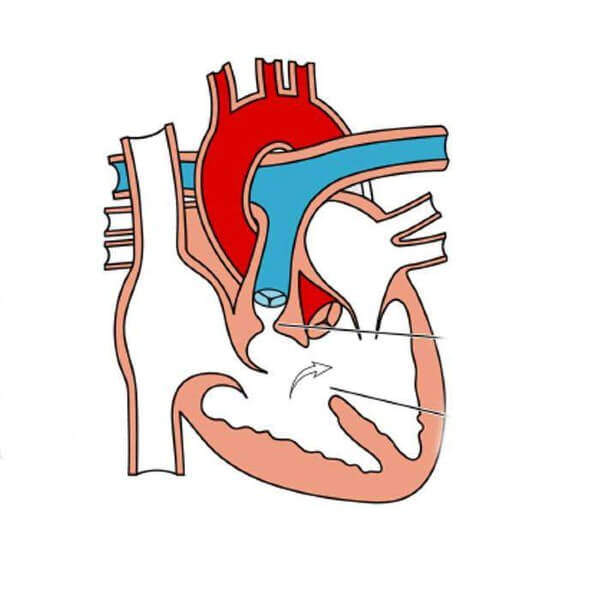
The second scenario is when the heart chambers expand like a balloon (dilatation in medical terms). This can be likened to a rubber band that is constantly stretched and becomes looser and longer over time. If your heart has to pump much more blood than normal with each beat, this volume overload will eventually thin the walls of the heart chambers and expand their internal volume. The most common conditions that cause this are valvular insufficiency (e.g. mitral or aortic regurgitation), in which the heart valves do not close completely and leak back blood. The backed-up blood is added to the normal amount of blood that needs to be pumped in the next beat, and the heart gradually expands to carry this load. The overstretched heart muscle fibers lose their contractile strength after a while. The pumping function of the heart, the “systolic function”, is impaired. This leads to “systolic heart failure”, a condition in which the body cannot pump enough blood, causing weakness, fatigue and, in the later stages, fluid accumulation in the body.
The difference between these two conditions completely determines our treatment approach. The treatment of a thickened and hardened heart is different from the treatment of an enlarged and weakened heart. Therefore, making this distinction correctly during the diagnosis phase is the first step towards a successful outcome.
Why Does Heart Enlargement Occur and Which Conditions Pose a Risk?
The causes of an enlarged heart are quite varied and sometimes more than one factor can play a role. The success of treatment directly depends on correctly identifying this cause. Almost any condition that makes your heart work harder or weaken is a potential risk factor. The most common causes are the following:
- High blood pressure (Hypertension)
- Cardiovascular diseases (coronary artery disease)
- Previous heart attack
- Heart valve diseases (stenosis or insufficiency)
- Heart muscle diseases (Cardiomyopathies)
- Congenital heart diseases (such as holes)
- Heart rhythm disorders (arrhythmias)
- Pulmonary hypertension (pulmonary hypertension)
- Inflammation of the heart muscle (myocarditis)
- Excessive alcohol consumption
- Some narcotic substances
- Some chemotherapy drugs
- Severe anemia (Anemia)
- Thyroid gland diseases (hyperthyroidism or hypothyroidism)
- Kidney failure
The two most common causes on this list are high blood pressure and coronary artery disease. High blood pressure silently fatigues the heart over the years, causing its walls to thicken. In the case of coronary artery disease, blockages in the heart vessels prevent the heart muscle from getting enough nourishment. A heart attack causes part of the heart muscle to die and be replaced by scar tissue that is incapable of contracting. The parts of the heart that remain intact work harder to compensate for this deficiency and enlarge over time. Valvular heart disease also directly affects the heart by creating mechanical problems. Either they force the heart to force blood through a narrow valve (stenosis) or they leak blood backwards, increasing the load on the heart (regurgitation). In both cases, the result is that the structure of the heart is distorted and enlarged.
What are the symptoms of an enlarged heart and when to consult a doctor?
Symptoms of an enlarged heart vary from person to person, depending on the severity of the underlying problem and how long it has been going on. Interestingly, many people do not notice any symptoms in the early stages of the disease. An enlarged heart is usually discovered by chance on a chest X-ray or during a check-up for another reason. However, when the heart starts to struggle to meet the body’s needs, i.e. when heart failure develops, symptoms start to appear. The most important symptoms to consider are the following:
- Shortness of breath (especially on exertion)
- Shortness of breath that increases when lying on your back
- Attacks of shortness of breath that wake you up at night
- Swelling in the feet, ankles or legs
- Feeling of bloating in the abdomen
- Constant weakness and fatigue
- Tired more quickly than usual
- Irregular, rapid or misfiring heartbeats (palpitations)
- Dizziness
- Blackouts or fainting
- Chest pain
The most common and most important of these symptoms is shortness of breath. Initially, this may only be felt when climbing stairs or walking uphill, but as the disease progresses, it may occur when walking on a flat road or even when resting. Some people feel the need to put several pillows under their head at night to sleep comfortably; this is an important sign of discomfort caused by fluid filling the lungs when they sleep on their backs. If you are experiencing one or more of these symptoms, especially if they are new or worsening, you should take the situation seriously and consult a cardiologist or cardiovascular surgeon. Early diagnosis is the key to successful treatment.
What Methods Are Used to Diagnose Heart Enlargement?
When you contact us with a suspected enlarged heart, we follow a step-by-step roadmap to confirm the diagnosis, understand the type and extent of enlargement, see how much your heart is affected and, most importantly, find out what is causing it.
The first step is always a good patient history and a thorough physical examination. We listen to your complaints and listen to your heart and lungs with a stethoscope. We may hear sounds called “murmurs” that indicate problems with the heart valves, additional heart sounds suggestive of heart failure or fluid accumulation in the lungs. We check for swelling in your legs and fullness in your neck veins.
The next basic tests include an electrocardiogram (ECG) and a chest x-ray. The ECG records the electrical activity of your heart and gives clues about rhythm disturbances, thickening of the heart muscle or previous attacks. A chest X-ray allows us to see the size of your heart in the chest, its shadow. If this shadow is greater than a certain proportion, it strengthens the diagnosis of an enlarged heart.
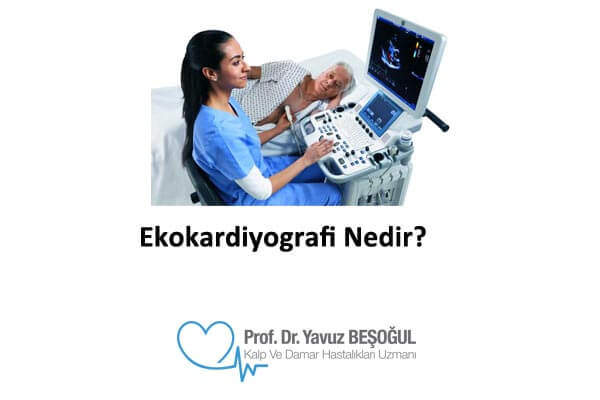
But it is the Echocardiogram (ECHO), an ultrasound of the heart, that gives us the most detailed information. This test is the gold standard for diagnosing an enlarged heart. Using sound waves, we obtain live, moving images of your heart. With ECHO, we clearly assess the size of your heart chambers, their wall thickness, the force of contraction (Ejection Fraction – EF) and, most importantly, the structure and function of your valves.
In some cases, especially when ECHO is inconclusive or the underlying cause is still unclear, we resort to a more advanced imaging modality such as Cardiac Magnetic Resonance (Cardiac MRI). Cardiac MRI not only measures the structure and function of the heart much more precisely, but also gives us information about the health of the heart muscle tissue. By using a special contrast agent, we can see the damaged or scar tissue (fibrosis) in the heart muscle like a map. This “bloodless biopsy” allows us to distinguish with great accuracy whether the growth is caused by a blockage in a blood vessel, a genetic heart muscle disease or a condition due to abnormal proteins accumulating in the body. This information can completely change our treatment plan and protect you from unnecessary or incorrect treatment.
Is Heart Enlargement Dangerous and What Happens If Left Untreated?
This question is one of the most frequently asked and worried about by our patients. To give a clear answer: Yes, an enlarged heart is dangerous if the underlying cause is not identified and treated. Left to its own devices, an enlarged heart can lead to serious complications with the risk of death.
The main risks of an untreated enlarged heart are as follows:
- Progressive congestive heart failure
- Paralysis (Stroke)
- Sudden cardiac arrest
- Fatal rhythm disturbances
- A clot in the lungs (pulmonary embolism)
An enlarged and weakened heart cannot pump enough blood efficiently to meet the body’s needs. Over time, this leads to a worsening of heart failure. Within the enlarged heart chambers, blood flow slows down, creating a favorable environment for clot formation. A clot that breaks away from the heart can block the vessels of the brain and cause a stroke. Perhaps the most frightening risk is that disruption of the heart’s structure can also disrupt its normal electrical system, setting the stage for dangerous arrhythmias that can lead to sudden death.
Which methods are used to treat an enlarged heart?
Treatment for an enlarged heart is like a tailor making a personalized dress. The cause of the enlargement, the degree to which the heart is affected and the general state of health are different for each patient. For this reason, the treatment plan is developed by a “heart team”, i.e. a close collaboration between a cardiologist and a cardiovascular surgeon. The answer to the question of what to do if you have an enlarged heart is to carefully follow the roadmap drawn by this expert team. Treatment options can basically be categorized under three main headings.
Lifestyle Changes and Medication
This is the first and most basic step in treatment. There is a lot you can do to lighten the load on your heart and live a healthier life:
- Reducing salt consumption
- Quit smoking completely
- Limiting or cutting out alcohol
- Regular exercise as recommended by your doctor
- Maintaining ideal weight
- Managing stress
In addition to these lifestyle changes, we start “guideline-based” drug therapies that are proven to treat heart failure. These medications reduce stress on your heart, block harmful hormonal systems, control blood pressure and help your heart work more efficiently. These treatments can slow the progression of the disease, reduce the need for hospitalization and significantly improve your quality of life. In some cases, these drugs can even lead to what we call “reverse healing” of the heart, i.e. the heart shrinks slightly and its function improves.
Device Treatments
In patients who meet certain criteria despite drug treatment, life-saving devices offered by technology come into play.
Pacemaker (Cardiac Resynchronization Therapy – CRT): Especially in enlarged hearts, the different walls of the heart contract incompatible with each other, like musicians listening to different conductors. This reduces the efficiency of the heart. This special three-wire pacemaker resynchronizes the heart’s contraction, making it work more harmoniously and powerfully.
Shock Device (Implantable Cardioverter-Defibrillator – ICD): Provides the most effective protection against sudden death, one of the biggest risks of an enlarged heart. This smart device monitors your heart’s rhythm around the clock. At the onset of a fatal arrhythmia, it automatically delivers an electric shock within seconds, returning the heart to its normal rhythm and saving lives.
Surgical Treatments
In cases where drug and device treatments are inadequate or the underlying cause is a mechanical problem, surgical treatment offers the most important and often the most permanent solution.
Heart Valve Repair or Replacement: If the cause of the enlarged heart is a defective heart valve, the solution is to repair or replace it. For the mitral valve in particular, repair is always our first choice, preserving the patient’s own valve wherever possible. If the valve is too damaged to be repaired, then it is replaced with a mechanical or biological prosthetic valve. This surgery removes the abnormal load on the heart, allowing the growth to stop or even regress.
Coronary Artery Bypass Surgery (CABG): If the problem is blockages in the heart arteries and the heart muscle is weakened because of these blockages, bypass surgery aims to revitalize the heart muscle by building new vascular bridges beyond the blocked arteries. Large scientific studies have clearly shown that in such patients, bypass surgery is superior to stenting or medication alone in prolonging life in the long term. Therefore, for the appropriate patient, bypass is not only a complaint-relieving operation but also a life-extending surgery.
Heart Assist Devices (LVAD): Artificial heart pumps come into play in end-stage heart failure, i.e. when the heart has exhausted its own power. Surgically implanted into the heart, these mechanical pumps take over the work of the heart and pump blood throughout the body. These devices can act as a “bridge” for patients waiting for a heart transplant, or as a permanent treatment for patients who do not have a chance of transplantation, incredibly increasing the duration and quality of life.
Heart Transplant: It is the last and most definitive treatment method in suitable patients when all other treatment options have been exhausted.
Is Heart Enlargement Different in Children or Athletes?
Yes, these two conditions require special consideration. An enlarged heart in children usually has different causes than in adults. The most common causes include congenital heart diseases (such as holes in the heart, valve anomalies), genetic heart muscle diseases or previous viral infections. Any suspicion of heart enlargement in children should be examined in detail by pediatric cardiologists.
Bodybuilding heart enlargement, or what is known as “athlete’s heart”, is a physiological adaptation that is considered normal. In athletes who train continuously and intensively, the heart may enlarge slightly and thicken its walls to meet the increased blood demand. This is usually harmless and reversible. However, it is important to distinguish between this physiological enlargement and pathological enlargement due to disease. For this reason, it is vital that people who practice professional or intensive sports undergo regular cardiological checks to make this distinction correctly.
How Long Do People with Enlarged Hearts Live and What to Expect for the Future?
This is one of the most curious questions our patients ask: “How long do patients with heart enlargement live?” There is no single, clear answer to this question. Life expectancy is completely individualized rather than a standardized figure. The most important factors determining the prognosis, i.e. the course of the disease, are
- The main disease causing enlarged heart
- How early the diagnosis is made
- How much heart function is impaired
- Type and success of treatment
- Patient compliance with treatment and lifestyle changes
- General health status of the patient and other concomitant diseases
For example, the life expectancy of a person whose heart is only slightly enlarged due to uncontrolled high blood pressure and whose blood pressure is controlled with medication is completely different from that of a person whose heart is severely enlarged after a serious heart attack and whose pumping power is greatly reduced.

Prof. Dr. Yavuz Beşoğul graduated from Erciyes University Faculty of Medicine in 1989 and completed his specialization in Cardiovascular Surgery in 1996. Between 1997 and 2012, he served at Eskişehir Osmangazi University Faculty of Medicine as Assistant Professor, Associate Professor, and Professor, respectively. Prof. Dr. Beşoğul, one of the pioneers of minimally invasive cardiovascular surgery in Türkiye, has specialized in closed-heart surgeries, underarm heart valve surgery, beating-heart bypass, and peripheral vascular surgery. He worked at Florence Nightingale Kızıltoprak Hospital between 2012–2014, Medicana Çamlıca Hospital between 2014–2017, and İstinye University (Medical Park) Hospital between 2017–2023. With over 100 publications and one book chapter, Prof. Dr. Beşoğul has contributed significantly to the medical literature and is known for his minimally invasive approaches that prioritize patient safety and rapid recovery.